Cardigan Welsh Corgi: temperament, training & herding nips
The Cardigan Welsh Corgi is a low, sturdy herding dog from Wales with a long body and a full tail. Most are loyal, steady and alert. Life goes well with a lean body weight, calm door routines, gentle-mouth training and back-friendly exercise.
The Cardigan is a low, sturdy cattle dog from the hills of Wales. That past made a loyal, steady, alert dog with a big bark and a heeler’s instincts.
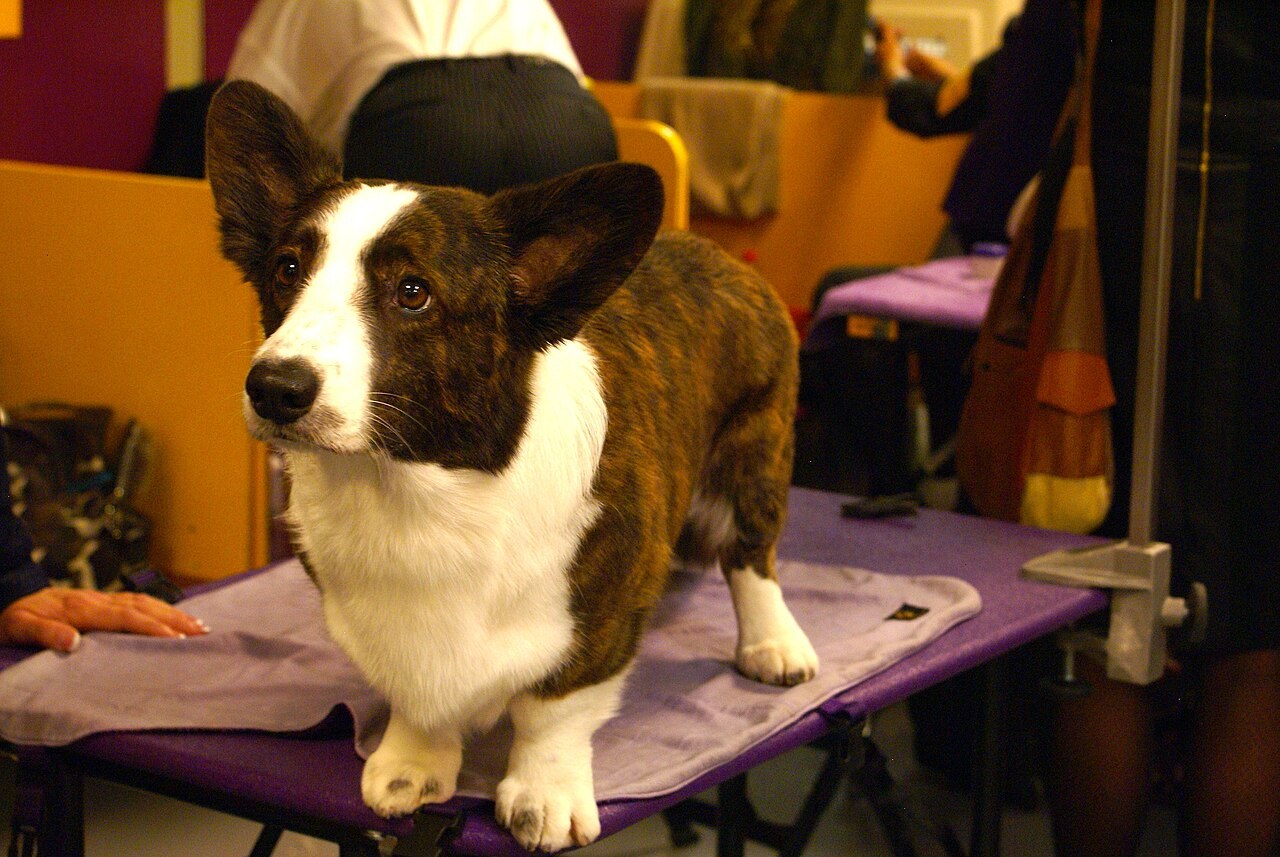
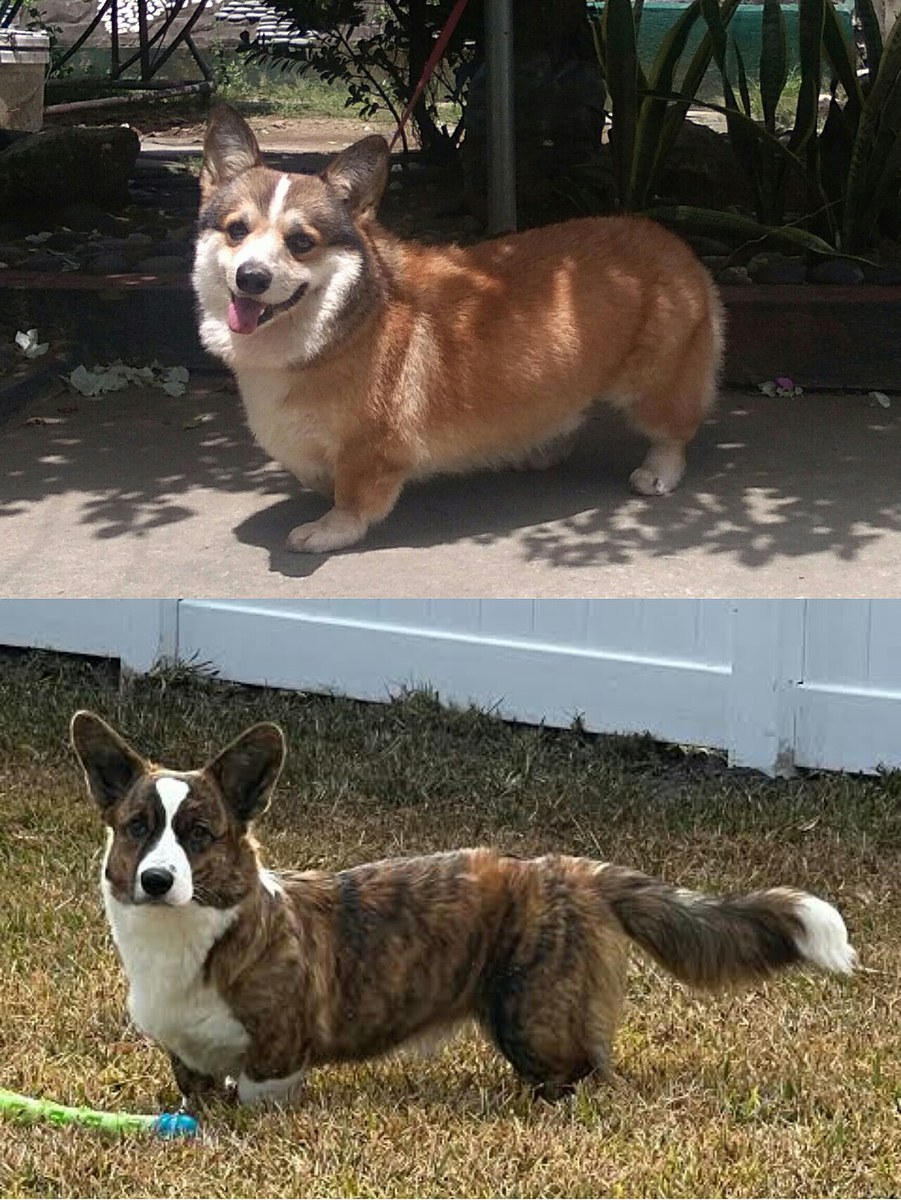
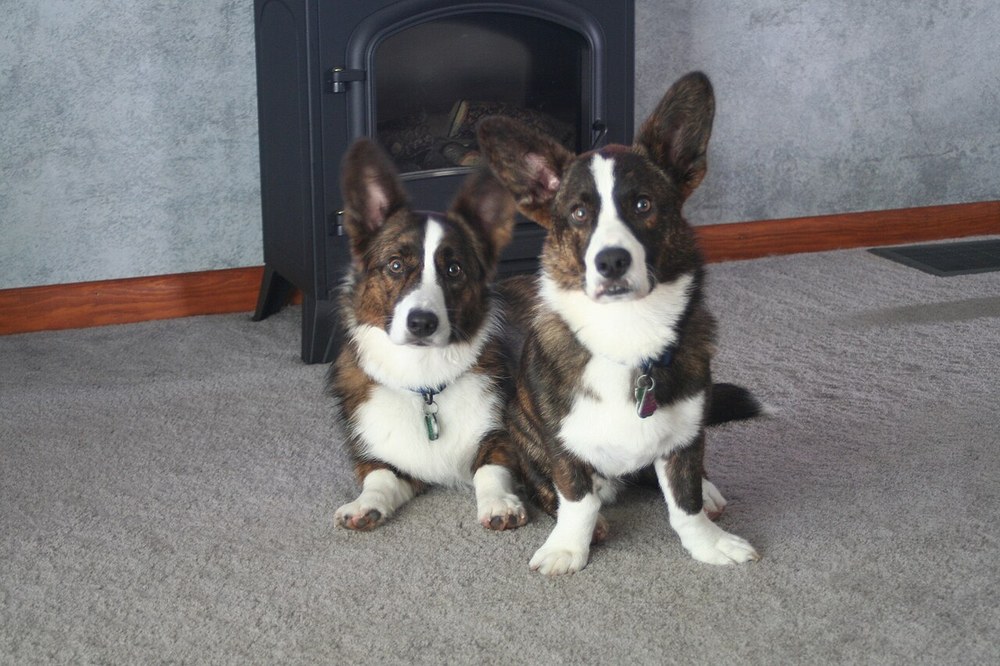
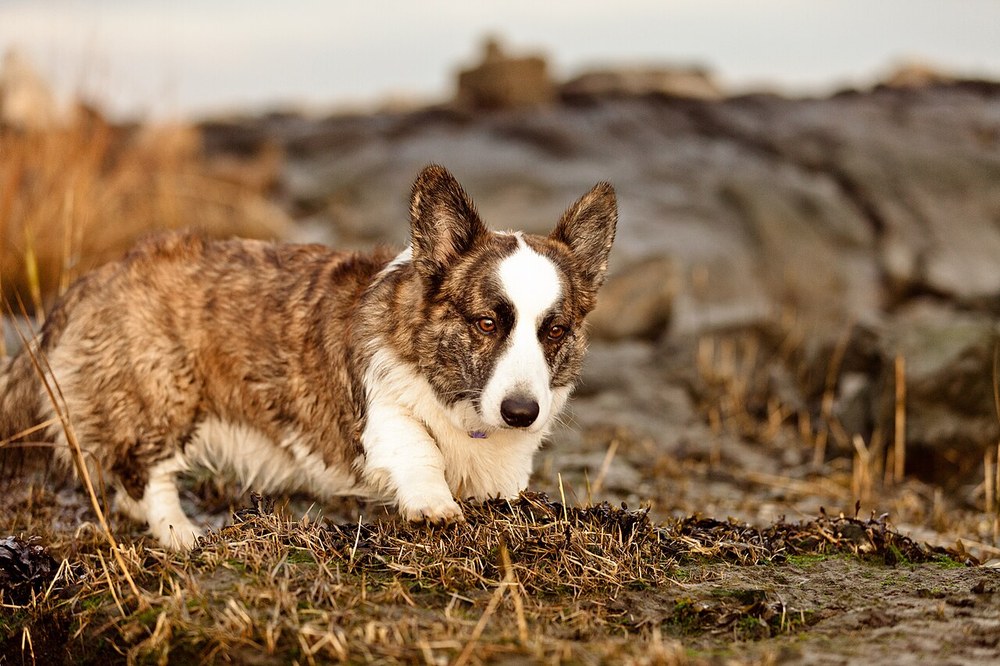
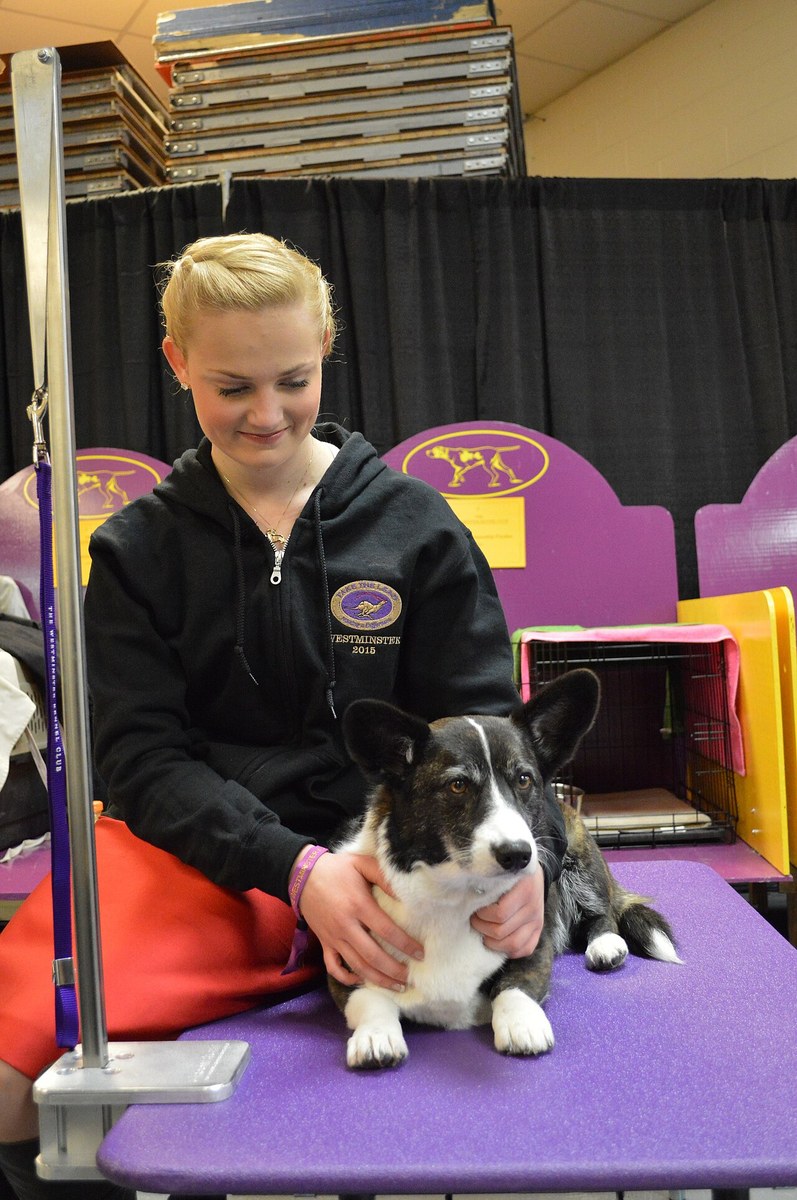
Cardigan Welsh Corgis (modern photographs). The long body and full tail are typical.
Cardiganshire, Wales → cattle dog
A Welsh farm dog
Public breed histories describe the Cardigan as one of the oldest herding types in Britain, used in Cardiganshire to drive cattle by nipping their heels.
Its low height helped it avoid kicks — and explains why many pet Cardigans nip at moving feet.
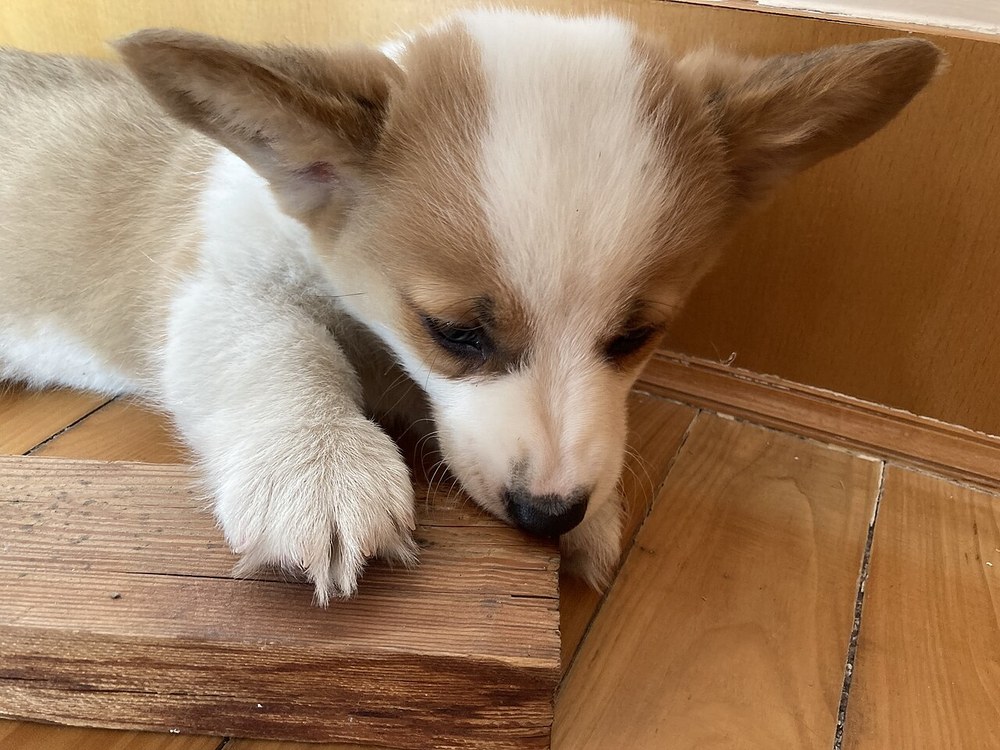
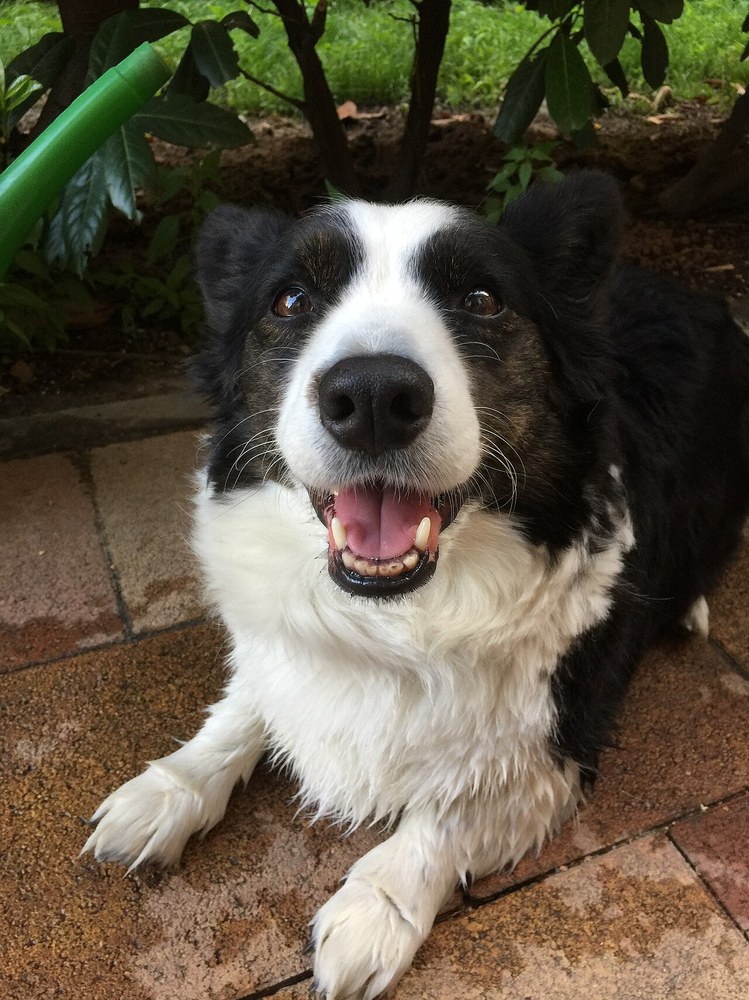
A two-month-old corgi puppy (modern photograph). Corgi puppies are curious and mouthy.
Separate breed from 1934 → homes
Separated from the Pembroke
Cardigans and Pembrokes were shown together until they were recognised as separate breeds in the 1930s.
Today most Cardigans are family dogs. Meet the parents and see their reaction to strangers.
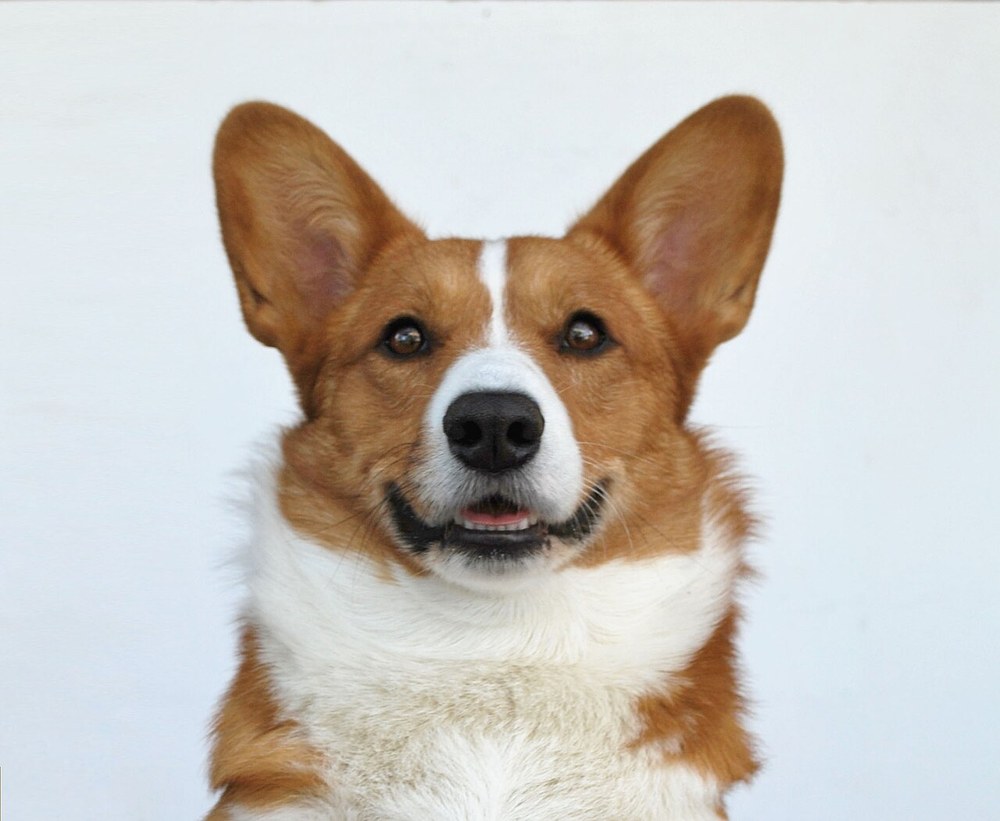
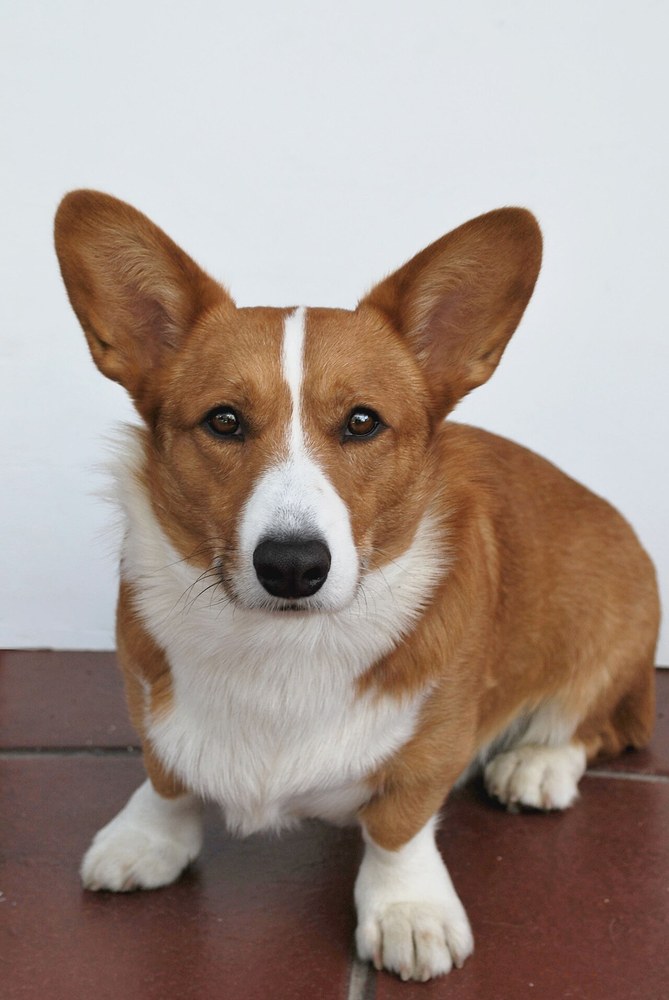
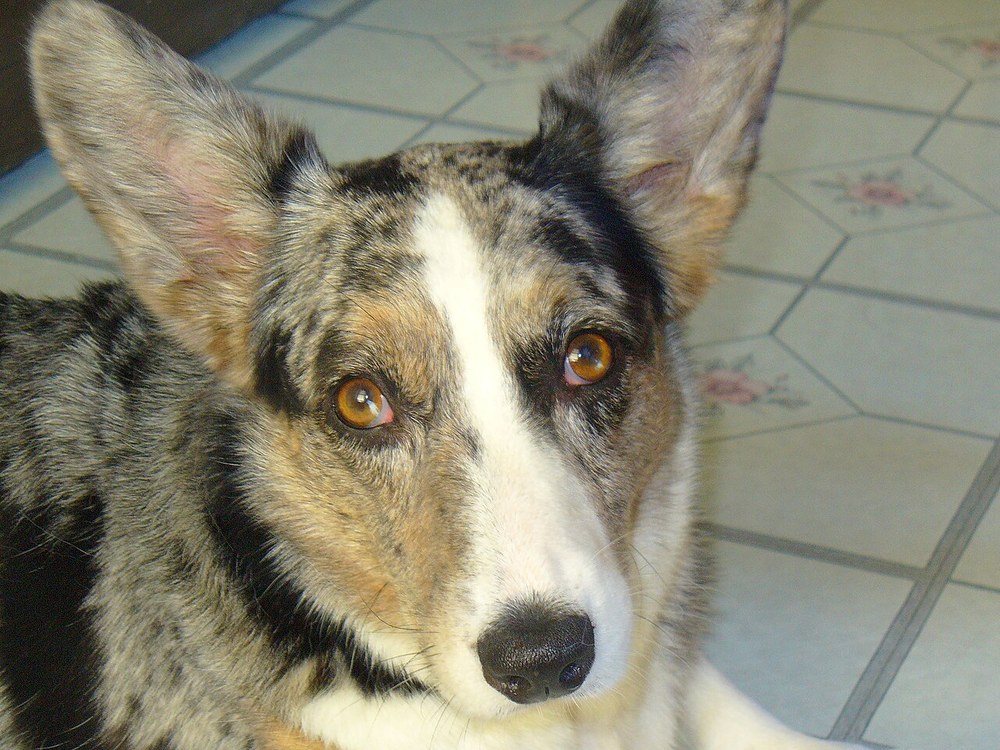
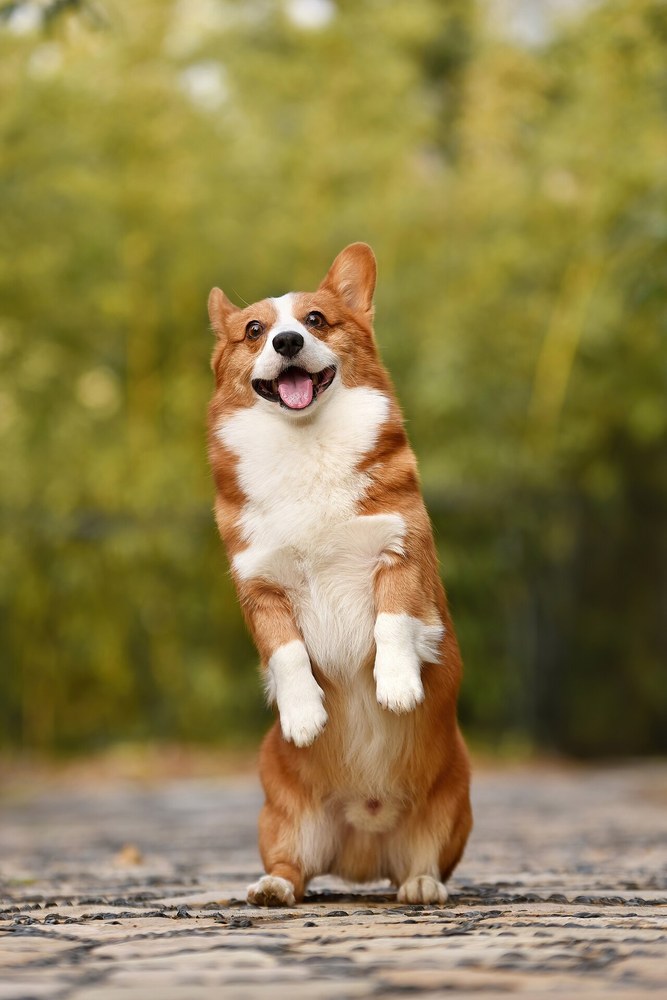
A red and white corgi (modern photograph). Cardigans come in more colours than Pembrokes, including merle and brindle.
What the breed was bred for
Loyal, steady and alert
In plain trainer language: Cardigans are devoted, steady dogs with a sense of humour. Many are reserved with strangers.
The challenges are barking, nipping, weight and protecting a long back. Calm training and lean feeding help most.
What to watch monthly: back, weight, coat and nails
General awareness only — I am a trainer, not a veterinarian. Notice back pain, wobbling or energy changes. For urgent signs, see
when to call the vet.
Back
Long back: limit jumping from heights; use ramps where needed.
Weight
Keep the dog lean to protect the back and joints.
Coat
Double coat that sheds; brush weekly.
Nails
Trim regularly.
Health screening (not a diagnosis)
Ask the breeder which screenings the national breed club recommends, including any DNA tests, and see results for both parents.
Toxins
I do not publish toxin amounts. Call a vet or poison-control line if the dog eats something dangerous.
Lines and types
Cardigan or Pembroke
Both are Welsh corgis, but they are separate breeds.
Cardigan
Full, fox-like tail.
Larger, rounder ears.
Many colours incl. merle and brindle.
Often more reserved.
The older, steadier corgi.
Pembroke
Often a docked or natural short tail.
Pointed ears.
Red, sable, tricolour.
Often more outgoing.
The more common corgi.
Socialization windows
What to introduce — and what not to overload — by age
AVSAB-aligned in spirit: short, clean exposures at a distance the puppy can still eat,
with hygiene while vaccines finish. See the
puppy socialization schedule.
“With a Cardigan, I keep the dog lean and busy. We teach quiet at the door, gentle mouths and calm greetings — because a sturdy little heeler needs clear jobs.”
Sessions cover real scenes: barking at the door, nipping at heels, wariness of visitors, and weight. I am a trainer, not a veterinarian. No invented reviews.
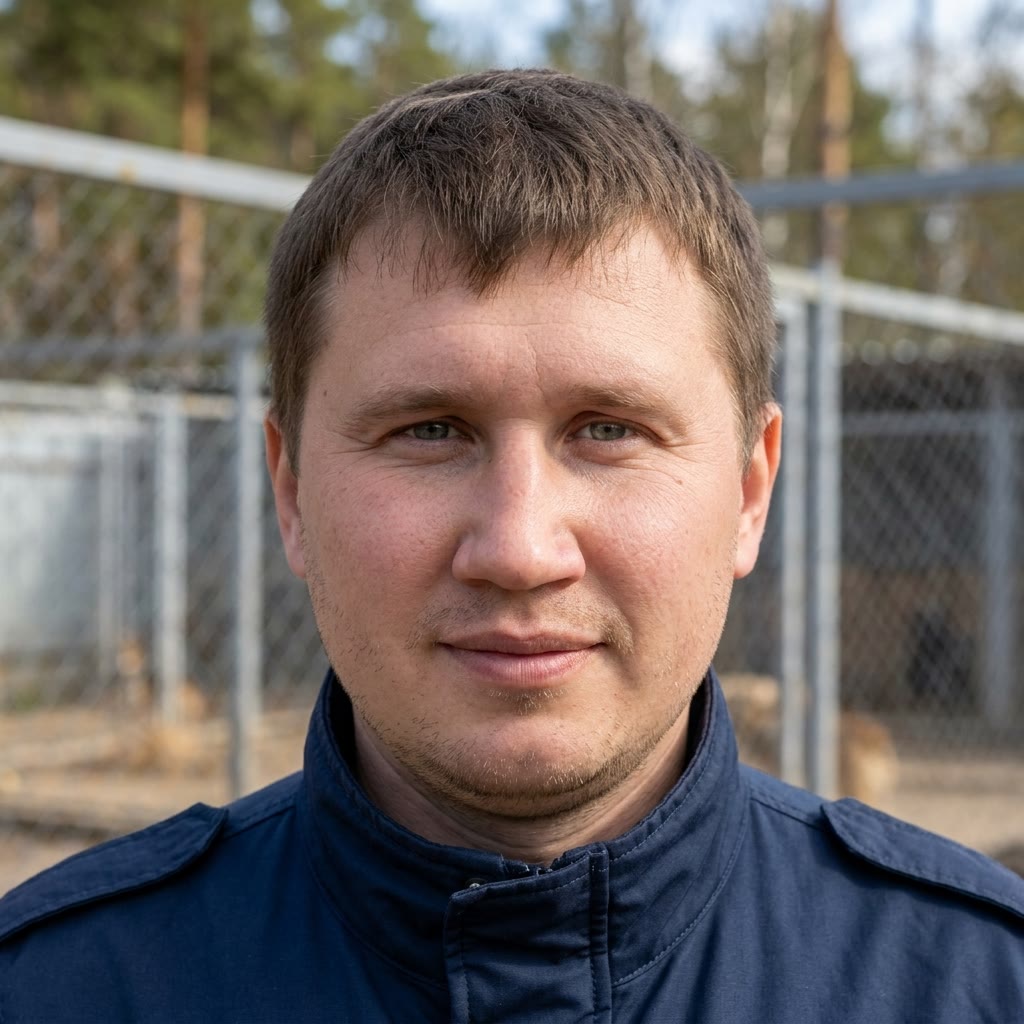
Andrew DarovProfessional dog trainer and instructor
Describe age, living setup, and where the dog breaks first — barking at the door, nipping at heels, wariness of visitors, or weight. Opens WhatsApp to Andrew.
A compact Nordic farm herder. Needs real work, clear game endings and bark management — flat life only with a serious outdoor plan.
Need a read on your exact situation?
Describe your Cardigan Welsh Corgi’s age and the scene that repeats most: barking at the door, nipping at heels, wariness of visitors, or weight. We check safety first, then pick the first skill.
Written by Andrew Darov, professional dog trainer. Not veterinary advice and not a diagnosis.
Not a kennel club. No invented reviews. No vaccine schedules or toxin doses. Photo credits in
/images/breeds/cardigan-welsh-corgi-guide/credits.md.