Rare breed → police and sport
From farms to police work
As farming changed, the breed became rare. It is now used by police and in dog sports, and is kept by active families.
Working lines are intense. Meet the parents and ask what work they do.
Dutch Shepherd · Herding
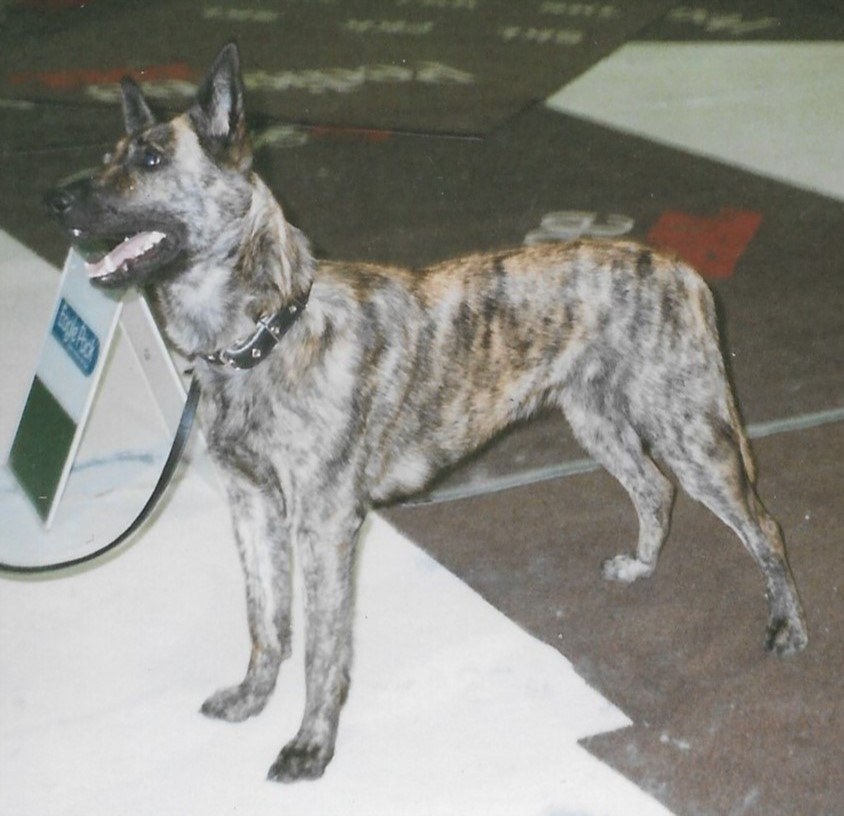
The Dutch Shepherd is a medium-sized, brindle herding dog from the Netherlands. Most are clever, energetic and loyal, with strong working drive. Life goes well with a daily brain-and-body job, rest practised like a skill, calm meetings with strangers and a handler who enjoys training.
First, the point
Public breed histories describe a Dutch farm all-rounder that is now used in police work and dog sports.
Most are devoted problem-solvers. Typical struggles: grabbing, restlessness indoors, suspicion of strangers and chasing.
In the first months I focus on food games, toy trades, handling and short crate naps.
Breed history
The Dutch Shepherd was a farm dog that herded, guarded and helped with chores. That made a clever, energetic, adaptable dog with real working drive.
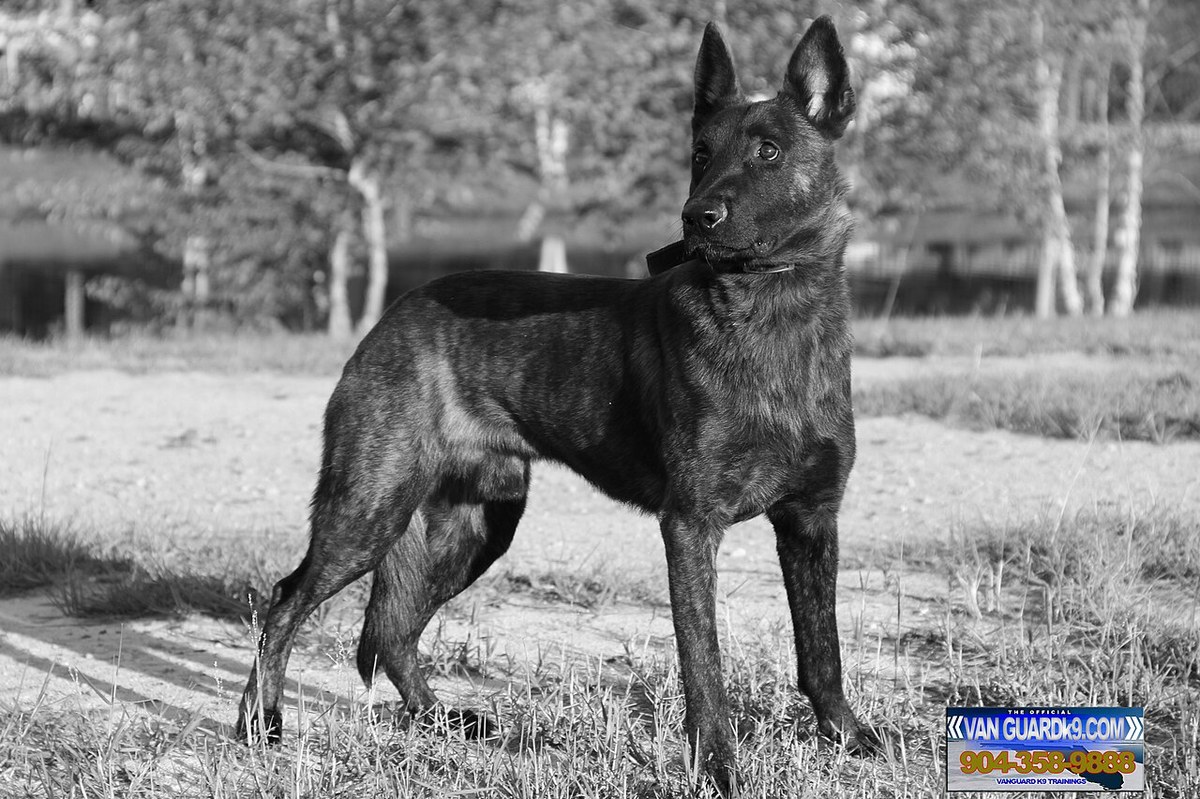
Netherlands, 1800s → farm dog
Public breed histories describe the Dutch Shepherd as a 19th-century farm dog that kept sheep out of crops, herded and guarded the farm.
It had to think and work all day, which explains its intelligence and energy.
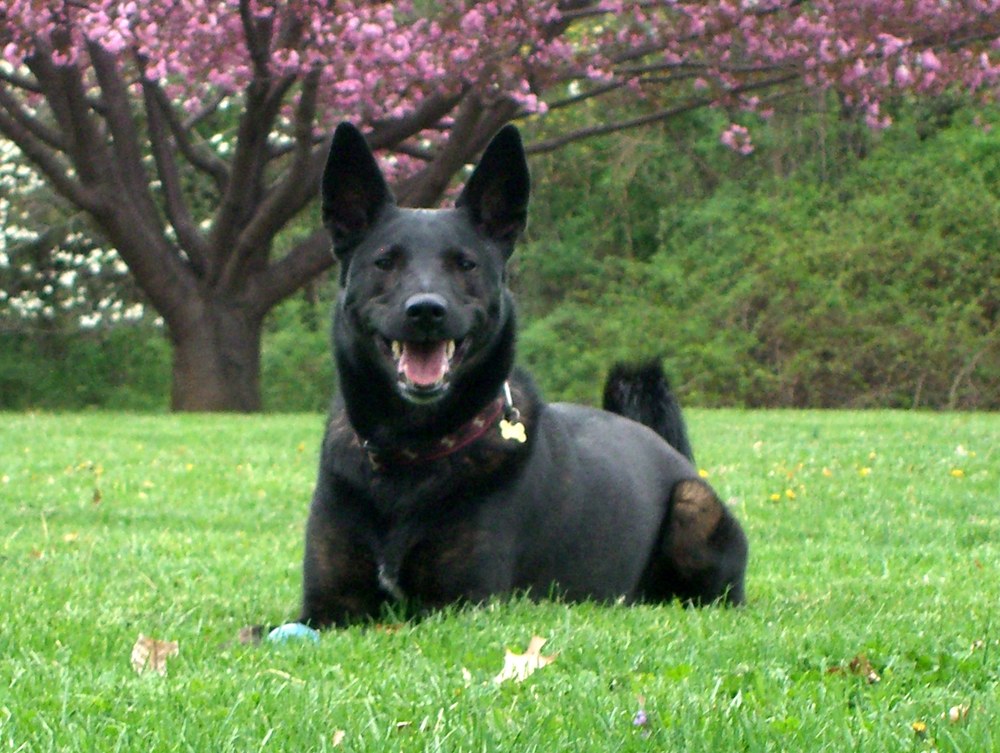
Rare breed → police and sport
As farming changed, the breed became rare. It is now used by police and in dog sports, and is kept by active families.
Working lines are intense. Meet the parents and ask what work they do.
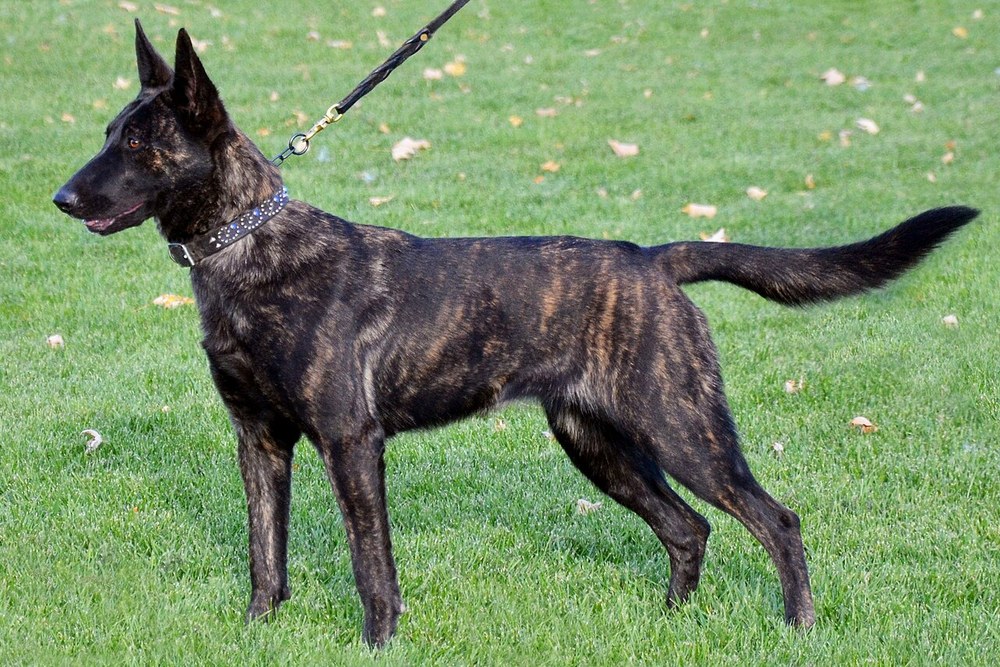
What the breed was bred for
In plain trainer language: a Dutch Shepherd is a problem-solver. It watches you, learns routines fast and wants something to do with its brain and body.
Owners usually hit four walls: a dog that grabs, a dog that cannot rest, suspicion of strangers and chasing. A job plus rest training covers most of it.
Public references: FCI 223, AKC Dutch Shepherd, FCI.
Life together
Dutch Shepherds need a job every day and a calm routine at home.
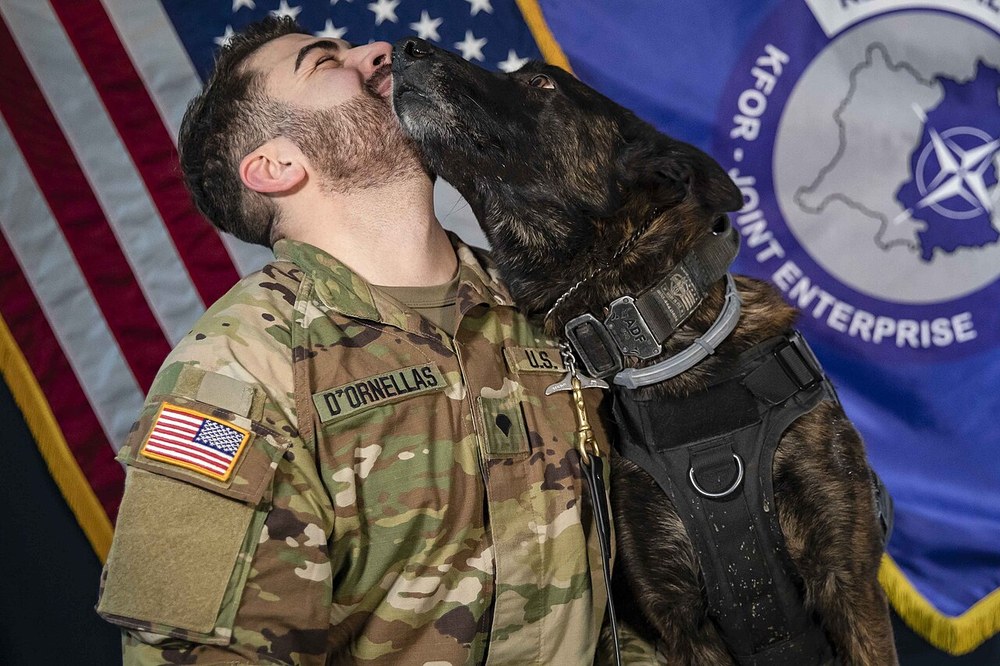
Many Dutch Shepherds work as police or detection dogs.
See name check-in.
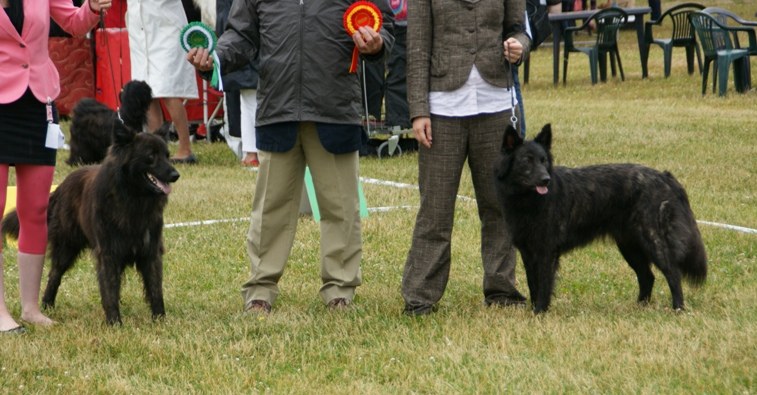
Socialization helps in busy places.
Care and health themes
This is a trainer’s checklist, not veterinary advice. Lameness, licking one spot or a flat mood all deserve a vet visit. For urgent signs, see when to call the vet.
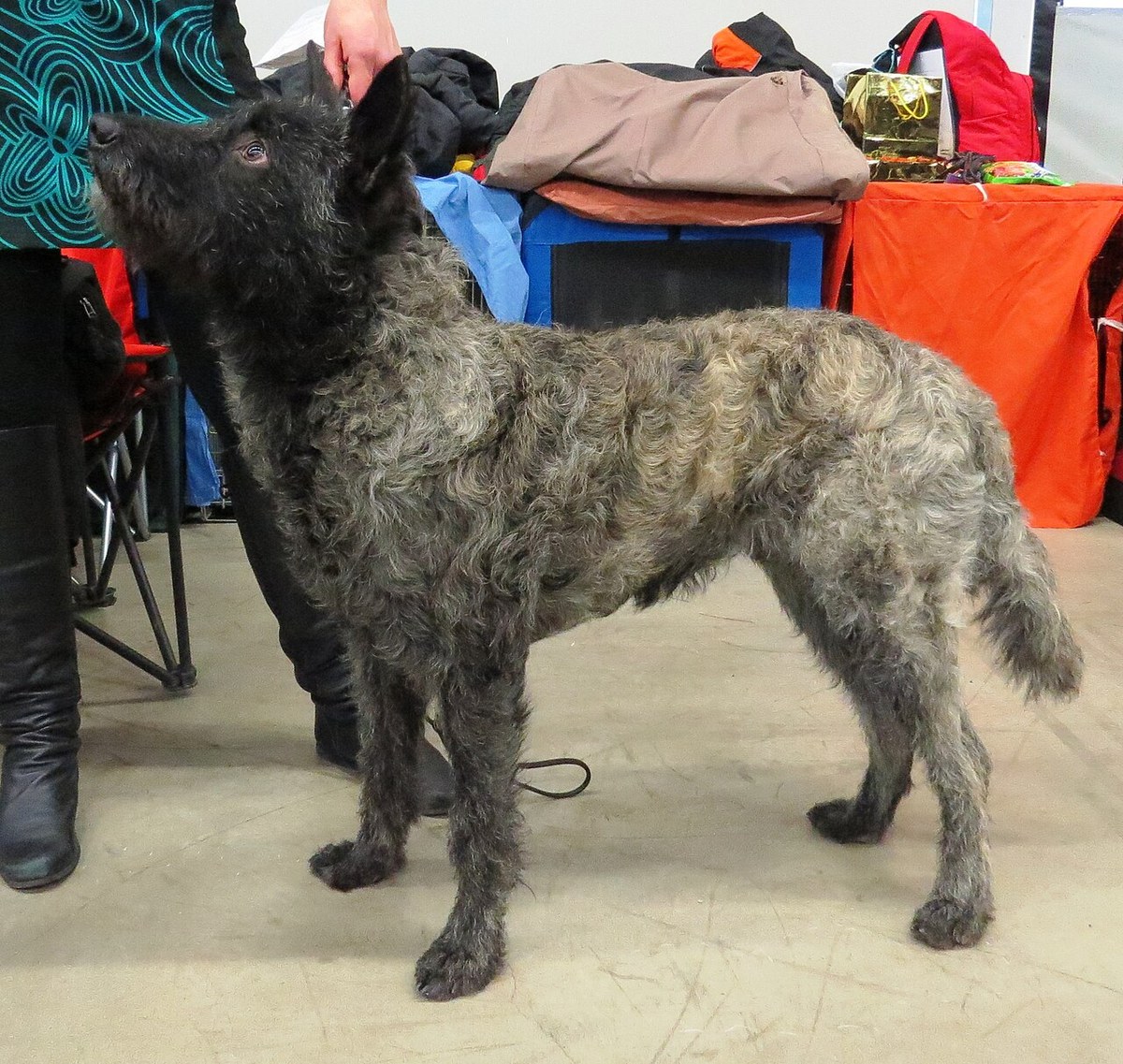
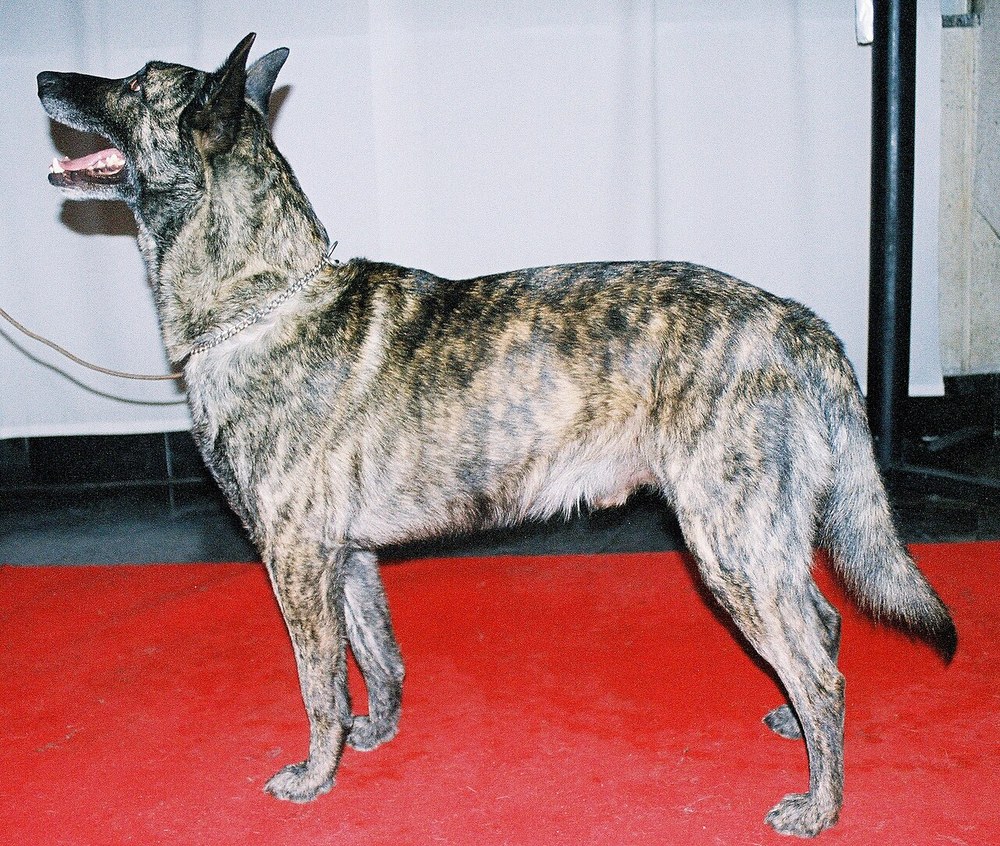
Short coats need a weekly rub-down; long coats need brushing; rough coats are hand-stripped, never clipped short.
Working dogs wear pads on gravel and concrete. Look between the toes after field days.
Build stamina gradually, warm up before sport and keep the dog athletic, not bulky.
A dog that cannot rest, chews its own legs or circles may be under-employed or unwell. Check with a vet, then a trainer.
Ask the breeder which screenings the national breed club recommends and see results for both parents.
I do not publish toxin amounts. Call a vet or poison-control line if the dog eats something dangerous.
Lines and types
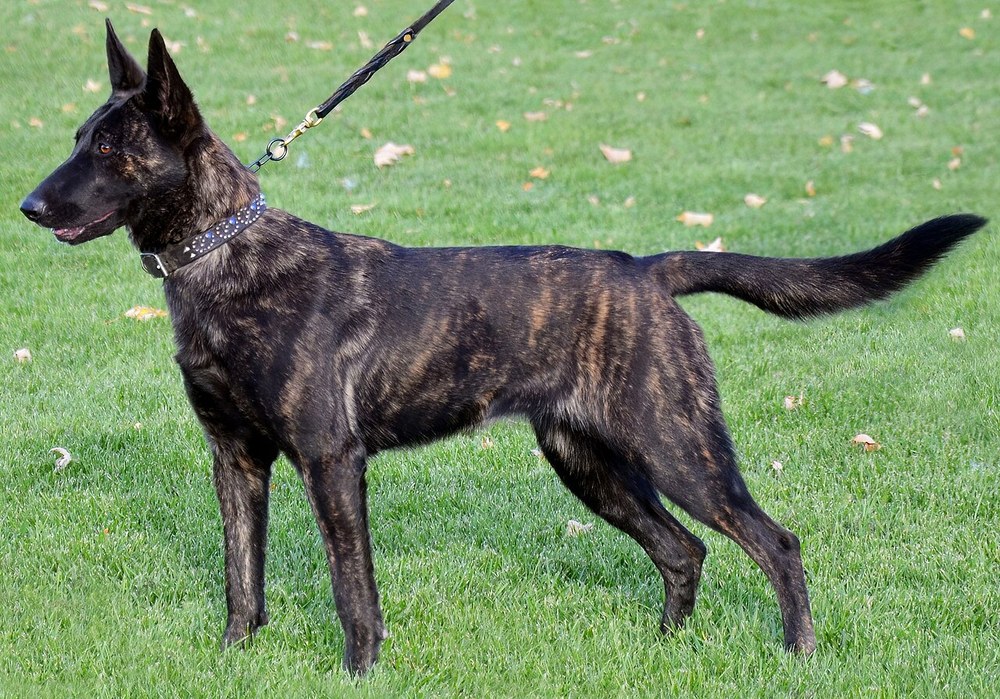
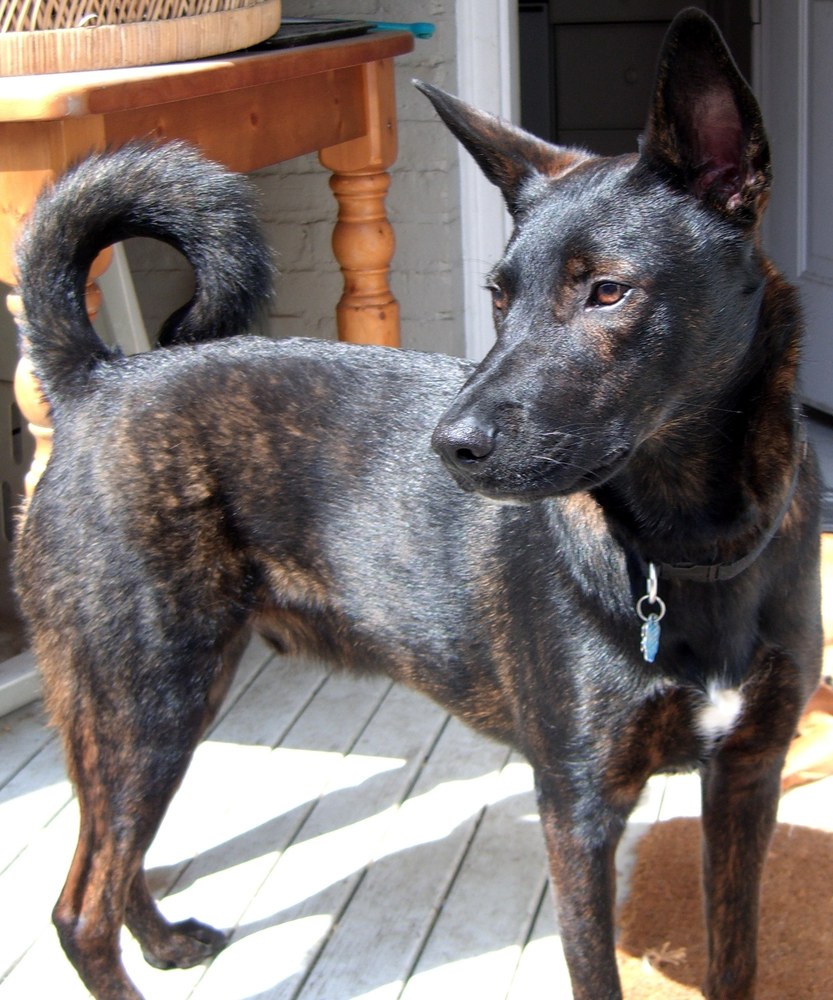
The breed comes in three coat types, all brindle.
For working and sport homes.
For owners who want a distinctive coat.
Socialization windows
AVSAB-aligned in spirit: short, clean exposures at a distance the puppy can still eat, with hygiene while vaccines finish. See the puppy socialization schedule.
Introduce: short crate naps, touching paws and ears, toilet timetable, soft-toy play only.
Do not overload: overtired, bitey evenings.
Introduce: waiting for the bowl, trading toys for food, coming back on a long line.
Do not overload: free running after joggers.
Introduce: tracking basics, short obedience sessions, calm walks in town.
Do not overload: pent-up energy turning into chewing.
Introduce: a chosen sport with a qualified club.
Do not overload: back-to-back hard sessions.
Introduce: regular tune-ups for visitors and rest.
Do not overload: a life with no job.
Before you buy
A Dutch Shepherd suits a handler who wants a thinking, sporty dog and has time for it every day.
Good match
Mismatch risk
If you are torn between breeds
People choosing a Dutch Shepherd usually also look at the Malinois and the German Shepherd.
Dutch Shepherd Brindle.
Belgian Malinois Fawn with black mask.
Dutch Shepherd High.
Belgian Malinois Very high.
Dutch Shepherd Medium, athletic.
German Shepherd Dog Larger, heavier.
Dutch Shepherd Short, long, rough.
German Shepherd Dog Medium or long.
Dutch Shepherd High.
Both compares All three need daily training.
Ownership without surprises
Prices vary by country. These are the spending themes, not figures.
Membership or private lessons.
Harness, long lines, tugs.
Fencing the dog cannot climb.
Ask which screenings the national breed club recommends.
Fuel for an athletic dog.
Someone who can handle a working dog.
With a Dutch Shepherd, the club or trainer is the cost to budget first.
Before day one at home
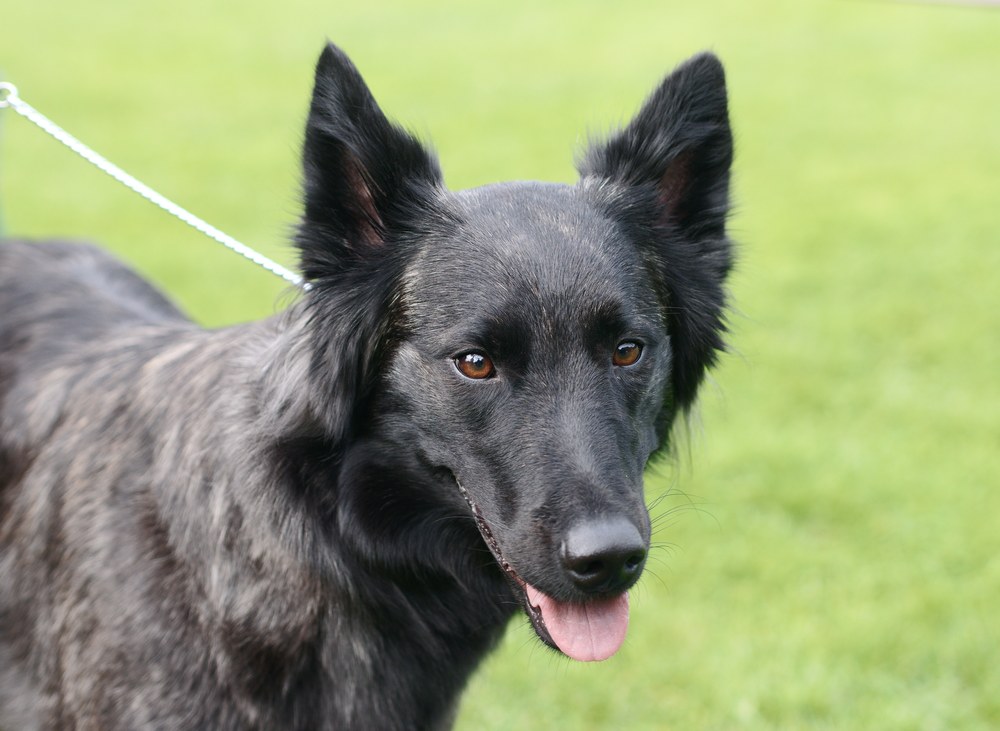
A Dutch Shepherd puppy notices everything. Build food games, toy trades and nap routines from week one.
See biting and nipping.
See crate calm release.
See enforced naps.
Follow a socialization schedule.
See puppy handling.
Follow potty training.
If the dog is already yours
Dutch Shepherds copy routines quickly, so plan what you repeat.
My core list: release on cue, wait for food, rest in a crate or on a mat, and neutral strangers.
Tracking, detection games and protection sport with a good club use their brains.
Load balance
A daily mix of thinking and resting suits most Dutch Shepherds.
Obedience, tracking, tug with rules and sport suit most Dutch Shepherds.
Give it puzzles and naps, and a Dutch Shepherd is a superb partner.
Mouthiness
Use tug as a reward with a clear start, end and drop.
Begin tug only on your cue.
Short, fun tug sessions.
Hold still and cue the drop.
Restart the game or give a treat.
Finish with a settle.
One scene close-up
Working drive and play make many Dutch Shepherds mouthy.
Teach tug with rules: start on cue, drop on cue, reward the drop.
If grabbing continues, get help from an experienced trainer.
Typical household scenes
A breed page is only a starting point; the fix depends on health, environment, and the dog in front of you. Each row opens a step-by-step guide.
Keeps hold of toys, sleeves or leads.
Paces instead of resting.
Stays on alert long after visitors arrive.
Stares, then lunges.
Wants to chase joggers and bikes.
Turns stolen items into chase games.
Digs when under-employed.
Lameness, licking one spot or low energy — vet first.
Practical view
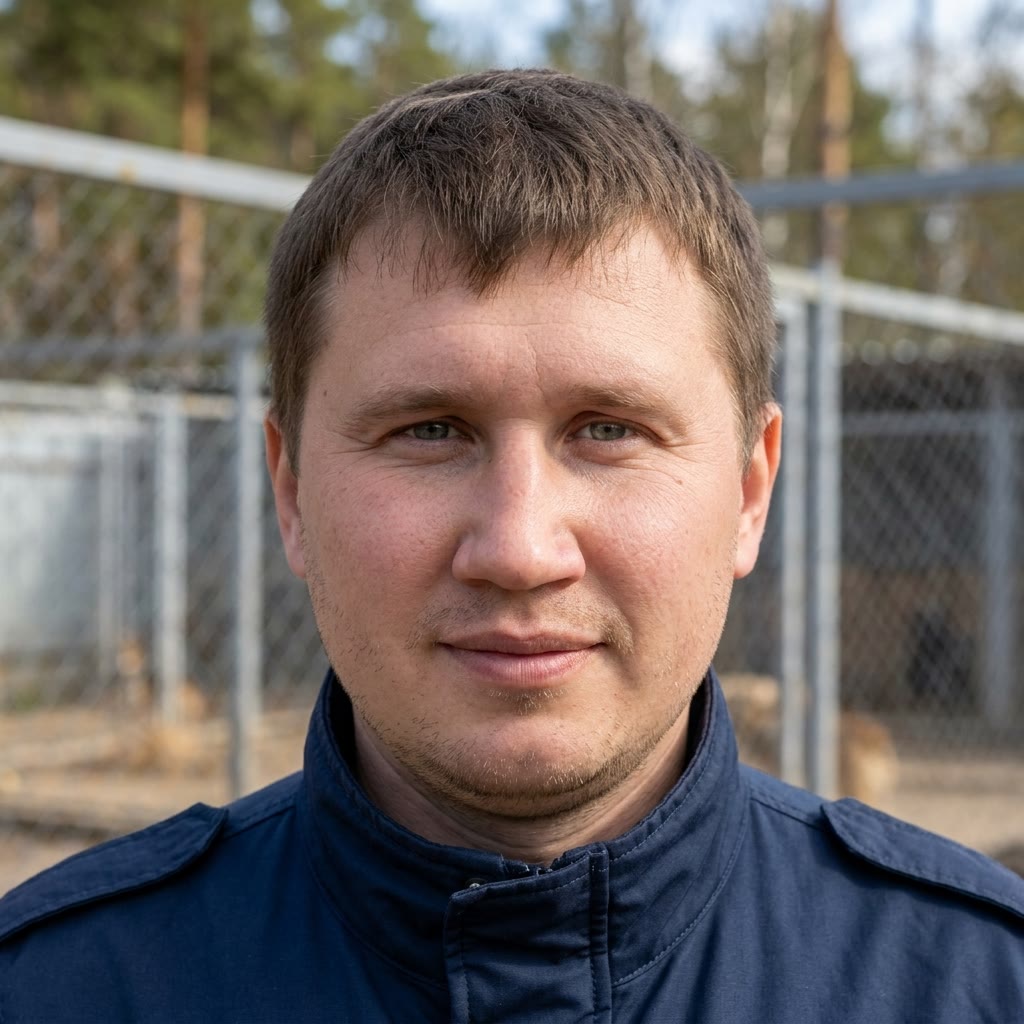
“With a Dutch Shepherd, I build the off-switch alongside the drive. We teach tug rules, a clean drop and a settle — because work and rest both need training.”
Sessions cover real scenes: mouthiness, never switching off, guarding visitors, and reacting to dogs. I am a trainer, not a veterinarian. No invented reviews.
Describe age, living setup, and where the dog breaks first — mouthiness, never switching off, guarding visitors, or reacting to dogs. Opens WhatsApp to Andrew.
Short answers
If you want an active, friendly family dog with softer drive, consider this one.
A high-drive Belgian working shepherd that needs structured daily work, a taught off-switch and an experienced handler.
A versatile German working shepherd that needs daily training, real exercise and a calm settle taught on purpose.
A tough, loyal Australian heeler that needs a daily job, impulse-control training and early socialization.
Friendly, trainable family dog that enjoys work and play.
Other guides from the same group in the breed library. Same group does not mean same dog: read the fit and the failure modes, not only the outline.
A Nordic herding spitz. Needs outdoor work, a clear end to alert barking and serious double-coat care.
Iceland’s vocal herding spitz. Needs bark endings, real work and coat care through shed seasons.
A compact Nordic farm herder. Needs real work, clear game endings and bark management — flat life only with a serious outdoor plan.
A cheerful, shaggy English drover’s dog that needs a serious grooming plan, daily play and calm greetings.
A bold, friendly Welsh herding dog that needs quiet training, measured meals and back-friendly exercise.
A Hungarian corded herder. Needs daily herding-style games and a realistic coat plan — cords or clip.
Describe your Dutch Shepherd’s age and the scene that repeats most: mouthiness, never switching off, guarding visitors, or reacting to dogs. We check safety first, then pick the first skill.
Written by Andrew Darov, professional dog trainer. Not veterinary advice and not a diagnosis.
Not a kennel club. No invented reviews. No vaccine schedules or toxin doses. Photo credits in
/images/breeds/dutch-shepherd-guide/credits.md.