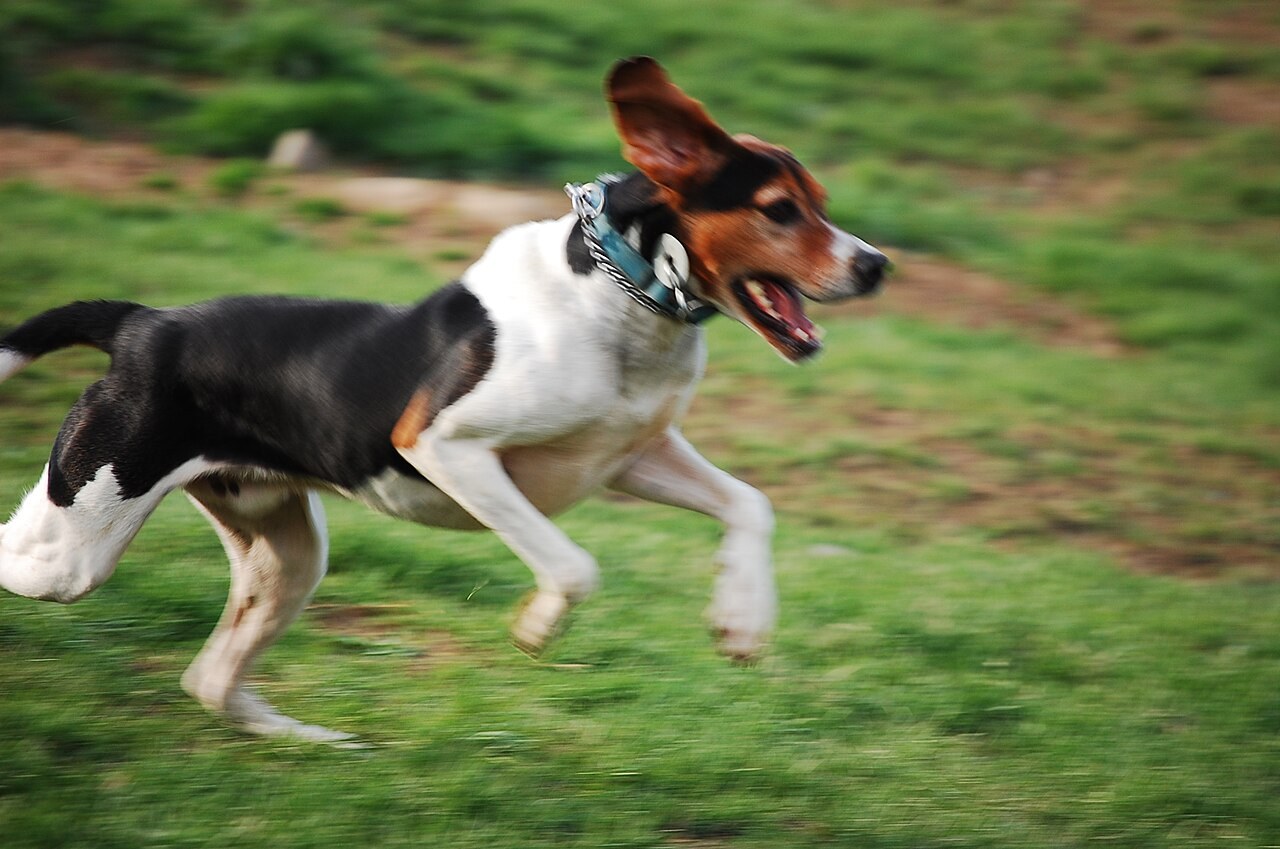
Treeing Walker Coonhound: temperament, stamina, voice and fencing for the fast American tree hound
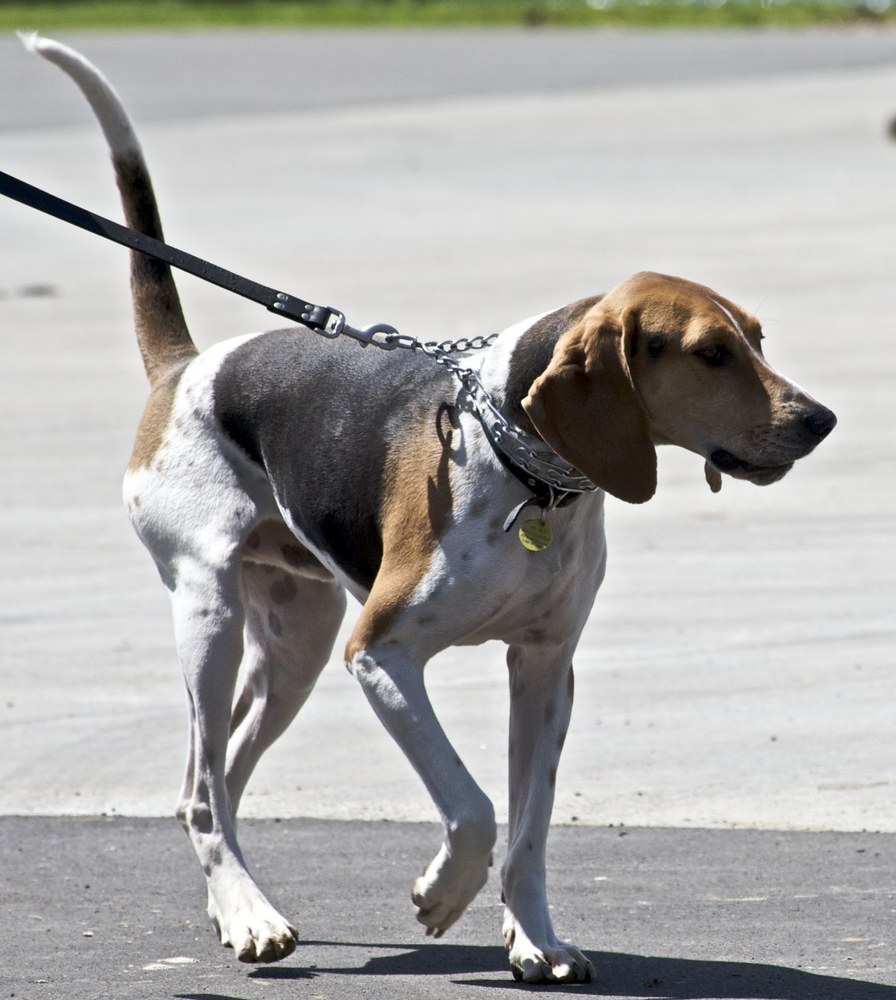
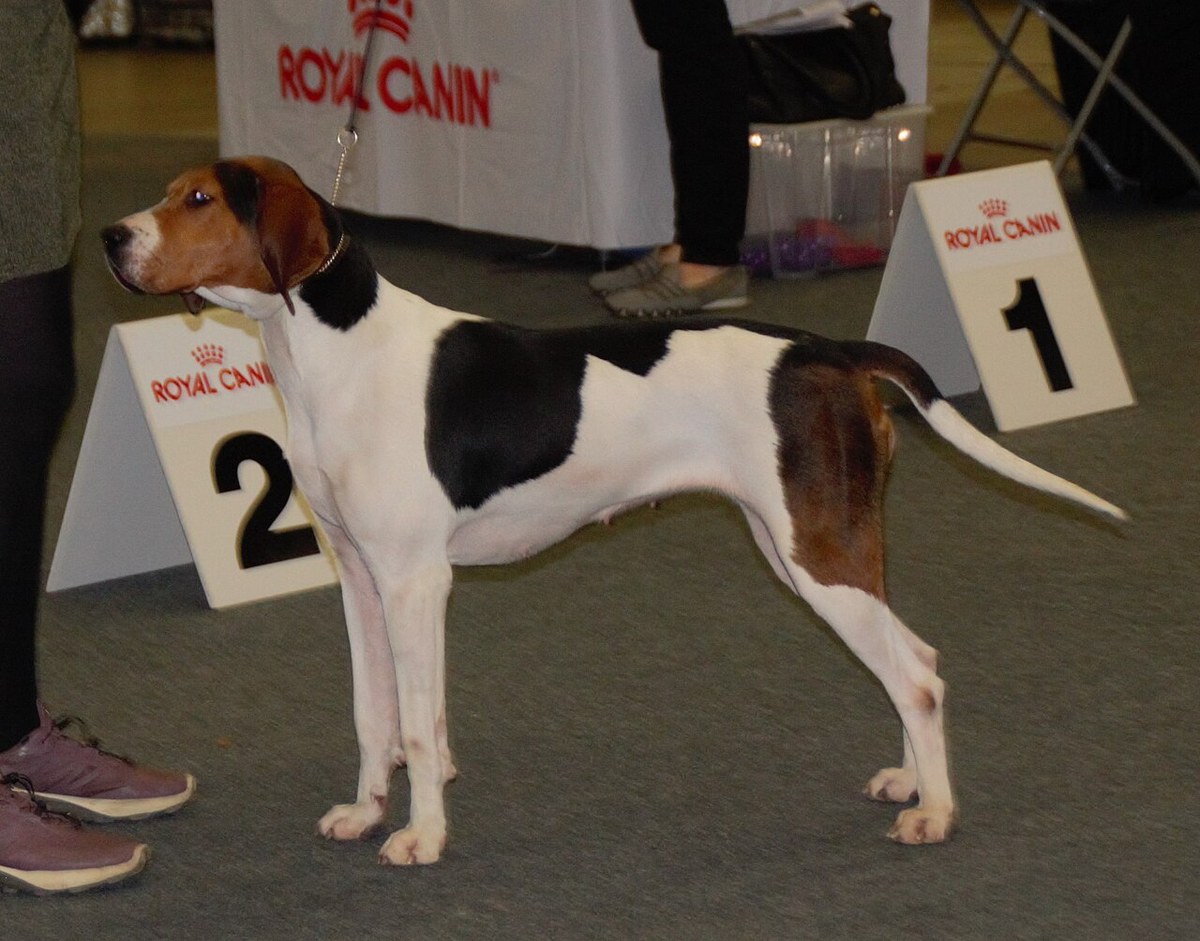
The Treeing Walker Coonhound is a lean, tricolour American hound built on foxhound lines: fast on a fresh scent, tireless over a whole night of hunting and loud when it finds what it was looking for. In the house many Walkers are sweet, sociable and silly. Out in the open the speed and the voice take over. What works is plenty of real exercise, running only where a fence holds the dog, a long line everywhere else and steady work on a quiet signal and on coming back.
Job: A US treeing coonhound, AKC Hound Group since 2012; short tricolour coat.
Energy: Friendly and playful with people, very fast and driven on a hot trail.
Home: Suits an active home with tall, solid fencing and time for long daily exercise.
A Treeing Walker is an athlete with a loud voice and a soft heart
Many Walkers reach families through rescue, often as young dogs that hunters found too slow or too uninterested. Owners expect a lazy hound. What they get is a lively, people-loving dog that can run for hours.
In homes I see a dog that greets everyone, plays hard with other dogs and then sprawls across the bed. The hard parts come outside: a dog that bolts after a fresh scent and is gone in seconds, a bugle-like bay at night that wakes the street, jumping or climbing over a low fence and restless chewing on days without enough exercise.
My plan has four parts. Running and long walks every day, because a Walker with spare energy makes its own fun. Free running only behind a fence that is tall and solid enough. Recall trained on a long line with food the dog really wants. And a quiet signal taught early, before the voice becomes a habit.
AKC: males 22–27 in (about 56–69 cm), females 20–25 in (about 51–64 cm)
Weight
About 50–70 lb (about 23–32 kg)
Energy
High; calm indoors only with enough daily exercise
Coat / shed
Short, smooth, dense and glossy; tricolour (white, black and tan) preferred, also white with black or tan
Job
Treeing coonhound: runs a fresh raccoon trail fast and bays at the tree
Temperament in one minute
Treeing Walker Coonhound temperament: what they are like at home
Short answer: Treeing Walker Coonhounds are friendly, sociable and playful with people and usually good with other dogs. They are fast, high-stamina hounds with a hot nose, so they can take off after a fresh scent and are rarely reliable off lead in open country. They have a loud bay, need tall, solid fencing and real running every day. Well exercised, most are calm and affectionate indoors and learn readily with food.
Are Treeing Walkers affectionate?
Yes. Most love people and want to be close. A bed of its own keeps the cuddles on your terms.
Are Treeing Walkers easy to train?
Yes for food-based basics, hard for recall near scent. Start with a name check-in and train recall on a line.
Are Treeing Walkers friendly with strangers?
Usually very. Most greet visitors happily and are poor guard dogs, though they may bay at noises.
Are Treeing Walkers good with kids and other dogs?
Mostly, once they know the family and its dogs; keep an eye on rough, bouncy games. See children and guests.
Treeing Walker behavior problems to expect
The usual four are running off after scent, baying at night, climbing or digging out and chewing on low-exercise days. The list further down links a guide for each.
Living with a Treeing Walker in an apartment
Hard unless you run or hike daily and your neighbours accept some noise. Plan a quiet signal and exercise before the dog is left.
Breed history
How Virginia foxhounds and a stolen dog made the Walker
The history will not train your dog, but it explains the speed, the hot nose and why a Walker on a fresh trail is hard to stop.
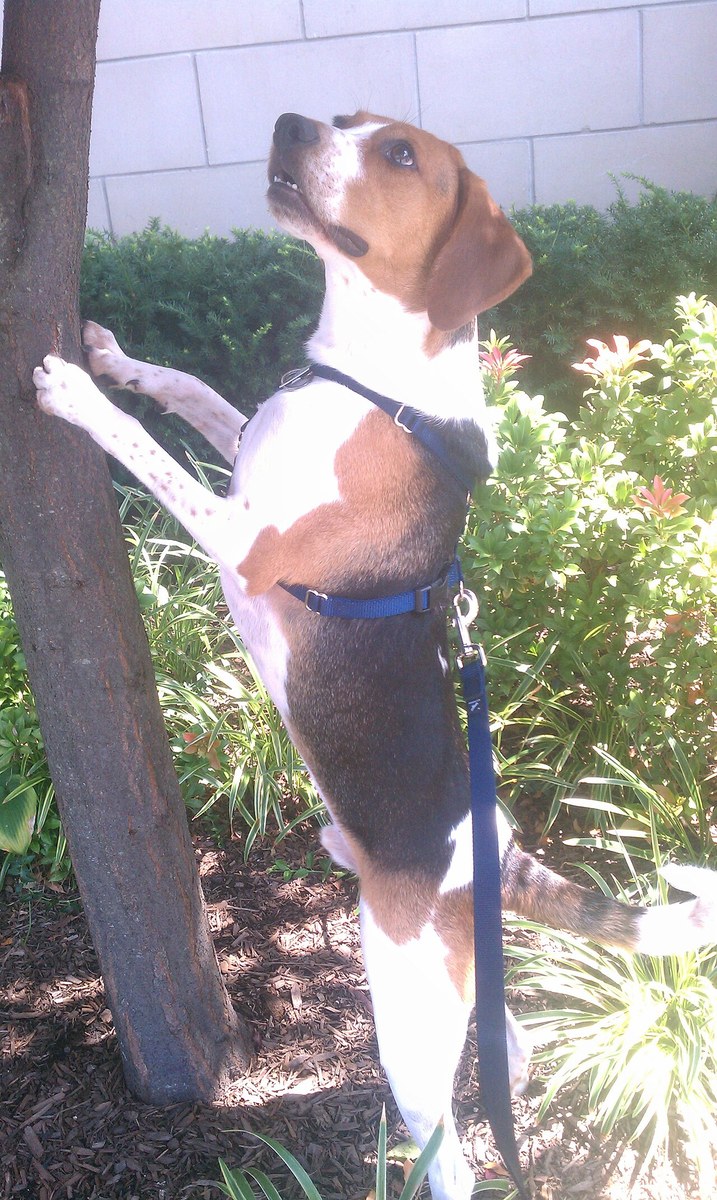
A Walker named Blackjack treeing in a garden: front paws on the trunk, head up toward the branches.
Virginia and Kentucky · 1700s–1800s
Walker foxhounds
The breed traces back to English foxhounds brought to Virginia in the 1700s. In Kentucky in the 1800s, hunters named Walker and Maupin bred them into the fast Walker foxhound.
A fast, keen hound of unknown background called Tennessee Lead, said to have been taken from a deer chase, was added to these lines. He is credited with much of the speed and drive of the Walker hounds.
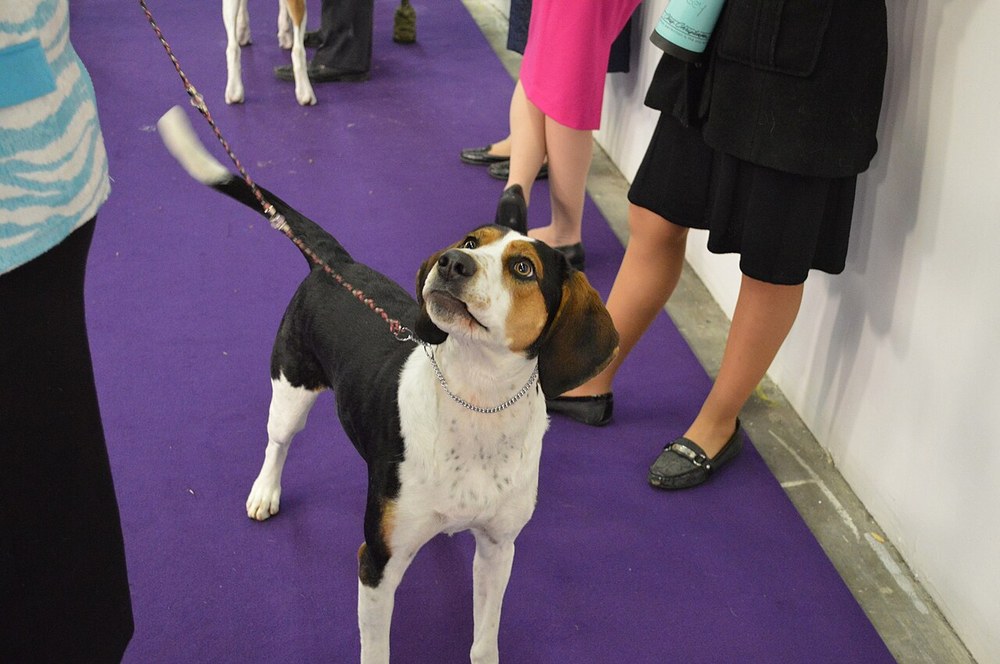
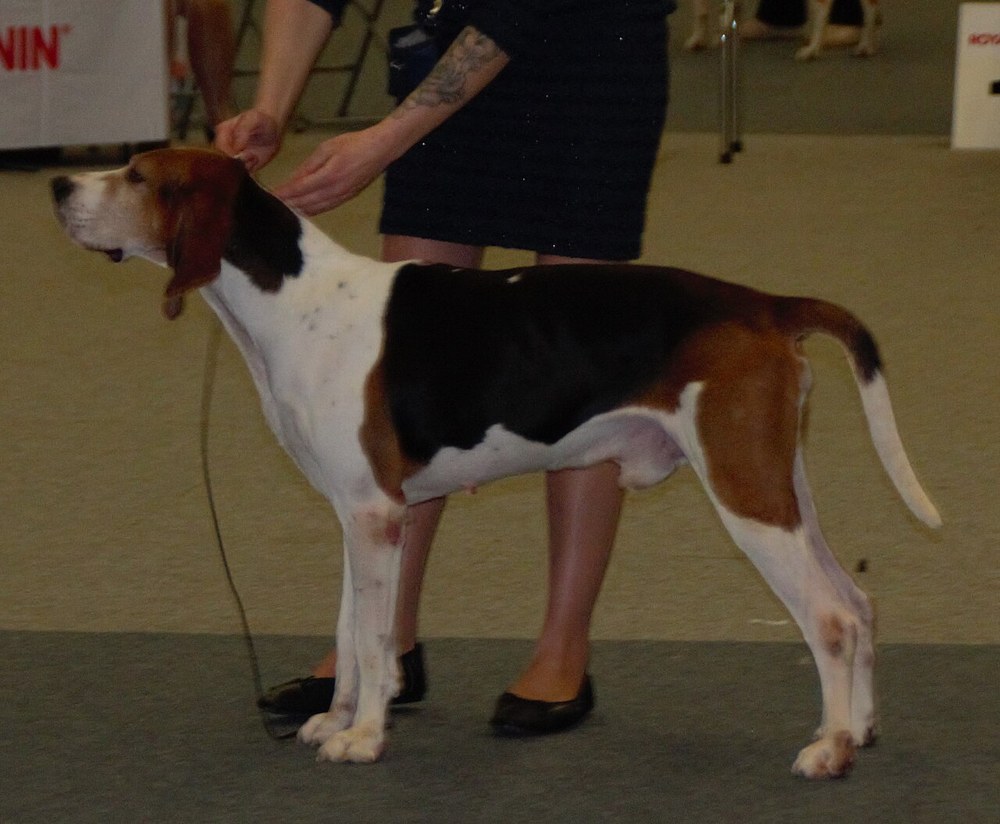
A Treeing Walker at a US dog event: once only a hunting dog, the breed joined the AKC show ring in 2012.
From foxhound to tree dog
Bred to tree, not just to run
Coon hunters selected Walker hounds that would not only trail but also stop at the tree and bay there. The UKC registered these dogs as part of the English Coonhound until 1945, when the Treeing Walker became a breed of its own.
The AKC recognized the Treeing Walker Coonhound in 2012. It is still one of the most popular dogs with American coon hunters.
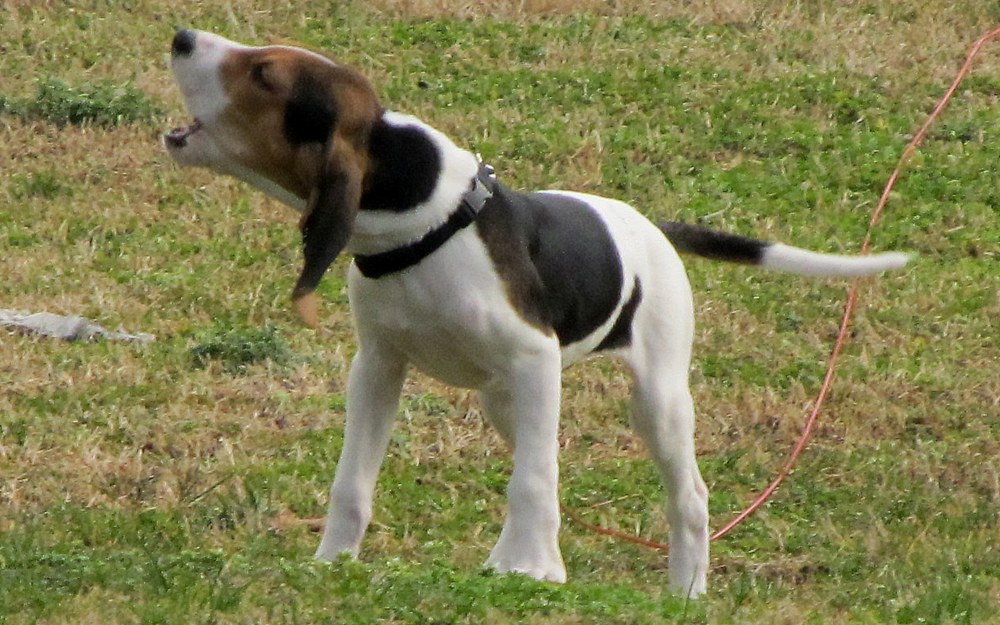
Max, a young Walker, baying: the breed's voice ranges from a ringing bugle to a fast, choppy bark.
What the breed was bred for
Social at home, a runner outside
At home you live with a friendly, often goofy dog that enjoys people and other dogs and does not guard much.
Outside, speed and scent decide the day. A Walker can cover a lot of ground in a minute, so management matters more than with slower hounds.
A good day has real running, a sniffing walk and a long sleep
A healthy adult Walker usually needs more than a walk around the block: a run in a fenced field, jogging or hiking on a line, plus time to sniff. Problems grow fast on lazy days: chewing, barking, fence climbing and a dog bouncing off the walls at night.
Morning · exercise
Run first, then ask for manners
Plan a proper run early in the day: a secure field, a jog on a long line or play with a fast dog friend. A Walker that has stretched its legs walks better on lead and listens better at home.
After hard exercise most Walkers sleep deeply. Give the dog a soft bed away from the busiest part of the house, and do not wake a young dog for extra games; tired and overexcited look alike.
Walkers are long-legged and quick, and food on a counter is fair game to them. Keep counters clear, use a bin with a lid and reward the dog for lying on its bed while you cook.
Many Walkers bay at night sounds, wildlife in the garden or other dogs. Bring the dog in at dusk, reward quiet when it hears a sound, and teach a quiet signal in calm moments before you need it.
A Walker's natural pace is faster than yours. Let it sniff on a long line for part of the walk, then practise a few minutes of loose-lead walking with rewards, rather than an hour of tug of war.
General awareness only. I am not a veterinarian. With Walkers, owners often notice trouble first as a limp after running, cut pads, head shaking from the ears or weight loss in a very active dog. For red flags, leave this page and open
when to call the vet.
Feet and pads
Check pads and nails after runs on rough ground and ask your vet about cuts that do not heal.
Joints and movement
A limp after exercise or stiffness after rest should see a vet. See limping stop list.
Ears
Look inside the hanging ears weekly; head shaking or a smell needs a vet visit.
Heat and water
Walkers run hard even in heat. Exercise in cool hours and offer water. See water after exercise.
Weight
Very active dogs can get too lean, lazy ones too heavy. See BCS check at home.
Ask the breeder
Ask which screenings the national breed club recommends for the parents, and ask to see the results. Do not invent disease claims from a blog.
Lines and types
Hunting-bred, show-bred or rescued, every Walker needs to run
No bloodline selling. Most Walkers still come from hunting breeders, a few from show breeders, and many from rescue. Hunting lines are usually very driven on scent; show lines can be a bit softer. All of them are fast, vocal and keen on trails. If you adopt, ask the rescue how the dog behaves at a fence and on a lead.
Active family homes
A daily run in a fenced area.
Long walks or hikes on a line.
Scent games on quiet days.
A quiet signal and night routine.
Suits a sporty household that likes the outdoors and has a strong, high fence.
Hunting and dog-sport homes
Coon hunting or tracking practice.
Scent work and trailing clubs.
Canicross on a harness and line.
Full rest after hard days.
Suits an owner who wants a working nose and is ready for real exercise every day.
Socialization windows
What to introduce — and what not to overload — by age
AVSAB-aligned in spirit: short, clean exposures at a distance the puppy can still eat,
with hygiene while vaccines finish. See the
puppy socialization schedule.
2–4 months
Settling in and first runs
Introduce: little nose walks in a harness, free play inside a safe garden, touching paws and ear flaps for treats, one toilet corner, a minute on its own.
Do not overload: off-lead walks in open country, long forced runs, letting it bay at night unanswered.
~6 months
Speed arrives
Introduce: a long line on every outing, recall games with top food, play with steady adult dogs, a check of the full fence line.
Do not overload: off-lead walks near roads, long days without exercise, chasing games with cats.
~12 months
Teenage athlete
Introduce: longer runs in fenced fields, a quiet signal at home, settling on a bed after exercise, short scent searches.
Do not overload: jogging long distances on hard roads before the dog is fully grown, trusting gates and low fences.
~18–24 months
A fit young adult
Introduce: hiking, canicross or tracking if you like them, a reliable bed routine, longer time alone after exercise.
Do not overload: deciding the dog is hopeless because it still takes off after fresh scent.
~3 years+
Maintenance
Introduce: daily running or long walks, foot and ear checks, regular recall practice on a line, a calm night routine.
Do not overload: cutting exercise to short walks and expecting the same calm dog.
Before you buy
Who a Treeing Walker Coonhound usually fits
Fit comes down to how much you run or walk, how tall and solid your fence is, how close your neighbours sleep and whether you can accept a dog that may never be safe off lead in open country.
Good match
More likely a good fit if you…
You run, hike or walk for a long time every day
You have a tall, solid fence or a fenced field nearby
You want a friendly, playful dog that gets on with people and dogs
A loud voice at times will not cause trouble where you live
You will train recall with food for years, not weeks
Mismatch risk
A Treeing Walker Coonhound may be a poor choice if…
Your days leave little time for exercise
You hope to let the dog loose on hikes and trails
Your garden has a low or easy-to-climb fence
You live with neighbours who sleep lightly
You have cats or small pets the dog would meet outdoors
If you are torn between breeds
Treeing Walker Coonhound vs Bloodhound and Basset Hound
All three follow their noses. The Bloodhound and the Basset Hound are slower, heavier trailing dogs; the Walker is the sprinter of the group, built for speed and endurance.
Speed
Treeing Walker Coonhound
Very fast, long-distance runner.
Basset Hound
Slow and steady on short legs.
Nose
Treeing Walker Coonhound
Hot nose: fast on a fresh trail.
Bloodhound
Slower nose for old, faint trails.
Exercise
Treeing Walker Coonhound
High; needs real running.
Both compares
Both need long walks but much less running.
Voice
Treeing Walker Coonhound
Loud bay and chop.
Both compares
Both are also loud, deep-voiced hounds.
Ownership without surprises
Where a Treeing Walker Coonhound owner’s budget goes
Costs depend on country, city and your choices. These are themes to plan for, not quotes.
Veterinary
Annual vet visits, the vaccines your vet recommends, pad and ear checks, plus health tests the breed club asks breeders for.
Fencing
A taller fence, no gaps, no climbing points and protection against digging at the base.
Gear
A good harness, a long line, a canicross belt if you run, and a lot of food rewards.
Exercise help
Fenced field rental or a dog walker who runs dogs.
Training
Help with recall and barking, especially for rescue dogs.
Fencing and daily exercise come before every other expense with this breed.
Before day one at home
What to prepare for a Treeing Walker Coonhound puppy
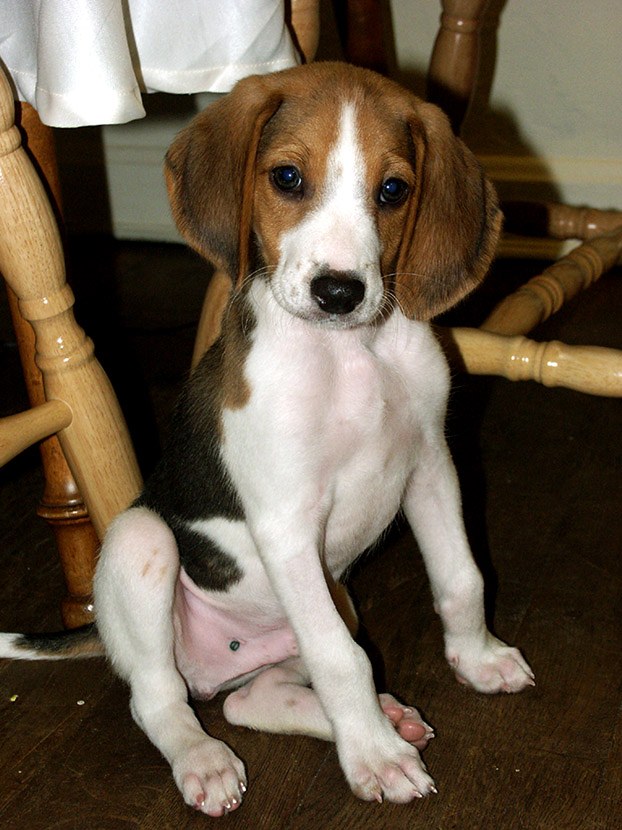
A Walker puppy is curious, bouncy and already following its nose. Have a harness, a long line, a puppy pen and a plan for short quiet times ready before it comes home.
Training a Treeing Walker means exercise first, then recall and quiet
Five skills cover most of daily life: a recall on a long line, loose-lead walking with sniff breaks, settling on a bed after exercise, a signal for quiet and leaving food and rubbish alone.
Walkers are bright and keen on food, and they get bored with drills. Train in short bursts after a run, when the dog can think, not before, when it is bursting with energy.
The rest is set-up: a fence the dog cannot climb or dig under, doors and gates that close by themselves, and enough running every day.
Load balance
Running first, then sniffing, then training
Puppies and young dogs need shorter, softer exercise until they are fully grown; ask your vet when to start longer runs. If the dog limps or tires suddenly, see a vet.
Fenced runLong-line sniff walkRecall gameChew on the bedDeep sleep
A Walker needs both: legs to run and a nose to use. Running alone leaves the brain busy; sniffing alone leaves the legs restless.
A Walker that has run and sniffed is a calm, cuddly house dog by evening.
Fast dog, safe recall
How to keep a Treeing Walker safe when it takes off on a scent
Fence or long line every time, recall practice on weak smells, top food rewards, a release back to the trail, and gates that stay shut.
01
Fence or line
Every outing is either inside a secure fence or on a long line.
02
Start with weak smells
Practise recall where scents are faint and the dog can still hear you.
03
Food beats the trail
Use the best food you have for every return.
04
Back to the trail
After the reward, release the dog to sniff again.
05
Gates stay shut
Doors and gates close behind you, and the dog waits before going through.
One scene close-up
Why a Walker bolts and does not come back
This hound was bred to run a hot trail fast, often far ahead of the hunter, and to keep going until the game is treed. When a fresh smell hits, the dog moves first and thinks later, and in a few seconds it can be out of earshot.
Build recall where the dog can win: on a long line, with weak smells, with food worth more than the trail. Let it go back to sniff after each recall so coming back never ends the fun. Then raise the difficulty slowly.
For free running, use only fully fenced areas. A dog that runs onto roads or goes missing needs better fencing and lines, not more freedom. Sudden changes in behaviour or pain need a vet.
“With a Treeing Walker, I begin with three things: real running every day, a fence it cannot beat, and recall on a long line with food it loves. Get those right and this hound is a funny, friendly dog in the house.”
We work on what your days actually look like: exercise, recall, the fence, the voice and time alone. I am a trainer, not a veterinarian.
Andrew DarovProfessional dog trainer and instructor
Tell me the age, how much exercise the dog gets and what goes wrong first: running off, baying, the fence, pulling or chewing. Opens WhatsApp to Andrew.
Often yes, for an active family. Most are friendly and playful with people and dogs. They need real daily exercise and a secure fence.
Is a Treeing Walker a good first dog?+
For an active first-time owner who walks or runs a lot, it can work. Expect to manage recall and noise for the dog's whole life.
Are Treeing Walkers loud?+
Yes. They bay and chop at wildlife, night sounds and other dogs, and the voice carries a long way.
Treeing Walker vs Bloodhound: what is the difference?+
The Walker is lighter and much faster, made for fresh trails. The Bloodhound is heavier and slower, made for old trails.
Treeing Walker vs Basset Hound: what is the difference?+
Both are friendly, vocal scent hounds. The Walker is tall and fast and needs far more running; the Basset is low and slow.
How much exercise does a Treeing Walker need?+
A lot for an adult: daily running or long walks, plus sniffing time. Young dogs need softer exercise until they are grown.
Can a Treeing Walker be off lead?+
Only inside securely fenced areas for most dogs. On an open trail the speed and nose make recall unreliable.
How high should my fence be?+
Tall and solid enough that the dog cannot jump, climb or dig out. Ask the breeder or rescue what this dog has done before.
Do Treeing Walkers shed?+
Moderately. The short coat needs a weekly brush; feet and ears need more attention than the coat.
Are Treeing Walkers good with cats?+
Some live well with cats they grew up with. Outdoors and with unknown cats, the hunting drive often takes over.
What health themes should I ask about?+
Ask the breeder which health checks the national breed club recommends for parents and see the papers. Tell your vet the breed. This is general awareness, not a diagnosis.
How long do Treeing Walkers live?+
Public breed references often mention about 12–13 years. Individual dogs vary.
If a Treeing Walker seems like more dog than your home can handle
Most people fall for the friendly face and the classic hound colours. The speed, the voice and the exercise needs are the parts to be sure about first.
A tall, lean Sahel sighthound and one-family watchdog. Needs fenced sprints, a long line in open country, slow meetings with strangers and a jacket in the cold.
A calm German blood-tracking hound with a world-class nose. Gentle at home, single-minded on a trail; needs weekly scent work and a long line outdoors.
Why dogs dig (boredom, hunting, heat) and how to stop it: manage yard access, give your dog an allowed digging spot and supervise.
Need a read on your exact situation?
Send me a few lines about your Treeing Walker: how old it is, how much exercise it gets and what goes wrong first. We rule out health and safety issues first, then choose one skill to start with.