dogmindlab
Work with me

Afghan Hound · Hound

Afghan Hound: temperament, training & grooming and recall

The Afghan Hound is a tall sighthound from the mountains of Afghanistan with a long, silky coat and a proud, aloof manner. Most are independent, gentle at home and very fast outdoors. Life goes well with safe, fenced running, long grooming sessions, gentle handling and patient, food-based training.

  • Job: Afghan mountain sighthound that chased fast game.
  • Energy: Moderate; daily walks plus safe sprints.
  • Home: Best with patient owners who enjoy grooming.
WhatsApp consult

First, the point

An Afghan is an independent sighthound that needs safe sprints, long grooming sessions and gentle training

Public breed histories describe a mountain sighthound bred to spot and chase fast game over rough ground.

Most Afghans are calm at home and reserved with strangers. Typical struggles are poor recall, chasing, dislike of grooming and a slow response to cues.

In the first months I teach handling and grooming games, a name check-in, loose-lead walking and calm meetings.

Talk through your situation

Height
25–27 in (64–69 cm)
Weight
50–60 lb (23–27 kg)
Energy
Moderate (sprint then rest)
Coat / shed
Long silky coat — little shedding but mats easily; brush several times a week
Job
Afghan mountain sighthound that chased fast game

Breed history

A mountain sighthound from Afghanistan

The Afghan Hound comes from the mountains and deserts of Afghanistan and nearby regions. It was bred to hunt by sight: to spot fast game far away and chase it over rough, rocky ground. That job made an independent, athletic dog with a long, silky coat and a famously dignified manner.

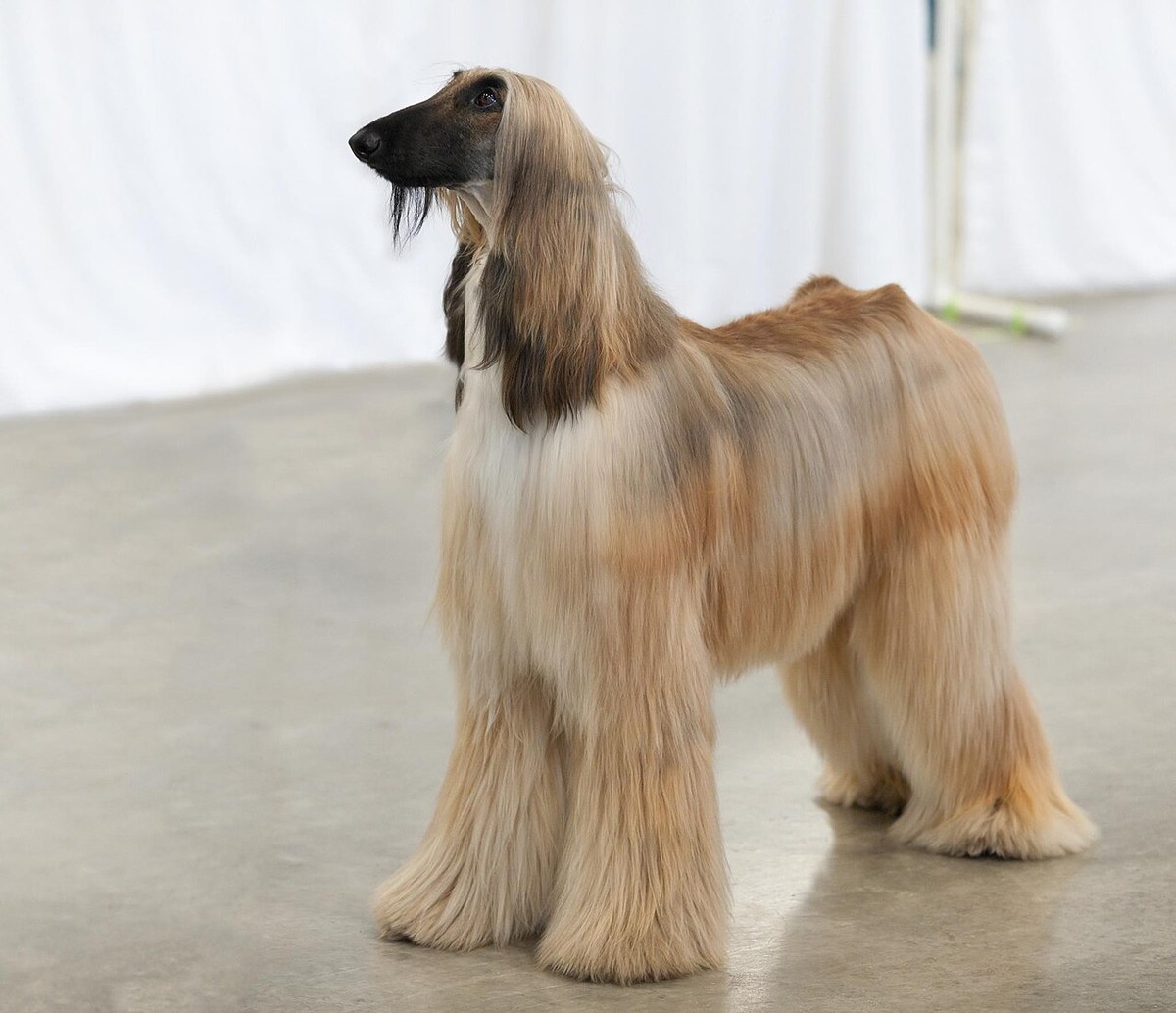
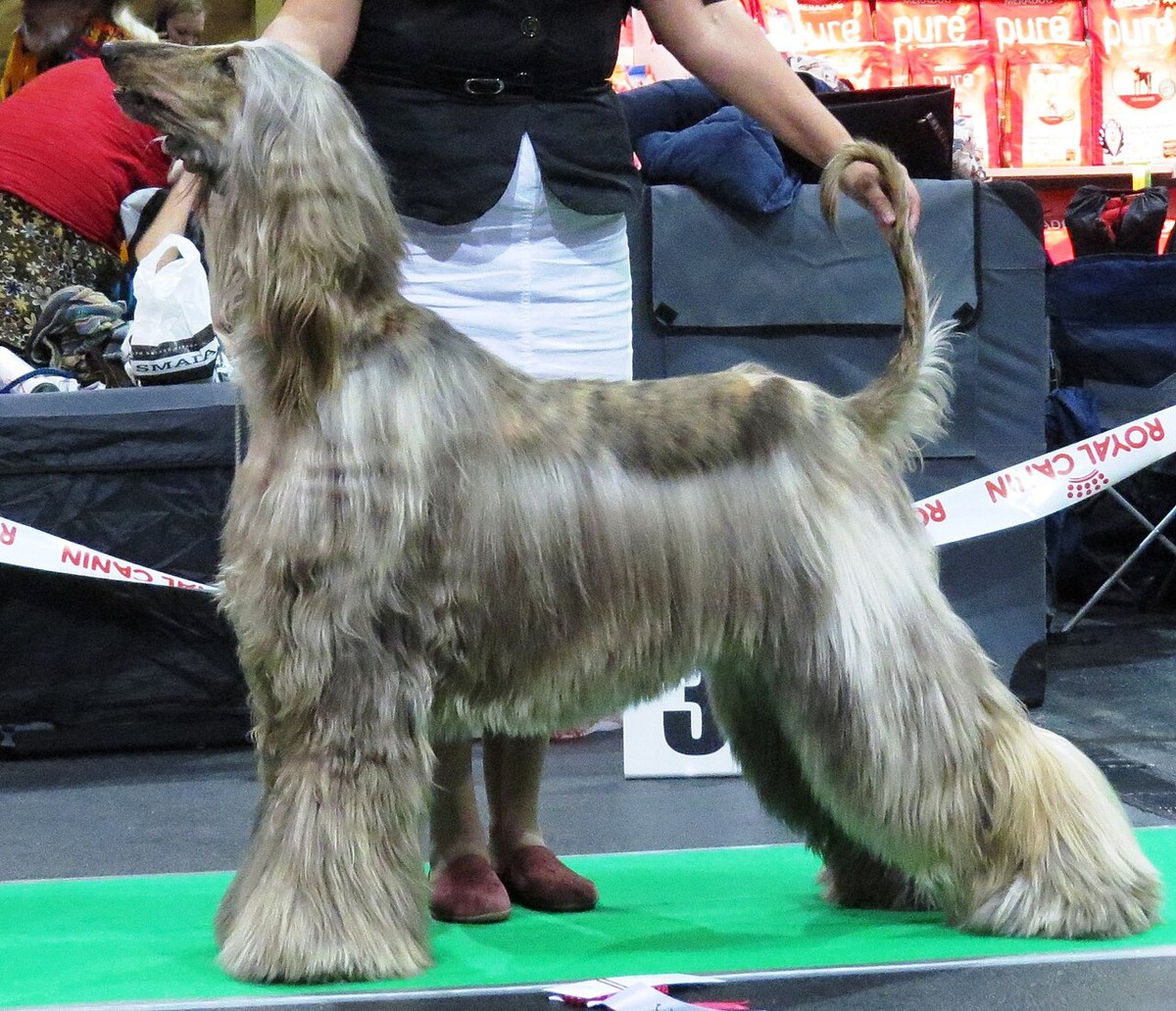
An Afghan Hound at an indoor show (modern photograph). Under the coat is a lean running dog.

Afghanistan → sight-hunting dog

Speed on rough ground

Public breed histories describe long-coated sighthounds kept by hunters and tribal leaders in the Afghan mountains for a long time.

The breed reached Britain in the early 1900s and became a famous show dog.

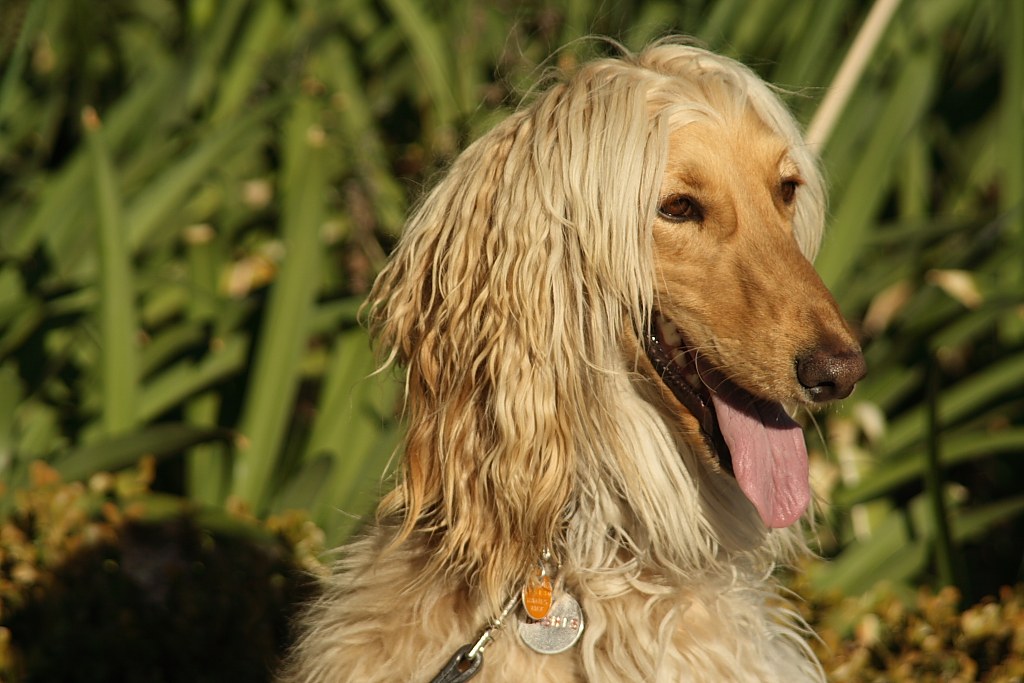
Golden Afghan Hound standing on grass on a lead
A golden Afghan Hound (modern photograph). The long coat came from life in cold mountains.

Mountain hunter → show and family dog

Aloof but loving

Afghans are often reserved with strangers and affectionate with their own people, on their own terms.

Meet the parents and see how they greet people, how they handle grooming and how calmly they settle.

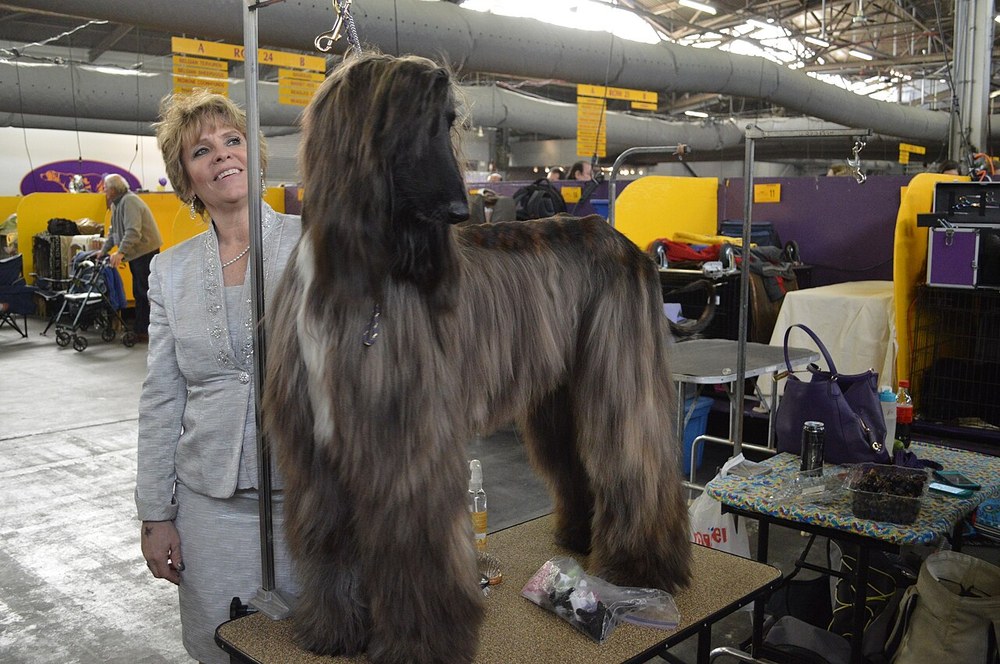
Dark Afghan Hound on a grooming table at a show with its owner
An Afghan on the grooming table (modern photograph). Grooming is a big part of life with this breed.

What the breed was bred for

Independent, dignified and fast

In plain trainer language: Afghans think for themselves. They were bred to chase on their own, not to wait for instructions.

The hard parts are poor recall, chasing anything that runs, dislike of grooming, sensitivity to harsh handling and a slow, aloof style with training. Safe fenced running, gentle handling from puppyhood and patient, food-based training help most.

  • Safe, fenced running
  • Long grooming sessions
  • Gentle handling
  • Patient, food-based training

Public references: FCI 228, AKC Afghan Hound, RKC.

Life together

An Afghan’s day is a sprint, a groom and a long rest

Afghans need a chance to run fast in a safe place. At home most are quiet and like a soft spot to lie.

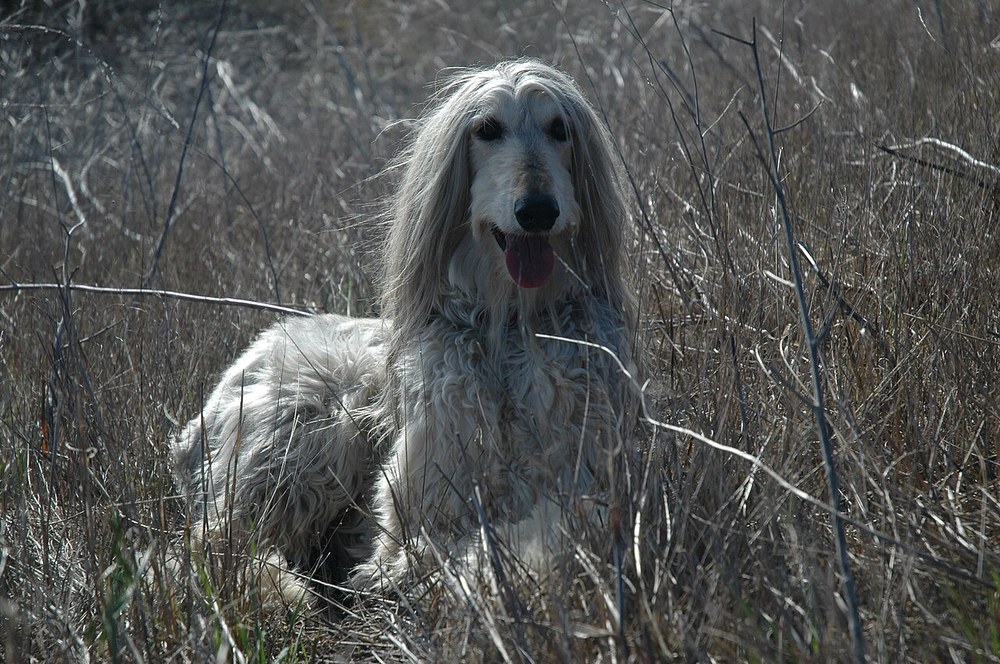
Silver Afghan Hound in long dry grass
Field · long grass

Eyes on the horizon

Afghans spot movement far away. Off lead only in fully fenced areas.

See long-line recall.

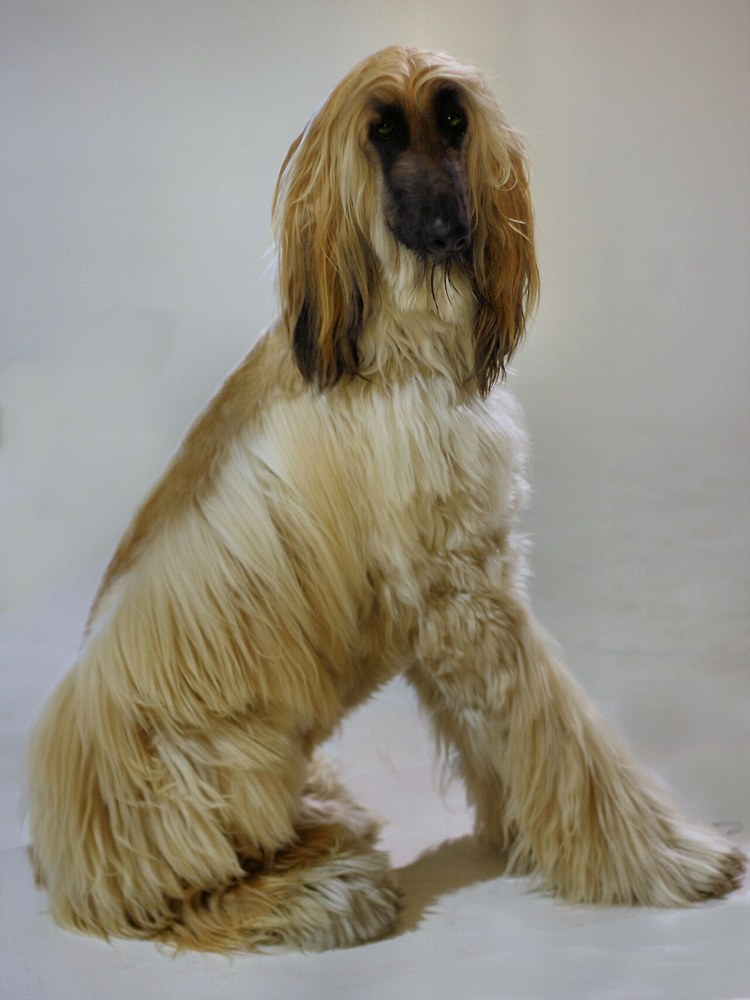
Golden Afghan Hound sitting in a studio
Studio · sitting

All that coat

Short, happy grooming sessions from puppyhood make brushing easier.

See puppy handling.

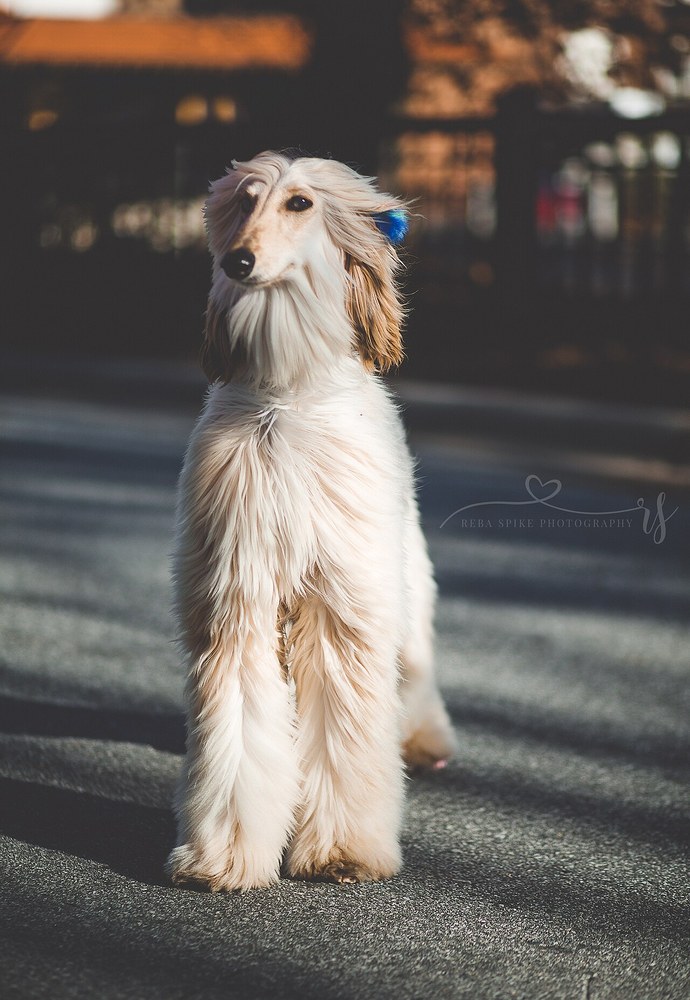
Cream Afghan Hound standing in the wind on a street
Street · wind

Elegant in the wind

A calm, loose lead takes practice with a dog that wants to chase.

See loose-leash walking.

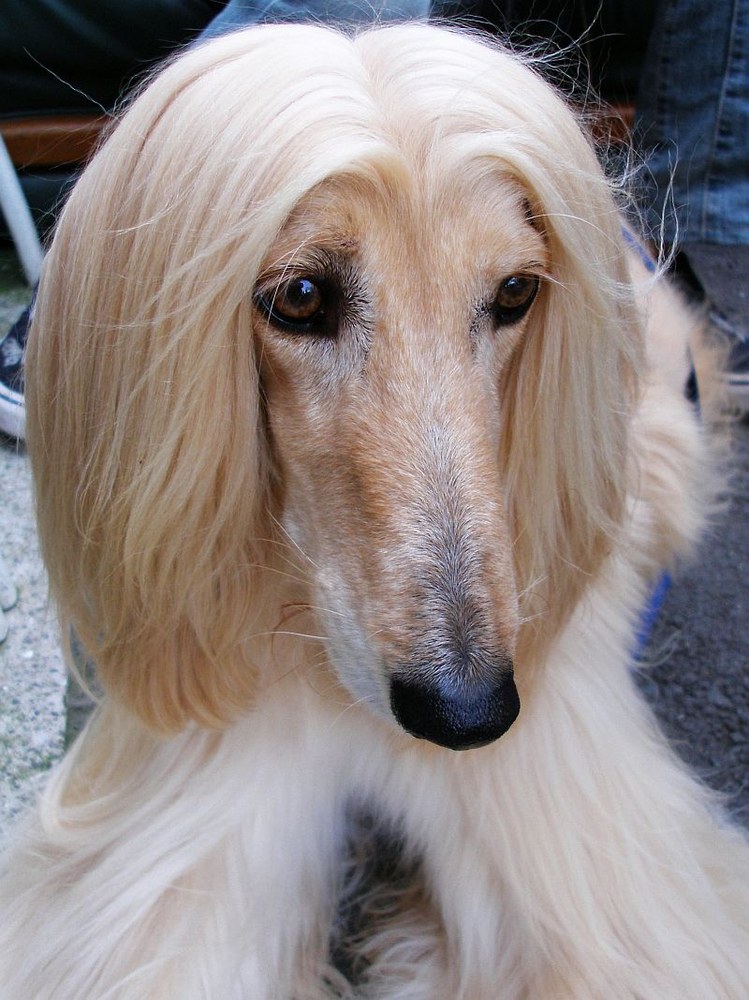
Cream Afghan Hound head portrait
Studio · face

A serious look

Afghans are polite with strangers but rarely gushing. Let them choose to say hello.

See children and guests.

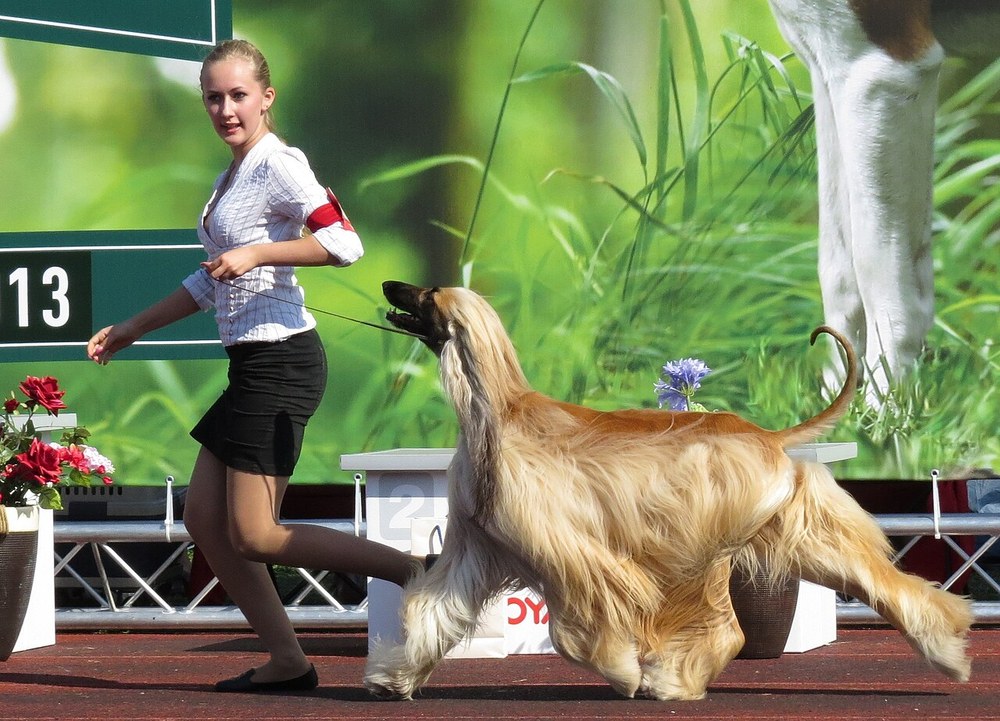
Golden Afghan Hound moving in a show ring with its handler
Show · ring

Built to move

A fenced sprint a few times a week keeps most Afghans happy.

See emergency U-turn.

Care and health themes

Monthly checks: coat, skin, ears and feet

A trainer’s checklist, not veterinary advice. See a vet for limping, eye changes, itching or low energy. For urgent signs, see when to call the vet.

Coat

Brush and comb the long coat several times a week; check for mats behind ears and legs.

Bathing

Many owners bathe every week or two; dry fully.

Ears

Long, feathered ears trap seeds and food; check them often.

Feet

Trim hair between the pads.

Health screening (not a diagnosis)

Ask the breeder which screenings the national breed club recommends, including hip scores and eye tests, and see results for both parents.

Toxins

I do not publish toxin amounts. Call a vet or poison-control line if the dog eats something dangerous.

Lines and types

Show coat or field-type Afghan

Most Afghans in the West come from show lines with a full, long coat. Some lines and imported dogs have a lighter coat and build.

Show lines

  • Long, flowing coat.
  • Hours of grooming each week.
  • Calm, aloof manner.
  • Still a fast sighthound.

The classic Afghan.

Lighter, field-type dogs

  • Shorter or thinner coat.
  • Less grooming.
  • Often more athletic.
  • Same chase instinct.

Less common, same needs.

Socialization windows

What to introduce — and what not to overload — by age

AVSAB-aligned in spirit: short, clean exposures at a distance the puppy can still eat, with hygiene while vaccines finish. See the puppy socialization schedule.

8–16 weeks

Grooming games

Introduce: handling, short brushing, name games, toilet routine.

Do not overload: long, forced grooming sessions.

~5–7 months

Coat and lead

Introduce: loose-lead walking, long-line games, calm meetings.

Do not overload: off-lead in open spaces.

~9–12 months

Coat change

Introduce: more grooming, fenced sprints, settle.

Do not overload: letting mats build up.

~1.5 years

Adult running

Introduce: lure coursing, fenced runs, longer walks.

Do not overload: hard running before growth ends without vet advice.

2 years+

Calm adult

Introduce: refreshed handling and recall games.

Do not overload: skipping grooming.

Before you buy

Who an Afghan Hound usually fits

An Afghan suits patient people who love grooming and have a safe, fenced place for the dog to run.

Good match

More likely a good fit if you…

  • Enjoy long grooming sessions
  • Have a secure garden or fenced field
  • Like an independent, quiet dog
  • Are gentle and patient
  • Do not need off-lead walks

Mismatch risk

An Afghan Hound may be a poor choice if…

  • You want reliable off-lead recall
  • Grooming time is short
  • You want an eager-to-please dog
  • You have small pets and no plan
  • You want a dog that loves every visitor

If you are torn between breeds

Afghan Hound vs Saluki and Borzoi

Afghans are compared with Salukis and Borzois, two other long-legged sighthounds.

Coat

Afghan Hound Long and silky all over.

Saluki Smooth with feathered ears and tail.

Grooming

Afghan Hound Hours each week.

Saluki Much less.

Size

Afghan Hound Large and lean.

Borzoi Taller and heavier.

Origin

Afghan Hound Afghan mountains.

Borzoi Russia.

Recall

Afghan Hound Poor.

Both compares All sighthounds chase.

Ownership without surprises

What an Afghan costs to keep

Prices vary by country. These are the spending themes, not figures.

Grooming

Brushes, combs, dryer and shampoo, or a professional groomer.

Health checks

Ask which screenings the national breed club recommends.

Secure fencing

A tall, safe fence or field hire.

Lure coursing

A safe way to sprint.

Snoods

Keep ears clean at mealtimes.

Insurance

Consider it early.

With an Afghan, grooming is the biggest regular cost in time or money.

Before day one at home

What to prepare for an Afghan Hound puppy

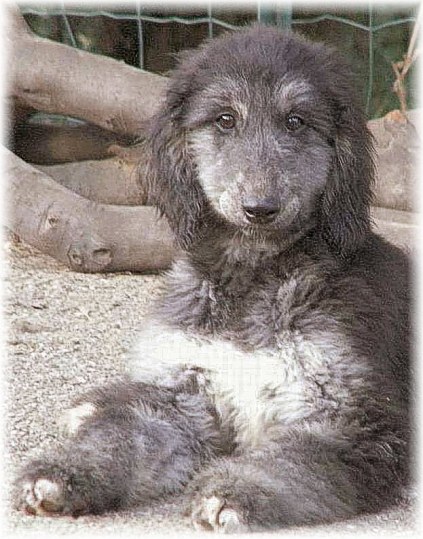
An Afghan puppy is playful and clownish. Start grooming games and gentle handling on day one.

If the dog is already yours

Training an Afghan is gentle and patient

Afghans learn, but they ask why. Tasty food, short sessions and a calm voice work best.

My core list: grooming games, a name check-in, loose-lead walking and calm meetings.

Lure coursing and fenced sprints are the best outlets.

Load balance

A sprint, a groom, then rest

A safe sprint, a short grooming session and a long rest suit most Afghans.

Sprint Walk Groom Settle Sleep

Sprinting, walking, grooming and a quiet rest suit most Afghans.

An Afghan with safe running and kind grooming is a calm, elegant companion.

Grooming

How to make grooming easy for an Afghan

Short sessions, food rewards and one small area at a time.

  1. 01

    Pick a quiet time

    After a walk.

  2. 02

    Start small

    One leg or one side.

  3. 03

    Reward often

    Food for calm.

  4. 04

    Stop early

    Before the dog wants to leave.

  5. 05

    Build slowly

    A little more each day.

One scene close-up

Why your Afghan walks away from the brush

Afghans have a long, fine coat and many dislike being held still.

Groom in short sessions with food, one leg or one side at a time.

Stop before the dog wants to leave, and build up slowly.

Puppy handling Chin rest Nail trim ladder

Typical household scenes

Where Afghan Hound owners most often need help

A breed page is only a starting point; the fix depends on health, environment, and the dog in front of you. Each row opens a step-by-step guide.

Practical view

“With an Afghan, I never rely on recall near open space. We build grooming games, a name check-in and calm meetings — because a sighthound needs safe sprints and kind handling.”

Sessions cover real scenes: poor recall, chasing, grooming fights, and pulling on the lead. I am a trainer, not a veterinarian. No invented reviews.

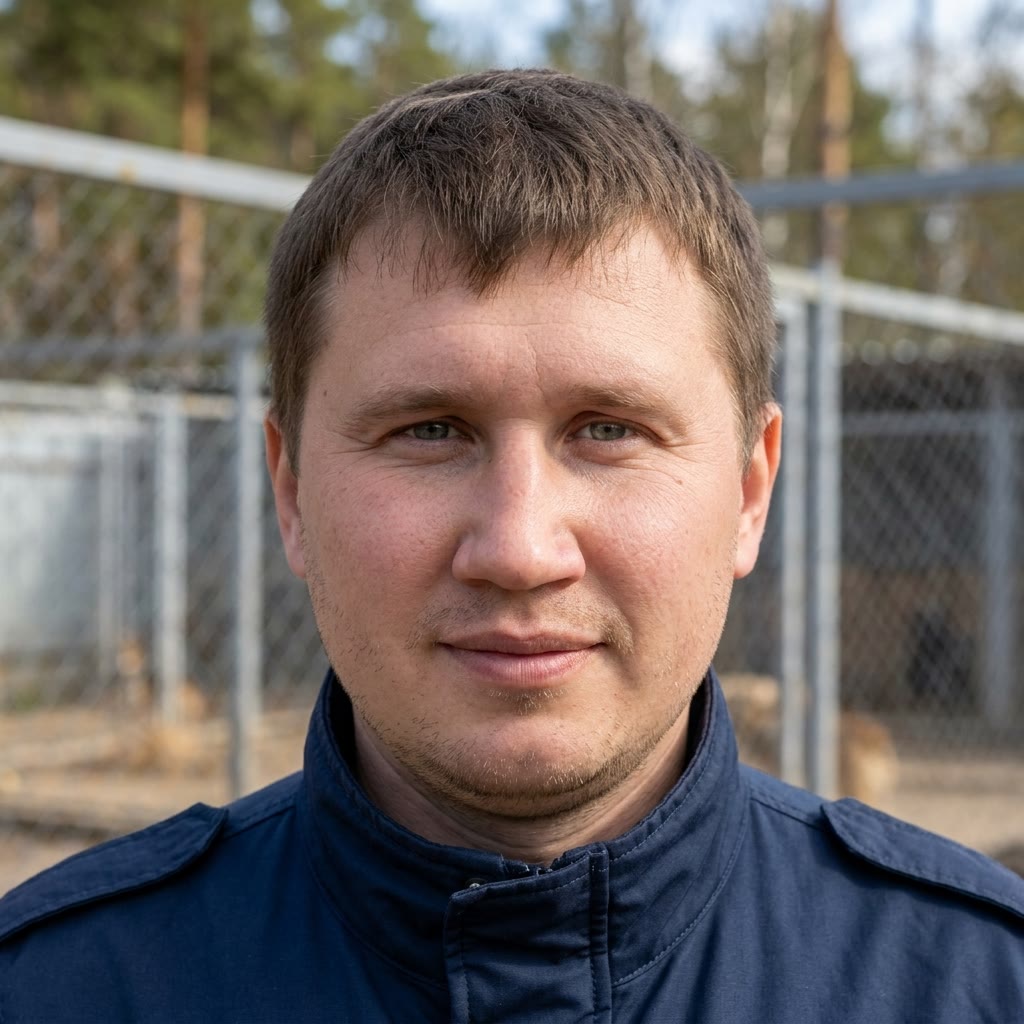
Andrew Darov Professional dog trainer and instructor
WhatsApp consult

Talk through your Afghan Hound

Describe age, living setup, and where the dog breaks first — poor recall, chasing, grooming fights, or pulling on the lead. Opens WhatsApp to Andrew.

Short answers

FAQ

Is an Afghan a good first dog?
Only for patient owners who enjoy grooming and accept poor recall.
Are Afghans good with children?
Usually gentle with calm, respectful children; supervise.
Do Afghans shed?
Little, but the long coat mats without regular care.
How much exercise does an adult need?
Daily walks plus safe sprints a few times a week.
Can Afghans be off lead?
Only in fully fenced areas.
Are Afghans hard to train?
They are independent; short, food-based sessions work best.
Can an Afghan live in a flat?
Yes with daily walks and safe running elsewhere.
Are they good with cats?
Some live with cats; many chase small animals outdoors.
What about health?
Ask which screenings the national breed club recommends and see the parents' results.
What is the typical lifespan of an Afghan Hound?
Public breed references often give about 12 to 14 years. Individual dogs vary.
Afghan or Saluki?
The Afghan has a full long coat; the Saluki is smooth with feathered ears.

If an Afghan’s coat is too much

If you love sighthounds but want far less grooming, consider this one.

Greyhound

A gentle, quiet sighthound, often a retired racer, that needs safe sprints, a lead in open areas, a soft bed and slow introductions.

Whippet

A gentle, quiet English sighthound that needs safe sprints, a warm coat in winter, gentle training and slow alone-time practice.

Irish Wolfhound

A calm, gentle giant sighthound from Ireland that needs early lead manners, careful puppy exercise and lots of space.

Whippet

Gentle, quiet, short-coated sighthound that sprints, then naps.

More Hound group breeds

Other guides from the same group in the breed library. Same group does not mean same dog: read the fit and the failure modes, not only the outline.

Basenji

A clever, independent, cat-like dog from Central Africa that needs secure fencing, puzzle feeding and short, food-based training.

Basset Hound

A gentle, sociable scent hound with long ears and a deep voice that needs sniffing walks, patient training and careful portions.

Beagle

A friendly scent hound that follows its nose and needs patient recall training, sniffing walks and a secure garden.

Bloodhound

A gentle, persistent scent hound that needs a strong harness, trailing games, kitchen management and patient training.

Borzoi

A giant Russian coursing hound — calm and quiet indoors, fast and independent outdoors. Space, secure running, and gentle handling come first.

Dachshund

A bold, long-bodied German hunting dog that needs back-friendly habits, help with barking and patient house training.

Need a read on your exact situation?

Describe your Afghan Hound’s age and the scene that repeats most: poor recall, chasing, grooming fights, or pulling on the lead. We check safety first, then pick the first skill.

Written by Andrew Darov, professional dog trainer. Not veterinary advice and not a diagnosis. Not a kennel club. No invented reviews. No vaccine schedules or toxin doses. Photo credits in /images/breeds/afghan-hound-guide/credits.md.