
Hunting hound → search and family dog
A nose on a big body
Bloodhounds are large, strong dogs. Once on a scent, they pull hard and hear very little else.
Meet the parents and see their size, how they walk on a lead and how calmly they settle.
Bloodhound · Hound
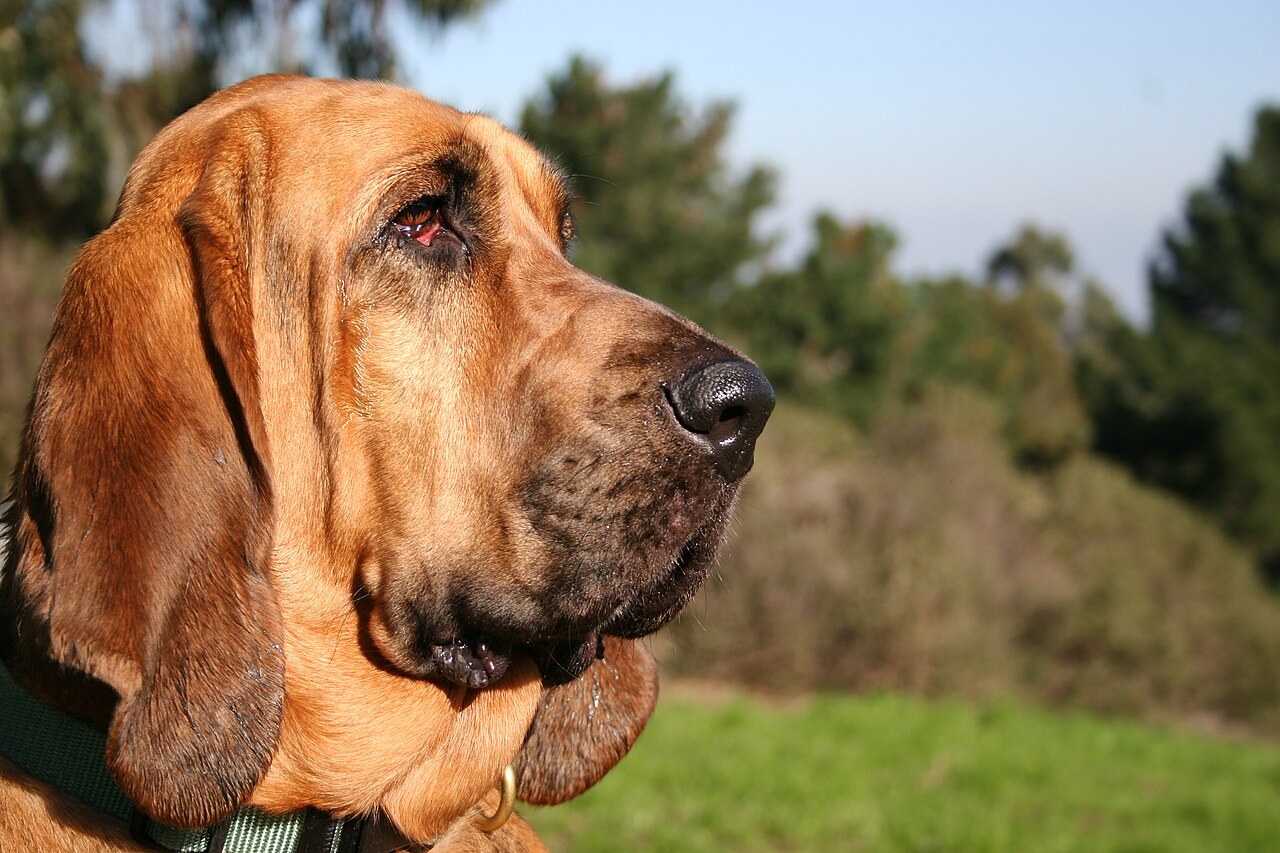
The Bloodhound is a large, wrinkled scent hound famous for following a person’s trail over long distances. Most are gentle, friendly and very persistent, with a deep voice and a lot of drool. Life goes well with trailing and scent games, a strong harness and long line, kitchen management and patient food-based training.
First, the point
Public breed histories link the breed to medieval St. Hubert hounds and later English trailing hounds.
Most Bloodhounds are kind with people. Typical struggles are strong pulling, no recall on scent, food stealing and chewing.
In the first months I teach loose-lead basics, leave it, trades and a simple trailing game.
Breed history
The Bloodhound is linked in breed histories to the St. Hubert hounds of medieval Belgium and later to English hunting hounds. It was bred to follow a cold scent trail slowly and steadily, for hours, until it found its quarry. Today it is best known for trailing missing people. That job made a gentle, persistent, very strong dog with a famous nose, deep voice and lots of drool.
Medieval Europe → tracking hound
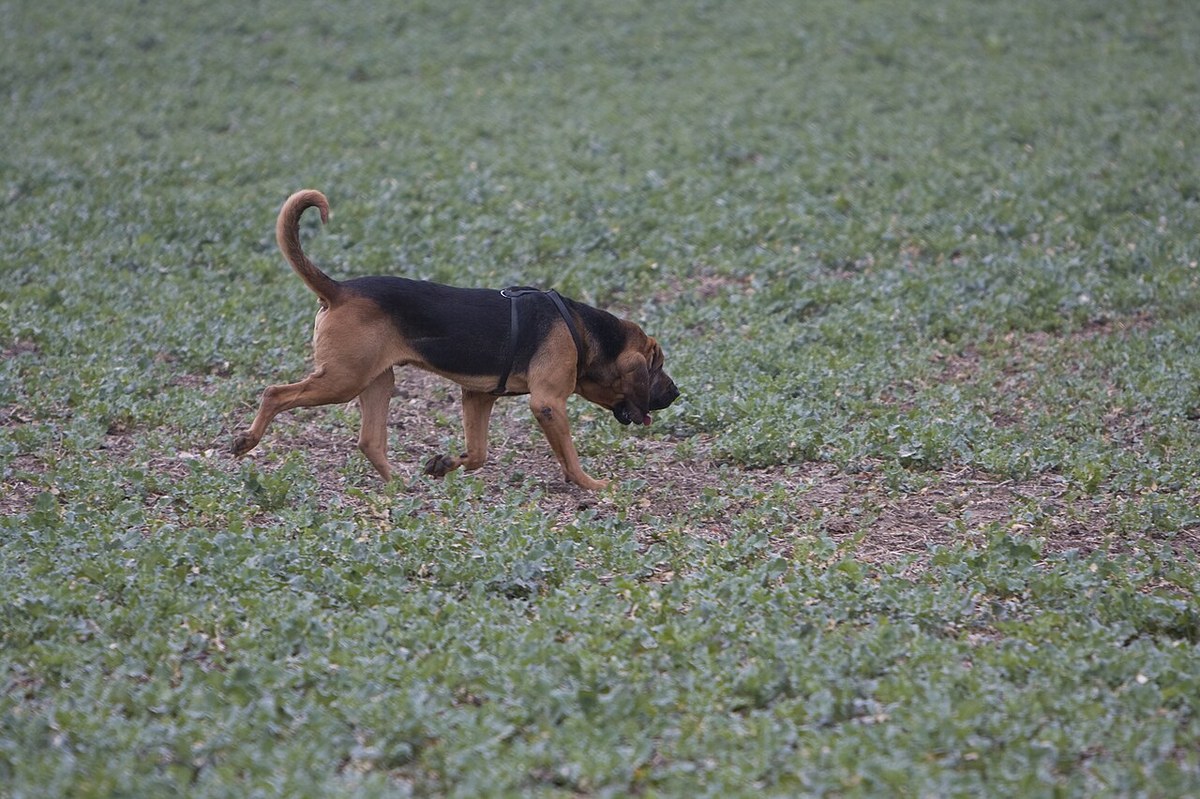
Public breed histories describe monks and nobles keeping slow, deep-voiced scent hounds. Later, Bloodhounds were used to trail people.
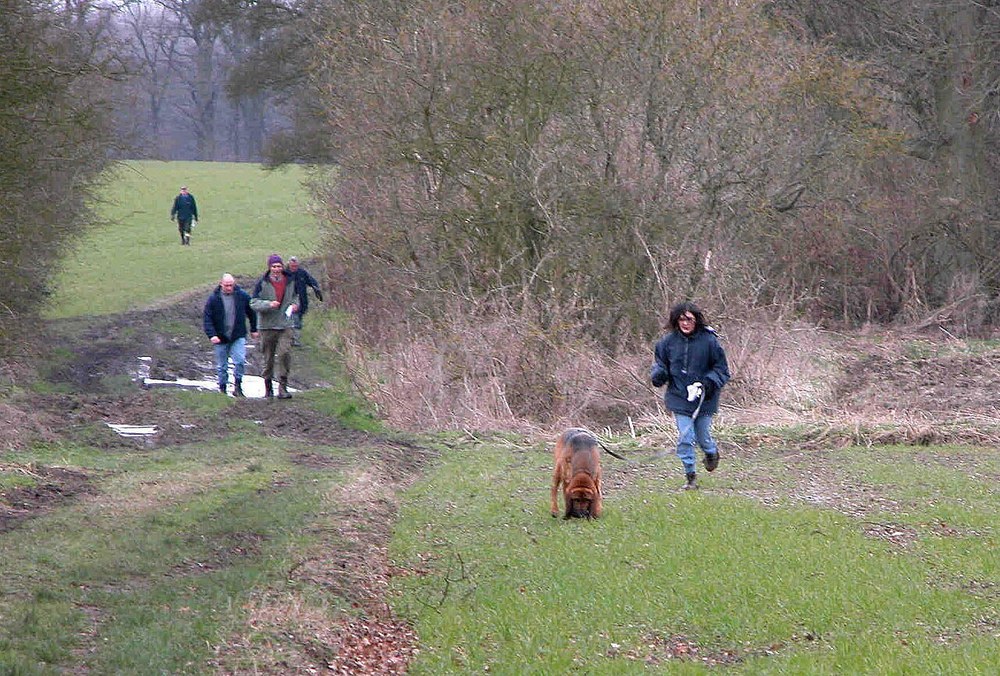
In trials, hounds follow the trail of a person who walked the route hours earlier.
Hunting hound → search and family dog
Bloodhounds are large, strong dogs. Once on a scent, they pull hard and hear very little else.
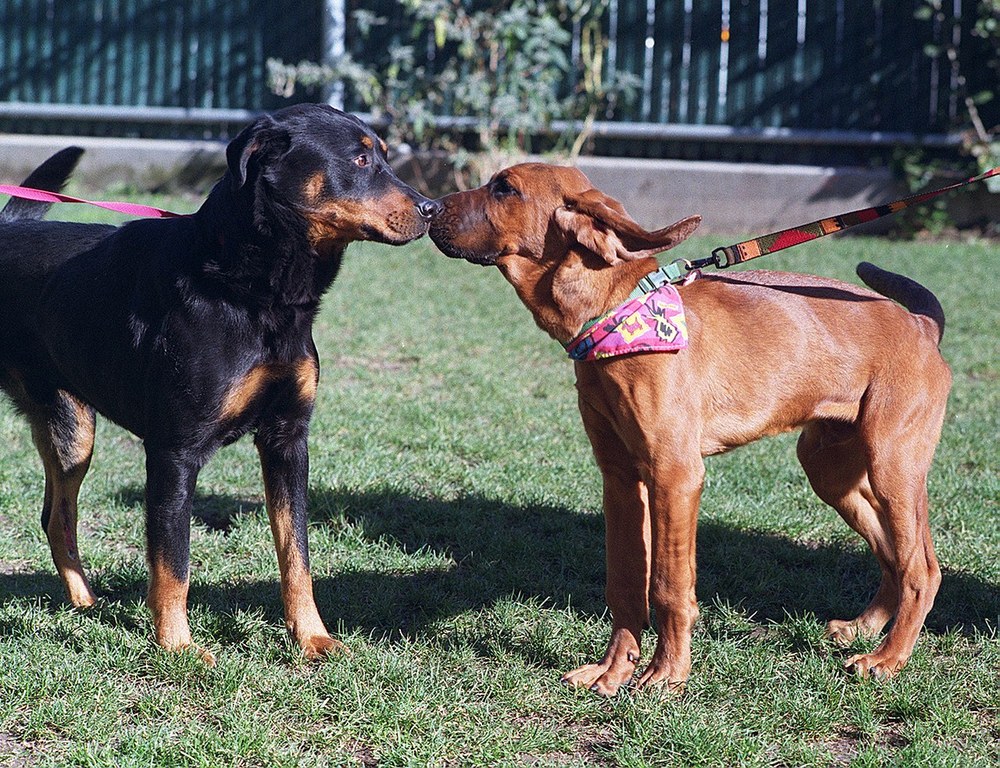
Meet the parents and see their size, how they walk on a lead and how calmly they settle.
What the breed was bred for
In plain trainer language: Bloodhounds are friendly, patient dogs with one great passion: following scent.
The hard parts are strong pulling, no recall on a scent, food stealing, drool, baying, chewing and a long, clumsy puppyhood. Trailing games, a good harness, kitchen management and patient training help most.
Public references: FCI 84, AKC Bloodhound, RKC.
Life together
Bloodhounds need daily walks with plenty of sniffing, and ideally a trail to follow. At home most are gentle and sleepy.
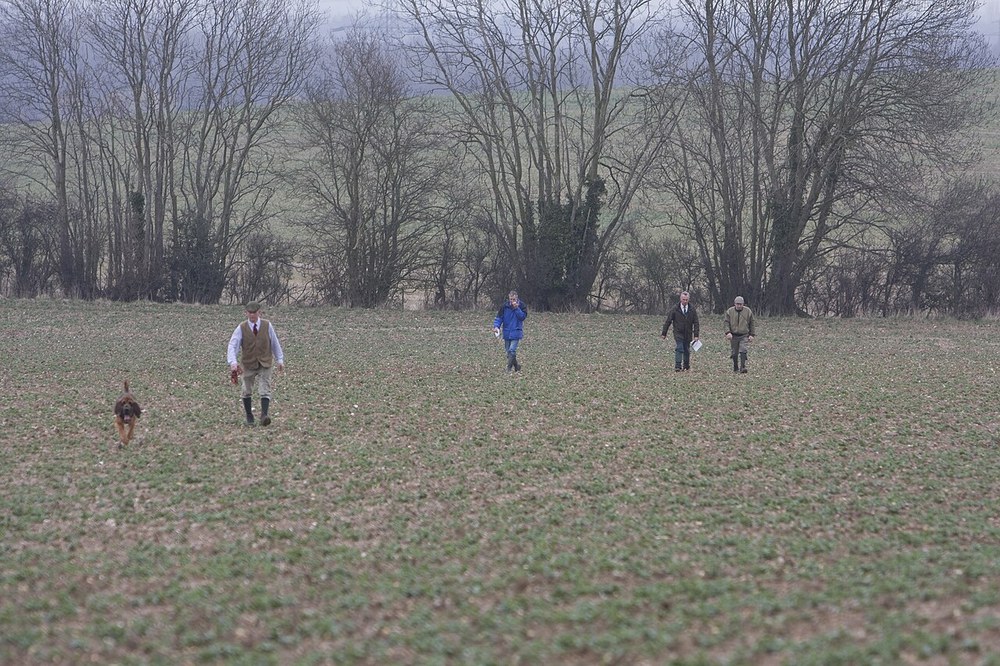
Bloodhounds track for miles. A long line keeps them safe.
See long-line recall.
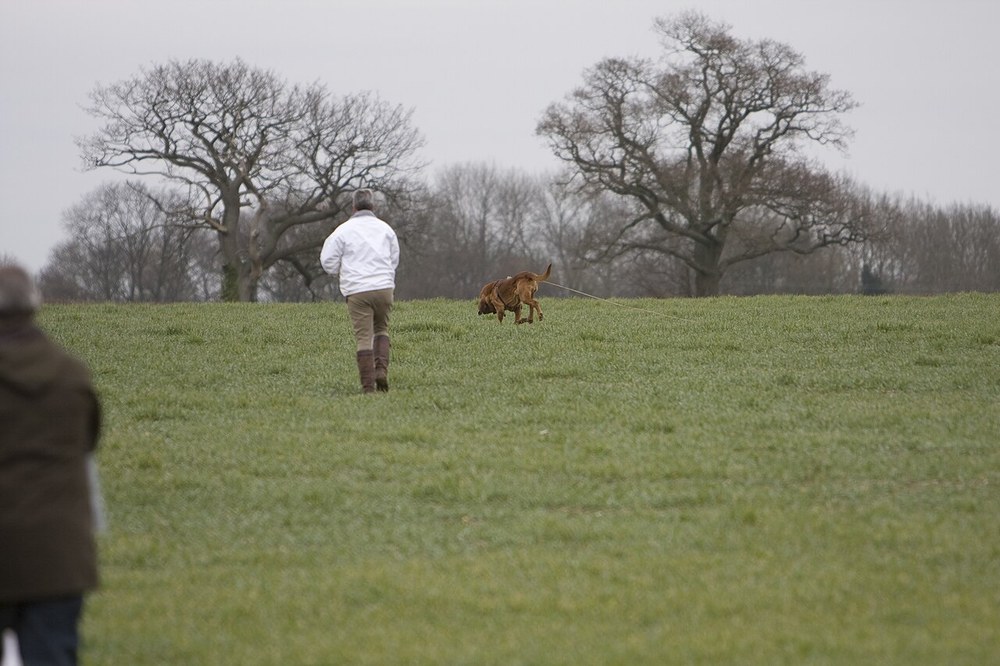
A trailing harness tells the hound when it is time to work.
See loose-leash walking.
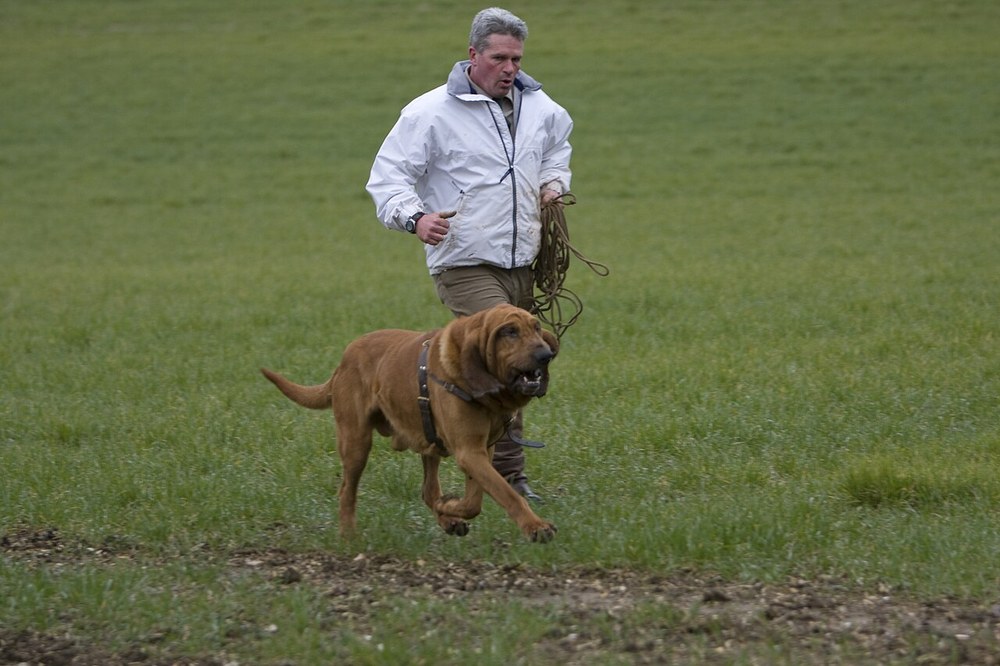
Trailing is the best outlet for this nose. Start with short, easy trails.
See scavenging on walks.
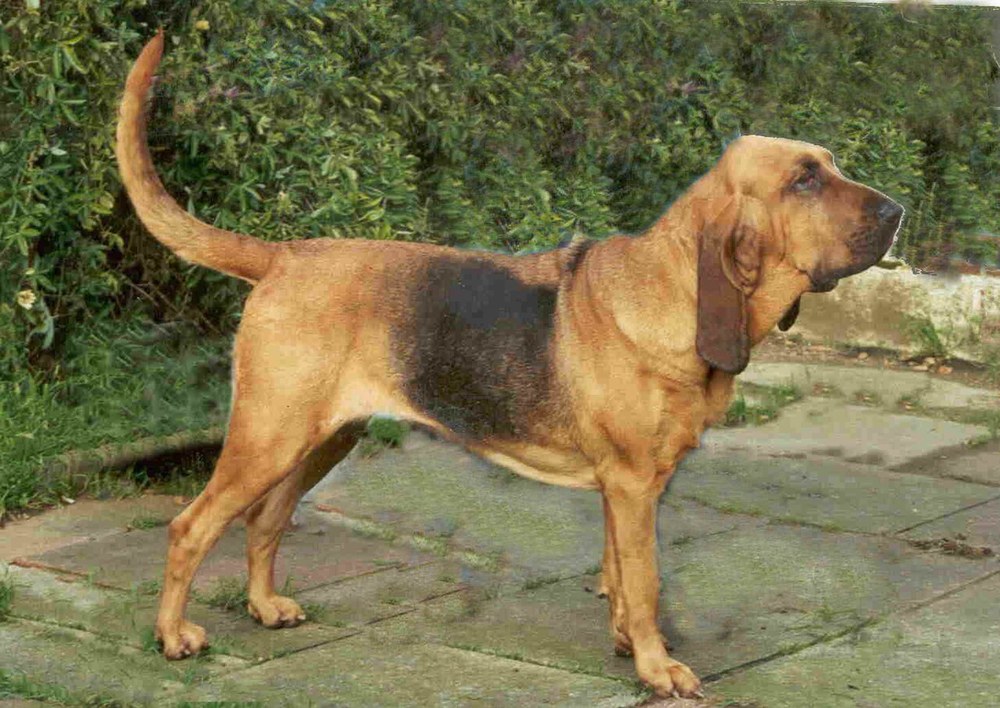
A tall Bloodhound reaches the kitchen counter easily.
See counter surfing.
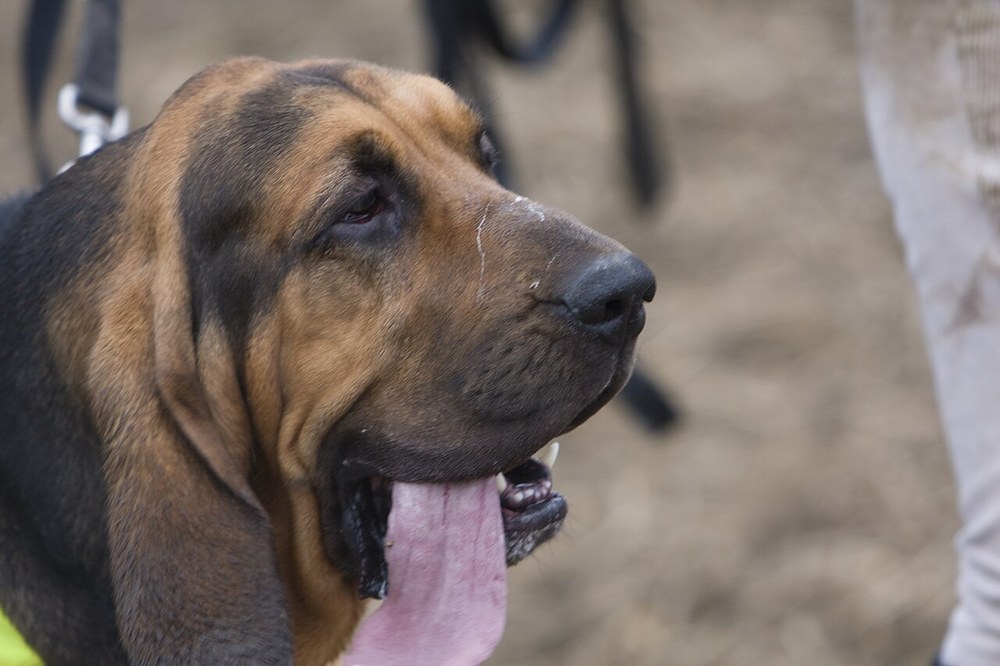
Keep a towel by the door; Bloodhounds drool and shake.
See puppy handling.
Care and health themes
A trainer’s checklist, not veterinary advice. See a vet for ear smell, eye redness, limping or a swollen belly after eating. For urgent signs, see when to call the vet.
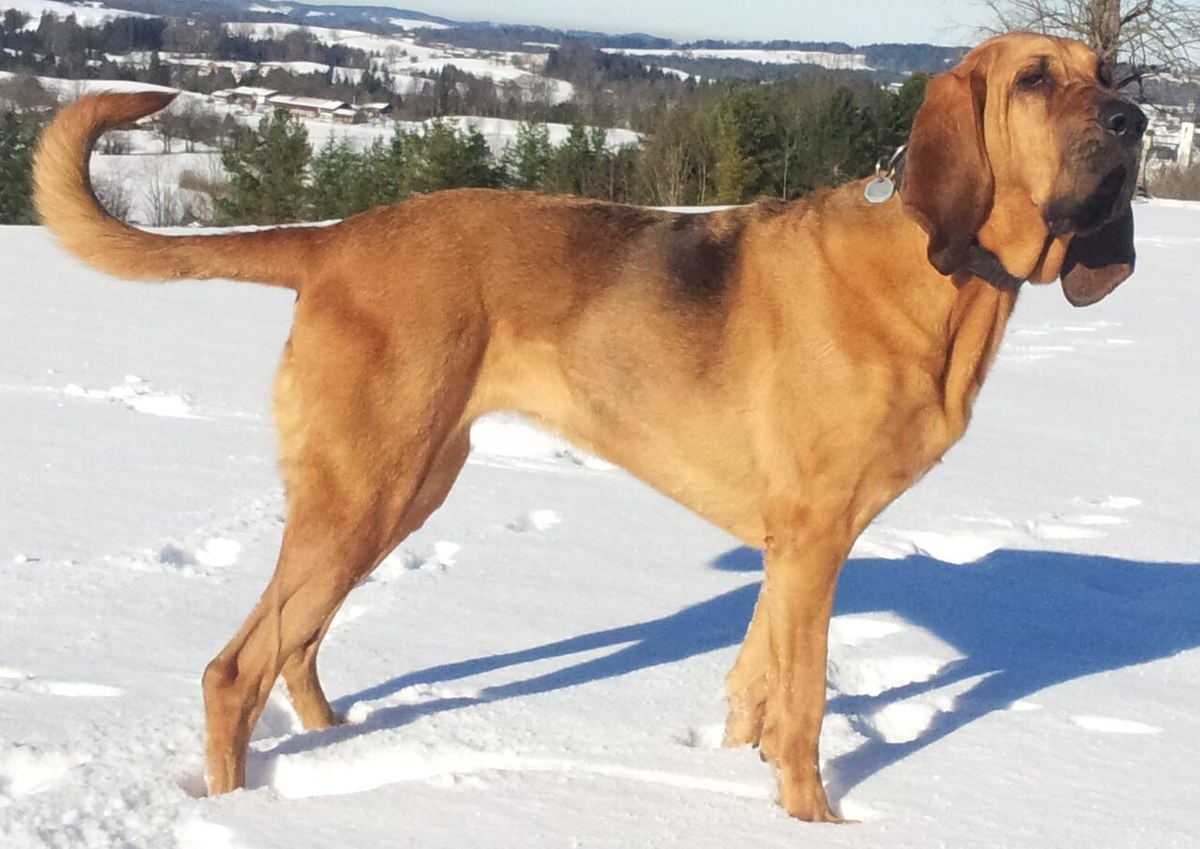
Clean and dry the long ears weekly.
Watch for redness or discharge.
Wipe face folds and lips daily.
Feed on a steady routine and rest after meals.
Ask the breeder which screenings the national breed club recommends, including hip and elbow scores, and see results for both parents.
I do not publish toxin amounts. Call a vet or poison-control line if the dog eats something dangerous.
Lines and types
Some Bloodhounds are bred for trailing and search work, others mainly for the show ring and family life.
Best with an active, outdoor owner.
Still a big, strong hound.
Socialization windows
AVSAB-aligned in spirit: short, clean exposures at a distance the puppy can still eat, with hygiene while vaccines finish. See the puppy socialization schedule.
Introduce: handling, ear and face care, name games, toilet routine.
Do not overload: rough play and jumping.
Introduce: harness walking, leave it, simple trails.
Do not overload: pulling on a collar.
Introduce: trading, settle, longer trails.
Do not overload: free access to the kitchen.
Introduce: mantrailing, tracking classes, hikes.
Do not overload: long runs before growth ends without vet advice.
Introduce: refreshed manners and trailing.
Do not overload: too little sniffing.
Before you buy
A Bloodhound suits patient, strong, outdoor people who want a gentle giant and enjoy giving it a nose job.
Good match
Mismatch risk
If you are torn between breeds
Bloodhounds are compared with Basset Hounds and Beagles, two other scent hounds.
Bloodhound Large and tall.
Basset Hound Low and medium.
Bloodhound Trailing people and game.
Basset Hound Pack hunting rabbits and hares.
Bloodhound Large.
Beagle Small to medium.
Bloodhound A lot.
Beagle Very little.
Bloodhound Exceptional.
Both compares All follow scent first.
Ownership without surprises
Prices vary by country. These are the spending themes, not figures.
A big dog eats a lot.
Ask which screenings the national breed club recommends.
Safe scent work.
Drool and muddy ears.
The best outlet.
Consider it early.
With a Bloodhound, food and size-related costs are the biggest regular spend.
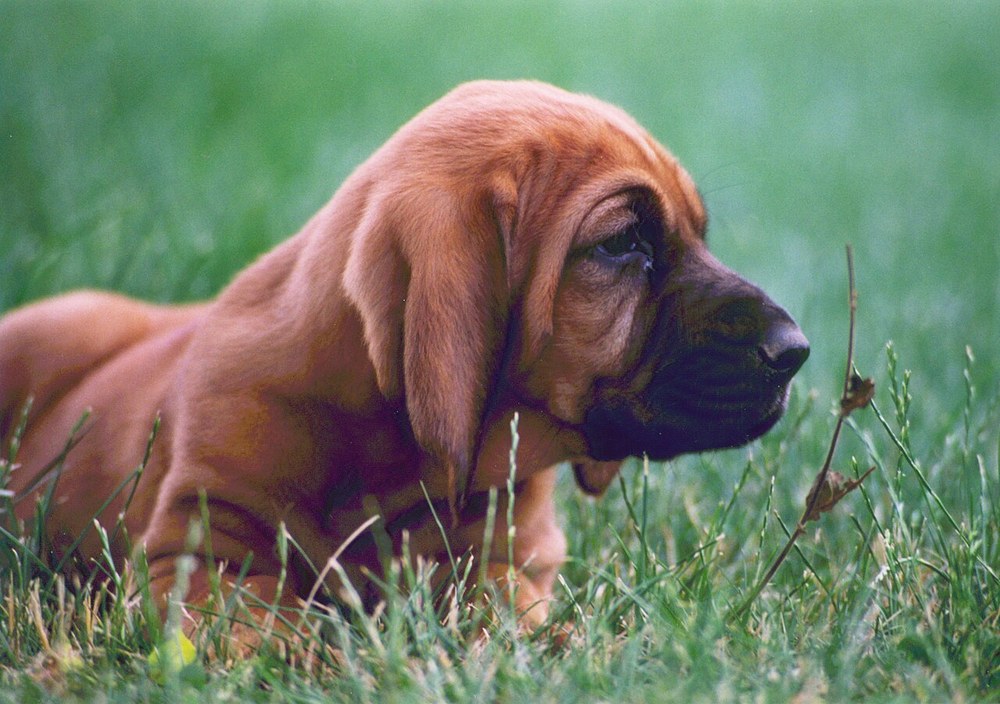
Before day one at home
A Bloodhound puppy is wrinkly and clumsy and grows very fast. Start harness walking, trades and face care early.
See puppy leash training.
See drop it.
See puppy handling.
Follow potty training.
See walk length by age.
If the dog is already yours
Bloodhounds learn well for food, but scent always wins outside. Give the nose a job you control.
My core list: harness walking, leave it, trades and a calm settle.
Mantrailing and tracking are the ideal outlets.
Load balance
A trailing session and a long rest suit most Bloodhounds.
Trailing, sniffing walks, chews and long rests suit most Bloodhounds.
A Bloodhound that trails a few times a week is a calm, gentle house dog.
Trailing
A helper walks a short path and hides with food; the hound follows on a harness.
Only for this game.
Then walks off.
A few metres.
You follow the hound.
Food and praise.
One scene close-up
Bloodhounds were bred to follow a scent for hours without stopping.
Use a separate harness for trailing so the hound knows when it may pull.
On normal walks, reward a loose lead and stop when it goes tight.
Typical household scenes
A breed page is only a starting point; the fix depends on health, environment, and the dog in front of you. Each row opens a step-by-step guide.
Big and nose-led.
Follows the trail.
Tall and food-keen.
Big puppy, big mouth.
A deep, loud voice.
Big, friendly greetings.
Howls when left.
A swollen belly, limping or eye changes — vet first.
Practical view
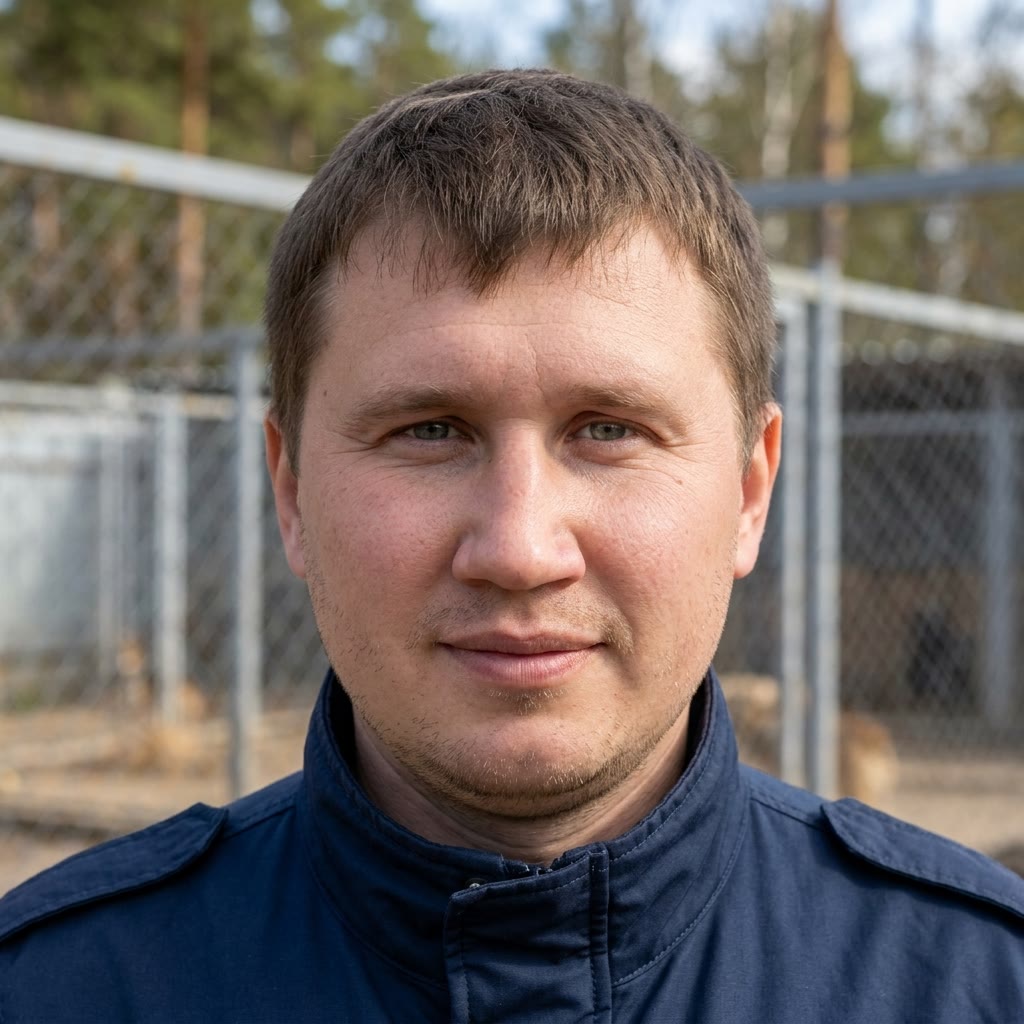
“With a Bloodhound, I give the nose a proper job. We build harness walking, trades and simple trailing games — because a hound that trails is easier on the lead.”
Sessions cover real scenes: strong pulling, no recall on scent, food stealing, and chewing. I am a trainer, not a veterinarian. No invented reviews.
Describe age, living setup, and where the dog breaks first — strong pulling, no recall on scent, food stealing, or chewing. Opens WhatsApp to Andrew.
Short answers
If you want a big, friendly dog that is easier to walk and train, consider this one.
A gentle, sociable scent hound with long ears and a deep voice that needs sniffing walks, patient training and careful portions.
A friendly scent hound that follows its nose and needs patient recall training, sniffing walks and a secure garden.
A merry, busy British spaniel that needs scent games, retrieve and trade practice, ear care and a taught settle.
Friendly, trainable family retriever that loves food and people.
Other guides from the same group in the breed library. Same group does not mean same dog: read the fit and the failure modes, not only the outline.
A giant Russian coursing hound — calm and quiet indoors, fast and independent outdoors. Space, secure running, and gentle handling come first.
A bold, long-bodied German hunting dog that needs back-friendly habits, help with barking and patient house training.
A gentle, quiet sighthound, often a retired racer, that needs safe sprints, a lead in open areas, a soft bed and slow introductions.
A calm, gentle giant sighthound from Ireland that needs early lead manners, careful puppy exercise and lots of space.
A Nordic moose-hunting spitz with a bay bark and a strong nose — shape the voice into useful alerts and give it a daily outdoor job.
A loyal, independent hound from southern Africa that needs early calm socialising, fair training and daily running.
Describe your Bloodhound’s age and the scene that repeats most: strong pulling, no recall on scent, food stealing, or chewing. We check safety first, then pick the first skill.
Written by Andrew Darov, professional dog trainer. Not veterinary advice and not a diagnosis.
Not a kennel club. No invented reviews. No vaccine schedules or toxin doses. Photo credits in
/images/breeds/bloodhound-guide/credits.md.