Azawakh: temperament, safe running and calm ownership for the West African sighthound
The Azawakh is a tall, very lean sighthound from the Sahel, the dry belt south of the Sahara. Nomadic families kept it to run down game and to watch the tents at night, so you get a dog that spots movement far away, sprints at full speed and keeps its distance from people it does not know. With its own family it is often gentle, close and quietly loving. What works is fenced space to sprint, a long line wherever game might be, slow and polite meetings with strangers, and warmth when the weather turns cold.
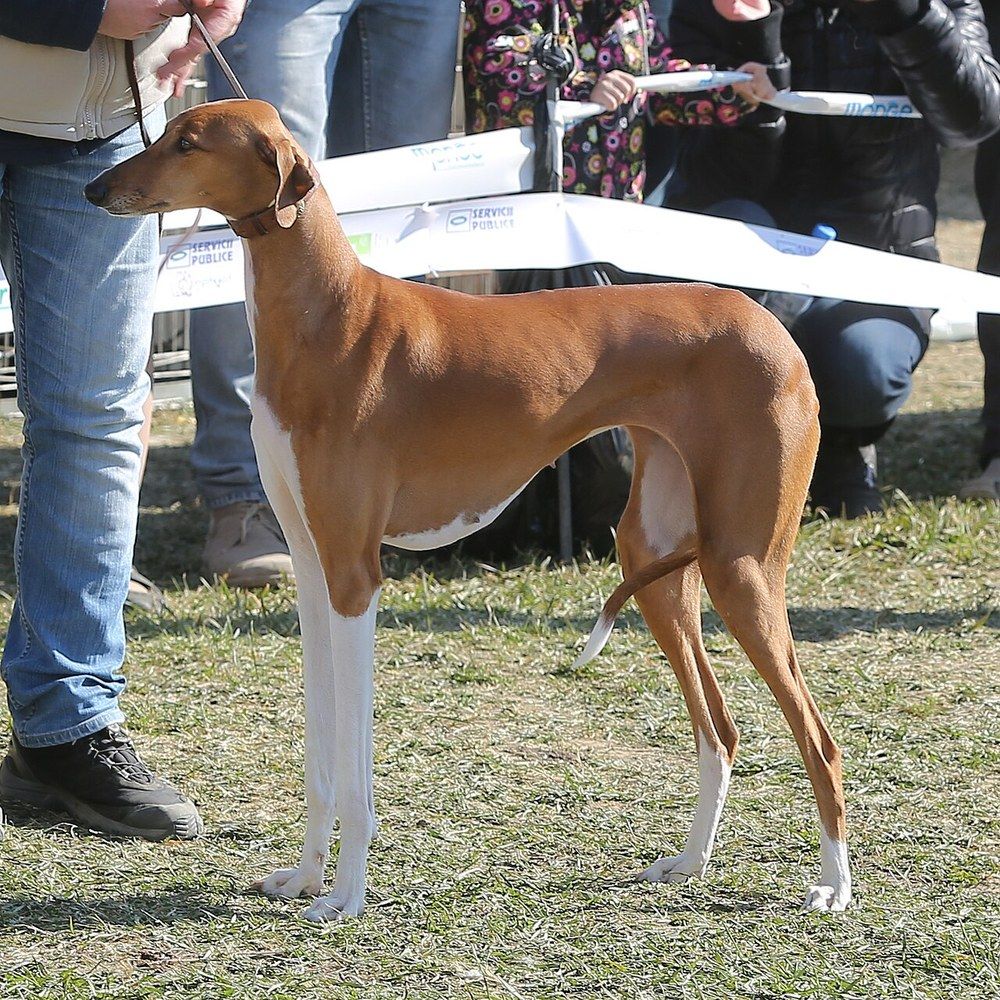
Job: Lean Sahel sighthound and tent watchdog; very short coat in fawn, red, brindle and other colours.
Energy: Short bursts of top speed, then hours of rest; a recall can vanish the moment something runs.
Home: Suits a calm, active home with tall fences, a place to sprint and patience with guests.
An Azawakh looks fragile. It lives like a watchful desert hunter
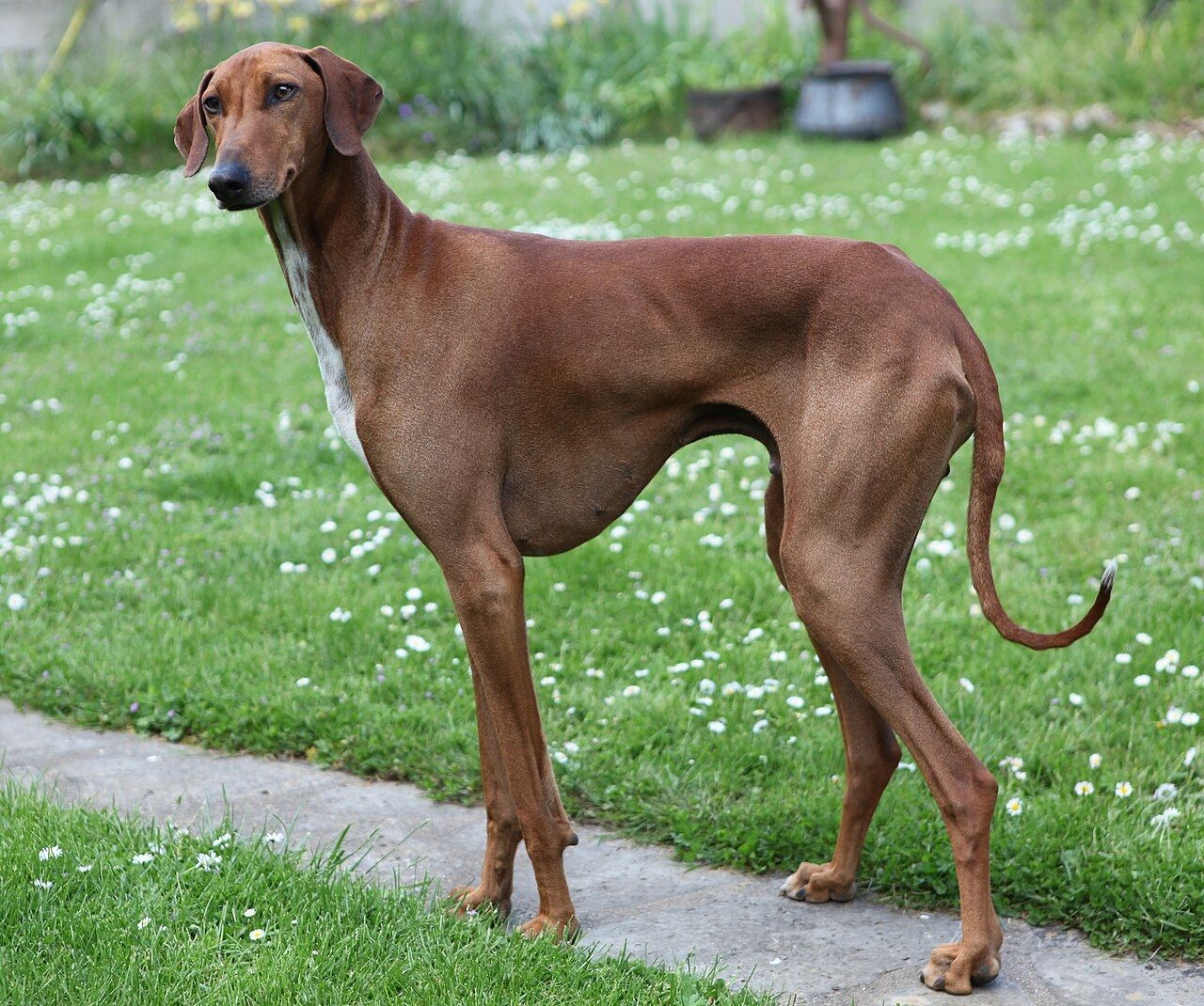
People see the long legs and the visible lines of the body and expect a delicate show dog. In its home region the Azawakh had two jobs: run down fast game over open ground and sound the alarm when anything came near the camp. Both jobs are still in the dog in front of you.
What I meet in family homes is usually a quiet, clean, loyal dog that likes a warm bed and a few trusted people. The hard parts are a chase that wipes out any cue you give, a cool or worried reaction to strangers who rush in, a pack sense that can make it bossy with other dogs, and a thin coat that hates cold rain. None of that makes it a “difficult” dog. All of it shows up when an Azawakh is chosen for its looks alone.
My plan has four parts. Fenced sprints several times a week. A long line until the dog proves it turns back. Slow, quiet meetings with new people. And rest in a warm, low-traffic spot.
Very short and fine; fawn, red, brindle, sand and other colours, often with white marks
Job
Sahel sighthound and camp watchdog (FCI Group 10, Sighthounds; AKC Hound; RKC Hound)
Breed history
How a Sahel hunting dog and camp watchdog reached modern homes
Knowing where the breed comes from will not tire your dog, but it explains the speed, the eye for movement and the distance it keeps from strangers.
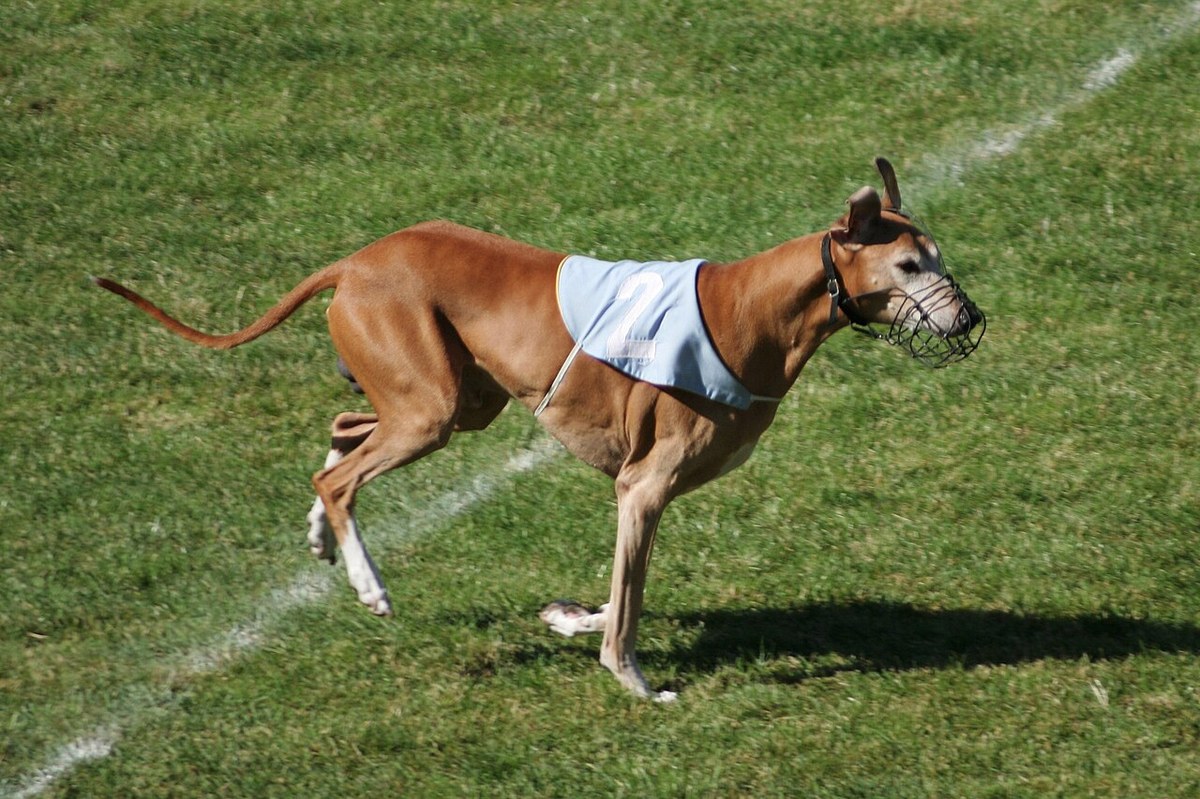
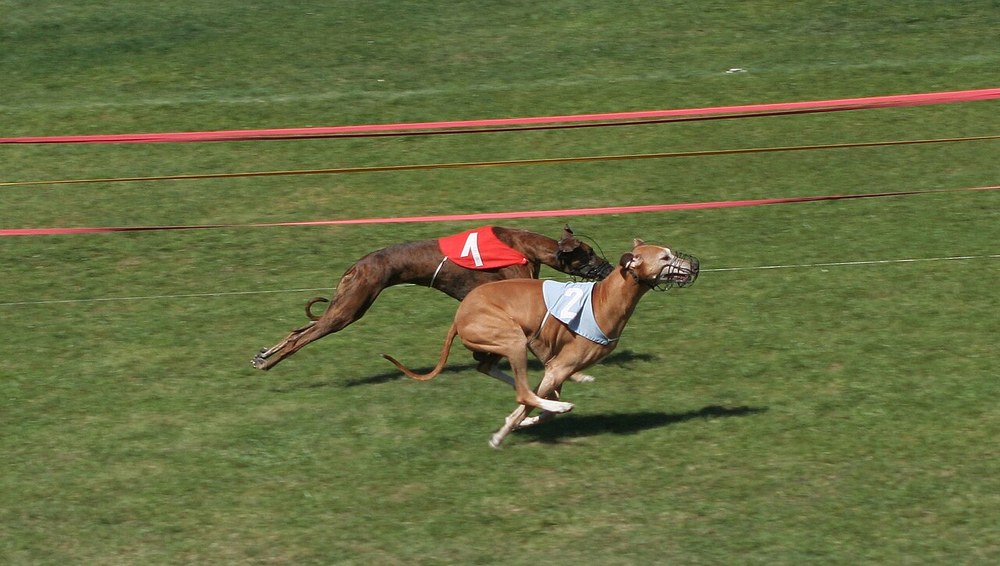
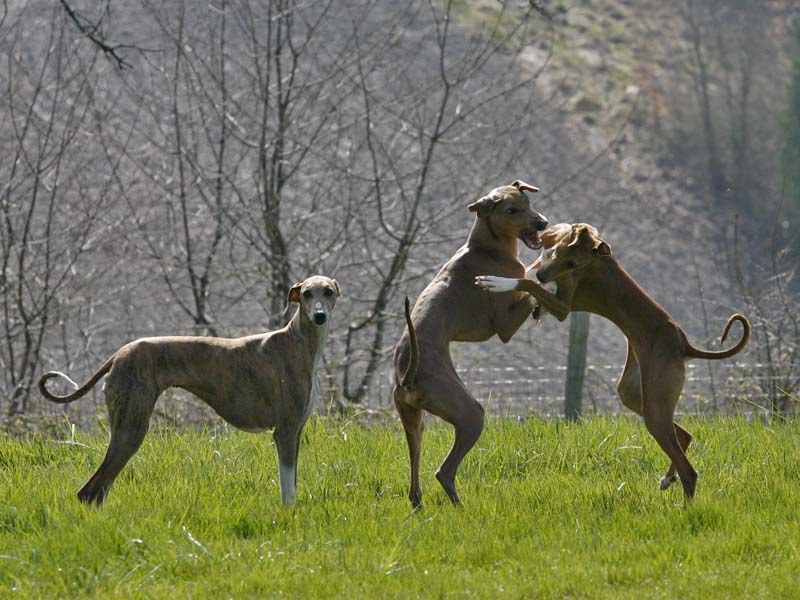
An Azawakh racing on a grass track in Poland. Fenced running and lure games suit the chase brain far better than open fields.
The Sahel → nomad camps
Bred to chase game and guard the camp
Breed histories describe Tuareg and other nomadic peoples of Mali, Niger and Burkina Faso keeping these dogs for hunting gazelle and hare over open, hot ground, and as watchdogs around the tents. The dog had to spot movement at a great distance, run fast in heat and warn the family about strangers.
What matters for an owner is that the Azawakh is still built for that life: a sharp eye for movement, real speed and a cautious view of people it has not met.
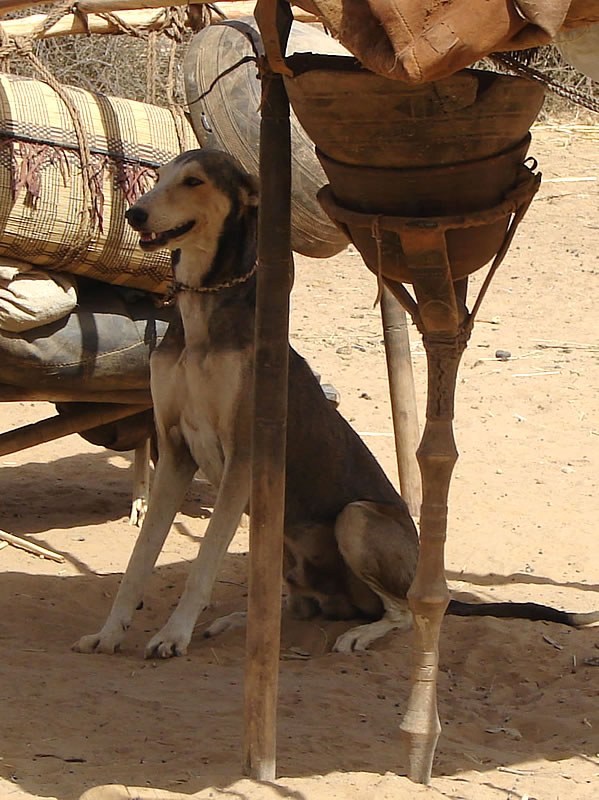
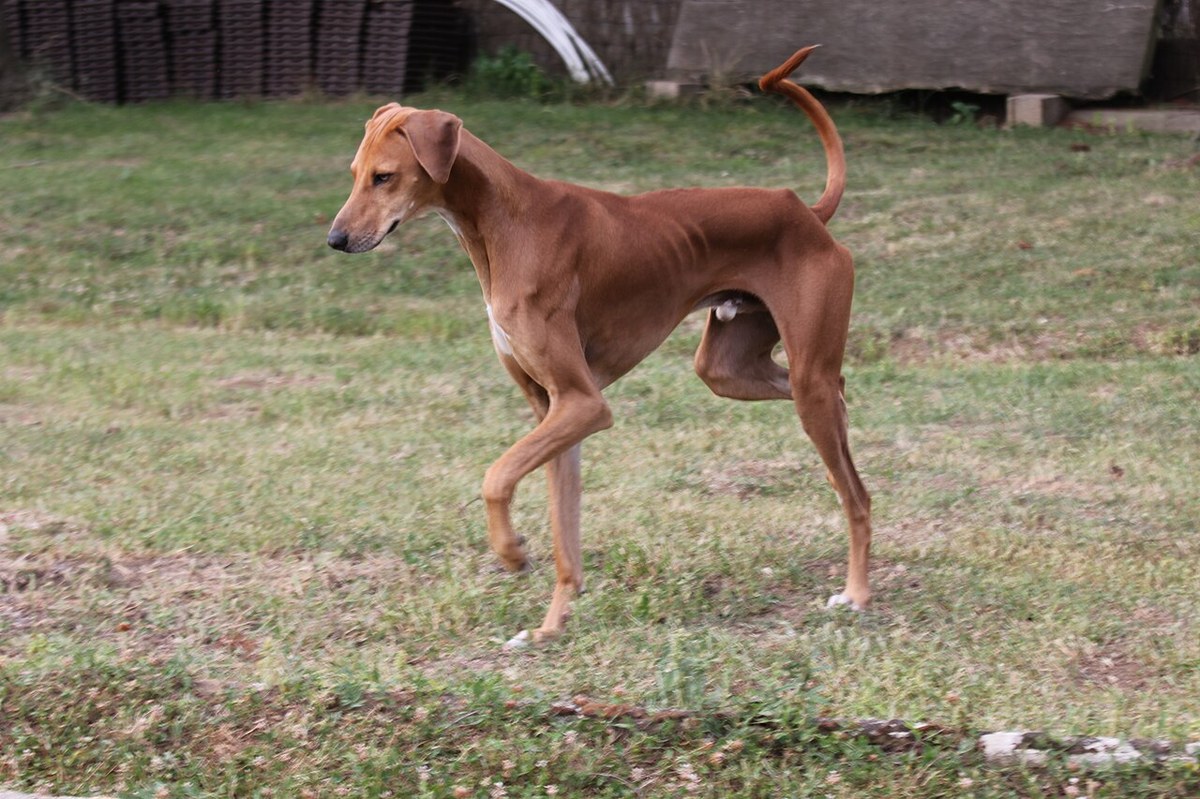
An Azawakh male in a Tuareg camp in the Sahel, the kind of home the breed comes from.
From Africa to Europe
From desert camps to sighthound clubs
Dogs from the region reached Europe in the second half of the 20th century, and the breed was later listed by the FCI and, in 2019, added to the AKC Hound group. It is still rare, and many owners join sighthound clubs for racing and lure coursing.
Most Azawakhs now live as family dogs. The sprint, the reserve with strangers and a coat made for heat, not wet winters, came along with them.
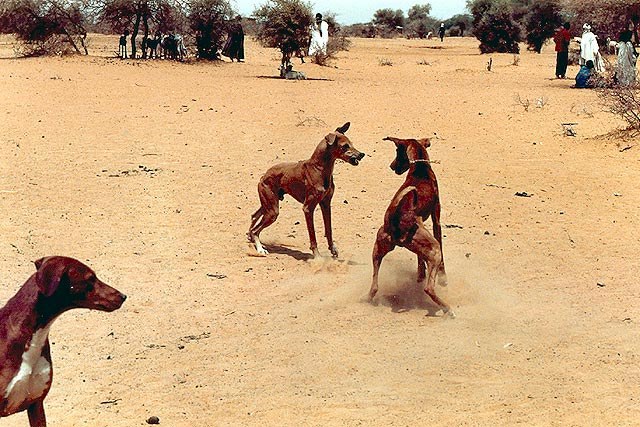
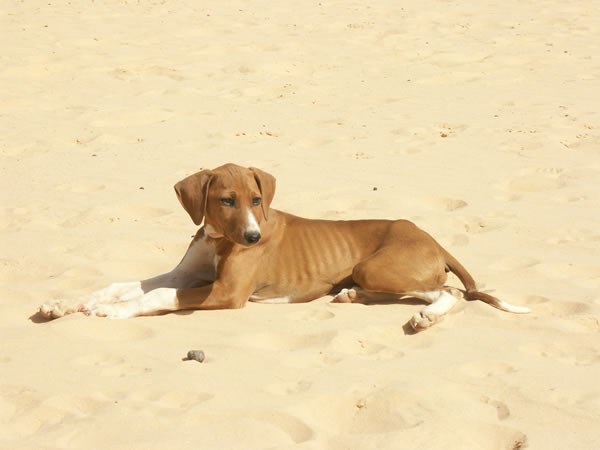
Azawakhs on dry, sandy ground. Wide open spaces look inviting, but recall near game needs a long line.
What the breed was bred for
Gentle at home, cool with strangers
Day to day you live with a dog that reacts fast to anything moving, takes things to heart and bonds closely with a small circle of people. It learns well with food, toys and very short lessons, and it goes quiet and distant if handled roughly.
Because it is so still and polite in the house, owners often unclip the lead too soon or let guests reach for it straight away. The result is a dog that bolts across a road after a cat, or one that starts barking and retreating every time the doorbell goes.
A good day is a sprint in a fenced field, a calm lead walk, space from strangers and a warm bed
Most Azawakhs settle well with two or three good sprints a week, a small circle of people they trust and a quiet house. Trouble usually starts with a hare you never saw, a visitor bending over the dog, or a cold, wet walk. Keeping the day predictable helps this breed relax.
Morning · walk
On lead in town, long line in the country
In town, use a well-fitted harness or a wide sighthound collar. In fields and woods, switch to a long line. An Azawakh notices a cat or a hare at a distance you would never check, and it is gone before you can call. Off-lead time belongs behind a fence.
This dog needs to open up at full speed, not jog for an hour. Rent a fenced field, join a lure coursing or racing club, or find a fully enclosed beach. Lead walks alone leave the legs fresh and the head busy. After a good sprint, most Azawakhs sleep for hours.
Many Azawakhs are warm with their own people and distant with everyone else. Ask guests to ignore the dog, let it come to them and offer a treat from a flat hand. Forced petting makes a watchful dog more worried, not friendlier.
The coat barely needs a brush, but the skin is thin and tears on thorns and wire. Look the dog over after every run. Practise calm handling of paws, nails and mouth with food, and put a jacket on it when rain and wind come in.
Many Azawakhs play hard with dogs they already know and act bossy with new ones. Pick calm, familiar playmates, then give a padded bed and something to chew. A fixed bed spot, trained with place, helps a watchful dog switch off.
General awareness only. I am not a veterinarian. With Azawakhs, owners often notice trouble first as cuts or limping after running, shivering in cold weather, weight change, or a dog that suddenly avoids being touched. For red flags, leave this page and open
when to call the vet.
Running and joints
Let the dog trot before it sprints and avoid hard or stony ground for fast runs. Any limp after running is a vet question. See limping stop list.
Skin and coat
Thin skin tears on brambles and fencing. A deep cut or new swelling needs a vet.
Cold weather
Almost no coat and very little fat. A jacket for cold rain and a raised, padded bed indoors.
Weight
The breed is built very lean, so ask your vet to judge condition with a sighthound in mind. See BCS check at home.
Vet visits
Tell the vet the breed each time, and practise handling at home so the exam is not a shock for a watchful dog.
Ask the breeder
Ask which screenings the national breed club recommends for the parents. Do not invent disease claims from a blog.
Lines and types
Family and racing Azawakhs both need fenced sprints and slow trust
No bloodline selling. Dogs differ in how hard they chase, how distant they are with strangers and how many sprints they need. All of them need a long line in open country and a gentle hand. The Azawakh differs from the Greyhound or the Pharaoh Hound in temperament as much as in looks: it is more of a one-family watchdog.
Family companion homes
Quiet and clean indoors once it has sprinted.
Cats and small pets can trigger the hunter.
Guests need rules: no reaching, let the dog come.
Meet the parents and watch how they take strangers.
Suits a calm, active home with a secure garden and steady access to a fenced field.
Racing and lure coursing homes
Many take to lure coursing and track racing.
Light and fast; trot first, cool down after.
Rest days between events matter.
Noisy events need a quiet crate or car spot.
Suits an owner who wants to run the dog safely and is happy to train slowly.
Socialization windows
What to introduce — and what not to overload — by age
AVSAB-aligned in spirit: short, clean exposures at a distance the puppy can still eat,
with hygiene while vaccines finish. See the
puppy socialization schedule.
2–4 months
Home, trust and rules
Introduce: name game, recall games on a line, gentle handling, toilet routine, visitors who ignore the puppy and toss treats.
Do not overload: passing the puppy around to strangers, chasing cats in the house, off-lead time in open fields.
~6 months
Seeing the world from a distance
Introduce: new places, traffic and moving things far enough away that the puppy still eats, harness practice.
Do not overload: forced greetings, crowded markets, dropping the line.
~12 months
Teenage sprinter
Introduce: long line in open places, turning back from a rolling toy, rest after a run, longer alone time.
Do not overload: trusting the dog off lead because it looks calm, low fences, harsh corrections.
~18–24 months
Growing up
Introduce: a reliable settle after sprints, a calm door routine, first lure coursing if you want sport.
Do not overload: expecting recall near hares, rough play with unknown dogs.
~3 years+
Keep what works
Introduce: long line refreshers, regular fenced sprints, guest rules, yearly checks.
Do not overload: dropping the rules because the dog has been easy lately.
Before you buy
Who a Azawakh usually fits
Fit comes down to chase, fences, cold, guests, and whether you can live with a dog that will not always come back when something runs.
Good match
More likely a good fit if you…
You want a lean, quiet and loyal sighthound
You can reach a fenced field or a coursing club
You are fine with a long line in open country, maybe for life
You like gentle training with food and toys
You are happy with a dog that keeps its distance from strangers
Mismatch risk
A Azawakh may be a poor choice if…
You want off-lead hikes with your dog
You want a dog that greets every visitor with joy
You keep rabbits, guinea pigs or cats you cannot keep apart
You prefer firm, correction-based training
You want a hardy dog for cold, wet outdoor living
If you are torn between breeds
Azawakh vs Greyhound and Pharaoh Hound
All three are lean, fast dogs with a strong chase reflex. The Azawakh is a tall, very light Sahel sighthound and a watchful one-family dog. The Greyhound is heavier, famous for being a calm couch dog after short sprints and usually easy with visitors. The Pharaoh Hound is a red Maltese rabbit hunter with large upright ears and a more playful, outgoing style.
Size
Azawakh
Tall and very light; often about 23–29 in.
Greyhound
Taller and heavier on average; deeper chest and more muscle.
Coat
Azawakh
Very short; fawn, red, brindle and more.
Pharaoh Hound
Short red coat with small white marks.
Origin
Azawakh
Sahel of West Africa; nomad hunting and camp dog.
Both compares
Britain (Greyhound) and Malta (Pharaoh Hound).
With strangers
Azawakh
Often cool and watchful; needs slow meetings.
Greyhound
Usually calm and easy with visitors.
Home fit
Azawakh
Calm home, high fences, safe runs and visitor rules.
Both compares
Also strong chasers; the Pharaoh is more outgoing and jumps well.
Ownership without surprises
Where a Azawakh owner’s budget goes
Costs depend on country, city and your choices. These are themes to plan for, not quotes.
Veterinary
Routine care and a vet used to lean sighthounds. Know where the nearest emergency clinic is.
Fencing
Tall, gap-free fencing is often the largest single cost.
Training
Puppy class, plus private help with guests, recall or being left alone if needed.
Gear
Harness or wide collar, long line, padded beds and jackets for cold, wet days.
Running
Coursing or racing club fees, or hire of a fenced field.
Time
Weekly sprints, line work and calm guest practice are the cost that never stops.
Fencing and time matter more than anything you buy: a dog that sprints safely every week is far easier to live with than one hunting for its own chances.
Before day one at home
What to prepare for a Azawakh puppy
An Azawakh puppy is curious, light on its feet and already watching anything that moves, and it may be wary of new people. Have a long line, a secure garden and a plan for quiet, short meetings ready before it comes home, so the chase turns into games you control and the caution turns into calm confidence.
01
House rules
Choose the sleeping spot, the guest rules and the one safe place it can run.
02
Gentle mouth
Praise soft play and stop the game when teeth land on skin. See biting and nipping.
03
Recall as a game
Play name-and-reward games indoors, then on a long line. See recall ladder.
04
Calm meetings
Guests ignore the puppy and toss treats; the puppy decides when to come closer. See puppy socialization schedule.
05
Alone time
Build it up a few minutes at a time. See first absences.
06
Toilet routine
Take it out after naps, meals and play. Many hate wet grass, so stand outside with them. See potty training.
If the dog is already yours
Training an Azawakh means safe running, a realistic recall and slow trust with people
The skills that matter most for an Azawakh are few: a leave-it that holds when a toy rolls past, a recall built on a long line, a quiet routine at the door, a bed it goes to on cue and the ability to rest after a sprint. Agree in the family on the words you use and what earns a reward.
This breed works for food and for a toy on a string, as long as lessons stay short. Shouting, lead jerks or forcing it to accept strangers make it more distant and more worried. Three or four quick wins beat a long session.
A lot of the work is set-up rather than training: the long line in open country, tall fences, a baby gate between dog and cat, guests who leave the dog alone, and sprints only behind a fence. Even a well-trained Azawakh may not turn back from a running hare, and that is simply the type.
Load balance
Sprint first, then ask for calm
Age, joints and weather all change what is safe. A limp, shivering that will not stop or a sudden short temper means a vet visit before more training.
Slow lead walk with sniffingFenced sprint or lure chaseLine recall gameBed with a chewLong nap somewhere warm
Fenced sprints, lure chasing and quick line games all count. Lead walks alone almost never satisfy a dog bred to run down game.
An Azawakh that has sprinted, played a line game and found a warm, quiet bed will sleep instead of watching the window for something to chase.
A recall that respects the chase
How to build an Azawakh recall on a long line
Begin indoors, move outside on a long line, make every return worth it, bring in movement a little at a time and keep the line on wherever animals live.
01
Indoors first
Say the name once and reward the dog for coming with something it loves. Keep it light.
02
Outside on a long line
Repeat the game outdoors on a long line, in quiet places first.
03
Make it worth it
Each return earns a top treat or a quick chase of a toy on a string.
04
Bring in movement slowly
Roll a toy or have someone walk past far away. Move further off if the dog cannot turn back.
05
Line on near animals
Let it run free only behind fences; keep the line on wherever hares, cats or deer might be.
One scene close-up
Why an Azawakh does not come back when it sees movement
Most Azawakhs that ignore a recall have learned one thing very well: when something runs, the dog runs, and nobody can stop it. That is the job the breed was kept for, not defiance.
Start with set-up: a long line in open places, sprints only behind fences, and a lure or a toy on a flirt pole so the urge to chase has a regular outlet. Then rebuild the recall from easy to hard, with rewards the dog really wants.
If your dog escapes often, or seems worried around people, get help from a qualified professional.
“With an Azawakh, I begin with three things: a fenced place to sprint, a clear idea of what a recall can and cannot do, and a house rule that guests wait for the dog. Once those are in place, the Azawakh turns into a quiet, loyal companion rather than a dog that is always on guard.”
Sessions cover the scenes that matter: recall when something runs, cats at home, guests, being left alone and resting. I am a trainer, not a veterinarian.
Andrew DarovProfessional dog trainer and instructor
It can suit a calm, active first-time owner with tall fences, a long line habit and no wish for a social butterfly. It is a poor match for someone who wants off-lead hikes or a dog for a busy social life.
Is the Azawakh a sighthound?+
Yes. It hunts by sight and runs at speed, and the major kennel clubs place it with the sighthounds or hounds.
Azawakh vs Greyhound: what is the difference?+
The Greyhound is heavier and usually easy with visitors. The Azawakh is lighter, taller for its weight and far more watchful, a one-family dog.
Azawakh vs Pharaoh Hound: which fits better?+
The Pharaoh Hound is red, outgoing and playful with large upright ears. The Azawakh is quieter, more reserved and needs slower meetings with people.
Can an Azawakh be off lead?+
For most dogs, only inside a fenced area. A running hare or cat will usually beat any recall.
How much exercise does an Azawakh need?+
Daily walks, plus a few chances a week to sprint flat out behind a fence. After that, most are calm and sleepy at home.
Are Azawakhs good with strangers?+
Most are cool or wary with people they do not know. Ask visitors to ignore the dog and let it approach in its own time.
Are Azawakhs good with cats?+
Some accept a cat they were raised with, but strange cats and small pets often look like prey. Use gates and supervise.
Do Azawakhs feel the cold?+
Very much. The coat is almost nothing and there is little body fat, so use a jacket in cold or wet weather and a padded bed indoors.
Why is my Azawakh so thin?+
The breed is built very lean. Ask your vet to check weight with a sighthound in mind rather than comparing with other breeds.
What health themes should I ask about?+
Ask breeders which screenings the national breed club recommends, and tell your vet the breed. This is general awareness, not a diagnosis.
How long do Azawakhs live?+
Public breed references often mention about 12–15 years. Individual dogs vary.
If an Azawakh seems too reserved or too chase-driven for your home
It is quiet and clean indoors, but the chase, the reserve with strangers and the dislike of cold do not fit every household.
A lean Maltese sighthound-type rabbit hunter. Needs safe running, high fences, a long line in open spaces and gentle training — not a free off-lead park dog.
A calm German blood-tracking hound with a world-class nose. Gentle at home, single-minded on a trail; needs weekly scent work and a long line outdoors.
Dog scavenging on walks? Short lead, head position and route planning around bins and street food, plus links to the leave-it training plan.
Need a read on your exact situation?
Tell me your Azawakh’s age and the scene that keeps repeating: recall, visitors, cats, alone time or settle trouble. We check safety and health first, then pick the first skill.