Redbone Coonhound: temperament, the nose, the voice and recall for the red American tree hound
The Redbone Coonhound is a solid red scent hound from the American South, bred to follow a raccoon by smell, run it up a tree and hold it there with its voice until the hunter arrives. At home most Redbones are mellow, friendly and happy on the sofa. Outside the same dog puts its nose to the ground and stops listening. What works is accepting that nose: a long line or a fenced area, plenty of sniffing walks, food that beats the smell of a fresh trail and a plan for the bay before your neighbours have one.
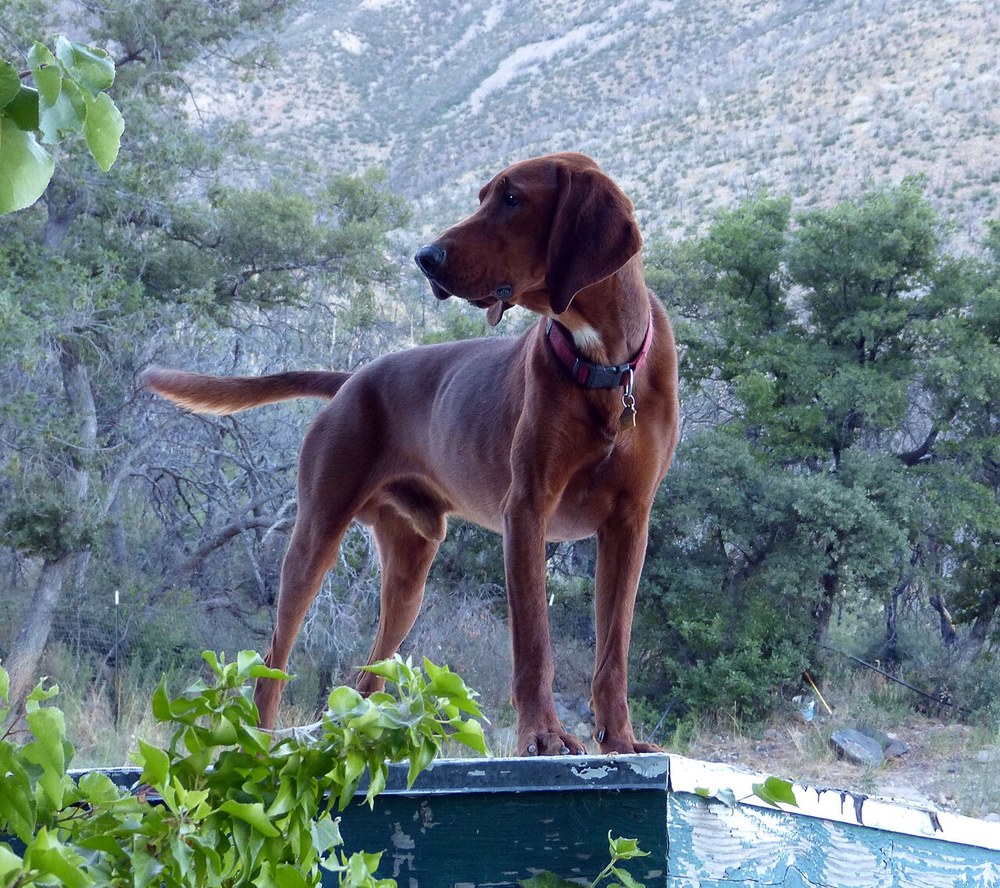
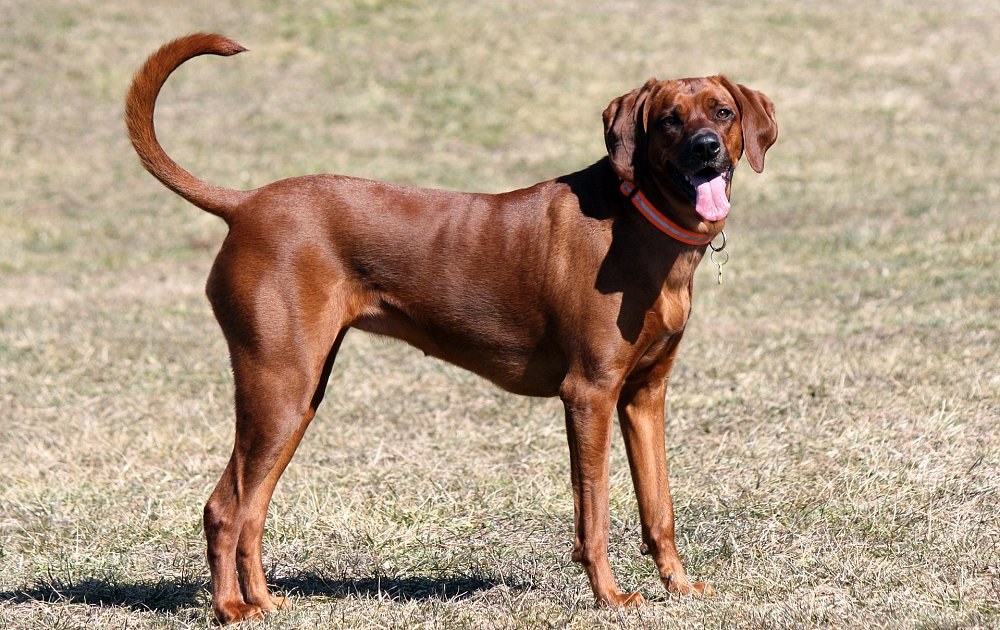
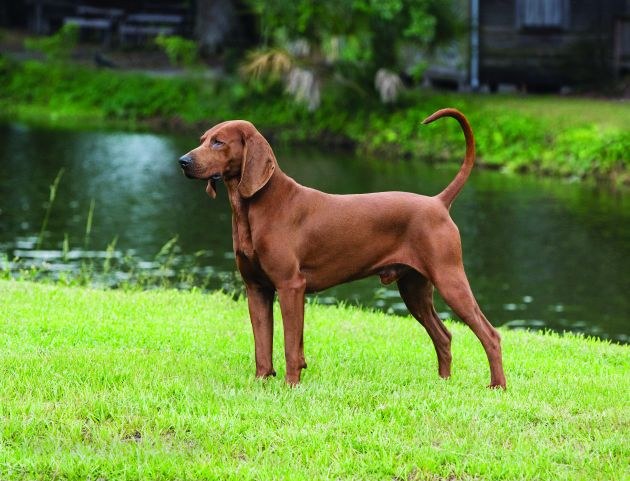
Job: A US treeing coonhound, AKC Hound Group since 2009; short, solid red coat.
Energy: Relaxed and affectionate at home, single-minded on a scent outside.
Home: Suits a home with secure fencing, daily sniff walks and patience for a loud voice.
A Redbone is a sofa dog indoors and a tracking dog the moment it steps outside
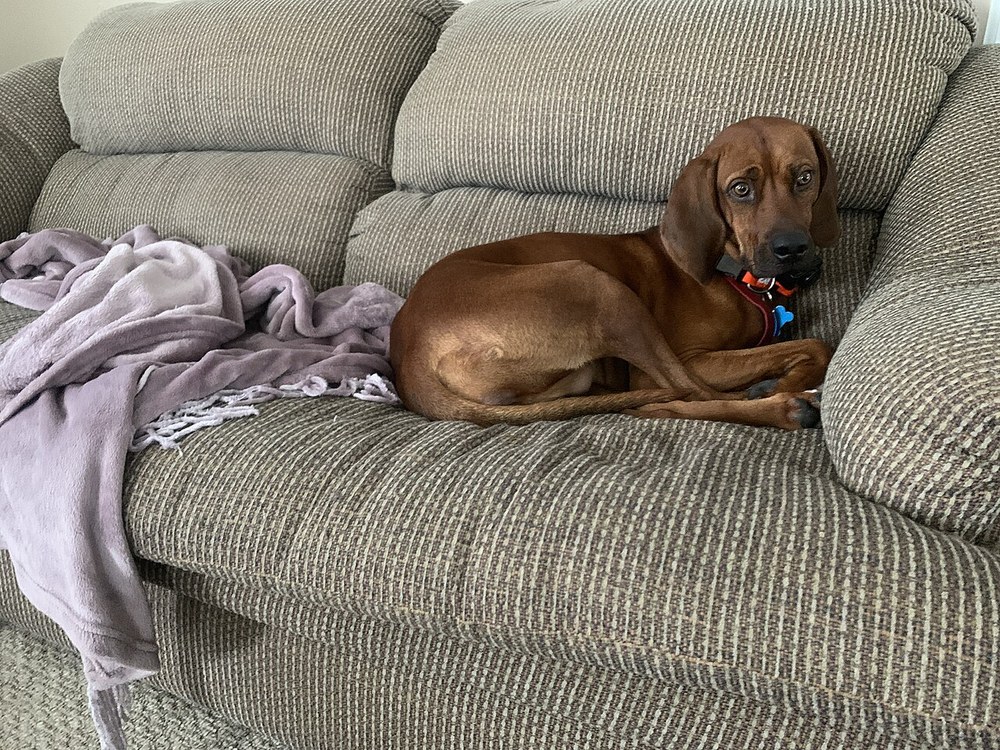
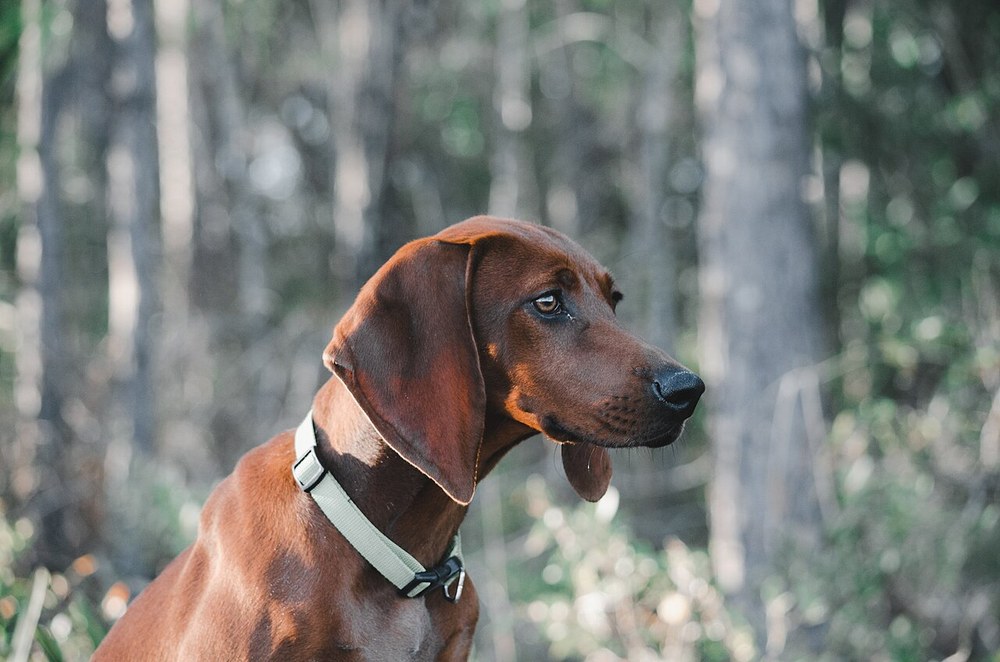
People see the glossy red coat and the soft face and expect a calm family dog. Indoors they are usually right. Many Redbones sleep most of the afternoon and greet visitors with a slow wag.
The surprise comes on the first walk. The nose drops, the tail goes up and the dog leans into the lead toward a smell you cannot see. Call its name and it may not even turn its head. Add a deep, ringing bay at squirrels, cats or a siren, and a young dog that digs under a weak fence, and you have the questions I hear most from Redbone owners.
My plan has four parts. Daily walks built around sniffing, because a hound that has used its nose is calmer at home. A long line and fenced spaces instead of hoping for off-lead recall. A clear signal for quiet, so the voice has limits. And food rewards that are worth more than the trail.
AKC: males 22–27 in (about 56–69 cm), females 21–26 in (about 53–66 cm)
Weight
About 45–70 lb (about 20–32 kg), in proportion to height
Energy
Medium to high outdoors; calm and relaxed indoors
Coat / shed
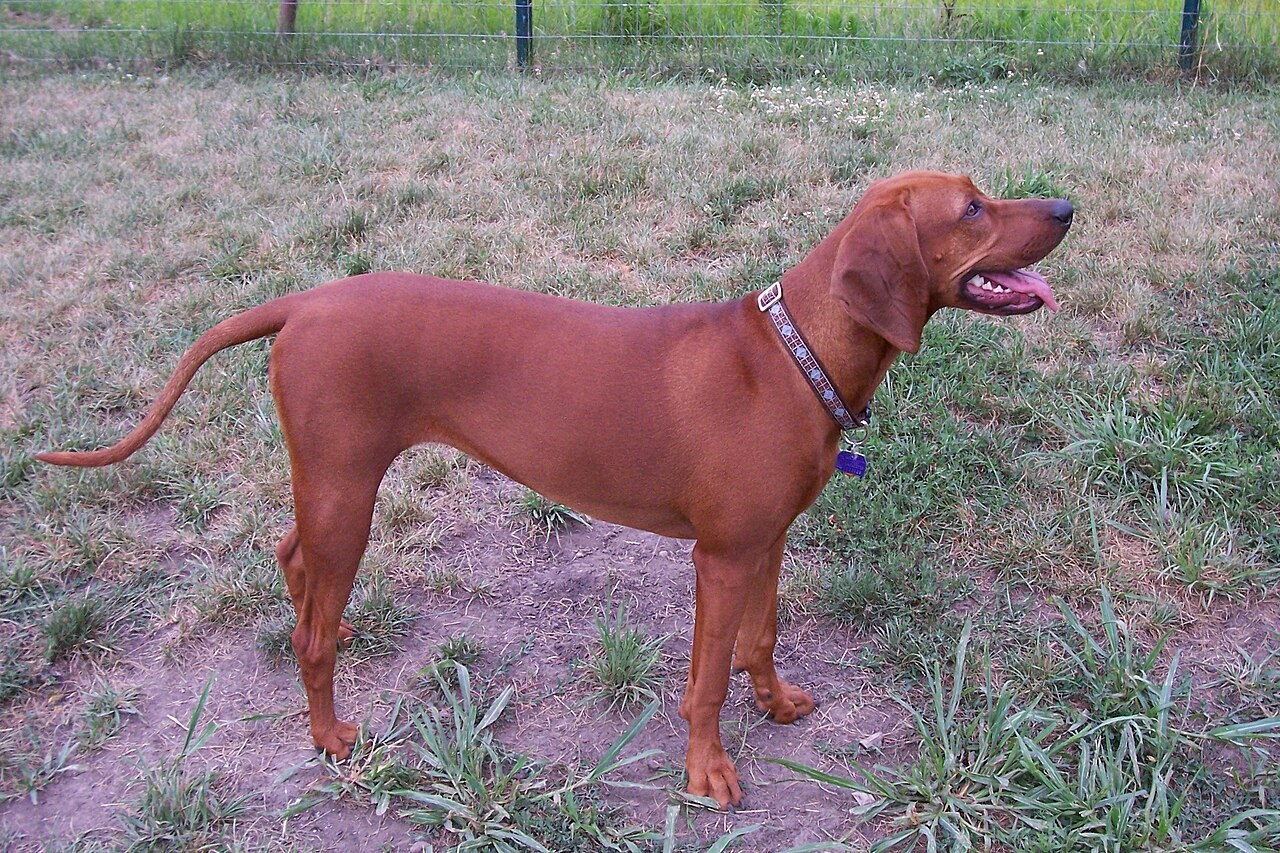
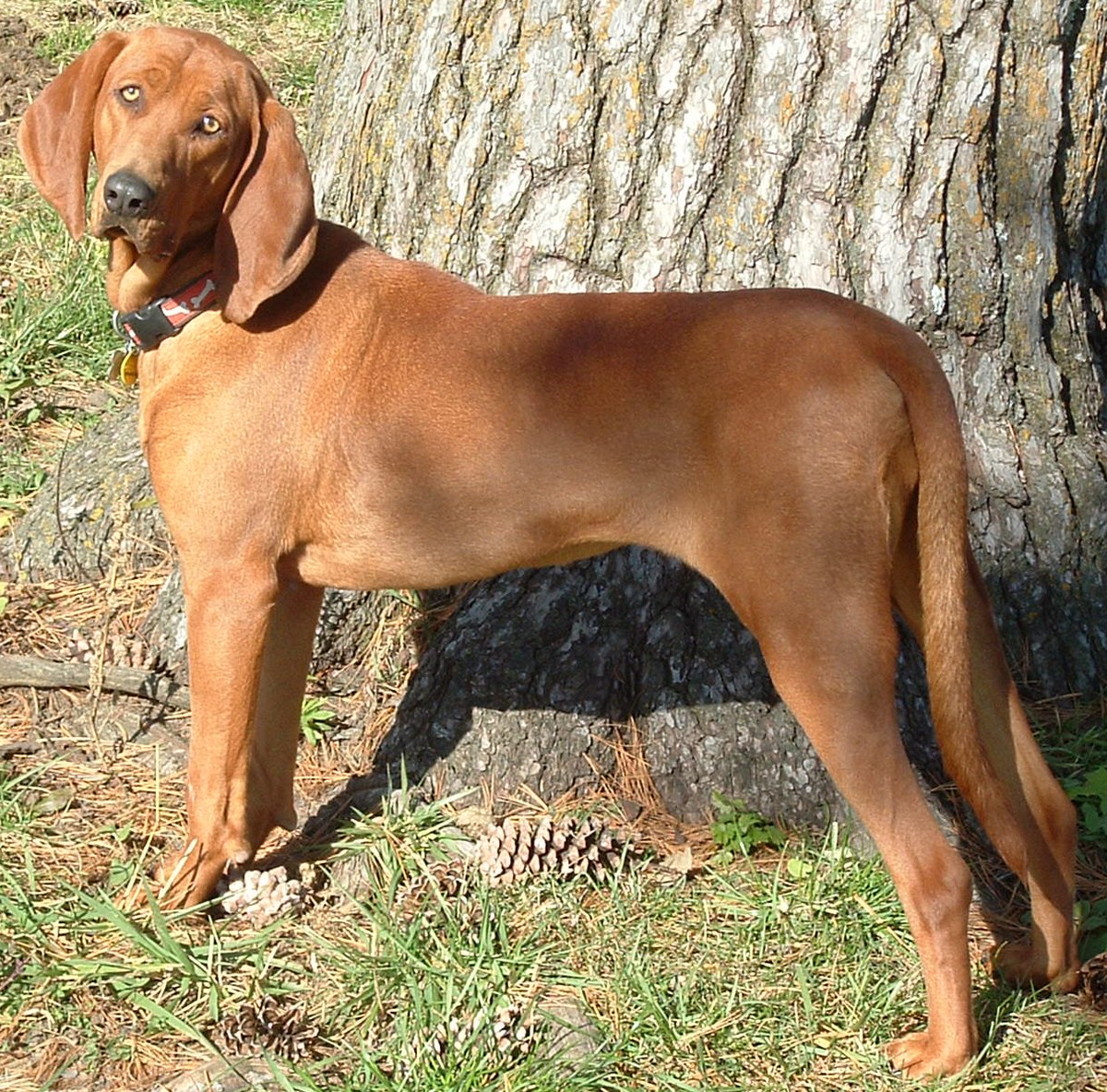
Short, smooth, glossy coat in solid red; a little white on the chest or feet is allowed
Job
Treeing coonhound: trails raccoons, bear and cougar and bays at the tree
Temperament in one minute
Redbone Coonhound temperament: what they are like at home
Short answer: Redbone Coonhounds are gentle, affectionate and easygoing indoors, and most are friendly with people, children and other dogs. Outside they are driven by a very strong nose, so recall off lead is often unreliable and a long line or a fenced area is the norm. They have a loud, deep bay, can dig or climb out of weak fencing and love food. They learn well with treats and short sessions and need long daily walks with plenty of sniffing.
Are Redbones affectionate?
Very. Most love to lean on their people and share the sofa. Teach a bed of its own early so you still have room.
Are Redbones easy to train?
Yes with food and short sessions, harder near a fresh smell. Start with a name game and build recall on a line.
Are Redbones friendly with strangers?
Usually yes. Most greet visitors with a wag and a sniff and make poor guard dogs.
Are Redbones good with kids and other dogs?
Usually yes with children and dogs they know. Supervise around small pets. See children and guests.
Redbone Coonhound behavior problems to expect
The usual four are ignoring recall outside, baying, pulling toward smells and digging under fences. The list further down links a guide for each.
Living with a Redbone in an apartment
Possible with long daily walks and neighbours who can live with some noise. Plan a quiet signal and walks before the dog is left.
Breed history
How settlers' red foxhounds became a treeing coonhound
The history will not train your dog, but it explains the nose, the bay and why a Redbone on a trail stops listening.
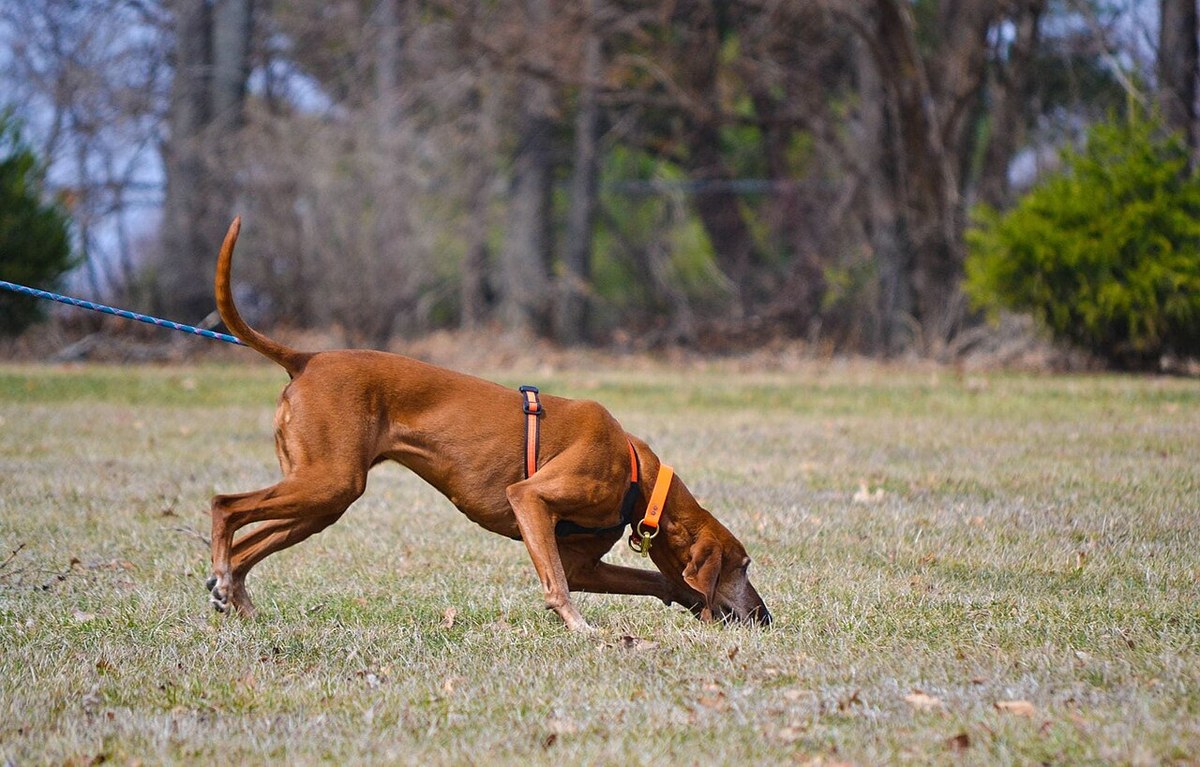
A Redbone named Sula following a scent in training: the head goes down and the rest of the dog follows the smell.
Southern United States · late 1700s onward
Red hounds in the hills
The breed grew out of red foxhounds that Scottish settlers brought to Georgia and Tennessee in the late 1700s, later crossed with other hounds. Hunters wanted a dog fast enough for raccoons but steady enough to stay on a cold trail.
Over the 1800s breeders bred more and more for a solid red coat, and the name Redbone is linked to early breeders in that region.
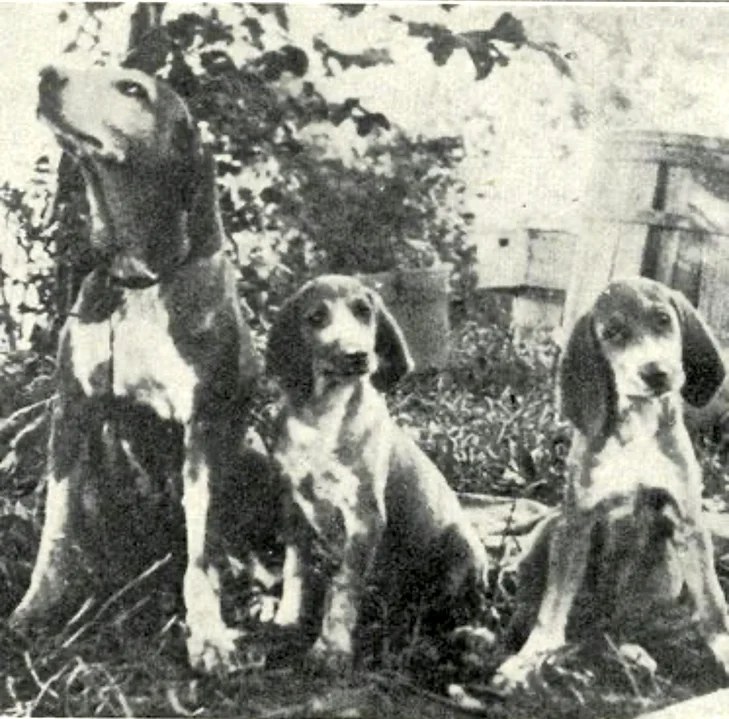
Early Redbones in a 1950s photo: the breed was shaped by working hunters long before it was shown.
A hunter's dog first
From the coon woods to the AKC
The United Kennel Club, the registry of American coon hunters, recognized the Redbone in the early 1900s. The 1961 novel Where the Red Fern Grows, about a boy and his two red coon dogs, made the breed famous with families.
The AKC added the Redbone Coonhound to its Hound Group in 2009. Many dogs are still hunted, and others now live as house dogs with no idea what a raccoon is for.
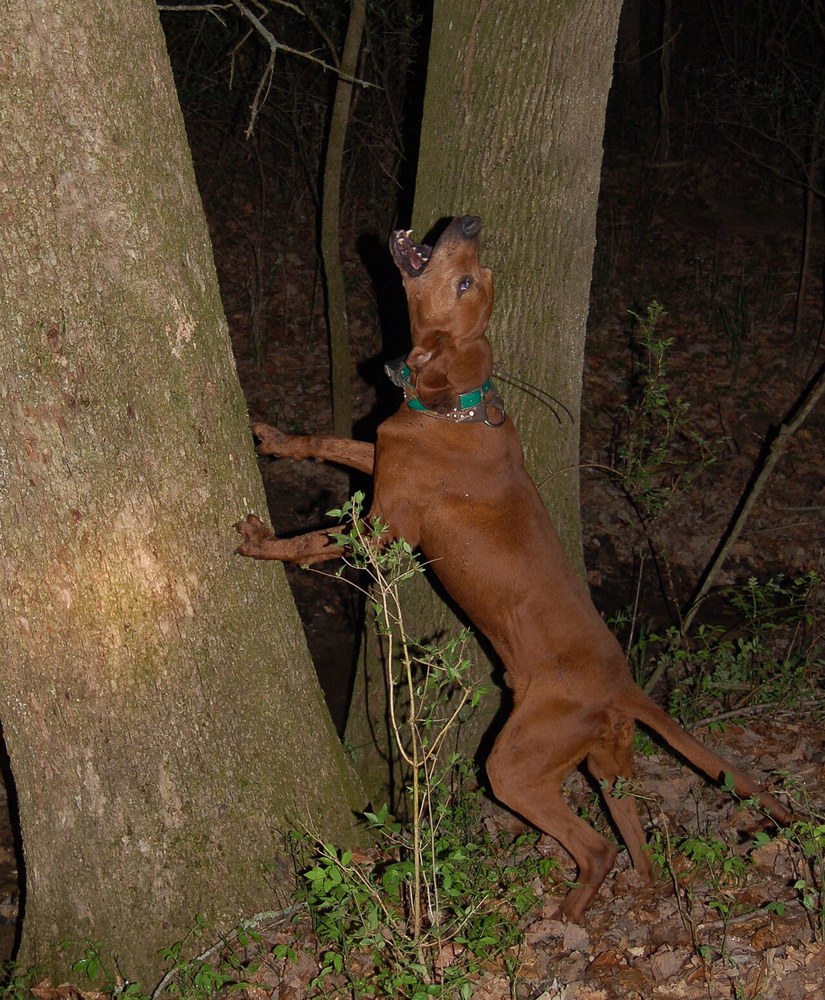
A Redbone treeing: paws on the trunk, eyes up and the voice working. This is the job the breed was built for.
What the breed was bred for
Easygoing indoors, all nose outdoors
Day to day you live with a gentle, people-loving dog that likes soft beds and food. Many are good with children and other dogs and are rarely snappy.
Outside, a trail switches on a different dog. Scent comes first, your voice second. The fair answer is to plan around the nose rather than fight it.
A good day is a long sniffing walk, a food game and a nap on something soft
Most adult Redbones are content with one long walk where they can follow smells, a shorter one later and a little training at home. Trouble usually starts when the nose gets no work: the dog bays at the fence, digs, raids the bin or pulls you down the street toward every scent.
Morning · walk
Let the nose lead for part of the walk
Clip a long line to a harness and let the dog follow smells for twenty or thirty minutes. Stop when it stops, move on when it moves. This is the part of the day a Redbone needs most, and it tires the dog more than a fast jog.
A Redbone on a fresh trail can tune you out completely. Practise the recall with very good food in quiet places first, then near smells, always on a long line. Off lead belongs in securely fenced fields, not open woods or parks.
Indoors most Redbones are calm and cuddly. Decide early where the dog may lie, give it a thick bed of its own and keep food off the counter edge, because a hound nose finds sandwiches fast.
A Redbone's voice is deep and musical, and it is loud. Most bay at wildlife, sirens or a dog behind the fence. Reward quiet moments, call the dog in before it gets going and teach a quiet signal while it is young.
After a good sniffing walk most Redbones are happy to snore through the evening. A food puzzle or a scatter of kibble in the grass before bed helps a younger dog switch off.
General awareness only. I am not a veterinarian. With Redbones, owners often notice trouble first as head shaking or a smell from the long ears, a change in how the dog moves, weight creeping up or a sore pad after a long day outside. For red flags, leave this page and open
when to call the vet.
Ears
Long, hanging ears trap warmth and dirt. Look inside weekly and ask your vet about head shaking, redness or a smell.
Joints and movement
Stiffness after rest or a change in gait should see a vet. See limping stop list.
Weight
Hounds love food. Count treats into the daily ration and let your vet judge the shape. See BCS check at home.
Feet and coat
Check pads and between the toes after rough ground; the short coat needs only a weekly rub with a rubber brush.
Ask which screenings the national breed club recommends for the parents, and ask to see the results. Do not invent disease claims from a blog.
Lines and types
Hunting lines and pet lines share the same nose
No bloodline selling. Some Redbones come from working coon-hunting families and some from show and pet breeders. Working lines can be more driven on a trail, but every Redbone follows its nose and uses its voice. Ask how the parents live and what they do in a normal week.
Family and pet homes
Long sniffing walks on a line every day.
Secure fencing checked for gaps.
A quiet signal and rewards for calm.
Food games and scent searches at home.
Suits a relaxed household that enjoys walking and can live with a loud, food-loving hound.
Hunting and scent-sport homes
Night hunts or trailing practice.
Scent work and tracking clubs.
A strong recall built on a long line.
Rest days after hard outings.
Suits an owner who wants to use the nose and accepts a dog that may never be reliable off lead in open country.
Socialization windows
What to introduce — and what not to overload — by age
AVSAB-aligned in spirit: short, clean exposures at a distance the puppy can still eat,
with hygiene while vaccines finish. See the
puppy socialization schedule.
2–4 months
Settling in and first smells
Introduce: short sniffing walks on a harness, a few calm visitors, handling of ears and feet, the toilet spot, short spells alone.
Do not overload: off-lead walks in open places, rewarding barking at the window, free access to the bin.
~6 months
The nose wakes up
Introduce: a long line on every walk, recall games with top food, simple scent searches at home, checking the fence line.
Do not overload: trusting the young dog off lead, long days with nothing to sniff, letting it bay at the fence for hours.
~12 months
Teenage hound
Introduce: longer trail walks, a quiet signal, calm meetings with dogs, settling on a bed after walks.
Do not overload: expecting the puppy recall to hold on a fresh trail, leaving gates or doors open.
~18–24 months
A steady young adult
Introduce: tracking or scent work if you like it, hikes on a line, a reliable bed routine, short trips.
Do not overload: deciding the dog is untrainable because it still follows its nose.
~3 years+
Maintenance
Introduce: daily sniff walks, weight checks, weekly ear and foot checks, regular recall practice on a line.
Do not overload: letting walks shrink to quick toilet trips.
Before you buy
Who a Redbone Coonhound usually fits
Fit comes down to your fencing, how much walking you will do, how close your neighbours are and how you feel about a dog whose nose will sometimes win.
Good match
More likely a good fit if you…
You enjoy long, slow walks where the dog sniffs a lot
You have a secure fence or access to fenced fields
You want a gentle, friendly dog that is easy at home
A loud bay now and then will not cause trouble with neighbours
You are happy to use food in training for the dog's whole life
Mismatch risk
A Redbone Coonhound may be a poor choice if…
You want a dog to run free on every walk
You live in thin-walled housing with close neighbours
Your garden has gaps, low fences or easy digging spots
You want quick, sharp obedience
You have pet rabbits or cats that cannot be kept apart from the dog
If you are torn between breeds
Redbone Coonhound vs Bloodhound and Rhodesian Ridgeback
The Bloodhound is the slow, deep-nosed trailing specialist; the Ridgeback is a red-coated hound from Africa with a more guarding streak. The Redbone sits between them: faster and lighter than a Bloodhound, softer with strangers than many Ridgebacks.
Nose
Redbone Coonhound
Strong, quick trailing nose.
Bloodhound
Even stronger and slower; built for the oldest, coldest trails.
Voice
Redbone Coonhound
Loud, musical bay.
Rhodesian Ridgeback
Usually much quieter.
Strangers
Redbone Coonhound
Friendly, rarely guarding.
Rhodesian Ridgeback
Often more reserved and watchful.
Recall
Redbone Coonhound
Long line in open areas.
Both compares
Both also need a long line and secure fencing.
Ownership without surprises
Where a Redbone Coonhound owner’s budget goes
Costs depend on country, city and your choices. These are themes to plan for, not quotes.
Veterinary
Yearly checks, vaccinations your vet advises, ear care and any screenings the breed club asks breeders to do.
Fencing
Checking or raising the fence, blocking gaps and protecting the bottom from digging.
Gear
A well-fitting harness, a 10 m long line, a sturdy bed and lots of training treats.
Training
A puppy class plus help with recall and barking if the dog starts baying at the fence.
Company
A dog walker on long days; a bored hound finds its own jobs.
A good fence and a long line cost far less than one lost hound. Spend there first.
Before day one at home
What to prepare for a Redbone Coonhound puppy
A Redbone puppy is soft, sleepy and very interested in smells. Have a harness, a long line, a bin with a lid and a quiet bed ready before it comes home.
Swap hands for a toy and pause play if teeth land on skin. See biting and nipping.
05
Short time alone
Leave the room for a minute many times a day. See first absences.
06
Toilet trips
Take the puppy out after sleep, food and play. See potty training.
If the dog is already yours
Training a Redbone means working with the nose, not against it
Five skills cover most of daily life: coming back on a long line, walking without dragging you to every smell, settling on a bed indoors, a signal for quiet and leaving food or rubbish on the ground.
Redbones learn readily when food is involved and lose interest when training feels like nagging. Short sessions with high-value treats work best, and the best reward on a walk is often permission to go and sniff.
The rest is how you set up life: a fence the dog cannot dig under, a lid on the bin and walks long enough that the nose is tired before the dog gets home.
Load balance
Sniffing first, then exercise, then training
Puppies, seniors and hot days need lighter plans. If the dog limps, shakes its head a lot or seems sore, see a vet before adding more exercise.
Long-line sniff walkRecall gameScent searchChew on the bedLong nap
For this breed, twenty minutes following smells tires the brain more than an hour of ball throwing.
A Redbone that has followed a few trails is much easier to live with in the evening.
Recall with a hound
How to get a Redbone to come back when its nose is down
A long line on every outing, rewards better than the trail, practice before the smell gets strong, a chance to go back and sniff, and off lead only behind a fence.
01
Long line on
Every walk in open space starts with a harness and a long line.
02
Call before the trail
Practise the recall when smells are weak and the dog can still hear you.
03
Reward with top food
Reward every return with something better than the smell.
04
Send back to sniff
After the treat, let the dog go back to the smell as a second reward.
05
Fence for freedom
Off-lead running happens only inside a secure fence.
One scene close-up
Why a Redbone ignores you on a trail
This dog was bred to follow a scent for a long time without help or orders from anyone. When a fresh smell hits, the hunting part of the brain takes over and your voice fades into the background.
So practise before that moment. Call the dog when the smell is weak, reward with the best food you have, then send it back to sniff as a second reward. Over months the dog learns that turning to you never ends the fun.
A dog that runs off, crosses roads or goes missing for hours needs a fence and a long line, not more shouting. If the dog shows pain or sudden changes in behaviour, see a vet.
“With a Redbone, I begin with three things: plenty of daily sniffing, a long line instead of hope, and a clear signal for quiet. Give this hound a job for its nose and it is one of the easiest big dogs to live with indoors.”
We work on what your days actually look like: walks, recall, the voice, the fence and food manners. I am a trainer, not a veterinarian.
Andrew DarovProfessional dog trainer and instructor
Often yes. Most are gentle, friendly and calm indoors. They need daily sniffing walks and a secure garden.
Is a Redbone a good first dog?+
It can be, for a patient owner who walks a lot, uses food in training and accepts a dog that follows its nose.
Are Redbone Coonhounds loud?+
Yes, they can be. The bay is deep and carries far. Most are quiet indoors but bay at wildlife, sirens or other dogs.
Redbone Coonhound vs Bloodhound: what is the difference?+
The Bloodhound is heavier, slower and built for old trails. The Redbone is lighter, faster and was bred to tree game.
Redbone Coonhound vs Rhodesian Ridgeback: what is the difference?+
Both are red hounds. The Ridgeback is quieter and often more reserved with strangers; the Redbone is louder and more openly friendly.
How much exercise does a Redbone need?+
At least one long walk a day with plenty of sniffing, plus some play or scent games. Young dogs need more.
Can a Redbone be off lead?+
Only in securely fenced areas for most dogs. On a fresh trail the nose usually wins over recall.
Do Redbones shed?+
Lightly. The short coat needs a weekly brush; check the ears more often than the coat.
Can a Redbone live in an apartment?+
Some do, with long daily walks and neighbours who accept some baying. A house with a fenced garden is easier.
Are Redbones good with cats?+
Some live well with cats they grew up with. Small pets outdoors may trigger the hunting drive, so supervise and keep them apart if needed.
What health themes should I ask about?+
Ask the breeder which health checks the national breed club recommends for parents and see the papers. Tell your vet the breed. This is general awareness, not a diagnosis.
How long do Redbones live?+
Public breed references often mention about 12–15 years. Individual dogs vary.
If a Redbone seems like more dog than your home can handle
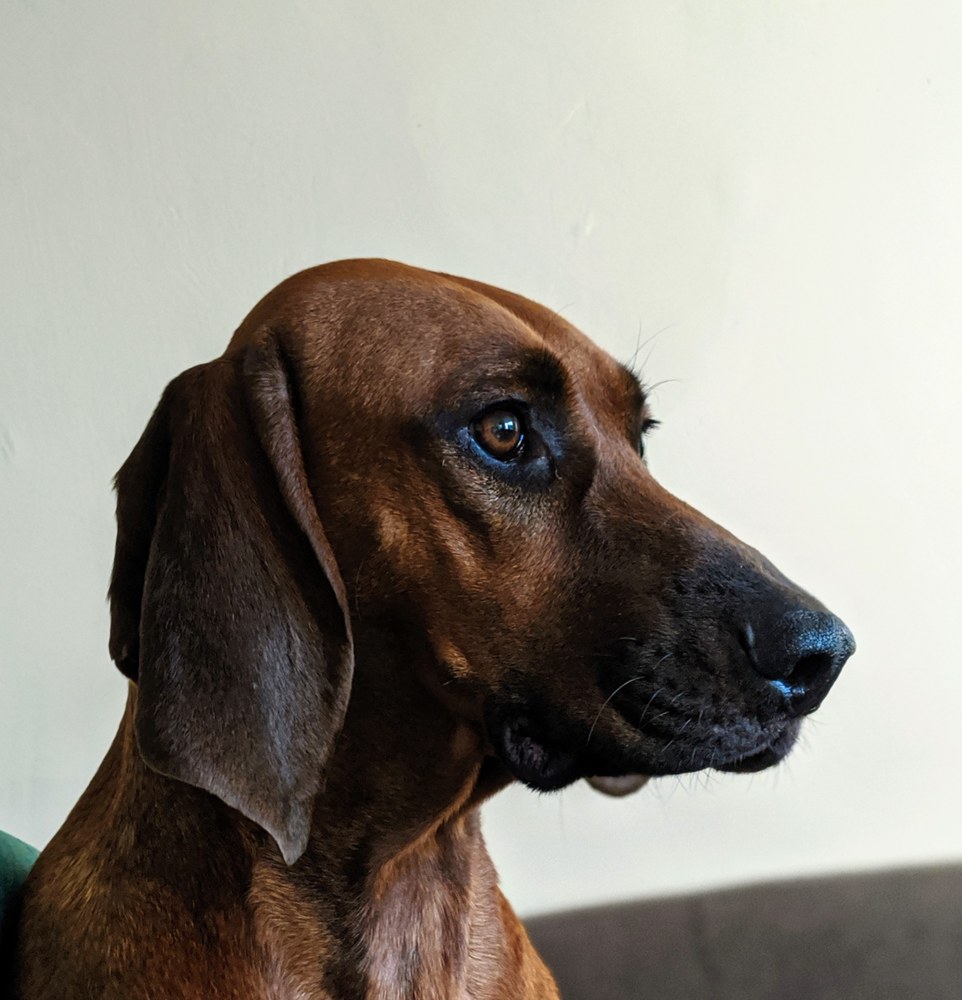
Most people fall for the red coat and the soft eyes. The nose, the bay and the recall limits are the parts to be sure about first.
A sleek, short-coated hunting dog from Thailand with a ridge along its back. Loyal, clean and quiet at home; independent, wary of strangers and quick to chase.
Dog begging at the table? Stop all food from plates, give your dog a mat and a long chew during meals, brief kids and guests, and expect a short spike.
Teach a reliable recall: one cue, a reward at your legs and one thing harder at a time on a long line until your dog comes around distractions.
Need a read on your exact situation?
Send me a few lines about your Redbone: how old it is, where you walk and what goes wrong first. We rule out health and safety issues first, then choose one skill to start with.