Sealyham Terrier: temperament, digging, grooming and training for the white earthdog from Wales
The Sealyham Terrier is a short-legged, sturdy white terrier from Pembrokeshire in Wales, bred in the 1800s to work with hounds and go to ground after badger, otter and fox. Today it is a rare breed and a quieter house dog than many terriers, but the old job still shows. Living with one means a funny, confident and stubborn little dog with a deep bark, a strong urge to dig and a white coat that needs real grooming. What works is calm, steady rules, short training with food, one allowed digging spot, careful meetings with other dogs and grooming taught as a normal part of the week.
Job: A rare, low white terrier from Wales; AKC Terrier group, FCI Group 3.
Energy: Funny, bold, loyal and often stubborn.
Home: Suits a patient owner who enjoys grooming and a dog with opinions.
A Sealyham Terrier is a working earthdog in a soft white coat
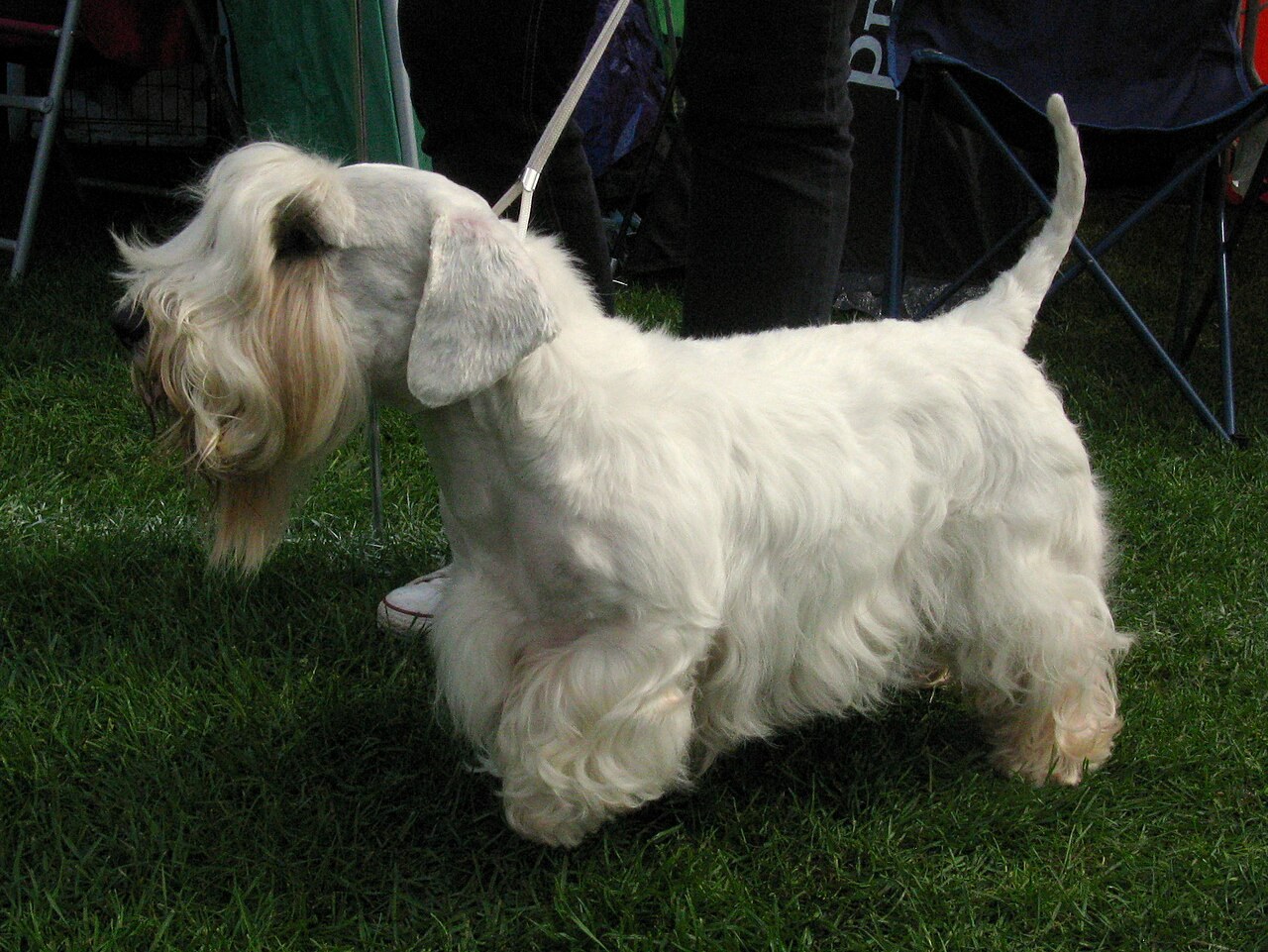
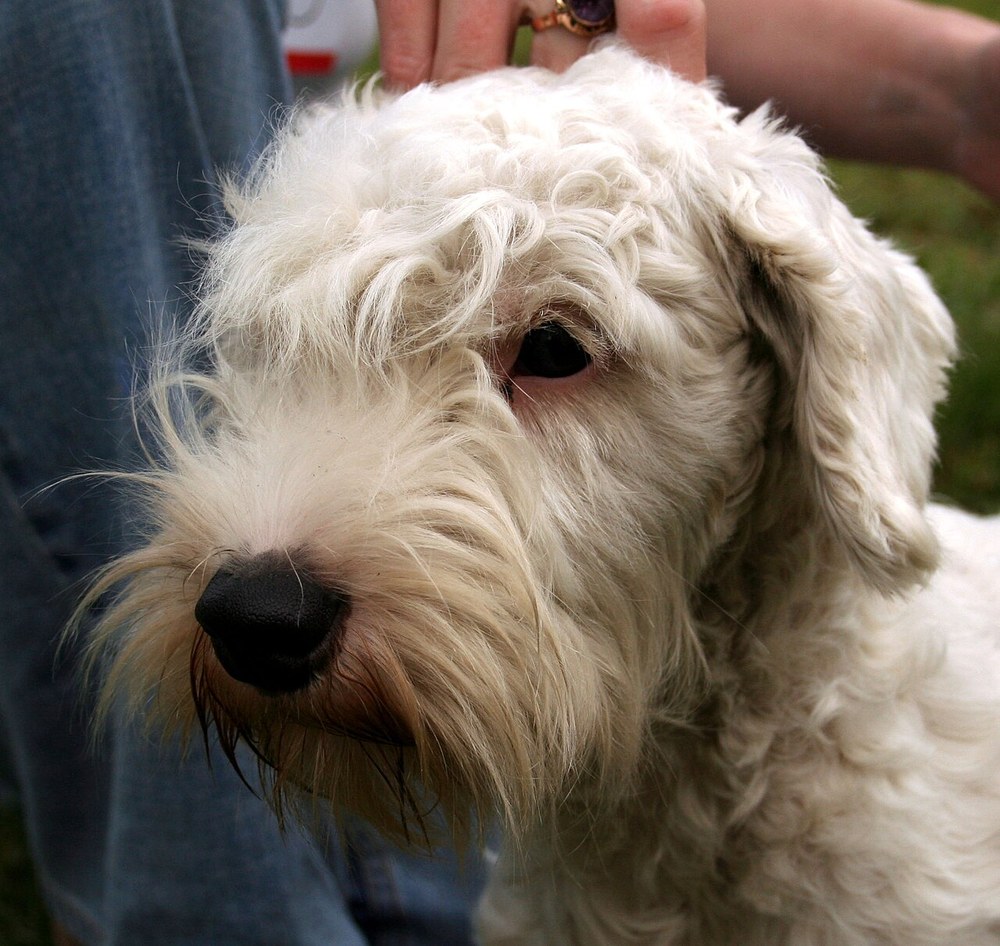
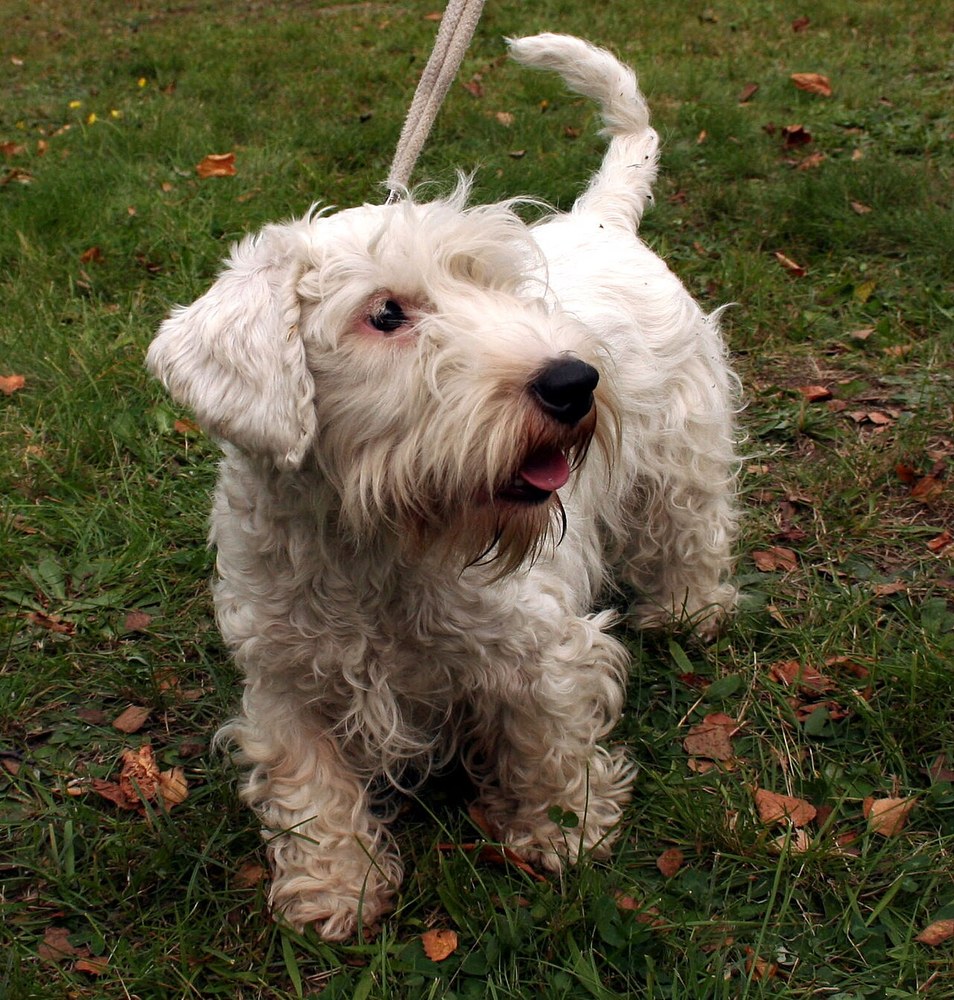
Many people meet the breed in an old photo or a film and see a fluffy white dog with a long beard and eyebrows. It looks like a calm lap dog.
It can be calm indoors. It is also a terrier that was made to face a badger underground. The problems I meet at home are about will and instinct: a dog that digs under the fence, ignores a cue it knows, guards a chew, growls when the beard is combed or picks a quarrel with a bigger dog.
My approach is to work with that strong mind. Clear, calm rules that stay the same, food rewards for good choices, a digging spot of its own, careful dog meetings and grooming practised in small steps from the first week. A Sealyham that feels understood is a very good companion.
AKC: about 10.5 in at the shoulder (FCI: up to 31 cm)
Weight
AKC: males about 23–24 lb, females a little less (FCI: males about 9 kg, females about 8.2 kg)
Energy
Moderate; needs daily walks with sniffing plus nose and digging games
Coat / shed
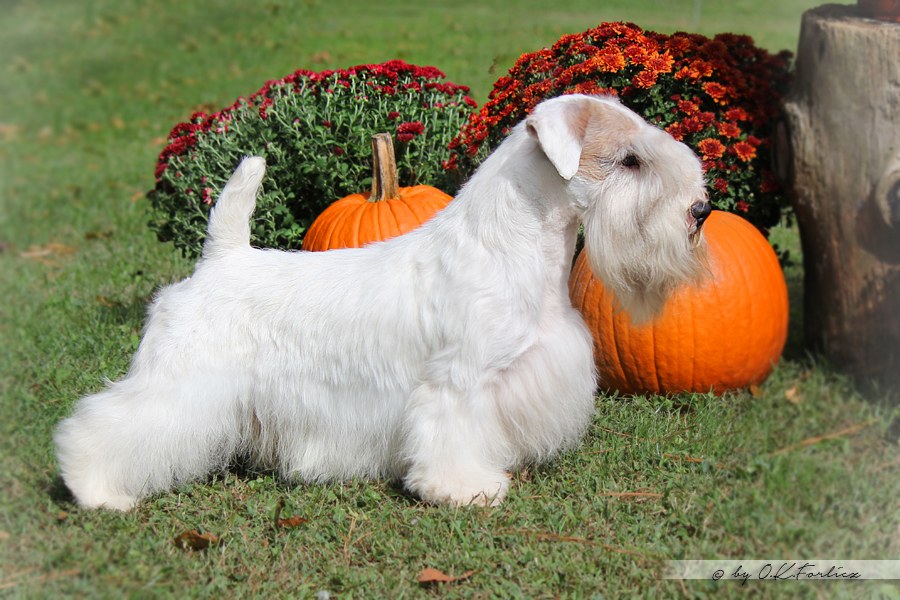
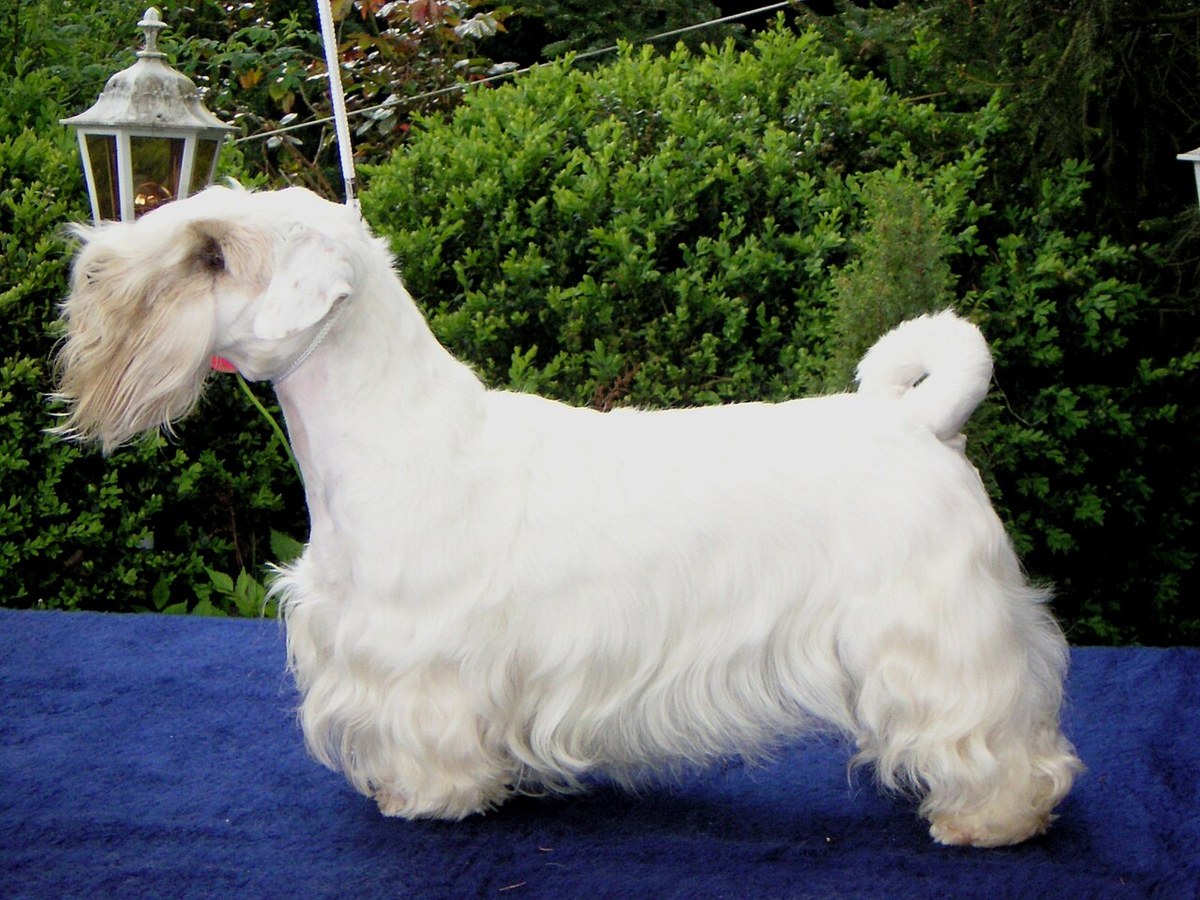
Weather-resistant double coat with a hard outer layer; white, often with lemon, tan, badger or blue markings on the head and ears
Job
Welsh earthdog that worked with hounds after badger, otter and fox (FCI Group 3, small terriers)
Temperament in one minute
Sealyham Terrier temperament: what they are like at home
Short answer: Sealyham Terriers are funny, bold, loyal and often stubborn terriers that are calmer indoors than many of their cousins. Outside they dig, follow scents, bark with a deep voice and can be quarrelsome with strange dogs. They need daily walks with time to sniff, short training with food, one allowed digging spot, a long line until recall is reliable and regular grooming taught in small, calm steps.
Are Sealyham Terriers affectionate?
Yes, with their own people, and many like to follow you from room to room. Build short absences early.
Are Sealyham Terriers easy to train?
They learn well but want a reason. Keep it short and use food; start with a hand target and a name check-in.
Are Sealyham Terriers friendly with strangers?
Usually polite or friendly after a deep bark. Guests should sit first; see guest entry steps.
Are Sealyham Terriers good with kids and other dogs?
Often good with calm children they live with; some are quarrelsome with strange dogs. See children and guests.
Sealyham Terrier behavior problems to expect
The usual four are digging, growling at grooming, guarding chews and quarrels with other dogs. The list further down links a guide for each.
Living with a Sealyham Terrier in an apartment
Often fine with daily walks, sniffing games and a door routine. A lift or ramp helps a dog with a long back.
Breed history
From a Welsh estate to Hollywood and back to rare
The history will not train your dog, but it explains the digging, the deep bark and the strong will.
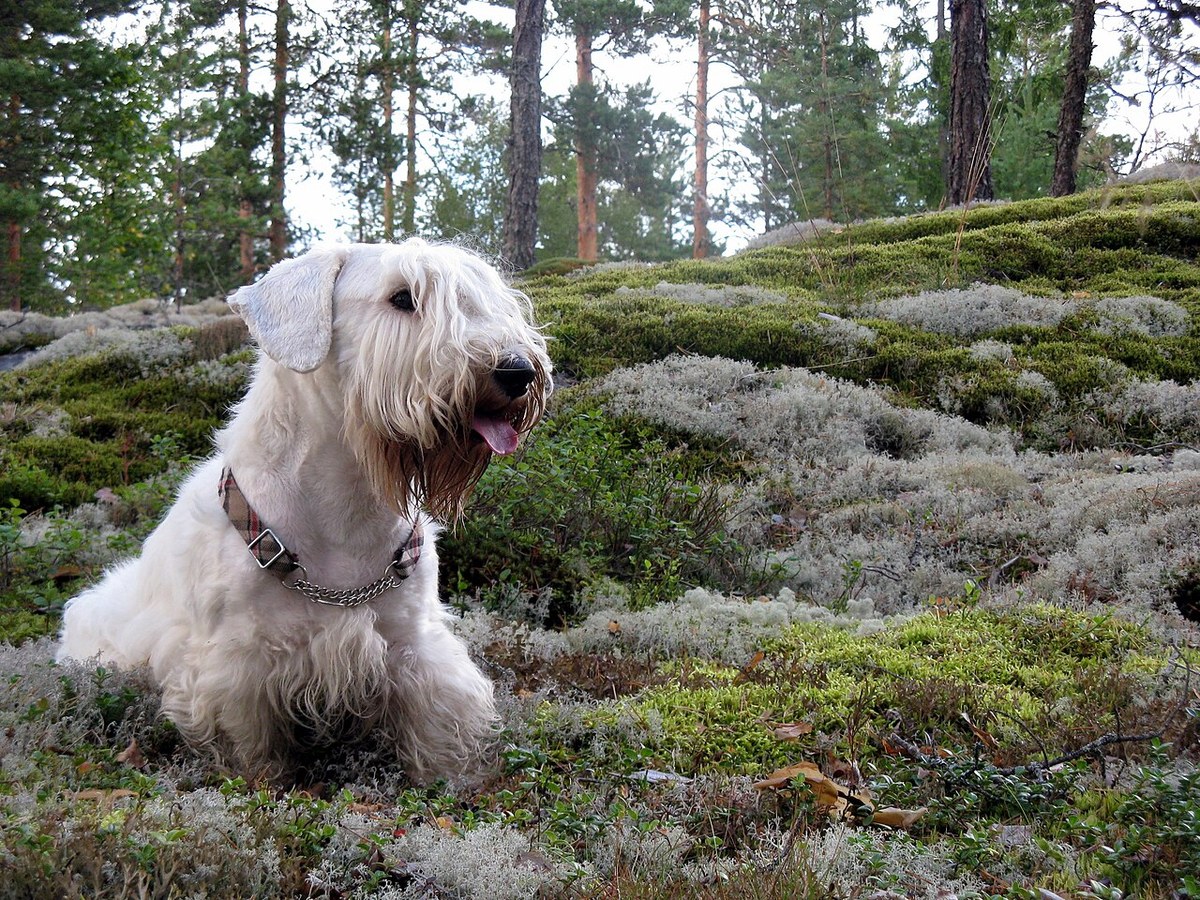
A Sealyham Terrier out in a forest: the breed was made for rough ground and hard work, and it still enjoys a proper walk with time to sniff.
Pembrokeshire · 1850s–1890s
Captain Edwardes and his terriers
The breed is named after Sealyham House in Pembrokeshire, the estate of Captain John Edwardes. Between about 1850 and 1891 he bred small, tough terriers to work alongside his otter hounds.
He wanted a white dog that the hunters could see easily, with short legs to go to ground and the nerve to face a badger, an otter or a fox. He is said to have tested his young dogs hard and kept only the bravest.
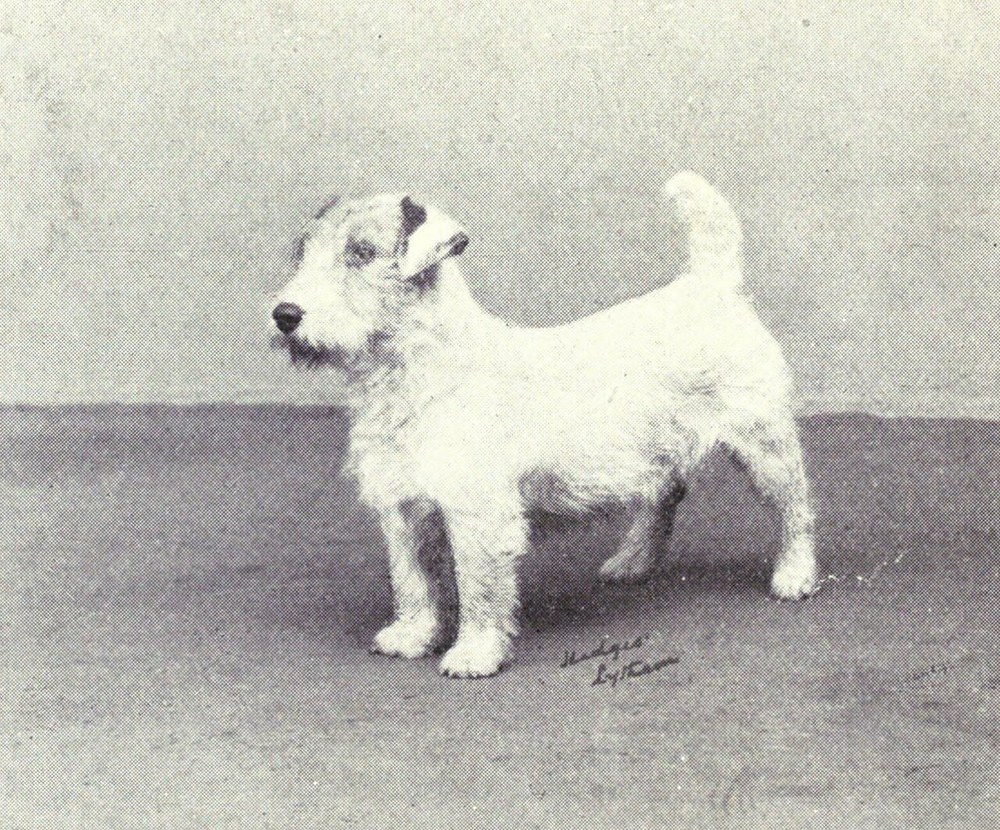
A Sealyham Terrier in a photo from 1915, a few years after the breed was first recognized by kennel clubs.
From 1908
Show ring fame, then a rare breed
A breed club was formed in Wales in 1908, and the Kennel Club in England and the AKC both recognized the breed in 1911. In the 1920s and 1930s the Sealyham was a fashionable dog, owned by film stars and royals. Alfred Hitchcock walked two of his own Sealyhams out of a pet shop in his cameo in The Birds.
Popularity fell after the Second World War. Today the Kennel Club lists the Sealyham as a vulnerable native breed, with only a few hundred puppies registered in the UK each year.
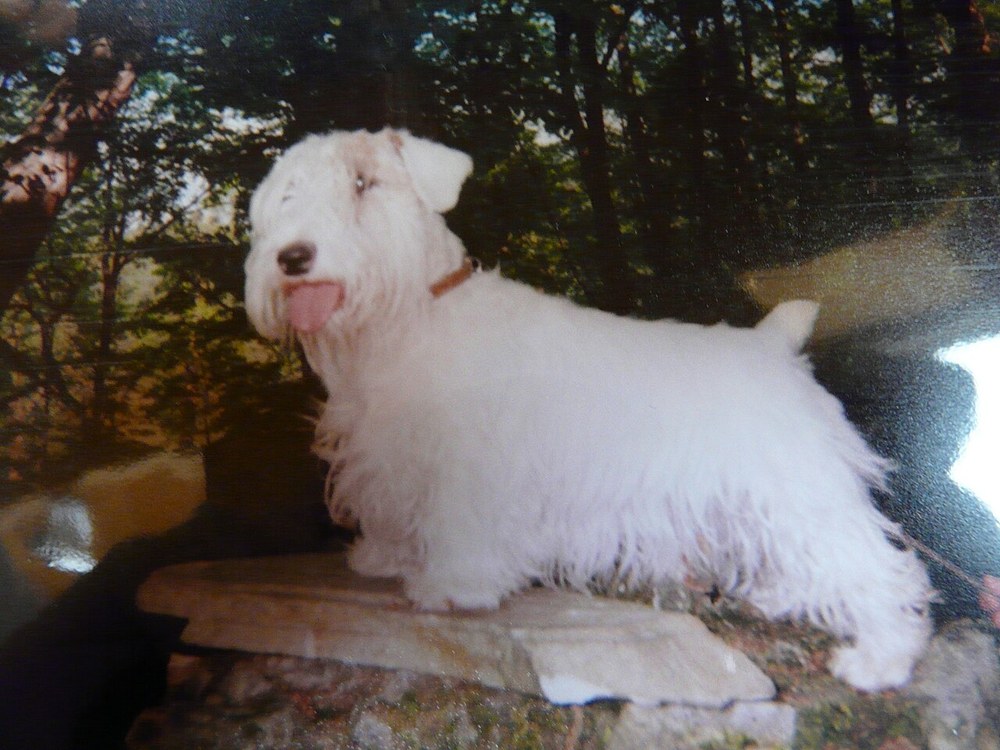
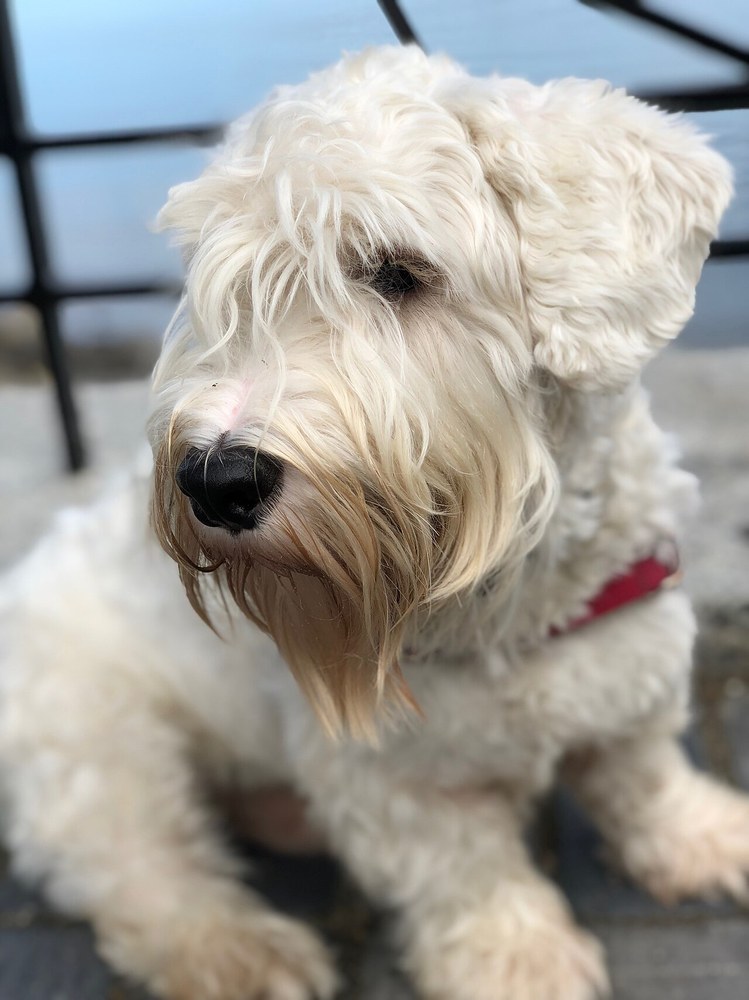
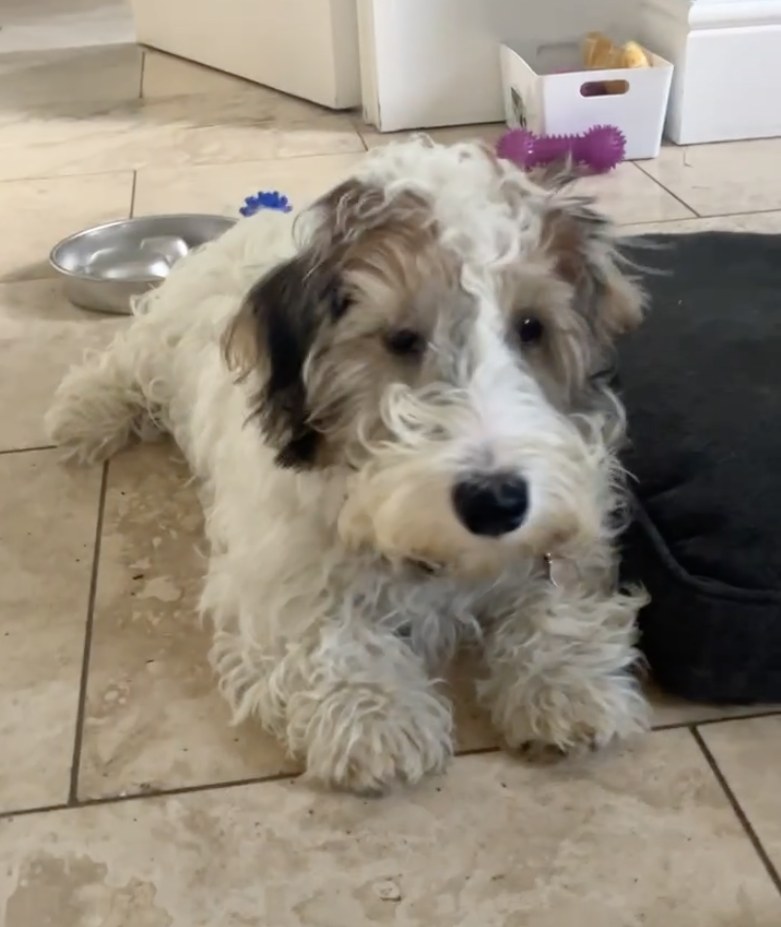
A Sealyham Terrier resting outdoors: the long white beard, eyebrows and leg hair are part of the look, and they need regular care.
What the breed was bred for
Calm indoors, a terrier outdoors
At home a well-raised Sealyham is often calmer and quieter than a fox terrier, happy to follow its people from room to room and to nap in a sunny spot. It is funny and loyal and likes its own way.
Outside the terrier wakes up. It notices smells under the ground, wants to dig and can be bold with other dogs, so digging, dog meetings and recall need a plan from the start.
A good day has a sniffing walk, a short lesson, a digging game and a nap
An adult Sealyham Terrier usually needs one or two walks a day with plenty of time to sniff, a short training session, a game that uses the nose or the paws and a quiet afternoon. Trouble usually comes from boredom, a garden with weak fences, rough handling during grooming and too little time to explore.
Morning · grooming
Two minutes with the comb
Comb the beard and legs for a minute or two each morning, with a treat after each small section. Short, calm sessions keep mats away and teach the dog that being handled is normal.
Sealyhams learn well but ask "why should I?". Use good food, keep lessons to a few minutes and stop while the dog is still keen. A hand target and a name check-in are good first skills.
Let the dog follow its nose on a long line in safe places. A Sealyham on the scent of a rat or rabbit may not hear its name, so recall is trained in steps and the line stays on near wildlife.
Pick one corner or a sandpit where digging is allowed and bury toys or chews there. Check fences for gaps and soft ground, and stay with the dog in the garden at first.
A bed in a quiet spot, a chew and the same evening routine help a young Sealyham switch off. If it guards the chew, trade it for food rather than taking it away.
General awareness only. I am not a veterinarian. With a Sealyham Terrier, owners often notice trouble first as itchy or red skin under the coat, mats behind the ears and in the armpits, sore eyes or ears, a dog that suddenly hates being touched, or stiffness on the long back and short legs. For red flags, leave this page and open
when to call the vet.
White coat
Brush and comb two or three times a week; most pet dogs are clipped or hand-stripped every 6–8 weeks.
Beard and eyes
Wipe the beard after meals and keep hair away from the eyes.
Short legs, long back
Use a ramp or lift the dog from high sofas and car boots. See limping stop list.
Teach calm handling of paws, ears, beard and mouth with food while the puppy is small.
Ask the breeder
Ask which screenings the national breed club recommends for the parents and see the results. Do not invent disease claims from a blog.
Lines and types
Choose a steady, healthy dog, not just a pretty white puppy
No bloodline selling. Most Sealyhams today come from show and pet homes, and litters are few, so you may wait. Meet the mother, watch how she copes with a stranger, a noise and being handled, and ask what health checks the parents have had.
Family and quieter homes
Daily walks with time to sniff.
Grooming at home or a groomer every few weeks.
A secure, checked fence.
Careful plans with cats and small pets.
Suits a calm family or a single owner who wants a sturdy small dog with a big character.
Active and sport homes
Earthdog tests, scent work or barn hunt.
Rally or trick training with food.
Gentle exercise on a long back.
A quiet place to rest.
Suits owners who want to give the terrier a real job for its nose and its paws.
Socialization windows
What to introduce — and what not to overload — by age
AVSAB-aligned in spirit: short, clean exposures at a distance the puppy can still eat,
with hygiene while vaccines finish. See the
puppy socialization schedule.
2–4 months
Settling in and meeting the world
Introduce: calm visitors, daily handling of beard and paws, the toilet spot, short car rides, short spells alone, quiet meetings with friendly adult dogs.
Do not overload: snatching chews away, rough play with hands, jumping off sofas.
~6 months
Busy puppy
Introduce: name check-in, recall games on a long line, loose lead walking, trading toys for food, a bed cue, the first full groom.
Do not overload: letting it dig anywhere, long repetitive drills.
~9–18 months
Teenage terrier
Introduce: long line recall in new places, leave it on walks, calm dog meetings, a scent or earthdog class.
Do not overload: free-for-all dog park play, letting small growls at other dogs grow.
~2 years
Settling down
Introduce: a steady routine, harder search games, regular grooming visits.
Do not overload: stopping training because the dog seems grown up.
~3 years+
Maintenance
Introduce: daily walks and games, weight checks, yearly vet visits.
Do not overload: skipping grooming until the coat is matted.
Before you buy
Who a Sealyham Terrier usually fits
Fit comes down to grooming time, patience with a strong-minded dog, a secure garden, other pets and how you feel about digging and a deep bark.
Good match
More likely a good fit if you…
You want a small, sturdy dog with a big character
You enjoy grooming or will pay for a groomer
You like short, calm training sessions
You can give daily walks with time to sniff
You find a stubborn, funny dog charming
Mismatch risk
A Sealyham Terrier may be a poor choice if…
You want a dog that obeys at once without a reason
You expect reliable off-lead recall near wildlife
You have pet rabbits or rats
You treasure a perfect lawn
You prefer correction-based or force training
If you are torn between breeds
Sealyham Terrier vs West Highland White Terrier and Scottish Terrier
All three are short-legged terriers from Britain that were bred to go to ground. The Westie is a little lighter, busier and more common, the Scottish Terrier is dark-coated and often more reserved, and the Sealyham is the heavy-boned white dog with the long beard and a calmer manner indoors.
Coat
Sealyham Terrier
Hard white coat, often with head markings.
West Highland White Terrier
Hard all-white coat, shorter furnishings.
Indoors
Sealyham Terrier
Often calm and quiet.
West Highland White Terrier
Usually busier and more vocal.
With strangers
Sealyham Terrier
Friendly or polite.
Scottish Terrier
Often more reserved.
Dig and chase
Sealyham Terrier
Strong.
Both compares
All three need outlets and recall work.
Ownership without surprises
Where a Sealyham Terrier owner’s budget goes
Costs depend on country, city and your choices. These are themes to plan for, not quotes.
Veterinary
Annual vet visits, the vaccines your vet recommends and the health tests the breed club recommends.
Grooming
A good comb and brush, plus a groomer for clipping or hand-stripping every 6–8 weeks.
Food
A small but stocky dog; measure food and count training treats.
Training
Puppy class, then a scent, earthdog or rally class for a busy adult.
Finding a puppy
A rare breed, so plan for waiting lists and travel to a breeder.
Money spent on early handling and grooming practice saves far more than fixing a dog that fights the brush later.
Before day one at home
What to prepare for a Sealyham Terrier puppy
A Sealyham Terrier puppy is bold, curious and full of play, and it will test the house rules early. Have gates, a crate, a comb, tough chews, tug toys and a secure garden ready before it comes home.
Training a Sealyham Terrier means food, patience and a good reason to say yes
Five skills cover most of daily life: a name check-in, recall on a long line, trading a toy or chew for food, walking on a loose lead and going to a bed to settle.
Sealyhams learn with food and short, calm sessions. They were bred to think for themselves underground, so they weigh up each request. Harsh handling makes many of them dig in their heels or growl.
Be realistic about recall. A Sealyham on a scent may not come back near rabbits or rats. Train recall seriously, but keep the long line on until the dog has proved it in that exact place.
Load balance
Sniffing and digging count as exercise
Keep jumping off furniture and long runs for later, as the breed has short legs and a long back. A limp, a change in mood or a dog that suddenly hates being touched means a vet visit before more training.
Sniffing walkGrooming minuteThree-minute lessonDig box gameQuiet nap
For this breed, ten minutes of searching or digging for a hidden toy often tires the dog more than an extra long walk.
Give a Sealyham a good reason and it will work with you; push it and it will dig in.
Grooming
How to teach a Sealyham Terrier to enjoy being groomed
Start with one touch and one treat, comb a small area at a time, teach a chin rest so the dog chooses to stay, stop before the dog wants to leave and keep sessions short and frequent.
01
One touch, one treat
Touch the coat once and give food.
02
One small area
Comb a few strokes on one leg or the beard.
03
Chin rest
Let the dog rest its chin to say it is ready.
04
Stop early
End before the dog wants to leave.
05
Short and often
A few minutes most days beats a long fight.
One scene close-up
Why Sealyham grooming needs small steps
A Sealyham has a lot of coat on the face, legs and belly, and mats form quickly. A dog that was held down and combed hard learns to growl or snap at the brush, and every session gets harder.
Start with a single touch and a treat, then one stroke of the comb and a treat. Teach a chin rest so the dog can say "I am ready". Work on one small area at a time and end before the dog tries to leave.
A dog that cannot settle, bites when handled or seems frightened needs a qualified professional; a vet check helps rule out pain.
“With a Sealyham Terrier, I begin with calm rules, food rewards, a digging spot and grooming in small steps. Treat this strong little terrier fairly and you get a funny, loyal friend.”
We work on what your days look like: walks, grooming, the garden, other dogs and the house rules. I am a trainer, not a veterinarian.
Andrew DarovProfessional dog trainer and instructor
Write down the dog's age, how grooming goes, what happens with chews and toys, how it meets other dogs and the first thing that goes wrong: digging, growling, barking or recall. Opens WhatsApp to Andrew.
For a calm family that enjoys grooming, often yes. It is loyal and funny. It needs clear rules, supervision with small children and a plan for chews and toys.
Is a Sealyham Terrier a good first dog?+
It can be for a patient first-time owner who is ready to groom and to train with food. It is a strong-minded dog for someone who wants instant obedience.
Do Sealyham Terriers bark a lot?+
They are usually quieter than many terriers indoors, but they bark at the door and at noises with a deep voice. A door routine helps a lot.
How big does a Sealyham Terrier get?+
About 10.5 in (around 27–31 cm) at the shoulder, and about 18–24 lb (8–9 kg). It is low, long and heavy-boned for its size.
Do Sealyham Terriers shed?+
They shed little, but the coat needs brushing and combing a few times a week and clipping or hand-stripping every 6–8 weeks.
Sealyham Terrier vs West Highland White Terrier: what is the difference?+
Both are white earthdogs. The Sealyham is heavier, longer and often calmer indoors, with head markings allowed; the Westie is lighter, busier and all white.
Can a Sealyham Terrier be off lead?+
Only in safe places once recall is well trained. Many will follow a scent or chase small animals, so a long line is the safer default.
Are Sealyham Terriers good with cats?+
Some live well with a cat they grew up with. Many chase small animals, so introductions must be slow and supervised.
Are Sealyham Terriers good with other dogs?+
Many are fine with dogs they know. Some are bold or quarrelsome with strange dogs, especially of the same sex, so plan calm meetings.
How much exercise does a Sealyham Terrier need?+
An adult usually needs one or two walks a day with time to sniff, plus a short training session and a nose or digging game.
What health themes should I ask about?+
Ask the breeder which screenings the national breed club recommends for the parents and see the results. Tell your vet the breed. This is general awareness, not a diagnosis.
How long do Sealyham Terriers live?+
Public breed references usually give about 12–14 years. Individual dogs vary.
If a Sealyham Terrier seems like more grooming or more terrier than you want
Many people fall for the white beard and the calm manner indoors. The grooming, the digging and the strong will are what to be sure about first.
A bold, bouncy English hunt terrier with a short white coat. Playful and affectionate; needs a long line, outlets for chasing and digging, and lively training.
Dog freezes, stares or growls over food or a person? How to keep everyone safe, what to avoid, and when to get help from a qualified trainer.
Need a read on your exact situation?
Send me a few lines about your Sealyham Terrier: its age, how grooming goes, what happens with chews, digging and other dogs, and what goes wrong first. We rule out health issues first, then pick one skill to start with.