
1935 recognition → popular family dog
Recognised in 1935
The Kennel Club recognised the breed in 1935. Today it is one of the most common family dogs in Britain.
Meet the parents and see how they behave with people and with other dogs.
Staffordshire Bull Terrier · Terrier
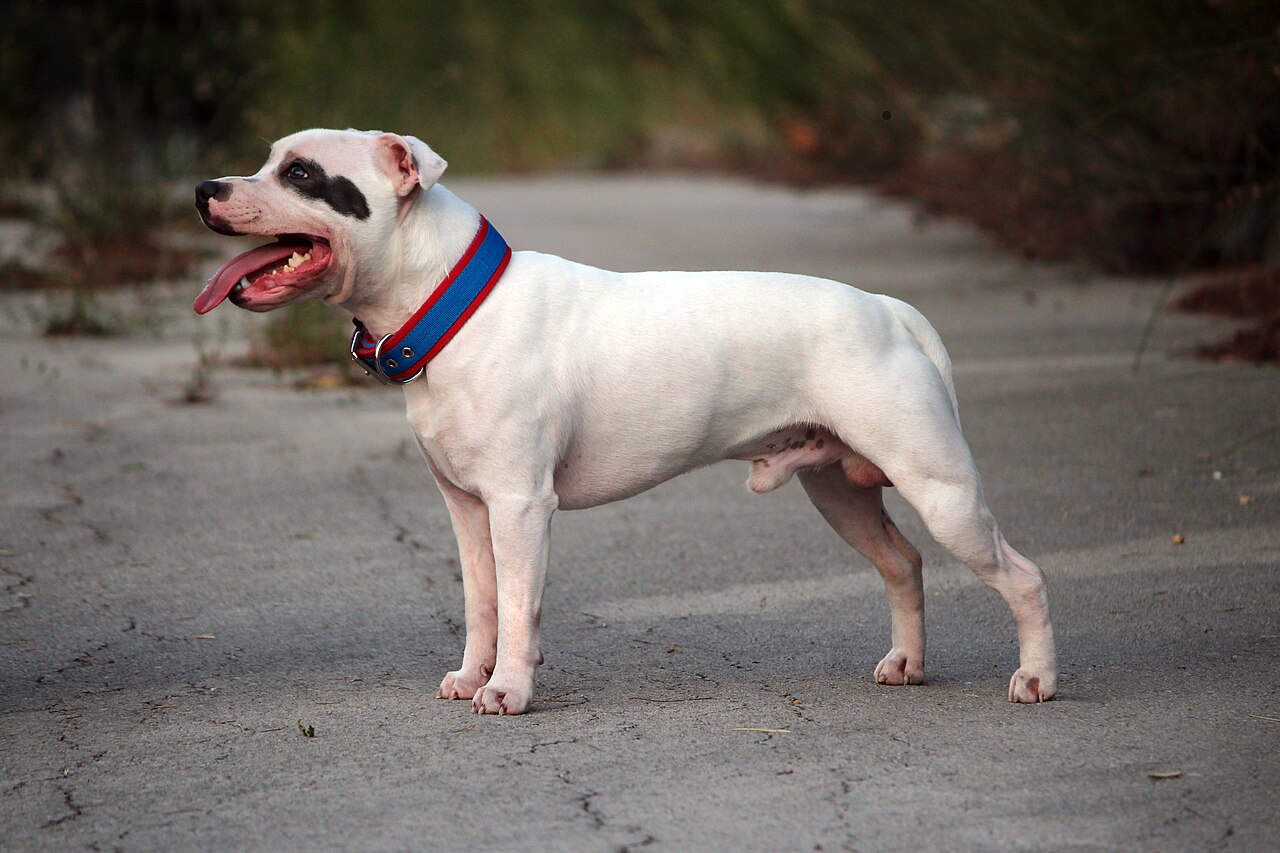
The Staffordshire Bull Terrier is a compact, muscular English terrier with a short coat and a big smile. Most are brave, affectionate and devoted to people. Life goes well with lead manners, careful dog introductions, safe chew outlets and company.
First, the point
Public breed histories describe a Black Country bull-and-terrier, recognised by the Kennel Club in 1935.
Most Staffies adore people. Typical struggles are pulling, jumping up, chewing, other dogs and being left alone.
In the first months I teach lead walking, gentle mouths, calm dog meetings and short absences.
Breed history
The Staffordshire Bull Terrier comes from the Black Country of the English Midlands. Its bulldog and terrier ancestors were bred for cruel blood sports, later banned. What remains is a strong, brave, people-loving dog.
English Midlands, 1800s → bull-and-terrier
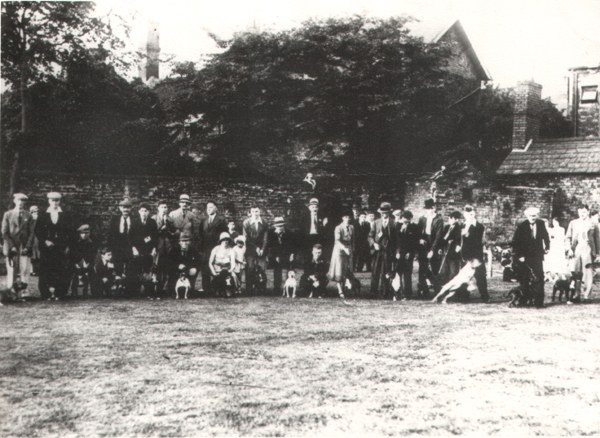
Public breed histories describe bulldog and terrier crosses kept by working people in Staffordshire and the Black Country.
After blood sports were banned, breeders kept the dogs as companions and began to show them.
1935 recognition → popular family dog
The Kennel Club recognised the breed in 1935. Today it is one of the most common family dogs in Britain.
Meet the parents and see how they behave with people and with other dogs.
What the breed was bred for
In plain trainer language: Staffies love people, often far more than they love other dogs.
The common problems are pulling, jumping up, chewing, tension with other dogs and finding it hard to be alone. Lead manners and chew outlets help most.
Public references: FCI 76, AKC Staffordshire Bull Terrier, RKC.
Life together
Staffies want to be close to their family. Walks, games and a snooze on the sofa fill a good day.
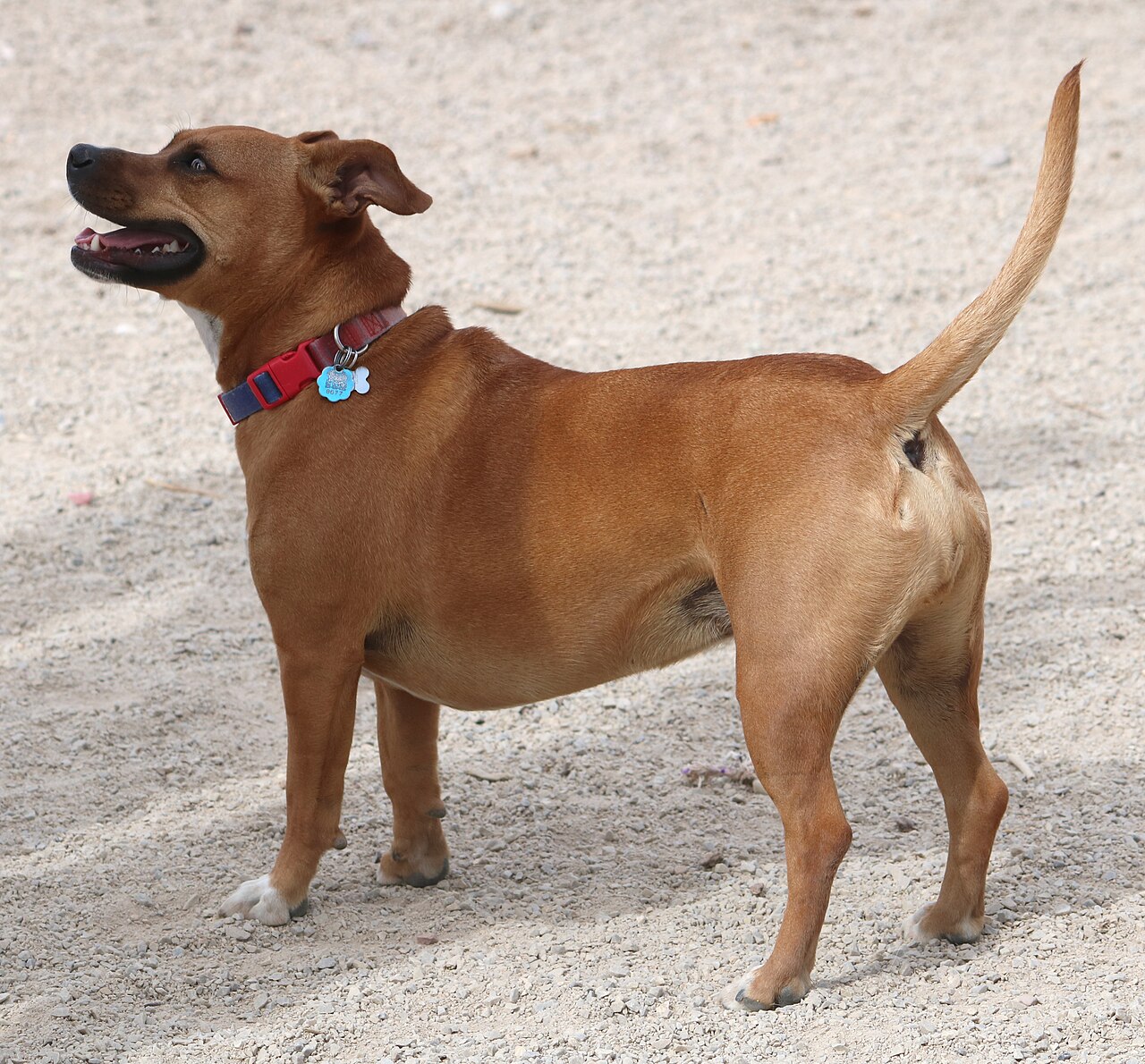
A strong dog needs lead skills taught early.
See loose-leash walking.
Care and health themes
A trainer’s checklist, not veterinary advice. See a vet for itching, limping, eye changes or low energy. For urgent signs, see when to call the vet.
Short coat shows itching or redness quickly; check monthly.
Muscular dogs still gain fat; measure food.
Brush teeth and choose chews that cannot be swallowed whole.
Notice stiffness or limping after play.
Ask the breeder which screenings the national breed club recommends, including any DNA and eye tests, and see results for both parents.
I do not publish toxin amounts. Call a vet or poison-control line if the dog eats something dangerous.
Lines and types
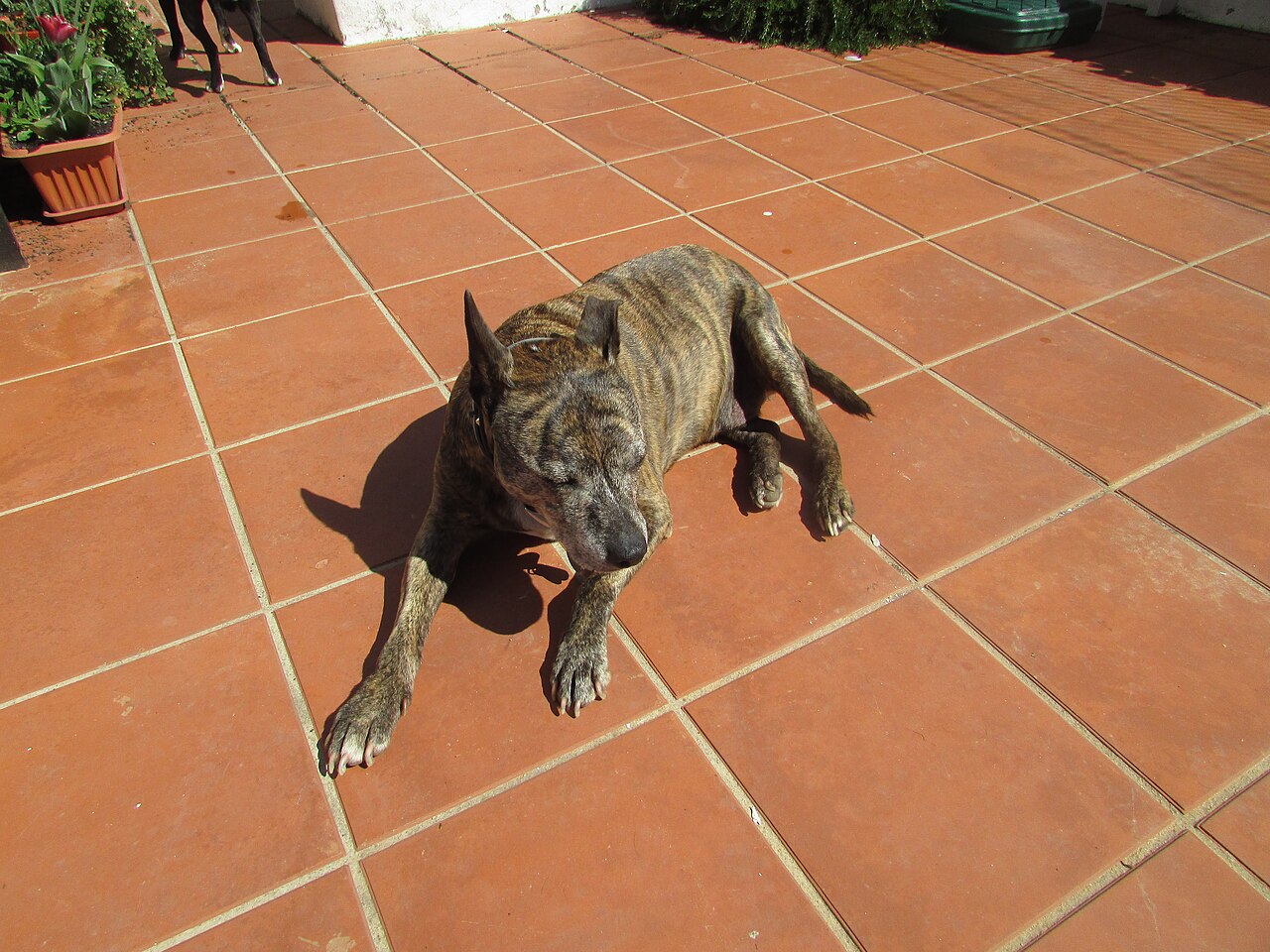
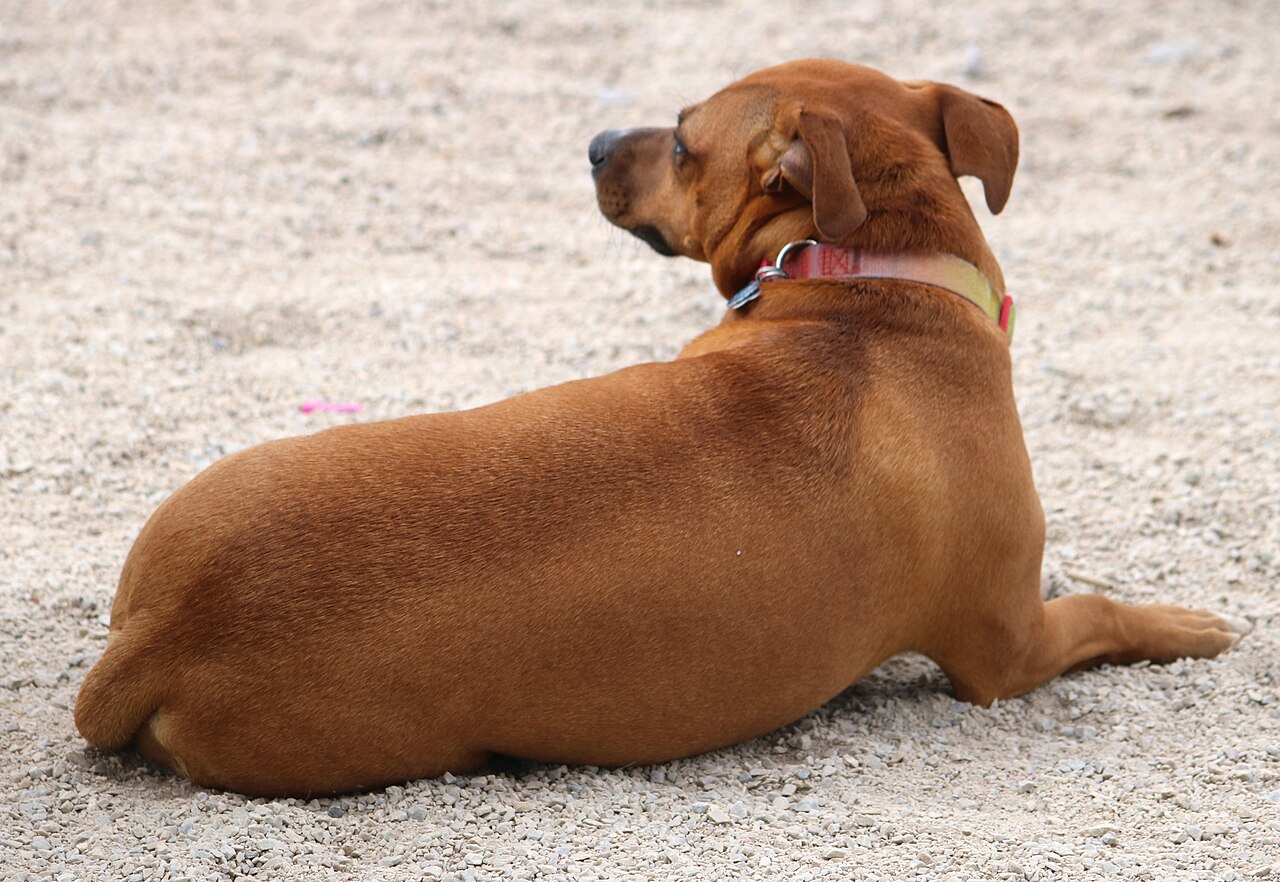
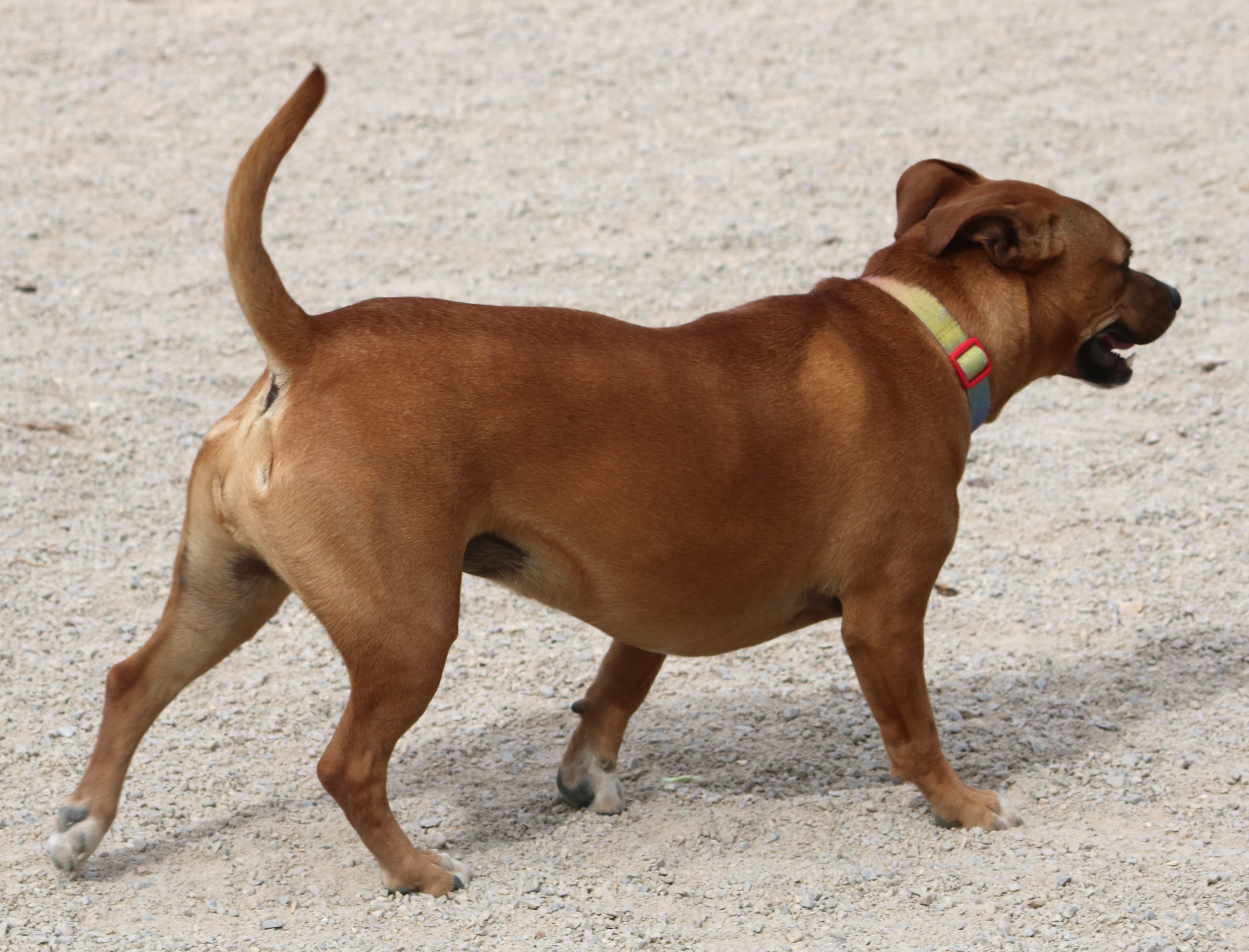
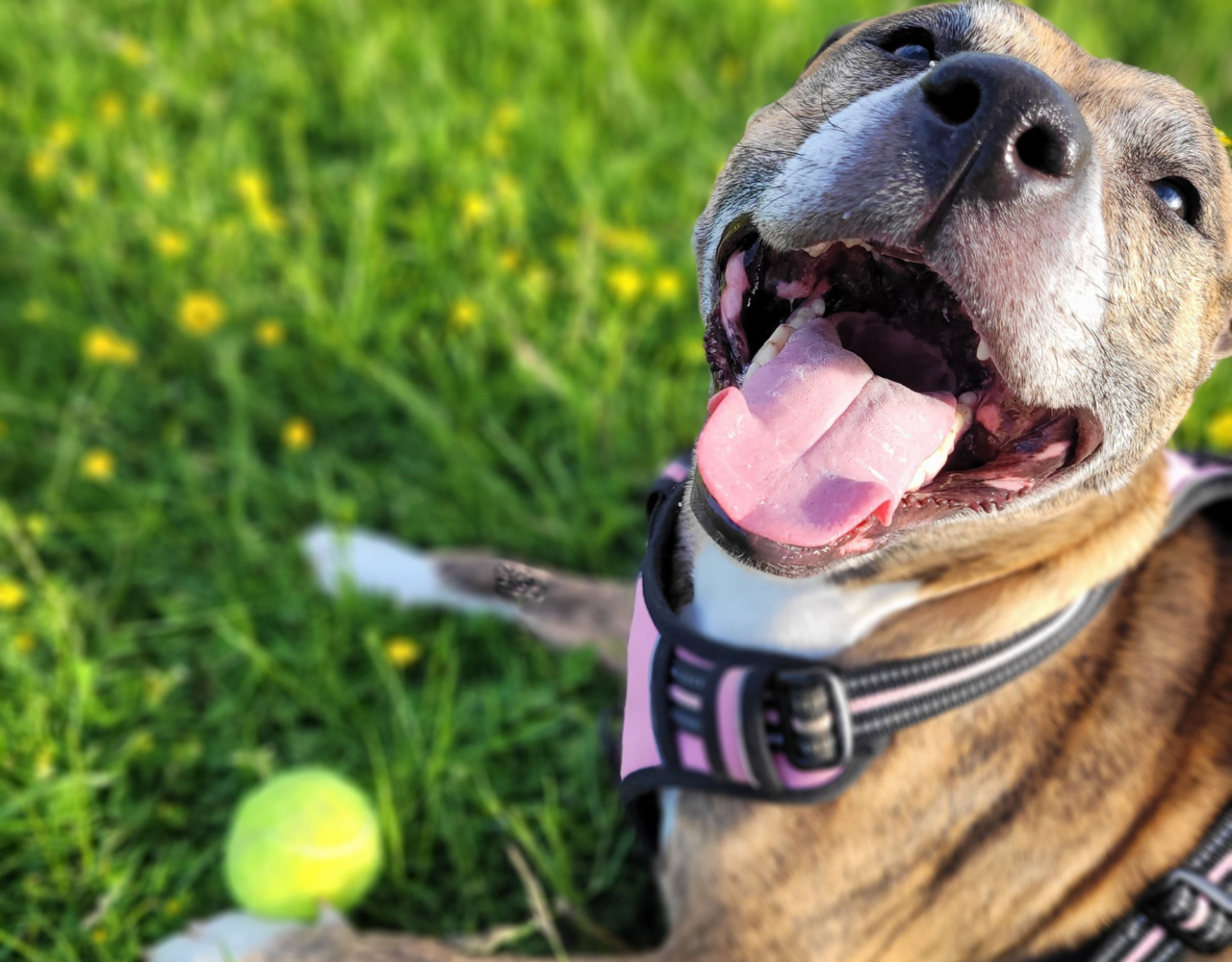
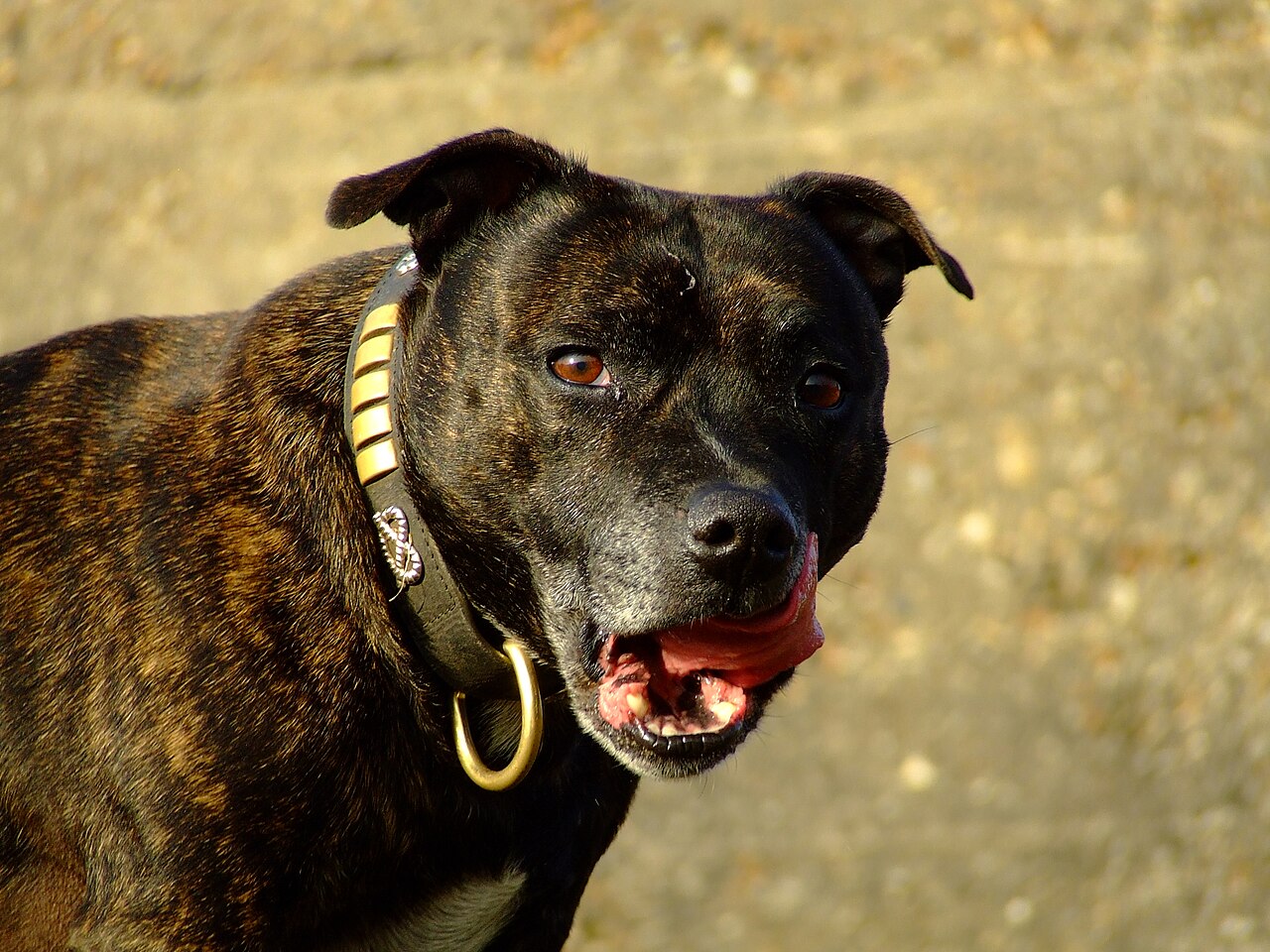
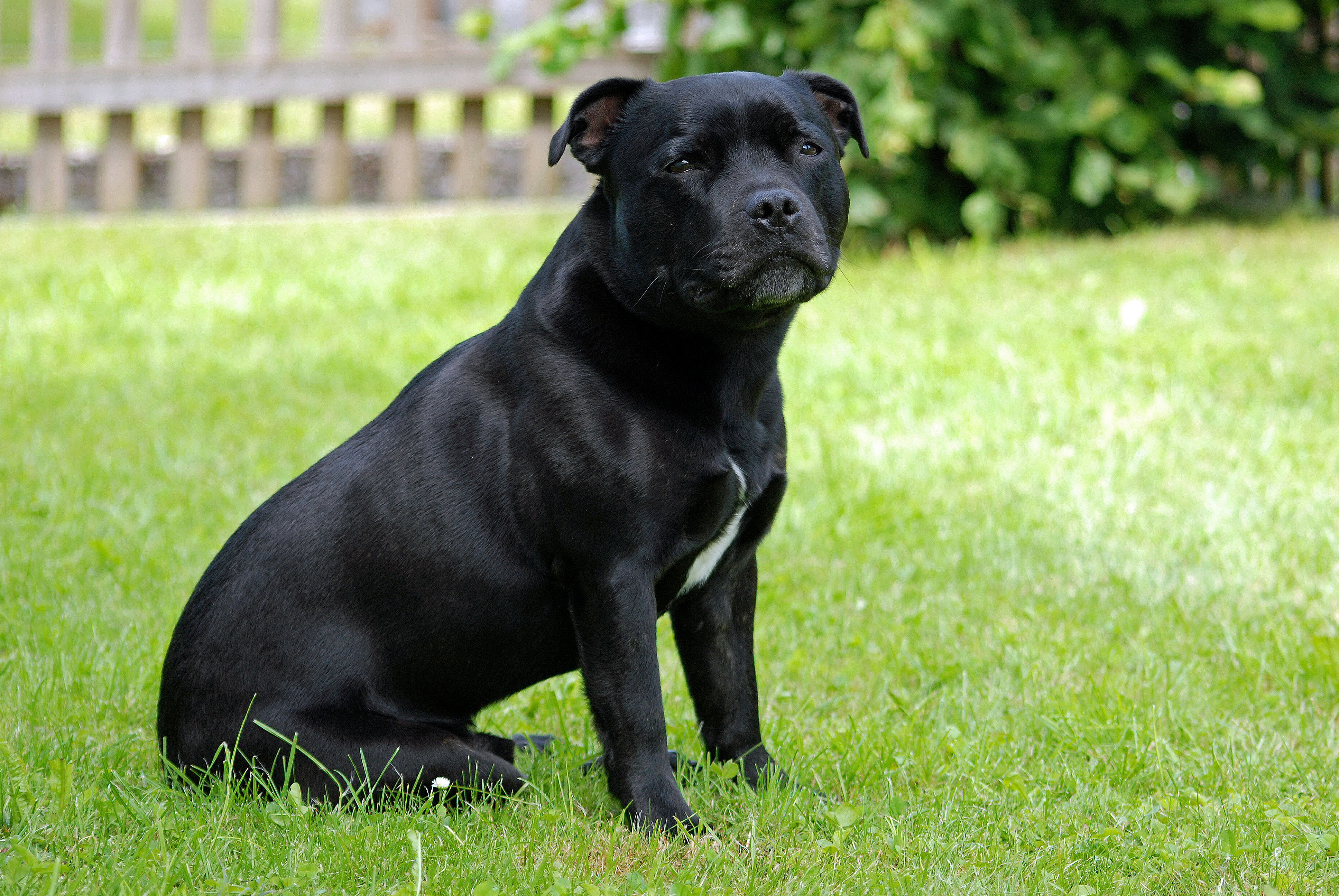
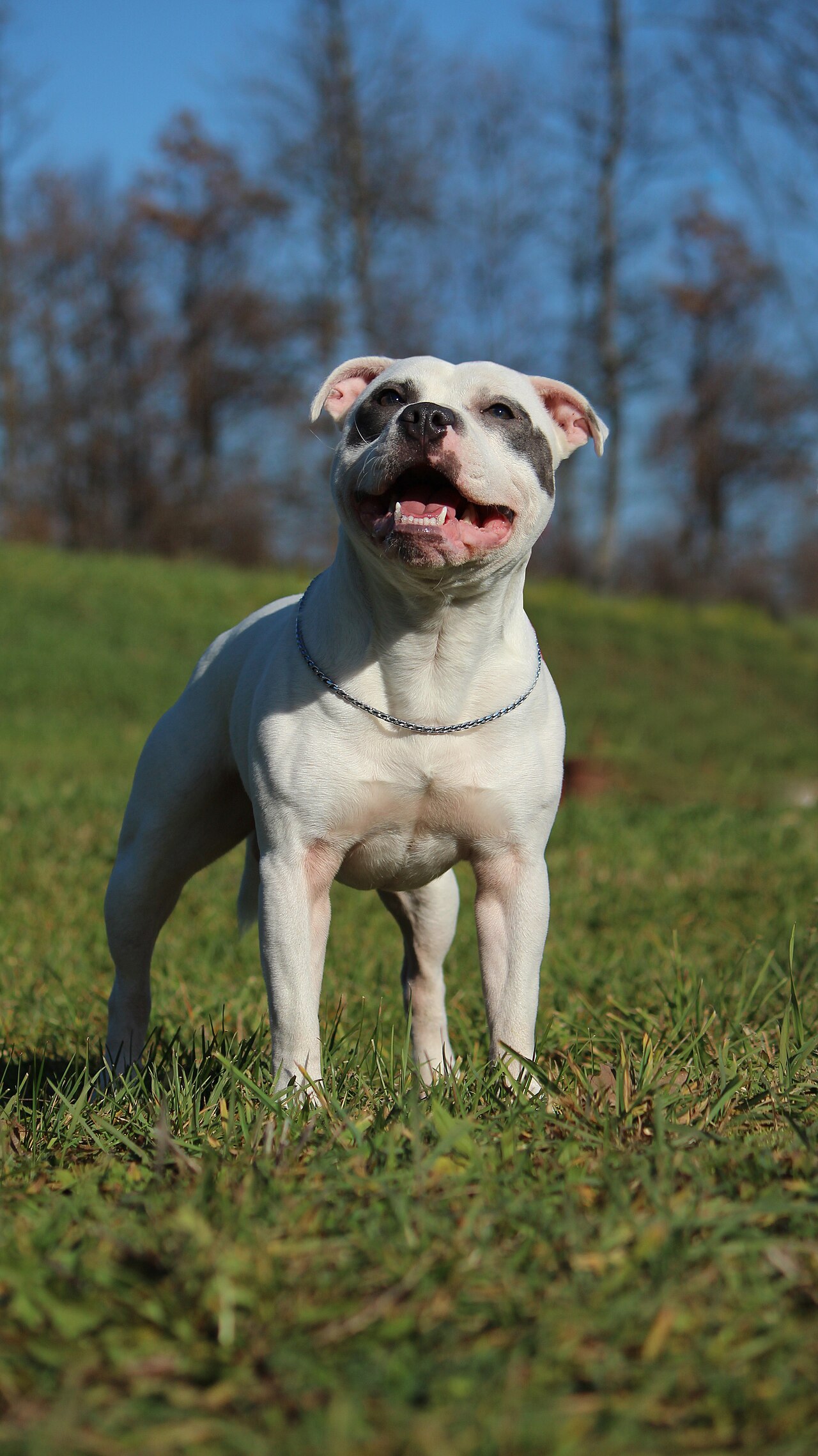
Staffies come in red, fawn, white, black, blue and brindle, often with white patches.
A sleek look.
A classic Staffy look.
Socialization windows
AVSAB-aligned in spirit: short, clean exposures at a distance the puppy can still eat, with hygiene while vaccines finish. See the puppy socialization schedule.
Introduce: gentle mouths, handling, toilet routine, crate rests.
Do not overload: rough hand play.
Introduce: loose-lead walking, calm dog meetings, alone-time steps.
Do not overload: pulling to every dog.
Introduce: tug rules, chew outlets, settle on a mat.
Do not overload: rough, free-for-all dog play.
Introduce: longer walks, scent work, tricks.
Do not overload: off-lead dog greetings.
Introduce: refreshed lead manners.
Do not overload: boredom chewing.
Before you buy
A Staffy suits people who want a loving, strong, playful dog and have time for company and training.
Good match
Mismatch risk
If you are torn between breeds
Staffies are compared with the larger Bull Terrier and the smaller Boston Terrier.
Staffordshire Bull Terrier Broad, short muzzle.
Bull Terrier Long, egg-shaped.
Staffordshire Bull Terrier Compact, muscular.
Bull Terrier Larger, heavier.
Staffordshire Bull Terrier Medium.
Boston Terrier Light.
Staffordshire Bull Terrier Usually fine with care.
Boston Terrier Flat face; care in heat.
Staffordshire Bull Terrier Very affectionate.
Both compares Both love their families.
Ownership without surprises
Prices vary by country. These are the spending themes, not figures.
Strong jaws need sturdy toys.
A good no-pull set-up.
Ask which screenings the national breed club recommends.
Lead and manners classes.
For long days.
Consider it early.
With a Staffy, sturdy toys and company are the main costs.
Before day one at home
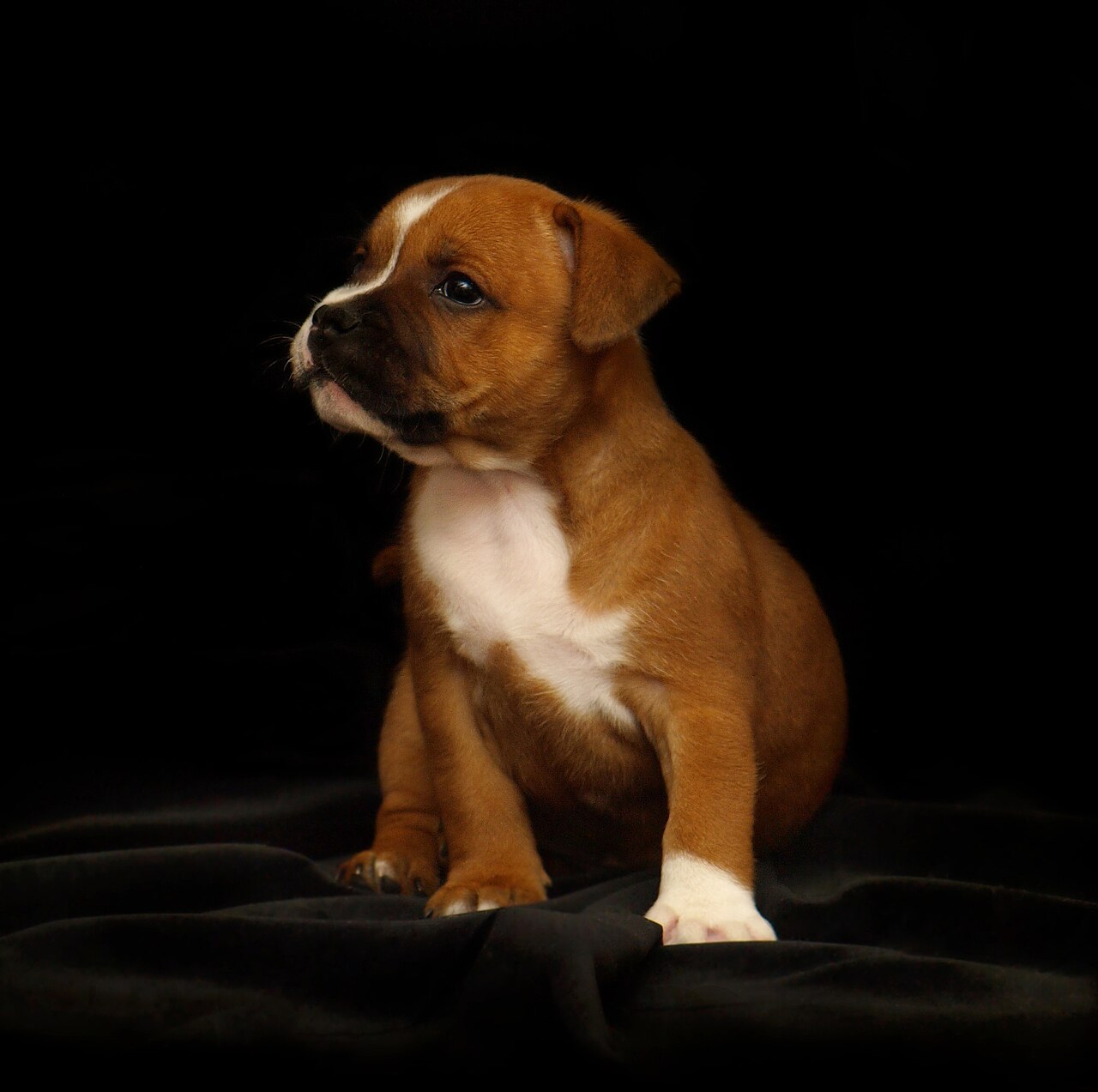
A Staffy puppy is bold, cuddly and mouthy. Start gentle mouths and lead skills early.
See biting and nipping.
See puppy leash training.
See first absences.
Follow potty training.
If the dog is already yours
Staffies are eager to please and love food and play. Use both.
My core list: lead manners, calm greetings, a settle on a mat and careful dog meetings.
Scent work, tricks and rally are great outlets.
Load balance
Daily walks, play and a calm settle suit most Staffies.
Walks, tug with rules, chew time and a taught settle suit most Staffies.
A Staffy with lead manners is a loyal, loving companion.
Lead manners
Reward the dog for staying close, and stop when the lead goes tight.
Comfortable and secure.
Treats by your leg.
Wait for slack.
Slowly.
Short sessions.
One scene close-up
Staffies are strong and keen, and pulling often works.
Stop when the lead tightens and reward the dog at your side.
A well-fitted harness helps while you train.
Typical household scenes
A breed page is only a starting point; the fix depends on health, environment, and the dog in front of you. Each row opens a step-by-step guide.
Strong pulling on walks.
Lunges or stiffens at dogs.
Over-excited greetings.
Destroys toys and furniture.
Stressed when left.
Guards chews or food.
Play gets too intense.
Itching, limping or low energy — vet first.
Practical view
“With a Staffy, I start lead manners before the dog is fully grown. We build loose-lead walking, calm dog meetings and a settle — because strength arrives fast.”
Sessions cover real scenes: pulling on the lead, tension with other dogs, chewing, and stress when left alone. I am a trainer, not a veterinarian. No invented reviews.
Describe age, living setup, and where the dog breaks first — pulling on the lead, tension with other dogs, chewing, or stress when left alone. Opens WhatsApp to Andrew.
Short answers
If you want an affectionate, people-loving dog that is smaller and gentler on the lead, consider this one.
A playful, bouncy German working dog that loves people and needs daily exercise, calm greetings and a settle routine.
A gentle, sturdy, short-nosed companion that needs cool, short walks, a lean body and regular skin-fold care.
A compact companion with a clown reputation and a respiratory system you do not get to ignore.
Gentle, affectionate small spaniel that loves company.
Other guides from the same group in the breed library. Same group does not mean same dog: read the fit and the failure modes, not only the outline.
A compact black-and-tan Welsh earthdog. Needs bark routines, dig outlets, grooming and show-ring style handling skills.
A small, white Scottish terrier — cheerful and confident — that needs daily walks, door manners and regular coat and skin care.
A lively, confident English fox terrier with a wiry coat that needs daily exercise, recall practice and regular coat stripping.
The largest terrier, from Yorkshire — clever, playful and independent — that needs daily exercise, patient training and regular coat care.
A fast Northumberland terrier in a lamb coat. Needs safe chase and dig outlets, leash manners and regular grooming.
A small, tough and friendly working terrier from the Scottish border that needs daily walks, recall practice and a hand-stripped coat.
Describe your Staffordshire Bull Terrier’s age and the scene that repeats most: pulling on the lead, tension with other dogs, chewing, or stress when left alone. We check safety first, then pick the first skill.
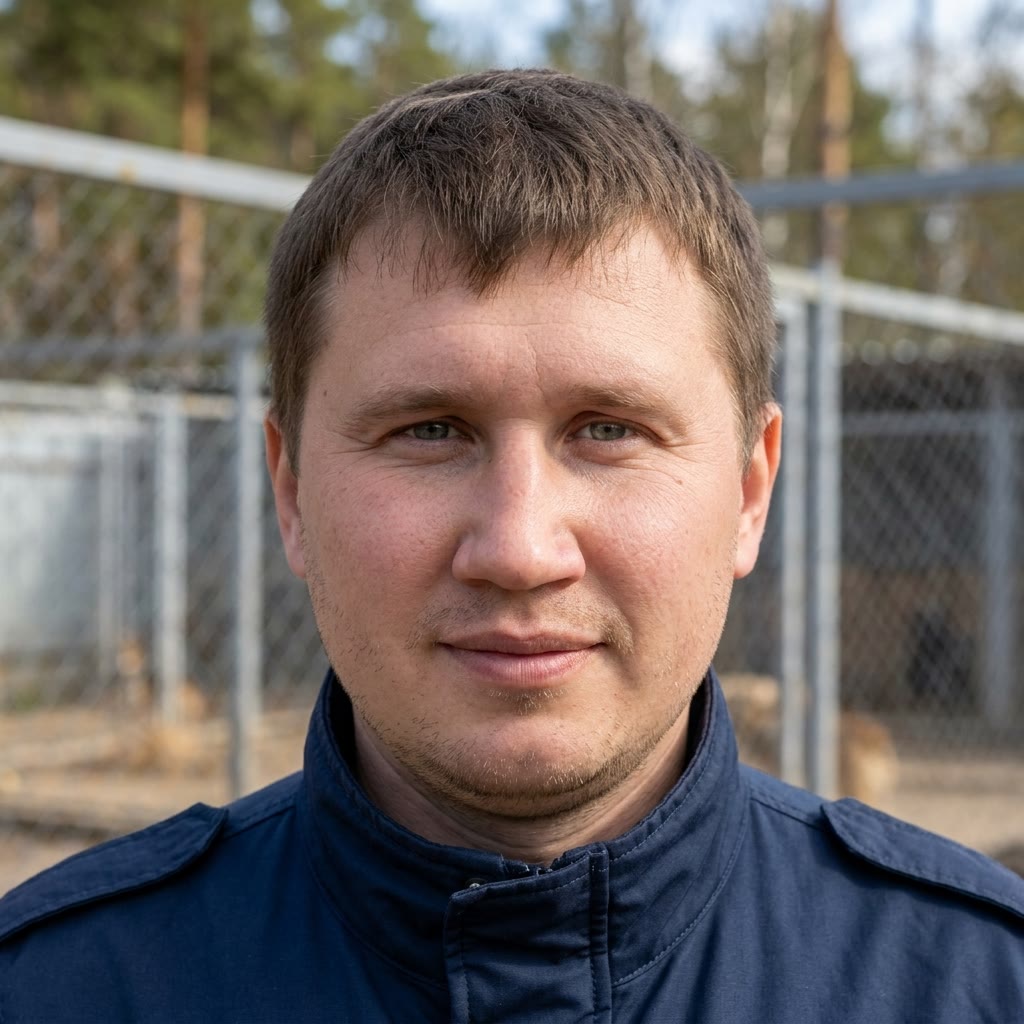
Written by Andrew Darov, professional dog trainer. Not veterinary advice and not a diagnosis.
Not a kennel club. No invented reviews. No vaccine schedules or toxin doses. Photo credits in
/images/breeds/staffordshire-bull-terrier-guide/credits.md.