
Show ring and screen → family homes
A famous face
Asta in the Thin Man films and Snowy in the Tintin comics made the breed widely known.
Fame does not change the terrier inside. Meet the parents and see their energy and noise level.
Wire Fox Terrier · Terrier
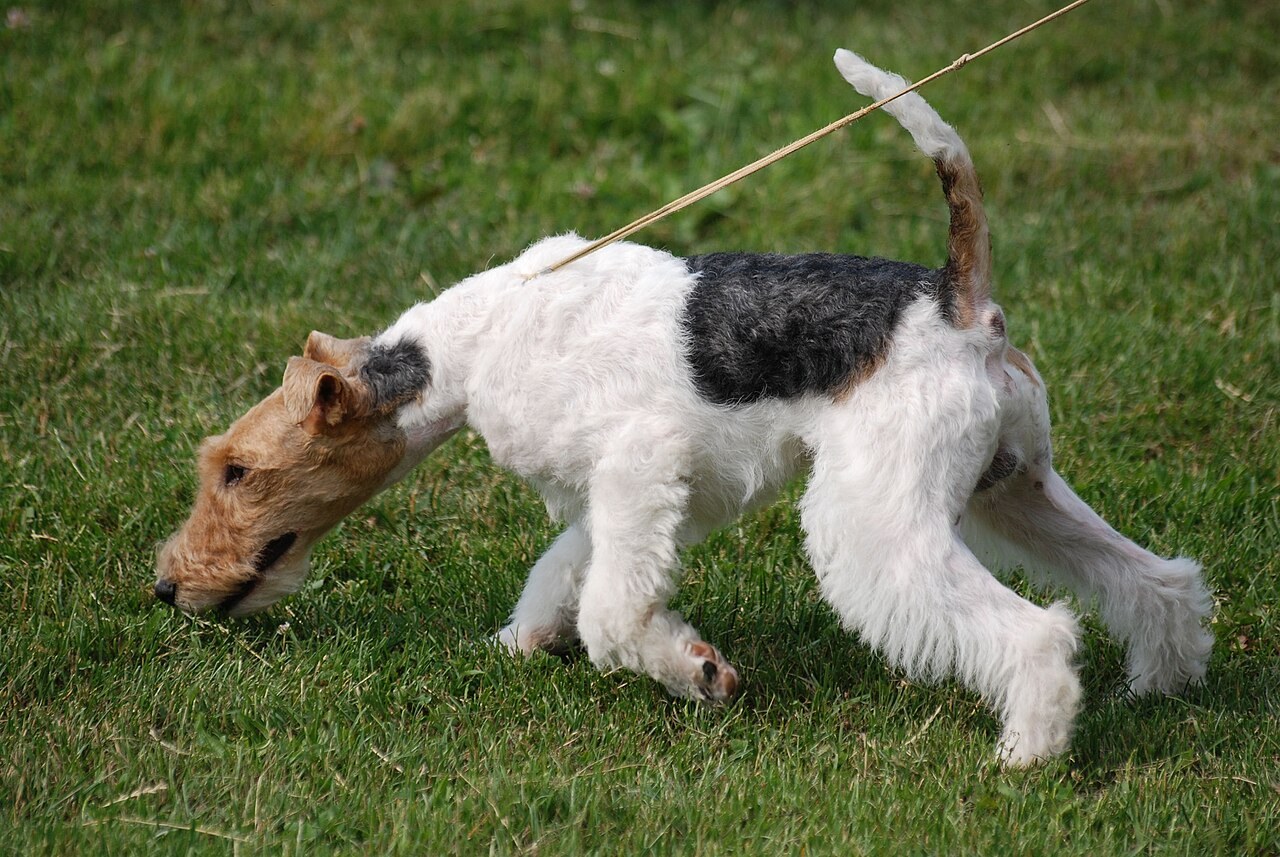
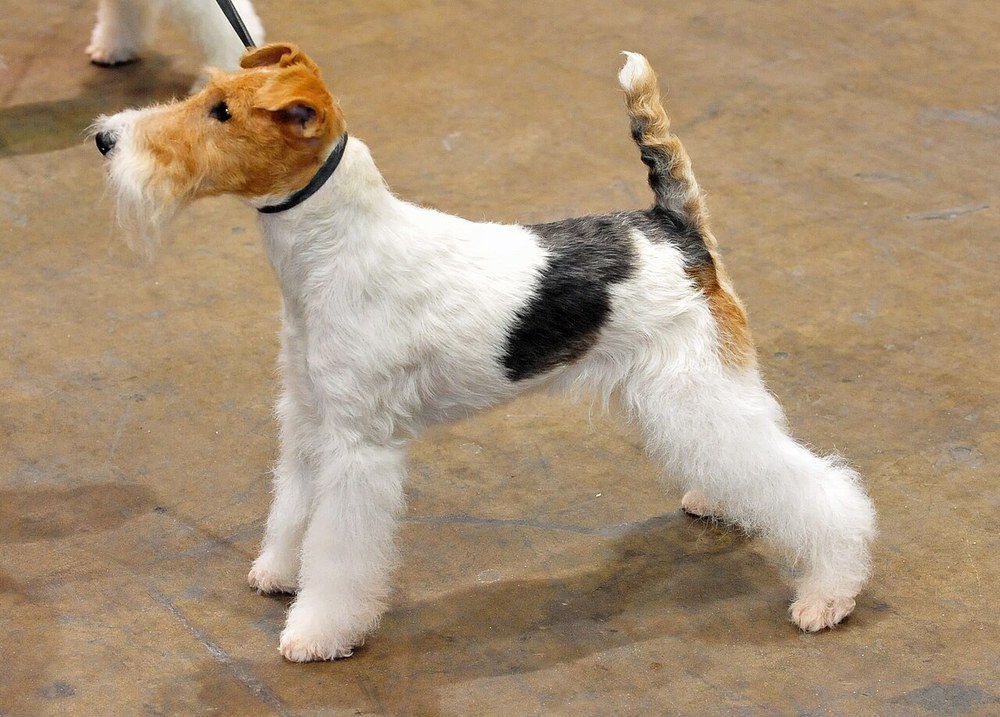
The Wire Fox Terrier is a lively English hunting terrier with a dense, wiry coat and a confident stance. Most are bold, clever and playful. Life goes well with plenty of daily exercise, a strong recall, regular hand-stripping and quiet-at-home practice.
First, the point
Public breed histories describe an English fox terrier that ran with the hunt, later famous as Asta and Snowy.
Most Wire Fox Terriers are fun and full of life. Typical struggles are chasing, barking, digging and other dogs.
In the first months I teach handling for grooming, recall games, a calm stand and quiet at home.
Breed history
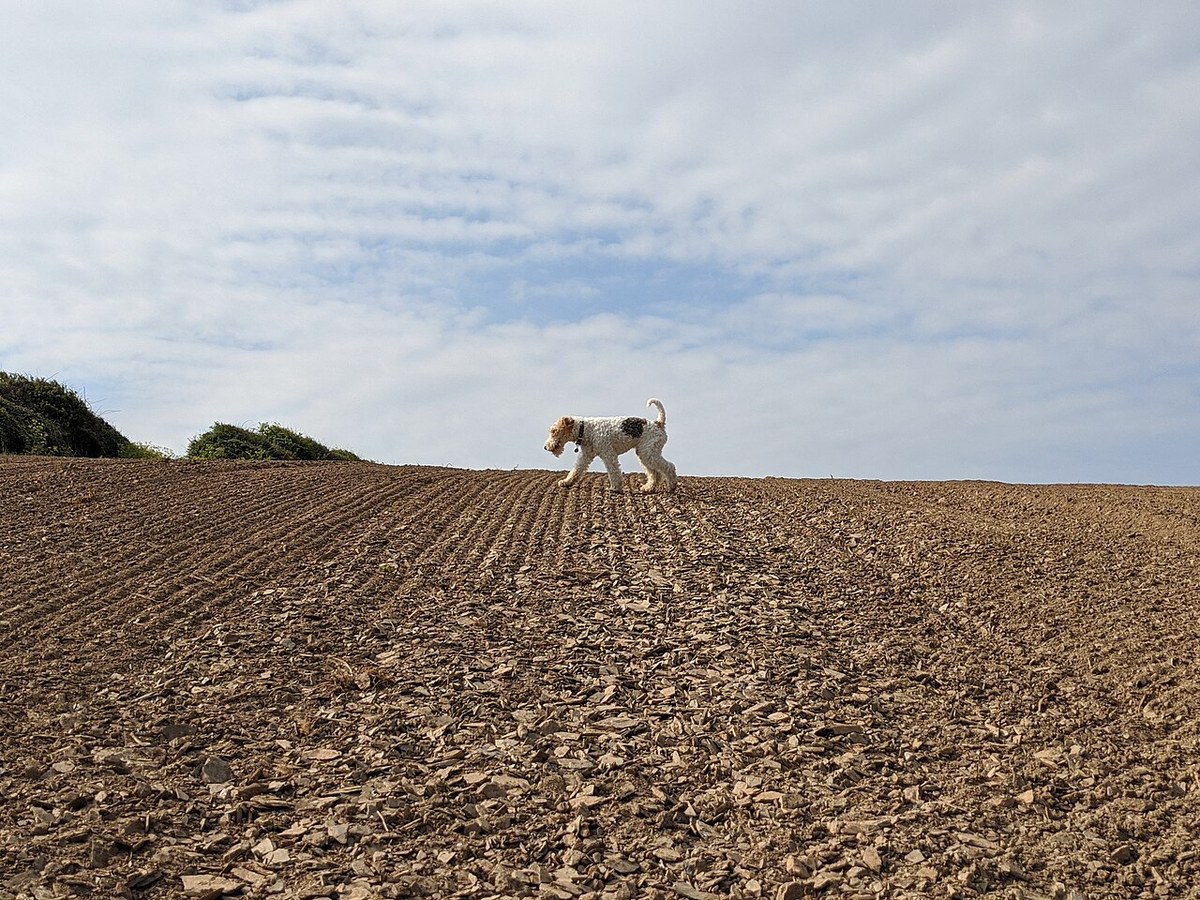
The Wire Fox Terrier was bred in England to follow the hunt and drive foxes out of their earths. The breed also became a show-ring star and a film and comic-book favourite, but it is still a lively, bold hunting terrier.
England, 1800s → fox hunting terrier
Public breed histories describe fox terriers that ran with hounds and went to ground when the fox did. The wire and smooth coats were later split into two breeds.
That job explains the energy, the courage and the urge to chase.
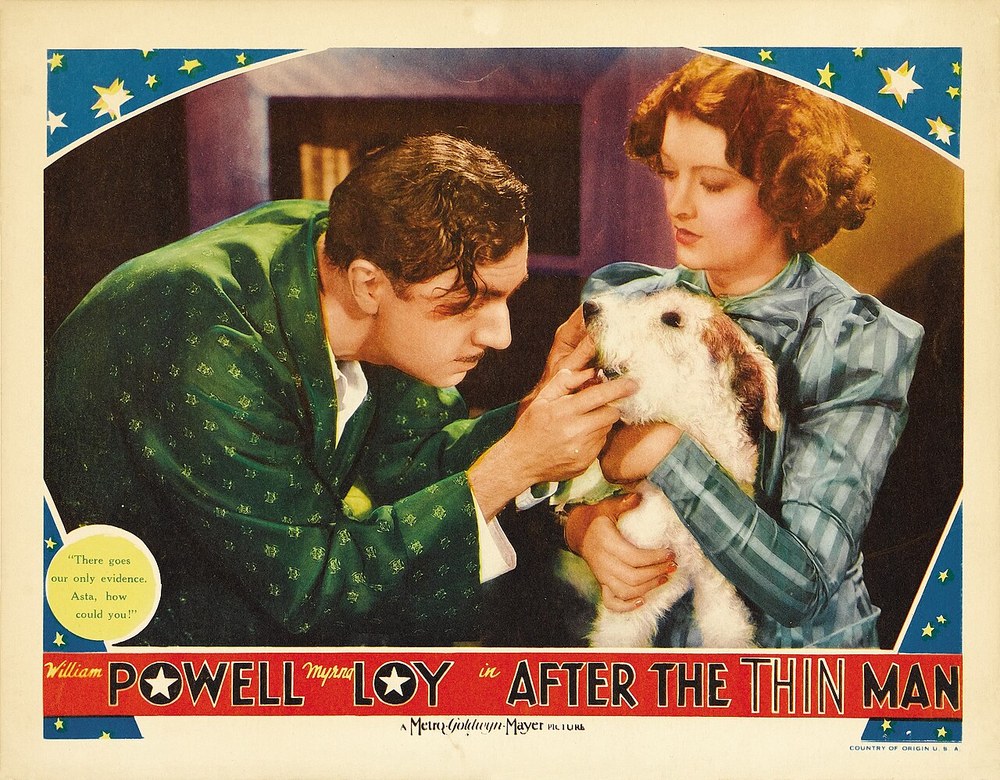
Show ring and screen → family homes
Asta in the Thin Man films and Snowy in the Tintin comics made the breed widely known.
Fame does not change the terrier inside. Meet the parents and see their energy and noise level.
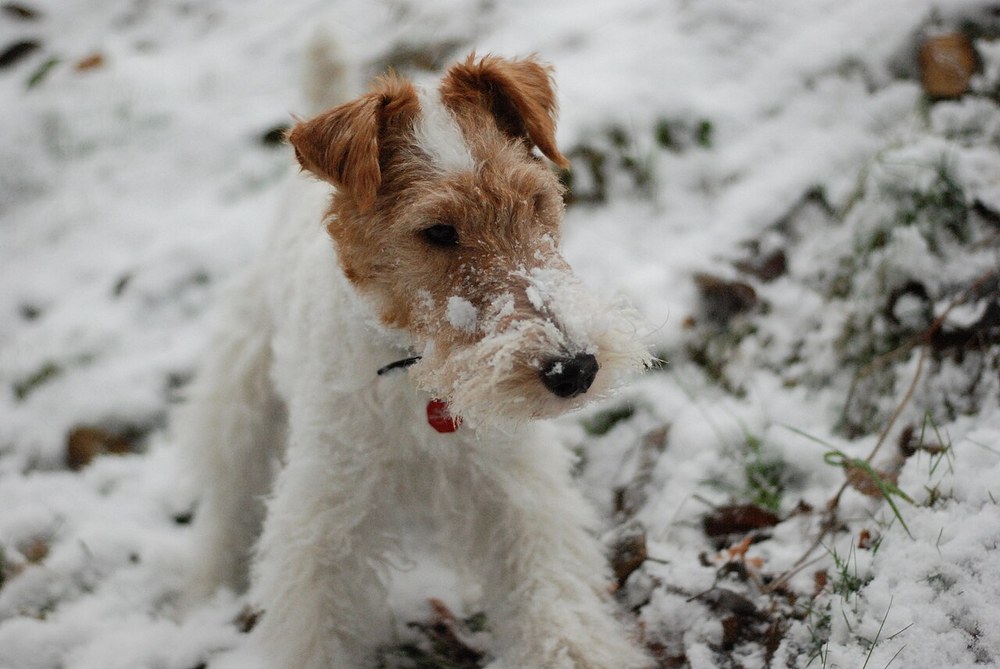
What the breed was bred for
In plain trainer language: Wire Fox Terriers are confident, funny and always ready for action.
Owners often struggle with chasing, barking, digging and squabbles with other dogs. Plenty of exercise, a strong recall and things to do help most.
Public references: FCI 169, AKC Wire Fox Terrier, RKC.
Life together
Wire Fox Terriers like action. Walks, games and training sessions keep them happy at home.
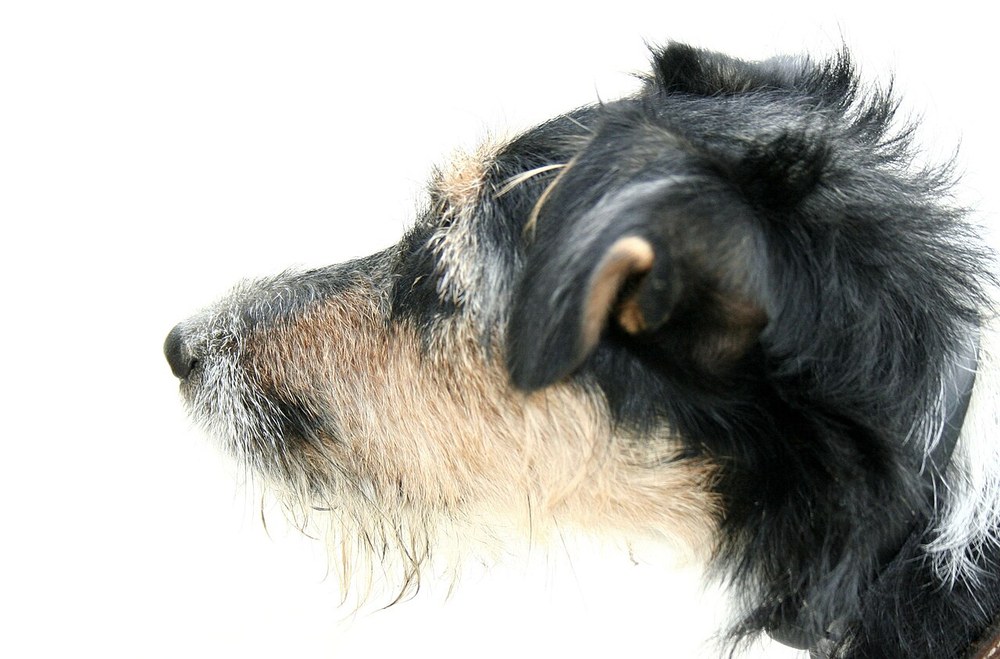
Notice what the dog watches and reward calm.
See engage and disengage.
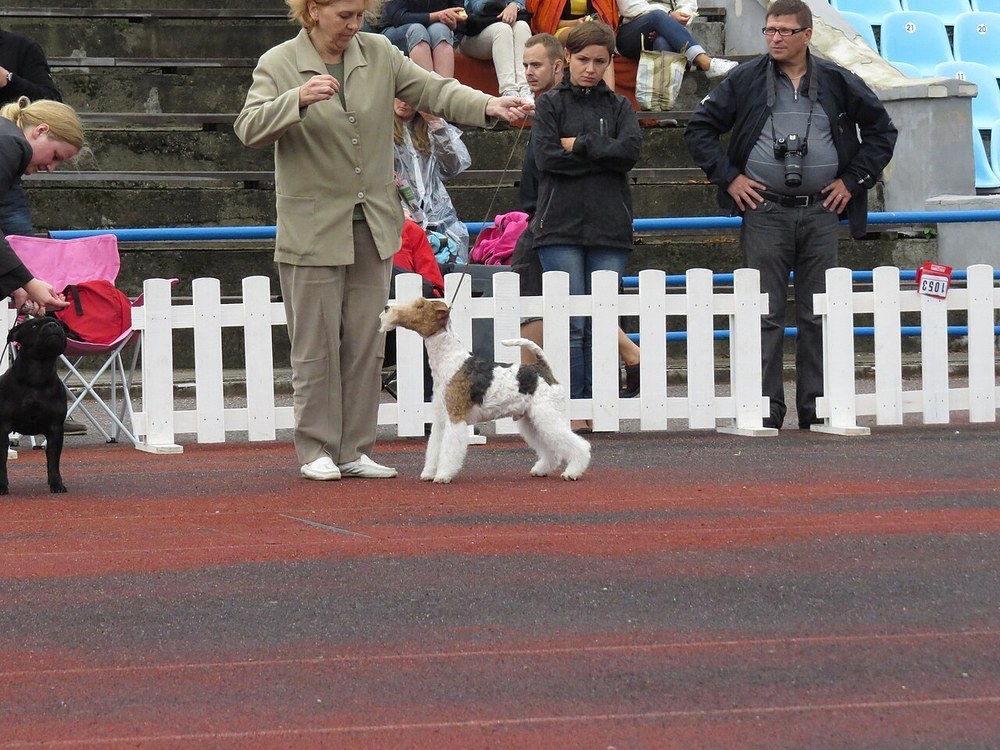
Busy places are easier with practice at a distance.
See on-leash distance.
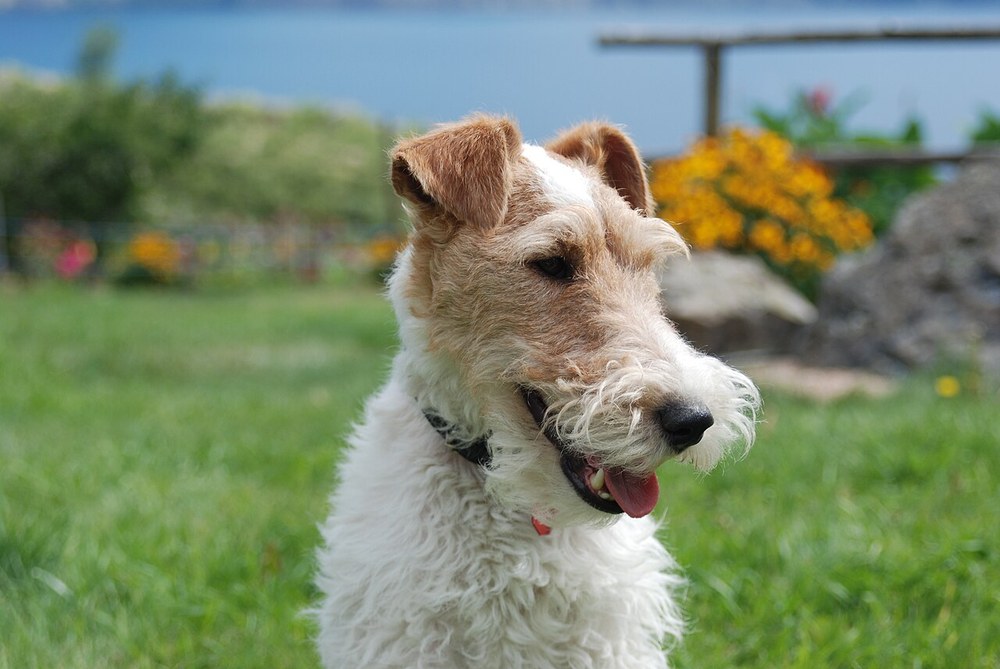
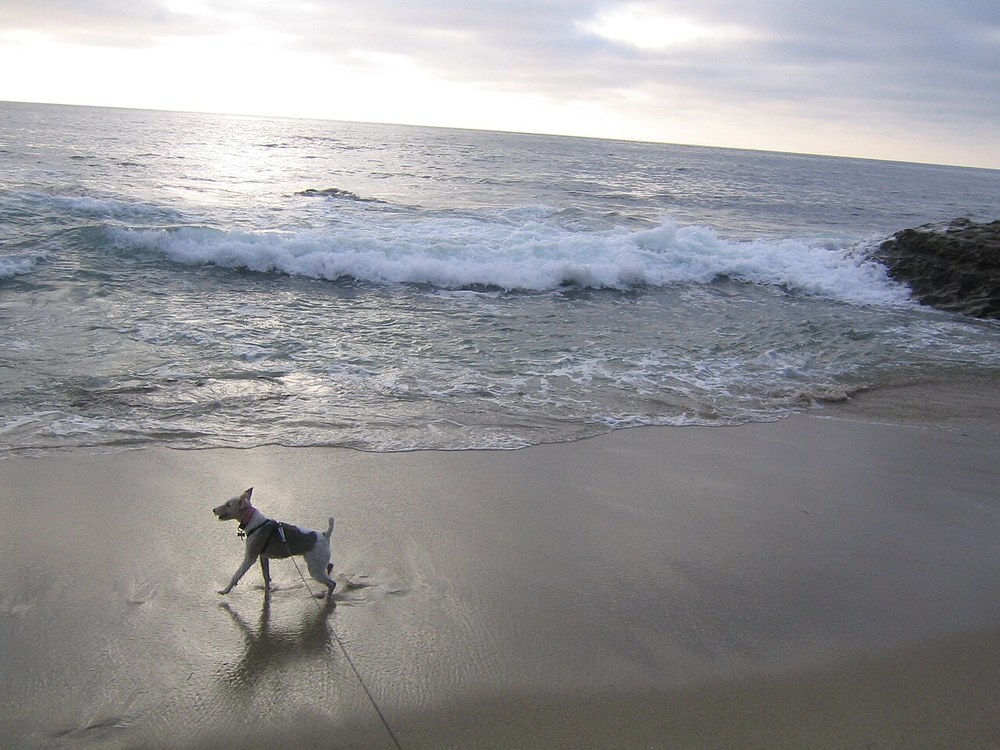
Run safely in fenced areas or on a long line.
Care and health themes
A trainer’s checklist, not veterinary advice. See a vet for itching, eye changes, limping or low energy. For urgent signs, see when to call the vet.
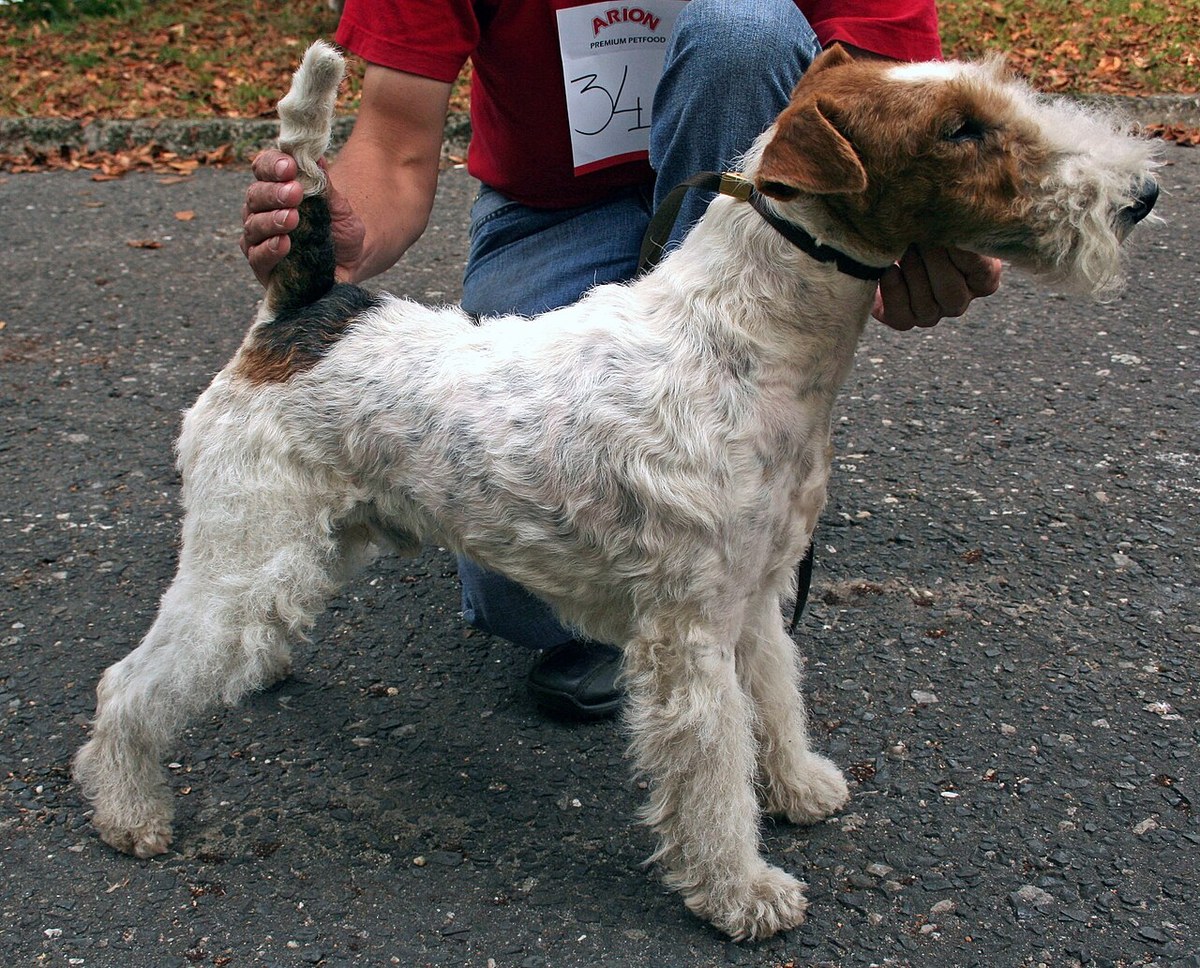
Dense wiry coat; brush weekly and hand-strip several times a year.
Check under the coat for redness or itching.
See the vet for cloudiness or squinting.
Keep lean; count training treats.
Ask the breeder which screenings the national breed club recommends and see results for both parents.
I do not publish toxin amounts. Call a vet or poison-control line if the dog eats something dangerous.
Lines and types
Wire Fox Terriers are mostly white with tan or black markings. The coat can be kept in two main ways.
The classic show look.
An easy family look.
Socialization windows
AVSAB-aligned in spirit: short, clean exposures at a distance the puppy can still eat, with hygiene while vaccines finish. See the puppy socialization schedule.
Introduce: handling, a calm stand, toilet routine, crate naps.
Do not overload: wild play before bed.
Introduce: long-line recall, leave it, calm dog meetings.
Do not overload: off-lead in open spaces.
Introduce: flirt pole with rules, tricks, scent games.
Do not overload: barking at the window.
Introduce: agility, earthdog, flyball.
Do not overload: unmanaged dog play.
Introduce: refreshed recall and quiet.
Do not overload: skipped stripping.
Before you buy
A Wire Fox Terrier suits lively, active people who enjoy a bold, funny dog and regular grooming.
Good match
Mismatch risk
If you are torn between breeds
Wire Fox Terriers are compared with Jack Russells and Welsh Terriers.
Wire Fox Terrier Tall, upright, wiry.
Jack Russell Terrier Smaller, varied coat.
Wire Fox Terrier Regular hand-stripping.
Jack Russell Terrier Often lower effort.
Wire Fox Terrier Mostly white with markings.
Welsh Terrier Black and tan.
Wire Fox Terrier Bold and lively.
Welsh Terrier Lively but often a little calmer.
Wire Fox Terrier Strong.
Both compares Both chase readily.
Ownership without surprises
Prices vary by country. These are the spending themes, not figures.
Several sessions a year.
Secure and dig-proof.
Ask which screenings the national breed club recommends.
Agility or earthdog clubs.
Flirt pole and puzzles.
Consider it early.
With a Wire Fox Terrier, grooming and fencing are the main costs.
Before day one at home
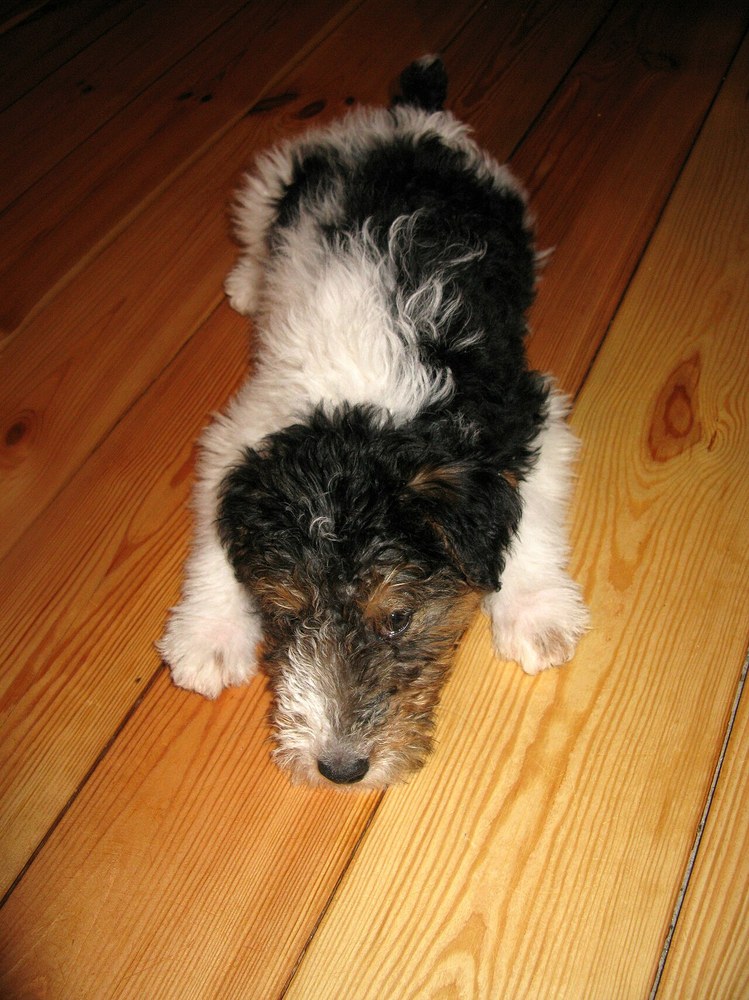
A Wire Fox Terrier puppy is busy and fearless. Start grooming practice and recall games early.
See puppy handling.
See biting and nipping.
See the name game.
See enforced naps.
Follow potty training.
If the dog is already yours
Wire Fox Terriers are quick learners with short attention spans. Keep it lively.
My core list: recall, leave it, quiet at home and a calm stand for grooming.
Agility, earthdog, flyball and trick training suit them well.
Load balance
Plenty of exercise and short training games suit most Wire Fox Terriers.
Running, flirt-pole games, agility and scent work suit most Wire Fox Terriers.
A Wire Fox Terrier with outlets is a lively, loyal friend.
Chasing
Give the chase a safe outlet and practise a quick turn back to you.
Safety first.
Chase with rules.
Turn and reward.
Slowly.
Lead near wildlife.
One scene close-up
Fox terriers were bred to chase and follow quarry.
Play flirt-pole games with clear rules, and teach an emergency turn on a long line.
Keep the dog on a lead or long line where wildlife is likely.
Emergency U-turn Leave it on walks Long-line recall in the park
Typical household scenes
A breed page is only a starting point; the fix depends on health, environment, and the dog in front of you. Each row opens a step-by-step guide.
Takes off after cats and squirrels.
Barks at movement outside.
Digs under fences.
Squabbles or lunges.
Guards toys or food.
Wriggles during stripping.
Springs up at people.
Itching, eye changes or low energy — vet first.
Practical view
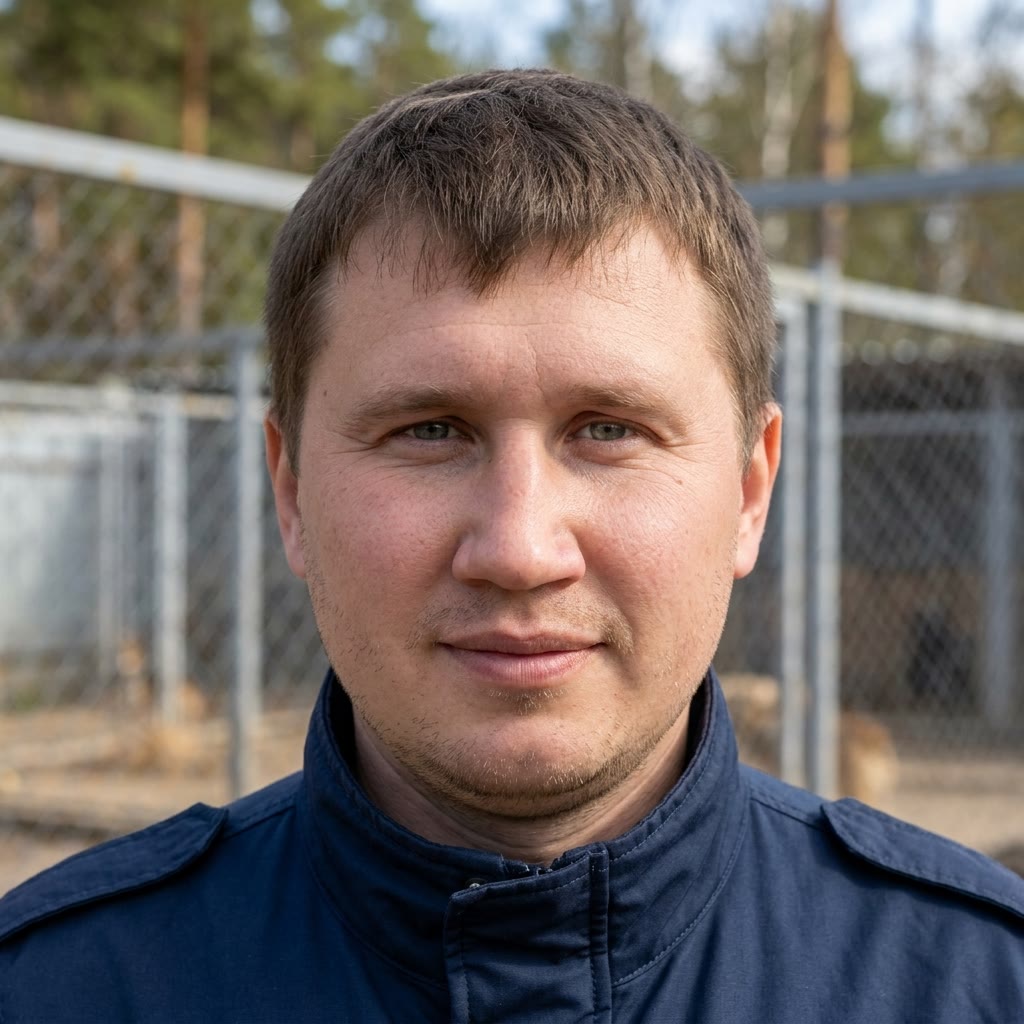
“With a Wire Fox Terrier, I turn the chase into games I control. We build an emergency turn, quiet at home and a calm stand — because a lively terrier needs safe outlets.”
Sessions cover real scenes: chasing, barking at the window, squabbles with other dogs, and wriggling during grooming. I am a trainer, not a veterinarian. No invented reviews.
Describe age, living setup, and where the dog breaks first — chasing, barking at the window, squabbles with other dogs, or wriggling during grooming. Opens WhatsApp to Andrew.
Short answers
If you want a cheerful small dog that is calmer and more of a lap companion, consider this one.
A small, tough and friendly working terrier from the Scottish border that needs daily walks, recall practice and a hand-stripped coat.
A small, shaggy Highland terrier — brave, busy and affectionate — that needs a digging outlet, door manners and weekly brushing.
A small, bold English working terrier that needs daily exercise and training games, secure fencing and careful recall training.
Cheerful, sociable small companion dog.
Other guides from the same group in the breed library. Same group does not mean same dog: read the fit and the failure modes, not only the outline.
The largest terrier, from Yorkshire — clever, playful and independent — that needs daily exercise, patient training and regular coat care.
A fast Northumberland terrier in a lamb coat. Needs safe chase and dig outlets, leash manners and regular grooming.
A strong, clownish English terrier with an egg-shaped head that needs daily play, calm dog introductions and patient training.
A low, powerful Irish earthdog. Needs early lead manners, a proper dig outlet and care for its long back.
A bold red Irish farm terrier. Needs safe outlets for chasing and digging, consistent rules and planned dog introductions.
An Irish soft-coated working terrier. Needs coat lifestyle, soft-mouth games with clear ends and polite dog manners.
Describe your Wire Fox Terrier’s age and the scene that repeats most: chasing, barking at the window, squabbles with other dogs, or wriggling during grooming. We check safety first, then pick the first skill.
Written by Andrew Darov, professional dog trainer. Not veterinary advice and not a diagnosis.
Not a kennel club. No invented reviews. No vaccine schedules or toxin doses. Photo credits in
/images/breeds/wire-fox-terrier-guide/credits.md.