Soft Coated Wheaten Terrier: temperament, training & soft coat
The Soft Coated Wheaten Terrier is a medium-sized Irish farm terrier with a silky, wheat-coloured coat. Most are bouncy, loving and playful. Life goes well with calm greeting practice, daily brushing, loose-lead walking and daily walks and play.
Job: Irish all-round farm dog and ratter.
Energy: Moderate to high; daily walks and play.
Home: Needs daily brushing and calm greeting practice.
Soft silky coat — little shedding but mats without daily brushing
Job
Irish all-round farm dog and ratter
Breed history
An Irish farm dog that did a bit of everything
The Soft Coated Wheaten Terrier worked on small Irish farms. It caught rats, guarded the yard and helped with stock. That all-round job made a bouncy, people-loving terrier with a soft, silky coat.
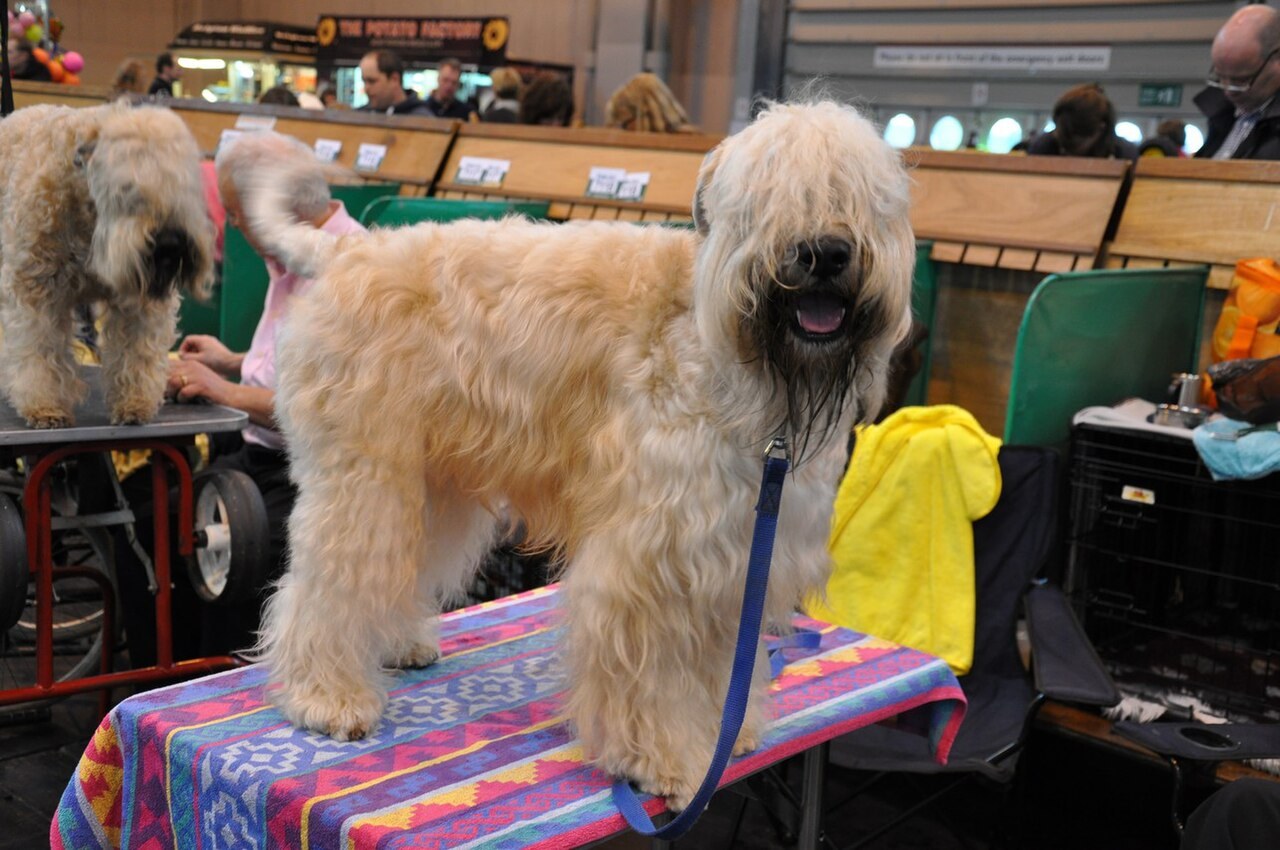
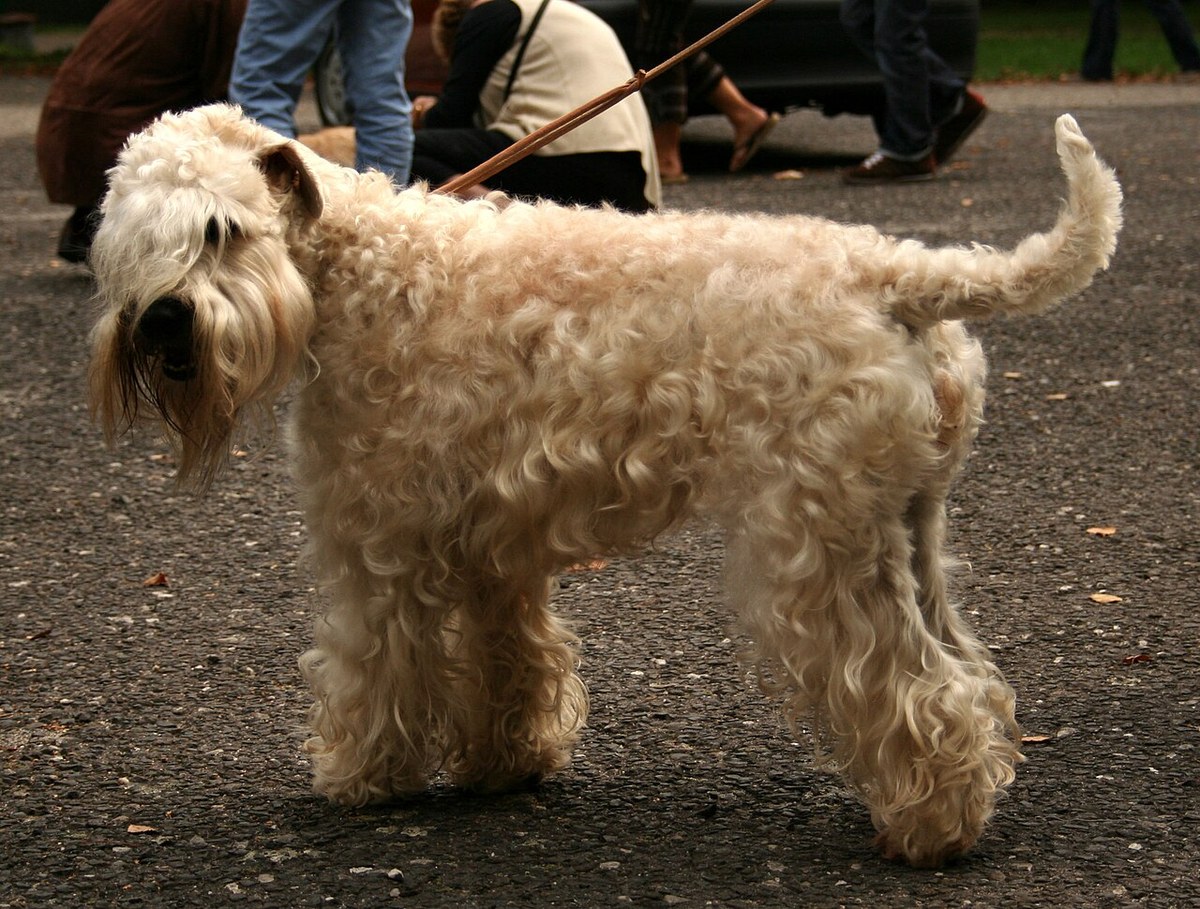
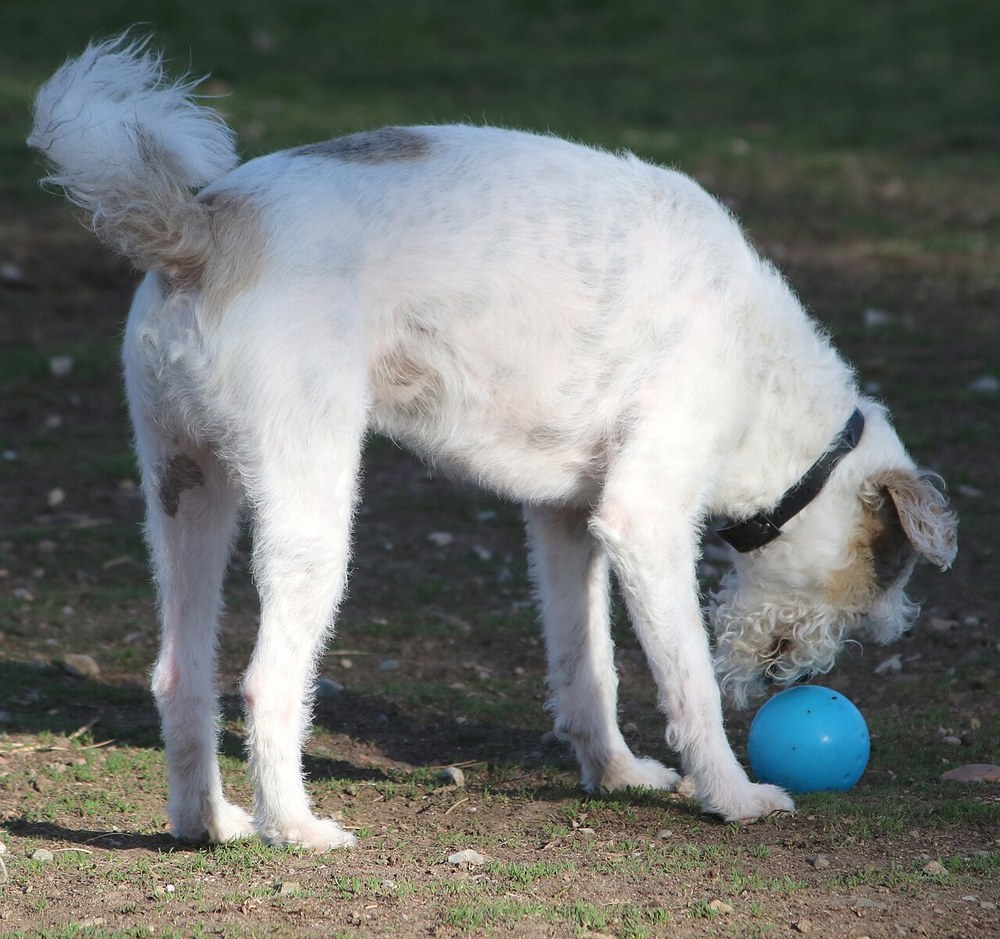
A Wheaten at a show in Rybnik, Poland (modern photograph). The silky coat is the breed’s trademark.
Ireland, farm dog → ratter and yard dog
The poor man’s dog
Public breed histories describe the Wheaten as an Irish farm terrier kept by people who could not own hunting dogs.
It had to be useful, friendly with the family and tough enough for farm work.
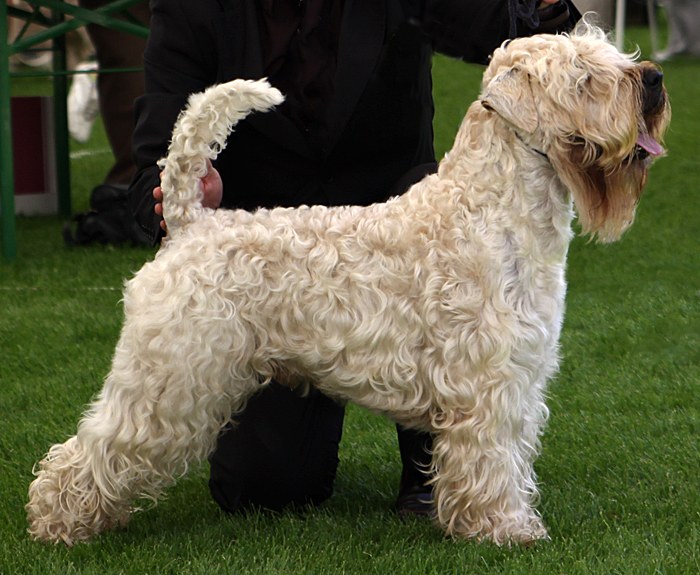
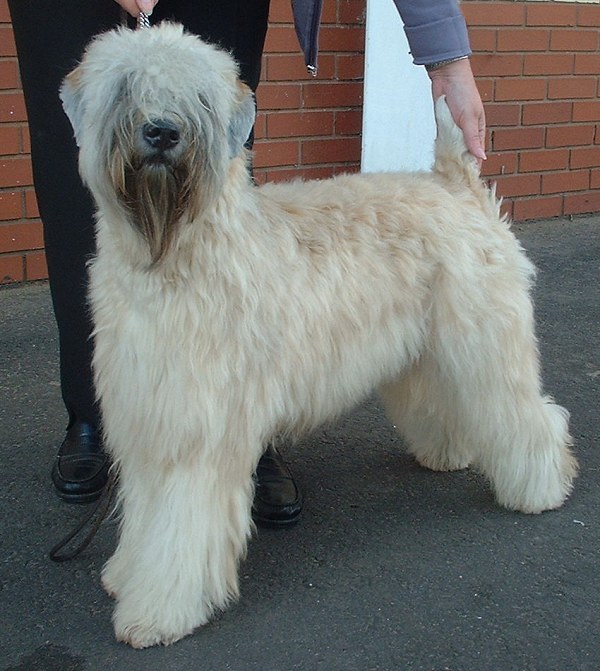
A Wheaten in show pose (modern photograph). Show trims shape the coat, but the dog underneath is the same.
1937 recognition → family companion
Recognised late, loved widely
The Irish Kennel Club recognised the breed in 1937. It later became popular in Britain and North America.
Today Wheatens are family dogs. Meet the parents and watch how they greet people.
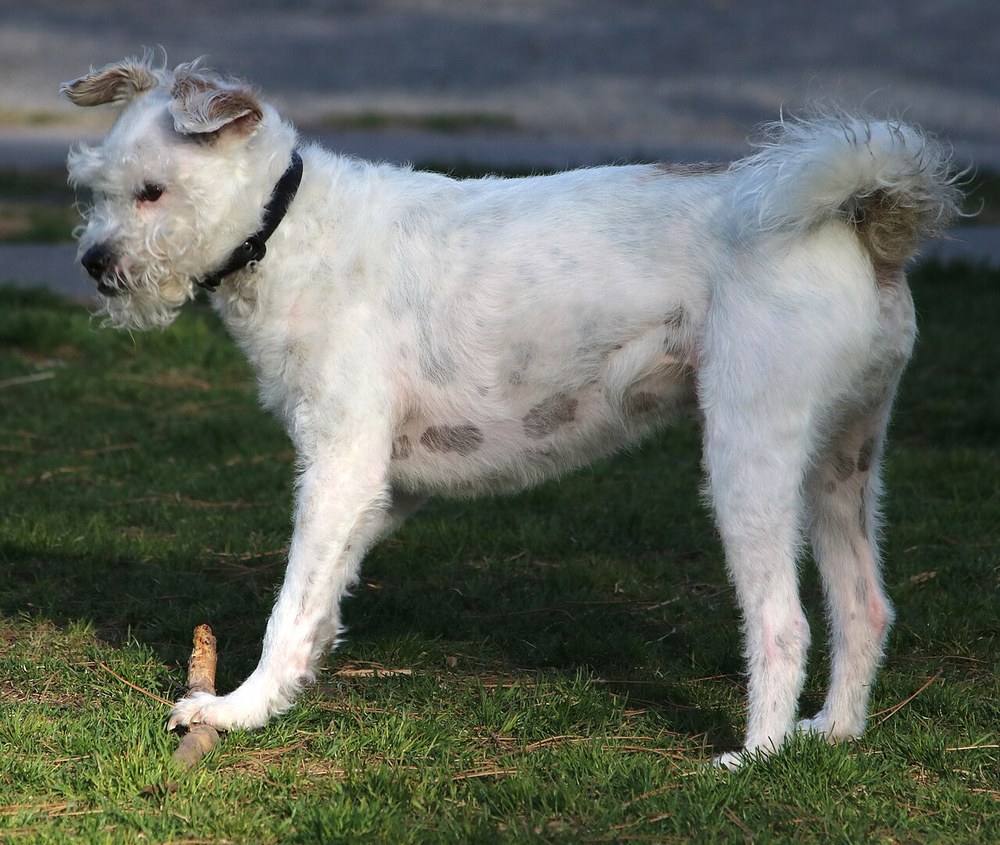
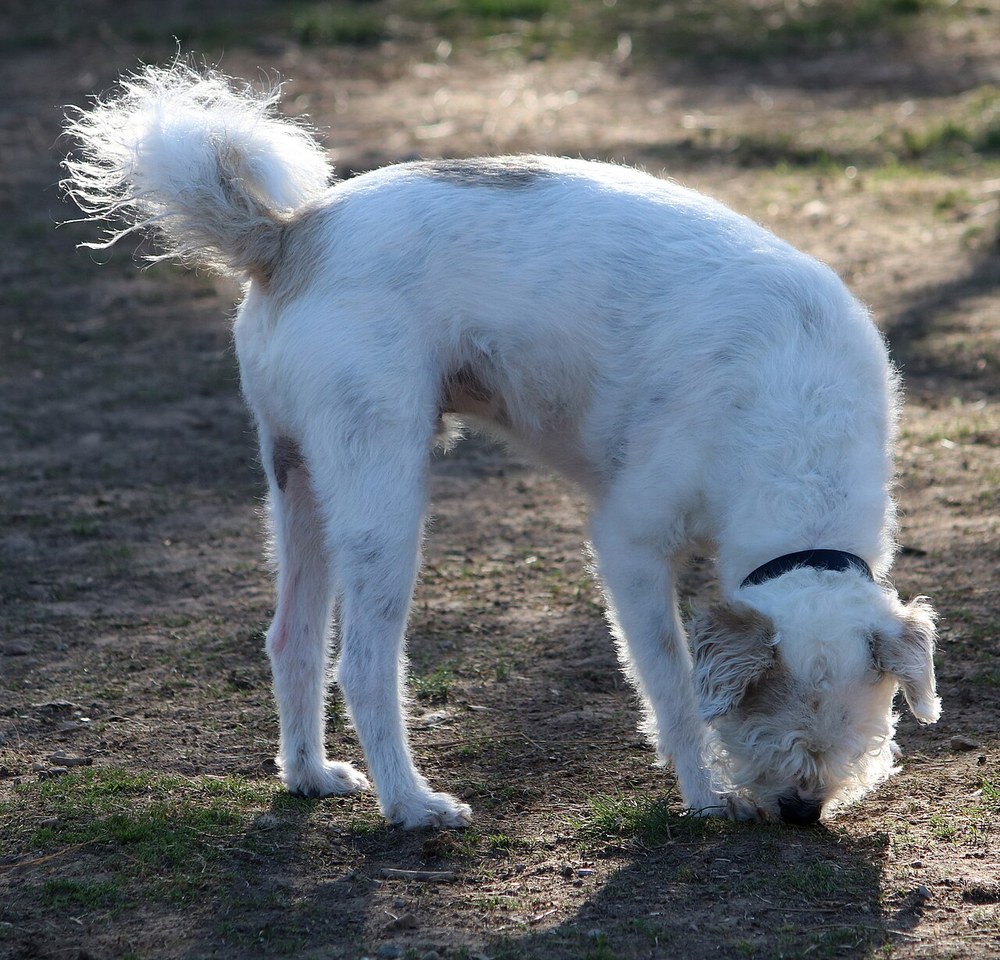
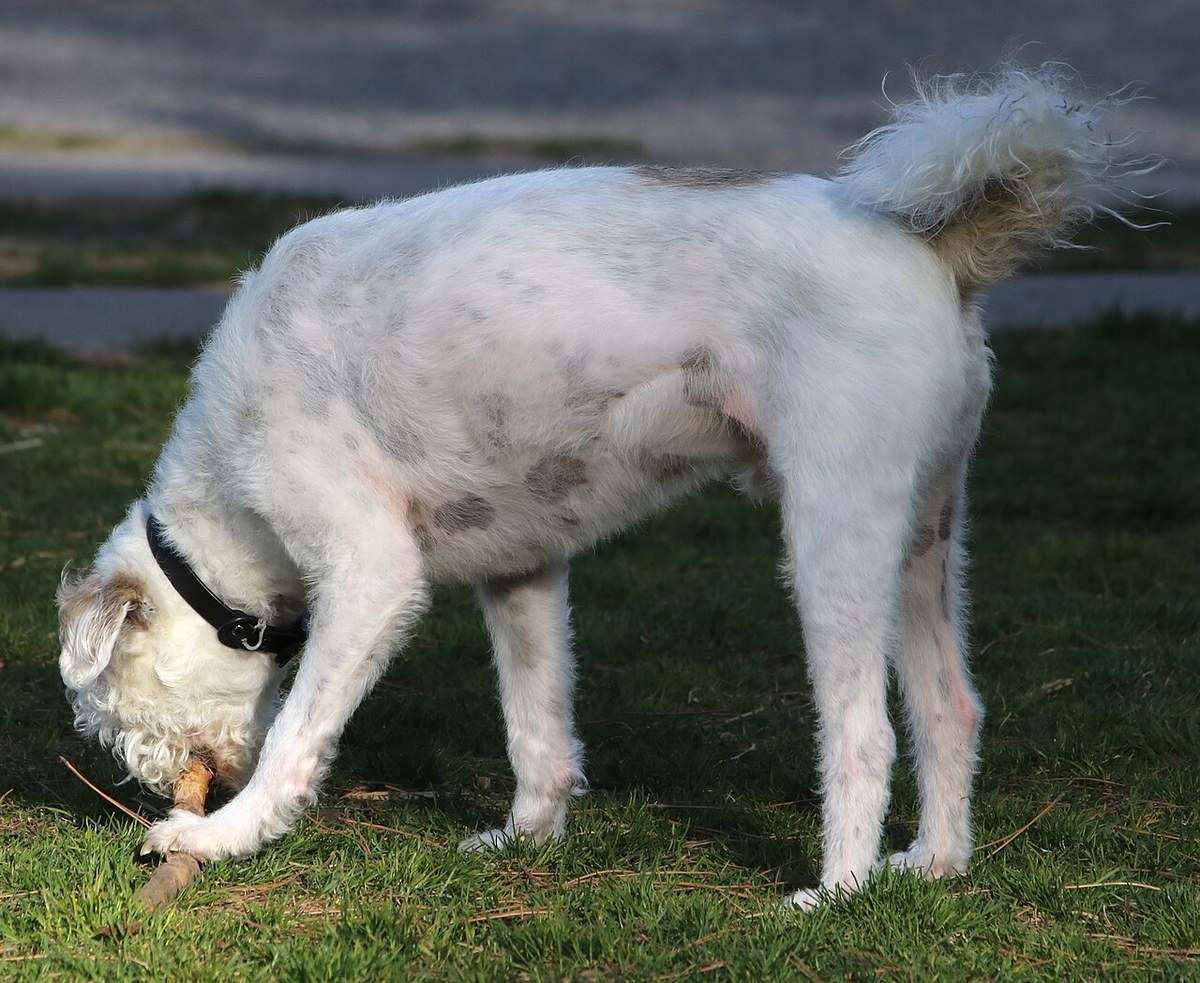
A Wheaten in a short pet clip with a stick (modern photograph). Many owners keep the coat short for easier care.
What the breed was bred for
Bouncy, loving and playful
In plain trainer language: Wheatens adore people and greet them with full-body joy.
The hard parts are jumping up, pulling on the lead, chasing and keeping the coat free of mats. Calm greeting practice and a daily brush help most.
A trainer’s checklist, not veterinary advice. See a vet for vomiting, diarrhoea, weight loss, drinking more or low energy. For urgent signs, see
when to call the vet.
Coat
Brush and comb right to the skin daily or most days; trim every 6–8 weeks.
Ears
Check for hair build-up, smell or redness.
Weight
Measure meals and count training treats.
Appetite and thirst
Notice changes in eating, drinking or toilet habits.
Health screening (not a diagnosis)
Ask the breeder which screenings the national breed club recommends and see results for both parents.
Toxins
I do not publish toxin amounts. Call a vet or poison-control line if the dog eats something dangerous.
Lines and types
Irish and heavier coat types
Breeders often talk about the silkier Irish coat and the fuller, heavier coat seen in many show dogs.
Irish coat
Silky, wavy, lighter coat.
Mats less easily.
Still needs regular brushing.
Same needs.
A flowing, natural look.
Heavier coat
Thicker, fuller coat.
Mats more easily.
Needs daily brushing.
Same needs.
A fuller, sculpted show look.
Socialization windows
What to introduce — and what not to overload — by age
AVSAB-aligned in spirit: short, clean exposures at a distance the puppy can still eat,
with hygiene while vaccines finish. See the
puppy socialization schedule.
8–16 weeks
Brush and greet
Introduce: daily short brushing, four-paws greetings, toilet routine.
“With a Wheaten, I teach the greeting first. We build four-paws-down hellos, loose-lead walks and easy brushing — because a joyful dog still needs manners.”
Sessions cover real scenes: jumping on guests, pulling on the lead, chasing, and wriggling during brushing. I am a trainer, not a veterinarian. No invented reviews.
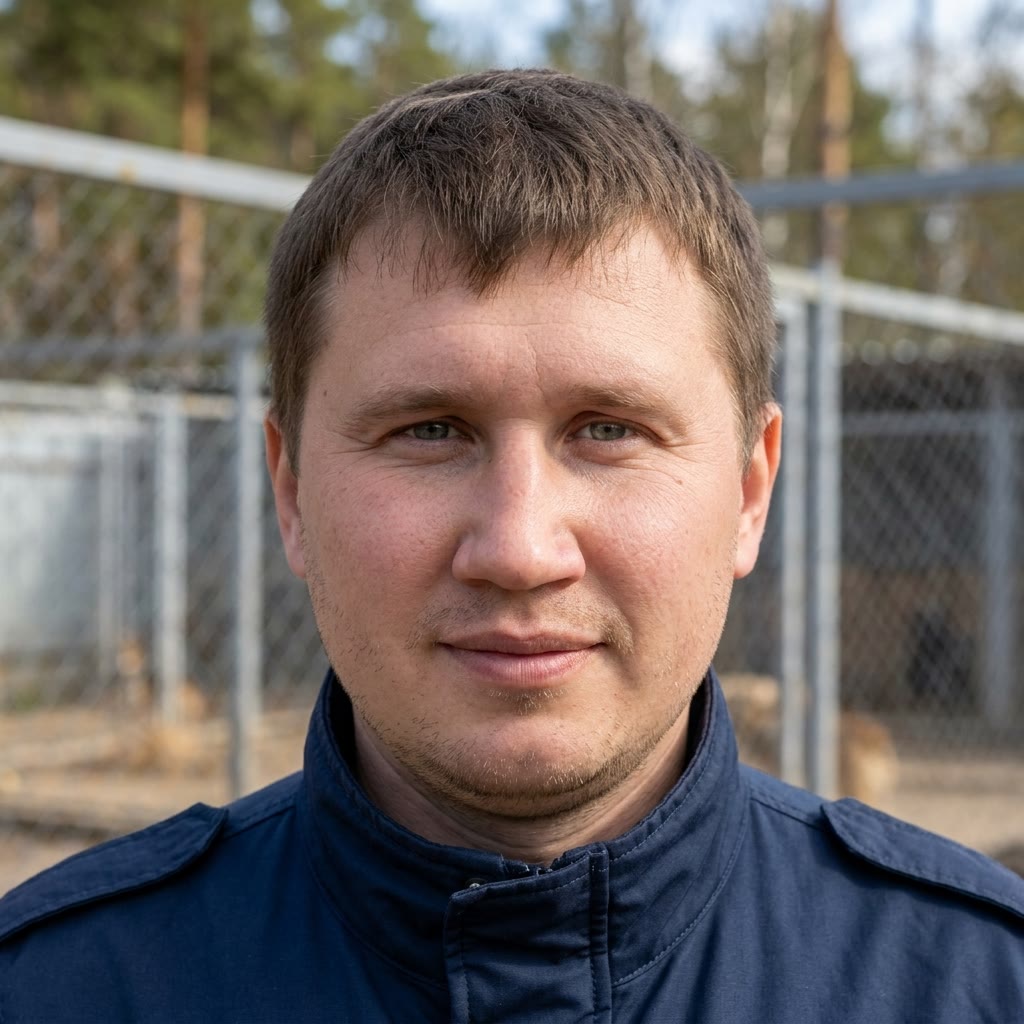
Andrew DarovProfessional dog trainer and instructor
Describe age, living setup, and where the dog breaks first — jumping on guests, pulling on the lead, chasing, or wriggling during brushing. Opens WhatsApp to Andrew.
A strong, clownish English terrier with an egg-shaped head that needs daily play, calm dog introductions and patient training.
Need a read on your exact situation?
Describe your Soft Coated Wheaten Terrier’s age and the scene that repeats most: jumping on guests, pulling on the lead, chasing, or wriggling during brushing. We check safety first, then pick the first skill.
Written by Andrew Darov, professional dog trainer. Not veterinary advice and not a diagnosis.
Not a kennel club. No invented reviews. No vaccine schedules or toxin doses. Photo credits in
/images/breeds/soft-coated-wheaten-terrier-guide/credits.md.