
Show ring → city and family homes
A favourite small companion
Westies were shown as a breed from the early 1900s and became one of the best-known small terriers.
Meet the parents and see their barking, confidence and skin and coat condition.
West Highland White Terrier · Terrier
The West Highland White Terrier is a small, white Scottish terrier with a rounded head and a cheerful attitude. Most are friendly, confident and curious. Life goes well with daily walks, door manners, regular coat and skin care and supervision near small pets.
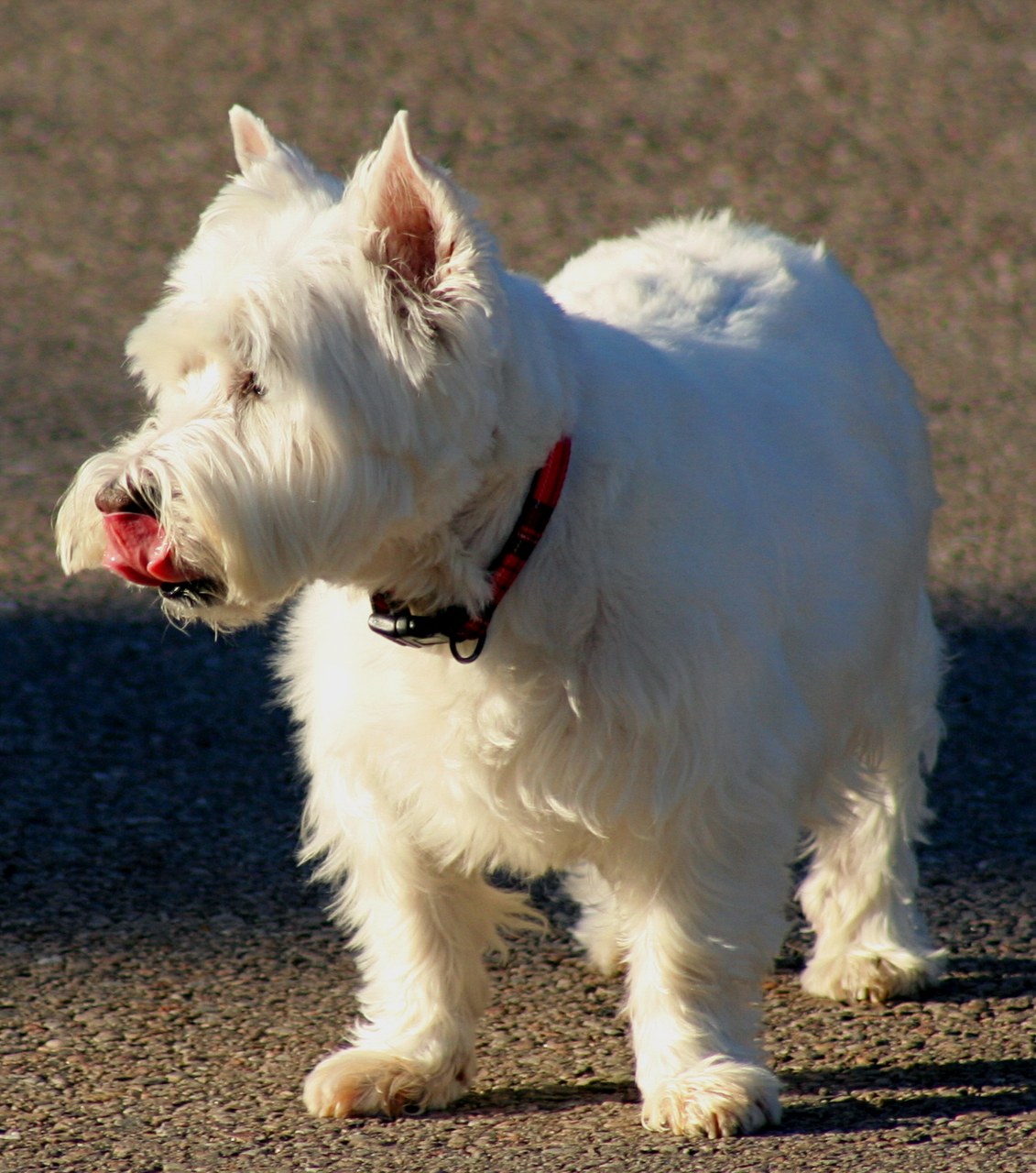
First, the point
Public breed histories describe a white Highland terrier from Argyll, bred to hunt foxes and vermin.
Most Westies are outgoing and fun. Typical struggles are barking, digging, chasing and skin and coat care.
In the first months I teach handling, brushing, quiet at the door and recall games.
Breed history
Westies come from the rough terriers of the western Highlands. Breed stories say white dogs were favoured so hunters would not mistake them for foxes. The result is a cheerful, confident little dog with a keen hunting streak.
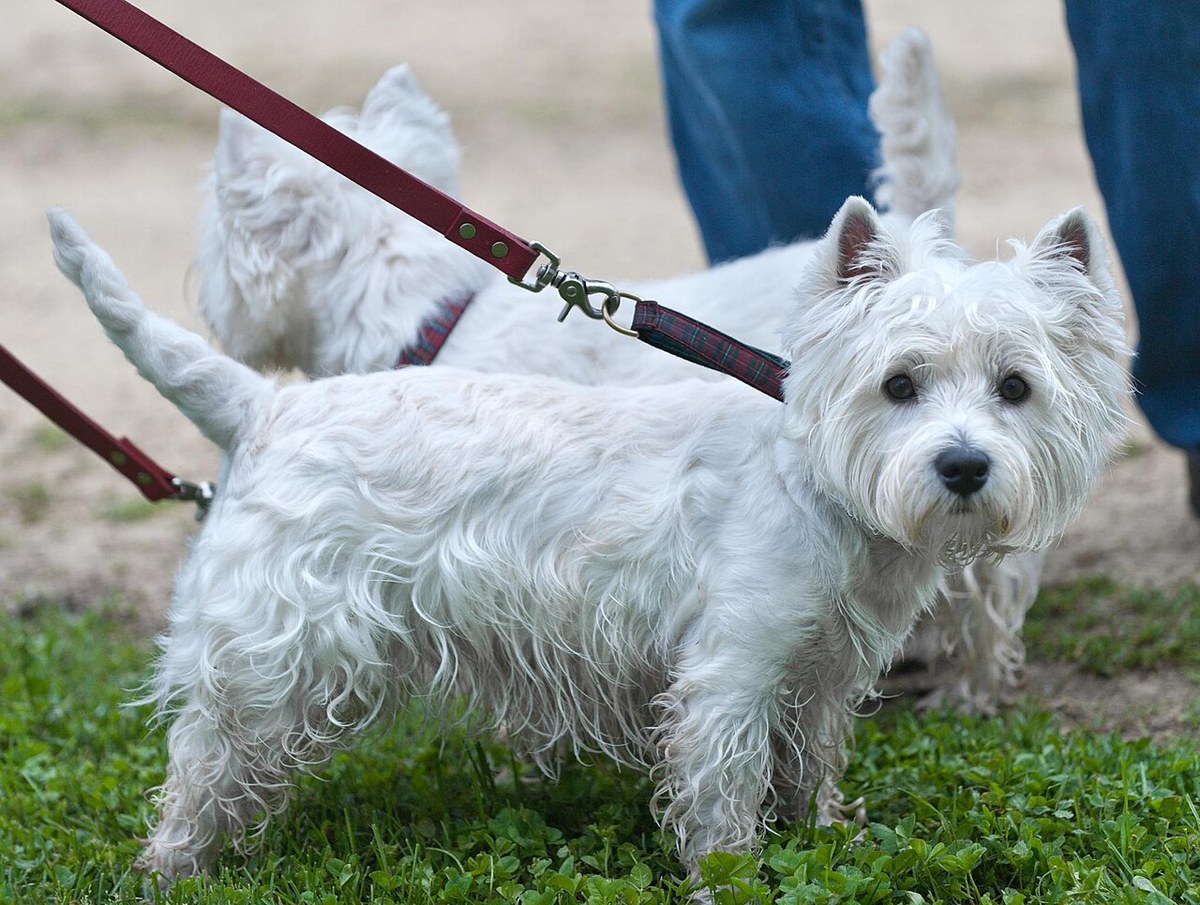
Argyll, western Scotland → white vermin terrier
Public breed histories link the Westie to the Malcolm family of Poltalloch in Argyll, who bred white terriers for hunting.
A white dog was easy to see on the hillside. That story is often told, and the white coat stuck.
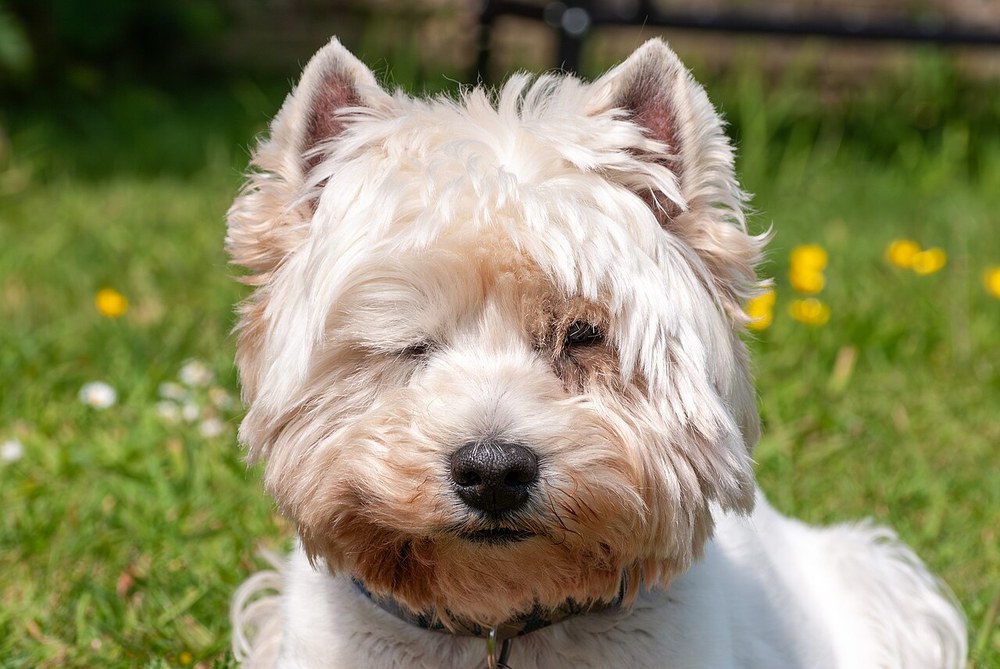
Show ring → city and family homes
Westies were shown as a breed from the early 1900s and became one of the best-known small terriers.
Meet the parents and see their barking, confidence and skin and coat condition.
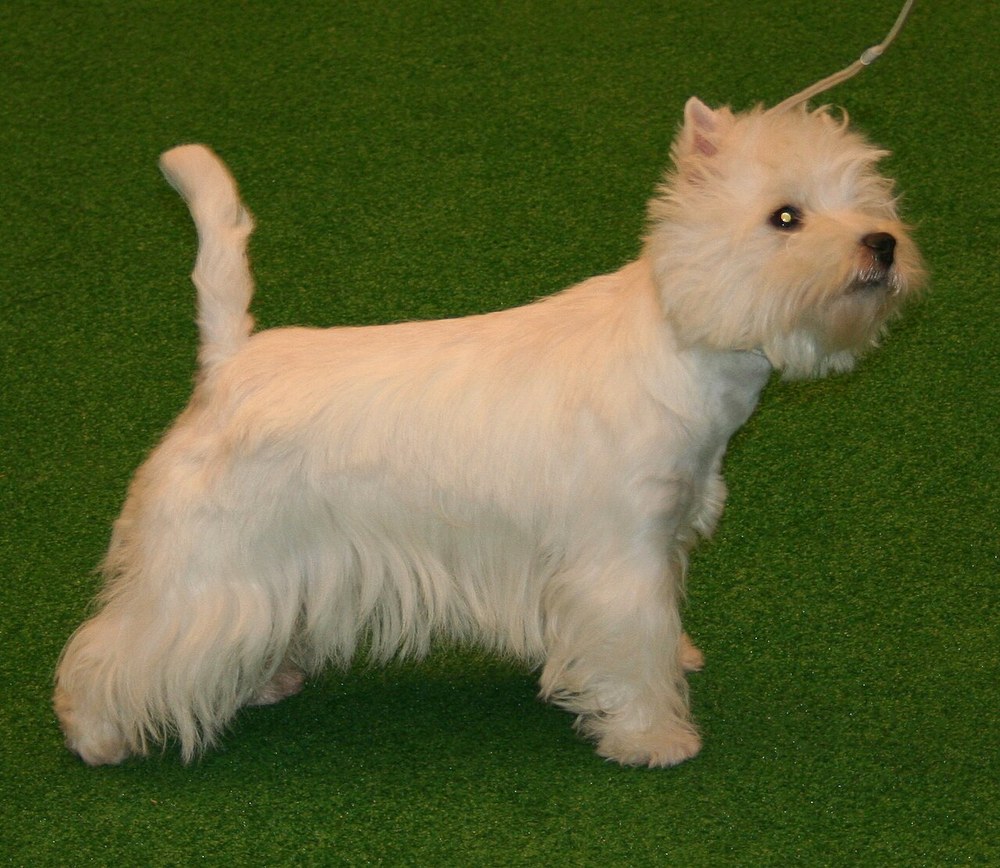
What the breed was bred for
In plain trainer language: Westies are friendly, self-assured and happy to be involved in family life.
The harder parts are barking, digging, chasing small animals and keeping the white coat and skin in good shape. Walks, door manners and regular grooming help most.
Public references: FCI 85, AKC West Highland White Terrier, RKC.
Life together
Westies fit city and country life if they get walks, play and a chance to explore.
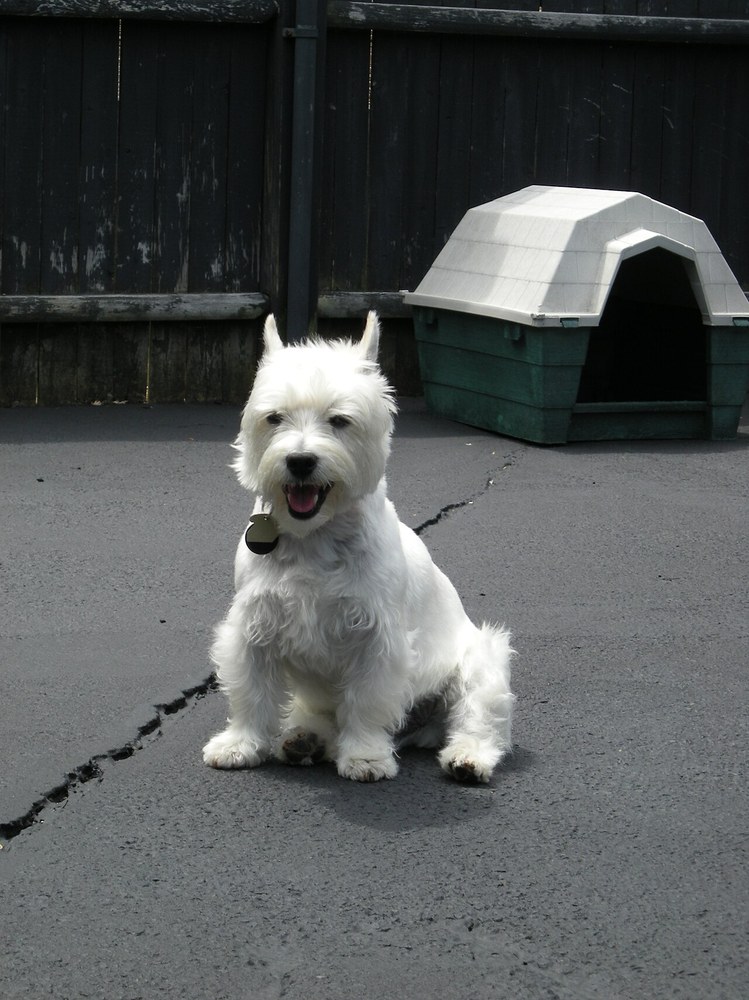
Westies love to patrol. Teach a calm response to noises.
See window barking.
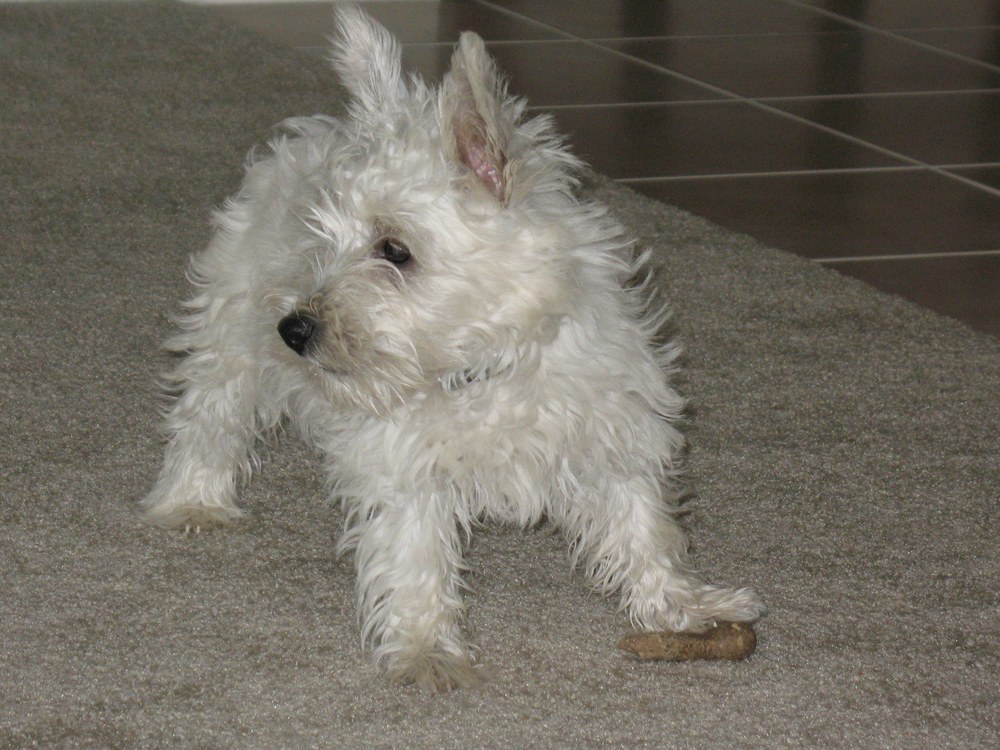
Many Westies enjoy another dog when meetings are planned.
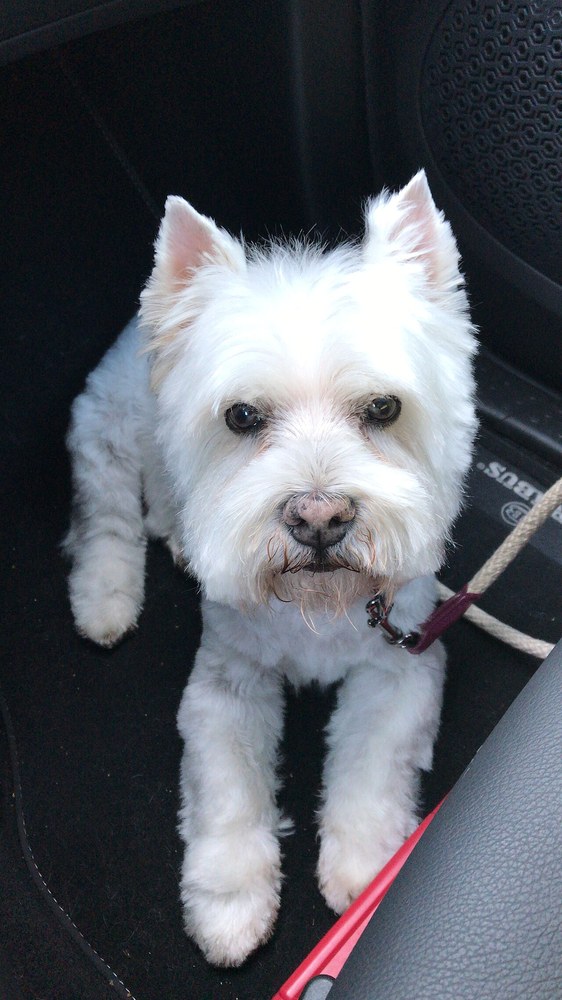
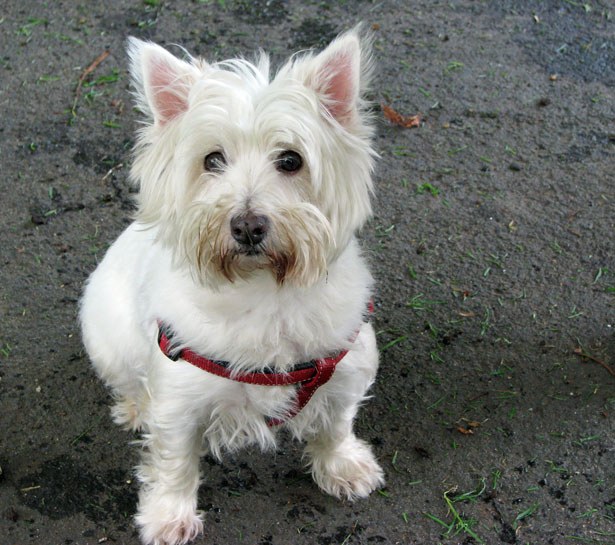
A harness and loose-lead walking make walks pleasant.
See loose-leash walking.
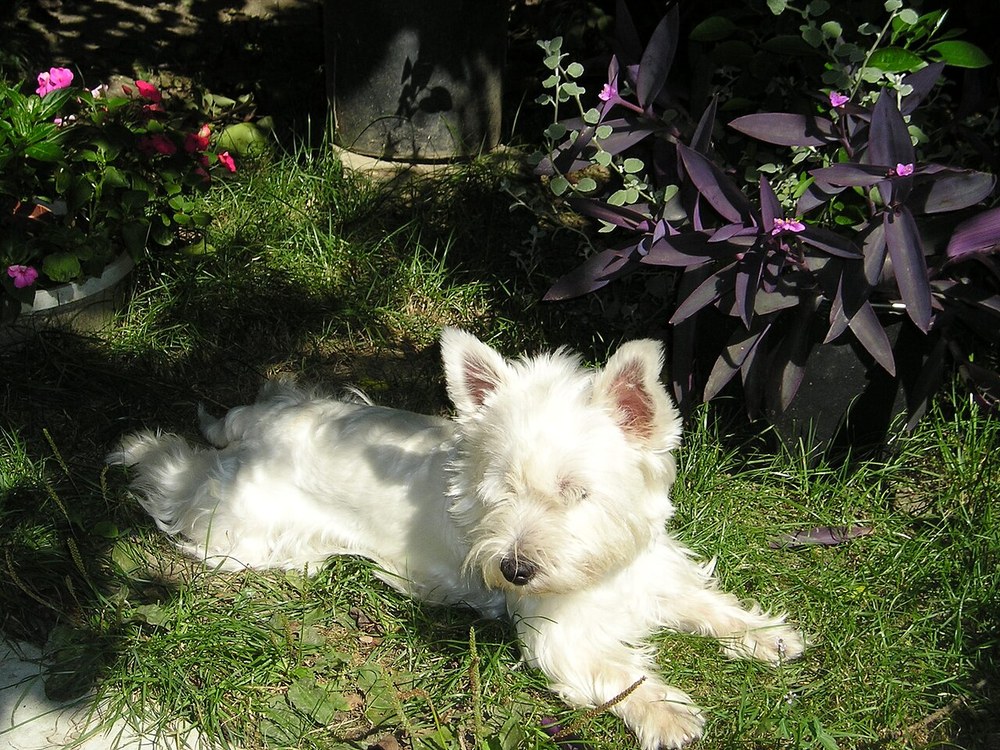
Care and health themes
A trainer’s checklist, not veterinary advice. See a vet for itching, chewing paws, red skin or low energy. For urgent signs, see when to call the vet.
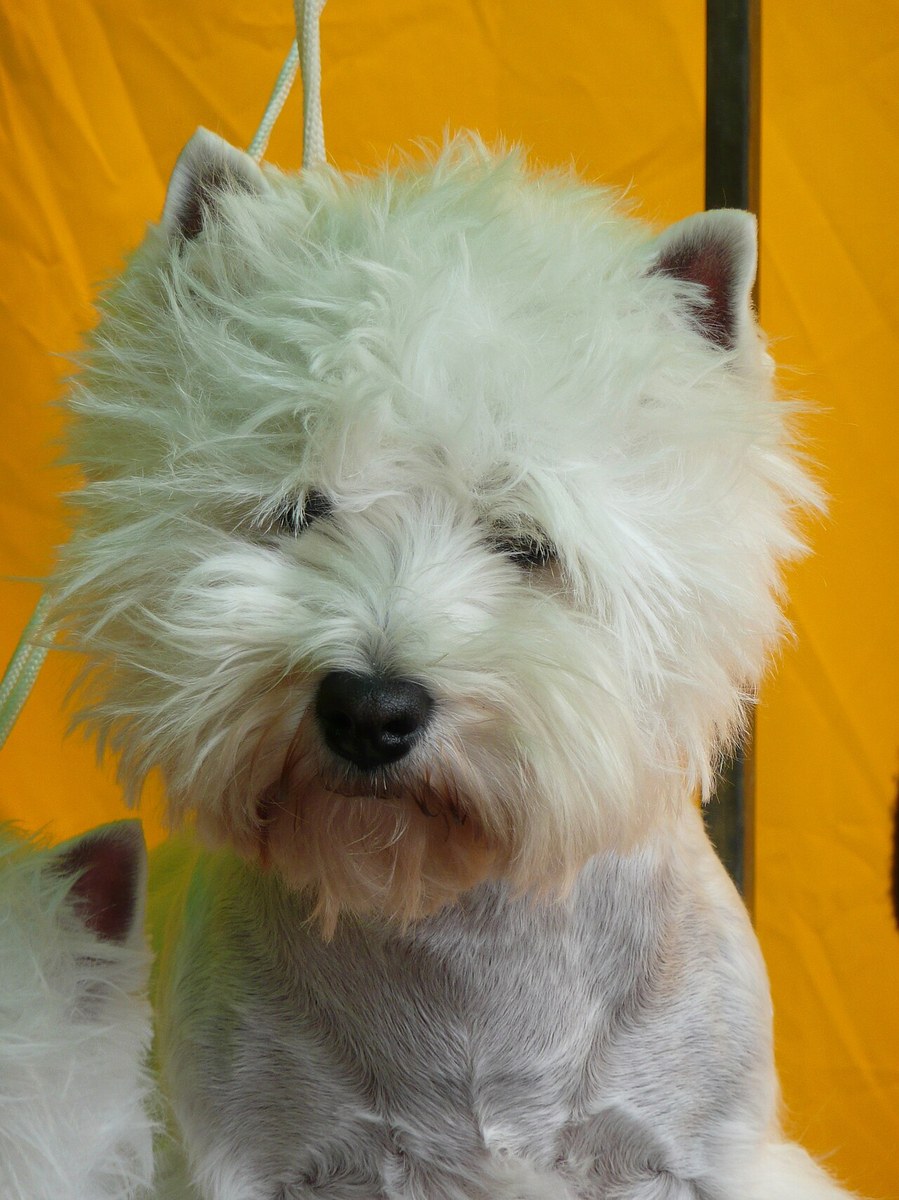
Look for redness, itching or paw licking; see a vet early.
Brush a few times a week; hand-strip or trim regularly.
Check for smell, redness or scratching.
Measure food; small dogs gain fast.
Ask the breeder which screenings the national breed club recommends and see results for both parents.
I do not publish toxin amounts. Call a vet or poison-control line if the dog eats something dangerous.
Lines and types
All Westies are white. The main difference between dogs is how the coat is kept.
The traditional look.
A practical family look.
Socialization windows
AVSAB-aligned in spirit: short, clean exposures at a distance the puppy can still eat, with hygiene while vaccines finish. See the puppy socialization schedule.
Introduce: brushing, ear and paw handling, toilet routine.
Do not overload: rewarding barking.
Introduce: mat at the door, recall games, short absences.
Do not overload: chasing cats.
Introduce: scent games, dig box, loose-lead walks.
Do not overload: garden holes.
Introduce: longer walks, earthdog or agility.
Do not overload: trusting recall near roads.
Introduce: refreshed door manners.
Do not overload: skipped skin checks.
Before you buy
A Westie suits people who want a cheerful, sturdy small dog and can keep up with coat and skin care.
Good match
Mismatch risk
If you are torn between breeds
Westies are compared with Cairns and Scotties, their Highland cousins.
West Highland White Terrier Always white.
Cairn Terrier Wheaten, red, grey or brindle.
West Highland White Terrier Regular; white shows dirt.
Cairn Terrier Weekly brush, less trimming.
West Highland White Terrier Usually friendly.
Scottish Terrier Often reserved.
West Highland White Terrier Small, compact.
Scottish Terrier Lower and heavier.
West Highland White Terrier Strong.
Both compares Equally strong.
Ownership without surprises
Prices vary by country. These are the spending themes, not figures.
Stripping or trims every 6–8 weeks.
Vet visits for itching.
Ask which screenings the national breed club recommends.
Puppy class.
Brushing kit.
Dig-proof base.
With a Westie, grooming and skin care are the regular costs.
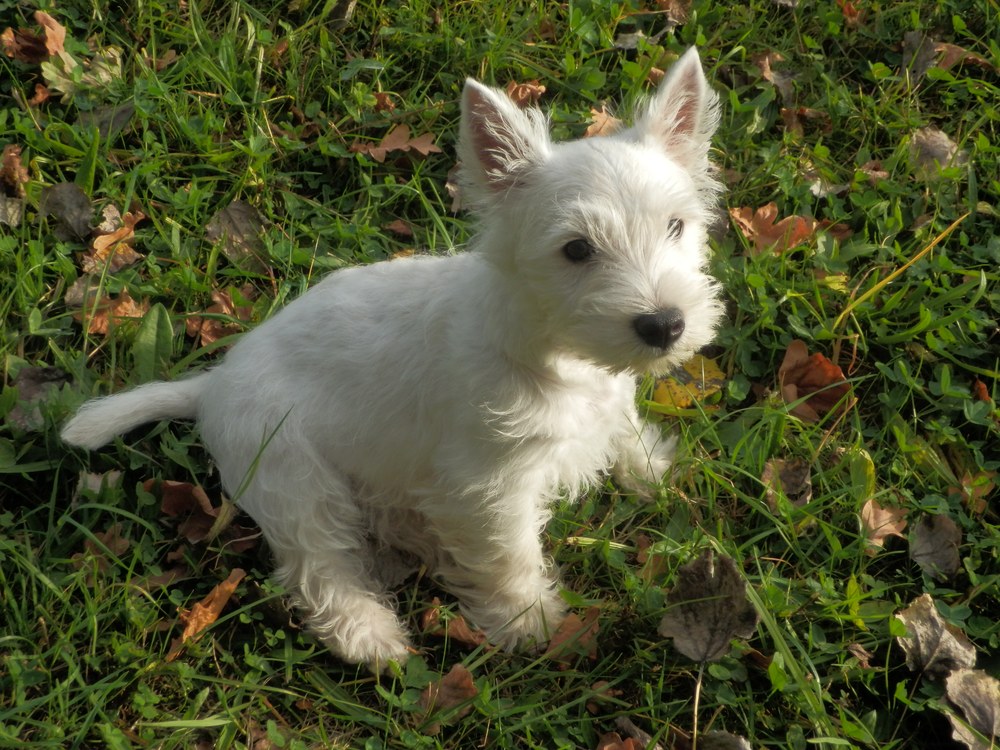
Before day one at home
A Westie puppy is bold and friendly. Start handling, brushing and quiet at the door early.
See puppy handling.
See biting and nipping.
See the name game.
Follow potty training.
See crate training.
If the dog is already yours
Westies are clever and confident, and like a reason to listen.
My core list: quiet at the door, recall, leave it and easy grooming.
Earthdog, scent work and agility give the hunter a job.
Load balance
Daily walks and short games suit most Westies.
Walks, garden patrols, scent games and earthdog suit most Westies.
A Westie with door manners is a happy, easy companion.
Door barking
Thank the first bark, call the dog to a mat and reward quiet.
Reward the dog on it.
One calm word.
Reward quiet.
Friends ring the bell.
Reward calm.
One scene close-up
Westies are alert, confident watchdogs.
Acknowledge the first bark, call the dog to a mat and reward quiet.
Practise with friends ringing the bell before real visitors arrive.
Typical household scenes
A breed page is only a starting point; the fix depends on health, environment, and the dog in front of you. Each row opens a step-by-step guide.
Loud alerts at visitors.
Barks at passers-by.
Digs under fences.
Goes after small animals.
Runs off after scents.
Resists brushing or trims.
Guards toys or food.
Itching, red skin or low energy — vet first.
Practical view
“With a Westie, I build a calm door routine early. We work on quiet at the door, recall and easy grooming — because a confident little dog needs a clear job.”
Sessions cover real scenes: barking at the door or window, digging, chasing, and resisting grooming. I am a trainer, not a veterinarian. No invented reviews.
Describe age, living setup, and where the dog breaks first — barking at the door or window, digging, chasing, or resisting grooming. Opens WhatsApp to Andrew.
Short answers
If you want a small white companion with less digging and chasing, consider this one.
A small, bold English working terrier that needs daily exercise and training games, secure fencing and careful recall training.
A small, bearded German farm dog — alert, clever and sociable — that needs a calm door routine, regular trims and measured meals.
A tiny, bold terrier from northern England with a silky coat that needs calm door routines, grooming and house training.
Gentle, affectionate toy companion with a white coat.
Other guides from the same group in the breed library. Same group does not mean same dog: read the fit and the failure modes, not only the outline.
A lively, confident English fox terrier with a wiry coat that needs daily exercise, recall practice and regular coat stripping.
The largest terrier, from Yorkshire — clever, playful and independent — that needs daily exercise, patient training and regular coat care.
A fast Northumberland terrier in a lamb coat. Needs safe chase and dig outlets, leash manners and regular grooming.
A small, tough and friendly working terrier from the Scottish border that needs daily walks, recall practice and a hand-stripped coat.
A strong, clownish English terrier with an egg-shaped head that needs daily play, calm dog introductions and patient training.
A small, shaggy Highland terrier — brave, busy and affectionate — that needs a digging outlet, door manners and weekly brushing.
Describe your West Highland White Terrier’s age and the scene that repeats most: barking at the door or window, digging, chasing, or resisting grooming. We check safety first, then pick the first skill.
Written by Andrew Darov, professional dog trainer. Not veterinary advice and not a diagnosis.
Not a kennel club. No invented reviews. No vaccine schedules or toxin doses. Photo credits in
/images/breeds/west-highland-white-terrier-guide/credits.md.