Scottish Terrier: temperament, training & independent earthdog
The Scottish Terrier is a short-legged, bearded Highland terrier with a dignified, independent mind. Most are loyal to their family and reserved with strangers. Life goes well with respectful training, calm dog introductions, regular coat care and steady daily walks.
Job: Highland den terrier for foxes and badgers.
Energy: Moderate; steady daily walks.
Home: Best with calm owners who like an independent dog.
Wiry double coat — weekly brush and regular stripping or clipping
Job
Highland den terrier for foxes and badgers
Breed history
The Aberdeen terrier that went to ground
Scottish Terriers were once called Aberdeen terriers. Highland farmers kept them to tackle foxes and badgers in their dens, so the breed grew short-legged, deep-chested, brave and very sure of its own opinion.
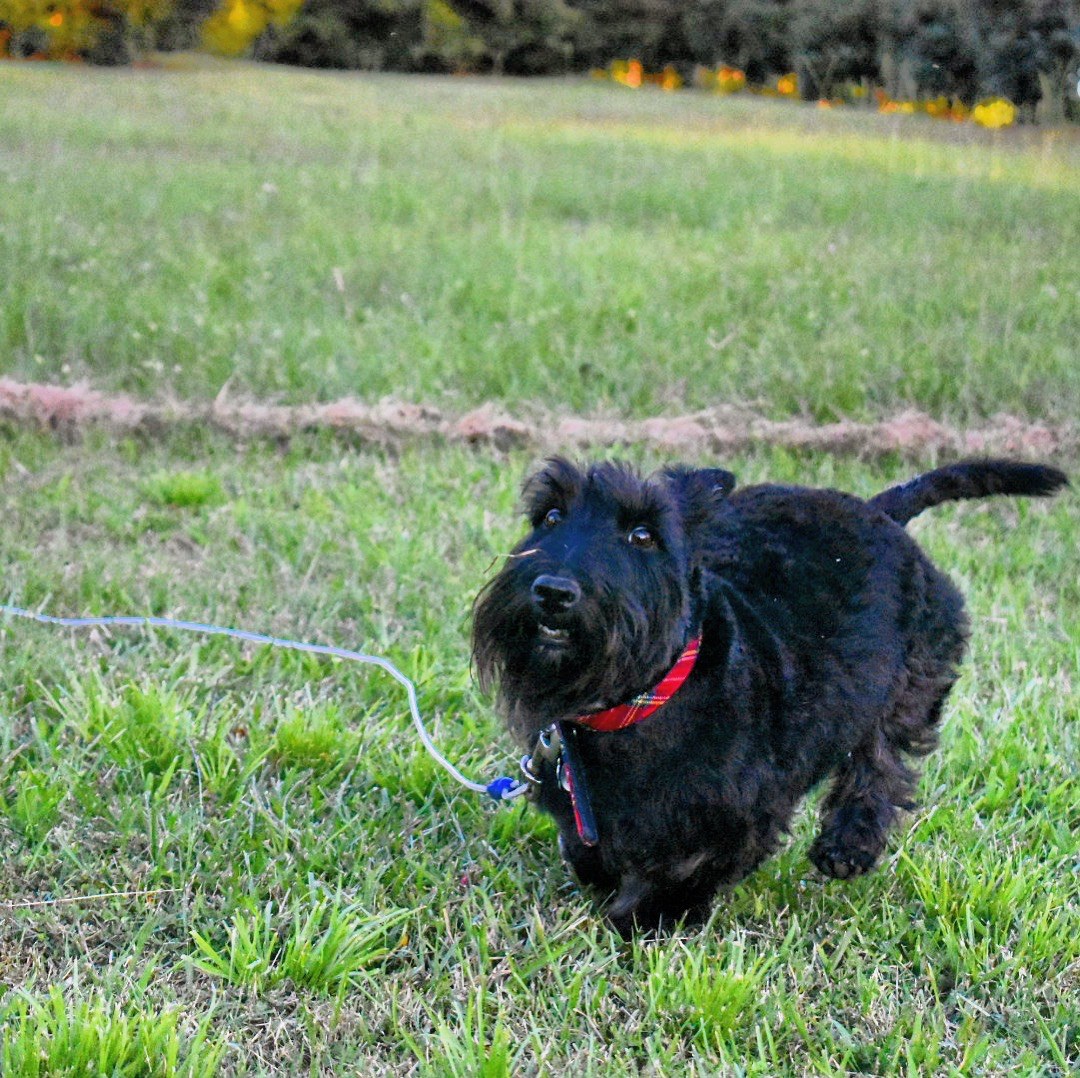
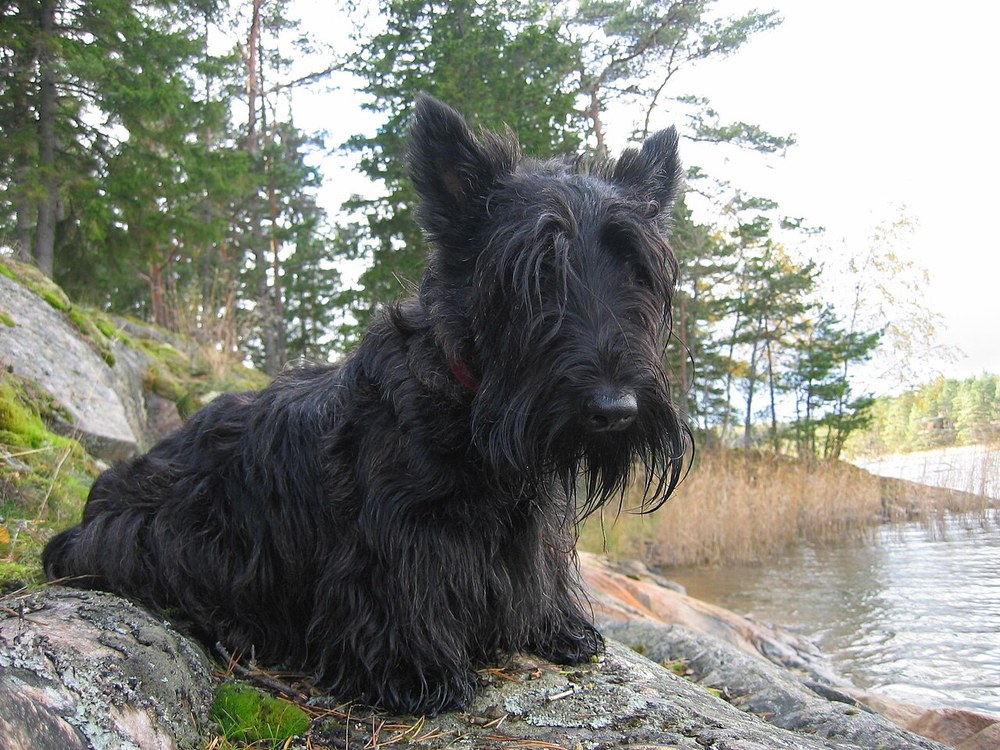
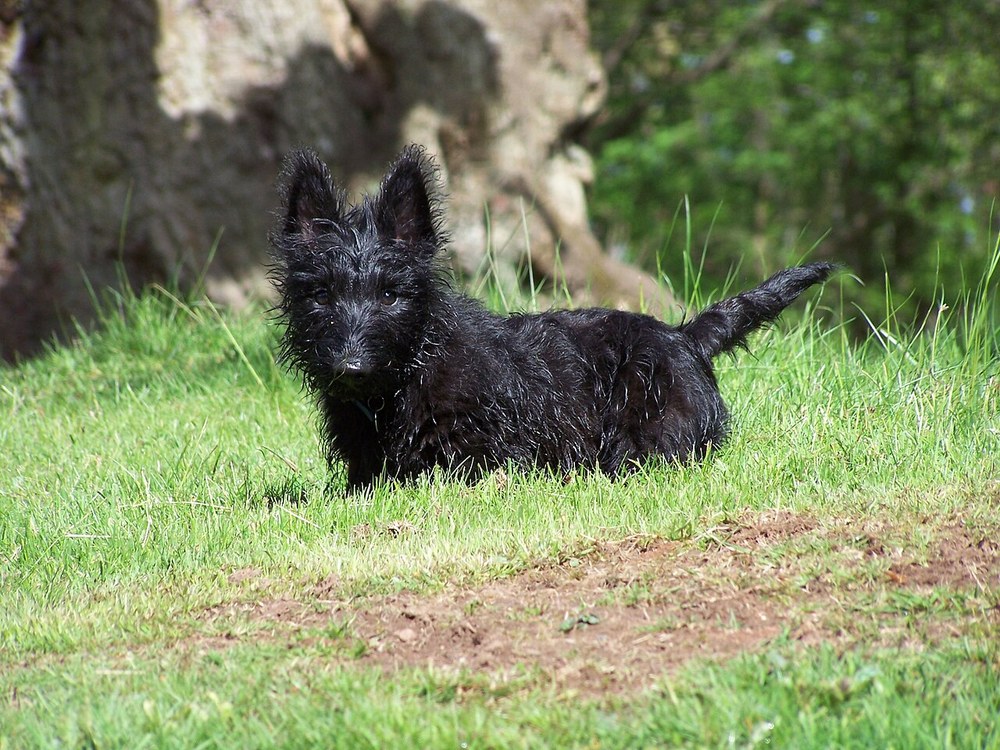
A Scottie running on grass (modern photograph). Short legs, but plenty of speed for a sprint.
Scottish Highlands, 1800s → den terrier
Small body, serious job
Public breed histories describe rough-coated Highland terriers sorted into separate breeds during the 1800s. The Scottie was one of them.
A dog that faces a badger underground has to be stubborn and fearless. That is the dog you live with today.
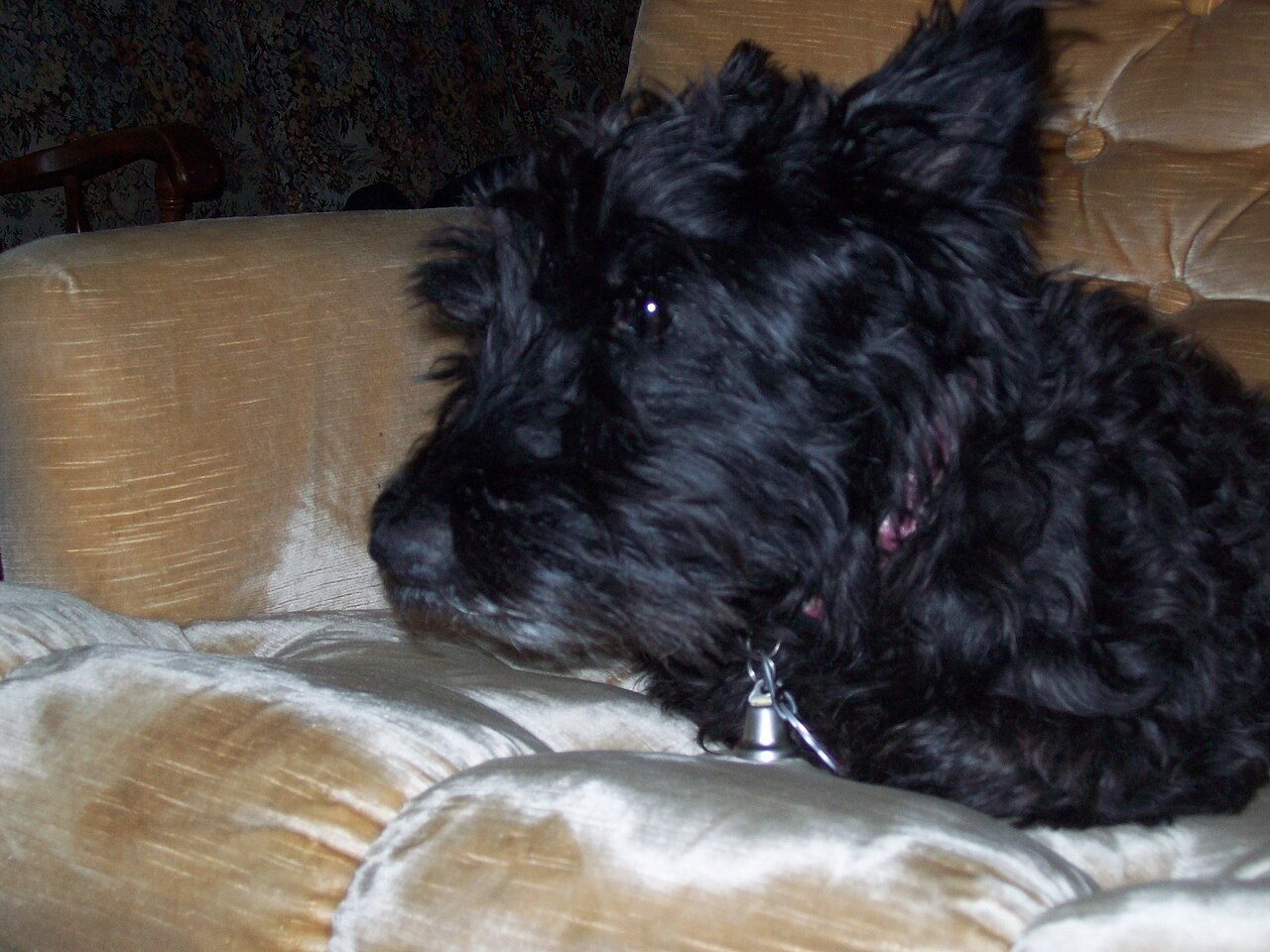
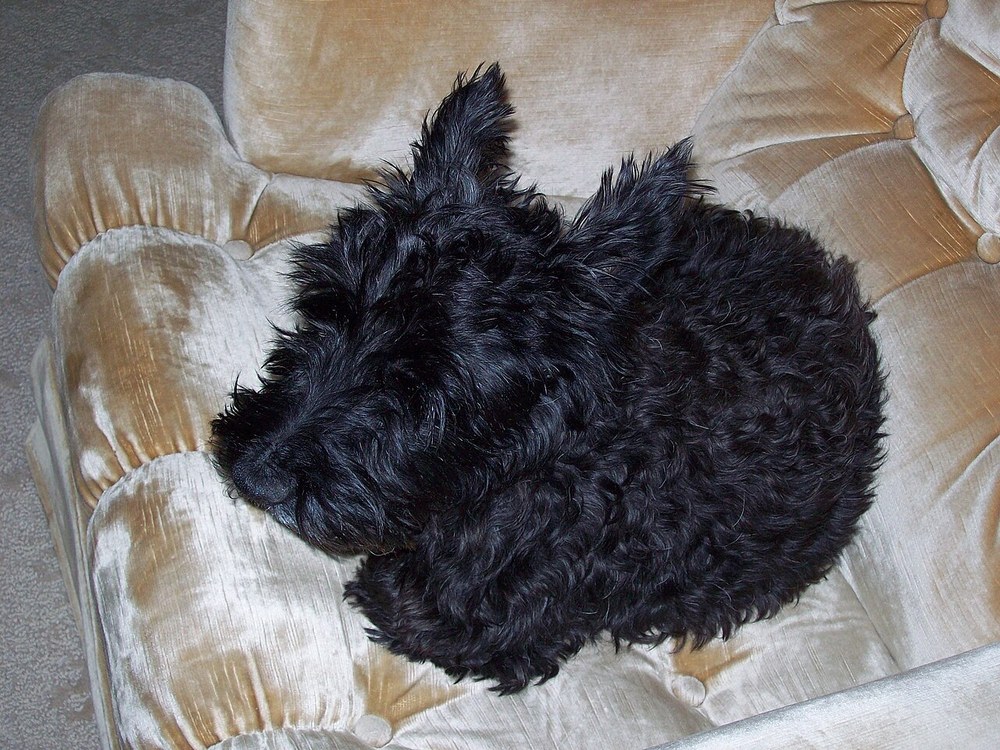
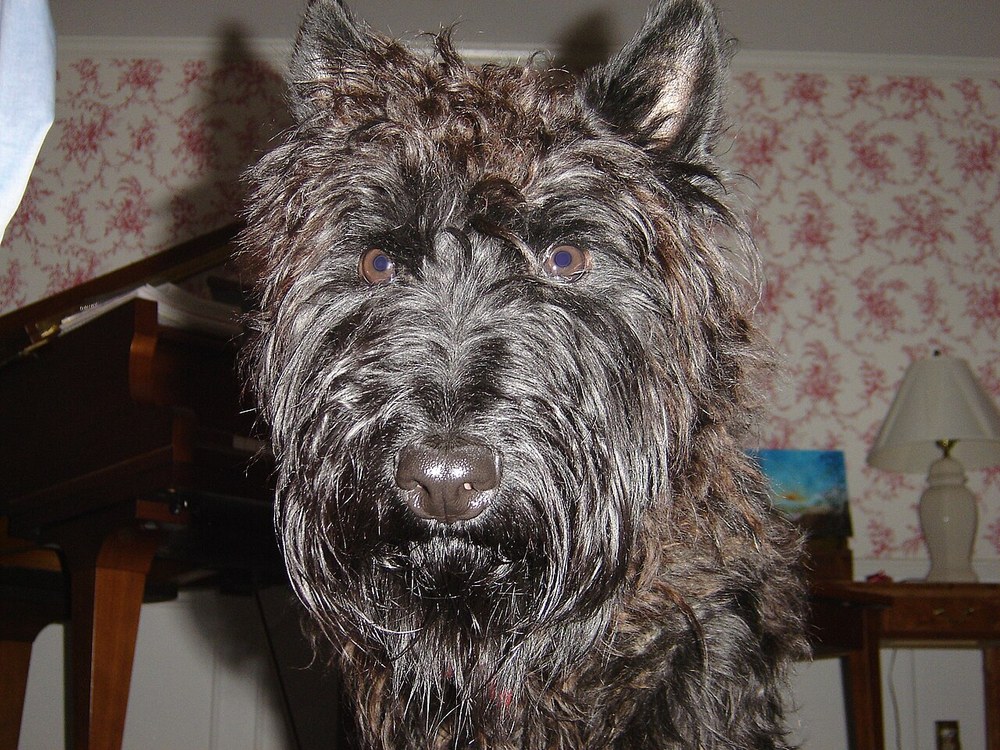
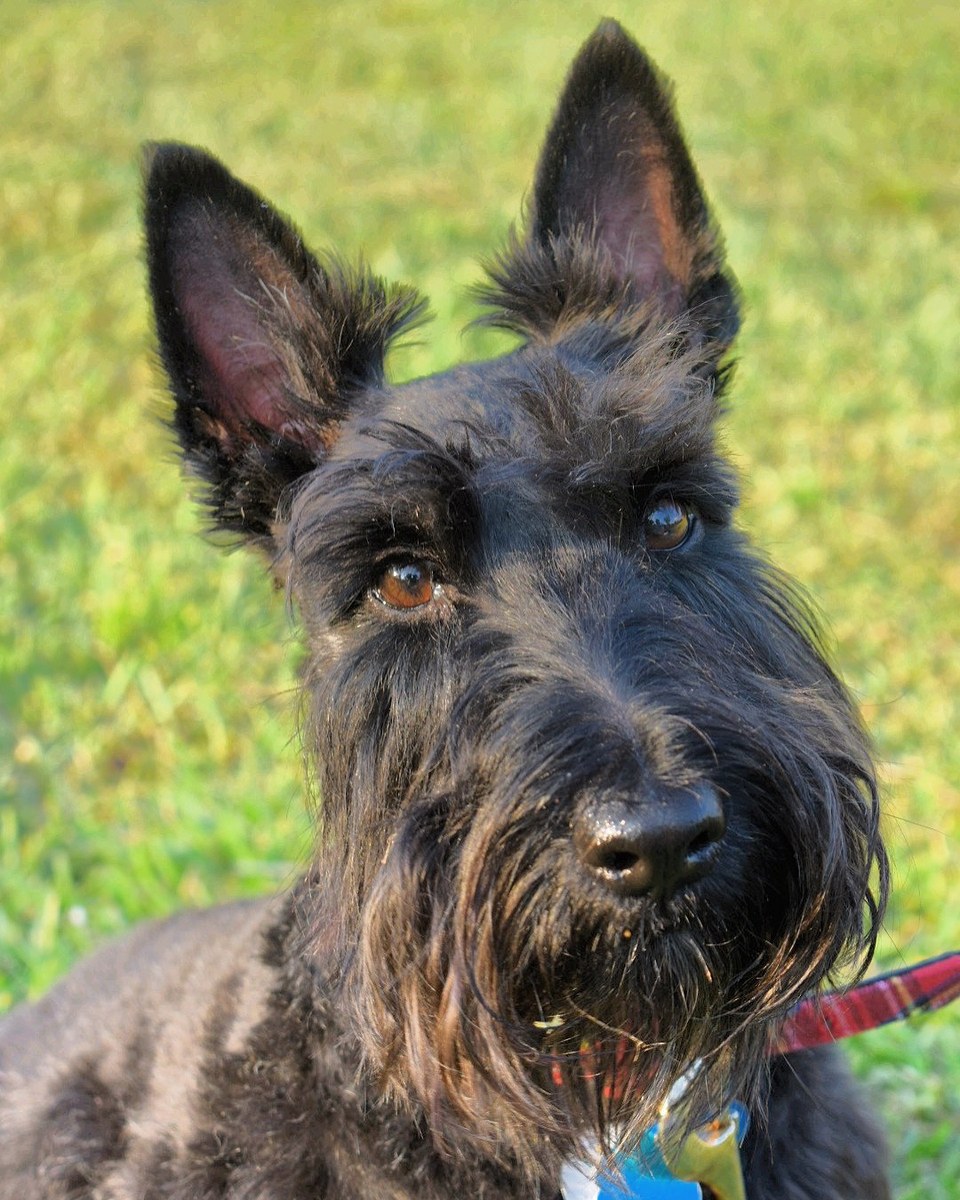
Putter, a ten-year-old Scottie, at home (modern photograph). Many older Scotties take their sofa time seriously.
Show ring → White House and family homes
A dog with famous owners
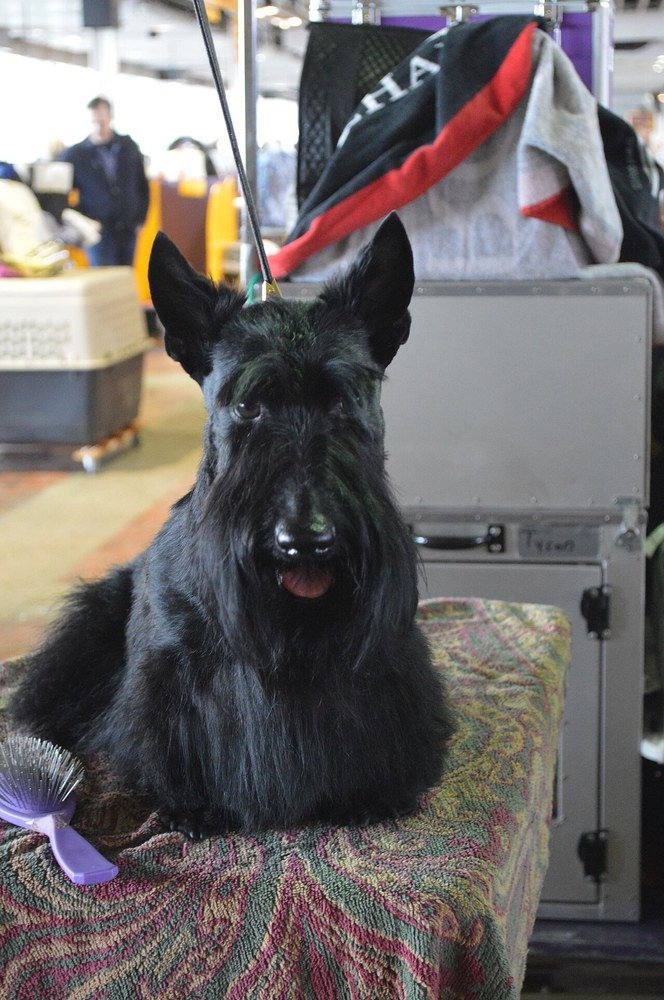
Breed standards were written in the late 1800s. Fala, President Franklin D. Roosevelt’s Scottie, made the breed famous in America.
Today most Scotties are house dogs. Meet the parents and notice how they react to strangers and other dogs.
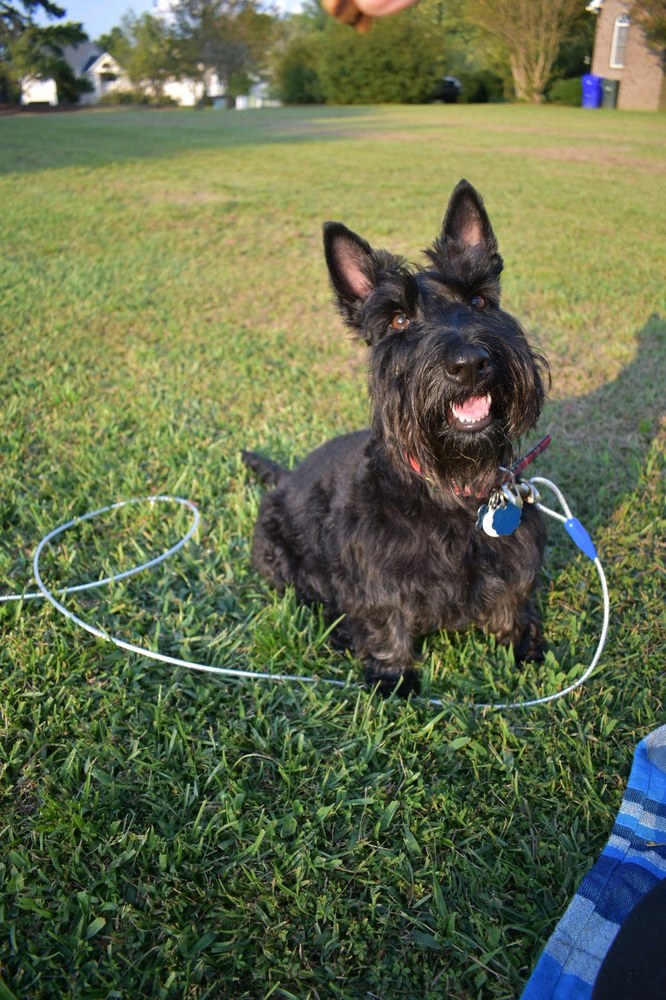
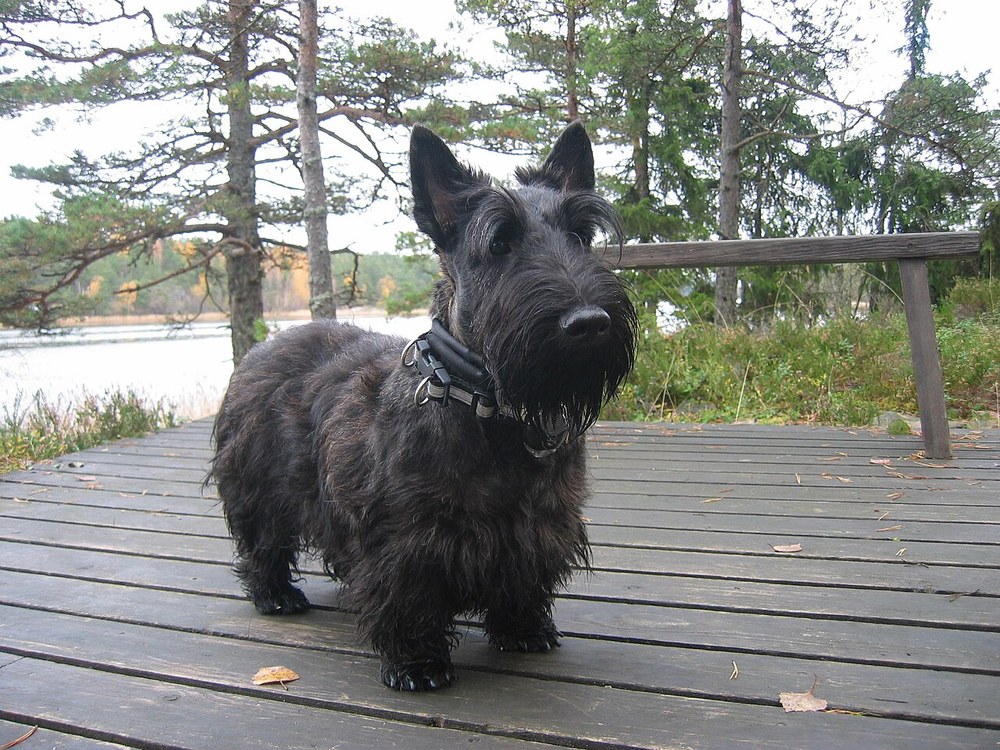
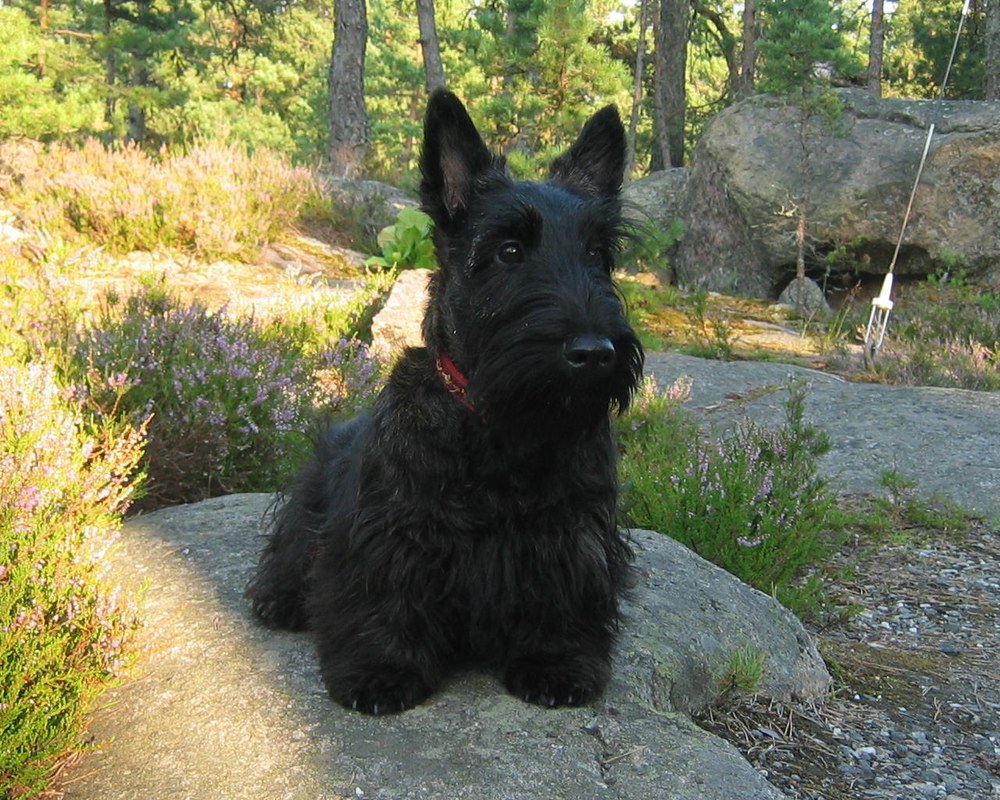
A happy Scottie on a lead (modern photograph). Black is the best-known colour, but wheaten and brindle exist too.
What the breed was bred for
Dignified, loyal and independent
In plain trainer language: Scotties bond deeply with their own people and are often reserved with everyone else.
Owners usually find digging, stubbornness, tension with other dogs and dislike of rough handling hardest. Respectful, patient training works far better than force.
A trainer’s checklist, not veterinary advice. See a vet for limping, an odd gait, changes in peeing or low energy. For urgent signs, see
when to call the vet.
Coat
Wiry double coat; brush weekly and strip or clip every couple of months.
Skin
Part the coat and look for redness, lumps or itching.
Weight
A short-legged dog carries extra weight badly; measure meals.
Walking
Notice stiffness or an unusual gait after exercise.
Health screening (not a diagnosis)
Ask the breeder which screenings the national breed club recommends and see results for both parents.
Toxins
I do not publish toxin amounts. Call a vet or poison-control line if the dog eats something dangerous.
Lines and types
Black, wheaten or brindle
Black is the colour most people picture, but Scotties also come in wheaten and brindle.
Black
The classic Scottie look.
Greys around the muzzle with age.
Same coat care.
Same needs.
The famous silhouette.
Wheaten or brindle
Pale gold or striped coat.
Often mistaken for other terriers.
Same coat care.
Same needs.
Less common, same dog.
Socialization windows
What to introduce — and what not to overload — by age
AVSAB-aligned in spirit: short, clean exposures at a distance the puppy can still eat,
with hygiene while vaccines finish. See the
puppy socialization schedule.
8–16 weeks
Gentle handling
Introduce: paws, ears and beard handling, toilet routine, crate naps.
Do not overload: rough play from children.
~5–7 months
Guests and recall
Introduce: calm greetings, long-line recall, short absences.
Do not overload: forcing meetings with strangers.
~9–12 months
Stubborn phase
Introduce: short sessions, scent games, a dig box.
Do not overload: tug-of-war over rules.
~1.5 years
Adult routine
Introduce: longer walks, earthdog or tracking.
Do not overload: random dog greetings.
2 years+
Settled adult
Introduce: refreshed handling and recall.
Do not overload: weight creeping up.
Before you buy
Who a Scottish Terrier usually fits
A Scottie suits calm adults who like a loyal, self-possessed dog more than a constant playmate.
Good match
More likely a good fit if you…
Want a dignified small dog
Prefer steady walks to long runs
Respect a dog’s opinions
Can book regular grooming
Have a calm household
Mismatch risk
A Scottish Terrier may be a poor choice if…
You want a dog that loves every stranger
Young children handle the dog roughly
Other dogs visit often and without warning
You want quick, eager obedience
Small pets roam freely
If you are torn between breeds
Scottish Terrier vs West Highland White Terrier and Cairn Terrier
Scotties are often compared with Westies and Cairns, two other Highland terriers.
Temperament
Scottish Terrier
Reserved and dignified.
West Highland White Terrier
Outgoing and cheerful.
Body
Scottish Terrier
Low, heavy-boned.
West Highland White Terrier
Lighter, white.
Coat
Scottish Terrier
Wiry, often black.
Cairn Terrier
Shaggy, many shades.
With strangers
Scottish Terrier
Often aloof.
Cairn Terrier
Usually friendly.
Digging
Scottish Terrier
Keen.
Both compares
Equally keen diggers.
Ownership without surprises
What a Scottie costs to keep
Prices vary by country. These are the spending themes, not figures.
Grooming
Stripping or clipping every couple of months.
Health checks
Ask which screenings the national breed club recommends.
Training
A patient puppy class.
Dental care
Brushing kit.
Garden fencing
Dig-proof at the base.
Insurance
Worth pricing early.
With a Scottie, the coat is the steady monthly cost.
Before day one at home
What to prepare for a Scottish Terrier puppy
A Scottie puppy is bold and already independent. Gentle handling and calm meetings matter most.
“With a Scottie, I ask rather than push. We build relaxed handling, calm greetings and recall — because a Scottie that agrees to the plan is a devoted partner.”
Sessions cover real scenes: digging, stiffness around other dogs, dislike of grooming, and guarding the bed. I am a trainer, not a veterinarian. No invented reviews.
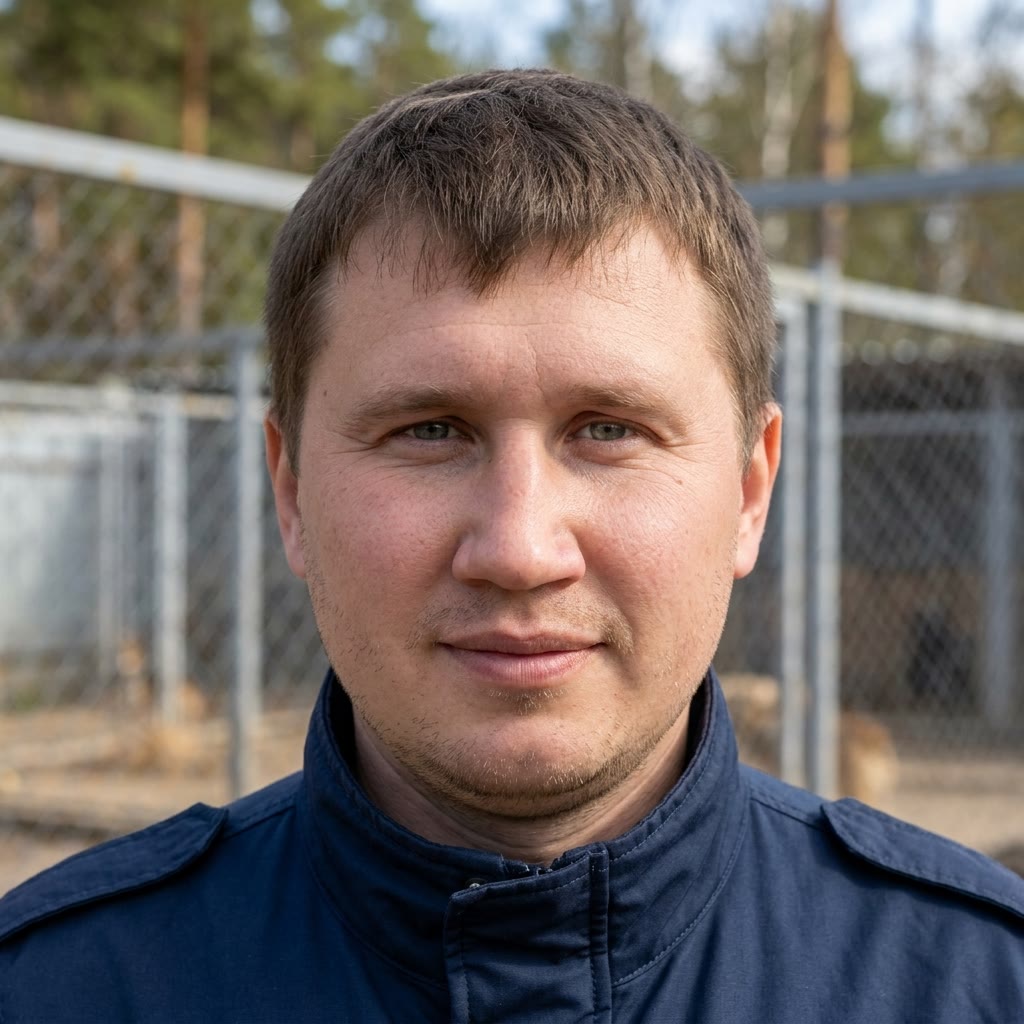
Andrew DarovProfessional dog trainer and instructor
Describe age, living setup, and where the dog breaks first — digging, stiffness around other dogs, dislike of grooming, or guarding the bed. Opens WhatsApp to Andrew.
A strong, clownish English terrier with an egg-shaped head that needs daily play, calm dog introductions and patient training.
Need a read on your exact situation?
Describe your Scottish Terrier’s age and the scene that repeats most: digging, stiffness around other dogs, dislike of grooming, or guarding the bed. We check safety first, then pick the first skill.
Written by Andrew Darov, professional dog trainer. Not veterinary advice and not a diagnosis.
Not a kennel club. No invented reviews. No vaccine schedules or toxin doses. Photo credits in
/images/breeds/scottish-terrier-guide/credits.md.