Welsh Terrier: bark and dig outlets with show-ring polish for a compact Welsh earthdog
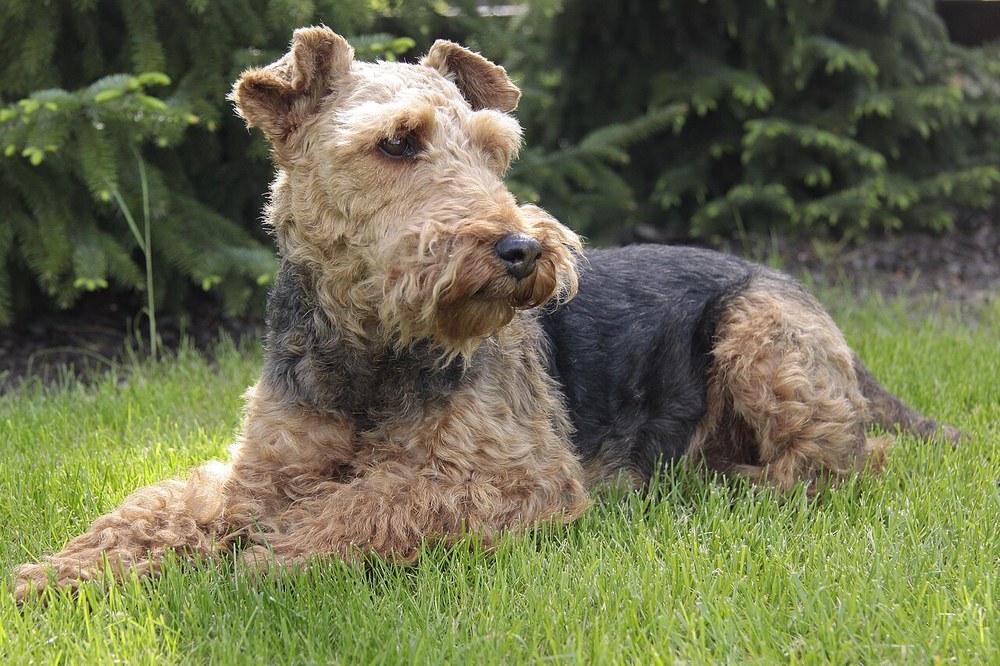
The Welsh Terrier is a compact black-and-tan earthdog from Wales that ran with hound packs after fox, badger and otter. It looks like a pocket Airedale, behaves like a cheerful hunter and has a voice that carries. In pet homes the two complaints I hear most are barking and digging. The honest plan is to give both a safe outlet, then borrow the best of the show ring — standing still, moving on a loose lead, accepting handling — as everyday manners that make the dog a pleasure to live with.
Job: Welsh earthdog that worked with hounds on fox, badger and otter.
Energy: Moderate to high; lively, playful and persistent.
Home: Fits an owner who enjoys training, grooming and a vocal, cheerful terrier.
A Welsh Terrier is a cheerful hunter that needs a job for its voice and paws
Public histories describe the Welsh Terrier as one of the older British terrier types, descended from the black-and-tan wire-haired terriers of Wales and northern England. Farmers and hunt servants kept them to bolt fox, badger and otter, often running with hound packs. The Kennel Club recognised the breed in 1886, and it reached American show rings soon after.
In family homes, a Welsh Terrier is usually playful, affectionate and less sharp than some terriers — but it is still an earthdog. It barks at movement, digs where it smells something interesting and can be stubborn when it decides the hunt is more important than your cue. These are not flaws to punish; they are drives to redirect.
My plan is simple. A barking routine: alert once, then a cue to come to you or go to place. A digging outlet: a sandpit, buried toys or scent games. And show-ring polish as a daily skill set: stand still for the brush, the vet and the groomer, move on a loose lead and greet people calmly. That combination turns a busy little hunter into a well-mannered companion.
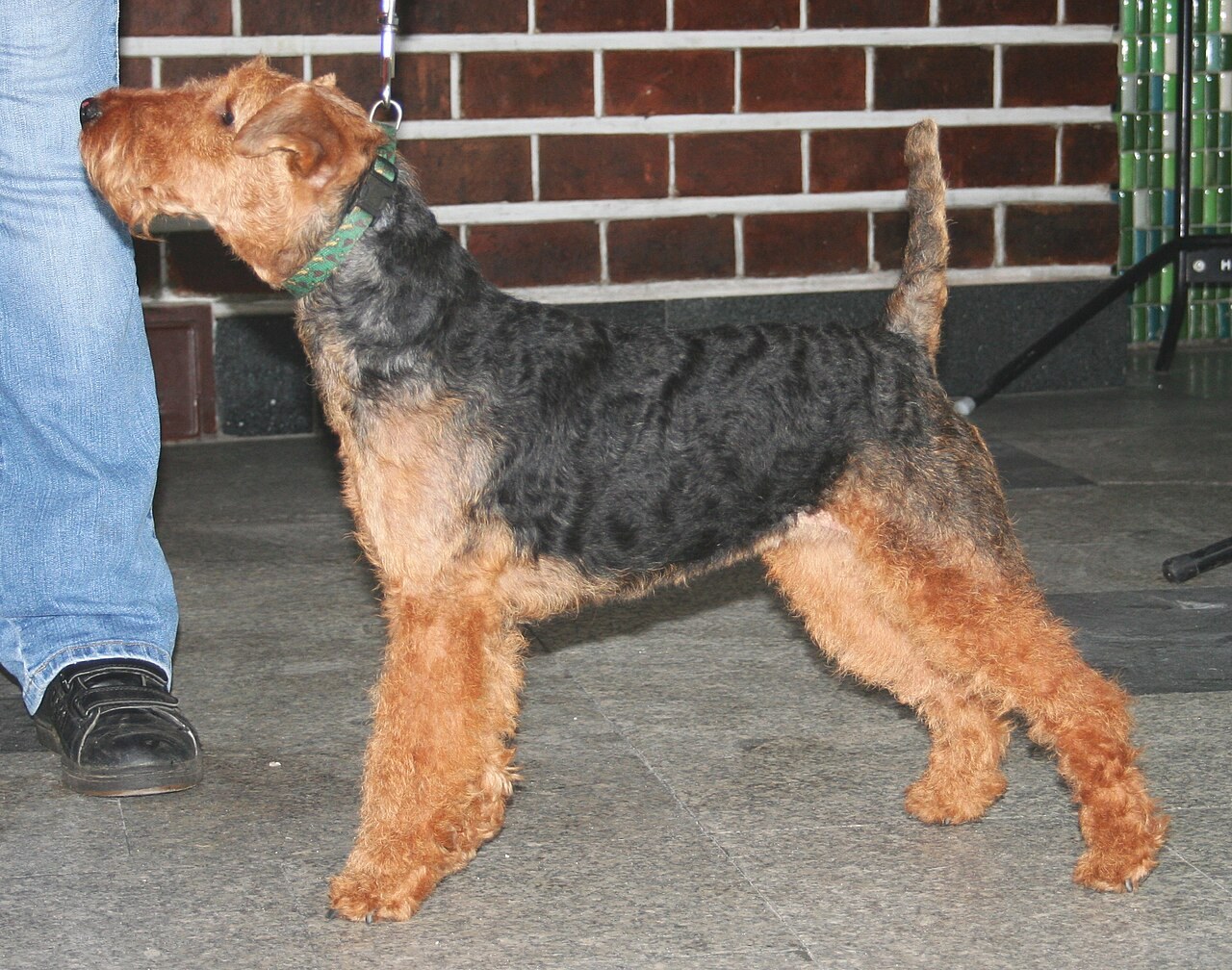
Hard, dense, wiry black-and-tan jacket with a soft undercoat; hand-stripping or clipping; low shedding
Job
Welsh earthdog for fox, badger and otter, often with hound packs (FCI Group 3; AKC/RKC Terrier)
Breed history
How a Welsh hunt terrier became a show-ring favourite
History will not quiet your dog, but it explains why Welsh Terriers bark, dig and persist — and why they also enjoy working closely with people.
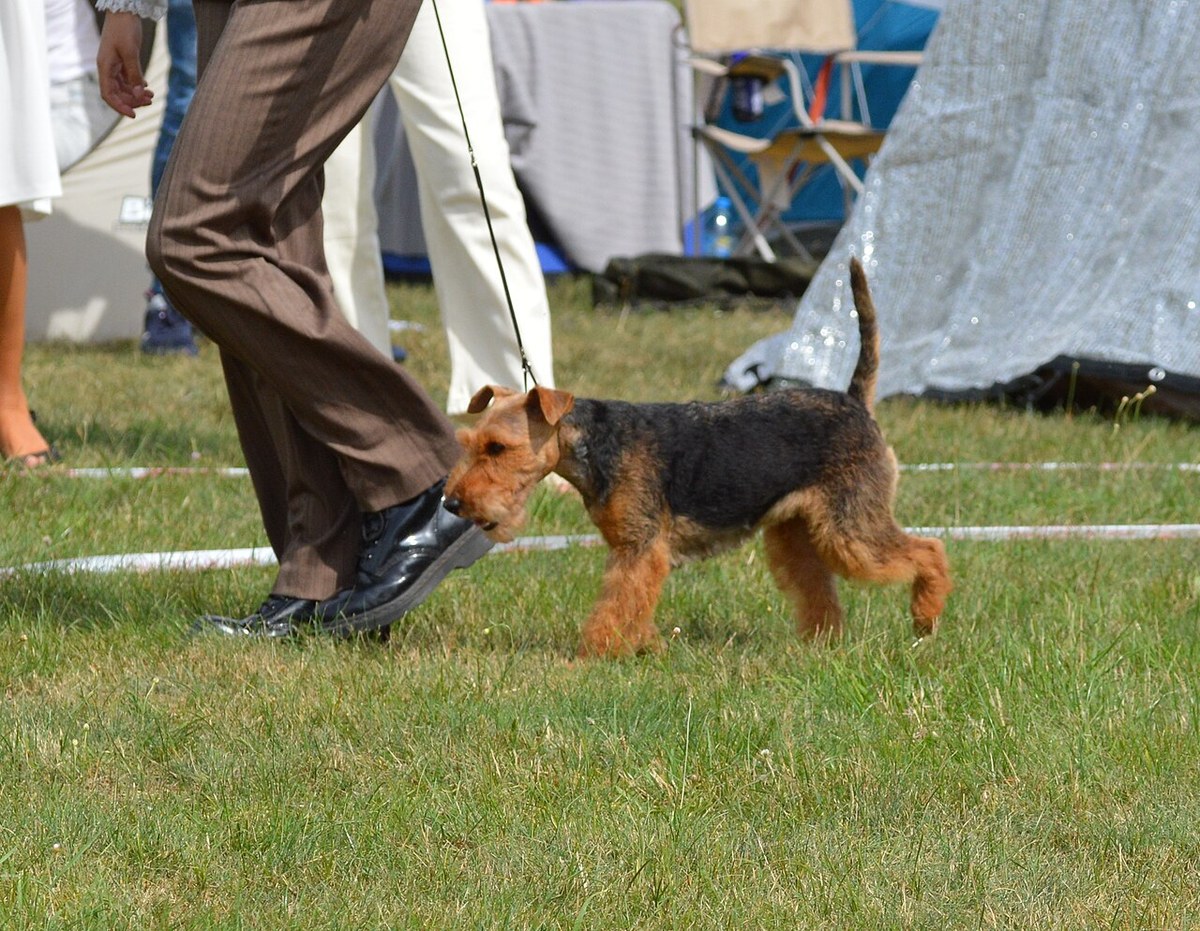
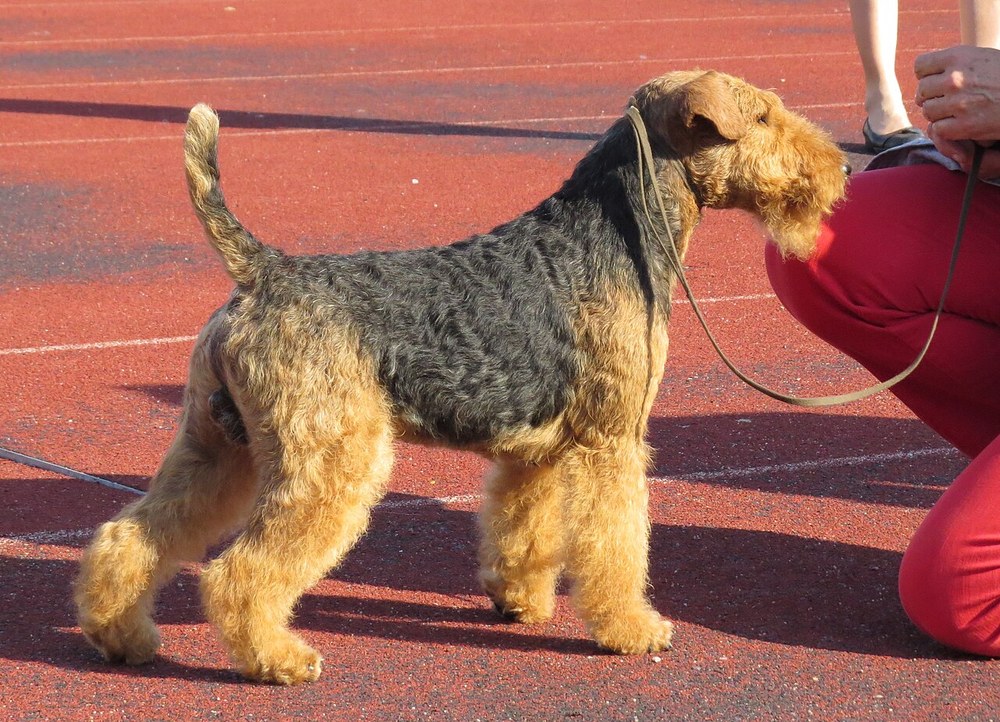
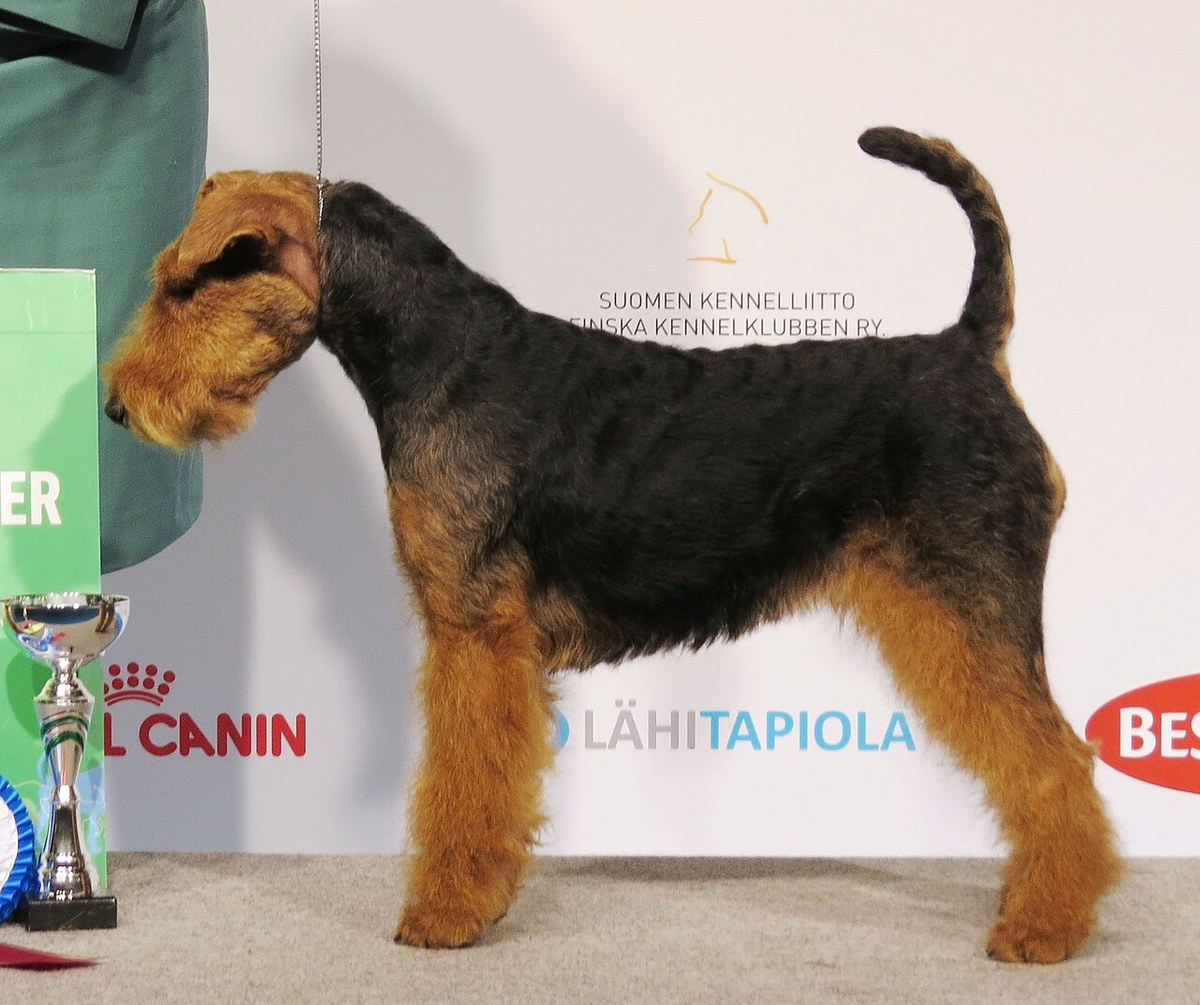
A Welsh Terrier moving on a loose lead (CC BY-SA 4.0). Show-ring gaiting is a useful everyday skill.
Welsh valleys → hound packs
A small black-and-tan dog that ran with the hounds
Public accounts describe black-and-tan wire-coated terriers in Wales that worked with hound packs. When the fox or otter went to ground, the terrier followed to bolt it. The work required courage, persistence and a voice that told the hunters where the dog was.
The type was close to the old English black-and-tan terriers, and early shows sometimes mixed them. The Welsh Terrier Club formed in 1886, and the breed gained Kennel Club recognition that year.
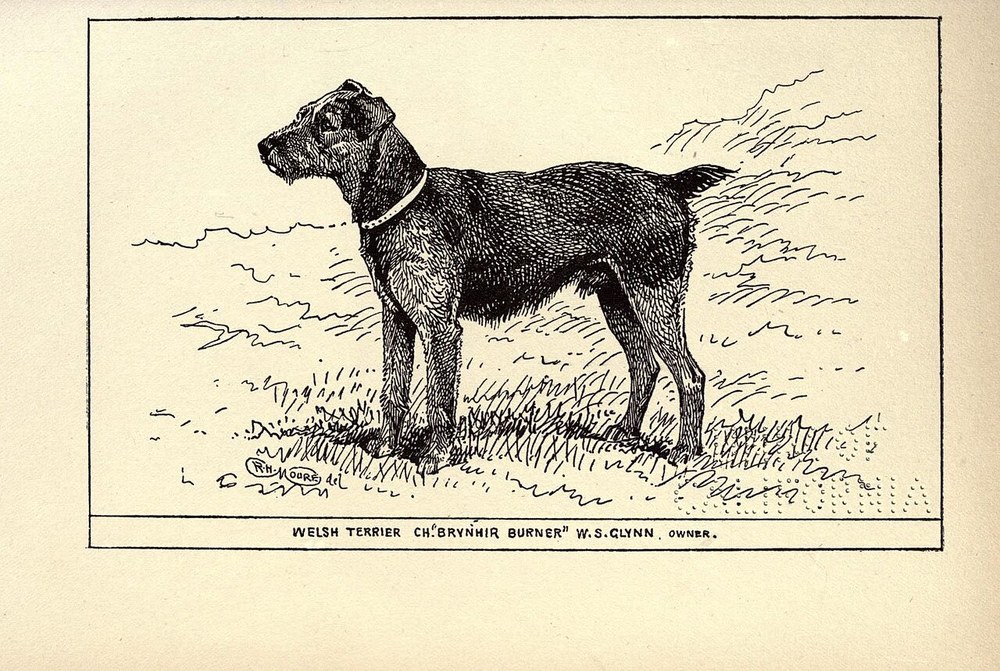
Welsh Terrier from “All about dogs” (1900, public domain). The compact square outline was already established.
From hunt kennels to show rings
Polish arrived, the earthdog stayed
By the early twentieth century the Welsh Terrier was popular in British and American show rings. Hand-stripping and careful presentation created the crisp outline seen today.
Most Welsh Terriers now live as companions, but the voice, the dig and the persistence remain. The show ring also left something useful: a breed used to standing still and moving nicely when trained.
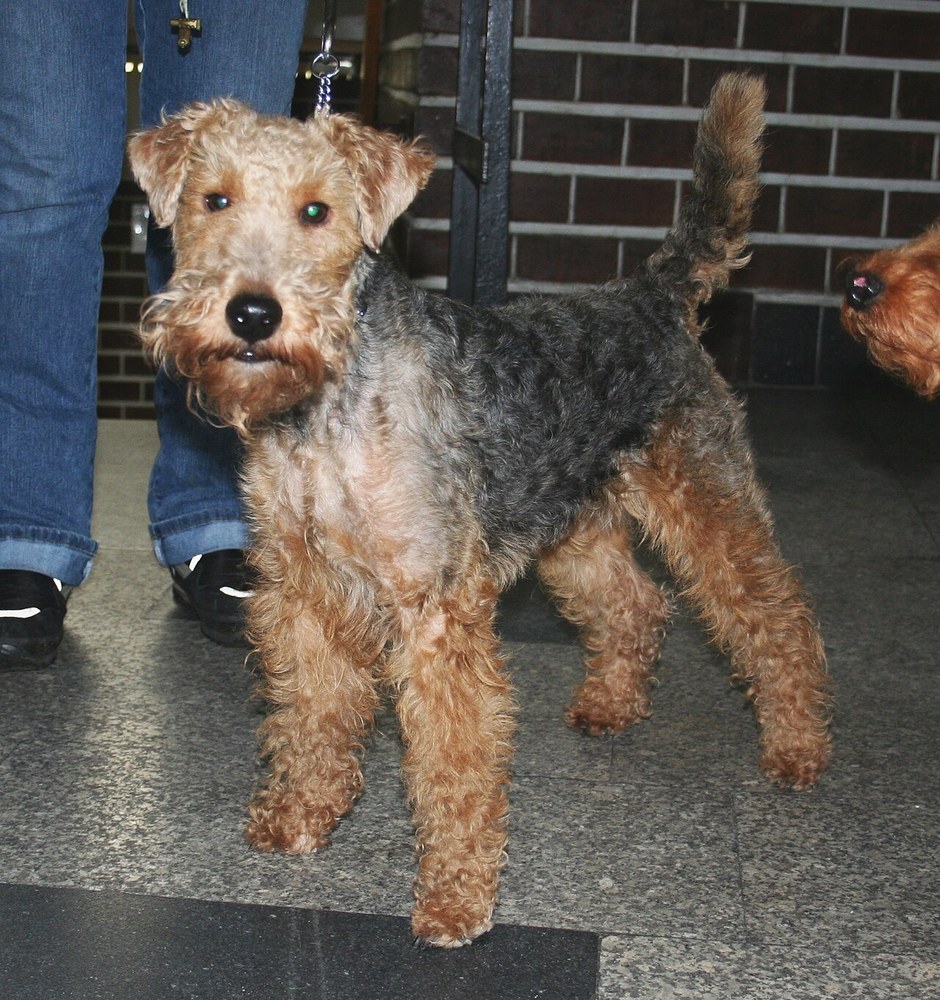
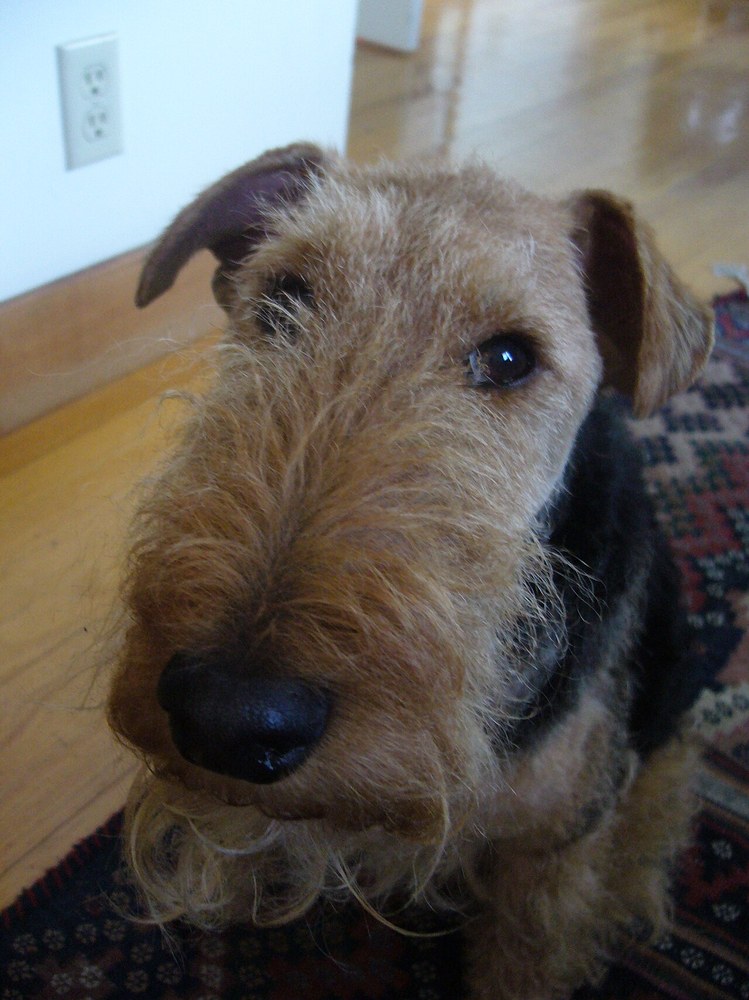
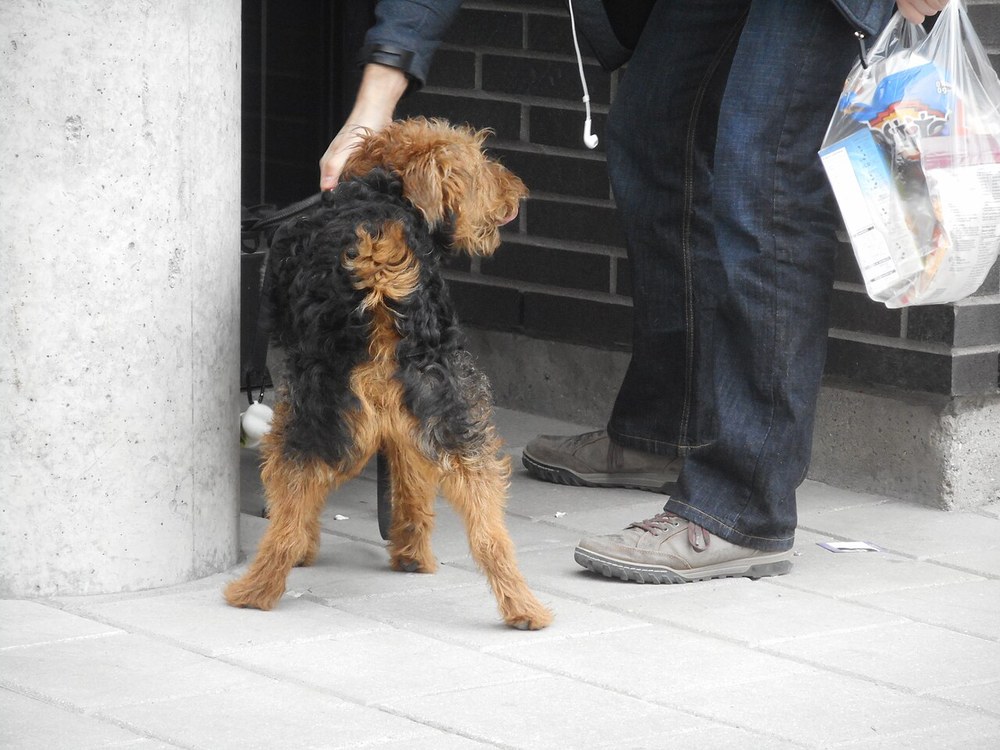
A Welsh Terrier with its person (CC BY-SA 4.0). Cheerful with people, persistent on the hunt.
What the breed was bred for
Voice, dig and persistence
In trainer terms, the breed was selected for a dog that barks to report, digs to reach quarry and keeps going when others quit. At home that becomes window barking, garden holes and selective hearing when something interesting is underground.
Welsh Terriers usually enjoy food and games and learn quickly in short sessions. They become stubborn when training is boring or harsh. Variety and clear rewards work best.
Voice: alert routine and a quiet cue
Dig drive: sandpit or scent games
Persistence: short varied sessions
People-friendly: enjoys handling when it is taught kindly
A good day has a walk, a dig, a training game and a quiet window
Daily life with a Welsh Terrier is usually cheerful and busy. Expect barking at the window, interest in every hole and a dog that wants to join in. A routine with walks, dig outlets, short training and clear barking rules keeps the house calm.
Morning · walk
A sniffing walk with good manners
Most adults enjoy 45–60 minutes of walking with time to sniff. Practise loose-lead walking and calm waiting outside shops or cafés. A Welsh Terrier that can stand quietly while you chat is a joy in town.
Teach a short “stand” for brushing and vet checks, and a smooth loose-lead trot. These show-ring skills make grooming, vet visits and walks far easier.
Let the dog report once, thank it, then cue it to come to you or go to place. Reward the quiet moment. Block window views when you are out so barking does not practise all day.
Bury toys and treats in a sandpit or a corner of the garden and celebrate when the dog digs there. Supervise elsewhere and interrupt with a cheerful recall.
After walks, digging and training, most Welsh Terriers settle well. Teach place and reward calm. Late-evening squeaky games keep the voice switched on.
General awareness only. I am not a veterinarian. Welsh Terriers are usually sturdy dogs, and owners often notice trouble first as scratching or licking from skin allergies, red or cloudy eyes, weight gain or limping. For red flags, leave this page and open
when to call the vet.
Skin and allergies
Itchy skin and allergies are discussed in the breed. Persistent scratching or licking needs a vet.
Eyes
Eye conditions such as glaucoma and lens luxation are discussed in some terriers including Welsh. A red, painful or cloudy eye is a vet visit, not a wait.
Coat
Hand-stripping keeps the wire texture; clipping is easier but softens the coat. Either way, check the skin.
Weight
Welsh Terriers love food. Measure rations and use part of the meal for training. See treat calories in the ration.
Show and working-type Welsh Terriers share the same voice
No bloodline selling. Differences show in coat, intensity and how vocal the dog is. Every Welsh Terrier needs bark rules, dig outlets and grooming.
Show and companion lines
Often a crisp coat that benefits from regular stripping.
Usually cheerful, people-friendly house dogs.
Barking and digging still appear.
Ask about eyes and skin in the parents.
Fits an owner who enjoys grooming, short training and a lively companion.
Active and sport homes
Often enjoy earthdog trials, scent work and agility.
Can be more intense with wildlife.
Need clear ends to games.
Recall needs long-line work.
Fits an active owner who wants a small terrier to train for sports.
Socialization windows
What to introduce — and what not to overload — by age
AVSAB-aligned in spirit: short, clean exposures at a distance the puppy can still eat,
with hygiene while vaccines finish. See the
puppy socialization schedule.
2–4 months
Home, handling and voice
Introduce: short brushing and stand practice, name game, doorbell at low volume, sandpit play, calm greetings.
Do not overload: rewarding barking with attention, unsupervised garden digging, long grooming sessions.
~6 months
The outside world
Introduce: dogs at a distance where the puppy can still eat, long-line walks, café visits, first grooming salon trip.
Do not overload: off-lead fields near wildlife, chaotic dog parks, window views all day.
~12 months
Adolescent persistence
Introduce: recall ladder, leave-it on walks, stand for vet checks, quiet cue after one bark.
Do not overload: trusting recall near burrows, letting barking practise, harsh corrections.
~18 months
Adult routines
Introduce: regular stripping schedule, sports such as earthdog or scent work, settle on lead.
Do not overload: dropping bark routines, skipping grooming.
~24 months+
Keep it going
Introduce: refresh recall and quiet cues, keep dig outlets, yearly health checks.
Do not overload: ignoring eye or skin changes, letting the coat overgrow.
Before you buy
Who a Welsh Terrier usually fits
Fit comes down to barking, digging, grooming and your appetite for short training games.
Good match
More likely a good fit if you…
You want a compact, cheerful terrier that joins family life
You enjoy short, playful training sessions
You will groom regularly or reward a professional stripper
You can provide dig outlets and bark routines
You like a dog that is sturdy enough for walks and play
Mismatch risk
A Welsh Terrier may be a poor choice if…
You live with neighbours who cannot tolerate barking
You want a perfectly manicured garden with no supervision
You prefer a dog that ignores wildlife
You dislike grooming
You want a dog that is always off lead
If you are torn between breeds
Welsh Terrier vs Airedale Terrier and Wire Fox Terrier
The Airedale shares the black-and-tan look in a much bigger body; the Wire Fox Terrier shares the size and wiry coat but is usually more explosive. The Welsh Terrier is the compact, often steadier middle ground.
Size
Welsh Terrier
Compact; about 15 in, roughly 20 lb.
Airedale Terrier
Much larger; about twice the weight.
Colour
Welsh Terrier
Black-and-tan jacket.
Wire Fox Terrier
Mostly white with markings.
Energy
Welsh Terrier
Moderate-high, playful.
Wire Fox Terrier
Often higher intensity and quicker to react.
Original work
Welsh Terrier
Fox, badger and otter with hounds.
Airedale Terrier
Otter and rat work, later police and war dog.
Grooming
Welsh Terrier
Hand-stripping or clipping.
Both compares
Both wire-coated; similar grooming logic.
Ownership without surprises
Where a Welsh Terrier owner’s budget goes
Costs depend on country, city and your choices. These are themes to plan for, not quotes.
Grooming
Hand-stripping a few times a year or regular clipping, plus brushes and a stripping knife if you learn.
Garden and fencing
Secure fencing and a dig box or sandpit.
Veterinary
Routine care, eye and skin checks, and allergy management if needed.
Food
Small-medium rations; measure to keep the dog lean.
Training
Puppy class, bark and recall help, sports if you enjoy them.
Gear
Harness, long line, window film and durable toys.
Barking and digging cost time rather than money — routines are the real investment.
Before day one at home
What to prepare for a Welsh Terrier puppy
Welsh Terrier puppies are usually born mostly black and develop tan as they grow. They are playful, curious and vocal. Prepare bark rules, dig outlets and grooming routines before day one.
01
Start handling early
Short brushing and stand sessions with food. See puppy handling.
02
Plan for barking
Decide your alert routine and practise it with low-volume sounds.
03
Set up a dig spot
A sandpit or box with buried toys gives the paws a proper job.
Overtired puppies bark and nip more. Use enforced naps.
If the dog is already yours
Training a Welsh Terrier means outlets for voice and paws
Keep rules simple: one alert, then come or place; dig only in the sandpit; stand still for the brush; loose lead on walks. Reward each one generously.
Welsh Terriers are clever and food-keen but get bored with repetition. Short, varied sessions keep them engaged. Harsh corrections tend to make them stubborn.
Management makes training work: window film, supervised garden time and a long line in open spaces. You stop the habit while new habits grow.
Load balance
Sniff and dig first, then ask for quiet
Age, joint health, weight and weather all affect the right exercise. Persistent scratching, eye changes or limping need a vet check before more training.
Sniff walkDig or scent gameStand practiceQuiet cueSettle on a bed
Walks, earthdog-style games, scent work and short training sessions all count. Hours alone at the window do not meet the need and feed the barking.
A Welsh Terrier that has walked, dug in its own spot and practised a short skill can watch the street without barking at every passer-by.
Alert once, then a job
How to teach a Welsh Terrier one alert bark and a quiet cue
Let the dog report once, then cue a behaviour that replaces barking. Reward generously for quiet and manage views when you are away.
01
Prepare a reward station
Keep treats near the window or door so you can reward quiet quickly.
02
Let one alert happen
When the dog barks once, say thank you calmly.
03
Cue the replacement
Call the dog to you or send it to place, and reward when it arrives quietly.
04
Reward continued quiet
Feed a few treats while the dog stays calm, then release.
05
Manage when you are out
Block window views or close blinds so barking does not practise all day.
One scene close-up
Why a Welsh Terrier barks at every passer-by
The breed was selected to report quarry with its voice. If barking makes people go away, it feels successful and grows. Shouting can sound like joining in.
Thank the dog after one bark, cue it to come or go to place, and reward quiet. Block window views when you are not home so the habit does not practise.
If barking comes with fear or aggression, get help from a qualified professional.
“With a Welsh Terrier, I give the voice a routine and the paws a dig spot first, then I add show-ring polish: stand, move and greet nicely. That turns a busy earthdog into a dog people stop to admire.”
Sessions cover real scenes: barking, digging, grooming table, recall and greetings. I am a trainer, not a veterinarian. No invented reviews.
Andrew DarovProfessional dog trainer and instructor
A bold red Irish farm terrier. Needs safe outlets for chasing and digging, consistent rules and planned dog introductions.
Need a read on your exact situation?
Tell me your Welsh Terrier’s age and the scene that keeps repeating: barking, digging, grooming, recall or greetings. We check safety and health first, then pick the first skill.
Written by Andrew Darov, professional dog trainer. Not veterinary advice and not a diagnosis.
Not a kennel club. No invented reviews. No vaccine schedules or toxin doses. Photo credits in
/images/breeds/welsh-terrier-guide/credits.md.