Bullmastiff: temperament, training & calm estate guardian
The Bullmastiff is an English guardian bred to stop poachers quietly. Most are calm, affectionate and low-key at home, watchful with strangers and sometimes selective with other dogs. Life goes well when you teach lead manners early, manage visitors and keep exercise moderate.
Job: Gamekeeper’s guardian — calm, watchful and powerful.
Energy: Moderate; daily walks and short training sessions.
Home: Needs visitor routines, leash manners and room for a big dog.
Short dense coat — light shedding; wipe face folds
Job
English estate guardian
Breed history
Why the Bullmastiff was built to stop poachers quietly at night
History does not decide what one puppy becomes, but it explains a lot: many Bullmastiffs are quiet, confident and physical, with a strong sense of territory — and they prefer to block a problem rather than bark about it.
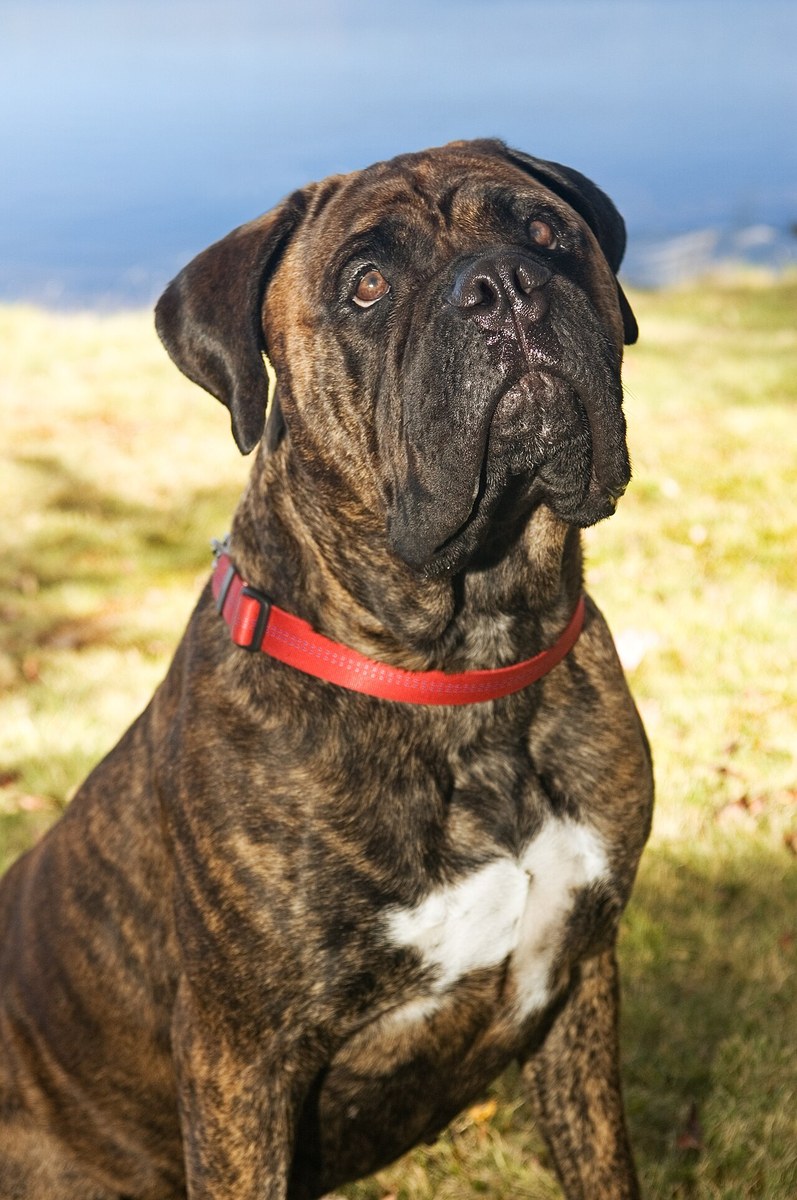
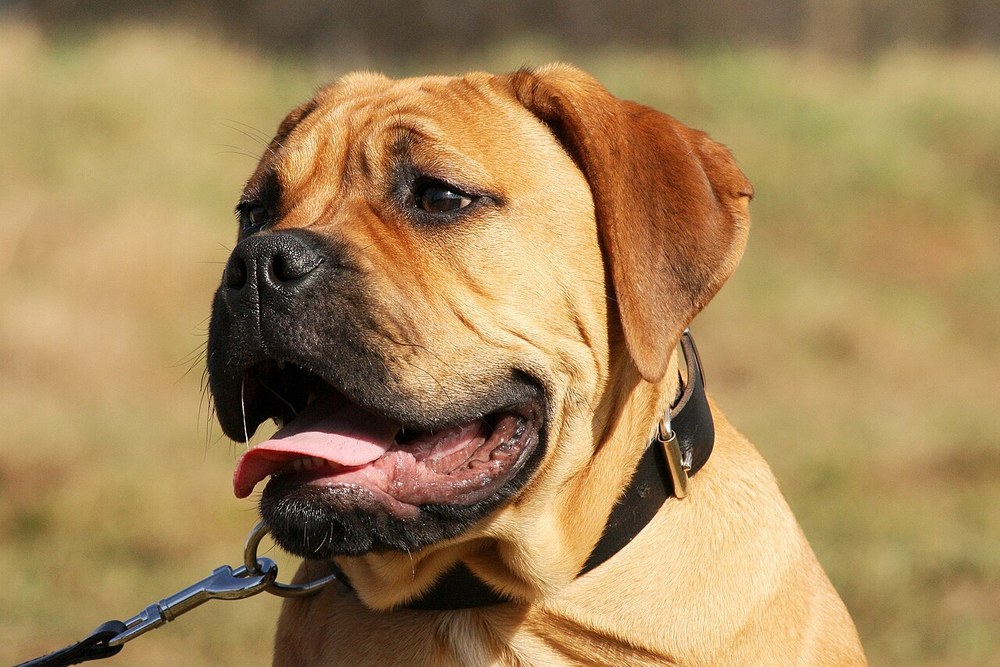
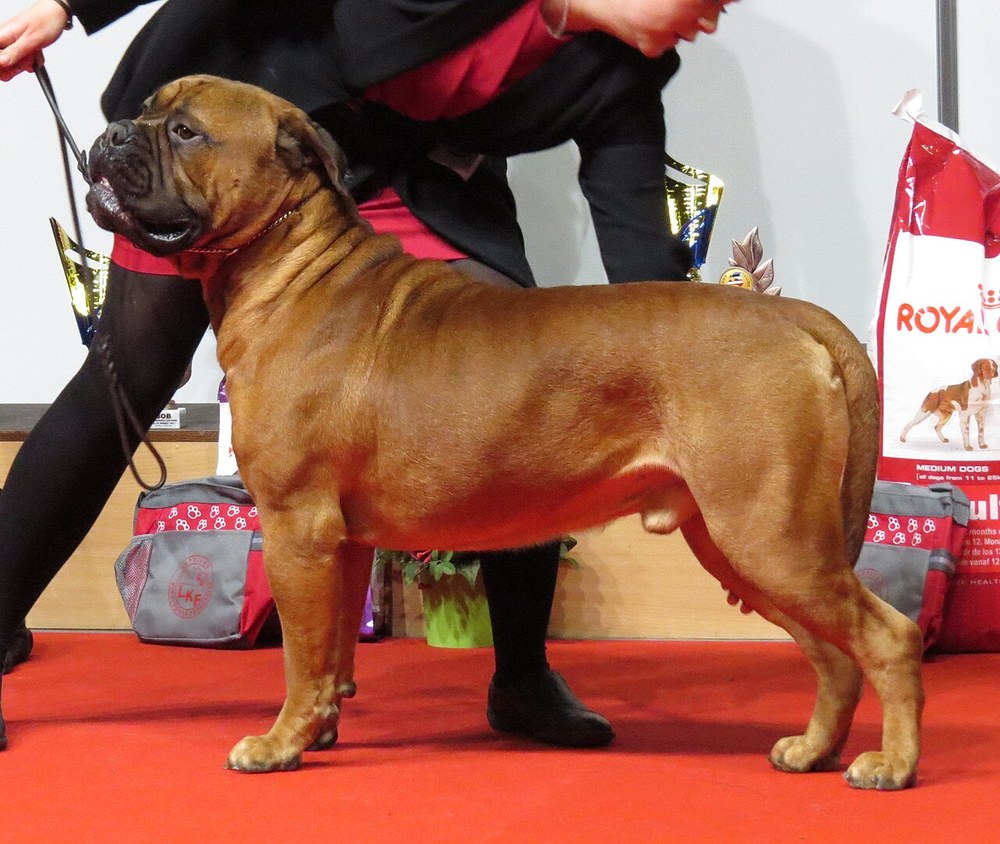
A two-year-old brindle Bullmastiff female (modern photograph). Breed accounts often say gamekeepers favoured brindle because it was hard to see at night.
19th-century England → gamekeeper’s dog
Silent, fast over short distance, and steady
Public breed histories describe how English gamekeepers in the 19th century crossed Mastiffs and Bulldogs to get a dog that could track down and hold poachers on large estates. It became known as the “gamekeeper’s night dog”.
The job needed a dog that worked quietly, stayed calm under pressure and could knock down and hold a person without mauling. That explains the breed’s typical blend of composure, strength and willingness to physically block.
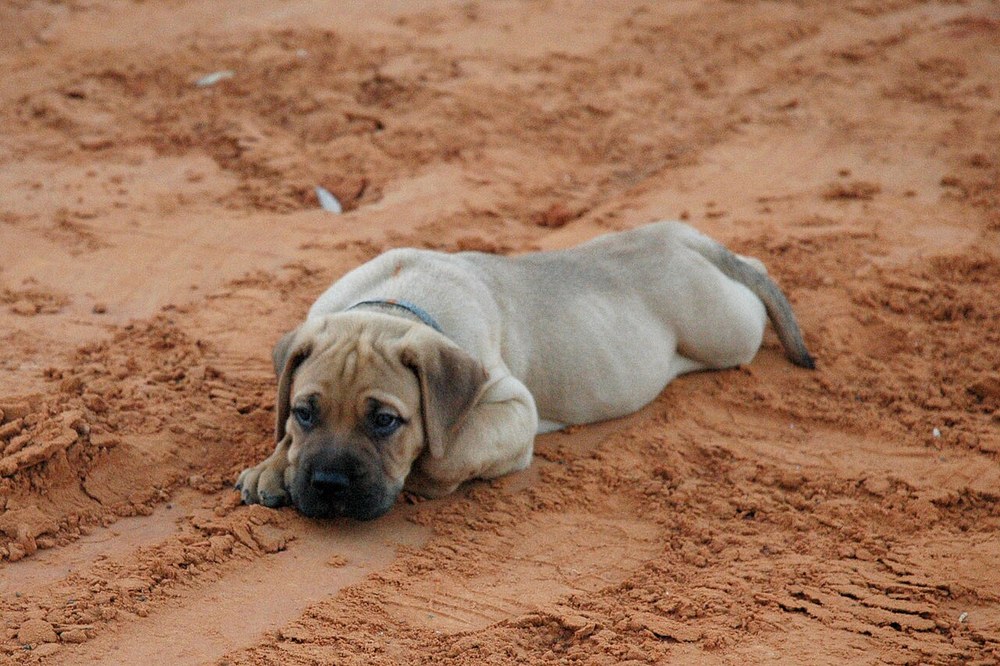
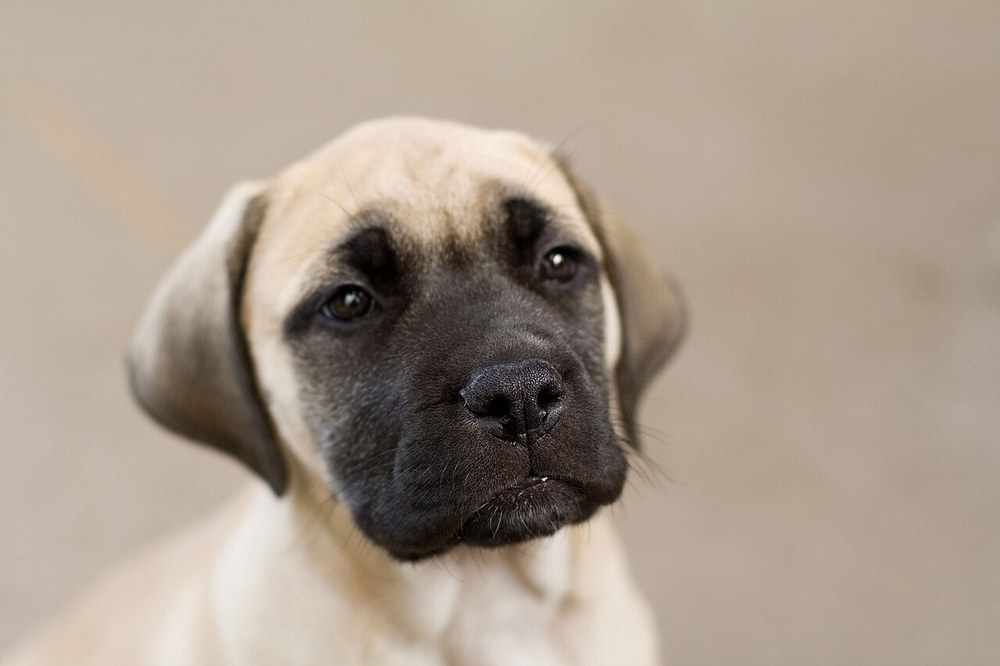
George, a two-month-old Bullmastiff puppy (modern photograph). The calm adult starts with careful early handling.
Recognition → family guardian
From estate work to companion
The UK Kennel Club recognised the Bullmastiff as a pure breed in 1924, and AKC followed in 1933. As poaching declined, the breed moved into homes as a guardian and companion.
Today most Bullmastiffs live as family dogs. The guarding instinct is still present, so visitors, gates and dog encounters need clear rules.
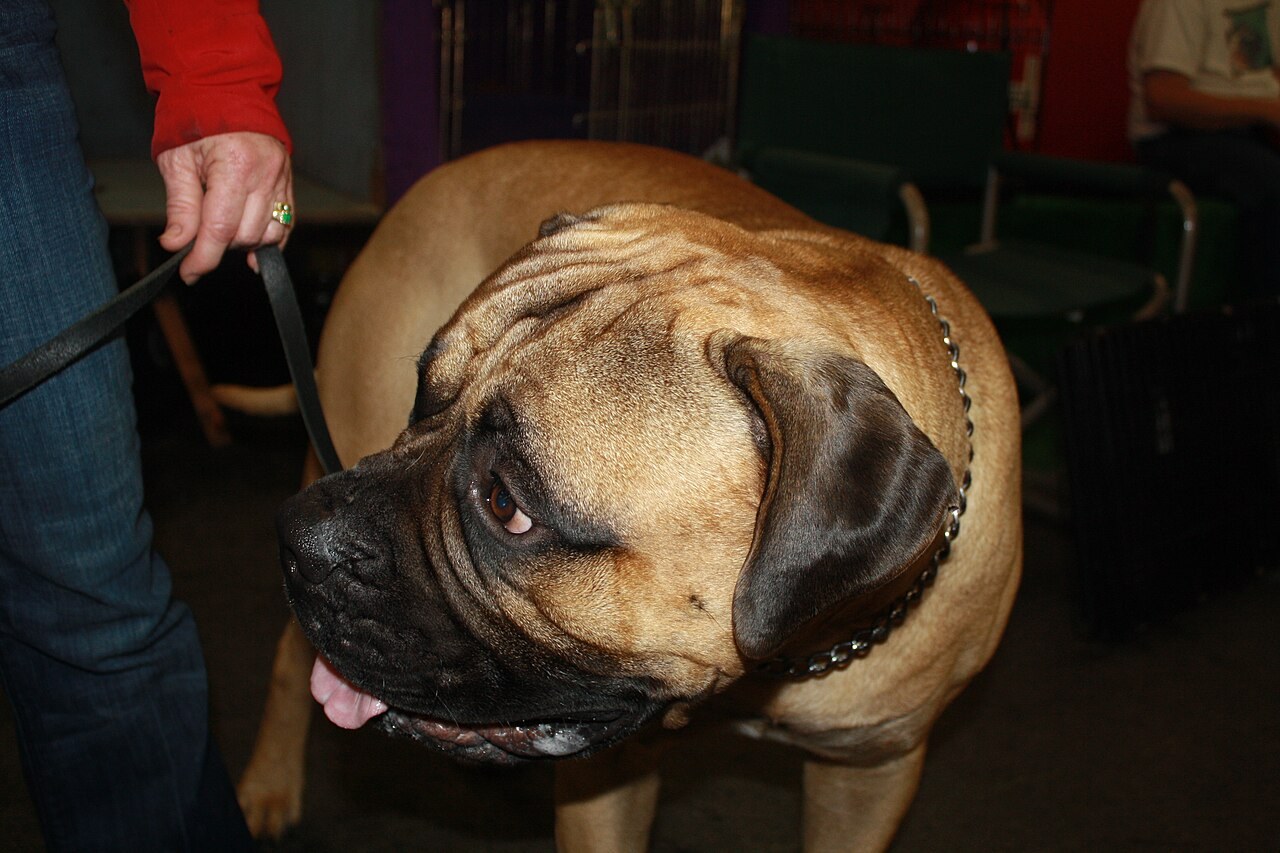
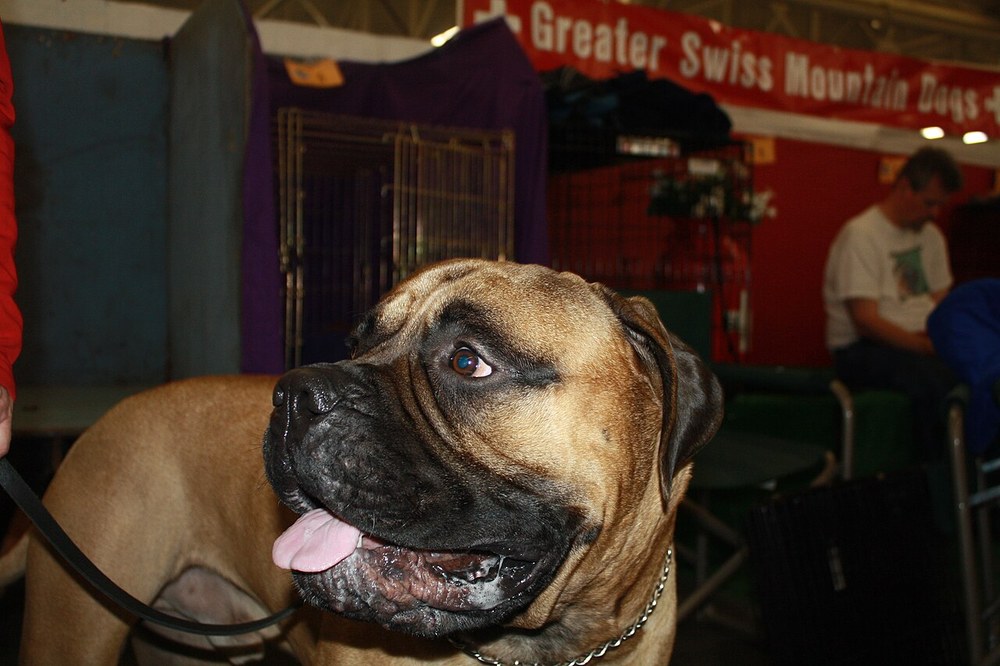
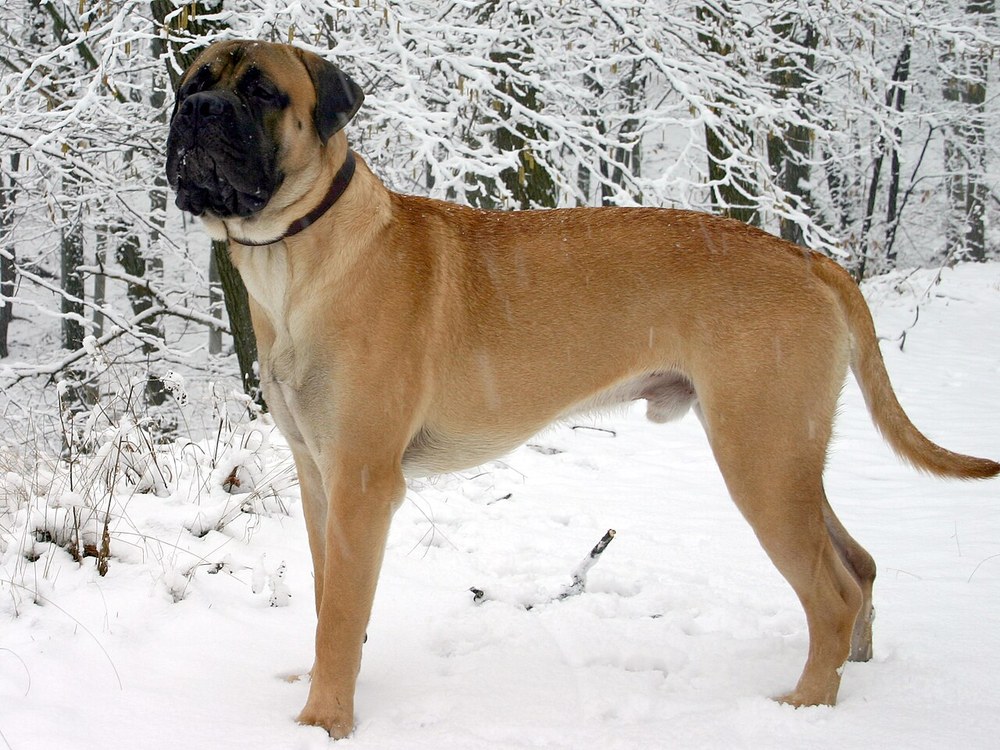
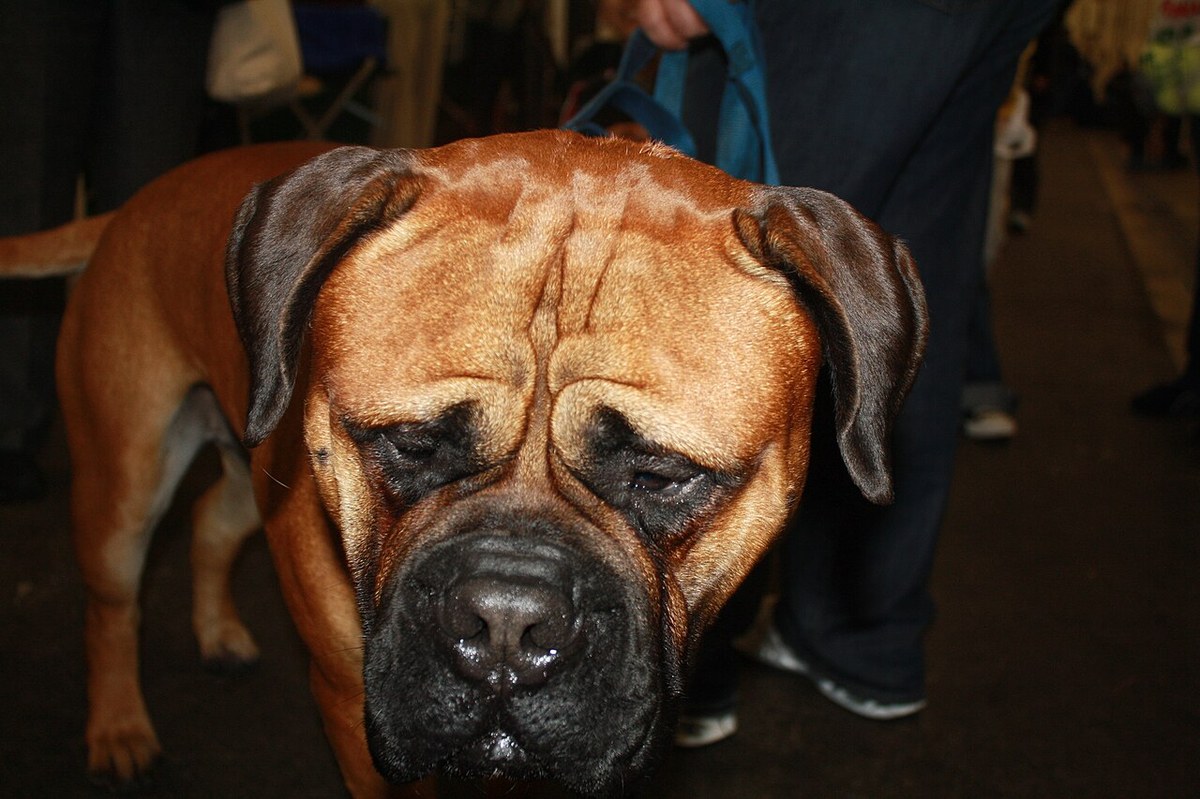
A Bullmastiff at a dog show in the United States (modern photograph).
What the breed was bred for
Composure, strength and a quiet guard instinct
In plain trainer language: the Bullmastiff was selected to stay calm, notice intruders and act decisively. In a family home it is often affectionate and easy-going — until it decides a stranger does not belong.
Bullmastiffs can be stubborn. They respond well to food and calm, consistent rules, and poorly to pressure. Short sessions and clear routines are the plan.
A day is moderate exercise, calm routines and a guardian that can relax
Bullmastiffs are often called couch potatoes, but they still need walks, training and a job. In town their guarding instinct appears at the gate, the door and when unfamiliar dogs approach.
Morning · walk
A steady walk on a predictable route
Adults usually prefer moderate walks to long runs. Choose quieter routes where you can give other dogs space.
What to watch monthly: weight, joints, face and heat
General awareness only — I am a trainer, not a veterinarian. Watch for changes in movement, breathing during exercise or appetite. For urgent signs, see
when to call the vet.
Short coat
A weekly brush and regular nail trims are enough for most dogs.
Ask the breeder which screenings the national breed club recommends and see results for both parents.
Face and skin
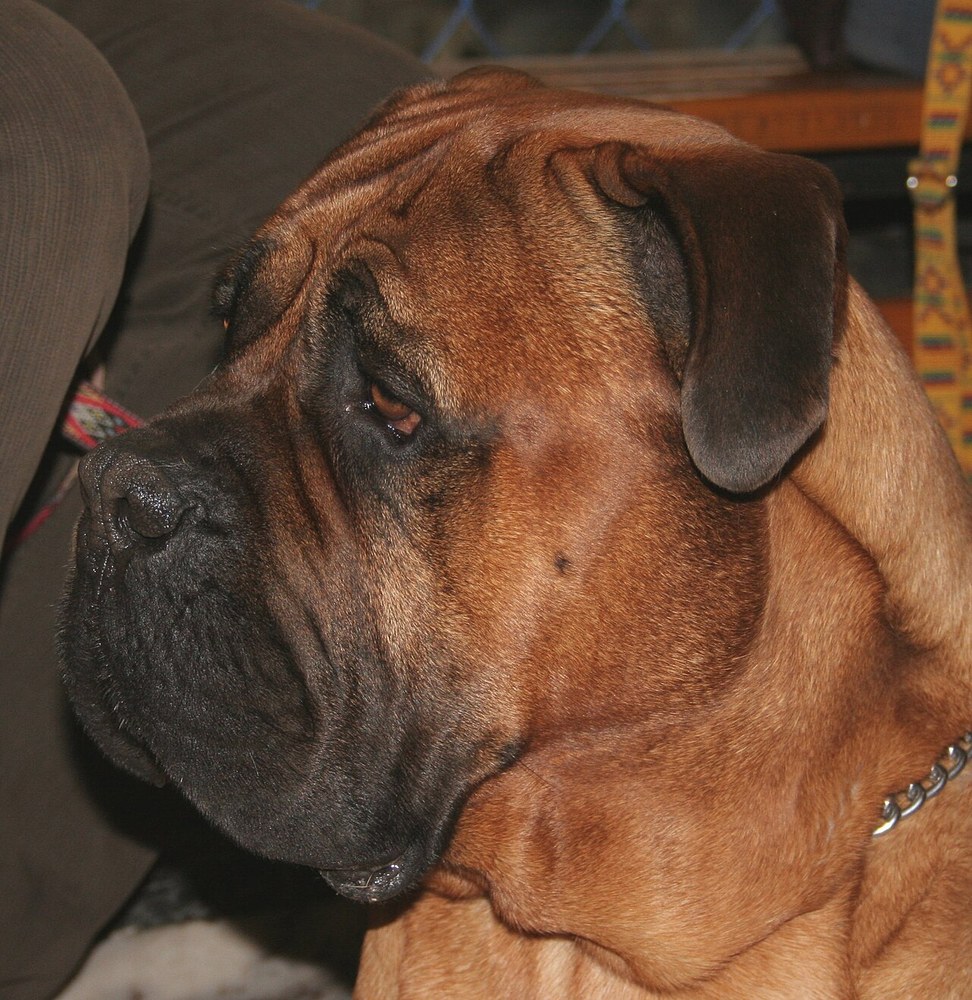
Wipe facial wrinkles and lips regularly and check for redness.
Heat and breathing
Bullmastiffs have a short muzzle. Exercise in cool hours and stop if breathing becomes noisy or heavy.
Handling
Practise handling and muzzle comfort while the dog is young. See introducing a muzzle.
Lines and types
Fawn, red and brindle — one breed, different family lines
Coat colour does not change temperament, but breeders differ in size, energy and how sociable their dogs are. Meet the parents.
Larger, heavier lines
More bone and weight.
Often calmer and slower.
Heat and joints need care.
Ask how the parents move on walks.
Suits a quiet household that wants a calm, low-energy guardian.
Lighter, more active lines
More athletic movement.
Can be more alert and energetic.
Still strong and guarding.
Meet the parents with strangers present.
Suits an owner who wants a bit more activity and will train consistently.
Socialization windows
What to introduce — and what not to overload — by age
AVSAB-aligned in spirit: short, clean exposures at a distance the puppy can still eat,
with hygiene while vaccines finish. See the
puppy socialization schedule.
2–4 months
Home and gentle handling
Introduce: family, handling, crate, short car trips, calm visitors.
Do not overload: crowds, rough play, stairs.
~6 months
Calm observation
Introduce: people and dogs at a distance, place cue, loose lead practice.
Do not overload: on-lead greetings with unknown dogs, dog parks.
~12 months
Adolescent guarding
Introduce: gate routine for visitors, distance from dogs, short sessions.
Do not overload: unsupervised garden patrol, rough play groups.
~18 months
Adult choices
Introduce: busier places at the dog’s pace, chosen dog friends.
Do not overload: forced greetings, relaxing management.
~24 months
Maintain structure
Introduce: refreshed visitor and lead routines.
Do not overload: open gates, surprise dog meetings.
Before you buy
Who a Bullmastiff usually fits
A Bullmastiff fits calm, consistent owners who want a quiet guardian and will manage visitors and dog encounters for life.
Good match
More likely a good fit if you…
Want a calm, affectionate dog that does not need intense exercise
Can handle a strong, heavy dog on lead
Will manage visitors with gates or a place cue
Prefer quiet companionship to constant activity
Have a secure garden and a plan for hot weather
Mismatch risk
A Bullmastiff may be a poor choice if…
You want regular dog-park visits
You need a running partner
Visitors arrive often without warning
Drool and snoring would bother you
You live in a hot climate without air conditioning
If you are torn between breeds
Bullmastiff vs English Mastiff and Boxer
Bullmastiffs sit between the Mastiff and the Boxer in size and energy.
Size
Bullmastiff
Large and muscular.
English Mastiff
Bigger and heavier.
Energy
Bullmastiff
Low to moderate.
Boxer
Much more energetic and playful.
Guarding
Bullmastiff
Quiet, physical guardian.
Boxer
Alert but usually more outgoing.
Other dogs
Bullmastiff
Often selective, especially same-sex.
English Mastiff
Usually more tolerant.
Training
Bullmastiff
Stubborn but food-motivated.
Both compares
Mastiffs are slow; Boxers are quick but bouncy.
Ownership without surprises
Where a Bullmastiff owner’s budget goes
Costs depend on your area and breeder. Plan for these areas — not quotes.
Food
Large-breed food and measured portions.
Veterinary care
Ask which screenings the national breed club recommends.
Training
Classes for lead manners and visitors.
Fencing
Secure gates and fencing.
Cooling
Fans or air conditioning in summer.
Gear
Strong harness, lead and muzzle.
With a Bullmastiff, management and training matter more than toys.
Before day one at home
What to prepare for a Bullmastiff puppy
A Bullmastiff puppy grows heavy fast. Teach manners now, while it is easy to guide.
“With a Bullmastiff, I let the humans handle the door. We teach a place cue for visitors, a loose lead before full strength arrives, calm passes past other dogs and easy handling — because a quiet guardian still needs to know where its job stops.”
Sessions cover real scenes: visitors and the hallway, dog encounters on lead, pulling, vet handling, and rest at home. I am a trainer, not a veterinarian. No invented reviews.
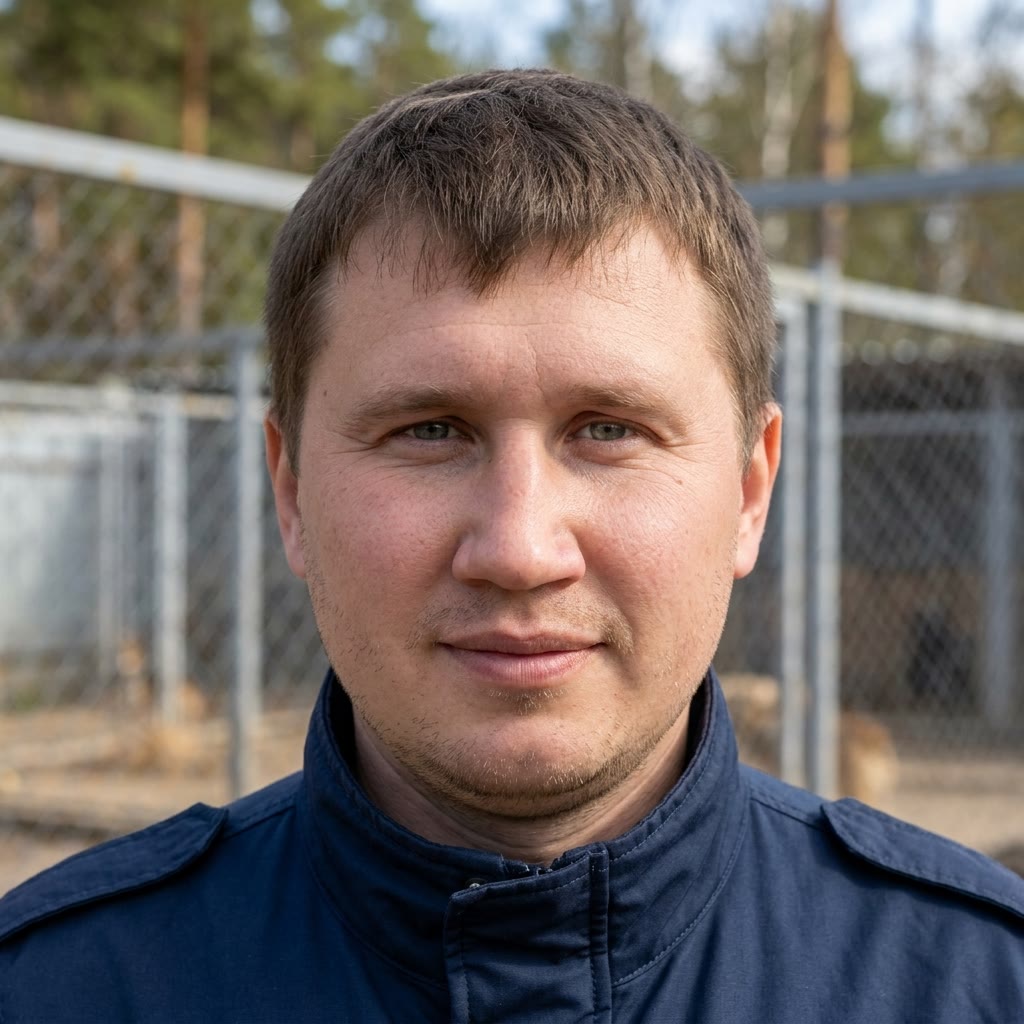
Andrew DarovProfessional dog trainer and instructor
Describe age, living setup, and where the dog breaks first — visitors at the door, tension with other dogs, pulling on lead, or vet handling. Opens WhatsApp to Andrew.
A strong Swiss farm and draft dog that is usually family-friendly and needs leash manners, exercise and steady training.
Need a read on your exact situation?
Describe your Bullmastiff’s age and the scene that repeats most: visitors at the door, tension with other dogs, pulling on lead, or vet handling. We check safety first, then pick the first skill.
Written by Andrew Darov, professional dog trainer. Not veterinary advice and not a diagnosis.
Not a kennel club. No invented reviews. No vaccine schedules or toxin doses. Photo credits in
/images/breeds/bullmastiff-guide/credits.md.