Dogue de Bordeaux: temperament, training & mastiff guardian
The Dogue de Bordeaux is a massive French mastiff with a short coat, a big head and a deeply loyal nature. Most are calm and affectionate with family, cautious with strangers and sensitive to heat. Life goes well with short walks, clear visitor routines and early lead manners.
Job: French mastiff — guardian and companion.
Energy: Moderate; steady walks, care in the heat.
Home: Needs early socialization, leash manners and room for a big dog.
Why the Dogue de Bordeaux was built as a powerful French estate and cattle dog
History does not decide what one puppy becomes, but it helps: most Dogues are devoted, calm at home and serious about strangers — and their power, short muzzle and heat sensitivity shape daily life as much as their temperament does.
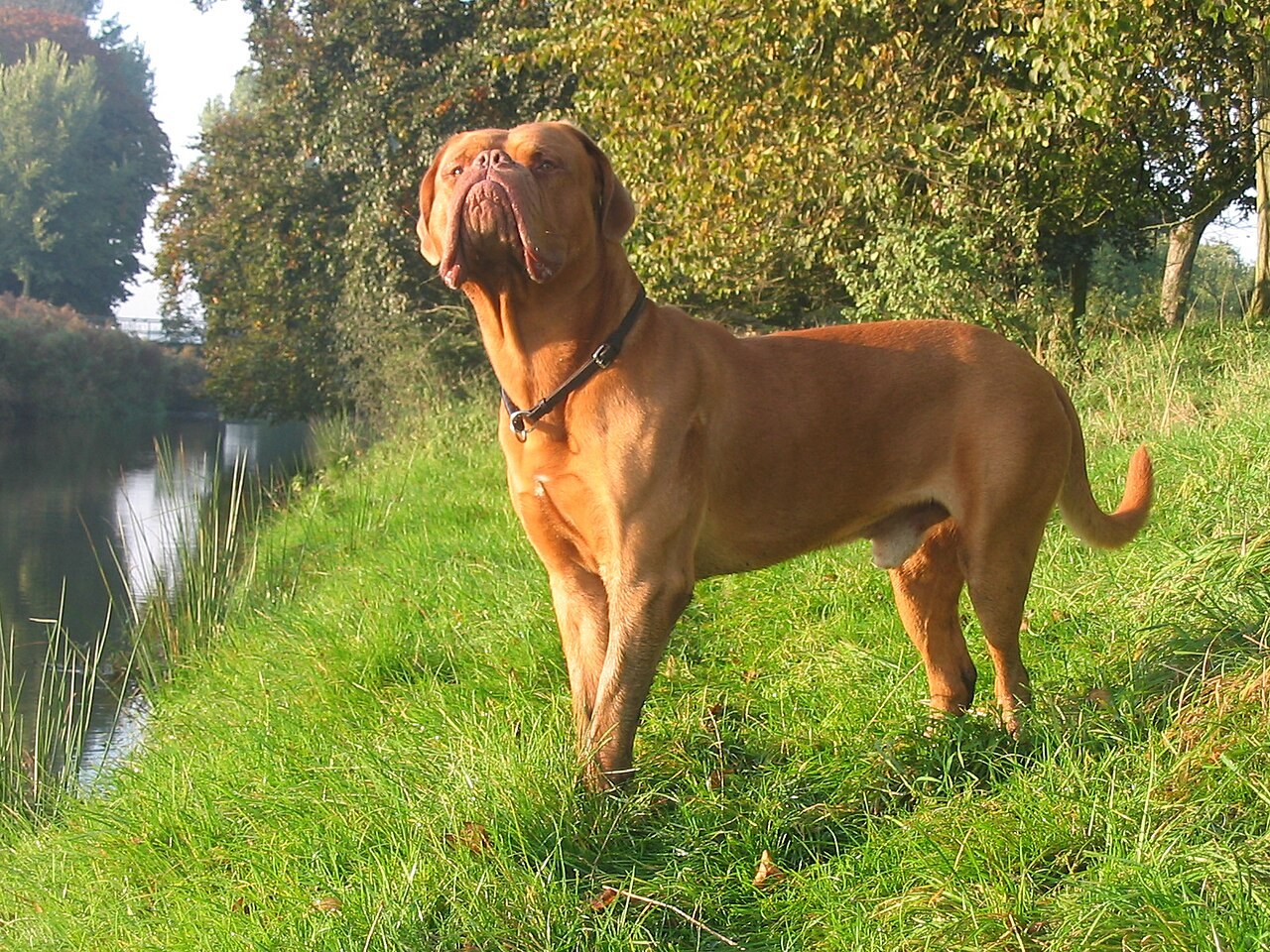
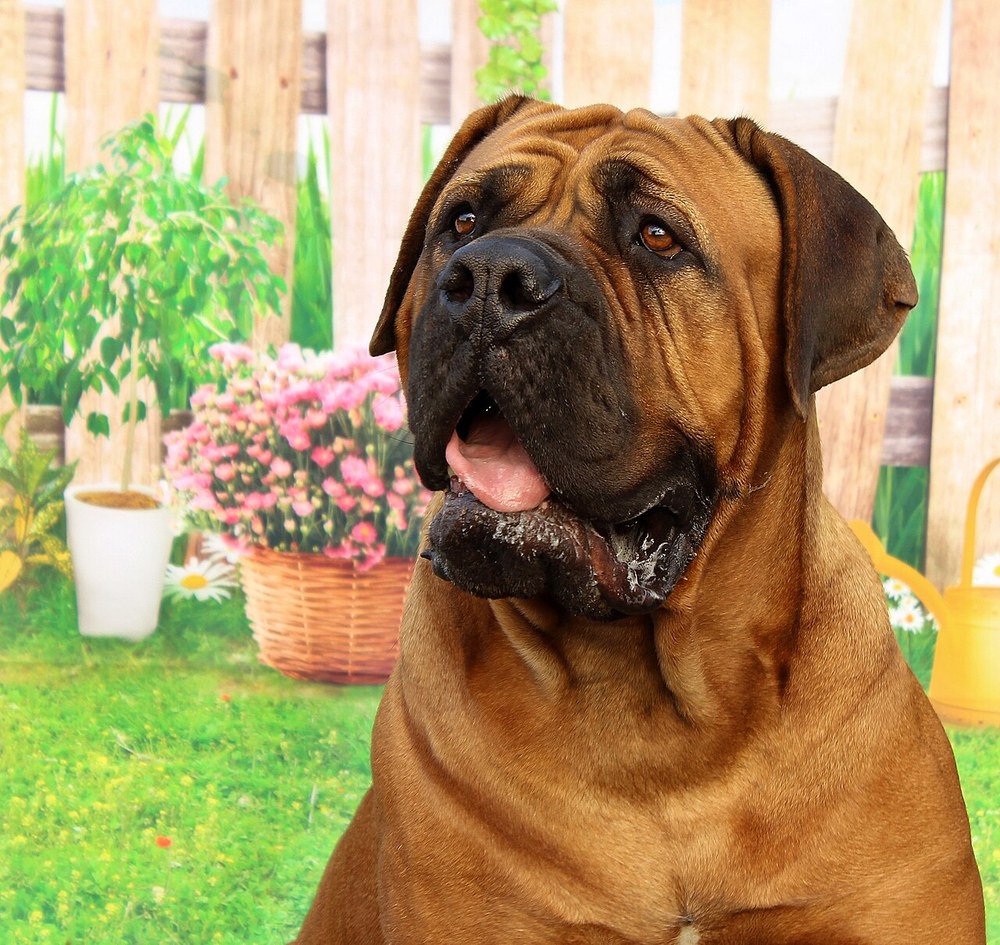
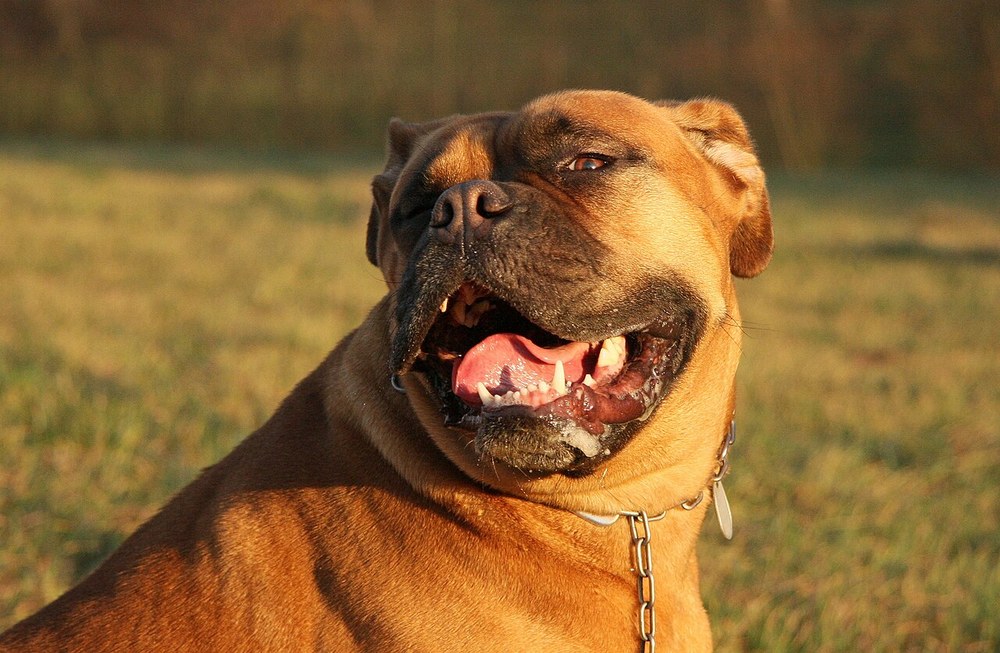
A Dogue de Bordeaux (modern photograph). The breed is one of the oldest French mastiff types.
Southwest France → guardian and working mastiff
A strong all-round dog of the Aquitaine region
Public breed histories place the Dogue de Bordeaux in southwestern France around Bordeaux. Large mastiffs there guarded estates and butchers’ yards, worked with cattle and were used on large game.
The work needed courage, strength and a dog that stayed with its people. Today that shows up as loyalty and a strong reaction to strangers who arrive unannounced.
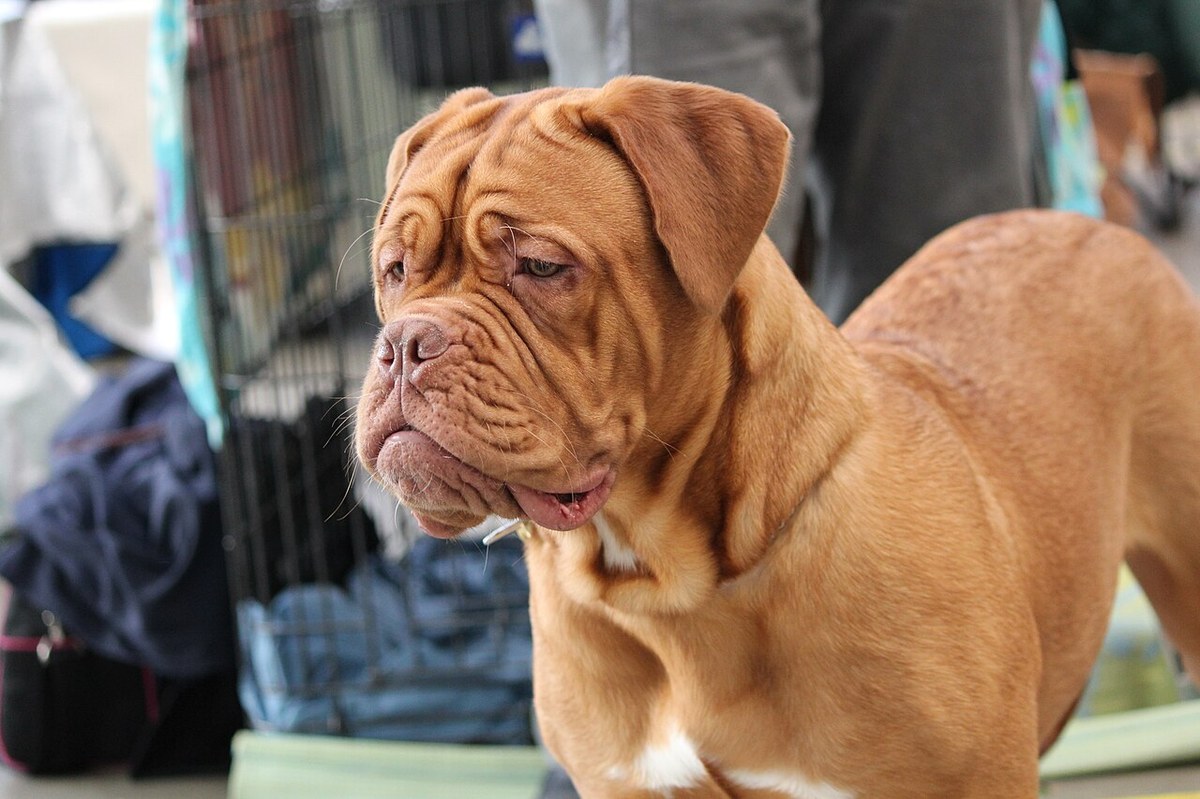
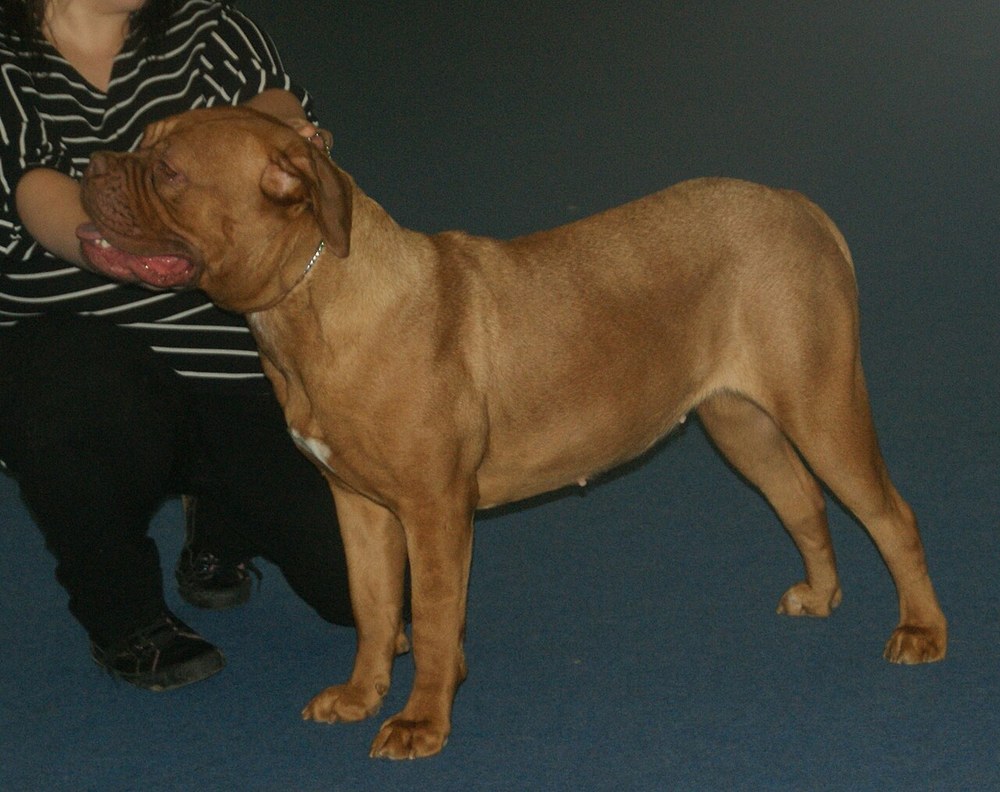
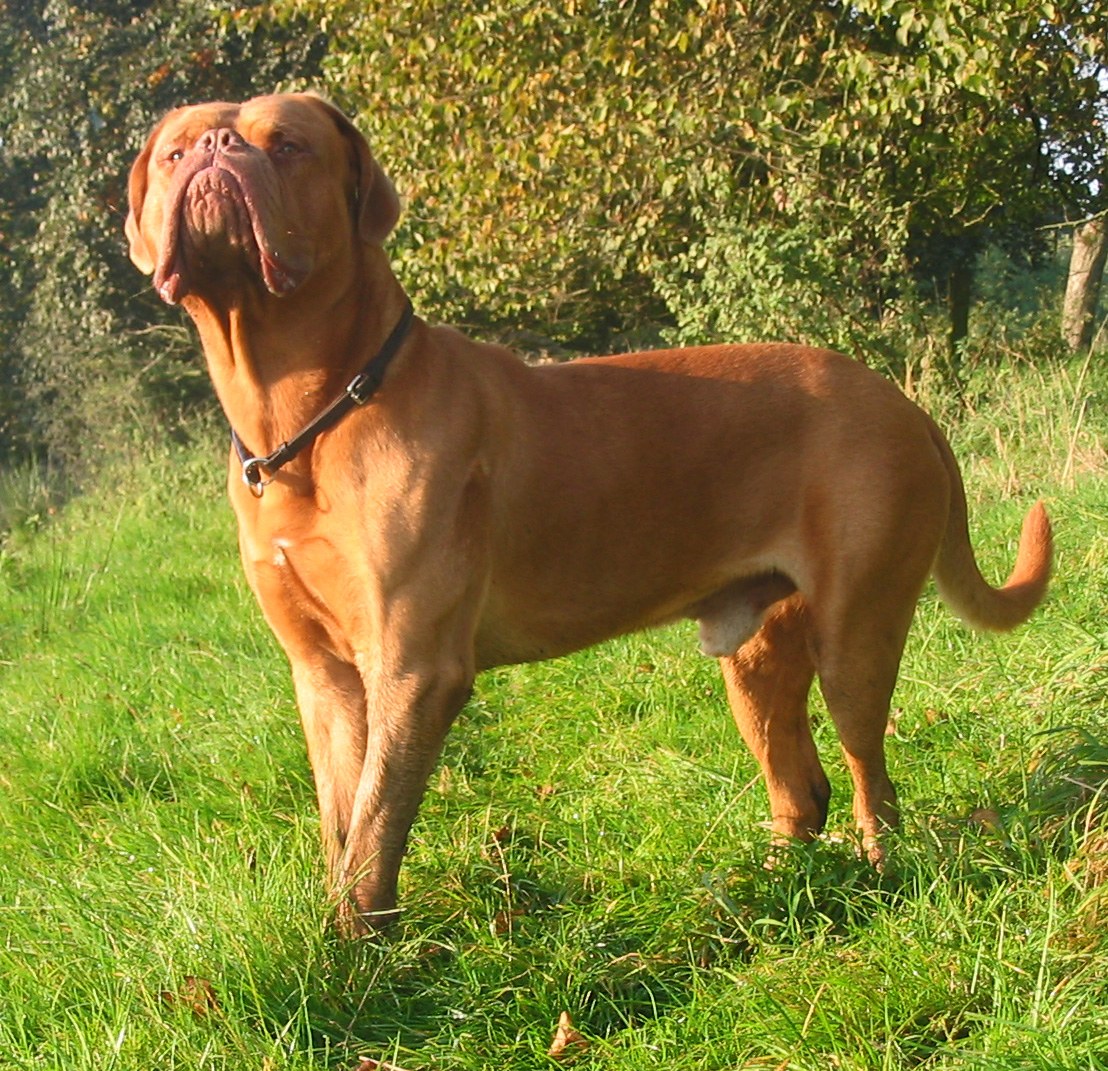
A two-year-old Dogue de Bordeaux (modern photograph).
Post-war decline → revival → wider fame
Saved by enthusiasts, made famous by film
Numbers dropped sharply around the Second World War. French breed enthusiasts, notably the veterinarian and professor Raymond Triquet, worked from the 1960s to rebuild the breed and describe its standard.
The 1989 film “Turner & Hooch” introduced the breed to a wide audience in the United States, and AKC recognised it in 2008. Popularity has grown fast — meet the parents rather than relying on the name.
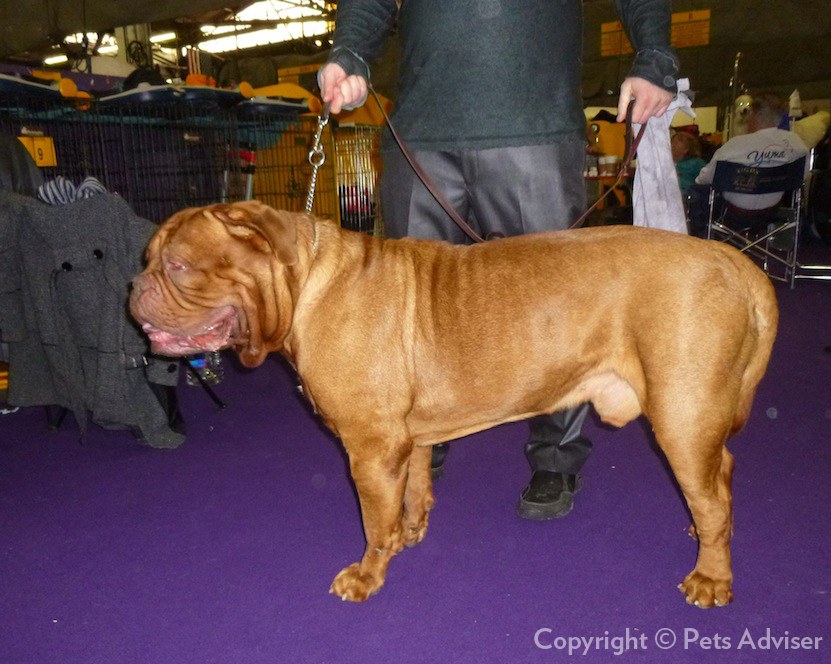
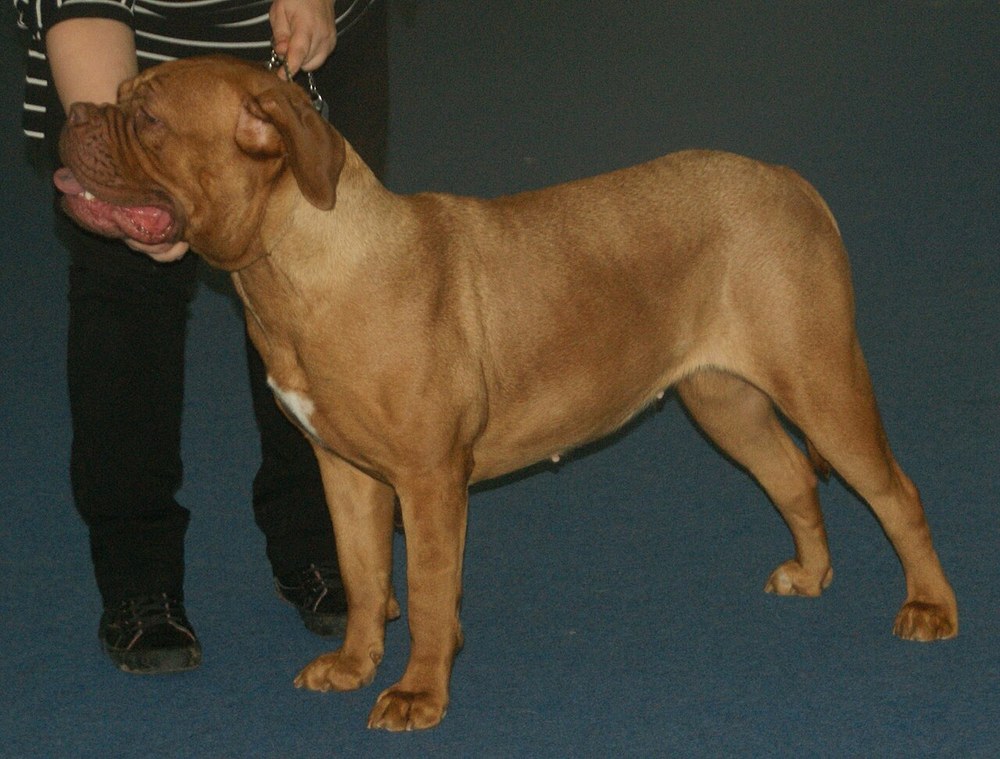
A Dogue de Bordeaux at the 2013 Westminster Kennel Club Dog Show in New York (modern photograph).
What the breed was bred for
Loyalty, power and a guardian’s caution
In plain trainer language: Dogues were selected to be brave and loyal. They are often affectionate and sensitive with family, reserved or suspicious with strangers, and sometimes intolerant of other dogs.
Most respond well to calm, food-based training. Harsh handling makes them stubborn or defensive. Short sessions, clear routines and good management at the door work best.
Dogues are usually calm indoors and do not need long exercise. The challenges are heat, strength on lead and visitors. A predictable day keeps the guardian side relaxed.
Morning · cool walk
Short, steady walks in the coolest part of the day
Dogues overheat easily because of their short muzzle and heavy body. Walk early or late and keep the pace easy.
What to watch monthly: breathing, heat, skin folds and weight
General awareness only — I am a trainer, not a veterinarian. In this breed, changes in breathing, energy or appetite deserve attention. For urgent signs, see
when to call the vet.
Heat and breathing
Exercise in cool hours and stop if breathing becomes loud or laboured. Heat can be dangerous for this breed.
Skin folds and face
Clean and dry facial folds regularly and wipe drool.
Plan quiet time after meals. A swollen belly with restlessness is an emergency.
Lines and types
Mask colour and head size vary — temperament comes from the parents
The breed comes in shades of fawn, with or without a black or brown mask. Breeders differ in head size, wrinkles and activity level.
Heavier, more wrinkled type
Bigger head and more skin.
Often less heat-tolerant.
Usually calmer and slower.
Ask how the parents cope on warm days.
Suits a quiet home with air conditioning and short walks.
Moderate type
Less exaggerated head and folds.
Often better breathing and stamina.
Still a strong guardian.
Meet the parents with visitors present.
Suits owners who want a little more activity and fewer face-care issues.
Socialization windows
What to introduce — and what not to overload — by age
AVSAB-aligned in spirit: short, clean exposures at a distance the puppy can still eat,
with hygiene while vaccines finish. See the
puppy socialization schedule.
2–4 months
Gentle start
Introduce: family, handling, crate, short car trips, calm visitors.
Do not overload: heat, stairs, crowds.
~6 months
Calm watching
Introduce: people and dogs at a distance, place cue, loose lead.
Do not overload: on-lead greetings with unknown dogs.
~12 months
Adolescent guarding
Introduce: gate routine, distance from dogs, short sessions.
Do not overload: unsupervised garden time, rough play.
~18 months
Adult decisions
Introduce: new places at the dog’s pace, chosen dog friends.
Do not overload: forced greetings, warm-weather exercise.
~24 months
Maintain routines
Introduce: refreshed visitor, lead and handling routines.
Do not overload: relaxing management.
Before you buy
Who a Dogue de Bordeaux usually fits
A Dogue fits calm owners with a cool home who want a loyal guardian and can manage visitors, strength and heat.
Good match
More likely a good fit if you…
Want a calm, affectionate dog that does not need much exercise
Can keep the dog cool in summer
Will manage visitors with a gate or crate
Can handle a strong dog on lead
Accept drool, snoring and face care
Mismatch risk
A Dogue de Bordeaux may be a poor choice if…
You need a running or hiking partner
You live somewhere hot without air conditioning
Visitors arrive often without warning
You want regular dog-park visits
Drool would bother you
If you are torn between breeds
Dogue de Bordeaux vs English Mastiff and Bullmastiff
All three are mastiffs, but size, head type and heat tolerance differ.
Origin
Dogue de Bordeaux
French mastiff from the Bordeaux region.
English Mastiff
British estate guardian.
Head and breathing
Dogue de Bordeaux
Very large head and short muzzle; heat-sensitive.
Bullmastiff
Shorter muzzle too, usually a little more tolerant.
Size
Dogue de Bordeaux
Heavy and powerful but shorter than a Mastiff.
English Mastiff
Taller and heavier.
Guarding
Dogue de Bordeaux
Serious with strangers.
Bullmastiff
Quiet guardian, similar caution.
Training
Dogue de Bordeaux
Sensitive; responds to calm, food-based training.
Both compares
Mastiffs are slower; Bullmastiffs more stubborn.
Ownership without surprises
Where a Dogue de Bordeaux owner’s budget goes
Costs vary by area and breeder. These are the areas to plan for — not quotes.
Veterinary care
Ask which screenings the national breed club recommends; plan for giant-breed costs.
Cooling
Air conditioning, fans and shade.
Food
Large portions; keep the dog lean.
Training
Early classes for visitors and lead manners.
Home
Drool towels, non-slip floors, large bed.
Gear
Strong harness, lead and muzzle.
With a Dogue, vet care and cooling are the costs to plan for most.
Before day one at home
What to prepare for a Dogue de Bordeaux puppy
A Dogue puppy grows heavy fast and is sensitive to heat. Start manners and routines early.
“With a Dogue, I check comfort before I call anything stubbornness. We keep walks cool, teach a gate routine for visitors, build a loose lead early and practise gentle handling — because a sensitive guardian learns best when it feels safe.”
Sessions cover real scenes: guests at the door, dogs on walks, heat and pacing, vet handling, and quiet time at home. I am a trainer, not a veterinarian. No invented reviews.
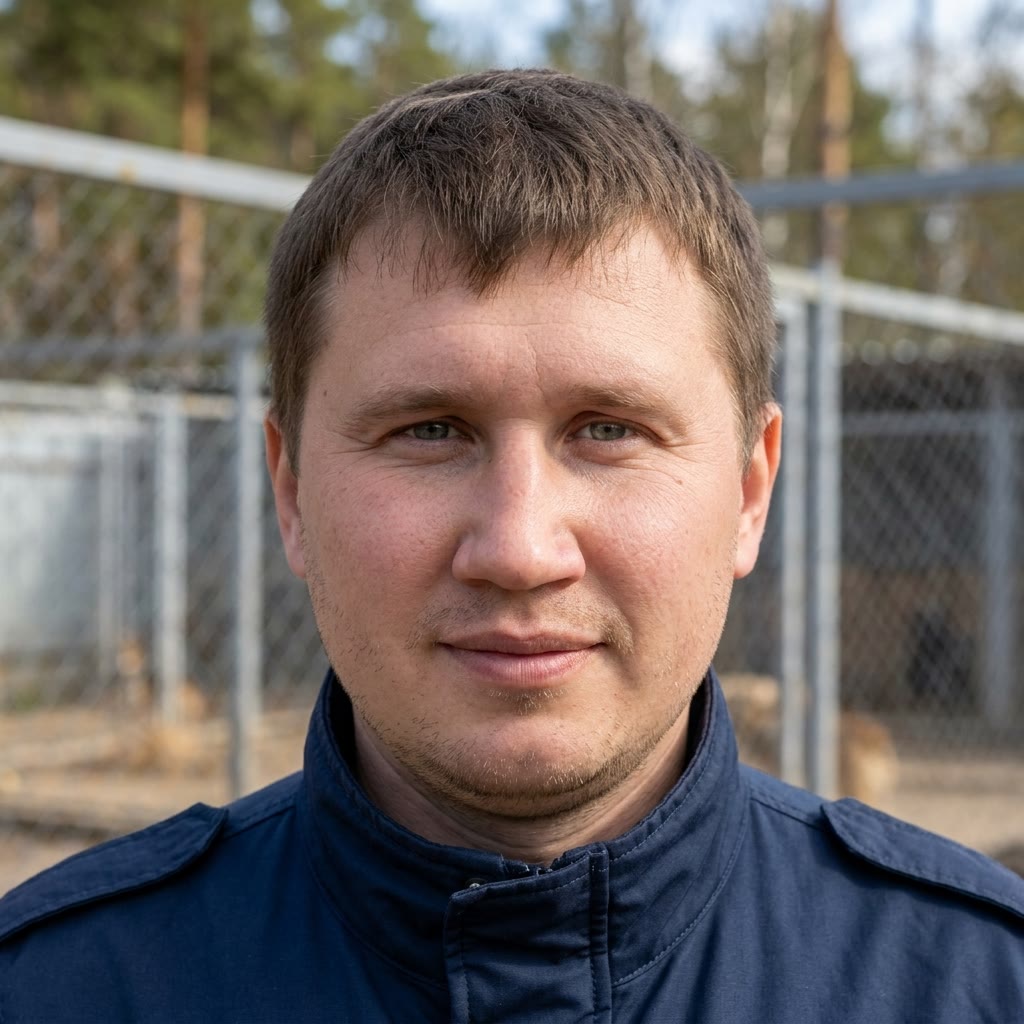
Andrew DarovProfessional dog trainer and instructor
Describe age, living setup, and where the dog breaks first — visitors at the door, tension with other dogs, heat on walks, or vet handling. Opens WhatsApp to Andrew.
A gentle giant water dog from Newfoundland that needs leash manners taught early, coat care and room for a big, drooly dog.
Need a read on your exact situation?
Describe your Dogue de Bordeaux’s age and the scene that repeats most: visitors at the door, tension with other dogs, heat on walks, or vet handling. We check safety first, then pick the first skill.
Written by Andrew Darov, professional dog trainer. Not veterinary advice and not a diagnosis.
Not a kennel club. No invented reviews. No vaccine schedules or toxin doses. Photo credits in
/images/breeds/dogue-de-bordeaux-guide/credits.md.