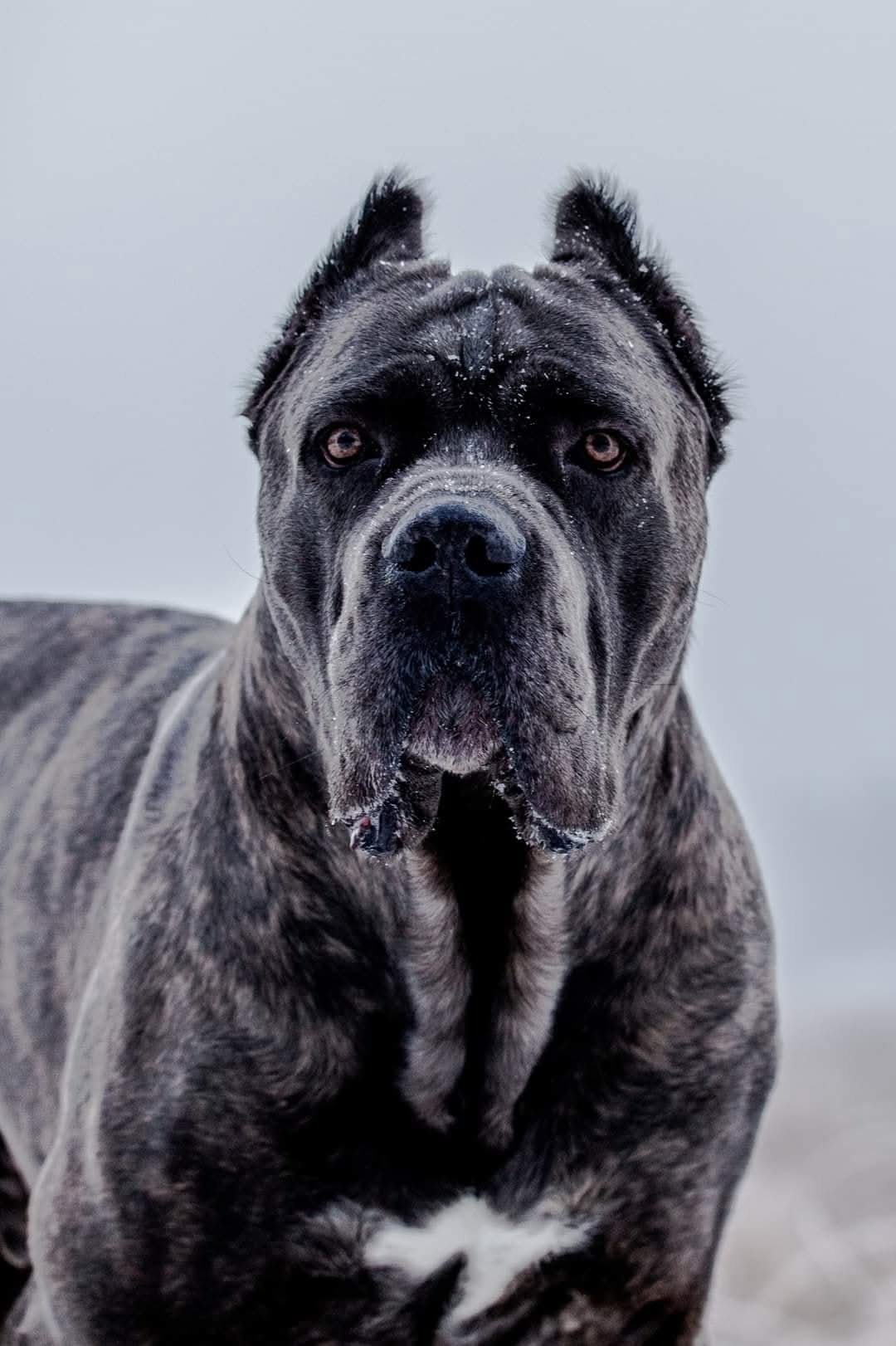
The Cane Corso is a powerful Italian mastiff bred to guard farms and work with livestock. Most adults are calm and affectionate with their family, watchful with strangers and often selective with other dogs. City life works when you plan greetings, secure the property and teach a settle from the first weeks.
Job: Italian farm guardian — watchful, strong and loyal.
Energy: Moderate to high; daily exercise plus training.
Home: Needs clear house rules, visitor routines and an experienced owner.
A Cane Corso is a powerful, watchful guardian that needs early socialisation and calm visitor routines
Public breed histories describe a farm and estate dog from southern Italy. The modern Corso kept the strength, the confidence and the loyalty to its people. It did not become a dog that wants to meet everyone.
Training often goes well — most Corsos are food-motivated and willing to work. The difficult areas are visitors, dog encounters and the adolescent months when confidence grows faster than manners.
From day one, build two habits. First: a stranger or dog appears, the Corso looks at you and gets a reward. Second: guests arrive, the dog goes to its place behind a gate while you handle the door.
Why the Cane Corso was built for farm work, livestock and a guarded gate
History does not decide what one puppy becomes, but it explains a lot: many Corsos are watchful, physical and quick to take charge of their property — and why a home that wanted a big cuddly dog meets one that decides who comes through the gate.
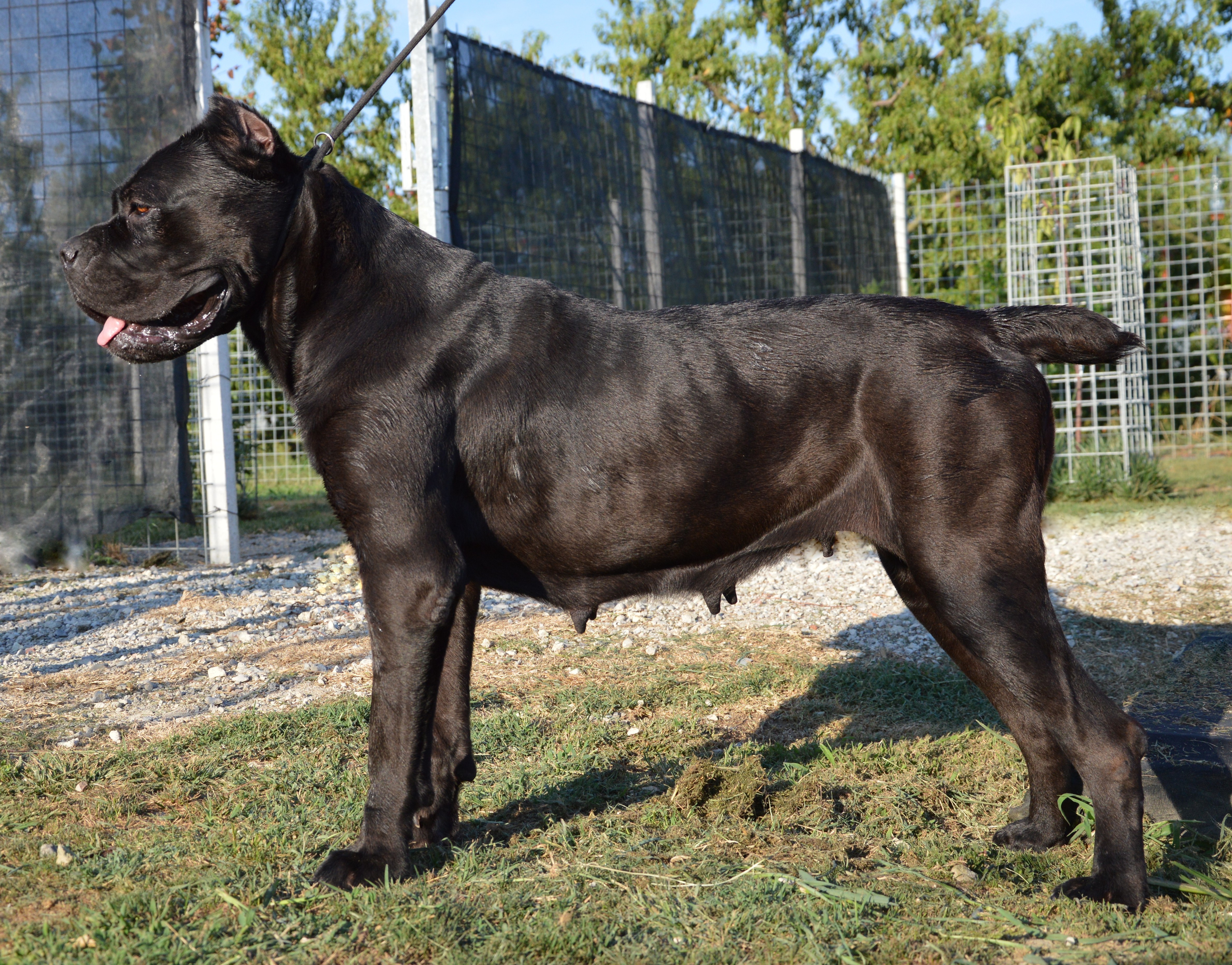
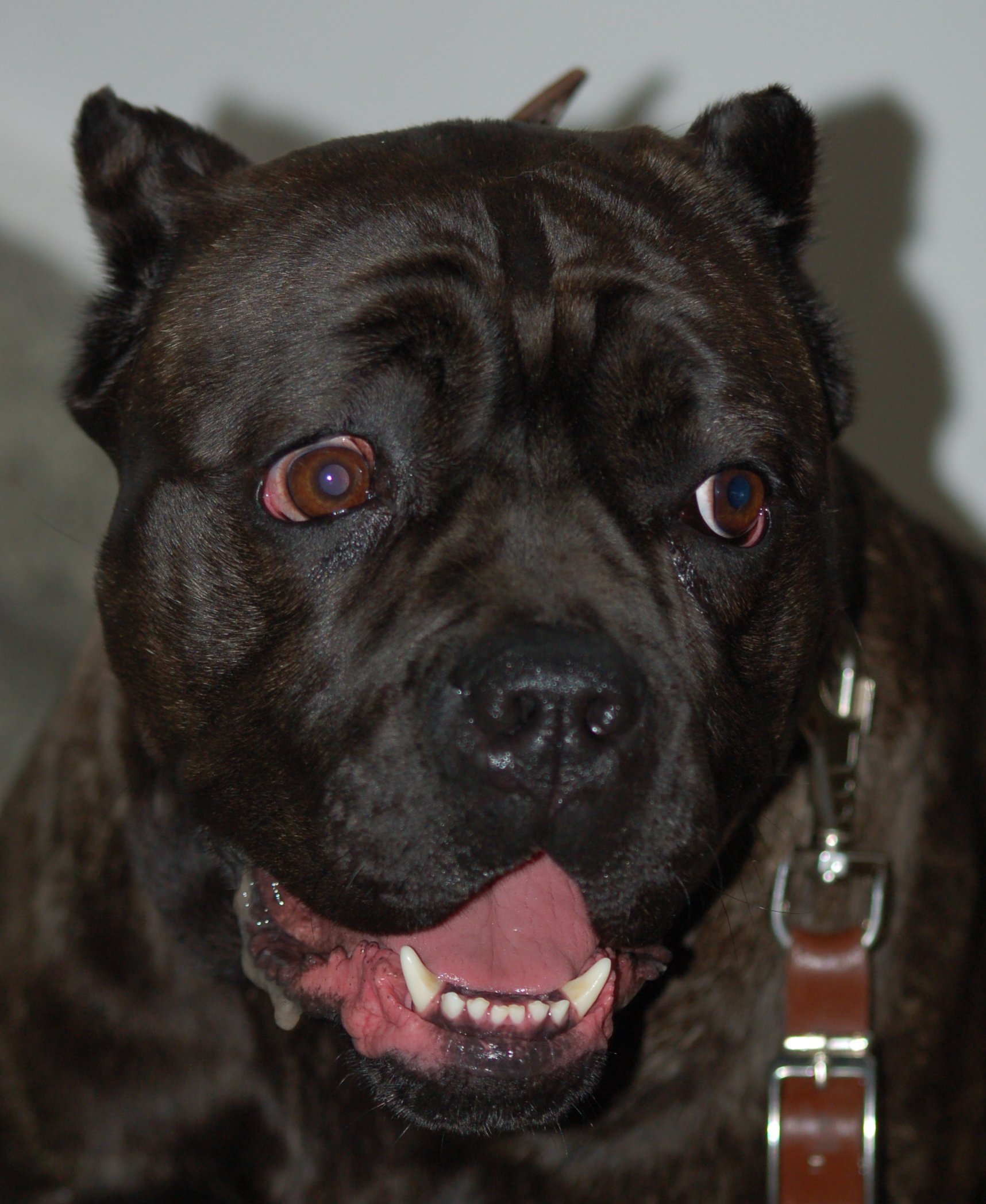
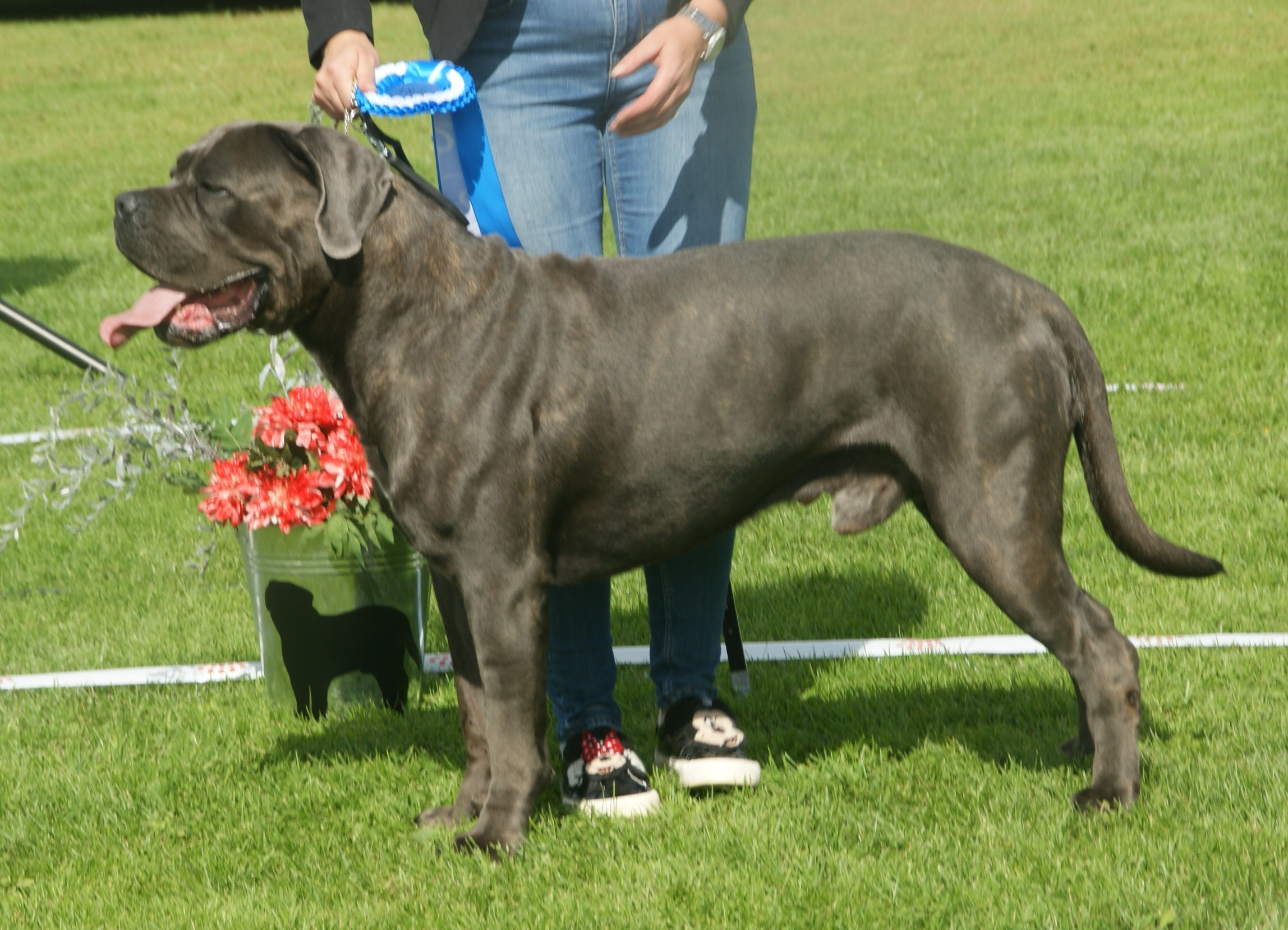
A Cane Corso bred in Italy (modern photograph). The breed is still most closely tied to southern Italian farms.
Southern Italy → farm and estate dog
An all-purpose mastiff for rural work
Public breed histories place the Cane Corso on farms in southern Italy, especially Apulia and neighbouring regions. It guarded property and livestock, helped handle semi-wild cattle and pigs, and was used on large game such as boar.
That job asked for a dog that would confront a problem rather than walk away from it. In a modern home the same trait shows up at the door, the fence and on narrow pavements — so structure, distance and clear rules matter from the start.
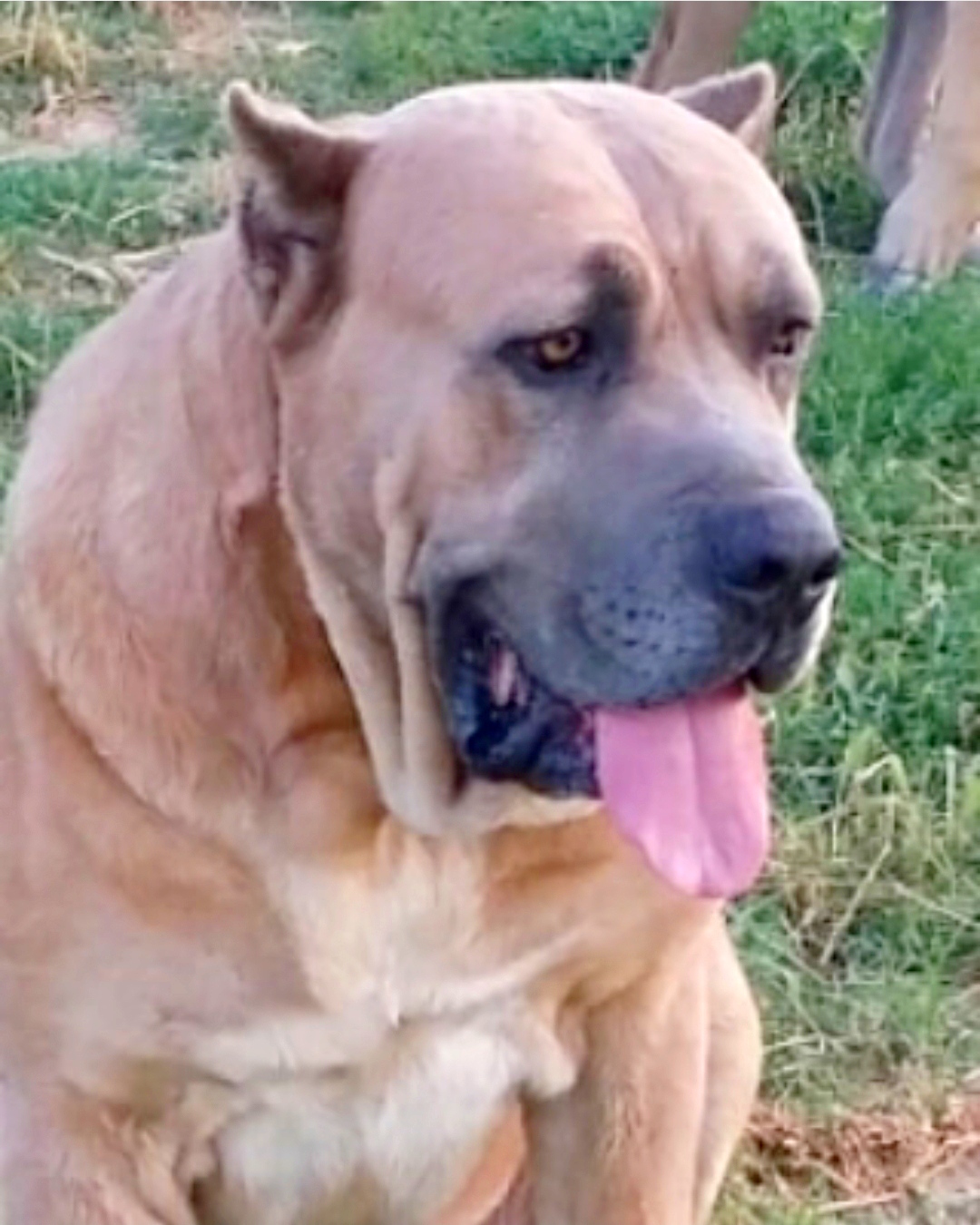
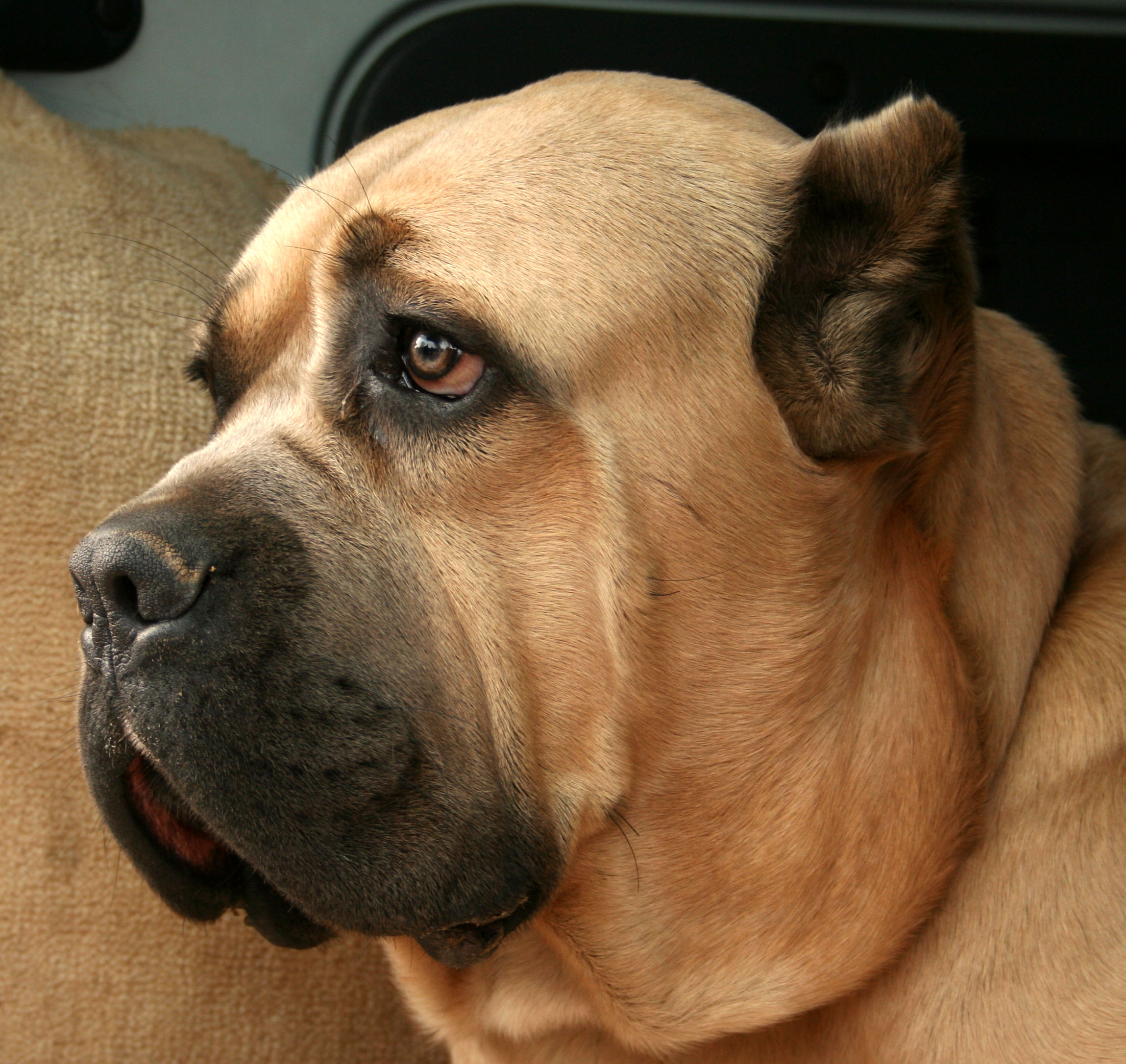
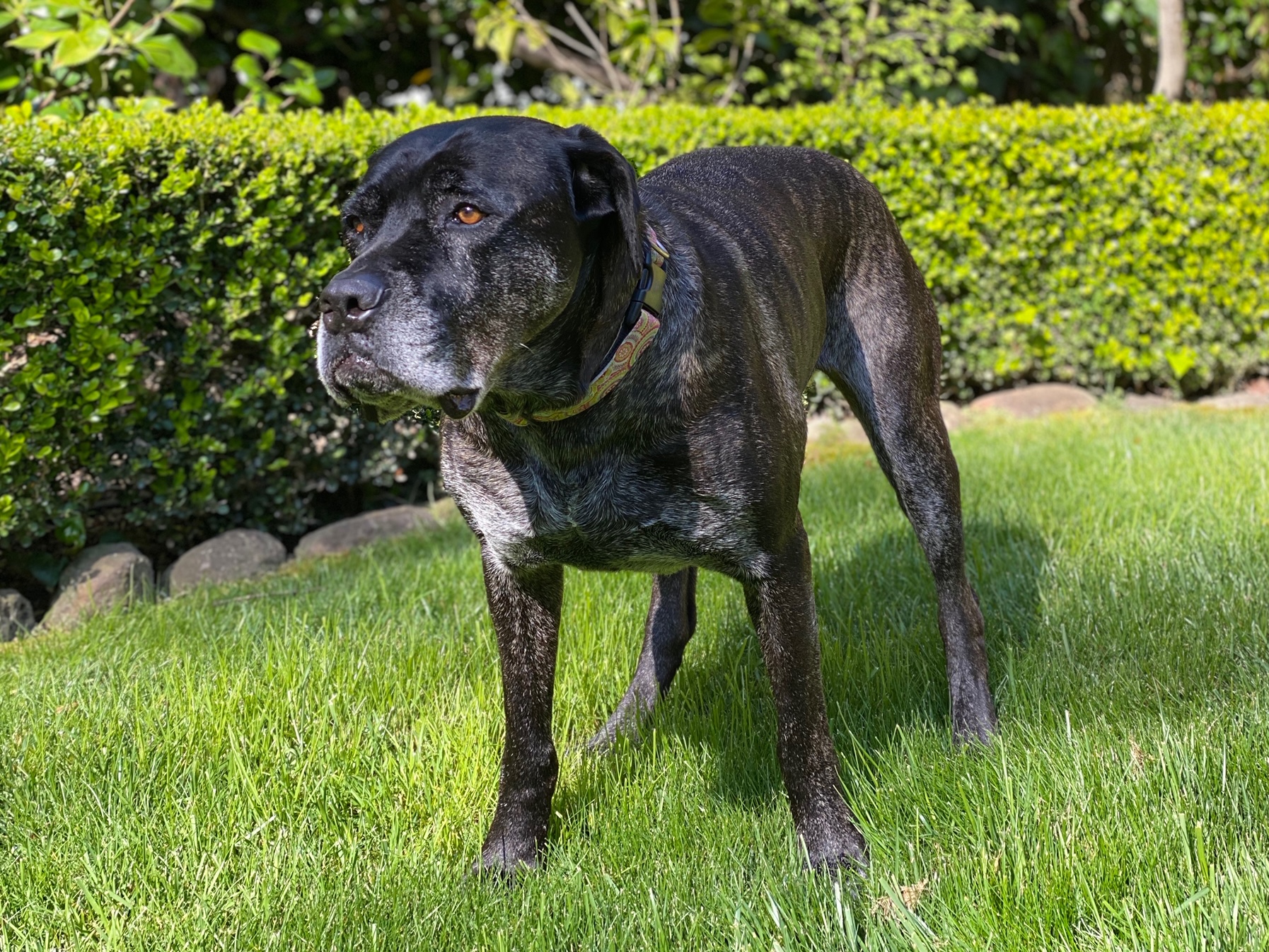
A formentino Cane Corso — the dilute fawn colour recognised in the breed standard (modern photograph).
Near loss → 1970s revival → recognition
From disappearing farm dog to recognised breed
As rural life changed in the 20th century, the type became rare. Enthusiasts began searching farms for remaining dogs in the 1970s, and a breed club was founded in Italy in the 1980s. FCI recognised the breed in the 1990s, and AKC added it in 2010.
Rapid popularity since then has produced dogs of very different quality and temperament. Meet the parents and see how they behave with strangers — the breed name alone tells you little.
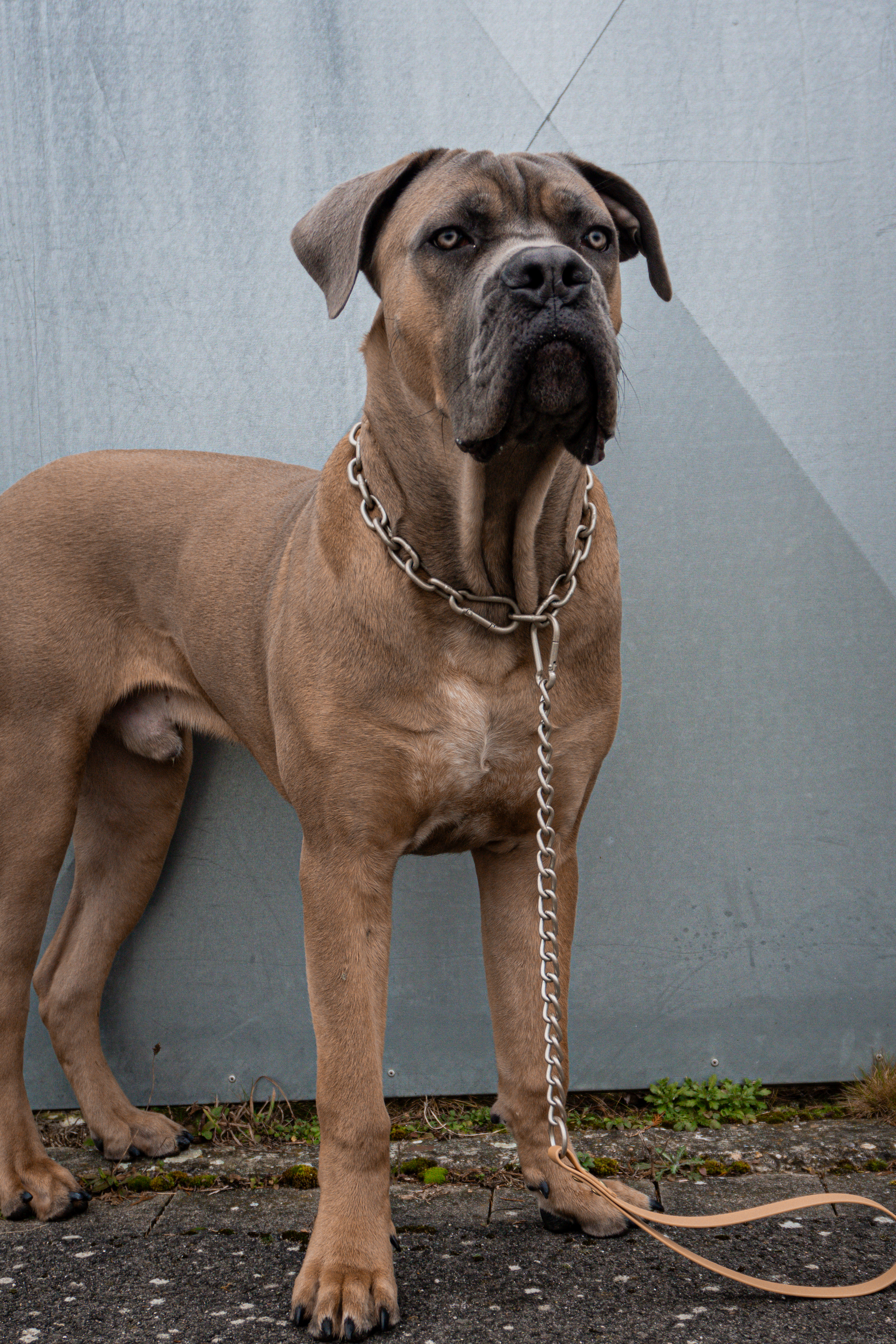
Another formentino Cane Corso (modern photograph). Coat colour says nothing about temperament; the parents do.
What the breed was bred for
Courage, physical strength and a strong sense of territory
In plain trainer language: the Corso was selected to be brave, strong and responsive to its handler. With a calm, consistent owner it becomes a stable partner. With unclear rules it starts managing visitors, other dogs and the fence on its own.
Most Corsos respond well to food and structured training. The hard part is the social side — guests, unfamiliar dogs and young adult confidence around 1–2 years.
A day is exercise, calm structure and a guardian that is not on duty all day
In city life the Corso’s job appears as watching: the gate, a dog across the road, the courier at the door. Most adults are calm indoors when their needs are met. The work is keeping those moments small and giving the dog a better job.
Morning · first walk
A brisk, structured walk on a familiar route
A Corso needs real exercise, but a walk full of close passes on narrow pavements practises tension. Choose quieter times and wider routes when possible.
What to watch monthly: weight, joints, handling and heat
General awareness only — I am a trainer, not a veterinarian. Changes in appetite, movement or tolerance for handling are often the first sign something is wrong. For urgent signs, see
when to call the vet.
Short coat, easy grooming
A weekly brush and regular nail trims are usually enough. Check the skin and ears while you brush.
Weight and growth
Keep the dog lean, especially during growth. Measure meals and use part of the ration for training. See body condition and rations.
Health screening (not a diagnosis)
Ask the breeder which health screenings the national breed club recommends and look at the results for both parents.
Handling and the vet
Practise handling and muzzle comfort early. A large guardian that hates restraint is hard to examine. See introducing a muzzle.
Heat and exercise
Walk in cooler hours in summer and avoid hard exercise right after meals. Heavy panting that does not settle is a reason to stop and call a vet.
Toxins and dropped food
I do not publish toxin amounts. If the dog swallowed something dangerous, call a veterinarian or poison-control line straight away.
Lines and types
Working-bred and companion-bred Corsos can feel very different
There is one breed standard, but breeders select for different goals. Some focus on protection sports and working drive, others on a calmer family companion. Ask what the parents do day to day.
Working and sport lines
Often higher drive, more intensity and faster reactions.
Usually need structured work such as obedience or tracking.
Can be harder to live with for a first-time owner.
Ask which titles or tests the parents have.
Suits an experienced handler with time for daily training and a clear plan for visitors.
Companion-focused lines
Usually selected for calmer temperament at home.
Still a guardian breed with strength and confidence.
Social skills with people and dogs still need careful work.
Meet the parents at home, not only at a show.
Suits a family that wants a calm, loyal guardian and will manage greetings and fencing.
Socialization windows
What to introduce — and what not to overload — by age
AVSAB-aligned in spirit: short, clean exposures at a distance the puppy can still eat,
with hygiene while vaccines finish. See the
puppy socialization schedule.
2–4 months
Home, handling and calm first experiences
Introduce: family members, gentle handling, a crate or pen, short car rides, calm visitors who ignore the puppy.
Do not overload: crowds of strangers, rough play with children, free access to the front door.
~6 months
Watching the world calmly
Introduce: people and dogs at a distance, a place cue, long-line check-ins, muzzle training as a game.
Do not overload: on-lead greetings with unknown dogs, dog parks, guarding the window.
~12 months
Adolescent confidence
Introduce: gate routine for visitors, distance work around dogs, short high-value training sessions.
Do not overload: unsupervised garden time, rough play groups, punishing growls instead of adding distance.
~18 months
Adult decisions
Introduce: calm walks in busier areas, chosen dog friends one at a time, regular handling.
Do not overload: forcing greetings, assuming puppy friendships last, relaxing management too early.
~24 months
Keep the structure
Introduce: refreshed place, recall and visitor routines; new places introduced gradually.
Do not overload: open gates, surprise meetings with strange dogs, “he’s fine now” thinking.
Before you buy
Who a Cane Corso usually fits
A Cane Corso fits experienced, consistent owners who want a loyal guardian and will put real time into training, socialisation and secure management.
Good match
More likely a good fit if you…
Have handled large, strong dogs before or will work with a trainer from the start
Can provide secure fencing and control visitors at the door
Enjoy daily training and structured exercise
Want a calm, affectionate dog at home that is reserved with strangers
Can physically control a heavy dog on lead
Mismatch risk
A Cane Corso may be a poor choice if…
You want a dog that greets every stranger happily
You plan regular dog-park visits
Training feels optional to you
Your housing or insurance restricts guardian breeds
Visitors often arrive without warning and the dog cannot be separated
If you are torn between breeds
Cane Corso vs Rottweiler and English Mastiff
Corsos are often compared with Rottweilers and Mastiffs. All three are strong guardians, but energy and handling needs differ.
Build
Cane Corso
Athletic mastiff — strong but agile.
English Mastiff
Much heavier and slower; a true giant.
Energy
Cane Corso
Moderate to high; needs daily exercise and work.
English Mastiff
Low to moderate; short walks and rest.
Guarding
Cane Corso
Strong territorial instinct; watchful with strangers.
Rottweiler
Also protective, often a little more sociable.
Coat
Cane Corso
Short coat with minimal grooming.
Rottweiler
Short double coat with more shedding.
Training
Cane Corso
Food-motivated and willing, but needs consistent structure.
Both compares
Rottweilers are similar; Mastiffs are slower to respond but calmer.
Ownership without surprises
Where a Cane Corso owner’s budget goes
Exact costs depend on your area and breeder. These are the areas to plan for — not quotes.
Training
Puppy classes and ongoing training with a trainer who knows guardian breeds.
Fencing
Secure, high fencing and self-closing gates.
Food
Large-breed puppy food and measured meals for a big adult.
Veterinary care
Routine care and a vet comfortable with large guardians. Ask which screenings the national breed club recommends.
Insurance and legal
Check landlord, insurance and local rules for the breed.
Gear
Strong lead, harness, crate and a well-fitted muzzle.
With a Corso, training and secure management are the real costs.
Before day one at home
What to prepare for a Cane Corso puppy
A Corso puppy grows into a powerful adult within a year. Careful socialisation, handling and visitor routines now shape the guardian you live with later.
Training means neutrality in public and calm structure at home
Corsos are intelligent and usually food-motivated. Fair, consistent training gives the best results; harsh methods can increase guarding or reactivity.
The aim is neutrality: a dog that sees people and dogs and stays calm. Practise at a distance where the dog can still eat.
Management supports training: gates at the door, a lead in public and no unsupervised garden patrol.
Load balance
Exercise body and brain — protect growing joints
Corsos need daily exercise and mental work. Avoid hard, repetitive exercise during growth and be careful in hot weather.
Brisk walkObedienceNose workChewSettle
Walks, obedience, tracking, nose work and food puzzles meet most needs. Protection work without an expert and rough play with unknown dogs do not.
A well-exercised Corso with clear rules is calm and affectionate indoors.
Neutral around dogs
How to teach a Cane Corso to pass other dogs calmly
Start far enough away that the dog notices the other dog but can still take food.
01
Find the working distance
Start where the Corso sees the other dog but can still eat calmly.
02
Mark the look
When the dog looks at the other dog, mark and reward right away.
03
Reward the look back
Wait for the dog to look back at you, then reward generously.
04
Move on
Walk away in a curve so the dogs never meet head-on.
05
Shrink distance slowly
Only move closer when the dog stays relaxed at the current distance.
One scene close-up
Why your Corso freezes when another dog approaches
A freeze is the dog deciding what to do next. If the other dog keeps coming, the next step may be a lunge.
Add distance, reward a look back to you and move on. Never let unknown dogs approach a Corso head-on.
If the dog lunges or cannot take food near dogs, keep more distance and work with a qualified behaviour professional.
“With a Cane Corso, I build structure before the size and confidence arrive. We teach calm looks at other dogs, a place cue for visitors, muzzle comfort and fair house rules — because a strong farm guardian needs to know that the humans handle the door.”
Sessions cover real scenes: visitors at the door, passing dogs on lead, handling and vet visits, adolescent testing, and settling at home. I am a trainer, not a veterinarian. No invented reviews.
Andrew DarovProfessional dog trainer and instructor
Describe age, living setup, and where the dog breaks first — visitors at the door, reactions to other dogs, pulling on lead, or settling at home. Opens WhatsApp to Andrew.
A strong Swiss farm and draft dog that is usually family-friendly and needs leash manners, exercise and steady training.
Need a read on your exact situation?
Describe your Cane Corso’s age and the scene that repeats most: visitors at the door, reactions to other dogs, pulling on lead, or settling at home. We check safety first, then pick the first skill.
Written by Andrew Darov, professional dog trainer. Not veterinary advice and not a diagnosis.
Not a kennel club. No invented reviews. No vaccine schedules or toxin doses. Photo credits in
/images/breeds/cane-corso-guide/credits.md.