Berger Picard: temperament, training and daily life with the rough-coated French shepherd
The Berger Picard, or Picardy Shepherd, is a medium-large, rough-coated herding dog from the farms of northern France. You get a lean, athletic dog with big upright ears, a sense of humour and a mind of its own. It is loyal and gentle with its family, reserved with strangers and quick to take offence at harsh handling. What works is daily exercise with something to think about, calm and fair training, steady socialization with new people and a home where the dog is part of family life.
Job: A French herding dog, FCI Group 1 and AKC Herding Group; harsh, rough coat in fawn or brindle shades.
Energy: Sensitive, clever and independent; affectionate at home, reserved with strangers.
Home: Suits an active owner who trains with patience and wants a dog that thinks for itself.
A Picard looks scruffy and relaxed, and it is a thinking farm dog
People see a shaggy, smiling dog from a film poster and expect an easy-going family pet. What arrives is a working shepherd that watches, judges and decides for itself whether your idea is a good one.
In family homes I meet a dog that is very attached to its people and a little cool with everyone else. The hard parts are a dog that ignores commands it finds boring, worries or sulks after a harsh word, chases joggers or bikes, and gets restless and noisy when its days are empty.
My plan has four parts. Exercise every day that includes a small job. Short, fair training with food and play, never force. Slow, calm meetings with strangers and new places from puppyhood. And a dog that lives with the family, not out in the yard on its own.
FCI: males 60–65 cm (about 23.5–25.5 in), females 55–60 cm (about 21.5–23.5 in)
Weight
About 50–70 lb (about 23–32 kg)
Energy
High; needs daily running and work, calm at home with enough to do
Coat / shed
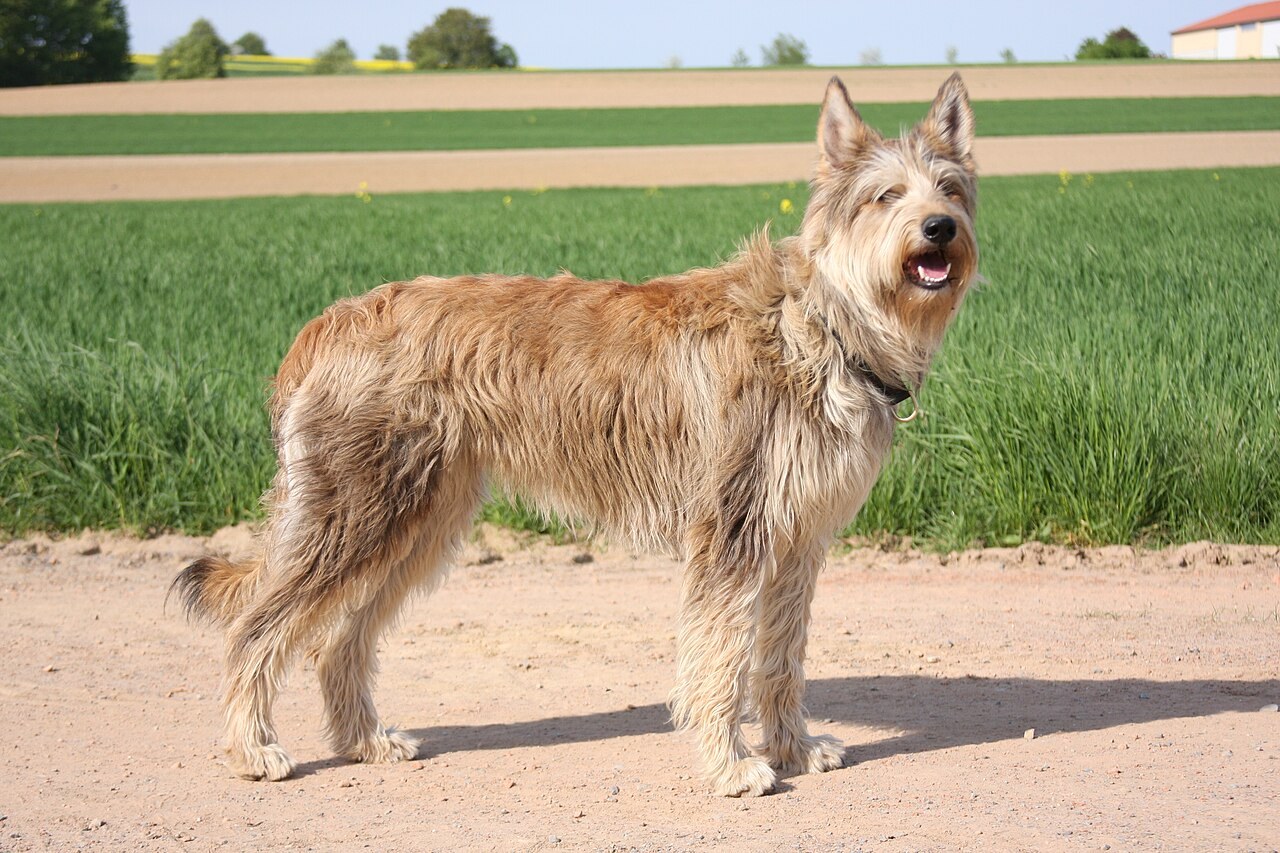
Harsh, crisp rough coat about 5–6 cm long with a soft undercoat; fawn or brindle in several shades
Job
Herding and farm dog (FCI Group 1)
Temperament in one minute
Berger Picard temperament: what they are like at home
Short answer: Berger Picards are sensitive, clever and independent herding dogs that are affectionate and often funny with their family and reserved with strangers. They learn fast but get bored with repeated drills and react badly to harsh handling. Many chase joggers or bikes and bark when bored. They need an hour or more of exercise a day, short and fair training, patient socialization and a place in family life, and their rough coat needs only weekly brushing.
Are Berger Picards affectionate?
Yes, with their own people. Most like to stay close to the family. Build short absences early.
Are Berger Picards easy to train?
They learn quickly with food and play but think for themselves. Keep sessions short; start with a hand target and a long line recall.
Are Berger Picards friendly with strangers?
Reserved at first. Guests who sit down and leave the dog alone get the best result; see guest entry steps.
Are Berger Picards good with kids and other dogs?
Usually yes with children and dogs they know. Teach children not to run past the dog in wild games. See children and guests.
Berger Picard behavior problems to expect
The usual four are a patchy recall, chasing runners and bikes, reserve with strangers and restlessness when bored. The list further down links a guide for each.
Living with a Berger Picard in an apartment
Possible with a lot of outdoor exercise. Plan for hallway noises with door barking practice and a bed to settle on.
Breed history
How a French farm shepherd survived two wars on its home ground
The history will not train your dog, but it explains the independence, the reserve with strangers and the need for work.
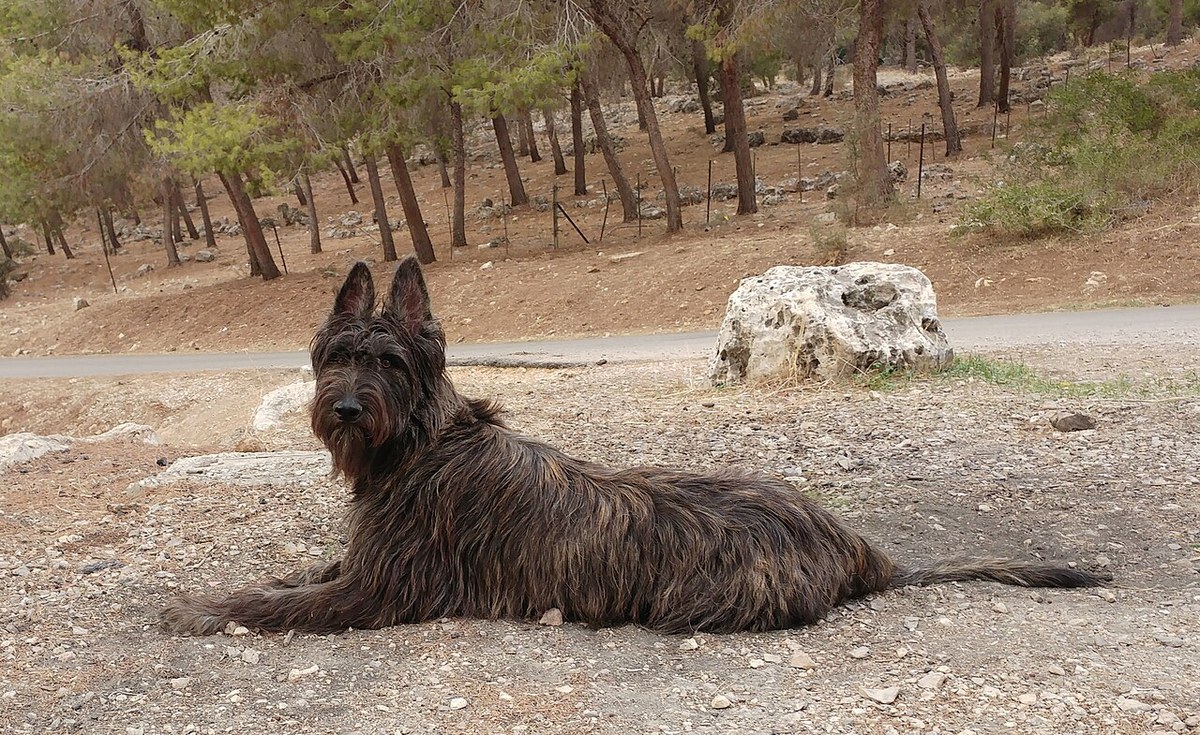
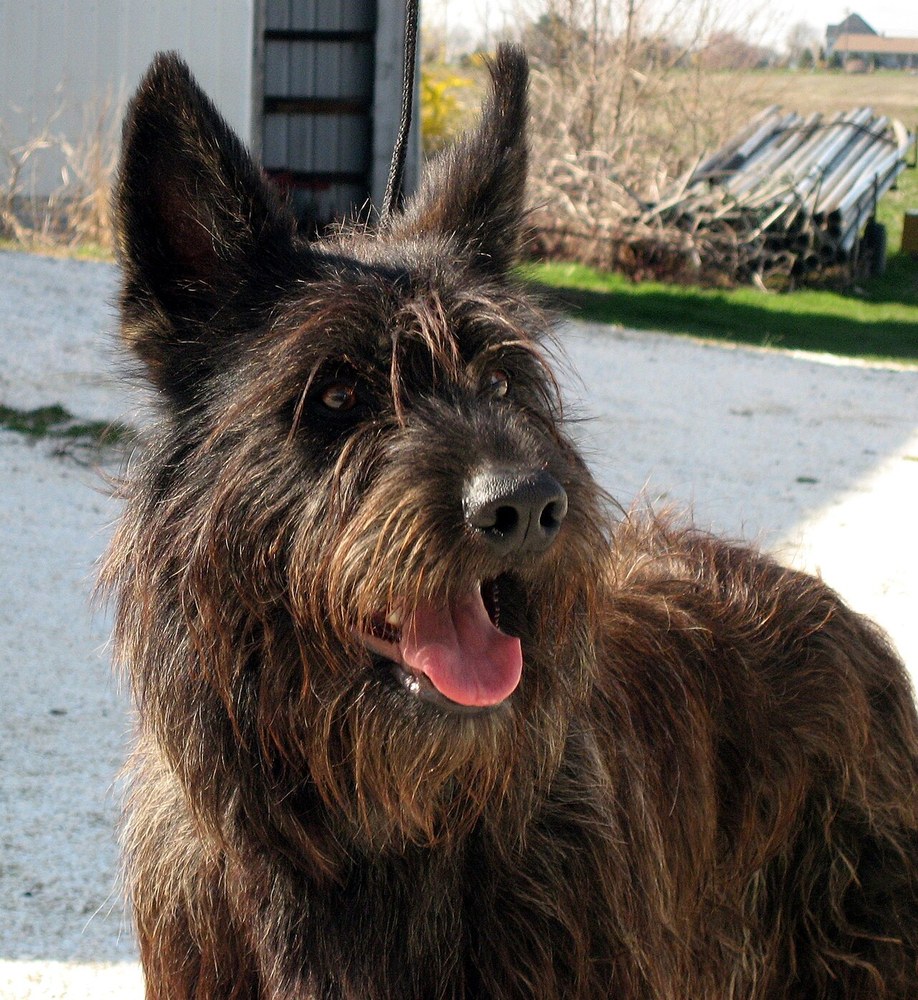
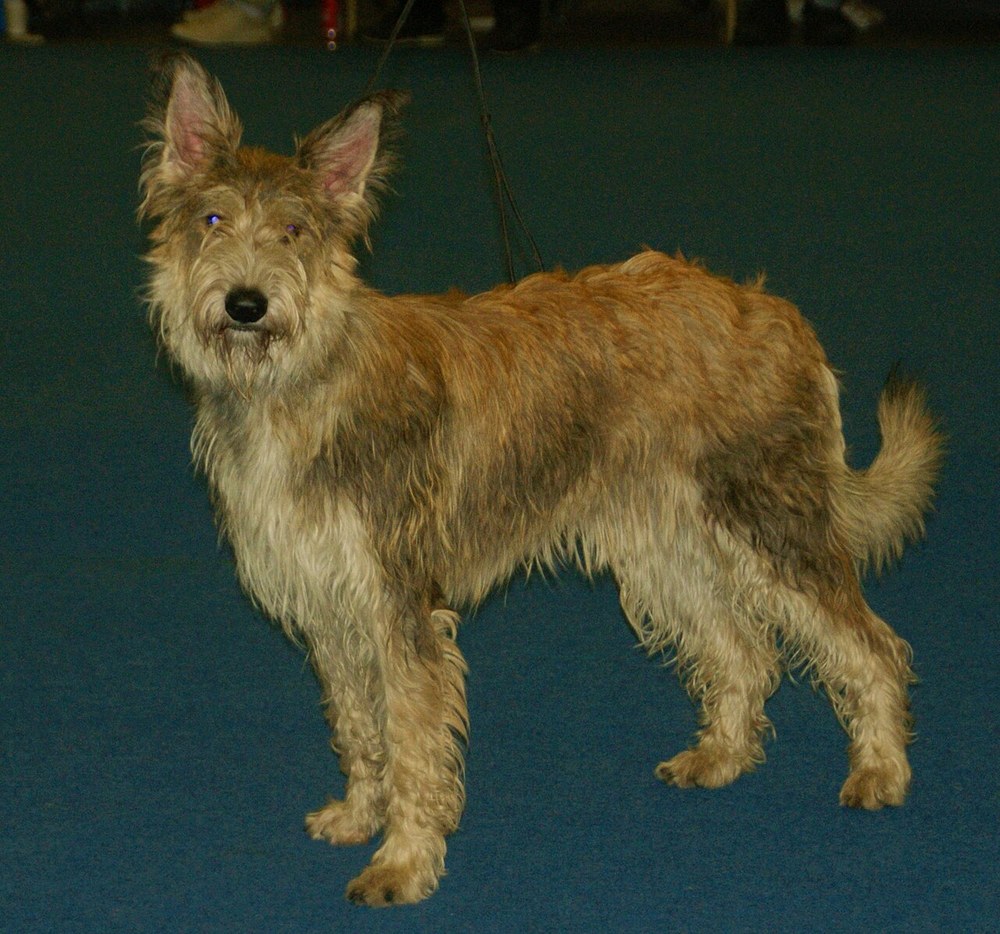
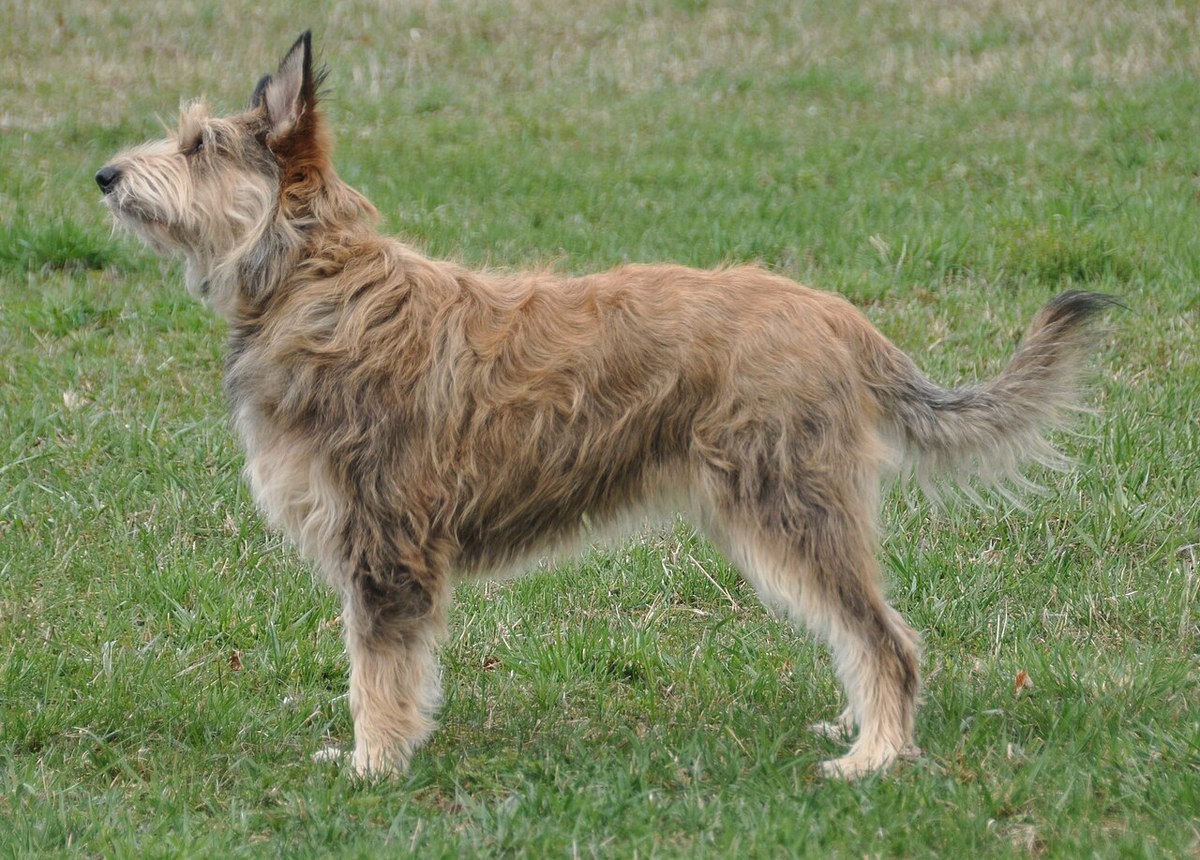
A brindle Picard resting outdoors: a lean, rough-coated dog built for long days in the fields.
Northern France · farm work
A shepherd of the Picardy plains
Rough-coated sheepdogs worked with flocks and cattle across Picardy and the nearby north of France for a long time. Farmers wanted a dog that could work all day with little direction and keep an eye on the farm.
Some breed writers link the Picard to dogs brought by early settlers many centuries ago. It is an old story without solid records; treat it as a legend.
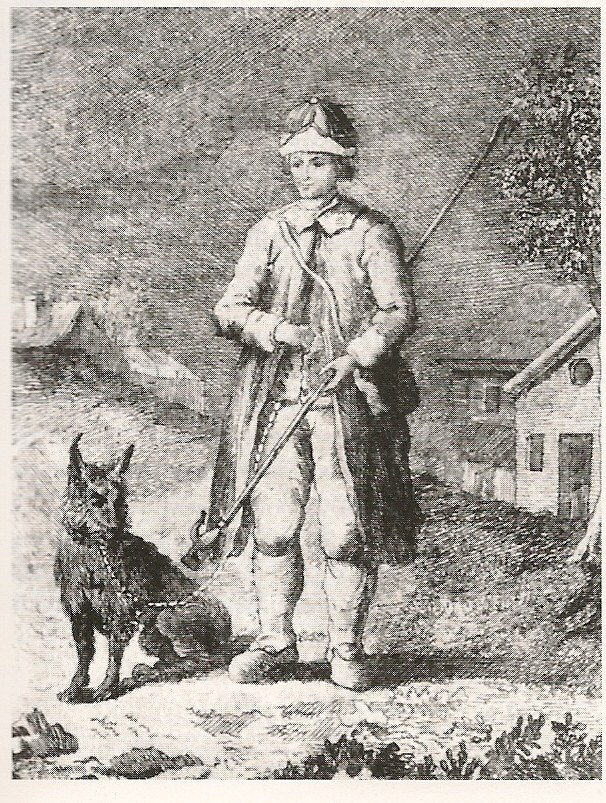
An old illustration shared as a picture of an early Berger Picard: the type was a farm dog long before it was a show breed.
After two world wars
Saved by a small group of breeders
Picardy was a battlefield in both world wars, and the breed came close to disappearing. After 1945 a handful of French breeders gathered the remaining dogs, and a French breed club was set up in the 1950s.
The breed is still rare. The AKC added it to the Herding Group in 2015, and many people first saw one in the 2005 film Because of Winn-Dixie.
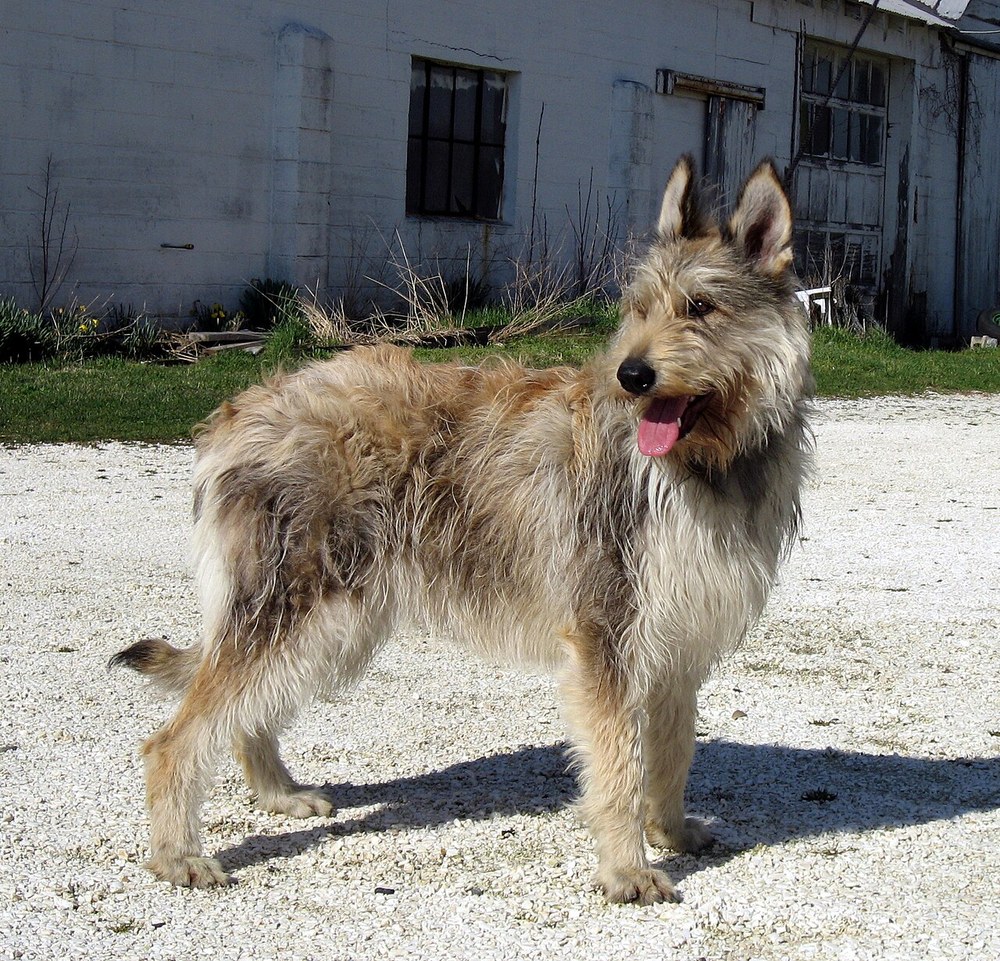
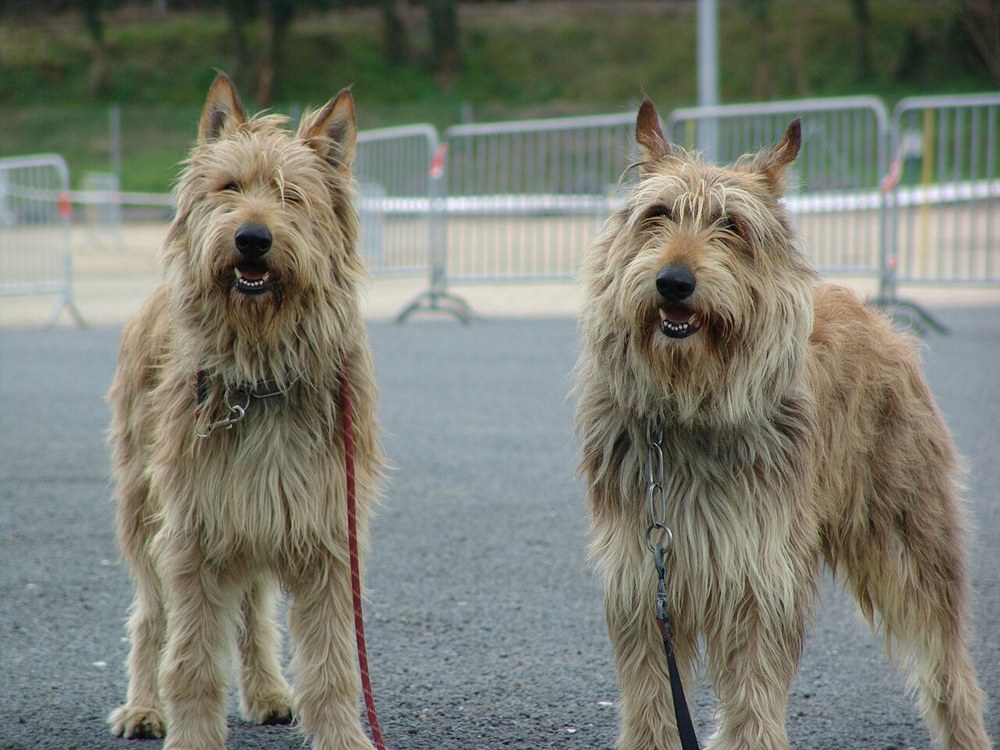
A fawn Picard with the darker shading called charbonné: the classic farmyard look of the breed.
What the breed was bred for
Gentle at home, cool with strangers
Day to day you live with an affectionate, often funny dog that likes to stay near its family and follow them from room to room. Many are good with children they know.
The same dog is slow to trust new people and has its own opinion about tasks. It learns quickly when the work makes sense to it and shuts down when training turns harsh.
A good day has a long walk, a brain game and time close to the family
Most adult Picards do well with an hour or more of walking, running and play, plus ten minutes of training or a search game. Trouble usually starts when the dog has nothing to do or is left alone a lot: barking, digging, chasing anything that moves past the fence or simply not listening.
Morning · walk
Exercise with a little job
A herder enjoys a walk with tasks: a few recalls on a long line, a sit at the kerb, a toy to carry, a short search for treats in the grass. Vary the route so the walk stays interesting for a dog that gets bored with repeats.
A Picard learns fast but quickly stops trying if the same thing is drilled again and again. Train for five minutes, use food and play, end while it still wants more, and never use harsh corrections, which make this breed worried and less willing.
Herding drive can turn into chasing runners, bikes or cars. Keep the dog on a lead where these pass, reward it for looking at you instead, and build distance before you ask for calm close up.
Many Picards stand back and watch visitors before they say hello. Let guests ignore the dog, sit down and drop a treat now and then. A dog that is allowed to choose the pace usually warms up faster.
A Picard that spends the evening near its people, with a chew on its bed, is usually a calm dog. Teach a bed cue early so the dog can switch off while the family cooks, eats or has guests.
General awareness only. I am not a veterinarian. With Picards, owners often spot trouble first as a change in movement, squinting or cloudy-looking eyes, sore skin under the rough coat or extra weight. For red flags, leave this page and open
when to call the vet.
Eyes
Ask your vet about squinting, tears, redness or any change in how the dog sees in dim light.
Joints and movement
Stiffness after rest or a change in gait should see a vet. See limping stop list.
Coat and skin
Brush weekly and check for burrs, ticks and sore spots after country walks.
Weight
Keep this athletic dog lean. Feel the ribs and count treats. See BCS check at home.
Ears
The big upright ears catch grass seeds; look inside after walks in long grass.
Ask the breeder
Ask which screenings the national breed club recommends for the parents, and ask to see the results. Do not invent disease claims from a blog.
Lines and types
Every Picard needs work for its brain and patient socialization
No bloodline selling. The breed is small and rare, so most puppies come from a few breeders with long waiting lists. Some Picards are bolder and busier, others softer and more cautious. Meet the mother if you can and watch how she greets a stranger.
Family companion homes
Daily walks with small tasks.
Short, varied training games.
Calm meetings with visitors.
Time with the family, not alone in a yard.
Suits an active family that trains gently and keeps the dog part of daily life.
Sport and herding homes
Herding lessons where available.
Agility, rally or tracking.
Scent games and tricks.
Rest days after big efforts.
Suits an owner who wants a clever partner and accepts that it will sometimes have its own plan.
Socialization windows
What to introduce — and what not to overload — by age
AVSAB-aligned in spirit: short, clean exposures at a distance the puppy can still eat,
with hygiene while vaccines finish. See the
puppy socialization schedule.
2–4 months
Settling in and gentle meetings
Introduce: calm visitors who let the puppy come to them, short car rides, quiet new places, the toilet spot, short spells alone.
Do not overload: harsh words, crowds pushing in to touch the puppy, long repeated drills.
~6 months
Testing and choosing
Introduce: recall games on a long line, waiting at doors, play with steady adult dogs, short training every day.
Do not overload: off-lead freedom near roads, punishing the puppy for ignoring you.
~12 months
Teenage independence
Introduce: new places at quiet times, a bed cue during visits, search games, calm practice near joggers and bikes.
Do not overload: long days with nothing to do, letting it chase runners for fun.
~18–24 months
A settled young adult
Introduce: herding, agility or tracking if you like them, longer walks, café visits with a quiet corner.
Do not overload: deciding the dog is unfriendly because it still watches strangers first.
~3 years+
Maintenance
Introduce: daily walks with tasks, regular training games, weekly brushing, yearly vet checks.
Do not overload: dropping all training once the dog seems grown up.
Before you buy
Who a Berger Picard usually fits
Fit comes down to your time for exercise and training, your patience with a dog that thinks for itself, how you handle a sensitive animal and whether the dog will live as part of the family.
Good match
More likely a good fit if you…
You enjoy training and like a dog with opinions
You train with patience and without harsh corrections
You have time for an hour or more of exercise every day
You want a loyal dog that is cool with strangers
You like an easy coat with no trimming
Mismatch risk
A Berger Picard may be a poor choice if…
You want a dog that obeys every cue straight away
The dog would be alone or in the yard most of the day
You prefer firm, correction-based training
You want a dog that loves every visitor at once
You live where joggers and bikes pass all day and cannot train for it
If you are torn between breeds
Berger Picard vs Briard and Beauceron
All three are French farm shepherds. The Briard has a long coat and a stronger guarding side; the Beauceron is bigger, short-coated and more forceful. The Picard is the lighter, rough-coated and more sensitive one.
Coat
Berger Picard
Rough, crisp, about 5–6 cm; easy care.
Briard
Long coat that needs a lot of brushing.
Size
Berger Picard
Medium-large and lean.
Beauceron
Larger and heavier.
Strangers
Berger Picard
Reserved, warms up slowly.
Briard
Often more guarding with strangers.
Handling
Berger Picard
Sensitive to harsh handling.
Both compares
All three need fair, consistent training.
Ownership without surprises
Where a Berger Picard owner’s budget goes
Costs depend on country, city and your choices. These are themes to plan for, not quotes.
Veterinary
Annual vet visits, the vaccines your vet recommends and the health tests the breed club asks breeders for.
Puppy
A rare breed with few litters; expect a waiting list and possibly travel to the breeder.
Training
A puppy class, then sport or obedience classes to keep the brain busy.
Food and treats
A medium-large active dog; training treats add up.
Company
A sitter or day care for long workdays, so the dog is not left alone for hours.
Grooming costs are low: no trimming, just a weekly brush and the usual nails, ears and teeth.
Before day one at home
What to prepare for a Berger Picard puppy
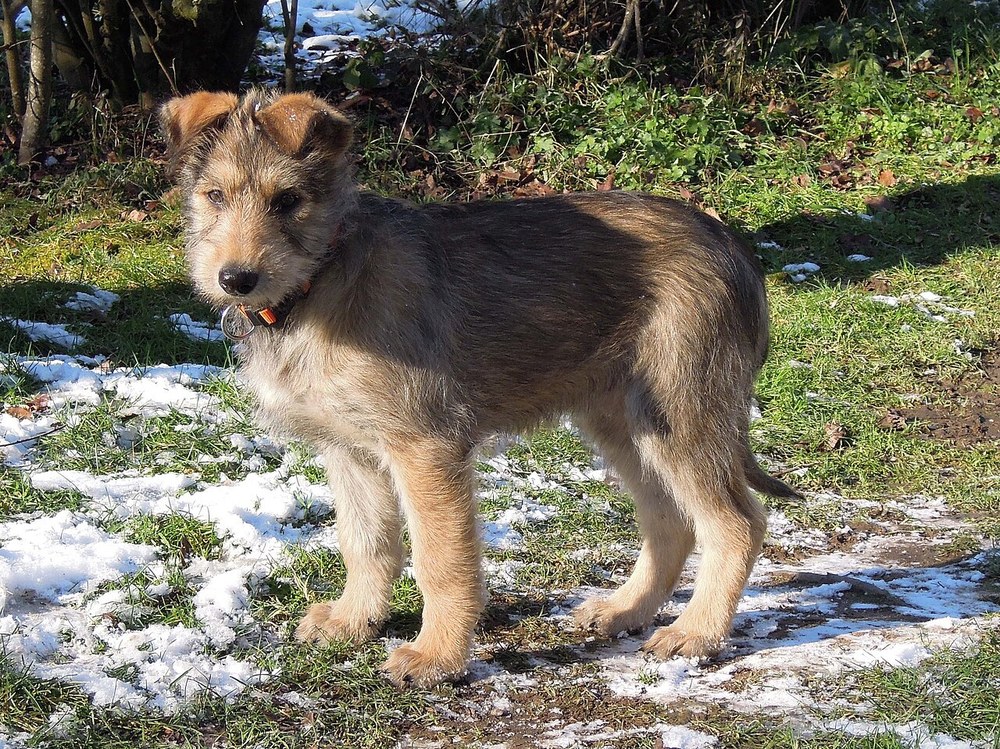
A Picard puppy is curious, busy and a little cautious with new things. Have a bed spot, chews, a long line and a few calm visitors lined up before it comes home.
Training a Picard means short, fair sessions and a recall built on a long line
Five skills cover most of daily life: a recall you can trust, waiting at the door, settling on a bed, calm walking past joggers and bikes, and polite meetings with visitors.
Picards learn fast and get bored fast. Keep sessions short and varied, use food and play, and stop before the dog loses interest. Harsh corrections tend to make this breed worried or stubborn, not better behaved.
Build the recall on a long line in many places before you trust it off lead, and keep the dog on a lead near roads and livestock.
Load balance
Walks and brain games first, then calm
Go easier with puppies, older dogs and hot weather. A limp, a squint or sudden bad temper means a vet visit comes before more training.
Long walkRecall gameSearch for treatsChew on the bedQuiet nap
For this breed, ten minutes of thinking work tires the dog more than another lap of the park.
A Picard with a busy head listens much better on the long line.
Recall on a long line
How to build a recall a Picard will choose to answer
Start in a quiet place, call once, reward big, add small distractions slowly and keep the long line on until the dog comes back every time.
01
Start somewhere quiet
Begin on a long line in a calm, familiar place.
02
Call once
Say the cue one time in a happy voice.
03
Reward big
Give something the dog really wants when it reaches you.
04
Release again
Let it go back to sniffing so coming back costs it nothing.
05
Add distractions slowly
Move to busier places only when the easy ones work every time.
One scene close-up
Why a Picard sometimes decides not to come
This breed was made to work at a distance from the shepherd and make its own small decisions. A dog like that weighs up your call against what it is doing, so recall has to be worth more than the smell or the jogger.
Practise on a long line where the dog can make mistakes safely. Call once, reward with something it really wants, then let it go back to sniffing. Add harder places only when the easy ones work every time.
A dog that suddenly stops wanting to move or play may be in pain; a vet check comes before more training.
“With a Picard, I begin with three things: daily work for its brain, fair training without force, and a recall built slowly on a long line. Treat it as a partner and it becomes a loyal, funny dog that stays close by choice.”
We work on what your days actually look like: recall, chasing, visitors, time alone and house manners. I am a trainer, not a veterinarian.
Andrew DarovProfessional dog trainer and instructor
Write down the dog's age, how much exercise it gets and the first thing that goes wrong: recall, chasing, strangers, barking or time alone. Opens WhatsApp to Andrew.
Often yes, for an active family that trains gently. Most are loyal and affectionate with children they know. They need to live with the family, not alone in a yard.
Is a Berger Picard a good first dog?+
It can be, for a first-time owner who enjoys training and is patient. It is sensitive and independent, so harsh or rushed training does not work.
Do Berger Picards bark a lot?+
They are watchful and will bark at strangers or noises, and more when bored. Daily work and a door routine help.
Berger Picard vs Briard: what is the difference?+
The Briard has a long coat that needs heavy grooming and is often more guarding. The Picard has a rough, easy coat and is usually softer.
Berger Picard vs Beauceron: what is the difference?+
The Beauceron is larger, short-coated and more forceful. The Picard is lighter and more sensitive to harsh handling.
How much exercise does a Berger Picard need?+
About an hour or more of walks, running and play each day, plus short training or search games.
Are Berger Picards good with strangers?+
They are usually reserved at first. Calm, slow meetings in puppyhood help them accept visitors.
Do Berger Picards shed?+
They shed lightly most of the year and more in season. A weekly brush is usually enough, and the coat is not trimmed.
Can a Berger Picard live in an apartment?+
It can with a lot of daily exercise outdoors, but most do better with a house and a safe garden.
Can a Berger Picard be left alone?+
Short absences are fine once practised. Long days alone often lead to barking, digging or restlessness.
What health themes should I ask about?+
Ask the breeder which health checks the national breed club recommends for parents and see the papers. Tell your vet the breed. This is general awareness, not a diagnosis.
How long do Berger Picards live?+
Public breed references often mention about 12–13 years. Individual dogs vary.
If a Picard seems like more dog than your home can handle
Most people fall for the scruffy face and the big ears. The independence, the sensitivity and the daily need for work are the parts to be sure about first.
An alert, medium-sized watchdog from the Middle East. Devoted, clever and clean; wary of strangers, barks to warn and needs calm socialising and fresh training.
A tough Louisiana working dog with a merle leopard coat and glass eyes. Loyal and smart, wary of strangers; needs a daily job, a secure fence and calm, fair rules.
Tug of war is a good game for most dogs if it has rules: a special toy, a start cue, a drop cue and pauses. How to play safely with puppies and adult dogs.
Teach a reliable recall: one cue, a reward at your legs and one thing harder at a time on a long line until your dog comes around distractions.
Need a read on your exact situation?
Send me a few lines about your Berger Picard: how old it is, what a normal day looks like and what goes wrong first. We rule out health and safety issues first, then choose one skill to start with.