Briard: temperament, training & French herding guardian
The Briard is a large French herding dog with a long, wavy coat and double dewclaws. Most are loyal, protective and independent thinkers. Life goes well with early socialization, calm and consistent training, thorough grooming and daily walks.
Job: French flock dog and guardian.
Energy: Moderate to high; daily walks and activity.
Long wavy double coat — sheds; thorough weekly brushing
Job
French flock dog and guardian
Breed history
A French flock guardian with a heart of gold
The Briard comes from French farms where it herded and protected sheep. That gave it loyalty, a protective streak and a long, wavy coat that takes real time.
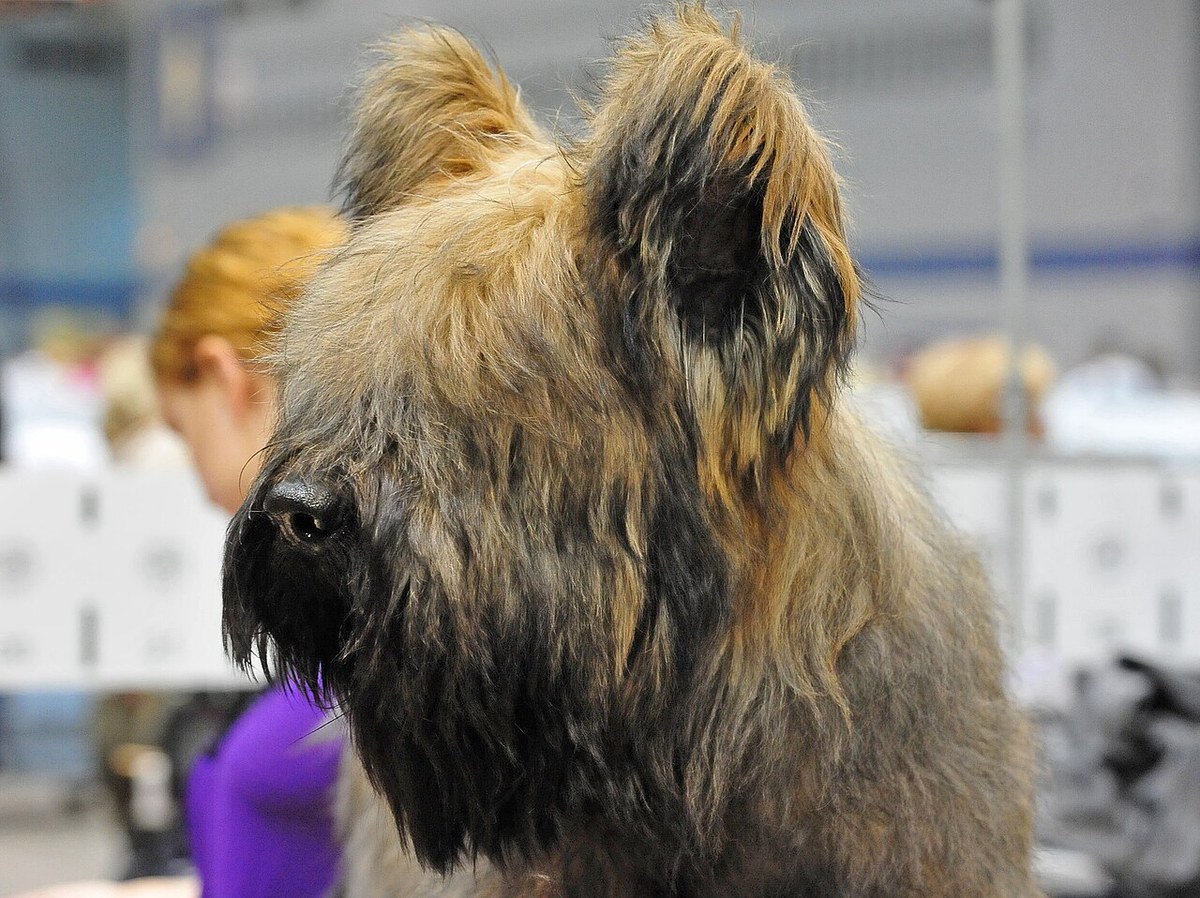
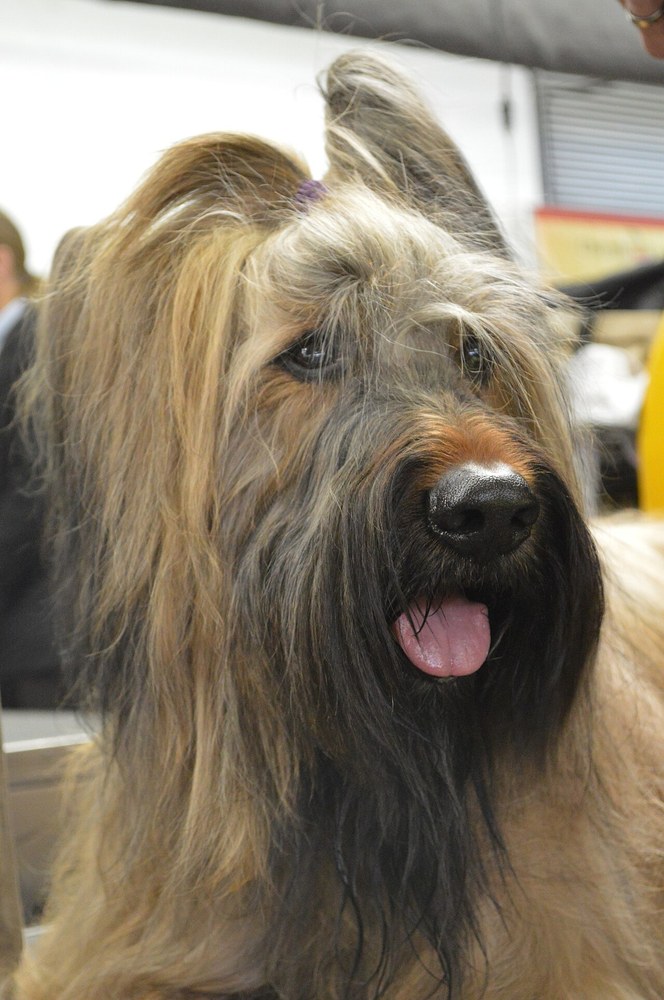
A Briard’s face (modern photograph). The long eyebrows and beard are typical of the breed.
Brie, France → flock dog
A shepherd from northern France
Public breed histories describe the Briard, or Berger de Brie, as an old French farm dog that moved flocks and kept them safe from threats.
It worked closely with shepherds and decided for itself when needed — the root of its loyalty and independence.
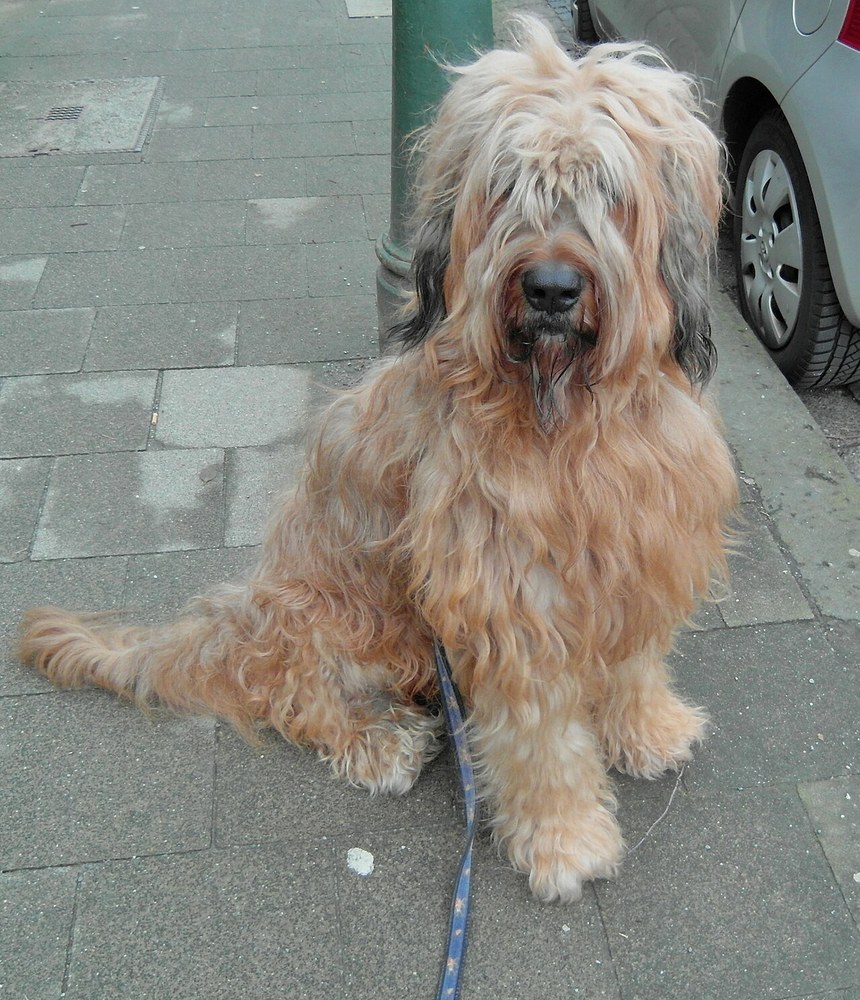
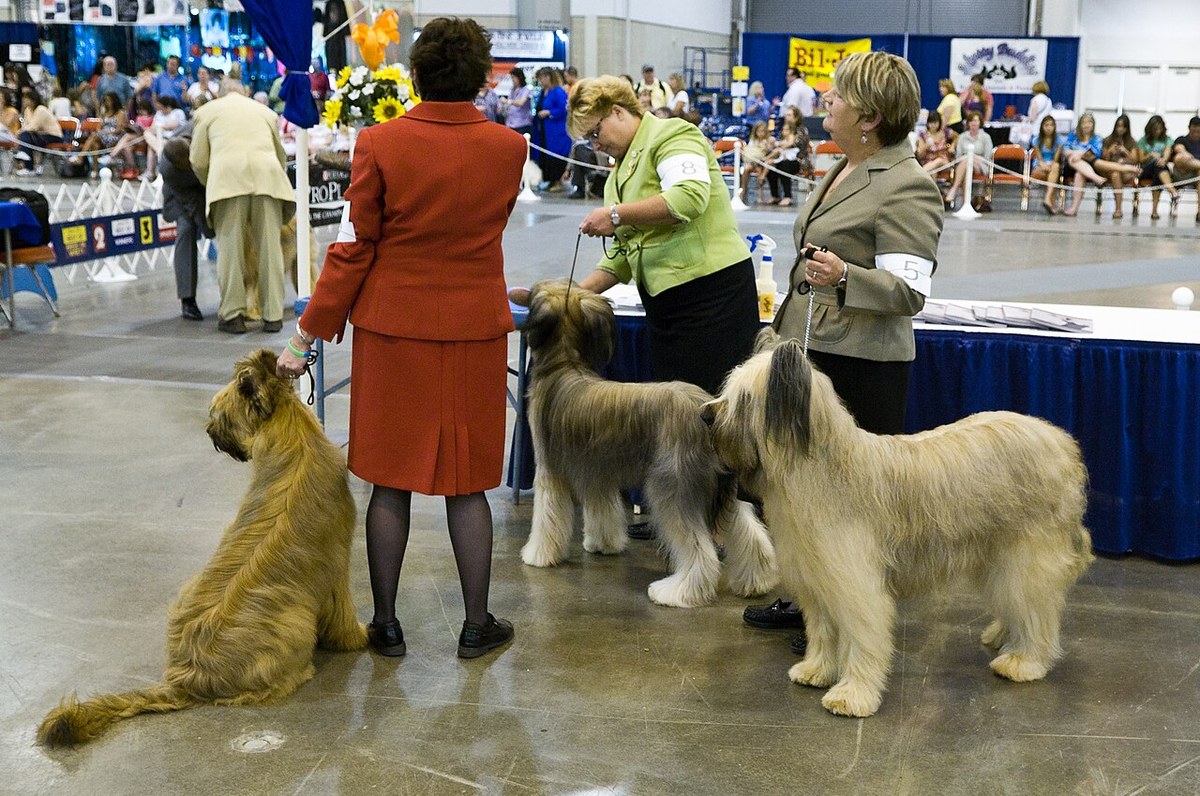
A fawn Briard at a show in Sweden (modern photograph). Fawn, black and grey are accepted colours.
War service → family homes
Wartime helper and companion
Briards served the French army in the First World War, carrying supplies and searching for wounded soldiers, according to breed histories.
Today most are family dogs. Meet the parents and see how they greet strangers.
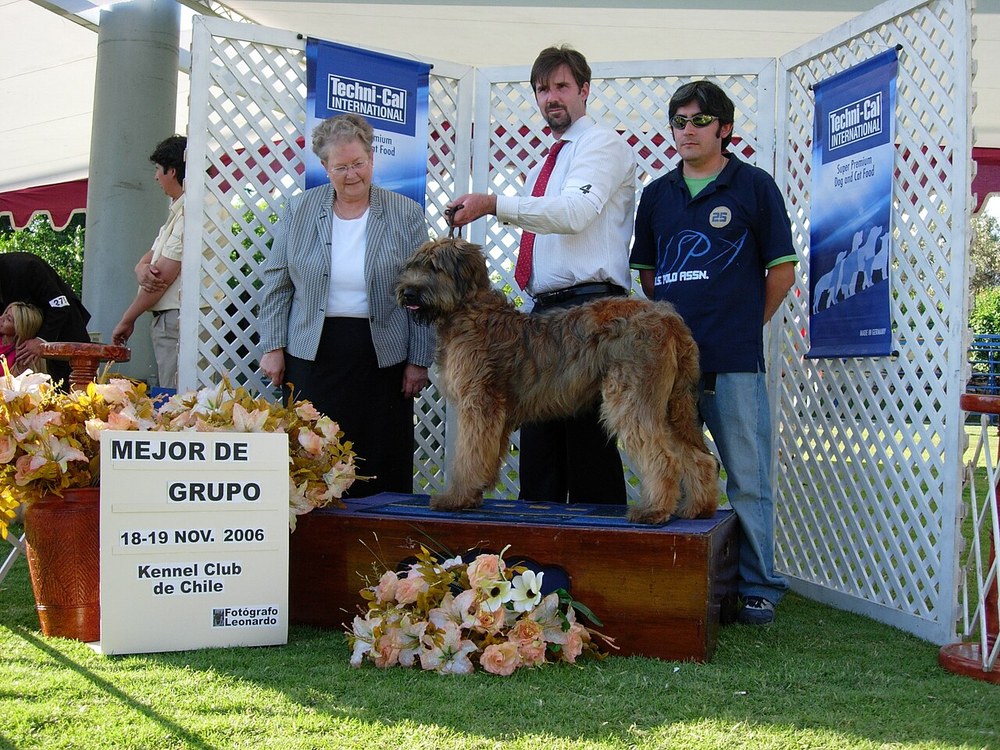
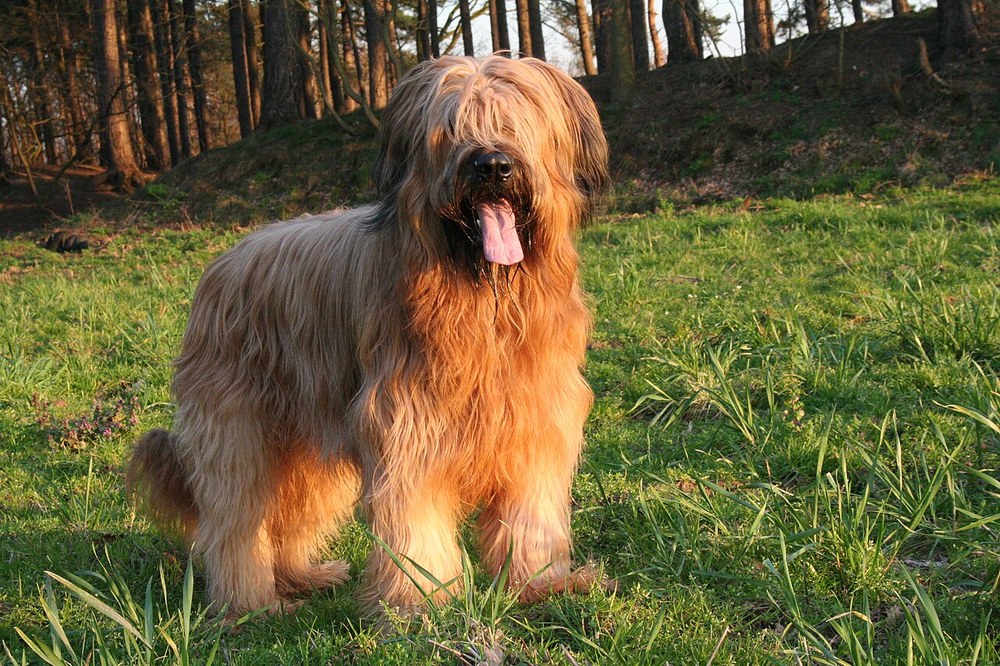
A young Briard winning best of group at a show (modern photograph).
What the breed was bred for
Loyal, protective and independent
In plain trainer language: Briards are devoted to family and often reserved with strangers. Many are clever and like to think for themselves.
The challenges are guarding, herding family members, size and grooming. Early socialization, calm training and regular brushing help.
What to watch monthly: coat, dewclaws, joints and weight
General awareness only — I am a trainer, not a veterinarian. Notice limping, bloating or vision changes. For urgent signs, see
when to call the vet.
Coat
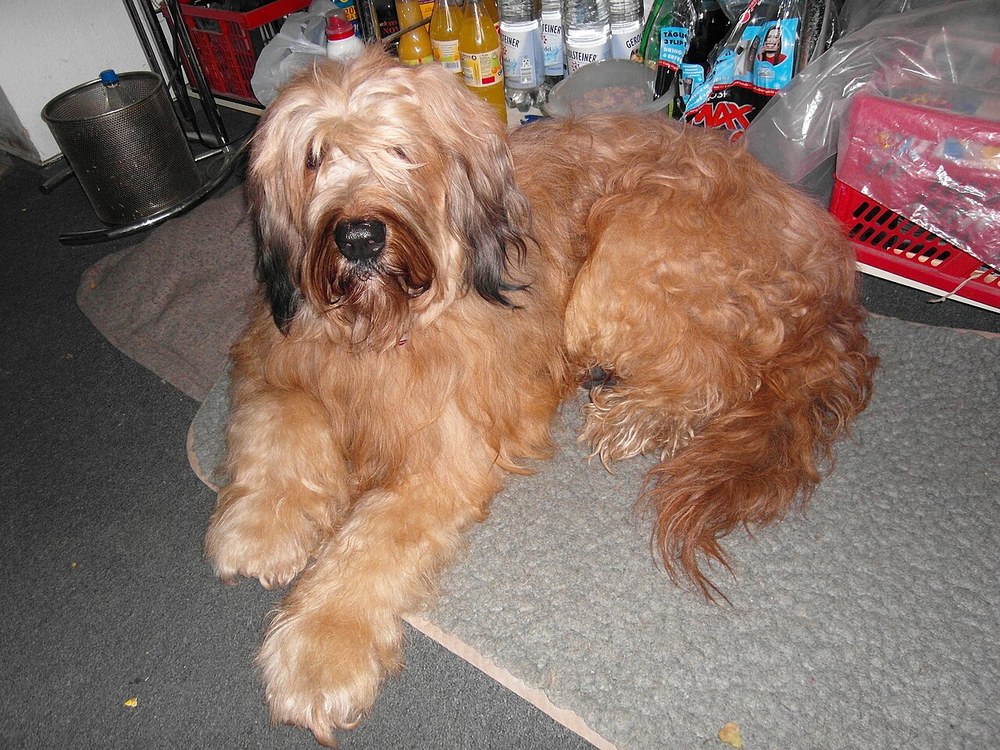
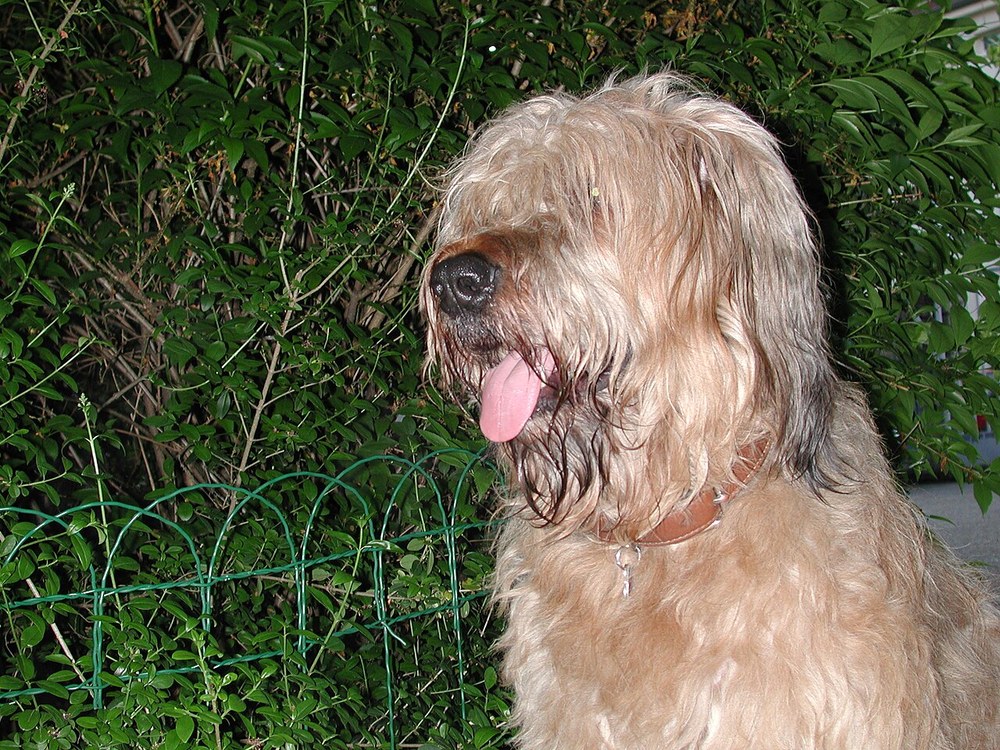
Long, wavy coat that mats. Brush thoroughly every week.
Double dewclaws
Briards have double hind dewclaws. Check and trim them.
Joints
Large dog; notice stiffness or limping.
Meals
Ask the vet about safe feeding routines for a large, deep-chested dog.
Health screening (not a diagnosis)
Ask the breeder which screenings the national breed club recommends and see results for both parents.
Toxins
I do not publish toxin amounts. Call a vet or poison-control line if the dog eats something dangerous.
Lines and types
Fawn, black or grey
Briards come in fawn, black and grey shades. Coat colour does not change temperament.
Fawn
Light to dark fawn.
Often darkens with age.
Shows dirt more.
Same grooming needs.
A warm, classic look.
Black or grey
Solid black or grey.
Grey may lighten with age.
Hides dirt better.
Same grooming needs.
A striking look.
Socialization windows
What to introduce — and what not to overload — by age
AVSAB-aligned in spirit: short, clean exposures at a distance the puppy can still eat,
with hygiene while vaccines finish. See the
puppy socialization schedule.
2–4 months
Handling and brushing
Introduce: handling, brushing, new people, toilet routine.
Do not overload: skipping socialization.
~6 months
Manners
Introduce: recall, calm greetings, loose lead.
Do not overload: herding children.
~12 months
Adolescence
Introduce: visitor routines, consistent rules.
Do not overload: guarding the house.
~18 months
Adult outings
Introduce: longer walks, herding or sport.
Do not overload: hard exercise too early.
~24 months
Steady adult
Introduce: refreshed socialization.
Do not overload: mats under the coat.
Before you buy
Who a Briard usually fits
A Briard fits calm, active owners who want a loyal big dog and enjoy grooming.
Good match
More likely a good fit if you…
Have experience with large dogs
Enjoy daily walks
Will groom thoroughly every week
Are home a lot
Can socialize a puppy widely
Mismatch risk
A Briard may be a poor choice if…
Grooming feels like a chore
You want a dog friendly with everyone
Long hours alone are routine
You live in a small flat
Toddlers run around unsupervised
If you are torn between breeds
Briard vs Beauceron and Bouvier des Flandres
Briards are compared with Beaucerons (their short-coated French cousin) and Bouviers.
Coat
Briard
Long, wavy.
Beauceron
Short.
Grooming
Briard
High.
Beauceron
Low.
Origin
Briard
French flock dog.
Bouvier des Flandres
Flemish cattle dog.
Coat type
Briard
Silky-harsh waves.
Bouvier des Flandres
Rough, tousled.
Guarding
Briard
Protective.
Both compares
All three need early socialization.
Ownership without surprises
Where a Briard owner’s budget goes
Costs depend on your area and groomer. Plan for these — not quotes.
Grooming
Tools or a professional groomer.
Training
Puppy class and socialization.
Food
For a large dog.
Veterinary care
Ask which screenings the national breed club recommends.
Fencing
A secure garden.
Gear
Big bed, sturdy lead.
With a Briard, grooming is the steady cost.
Before day one at home
What to prepare for a Briard puppy
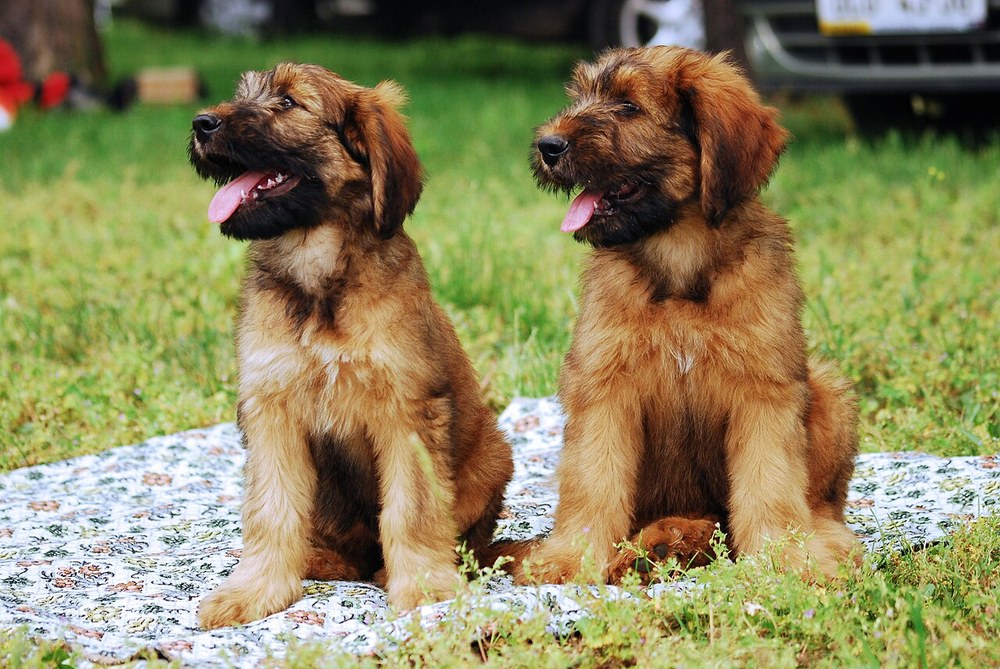
A Briard puppy is bold and fluffy. Start socialization and brushing early.
“With a Briard, I socialize early and widely. We build visitor routines, calm grooming and gentle herding outlets — because a loyal guardian needs to learn that most guests are welcome.”
Sessions cover real scenes: wariness of visitors, herding the children, grooming, and barking at the door. I am a trainer, not a veterinarian. No invented reviews.
Andrew DarovProfessional dog trainer and instructor
Describe age, living setup, and where the dog breaks first — wariness of visitors, herding the children, grooming, or barking at the door. Opens WhatsApp to Andrew.
A compact Nordic farm herder. Needs real work, clear game endings and bark management — flat life only with a serious outdoor plan.
Need a read on your exact situation?
Describe your Briard’s age and the scene that repeats most: wariness of visitors, herding the children, grooming, or barking at the door. We check safety first, then pick the first skill.
Written by Andrew Darov, professional dog trainer. Not veterinary advice and not a diagnosis.
Not a kennel club. No invented reviews. No vaccine schedules or toxin doses. Photo credits in
/images/breeds/briard-guide/credits.md.