dogmindlab
Work with me

Beauceron · Herding

Beauceron: temperament, training & high-drive French herder

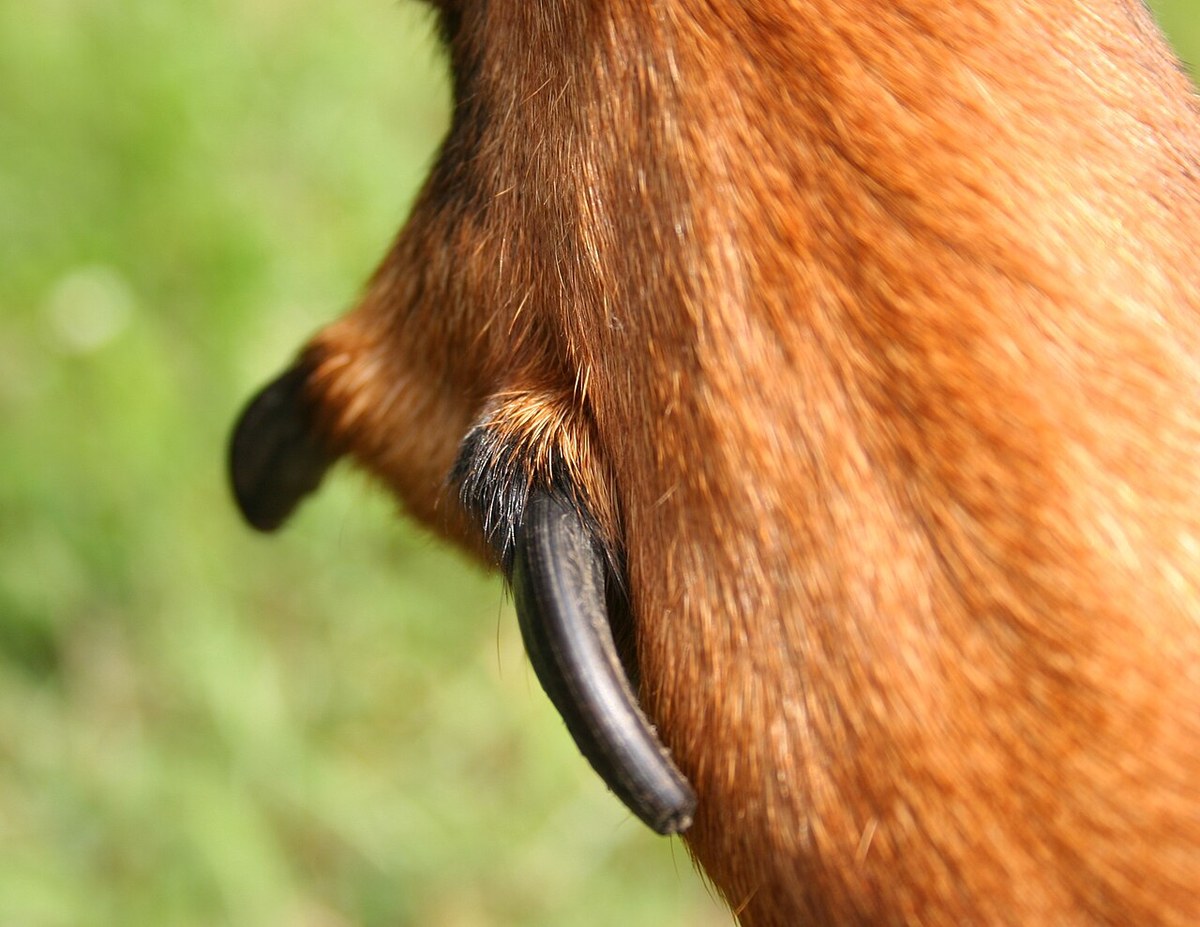
The Beauceron is a large, athletic French herding and guarding dog with double dewclaws on its hind legs. Most are confident, protective and deeply loyal. Life goes well with early socialization, calm and consistent rules, daily exercise and training, and clear visitor routines.

  • Job: French plains shepherd and guardian.
  • Energy: High; daily exercise plus training.
  • Home: Best with experienced owners and visitor routines.
WhatsApp consult

First, the point

A Beauceron is a big, high-drive farm shepherd that needs daily work and experienced handling

Public breed histories describe the Berger de Beauce as a French plains shepherd later used in war and police work.

Most Beaucerons are devoted to family and wary of strangers. The challenges are strength, guarding and a long, testing adolescence.

From the first weeks, teach handling, calm greetings, recall and a settle.

Talk through your situation

Height
25.5–27.5 in (65–70 cm)
Weight
70–110 lb (32–50 kg)
Energy
High (work then rest)
Coat / shed
Short dense coat — sheds; double rear dewclaws are a breed feature
Job
French plains shepherd and guardian

Breed history

France’s old all-purpose farm shepherd

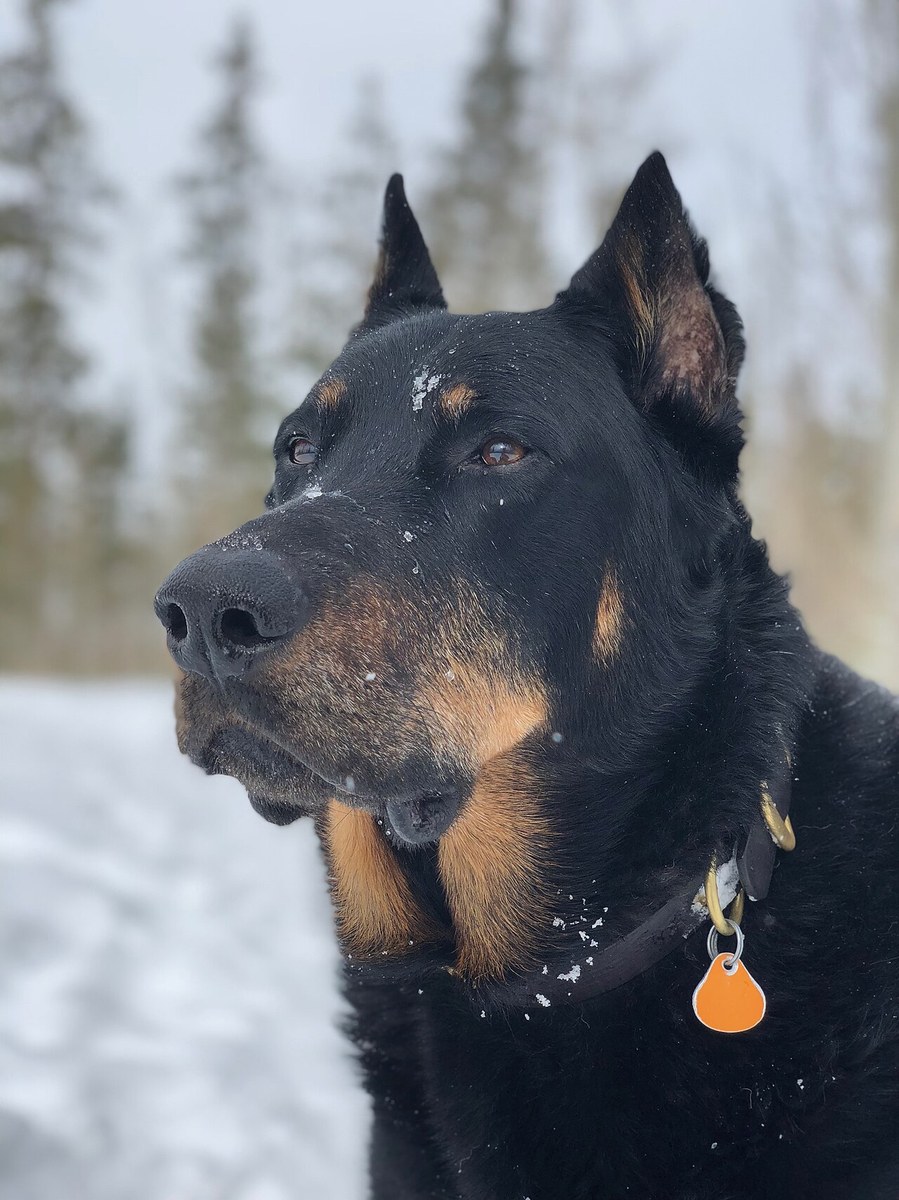
The Beauceron’s farm past still shows. It was a French plains dog that herded and guarded large flocks, so most are confident, protective, athletic and slow to mature.

Taz, a registered Beauceron, outdoors in Winter Park, Colorado (modern photograph). The breed is built for long days outside.

Plains of northern France → flock dog

A shepherd and guardian of the plains

Public breed histories describe the Beauceron, or Berger de Beauce, as a French farm dog that moved and guarded large sheep flocks across open plains.

It had to cover distance and stand up to threats, which explains the stamina and protective streak.

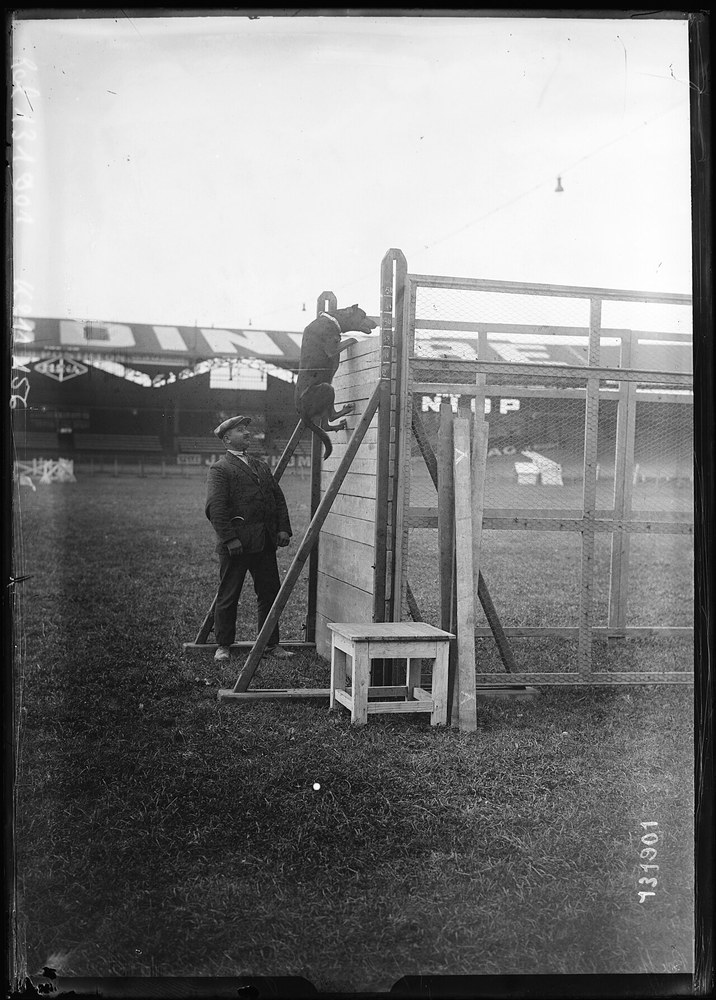
Archive photograph of a Beauceron jumping a wall at a 1928 police dog trial in Paris
Pytha, a Berger de Beauce, jumping a wall at a police dog trial near Paris in 1928 (archive photograph).

Wars and police work → modern homes

From farm to service work

Beaucerons served as messenger and guard dogs in wartime and were later used in police and protection work.

Today many are family and sport dogs. They need experienced handling; meet the parents and see their reaction to visitors.

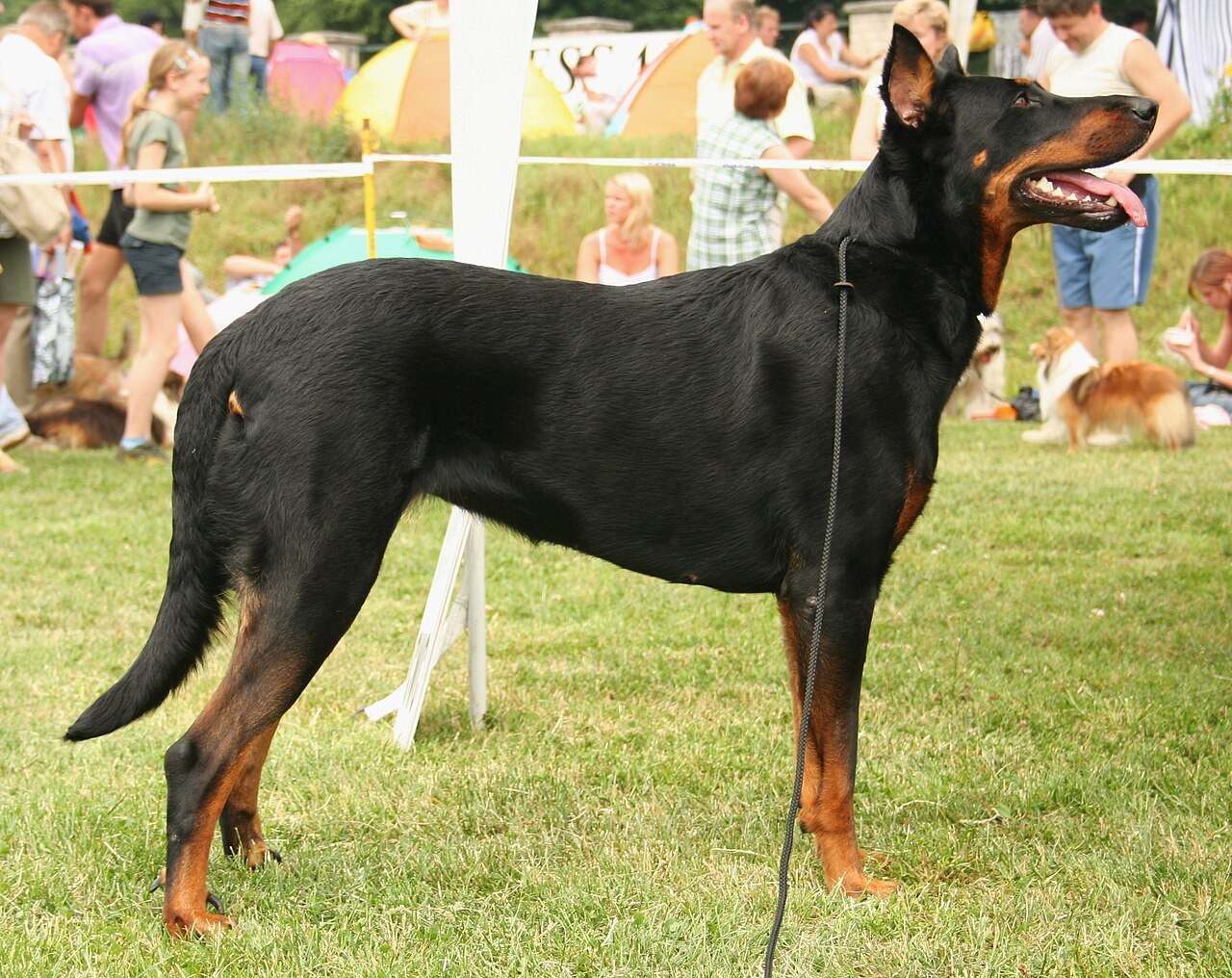
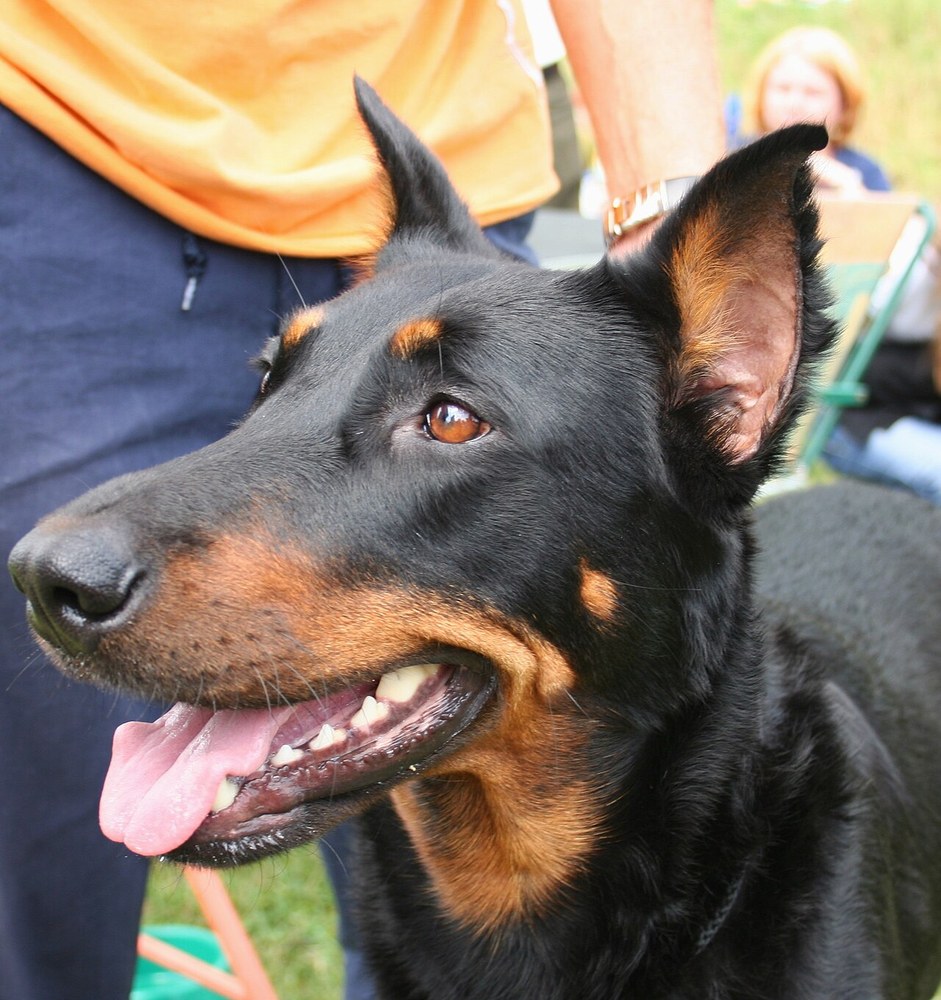
Head of a black and tan Beauceron at a dog show
A Beauceron at a show in Racibórz, Poland (modern photograph). Tan markings on the face and legs are typical.

What the breed was bred for

Confident, protective and loyal

In plain trainer language: the Beauceron is a strong, smart dog that bonds deeply with its family. Many are wary of strangers and take time to grow up.

The challenges are size, strength, guarding, dominance testing in adolescence and energy. Calm, consistent training and early socialization help.

  • Early, wide socialization
  • Calm, consistent rules
  • Daily exercise and training
  • Visitor routines

Public references: FCI 44, AKC Beauceron, RKC.

Life together

A Beauceron’s day is long walks, training and family time

Beaucerons need exercise, a job and a calm home routine. They are slow to mature, so patience pays.

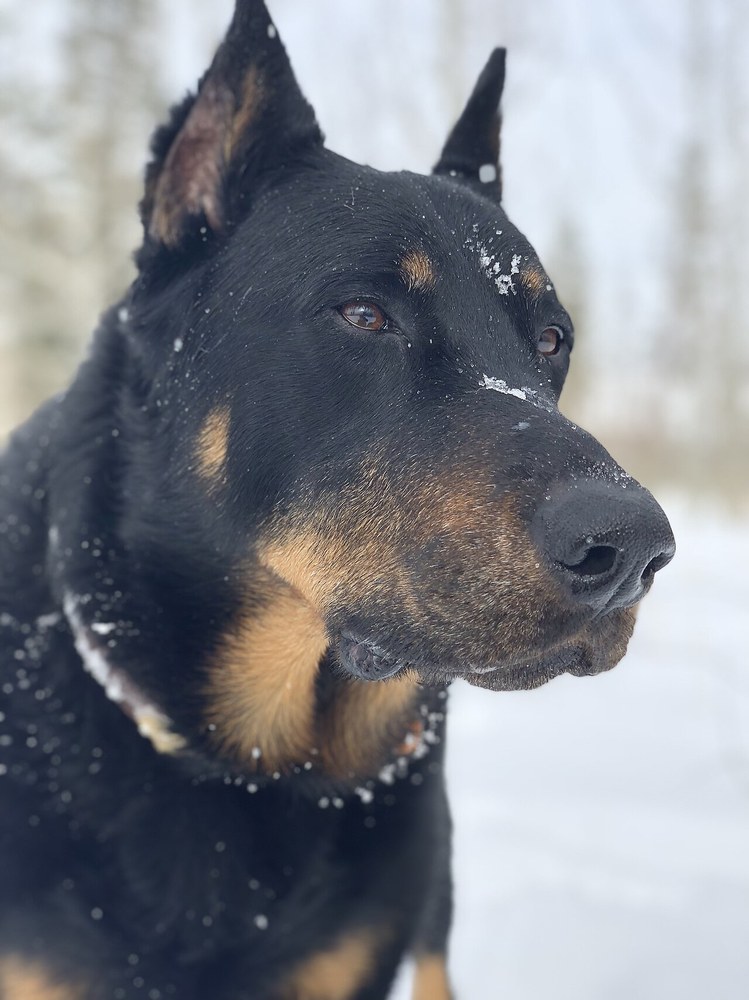
Beauceron head portrait outdoors in winter
Winter · trail

Outdoors in all weather

Long walks or hikes suit this hardy dog.

See loose-leash walking.

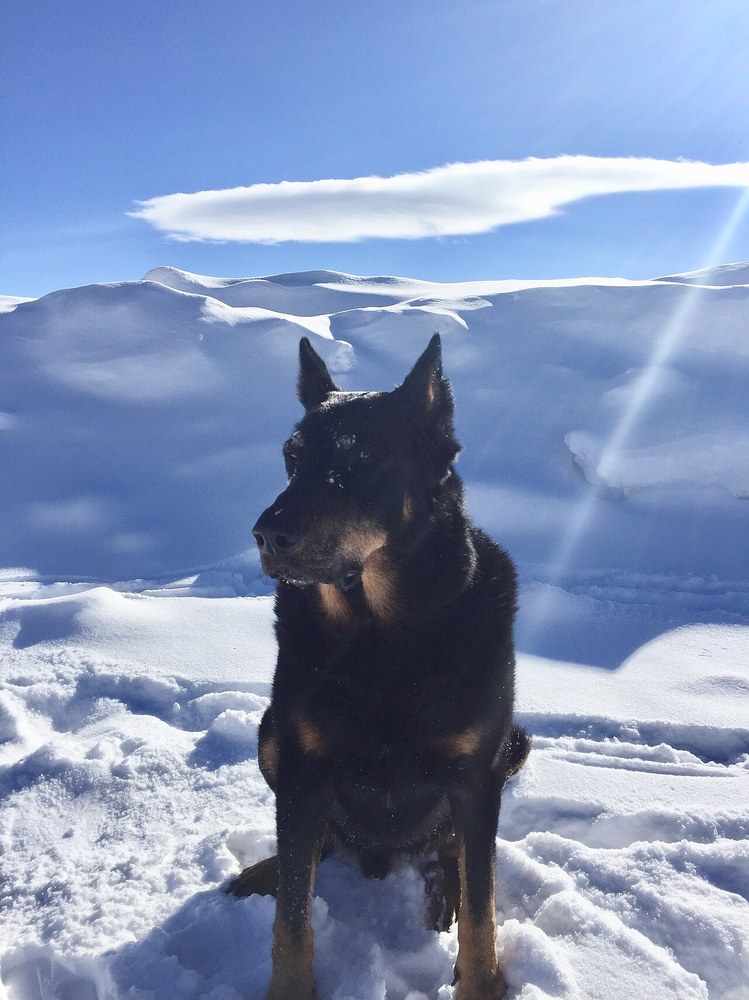
Beauceron standing on a snowy mountain
Mountain · snow

Stamina for adventures

Hikes and running build fitness — only once the dog has finished growing.

See walk length by age.

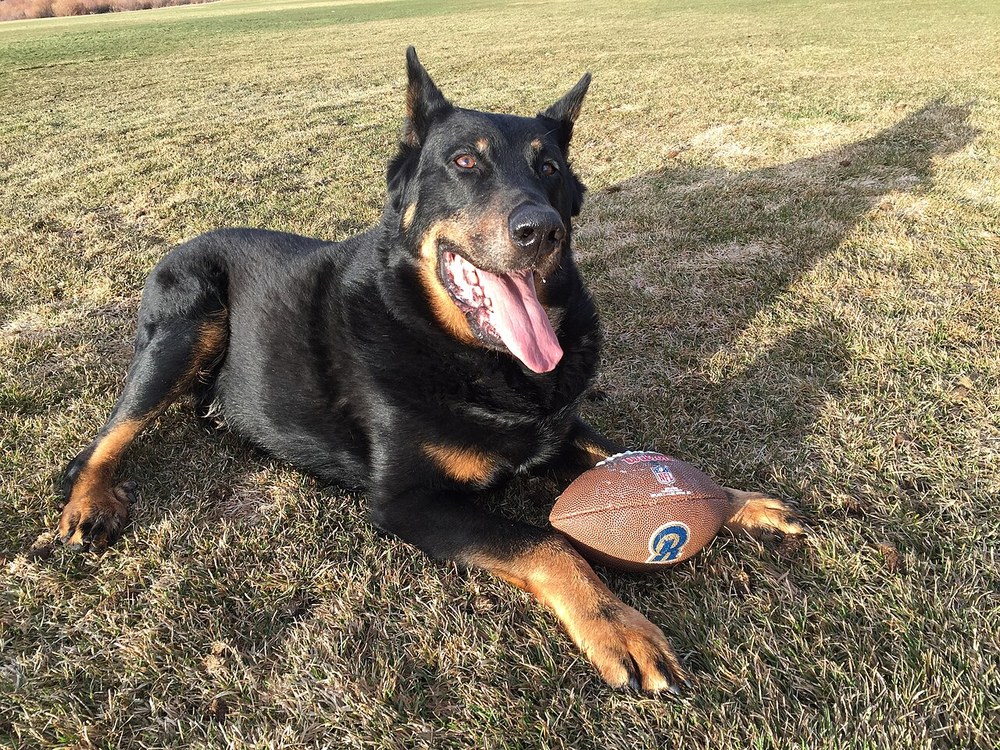
Beauceron lying on grass with a football
Afternoon · lawn

Play with rules

Ball or tug with a clear start and end.

See drop it.

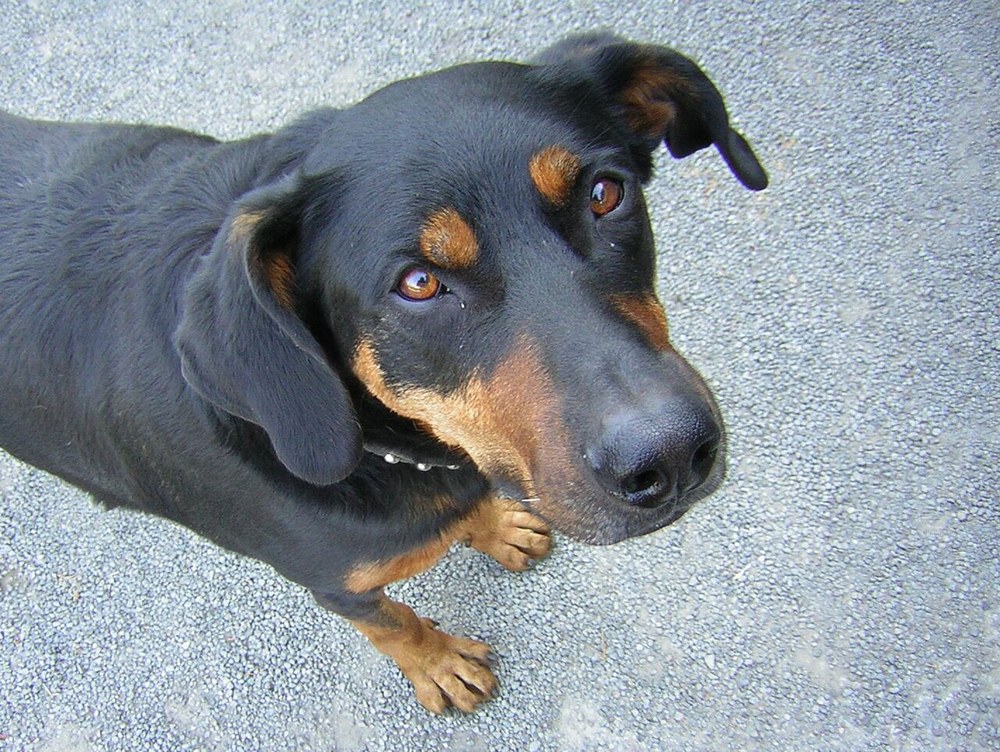
Beauceron lying down and looking up
Home · watch

A watchful presence

Beaucerons notice everything. Teach a calm response to visitors.

See guest entry plan.

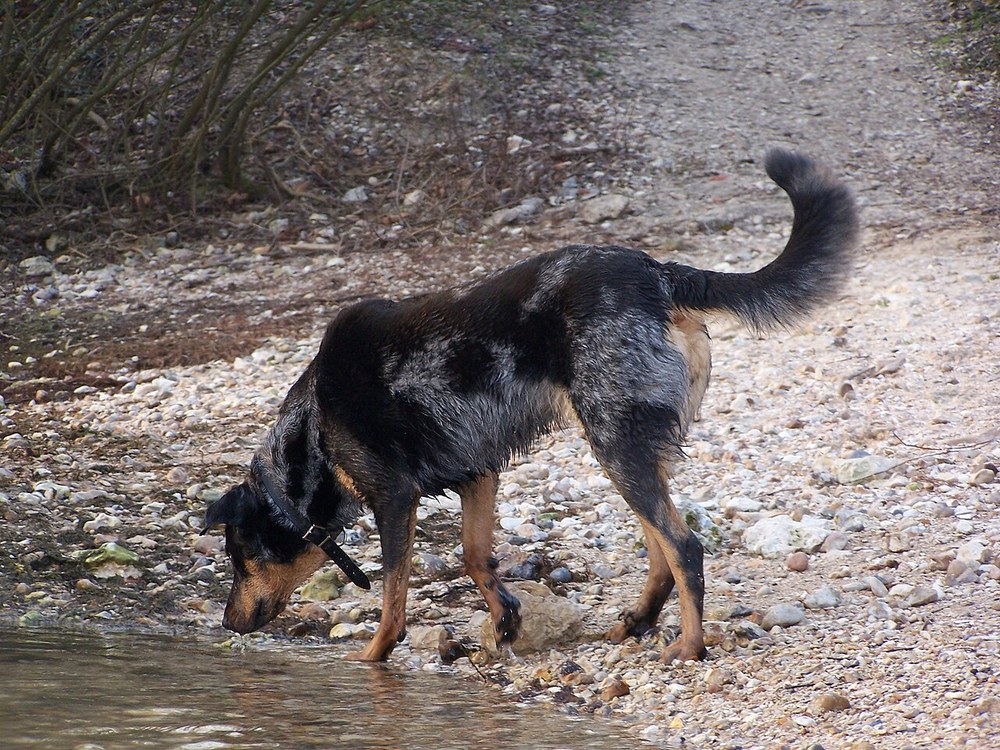
Harlequin Beauceron walking along a stream
Stream · walk

Calm exploring

Sniffing walks and water stops relax the dog.

See leave it on walks.

Care and health themes

What to watch monthly: dewclaws, joints, coat and weight

General awareness only — I am a trainer, not a veterinarian. Notice limping, bloating or energy changes. For urgent signs, see when to call the vet.

Double dewclaws

Beaucerons have double dewclaws on the hind legs. Check and trim them regularly.

Joints

Large, fast-growing dog. Notice limping and avoid hard exercise in puppies.

Coat

Short double coat; brush weekly, more when shedding.

Meals

Ask the vet about safe feeding routines for a large, deep-chested dog.

Health screening (not a diagnosis)

Ask the breeder which screenings the national breed club recommends and see results for both parents.

Toxins

I do not publish toxin amounts. Call a vet or poison-control line if the dog eats something dangerous.

Lines and types

Black and tan or harlequin

Most Beaucerons are black and tan; some are harlequin (grey, black and tan). Colour does not change temperament.

Black and tan

  • Black coat with tan markings.
  • Tan “socks” earn the nickname bas-rouge.
  • Most common colour.
  • Same needs.

The classic look.

Harlequin

  • Grey and black patches with tan.
  • Less common.
  • Same coat care.
  • Same needs.

A striking, rarer look.

Socialization windows

What to introduce — and what not to overload — by age

AVSAB-aligned in spirit: short, clean exposures at a distance the puppy can still eat, with hygiene while vaccines finish. See the puppy socialization schedule.

2–4 months

Handling and confidence

Introduce: handling, new people, toilet routine, crate.

Do not overload: rough play.

~6 months

Manners

Introduce: loose lead, calm greetings, recall.

Do not overload: jumping on people.

~12 months

Adolescence

Introduce: consistent rules, visitor routines, settle.

Do not overload: testing boundaries.

~18 months

Growing up

Introduce: longer hikes once grown, dog sports.

Do not overload: guarding the house.

~24 months+

Maturing adult

Introduce: refreshed manners; maturity may take longer.

Do not overload: skipping socialization.

Before you buy

Who a Beauceron usually fits

A Beauceron fits experienced, active owners who want a loyal, protective working dog.

Good match

More likely a good fit if you…

  • Have owned large working dogs
  • Enjoy daily training
  • Have space and a secure garden
  • Are calm and consistent
  • Want an outdoor partner

Mismatch risk

A Beauceron may be a poor choice if…

  • This would be your first dog
  • Lots of visitors come and go
  • Long hours alone are routine
  • You want a dog friendly with everyone
  • You live in a small flat

If you are torn between breeds

Beauceron vs Doberman Pinscher and Briard

Beaucerons are compared with Dobermans (similar look) and Briards (their French cousin).

Origin

Beauceron French farm shepherd.

Doberman Pinscher German guard dog.

Build

Beauceron Heavier, rustic.

Doberman Pinscher Sleeker.

Coat

Beauceron Short double coat.

Briard Long, wavy coat.

Grooming

Beauceron Low.

Briard High.

Guarding

Beauceron Protective.

Both compares All three need early socialization.

Ownership without surprises

Where a Beauceron owner’s budget goes

Costs depend on your area. Plan for these — not quotes.

Training

Experienced trainer or club.

Fencing

Strong, secure garden.

Food

For a large, active dog.

Veterinary care

Ask which screenings the national breed club recommends.

Gear

Sturdy lead, harness, big bed.

Boarding

Experienced carers.

With a Beauceron, training and secure fencing come first.

Before day one at home

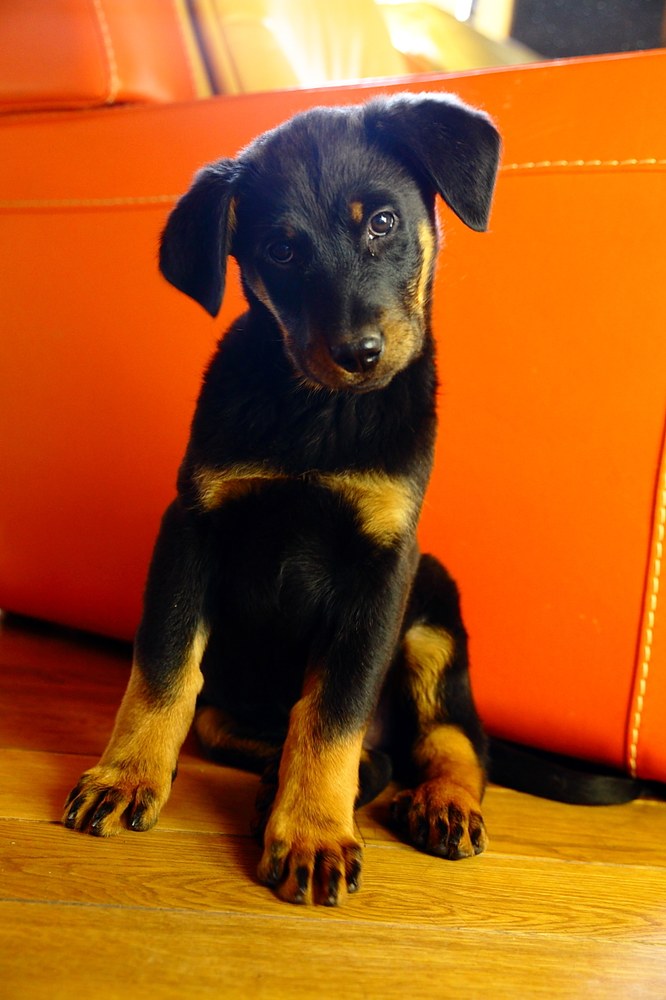
What to prepare for a Beauceron puppy

A Beauceron puppy is bold and grows fast. Start socialization and calm rules early.

If the dog is already yours

Training is calm, consistent and respectful

Beaucerons are smart and sensitive to unfairness. Calm, consistent rules work best.

Focus on visitor routines, lead manners, recall and a settle.

Tracking, obedience and herding give them real work.

Load balance

Exercise and a job

Daily exercise and training suit most Beaucerons.

Walk Train Track Play Rest

Hikes, tracking, obedience and herding suit most Beaucerons.

A Beauceron with a calm leader and a job is a loyal companion.

Visitors

How to teach a Beauceron to stay calm when guests arrive

Use a mat, a lead and calm guests to build a routine.

  1. 01

    Lead on

    Put the dog on lead before guests arrive.

  2. 02

    Go to the mat

    Send the dog to a mat.

  3. 03

    Reward calm

    Treat while guests come in.

  4. 04

    Calm guests

    Ask guests to ignore the dog at first.

  5. 05

    Release

    Let the dog greet when relaxed.

One scene close-up

Why your Beauceron guards the door

Beaucerons were bred to guard flocks and farms.

Put the dog on a mat on lead before guests enter, and reward calm.

If guarding grows, ask an experienced trainer for help.

Guest entry plan Settle after guests Place

Typical household scenes

Where Beauceron owners most often need help

A breed page is only a starting point; the fix depends on health, environment, and the dog in front of you. Each row opens a step-by-step guide.

Practical view

“With a Beauceron, I plan for a long adolescence. We build visitor routines, lead manners and a calm settle — because a strong, protective dog needs clear, fair rules.”

Sessions cover real scenes: guarding at the door, pulling on the lead, reacting to dogs, and testing rules. I am a trainer, not a veterinarian. No invented reviews.

Andrew Darov Professional dog trainer and instructor
WhatsApp consult

Talk through your Beauceron

Describe age, living setup, and where the dog breaks first — guarding at the door, pulling on the lead, reacting to dogs, or testing rules. Opens WhatsApp to Andrew.

Short answers

FAQ

Is a Beauceron a good first dog?
Usually not; it suits experienced owners.
Are Beaucerons good with children?
Often protective of family children; supervise.
Do Beaucerons shed?
Moderately, more seasonally.
How much exercise does an adult need?
Plenty: daily exercise plus training.
Why does a Beauceron have double dewclaws?
It is part of the breed standard.
Are Beaucerons aggressive?
They can be wary; socialize early.
When does a Beauceron mature?
Often later than many breeds.
Are Beaucerons good with other dogs?
Some are selective; supervise.
What about health?
Ask which screenings the national breed club recommends and see the parents' results.
What is the typical lifespan of a Beauceron?
Public breed references often give about 10 to 12 years. Individual dogs vary.
Can a Beauceron live in an apartment?
It is hard; space and exercise matter.

If a Beauceron is too much dog

If you want a big, friendly, easier family dog, consider this one.

Belgian Malinois

A high-drive Belgian working shepherd that needs structured daily work, a taught off-switch and an experienced handler.

Dutch Shepherd

A clever, driven brindle shepherd from the Netherlands that needs structured daily work and a taught settle.

German Shepherd Dog

A versatile German working shepherd that needs daily training, real exercise and a calm settle taught on purpose.

More Herding group breeds

Other guides from the same group in the breed library. Same group does not mean same dog: read the fit and the failure modes, not only the outline.

Belgian Sheepdog

The long black Belgian herder (Groenendael). Needs real work, clear session endings and coat care — not a casual couch dog.

Belgian Tervuren

A sensitive, athletic long-coated Belgian Shepherd that needs gentle training, daily exercise and weekly brushing.

Border Collie

A brilliant, intense sheepdog that needs real daily work, training and a taught off-switch.

Bouvier des Flandres

A large, calm and protective Flemish cattle dog that needs socialization, lead manners and regular grooming.

Briard

A loyal, protective French flock dog with a long wavy coat that needs socialization, thorough grooming and daily walks.

Cardigan Welsh Corgi

A sturdy, loyal Welsh herding dog with a full tail that needs quiet training, a lean body and back-friendly exercise.

Need a read on your exact situation?

Describe your Beauceron’s age and the scene that repeats most: guarding at the door, pulling on the lead, reacting to dogs, or testing rules. We check safety first, then pick the first skill.

Written by Andrew Darov, professional dog trainer. Not veterinary advice and not a diagnosis. Not a kennel club. No invented reviews. No vaccine schedules or toxin doses. Photo credits in /images/breeds/beauceron-guide/credits.md.