Bouvier des Flandres: temperament, training & farm/working herder
The Bouvier des Flandres is a large, rough-coated cattle dog from Flanders. Most are calm, loyal and protective of their family. Life goes well with early socialization, calm and consistent training, regular grooming and daily walks with a job.
Job: Flemish cattle drover and farm guardian.
Energy: Moderate to high; daily walks and a job.
Home: Needs grooming, visitor routines and room for a big dog.
Harsh double coat with beard — sheds; brush and trim regularly
Job
Flemish cattle drover and farm dog
Breed history
A cattle dog from the farms of Flanders
The Bouvier was a Flemish farm dog: it drove cattle, pulled carts and guarded the yard. That made a powerful, calm, loyal dog with a protective side and a big coat.
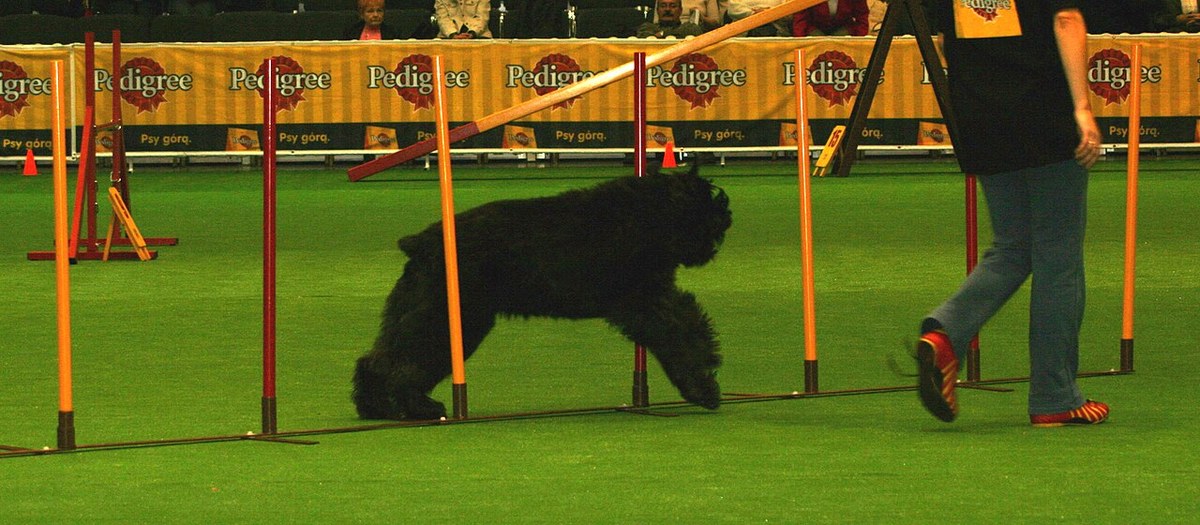
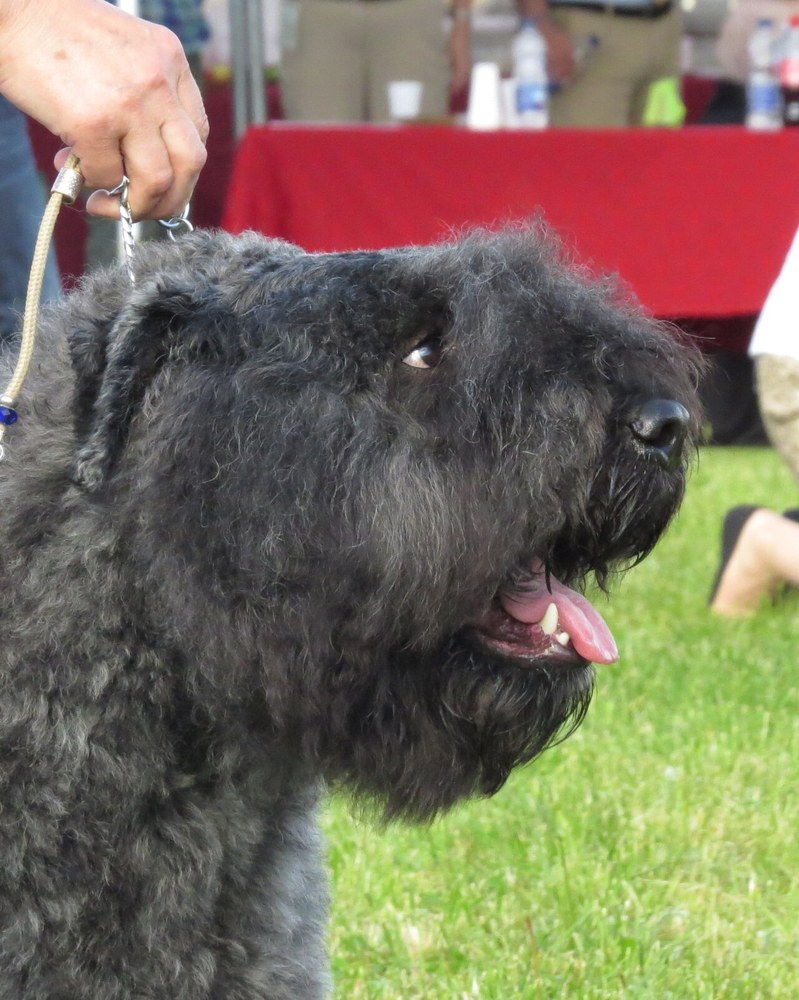
A Bouvier des Flandres doing agility at a dog show in Poznań, Poland (modern photograph).
Flanders → cattle drover
A drover’s dog in Flanders
Public breed histories describe the Bouvier des Flandres as a farm dog from Flanders, used to drive cattle, pull carts and guard property.
Its name means roughly “cow herder of Flanders” — a strong, steady worker.
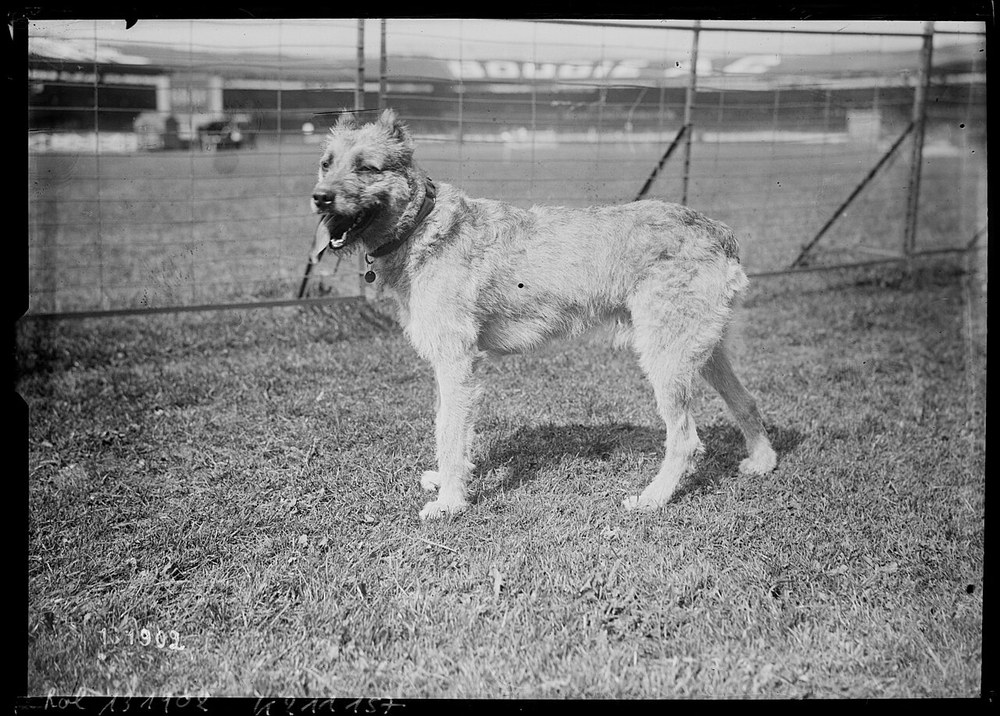
Stop, a Bouvier des Flandres, at a police dog trial near Paris in 1928 (archive photograph).
War survival → police and family
Rebuilt after the wars
Breed histories describe the Bouvier nearly vanishing during the First World War and being rebuilt afterwards. It later served as a police and guard dog.
Today most are family and sport dogs. Meet the parents and see their reaction to strangers.
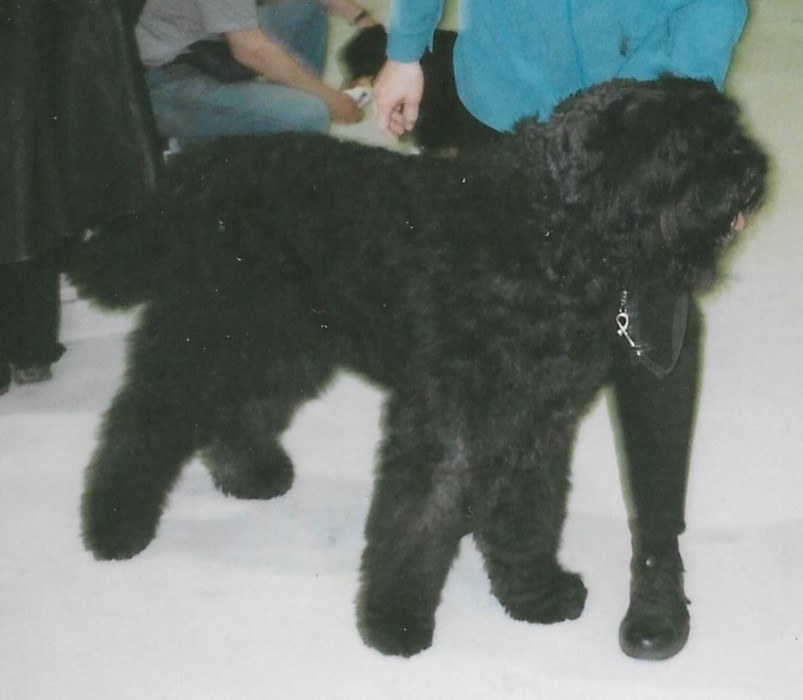
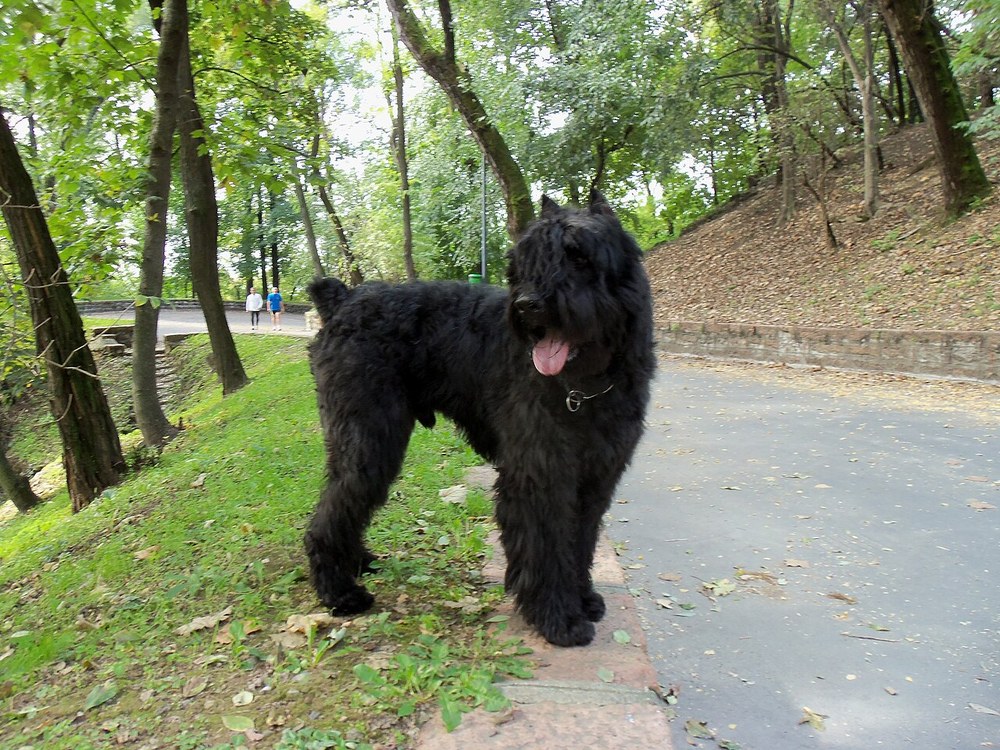
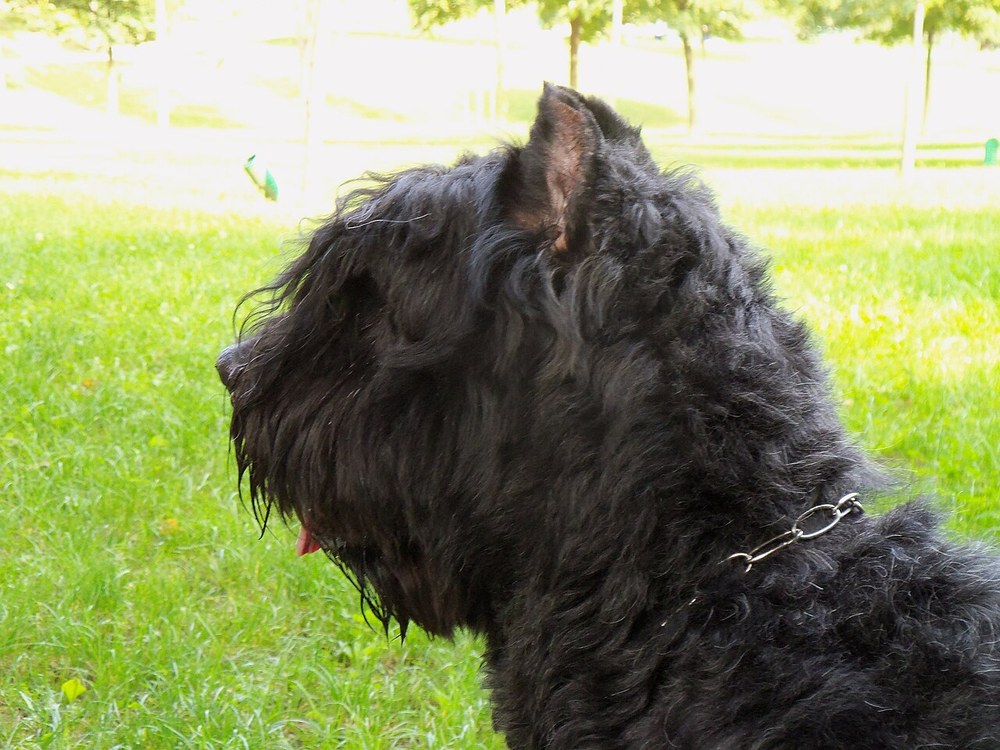
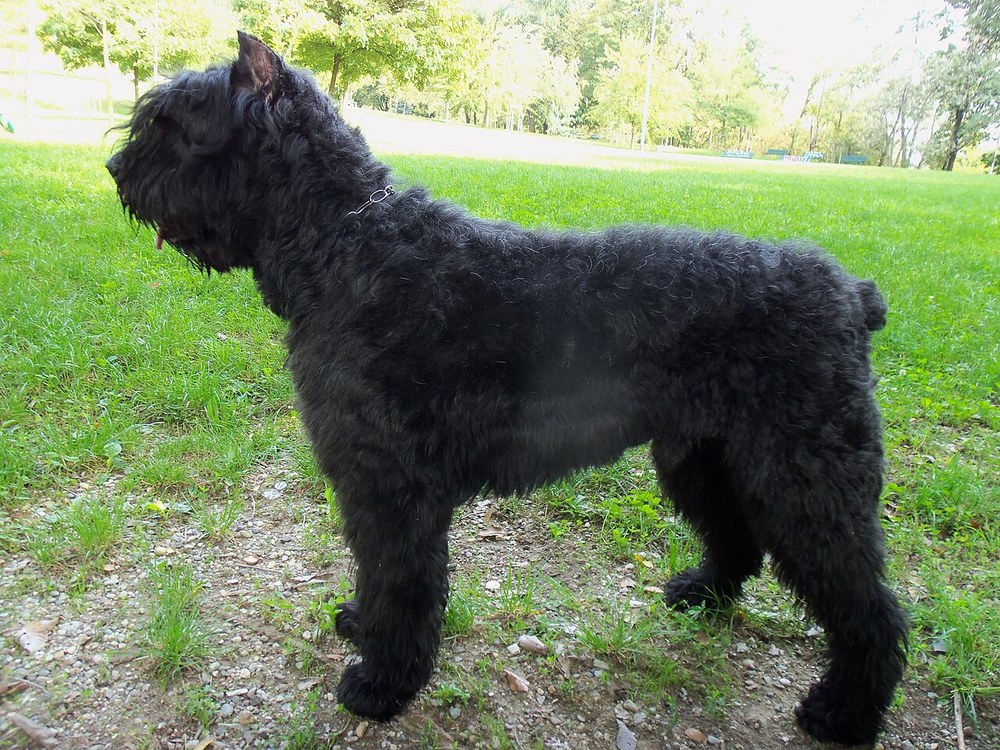
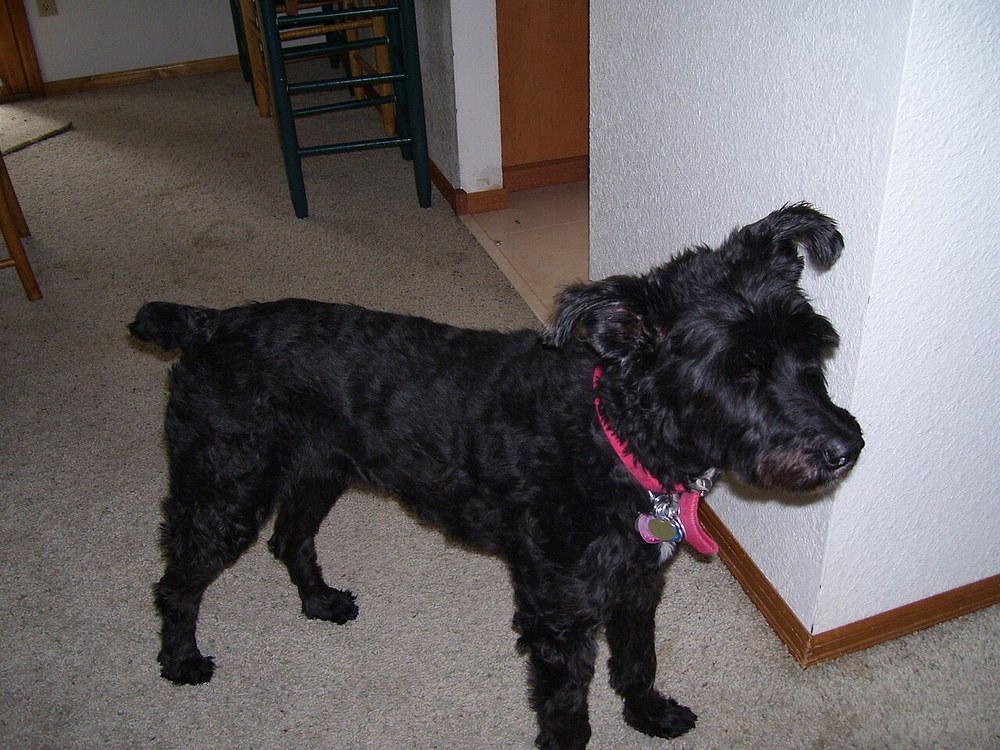
Spyke, a Bouvier des Flandres, in a park (modern photograph).
What the breed was bred for
Calm, loyal and protective
In plain trainer language: the Bouvier is a strong, steady dog that bonds closely with family. Many are wary of strangers.
The challenges are size, strength, guarding and grooming. Calm consistency, socialization and regular coat care help.
What to watch monthly: coat, joints, ears and weight
General awareness only — I am a trainer, not a veterinarian. Notice limping, bloating or energy changes. For urgent signs, see
when to call the vet.
Coat
Rough double coat that mats. Brush weekly; trim every few months.
Beard
Wipe the beard after meals and drinks.
Joints
Large dog; notice stiffness or limping.
Meals
Ask the vet about safe feeding routines for a large, deep-chested dog.
Health screening (not a diagnosis)
Ask the breeder which screenings the national breed club recommends and see results for both parents.
Toxins
I do not publish toxin amounts. Call a vet or poison-control line if the dog eats something dangerous.
Lines and types
Full coat or pet trim
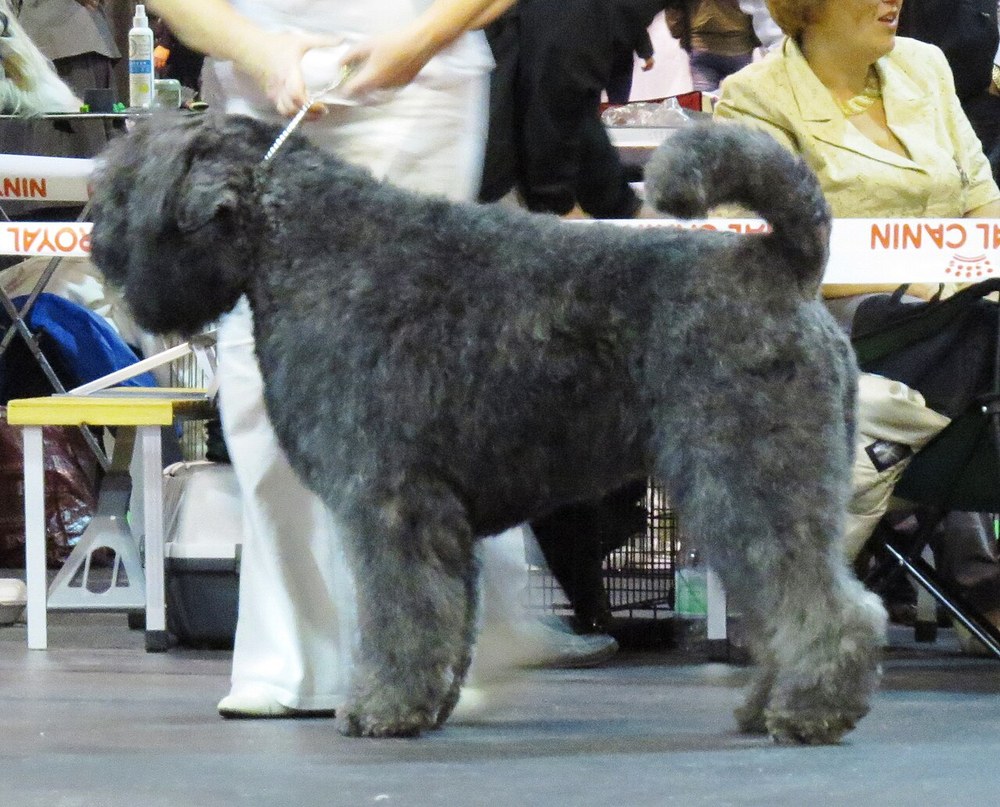
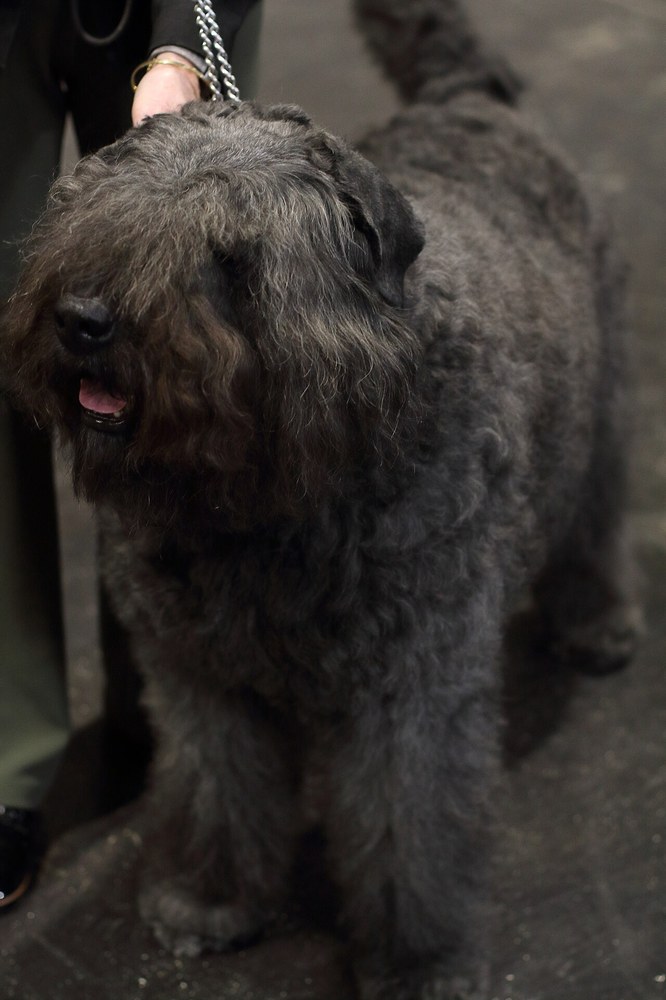
Show Bouviers keep a sculpted full coat; many pet owners choose a shorter trim. Temperament is the same.
Full coat
Thick, rough coat.
Beard and moustache.
Weekly brushing.
Regular professional trims.
For owners who enjoy grooming.
Pet trim
Shorter body coat.
Easier daily care.
Still needs trims.
Less mud indoors.
For busy family homes.
Socialization windows
What to introduce — and what not to overload — by age
AVSAB-aligned in spirit: short, clean exposures at a distance the puppy can still eat,
with hygiene while vaccines finish. See the
puppy socialization schedule.
“With a Bouvier, I build calm manners early. We work on visitor routines, lead walking and easy grooming — because a big, protective dog needs manners before muscle.”
Sessions cover real scenes: guarding visitors, pulling on the lead, reacting to dogs, and grooming. I am a trainer, not a veterinarian. No invented reviews.
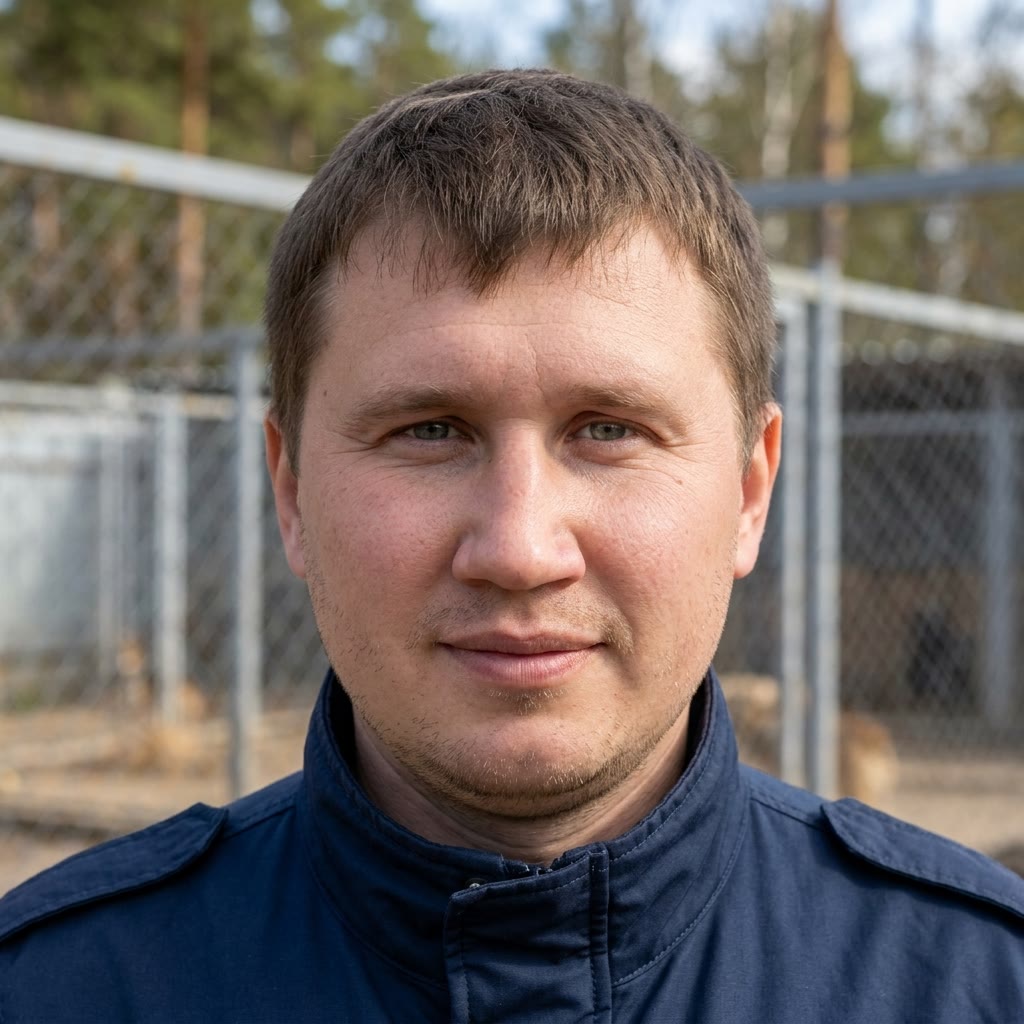
Andrew DarovProfessional dog trainer and instructor
Describe age, living setup, and where the dog breaks first — guarding visitors, pulling on the lead, reacting to dogs, or grooming. Opens WhatsApp to Andrew.
A compact Nordic farm herder. Needs real work, clear game endings and bark management — flat life only with a serious outdoor plan.
Need a read on your exact situation?
Describe your Bouvier des Flandres’s age and the scene that repeats most: guarding visitors, pulling on the lead, reacting to dogs, or grooming. We check safety first, then pick the first skill.
Written by Andrew Darov, professional dog trainer. Not veterinary advice and not a diagnosis.
Not a kennel club. No invented reviews. No vaccine schedules or toxin doses. Photo credits in
/images/breeds/bouvier-des-flandres-guide/credits.md.