A Border Collie does not wait for a job description. The herding brain assigns itself one —
kids, bikes, shadows, the vacuum, the idea of a leaf. The eye locks. Moving things become its flock. City life works when you teach two skills: a proper job with a clear end, and an
off-switch that is as valuable as any trick, before boredom takes over the week.
Job: Eye, crouch, move living things — kids and bikes count.
Energy: Very high; ball-only plans build twitchier dogs.
Home: Not apartment-easy without real work and a taught settle.
Public breed histories describe a thinking dog from the Anglo-Scottish border country:
crouch, stare, move sheep over hard ground with a handler. Trials and farms kept the
brain sharp. The pet market kept the look and often dropped the flock. The brain did not
become a sofa pillow because the internet ranked it “smartest.”
Training often starts easily — this type notices food, motion, and handler detail. The
hard part is admitting how much daily work the dog needs. If staring bought a conversation, the dog will
remember that as precisely as any cue. If every moving child became a chase game, the chasing was rewarded.
From the first month, build two chains. First: noticed motion, looked at the human, got
rewarded. Second: work closed, body softens, the dog can lie down while the world keeps
moving.
Why one herding dog was built around eye, crouch, and handler thought
Origin does not set every puppy’s personality. It explains why many Border Collies switch
on for motion and micro-tasks — and why a household without a proper job invents one on
kids and traffic.
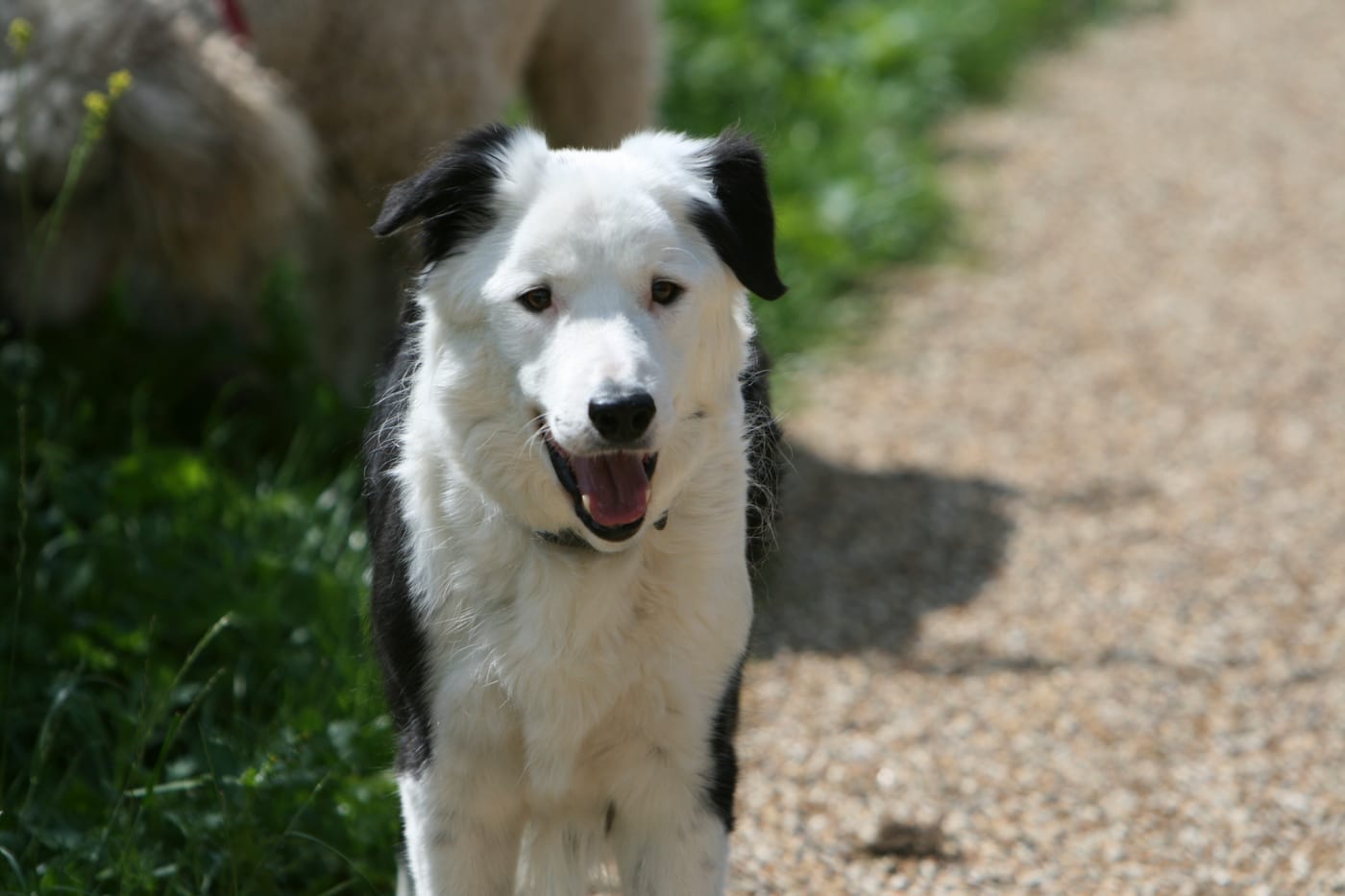
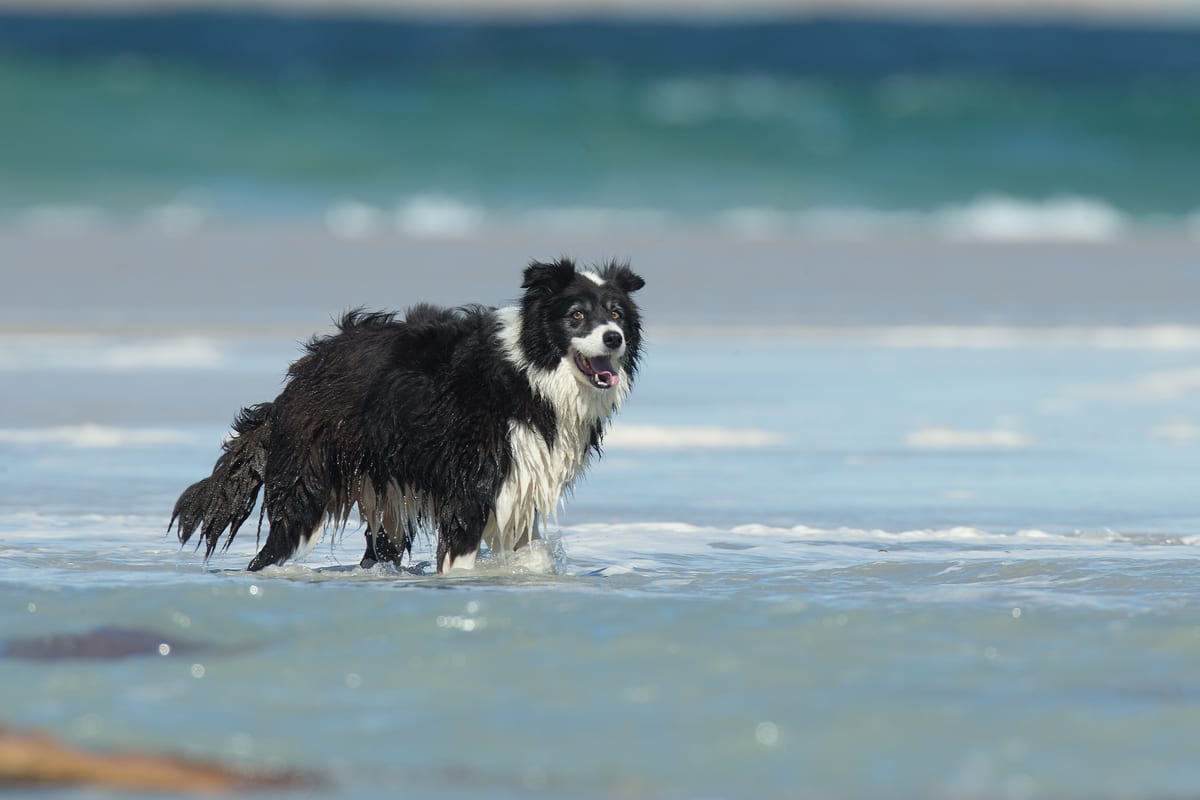
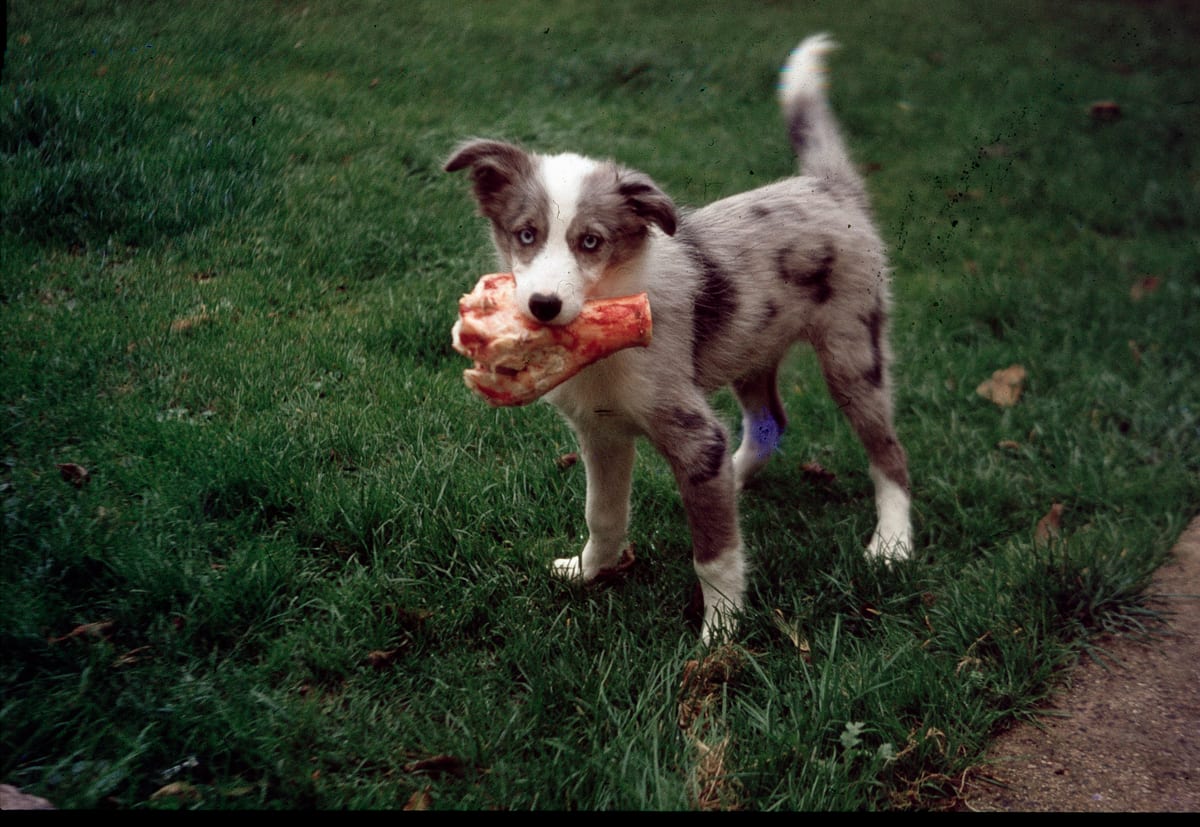
Illustrative stock work (modern photograph). Public histories describe Border Collies
as thinking herders — eye, crouch, move living things — long before agility videos made
the silhouette famous.
Border country → sheep work
Stare, crouch, take the handler’s plan
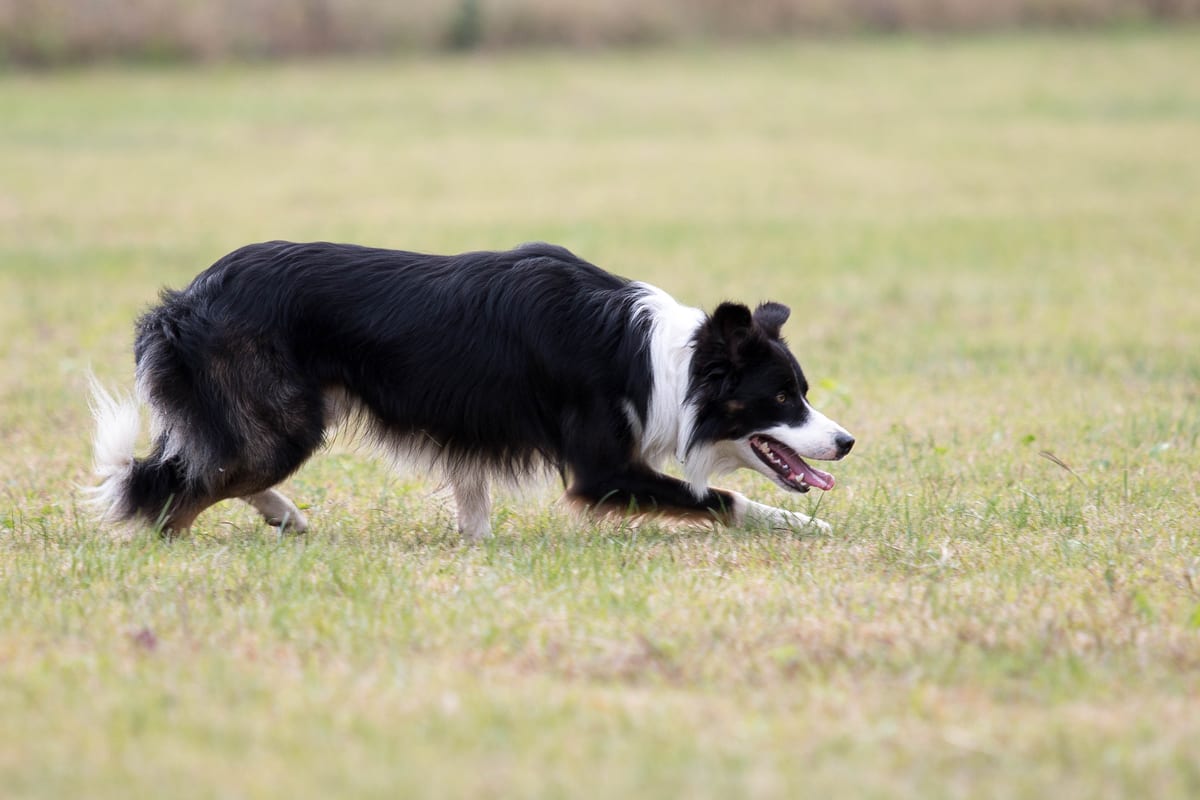
The working outline is a dog that controls sheep with pressure and eye, then adjusts
when the handler whistles. Running alone was never enough: the dog had to think, hold,
and stop.
That stop is the part pet homes forget. A dog bred to work all day with a person will
not be fulfilled by an open patio door and a ball on repeat. Chasing motion with no brakes is just boredom in a very clever dog.
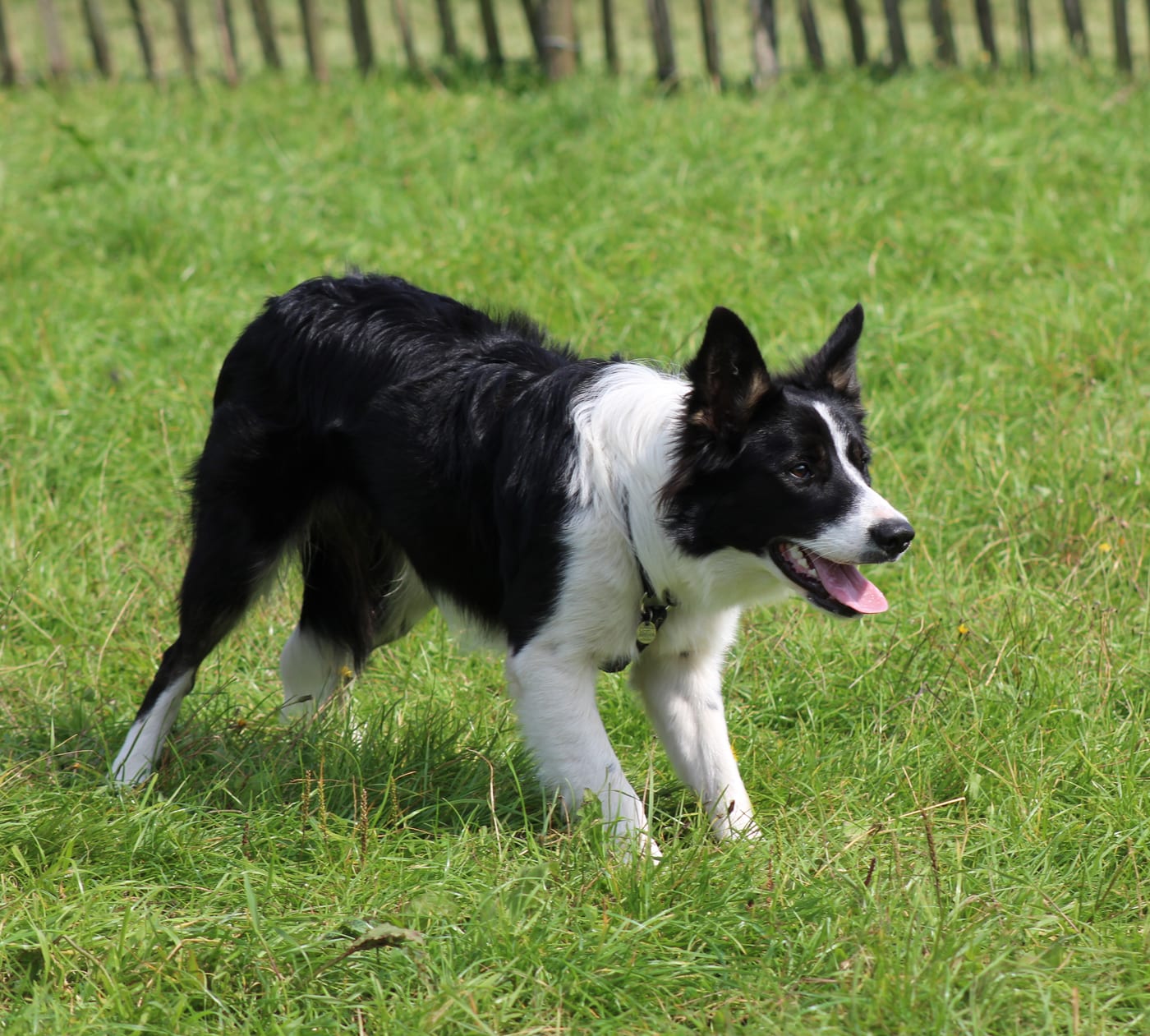
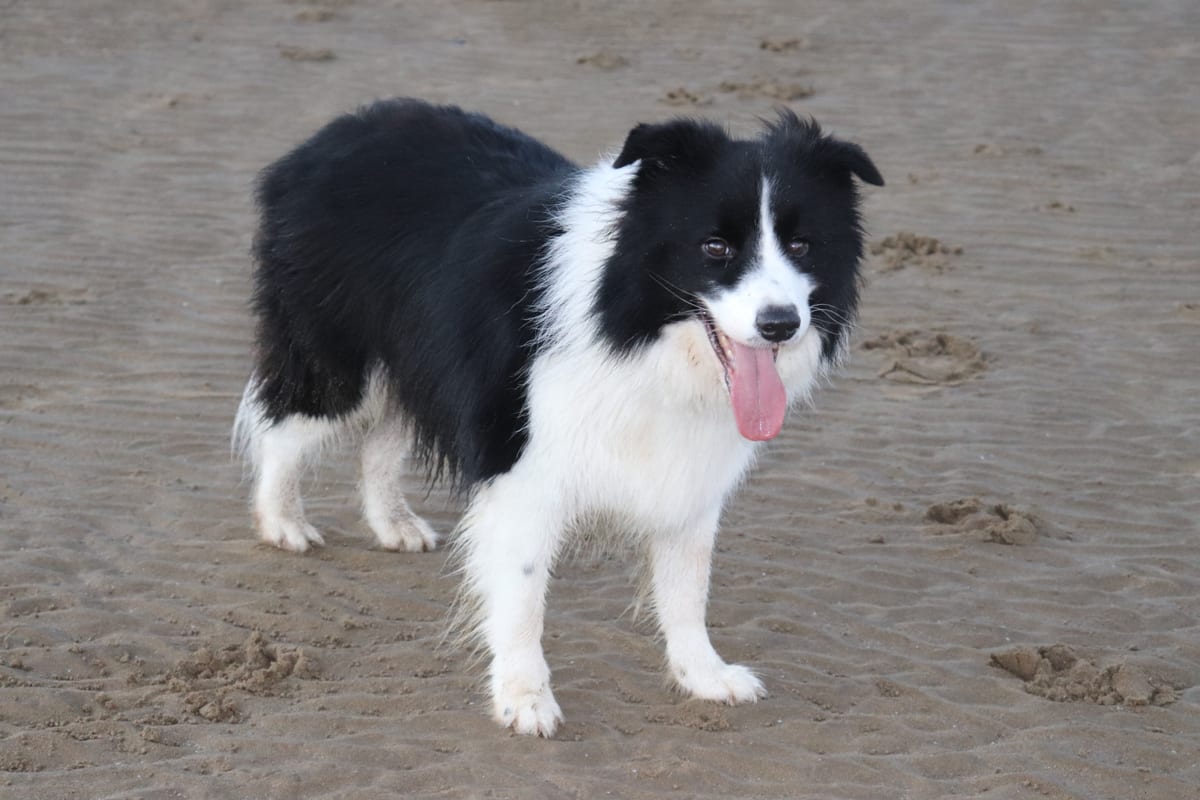
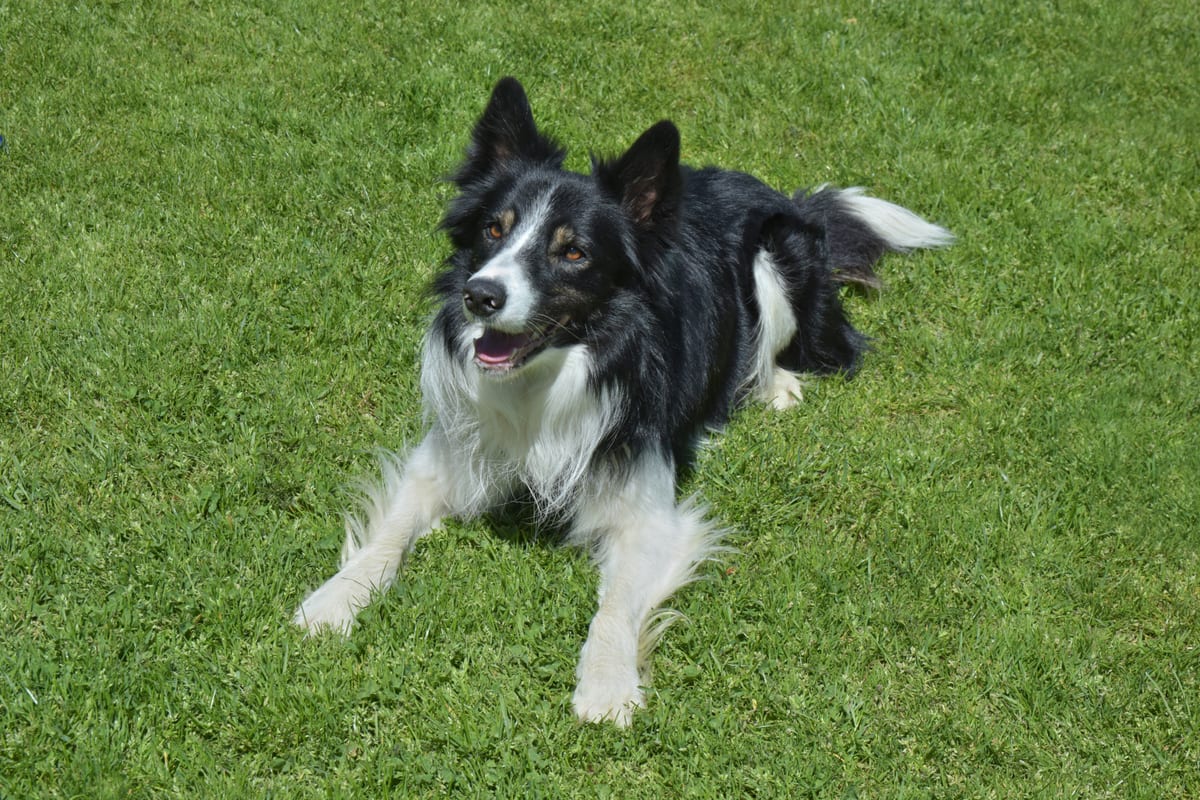
Illustrative adult type. Working and companion lines share motion interest; they do not
share the same daily drive, and neither is “just a family dog.”
Trials and farms → pet and sport market
Old Hemp’s brain, then silhouette without the flock
Public breed lore points at foundation dogs like Old Hemp and a culture of trials that
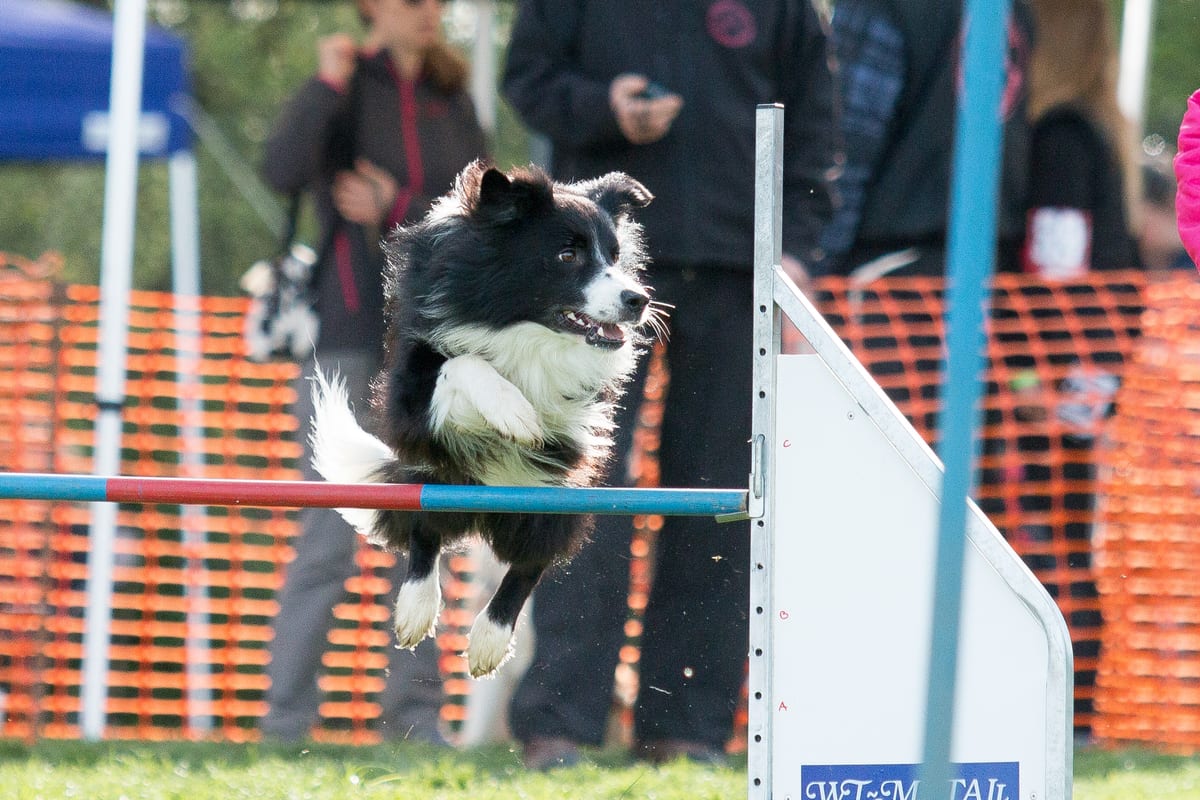
favoured thoughtful stock work. Agility and the internet later favoured speed and a pretty
outline. Popularity increased the number of households that are surprised.
You will meet Border Collies on sheep, on courses, and in city kitchens. The mix does
not cancel the eye. Train the dog in front of you and budget the hours anyway.
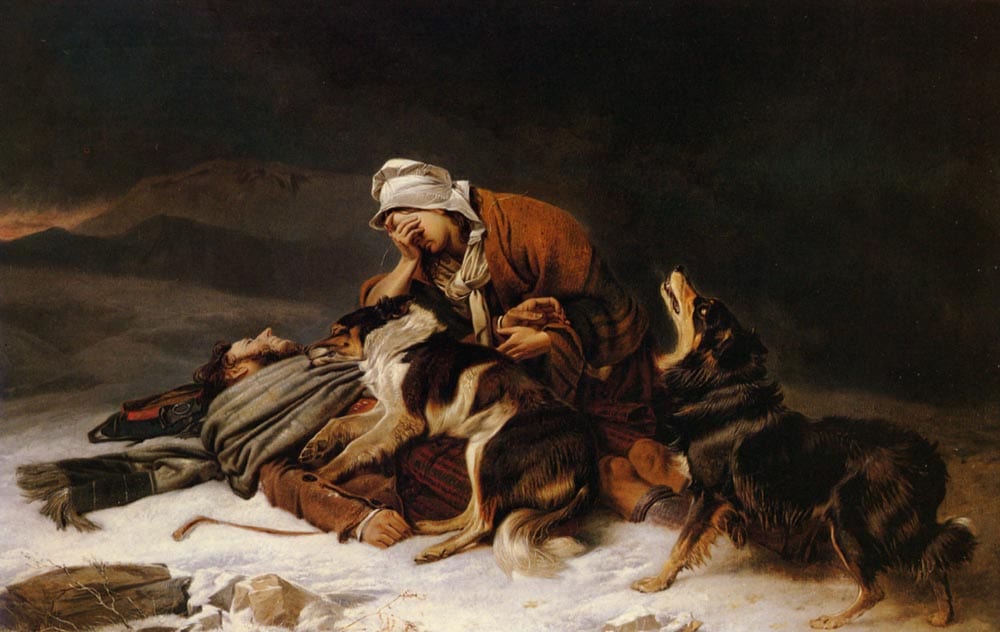
Richard Ansdell — Lost in the Storm (public domain). Culture painted shepherds and dogs
long before modern registries; it is not a pedigree sales pitch.
What the breed was bred for
Eye, motion control, and a brain that invents the next task
In plain trainer language: the type was selected for reading stock, taking direction,
and staying in the job. That is why a clear training loop produces a partner — and why
a vague household produces a scooter manager with a perfect stare.
Cleverness is not automatically manners. A dog that invents its own jobs has had too little off-switch practice, not “too much brain for training.” Distance, food, and
a place to go are the plan.
Looking back at you beats staring at motion
Place and settle are core skills, not optional tricks
Fetch is rocket fuel — dose it, do not live on it
Line and lifestyle change tempo — not the need for a job
A day is work, motion management, and a taught end of the shift
In a city the Border Collie’s job appetite shows up as soft herding: the locked eye on a
scooter, the shadow chase, the child circled at the park, the inability to lie down while
something moves. Management is not weakness. End the job on purpose so the dog learns that
motion has a stop time.
Morning · first outing
The walk starts with sniff, not a full-block herding critique
Many collies leave the door already collecting motion: bikes, runners, leaves, other
dogs. If every morning route becomes a lecture about the world’s movement, excitement piles
up before the dog has toileted and loosened.
Choose a calm first loop, allow sniff time, and reward a look at you before the leash
tightens toward the next moving argument. See
leave-it.
City route
Pass bikes, scooters, and kids at a working distance
Leave before the eye locks and the lunge starts. A clever dog that hits the end of the
lead at a bicycle is still a liability. Slack and distance beat a louder lie-down.
If every “come” ends the only interesting work, motion and dogs become more valuable
than returning. Sometimes call, reward, and send back out on a long line — then close the
session on purpose.
Teach a wait and a place before children and scooters become a weekly stalk practice.
Do not reward the first circle as “protective” or “smart.” Herding without brakes is still
a hobby — and a bite risk.
Crate or mat with a safe chew so the household can cook. A collie that cannot lie on a
bed while you work will invent a better job on shadows and hallway traffic.
Quality load leaves the ability to lie down and not manage motion. See
place
and
enforced naps.
Care and health themes
What to watch monthly — not only before purchase
General awareness only. I am not a veterinarian. Most problems show first as a change in
gait, vision behaviour, compulsive chase, or recovery after work. For red flags, leave
this page and open
when to call the vet.
Eyes and CEA awareness
Border Collies as a type are often discussed with inherited eye conditions, including
collie eye anomaly (CEA) and other eye talk breeders and vets screen for. That is
awareness — not a diagnosis from a breed page. Ask about testing. Sudden vision change,
pain, or bumping into things is a veterinary visit.
Joints, lean weight, young sport
Keep the dog lean. Do not smash a young collie on hard agility contacts every day.
Growing joints are not a weekend competition plan. Lameness is a vet question, not a
louder sit.
Coat and shed
Smooth and rough double coats both shed. Brush, especially trousers and behind the ears.
Neither coat is a reason to skip the walk. Do not shave a weather-minded coat into a
summer surprise.
Compulsive motion hobbies
Spinning, light-chasing, shadow obsession, inability to stop fetch — change the plan and
get qualified help. More ball is not the treatment. This page is not a neurology clinic.
Ears, teeth, nails
Ordinary maintenance still applies. Working dogs still need quiet indoor nails and dental
care. Smell, shake, or discharge is a veterinary visit — not a training drill.
Weight and rations
Measure the ration. Use part of it as training rewards. A heavy collie is not a calmer collie; it
is a joint conversation waiting for a vet. See
body condition and rations.
Lines — two types, one breed
Working and companion Border Collies share a type
Honest split, no bloodline sales. Differences show in tempo, pressure, and how an adult
handles boredom around moving things. Both still need a job and an off-switch.
Working / trial / farm line
Often harder switch-on for stock, motion, and handler pressure.
Parents may have trial or farm results — ask, do not assume.
Home life needs daily work and a clear end of shift — not only a garden.
Puppies need early look-back and settle before speed becomes dangerous.
Fits an owner with time for real work or sport, motion management, and an instructor —
not a “smart apartment dog” promise with sheep genetics.
Companion / pet / show-influenced
Often a lower stock pressure — eye and micro-tasks can still appear.
Meet parents at rest, not only stacked or in a highlight reel.
Ball addiction and shadow hobbies are still available without a flock.
Eye and joint conversations deserve the same seriousness as in working lines.
Fits a household ready for daily training, off-switch practice, and the fact that “family only” does not switch off herding instinct.
Socialization windows
What to introduce — and what not to overload — by age
AVSAB-aligned in spirit: short, clean exposures at a distance the puppy can still eat,
with hygiene while vaccines finish. See the
puppy socialization schedule.
2–4 months
Home and near yard
Introduce: family members, soft floors, short outings, brush and paw
handling, calm guests without a stalk party.
Do not overload: chasing kids as play, praising the first eye-lock on
motion, endless fetch in the hallway.
~6 months
City motion at a distance
Introduce: people and children at distance, bikes and scooters far
enough to eat, calm park dogs, first clean place on a bed.
Do not overload: “everyone pile in” play yards, close bike passes,
letting the dog circle children.
~12 months
Adolescent motion hunting
Introduce: dogs on an arc, sport with brakes, guest by script,
continued look-back when something moves.
Do not overload: ball addiction, shadow/light chase as entertainment,
inability to lie down after the walk.
~18 months
Adult scenes under control
Introduce: harder routes with an exit option; short contacts after a
warm-up, not at peak eye-lock.
Do not overload: hard agility volume on young joints, chronic limps
ignored, panic when left alone without a plan.
~24 months
Maintain the brakes
Introduce: new places without overload; refresh door, place, and
loose-leash rules as confidence arrives.
Do not overload: work-only care with no settle, sudden weight gain,
letting self-made herding become the only job.
Before you buy
Who a Border Collie usually fits
Fit is daily decisions: readiness to give real work, manage motion, and close the shift
just as clearly as you start training.
Good match
More likely a good fit if you…
Can give mixed brain-and-body work most days — and teach rest the same way
Will train look-back and place before kids and bikes become its flock
Can agree as a household on the same rules — not “smart enough to know”
Will look at parents in daily life and read eye / joint / DNA risk paperwork
Understand apartments need real work — square footage is not enrichment
Mismatch risk
A Border Collie may be a poor choice if…
You want “smart and low maintenance” as one package deal
The dog must entertain itself all day with a garden, a ball, and a wish
Herding children, stalking motion, or shadow hobbies are unacceptable even during learning
You will live on fetch and call it a training plan
Daily training time and off-switch practice are things you do not want to plan for
If you are torn between breeds
Border Collie vs German Shepherd and Labrador Retriever
GSDs usually bring handler focus plus environmental scanning; Labs bring a social mouth
and retrieve appetite. Border Collies bring eye and micro-task invention. Pick the failure
mode you can live with — then train.
Contact style
Border Collie
Eye, crouch, move living things; sloppy rules turn into self-made herding.
German Shepherd
Handler focus plus scanning; door and yard shifts if the job stays open.
Household tempo
Border Collie
Hunts the next micro-task; boredom becomes self-assigned work faster.
Labrador
Social mouth and retrieve appetite; jumps and mouths if not given an outlet.
Motion triggers
Border Collie
Bikes, kids, shadows, leaves — motion is a job invitation.
Both compares
Labs chase play more than eye-lock; GSDs often hold a longer “security shift.”
Apartment reality
Border Collie
Possible with real work and settle — not apartment-easy by default.
Both compares
Square footage still does not replace work — Lab mouth rules, GSD door rules.
Training style
Border Collie
Learns fast; off-switch and look-back need as much work as the trick.
Labrador
Sees results fast; self-control and drop-it need as much work as the retrieve.
Ownership without surprises
Where a Border Collie owner’s budget goes
Figures depend on city, food, and sport choices. Below are cost themes to budget before a
puppy — not prices and not quotes from this site.
Time as the real bill
Daily work and training are the cost people forget. A collie without that time invents its own work. Budget the calendar before the purchase price.
Food
Measure; use part of the ration as training rewards. High drive plus free-fed bowls often returns
via weight and joints.
Veterinary
Routine care plus eye conversations in the breed type, joint talk for sport dogs, and a
clinic you trust before 11 p.m. Know your emergency number.
Gear and safety
Leash and harness, long line, crate, mat, gates around kids — tools, not personality.
Management is part of training.
Training and sport
Puppy class, private help for motion and place, herding lessons or sport with brakes,
behaviour consult when stalking stuck. City ranges vary — treat online “averages” as
rough, not a quote.
Line reserve
If the pedigree conversation includes eyes, joints, or neurological talk, keep a
separate diagnostic reserve — not only an “ordinary year.”
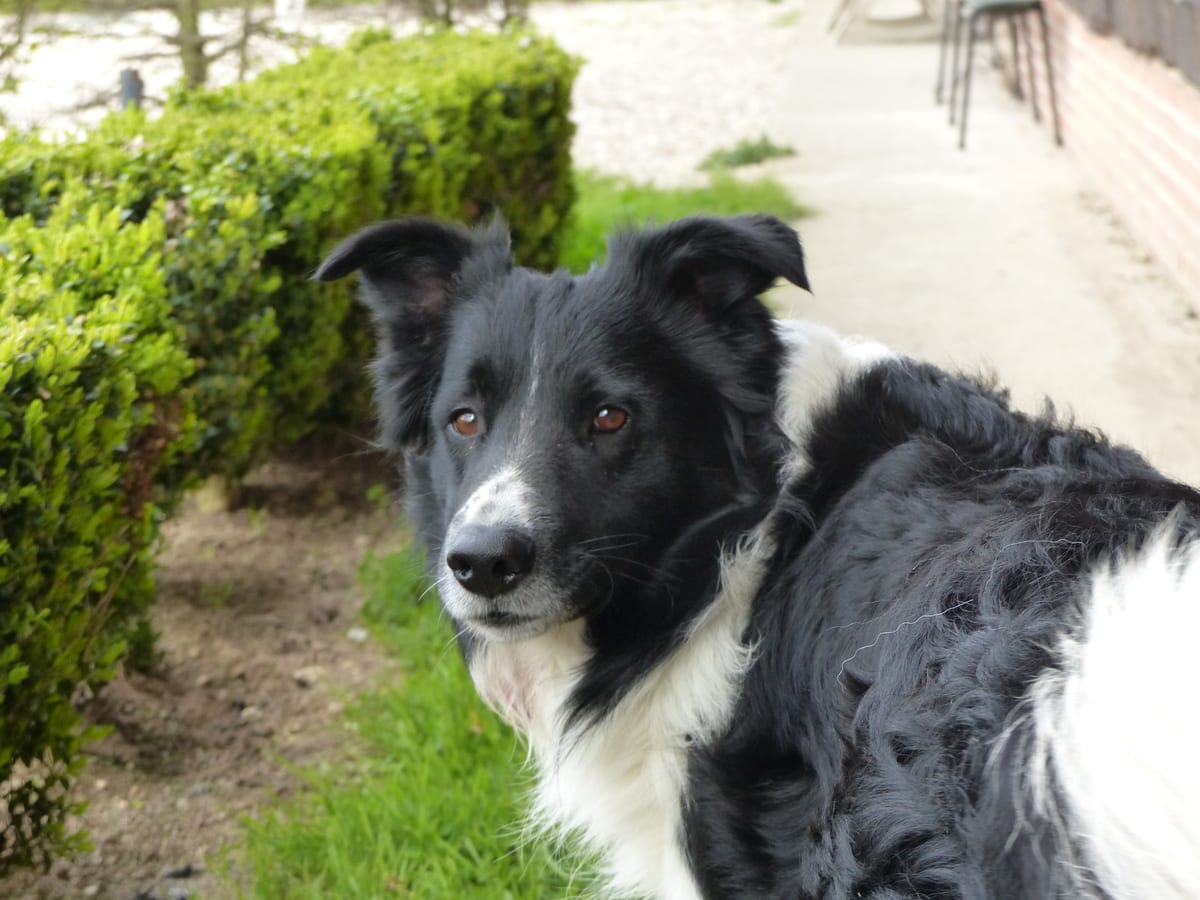
A highlight-reel photograph does not cancel daily decisions: work, motion management, and a
clear end of the shift remain the main cost drivers.
Before day one at home
What to prepare for a Border Collie puppy
The puppy will notice motion early, switch on fast for attention, and sleep hard. A few
decisions before arrival beat a hundred “no”s after the fact — including off-switch
habits before the eye gets strong.
01
Limit space before you lecture
Remove cords, meds, rubbish, and children’s toys that scream “chase me.” A gate or
safe room beats endless corrections. Management is part of training.
02
Stage look-back before the first bike
Short, rewarded name responses and hand targets indoors first. Do not wait until a scooter
is already locked in the eye. Pair the look with food so motion is not the only
teacher.
03
Plan the toilet clock
Out after sleep, food, and active play. Accidents mean the interval was too long —
not that the clever puppy is spiteful. Follow
potty training.
04
Protect sleep
After guests, walks, and play, the puppy needs a quiet block. Overtired collies look
naughty: stalking, mouthing, and zero response. Start
crate training
door-open and use
enforced naps.
05
Dose motion on purpose
Socialization means see the city safely and recover — including bikes and kids at a
distance the puppy can still eat. The puppy does not need to herd every moving thing.
06
Start alone time in minutes
Leave briefly while the puppy is calm and return before panic. The first absence
should not be a full workday. See
first absences.
If the dog is already yours
Training means clear goals plus a clear end to the herding job
The goal must be easy to see: soft eyes after a notice; place holds while a child
moves; the leash hangs past a bike; the settle you mark is the settle you want.
Short precise sessions with a clear payoff fit this breed. Long sessions while over-excited and sloppy marking often strengthen clever chaos. A clear end to chasing and staring teaches better than one more trick to “tire the brain.”
Environment management supports learning: baby gates, covered light spots if needed, a
ready place, measured rations, and fetch on a timer cut practice of the old behaviour.
Load balance
Keep work interest — joints, age, and compulsion set the limit
Age, heat, meal size, and compulsive hobbies change what is allowed. Lameness, vision
change, or a dog that cannot stop chasing lights mean stop and get a veterinary or
behaviour assessment.
Calm walkNose workShort trainingLegal retrieveSleep after the job
Walks, search, herding lessons, sport with brakes, and structured retrieve are
available. Endless ball, light-chasing as a game, and a sprint right after the bowl are
not required to close the work need.
Quality load leaves the ability to lie down and not manage motion.
Kids, bikes, shadows, and the eye
How to teach a Border Collie to stop herding on cue
Start with a quiet predictable signal and a prepared payoff while a real scooter parade is
still too hard.
01
Catch the notice before the eye locks
When the dog notices the bike, child, shadow, or guest rising from a chair, mark the notice quietly. Do not cheer the stare or rush toward the moving thing with the dog. Your job is to catch the moment before the self-made herding job starts.
02
Call a look back to the handler
Cue a name or a hand target so the dog softens the eye and checks you. Reward the look at a distance the dog can still eat. If the dog cannot look, you are too close to the trigger — add distance or a barrier.
03
Send to a known place
Send the dog to a mat or bed away from the motion. The place is a park, not a punishment. Reward arrival and a down while life continues moving in the room or on the street.
04
Reward soft body and duration
Feed for soft body, closed mouth, and eyes that are not locked on the target — in short slices. If the stalk returns, you asked for too much duration or the trigger is too hard. Reset easier. Do not reward the stare with a conversation.
05
End the shift cleanly
Release only when you choose. Then give a safe chew or a short training game that is not chase. Herding brains that only learn “start the job” invent the rest of the evening on kids, bikes, and shadows.
One scene close-up
Why “he’s so smart” turns into herding your kids
For a motion-sensitive Border Collie, a soft look that still earns dinner while the child
runs is information. The dog did not forget. The dog updated the rule: moving kids are
the job. If the human keeps rewarding the stare with talk or chase, the stare becomes the
standard.
Mark cleanly. End the session before the dog frays. Make it harder in small steps. If
food fails at any distance from a bike or a child, add space — do not shout the dog into a
fake down.
Shouting can interrupt an episode without teaching which behaviour earns rest. If the
harness is ripping toward traffic or the dog cannot eat at any distance, safety belongs
with a qualified professional.
“With a Border Collie, I do not argue with the brain wanting a job. We give proper work,
teach look-back when something moves, put kids and bikes behind management, and budget
the off-switch — because intelligence without a stop time is just boredom with a herding eye.”
Sessions cover real scenes: motion, place, loose leash, children and guests, fetch with
brakes, and rest after exercise. The breed’s learning speed helps — and hurts if brakes never
appear. I am a trainer, not a veterinarian. No invented reviews.
Andrew DarovProfessional dog trainer and instructor
Square footage is not the issue. Work is. A flat with two hours of mixed brain-and-body work and a taught off-switch can work. A flat that offers a balcony and a ball usually leads the dog to invent its own jobs: kids, bikes, shadows, hallway traffic. “Easy in a flat” is a sales line — not a breed default.
Why does my Border Collie stare and stalk?+
The eye is the breed’s stock tool — lock, crouch, move living things. In a house the living things become toddlers, scooters, cats, and guests standing up. Reward looking back at you. Interrupt the stalk before it becomes a nip. Do not narrate the stare as “cute intelligence.”
How do I tire a Border Collie without endless fetch?+
Mix brain and body: walk, scent, shaping, a short rewarded retrieve, then a crate or mat nap. Endless fetch builds a dog that cannot think when something moves. Quality load leaves the ability to lie down.
Will a Border Collie herd my children?+
Often they will try — motion is a job invitation. That is a behaviour and safety problem, not a nanny feature. Gates, a rest place, an adult watching, and an off-switch are the plan. Do not wait to see if the dog grows out of a stalk.
Do Border Collies need sheep?+
They need a job. Sheep are the original one. If you do not have stock, you are the substitute: scent, advanced obedience, herding lessons, sport with brakes, and a calendar. Wanting a pretty black-and-white dog is not a plan.
Is a Border Collie a good first dog?+
Only if the first-time owner will train most days, manage motion triggers, and skip ball addiction. Intelligence is not beginner mode. Smart dogs learn sloppy rules as fast as clear ones.
Working line or companion line — does it matter?+
Yes for tempo. Trial and farm lines often switch on harder for motion and pressure. Companion lines can still stalk a scooter. Meet parents at rest. Train the dog in front of you either way.
What about eye problems or CEA?+
Border Collies as a type are often discussed with eye conditions including collie eye anomaly (CEA) and other inherited eye talk. That is awareness for a veterinary and breeder conversation — not a diagnosis from this page. Ask about testing; call a vet for vision changes, pain, or sudden blindness.
How much exercise does an adult Border Collie need?+
Many adults I see need two-plus hours of mixed work — not two hours of mindless ball. Puppies need shorter sessions and more sleep. An overtired collie looks like a delinquent.
Why is my collie obsessed with shadows and lights?+
Motion obsession plus practice. Chasing light spots and reflections can become a compulsive hobby. Change the plan: reduce free chase, teach look-away and settle, get qualified help if the dog cannot stop. More ball is not the treatment.
What is the typical lifespan of a Border Collie?+
Public breed references often cite roughly 12–15 years. That is a range from public knowledge, not a promise for any individual dog.
When is a Border Collie too much dog?+
When the household cannot provide daily work, motion management, and a taught off-switch. Buy the week you actually have — including training time — not the intelligence ranking from the internet.
If a Border Collie feels too much eye — or the wrong tempo
The breed is popular, but not for every home. Sometimes another contact style or energy
budget fits better.
A Nordic herding spitz. Needs outdoor work, a clear end to alert barking and serious double-coat care.
Need a read on your exact situation?
Describe your Border Collie’s age and the scene that repeats most: kids, bikes, shadows,
leash, fetch addiction, or rest after work. We check safety first, then pick the first
skill.
Written by Andrew Darov, professional dog trainer. Not veterinary advice and not a diagnosis.
Not a kennel club. No invented reviews. No vaccine schedules or toxin doses. Photo credits in
/images/breeds/border-collie-guide/credits.md.