Bearded Collie: temperament, training & soft herding clown
The Bearded Collie is a medium-sized, long-coated herding dog from Scotland. Most are bouncy, cheerful and sociable, with an independent streak. Life goes well with daily exercise and play, thorough grooming, fun and patient training, and recall practice on a long line.
Job: Scottish hill drover — bouncy and independent.
Energy: High; daily exercise and games.
Home: Needs weekly grooming and patient recall work.
Long shaggy double coat — sheds; thorough weekly brushing
Job
Scottish hill herding dog
Breed history
A shaggy drover from the Scottish hills
Every Beardie carries a working past. This Scottish herding dog was made to move sheep and cattle in rough weather, so most are bouncy, cheerful, independent thinkers with a big coat.
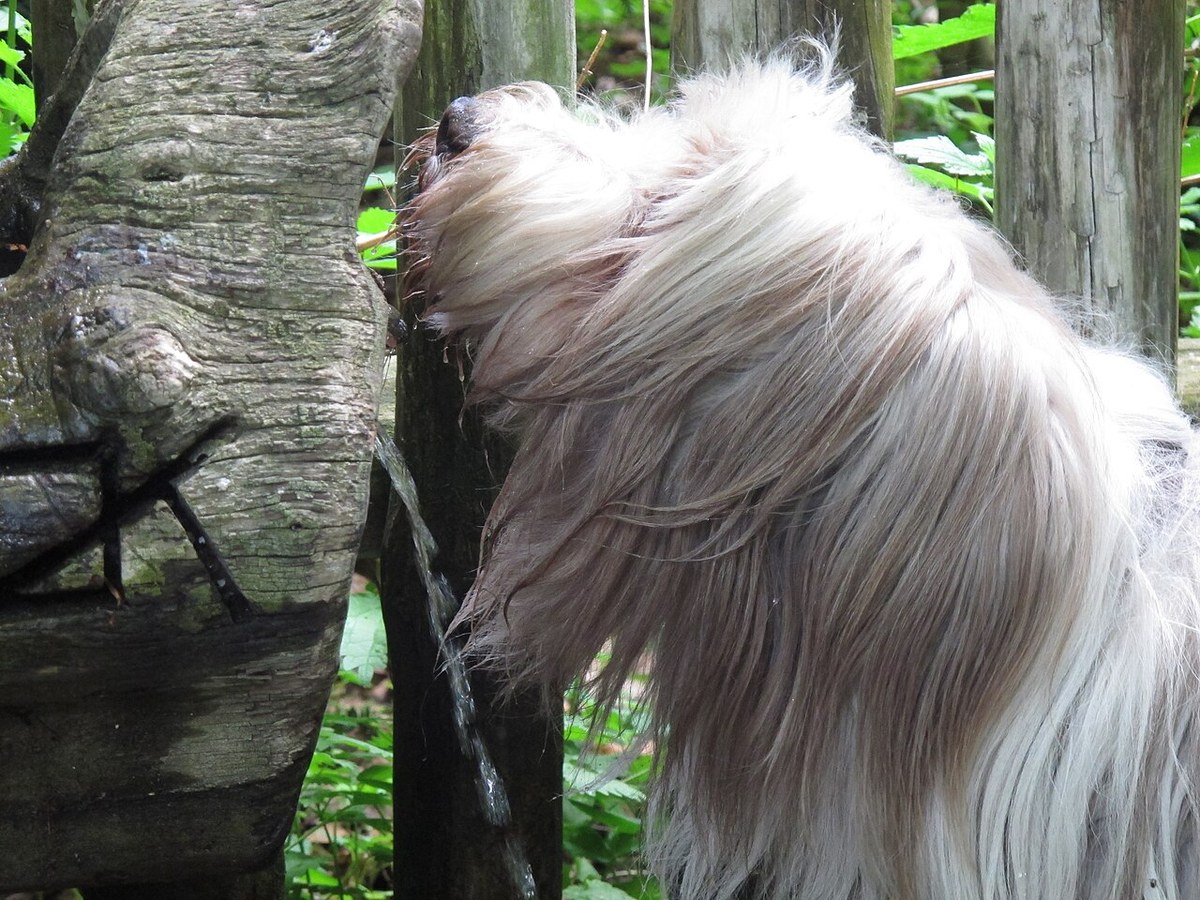
A long-coated Bearded Collie at a drinking fountain in Berlin’s Grunewald forest (modern photograph). The coat needs regular care after outdoor days.
Scotland → hill sheepdog
A Scottish herding dog
Public breed histories describe shaggy herding dogs used for centuries in Scotland to move sheep and cattle over hills and to market.
They worked at a distance and barked to move stock — which explains the bounce, stamina and voice of many Beardies today.
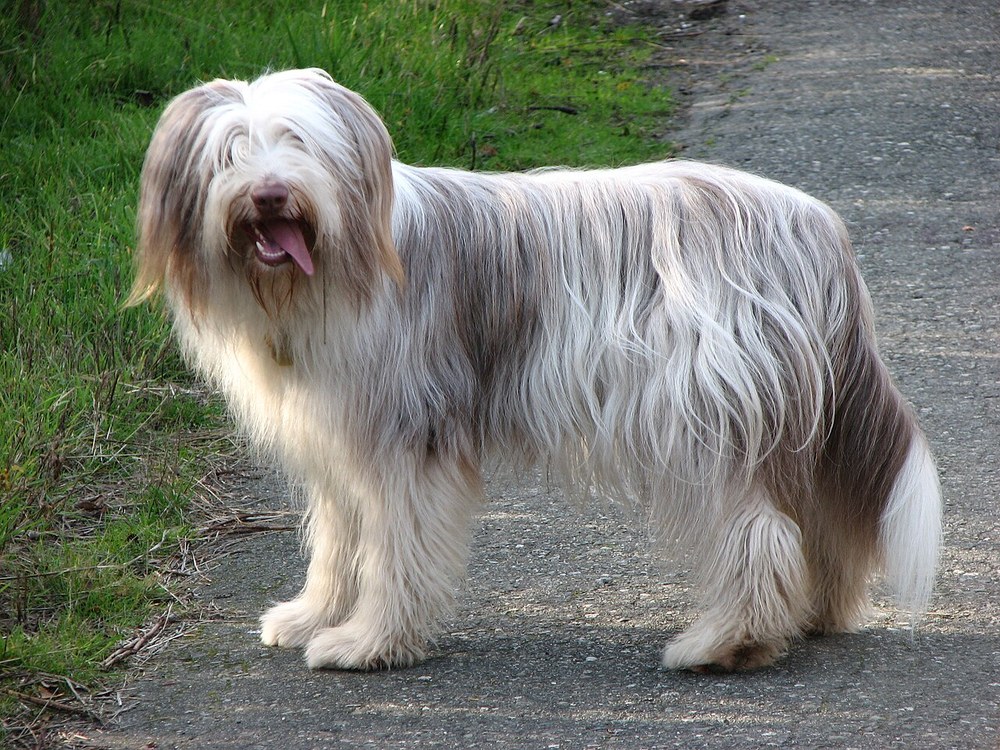
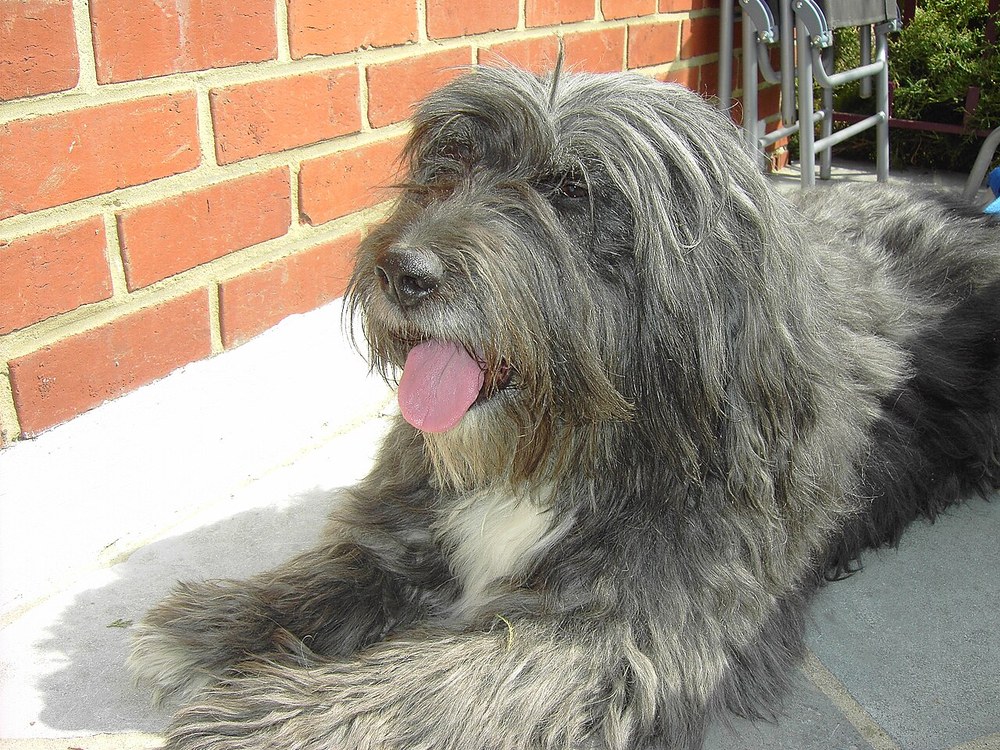
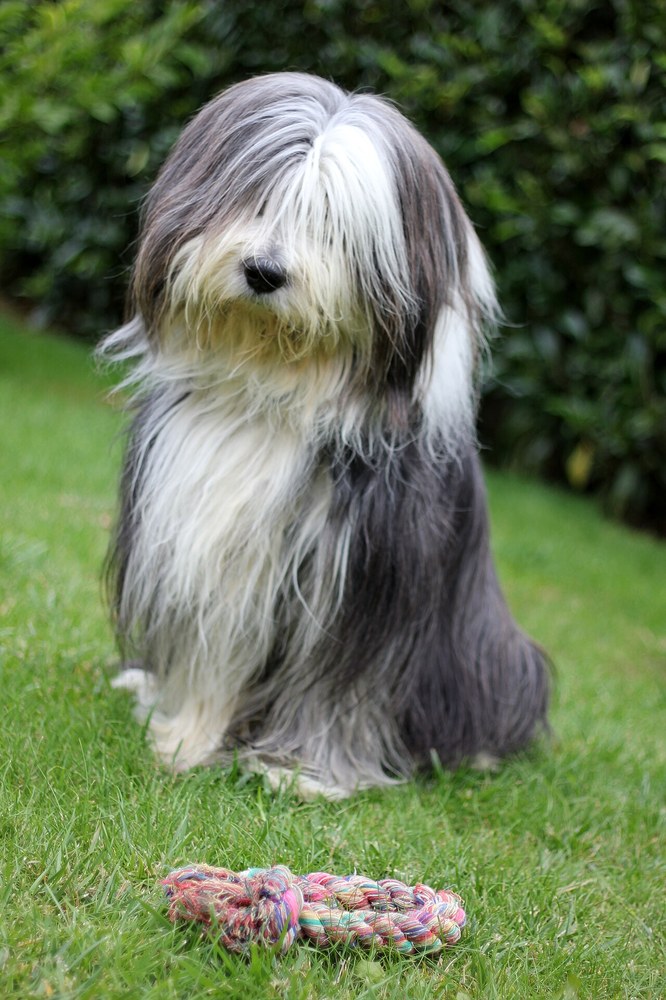
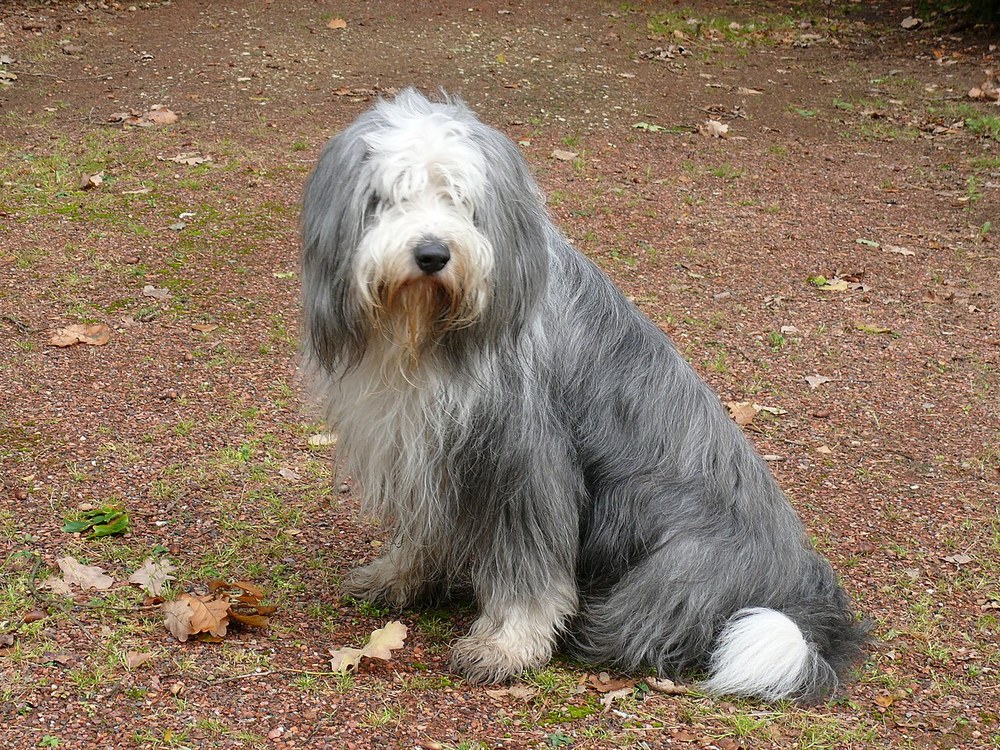
A Bearded Collie with a long grey and white coat (modern photograph). Coat colour often lightens as Beardies grow up.
Revived in the 1940s → shows and homes
Brought back from rarity
Breed histories credit a mid-20th-century breeding programme in Britain with reviving the Beardie. It then spread to shows and family homes.
Today most Beardies are companions and sport dogs. Ask the breeder about temperament and grooming needs.
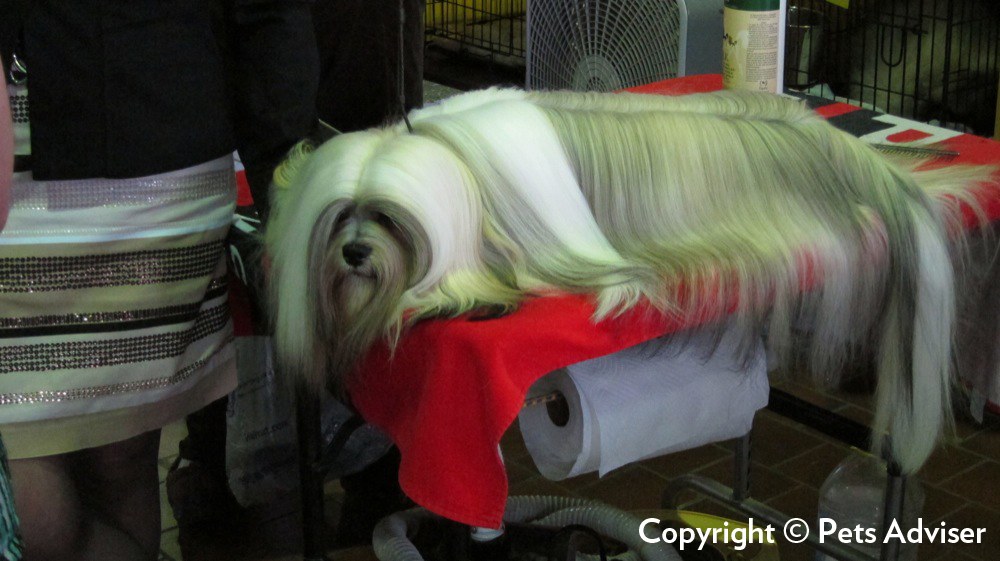
A Bearded Collie being groomed at Westminster (modern photograph). A full coat takes real time.
What the breed was bred for
Bouncy, cheerful and independent
In plain trainer language: Beardies are happy, energetic and sociable. Many are clever but like to make their own decisions.
The challenges are energy, barking, independence on recall and grooming. Fun, patient training and regular brushing help most.
What to watch monthly: coat, skin, ears and weight
General awareness only — I am a trainer, not a veterinarian. Notice skin changes, limping or energy changes. For urgent signs, see
when to call the vet.
Coat
Long double coat that mats. Brush thoroughly every week, more when shedding.
Skin
Check under the coat for mats, sores or burrs.
Ears
Check for dirt and redness.
Weight
The coat hides weight gain — feel the ribs.
Health screening (not a diagnosis)
Ask the breeder which screenings the national breed club recommends and see results for both parents.
Toxins
I do not publish toxin amounts. Call a vet or poison-control line if the dog eats something dangerous.
Lines and types
Puppy colour to adult colour
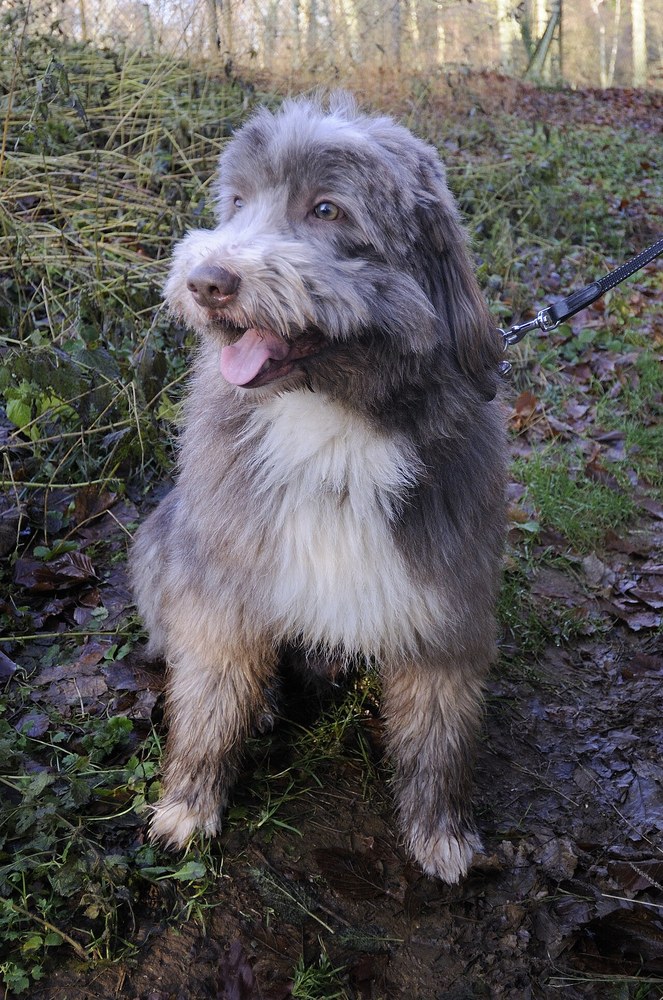
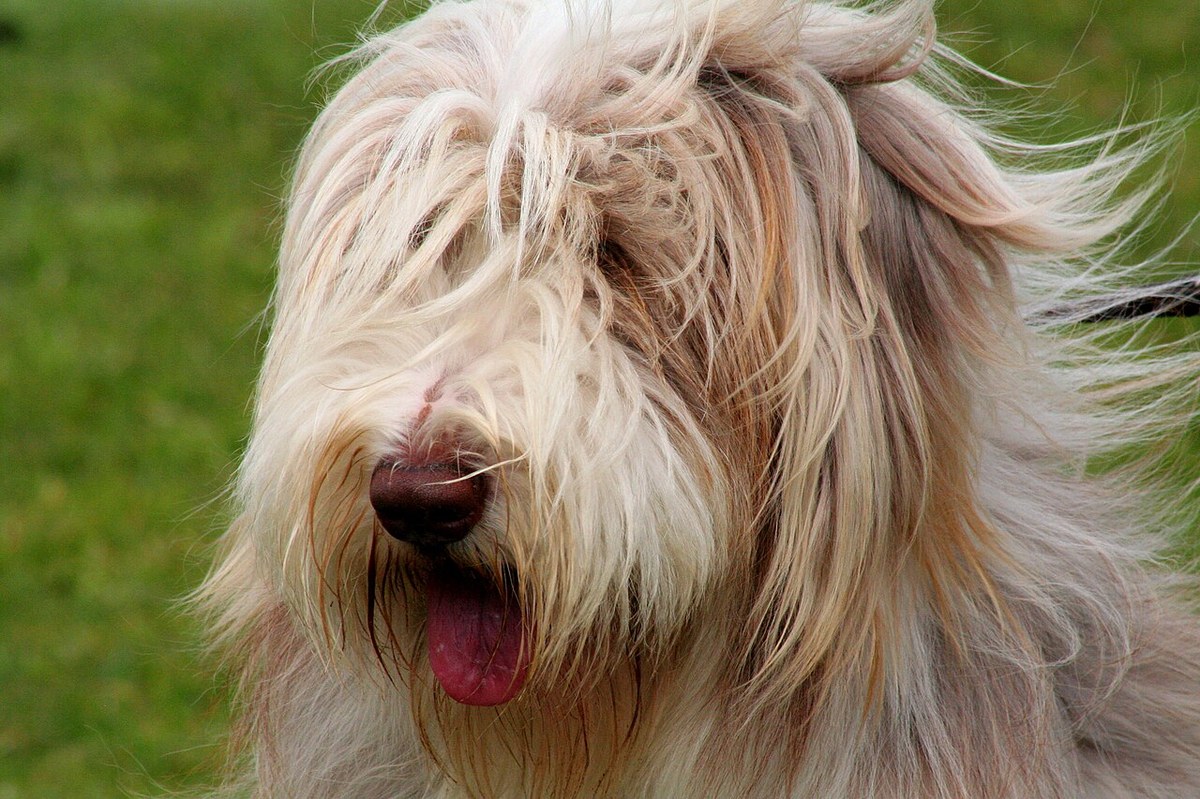
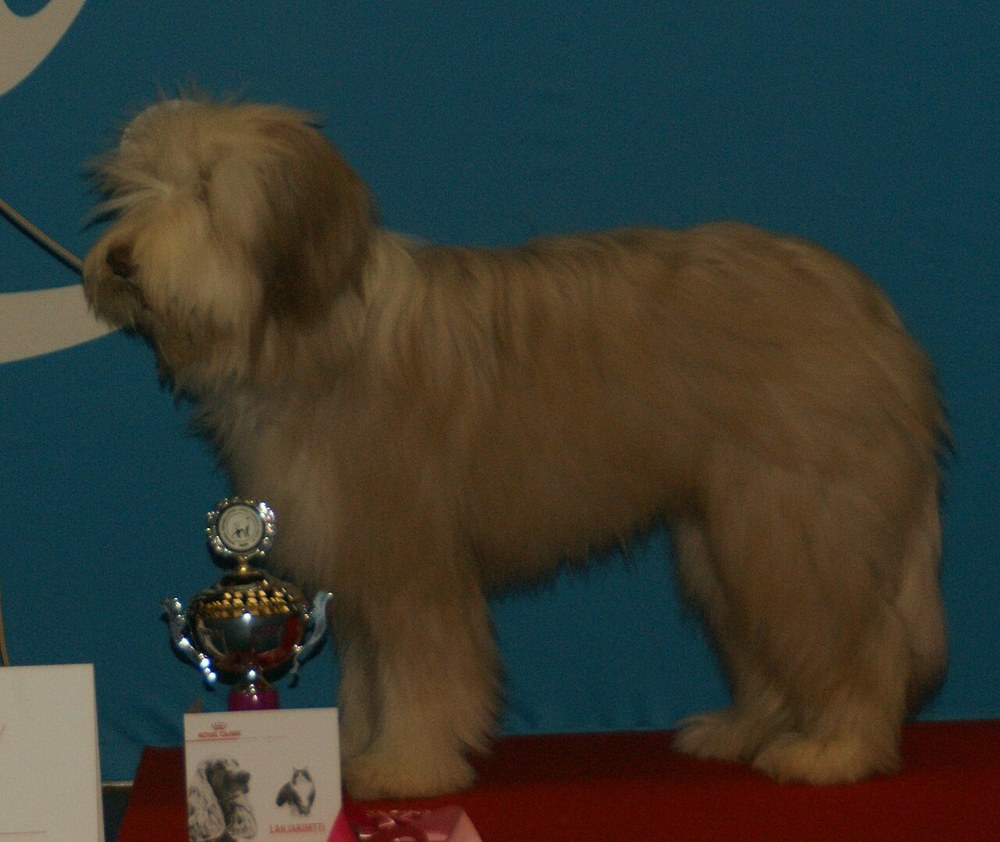
Beardies are often born dark (black, brown, blue or fawn) and lighten as they grow, sometimes darkening again later.
Puppy coat
Darker colour.
Shorter, softer coat.
Easier to brush.
Good time to build grooming habits.
Start brushing early.
Adult coat
Often lighter, greyer shades.
Long, harsh outer coat.
Thorough weekly brushing.
Some owners choose a pet trim.
Plan time or a groomer.
Socialization windows
What to introduce — and what not to overload — by age
AVSAB-aligned in spirit: short, clean exposures at a distance the puppy can still eat,
with hygiene while vaccines finish. See the
puppy socialization schedule.
“With a Bearded Collie, I keep training playful. We work on recall, quiet at the door and calm grooming — because a bouncy, independent dog cooperates when it is having fun.”
Sessions cover real scenes: barking, selective recall, bouncy greetings, and grooming battles. I am a trainer, not a veterinarian. No invented reviews.
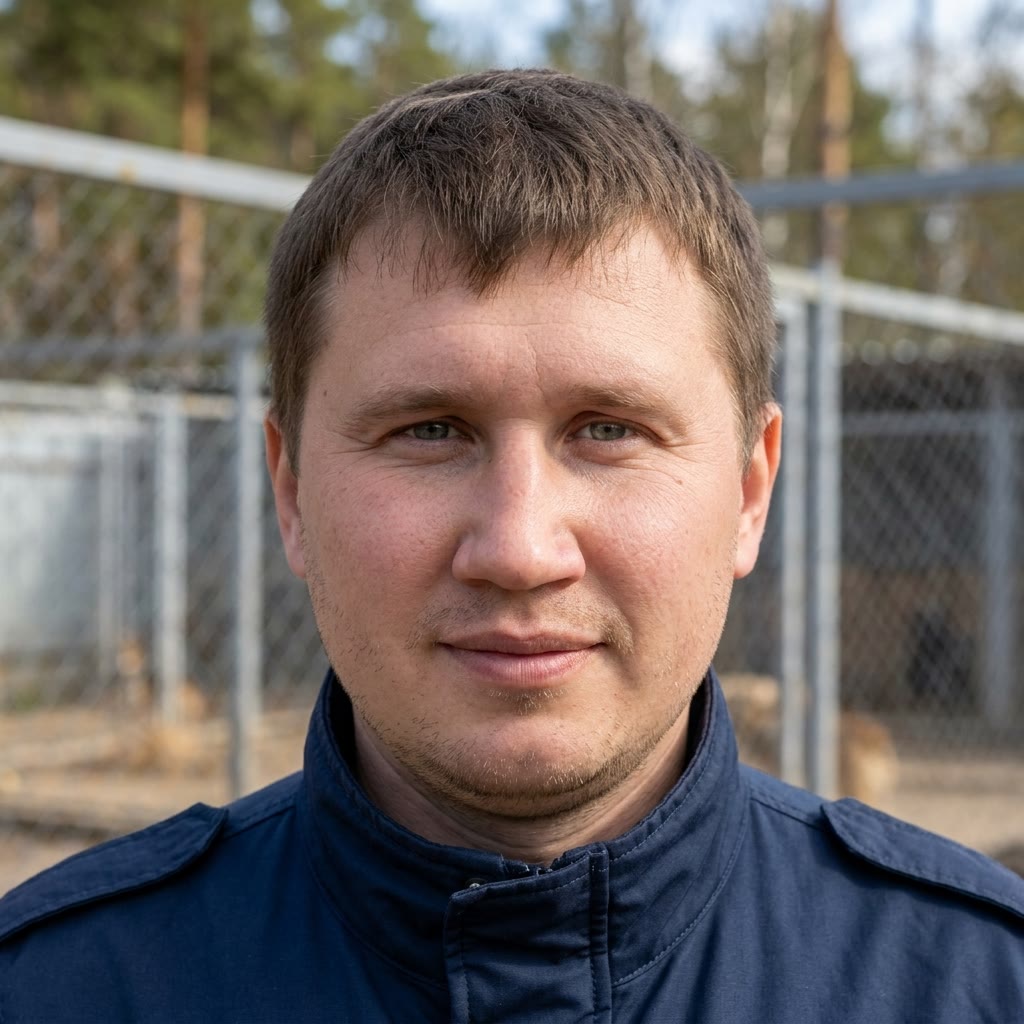
Andrew DarovProfessional dog trainer and instructor
Describe age, living setup, and where the dog breaks first — barking, selective recall, bouncy greetings, or grooming battles. Opens WhatsApp to Andrew.
A loyal, protective French flock dog with a long wavy coat that needs socialization, thorough grooming and daily walks.
Need a read on your exact situation?
Describe your Bearded Collie’s age and the scene that repeats most: barking, selective recall, bouncy greetings, or grooming battles. We check safety first, then pick the first skill.
Written by Andrew Darov, professional dog trainer. Not veterinary advice and not a diagnosis.
Not a kennel club. No invented reviews. No vaccine schedules or toxin doses. Photo credits in
/images/breeds/bearded-collie-guide/credits.md.