Standard Schnauzer: temperament, training & mid-size working schnauzer
The Standard Schnauzer is the original Schnauzer — a medium-sized German farm dog with a wiry coat, a beard and a sharp, independent mind. Most are lively, loyal and alert, with a watchful bark and a strong chase instinct. Life goes well with daily exercise, varied training and regular grooming.
Job: Original German schnauzer — farm dog and ratter.
Energy: Moderate to high; daily walks and training.
Home: Needs grooming, exercise and help with alert barking.
Wiry coat with beard — light shedding if stripped; brush and strip regularly
Job
German farm dog and ratter
Breed history
Why the Standard Schnauzer was built as a farm ratter and yard guard
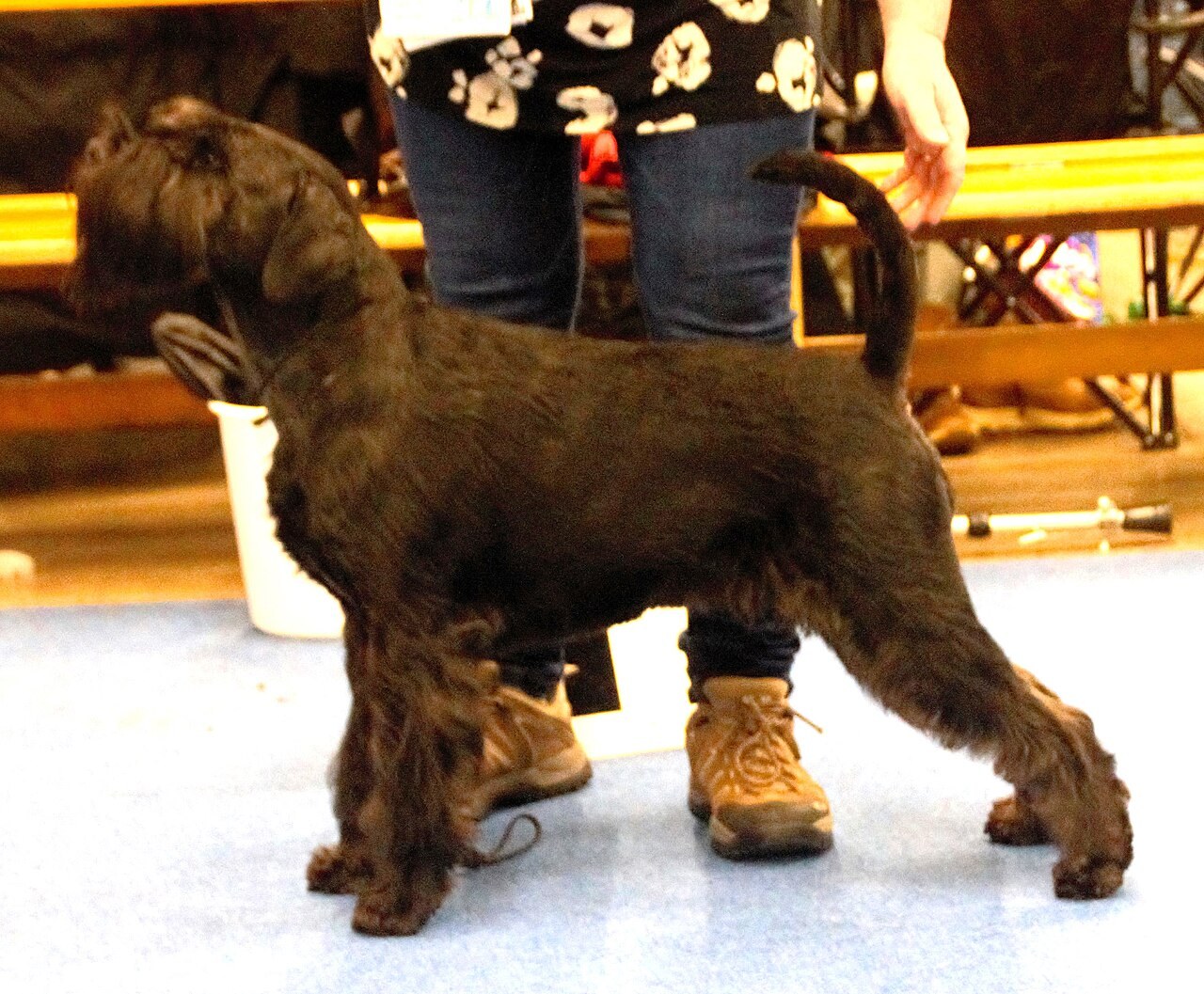
History does not decide what one puppy becomes, but it explains a lot: most Standards are lively, clever and alert, with strong opinions — the original Schnauzer that the Miniature and Giant were developed from.
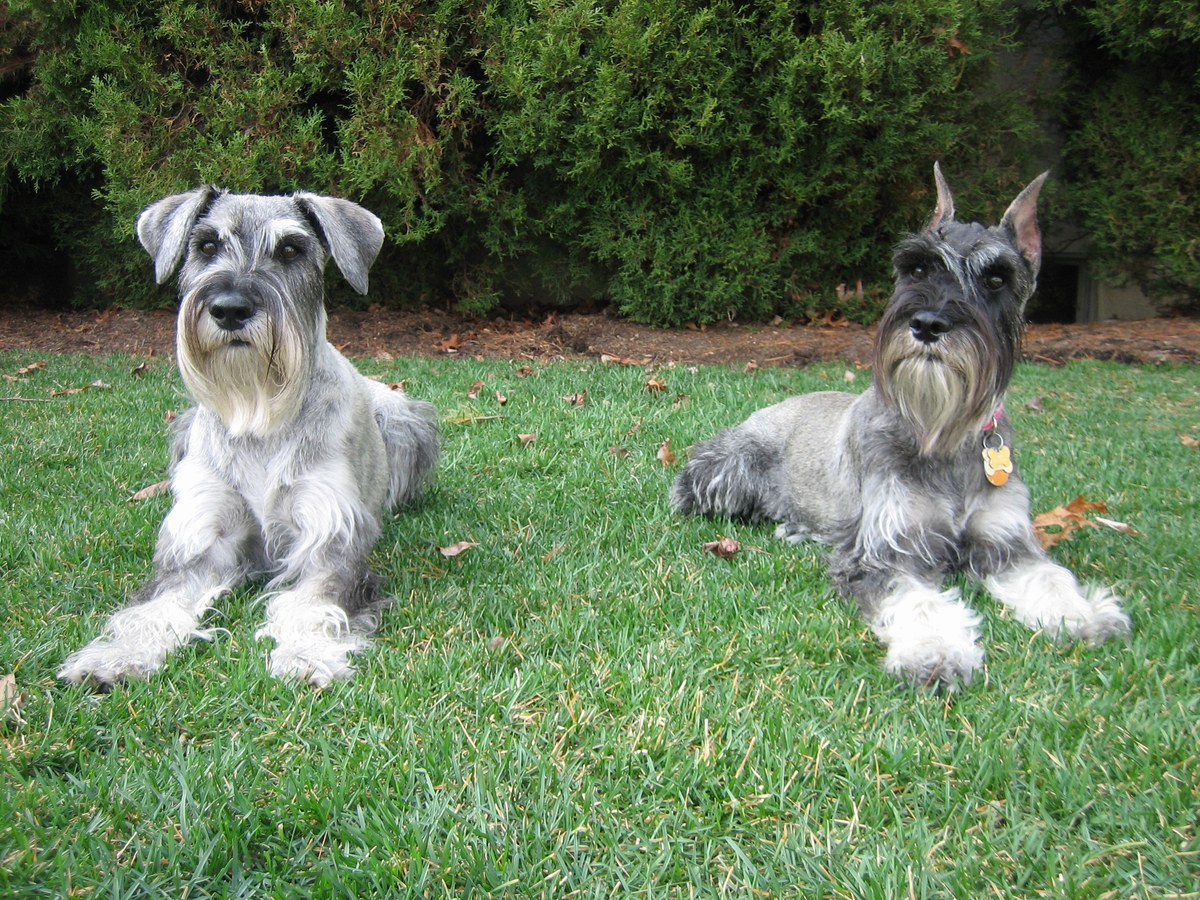
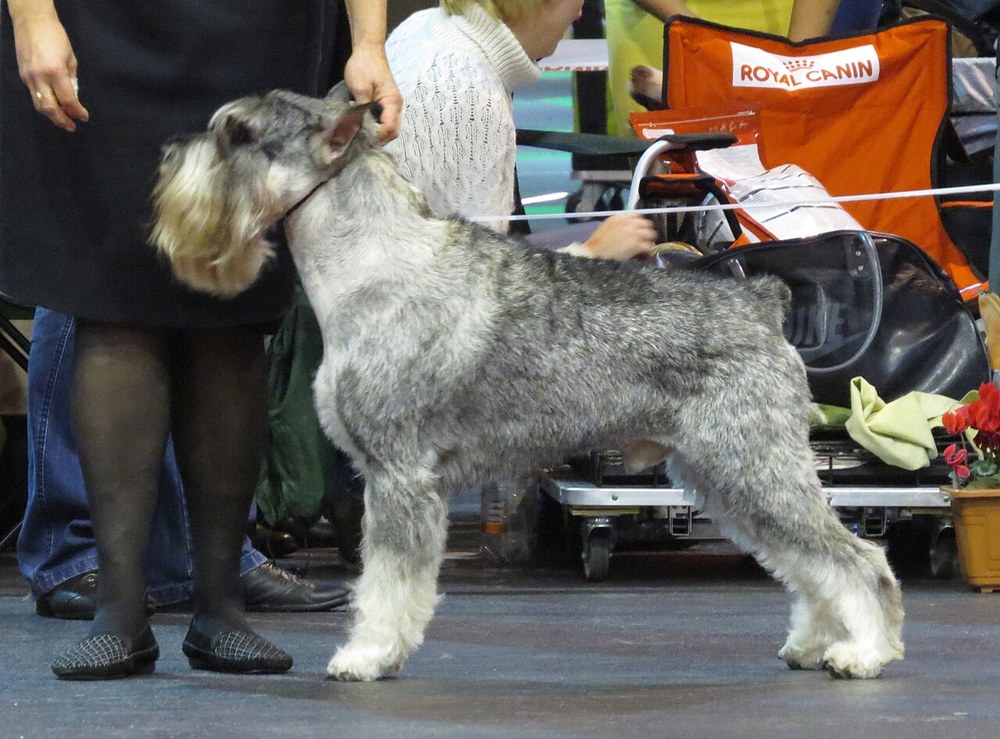
Two pepper and salt Standard Schnauzers (modern photograph). Ear cropping is banned in many countries; natural ears are now the norm in much of Europe.
Southern Germany → all-round farm dog
Rats, stables and a watchful bark
Public breed histories describe medium-sized, wire-coated dogs on farms in southern Germany. They kept rats and mice down in stables and stores, guarded the yard and travelled with carts to market.
The breed was first shown as the “wire-haired Pinscher”; the name Schnauzer comes from the German word for muzzle, a nod to the beard. Ratting and guarding explain the quick reactions, the alert bark and the independent mind.
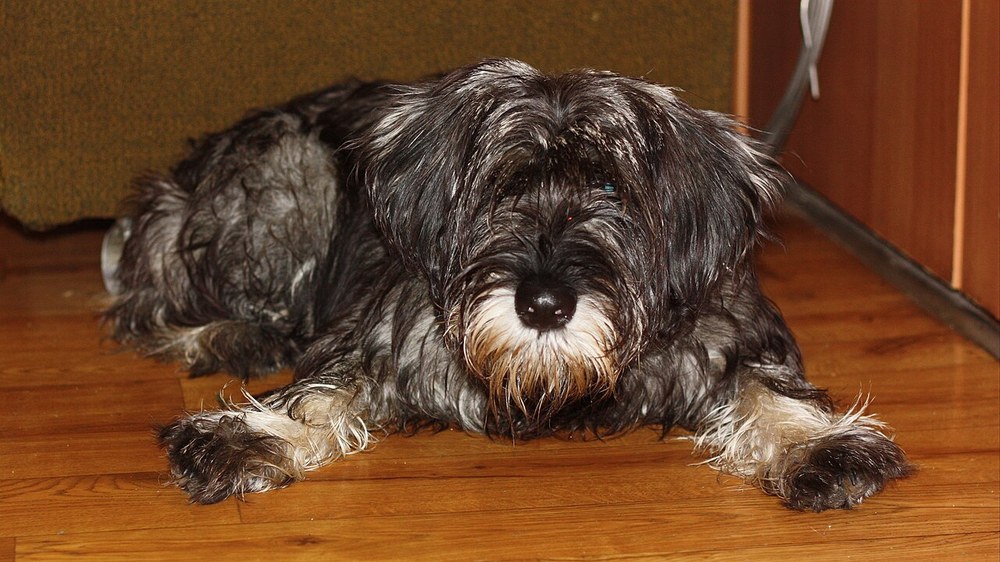
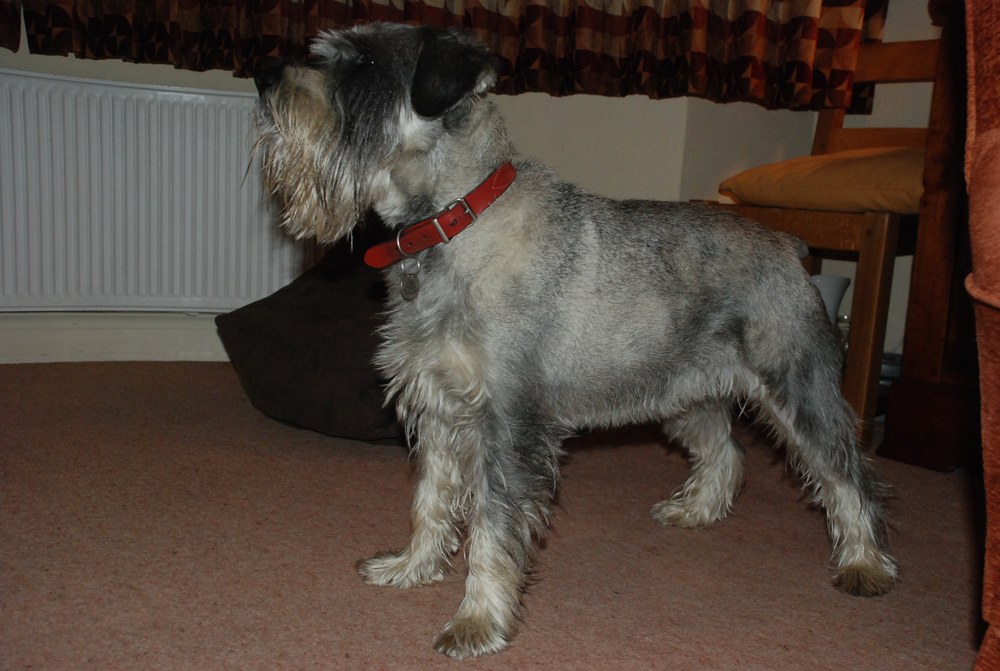
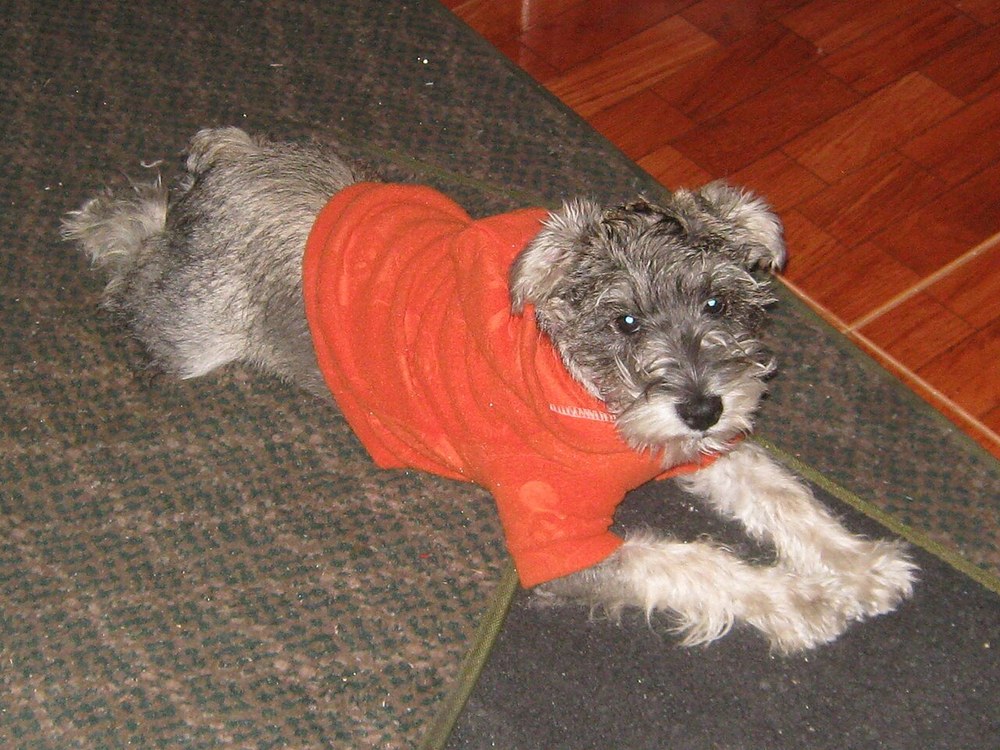
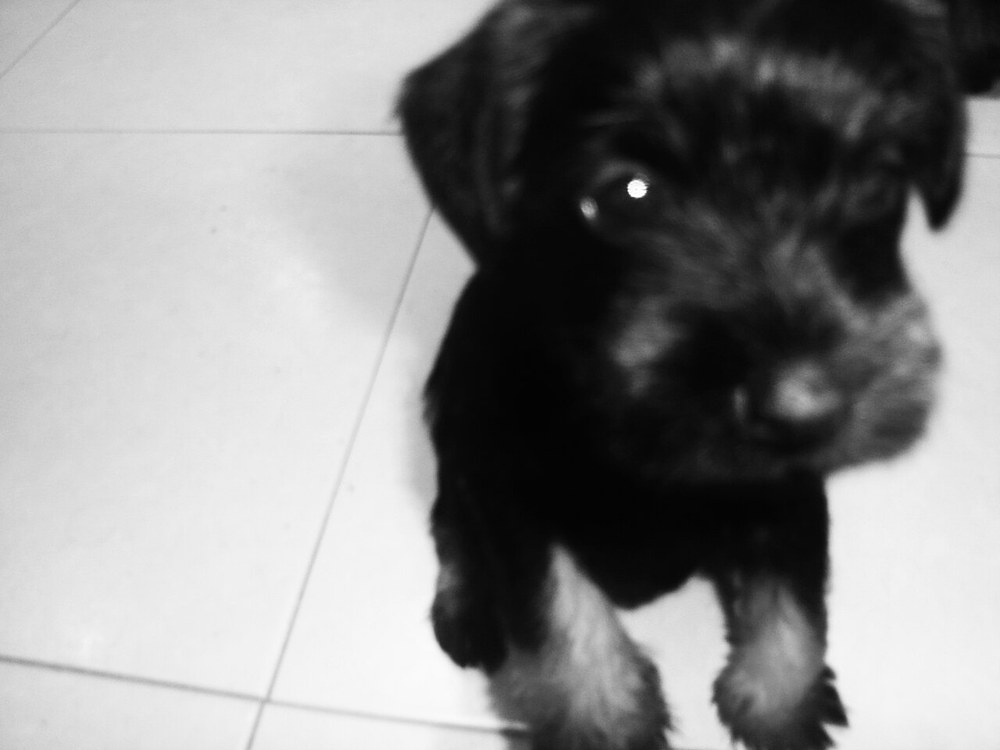
A six-month-old Standard Schnauzer with an untrimmed puppy coat (modern photograph).
The original size → Miniature and Giant
The middle Schnauzer and its two relatives
Breeders later developed the Miniature and the Giant Schnauzer from Standard-type dogs. The three are recognised as separate breeds, with different sizes and somewhat different temperaments.
The Standard remains the least common of the three in many countries. Meet the parents and ask how they behave with strangers, other dogs and small animals.
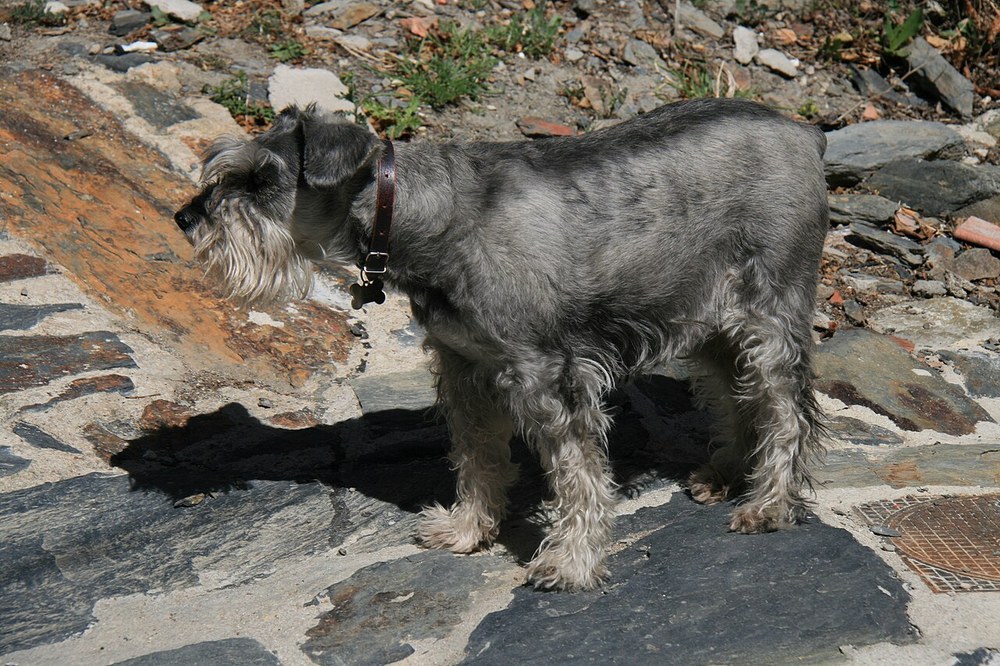
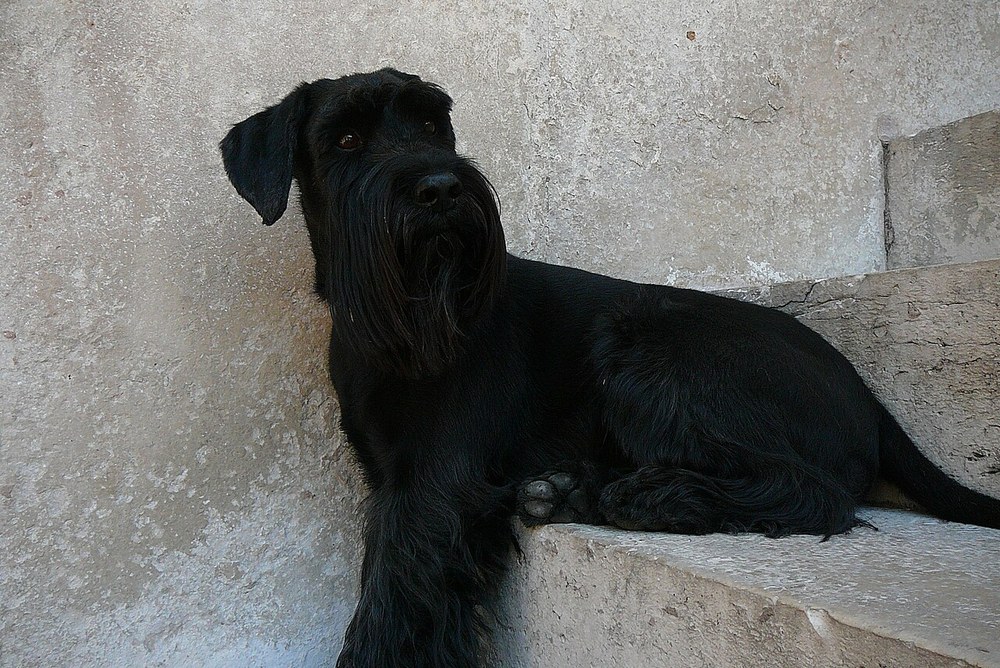
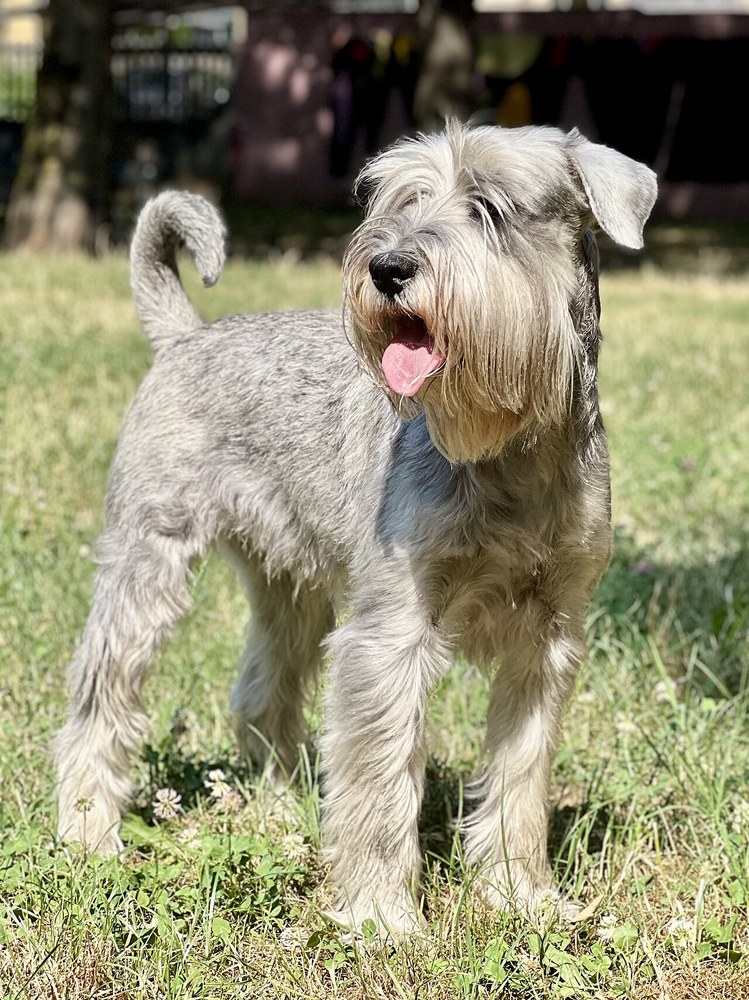
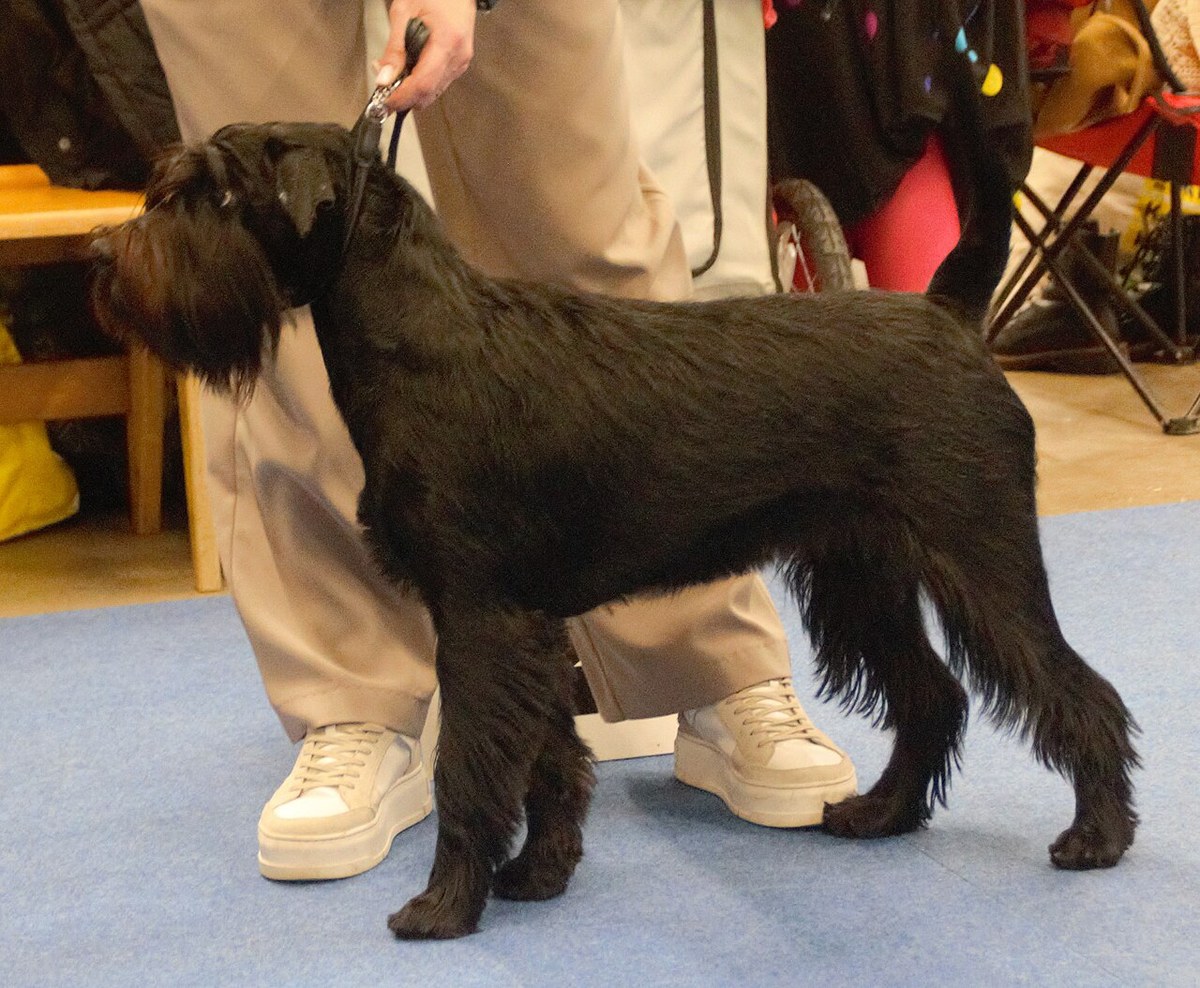
A pepper and salt Standard Schnauzer (modern photograph). Pepper and salt and black are the two recognised colours.
What the breed was bred for
Alertness, intelligence and a stubborn streak
In plain trainer language: the Standard was selected to work independently, notice everything and act fast. It learns quickly, gets bored by repetition and will test whether rules really apply.
Daily exercise, short training sessions and clear routines around the door and small animals keep a Standard happy and easy to live with.
What to watch monthly: coat, beard, weight and ears
General awareness only — I am a trainer, not a veterinarian. Watch for changes in appetite, coat or energy. For urgent signs, see
when to call the vet.
Wiry coat
Brush weekly and hand-strip or clip every few weeks. Hand-stripping keeps the coat texture.
Ask the breeder which screenings the national breed club recommends and see results for both parents.
Ears and nails
Check ears and trim nails regularly.
Toxins
I do not publish toxin amounts. Call a vet or poison-control line if the dog eats something dangerous.
Lines and types
Pepper and salt or black — and how they are groomed
The breed has two recognised colours. Grooming method changes the look and the feel of the coat.
Hand-stripped coat
Keeps the harsh, wiry texture and colour.
Takes more time or a skilled groomer.
Traditional for show dogs.
Ask the breeder to show you.
Suits owners who want the classic coat and will invest in grooming.
Clipped coat
Faster and easier.
Coat becomes softer and lighter in colour.
Fine for pet dogs.
Still needs regular trims.
Suits busy households who want an easy-care Schnauzer.
Socialization windows
What to introduce — and what not to overload — by age
AVSAB-aligned in spirit: short, clean exposures at a distance the puppy can still eat,
with hygiene while vaccines finish. See the
puppy socialization schedule.
2–4 months
Handling and routines
Introduce: family, grooming, crate, short trips, calm visitors.
Do not overload: free access to windows and doors.
~6 months
Focus and quiet
Introduce: quiet cue, leave-it, training games.
Do not overload: unsupervised chasing of cats or wildlife.
~12 months
Adolescent testing
Introduce: consistent rules, recall on a long line, visitor routine.
Do not overload: inconsistent rules, rough play.
~18 months
Adult activities
Introduce: dog sports, new places, chosen dog friends.
Do not overload: boredom, long hours alone.
~24 months
Maintain routines
Introduce: refreshed quiet, recall and settle routines.
Do not overload: relaxing training.
Before you buy
Who a Standard Schnauzer usually fits
A Standard Schnauzer fits active owners who enjoy a clever, lively dog and will keep up with training and grooming.
Good match
More likely a good fit if you…
Enjoy training and dog sports
Want a medium-sized, sturdy dog
Can manage barking and chase instinct
Are ready for regular grooming
Like a dog with personality and opinions
Mismatch risk
A Standard Schnauzer may be a poor choice if…
Barking would cause problems with neighbours
Small pets roam freely at home
You want a dog that obeys without negotiation
Grooming feels like a chore
Long hours alone are routine
If you are torn between breeds
Standard Schnauzer vs Miniature Schnauzer and Giant Schnauzer
The Standard is the middle Schnauzer. Size and temperament differ across the three.
Size
Standard Schnauzer
Medium.
Miniature Schnauzer
Small.
Energy
Standard Schnauzer
High and lively.
Giant Schnauzer
Higher and more intense.
Guarding
Standard Schnauzer
Alert watchdog.
Giant Schnauzer
Stronger protective instinct.
Barking
Standard Schnauzer
Alert barker.
Miniature Schnauzer
Often even more vocal.
Training
Standard Schnauzer
Clever and independent.
Both compares
Miniatures are similar; Giants need more structure.
Ownership without surprises
Where a Standard Schnauzer owner’s budget goes
Costs depend on your area and breeder. These are the areas to plan for — not quotes.
Grooming
Trimming every few weeks or tools to do it yourself.
Training
Classes and possibly dog sports.
Food
Medium-sized, active dog.
Veterinary care
Ask which screenings the national breed club recommends.
Fencing
Secure fencing for a chase-prone dog.
Enrichment
Puzzle toys and chews.
With a Standard, grooming and training are the ongoing costs.
Before day one at home
What to prepare for a Standard Schnauzer puppy
A Standard puppy is bold, curious and quick. Start grooming, quiet cue and leave-it early.
“With a Standard Schnauzer, I keep training short and interesting. We teach a quiet cue for the alert bark, a strong leave-it for small animals, recall on a long line and calm grooming — because a clever farm dog that gets bored starts negotiating every rule.”
Sessions cover real scenes: barking at the door, cats and wildlife, recall, grooming handling, and settling at home. I am a trainer, not a veterinarian. No invented reviews.
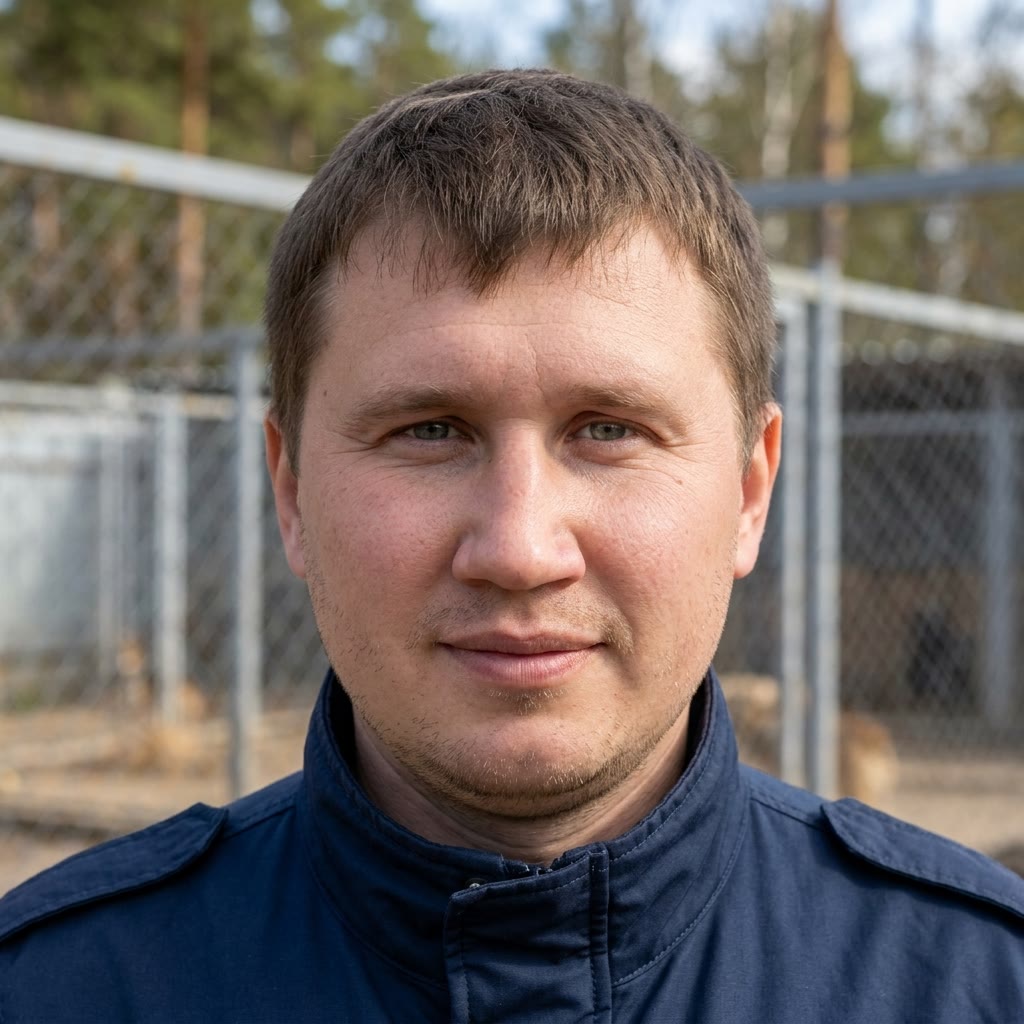
Andrew DarovProfessional dog trainer and instructor
Describe age, living setup, and where the dog breaks first — barking at the door, chasing small animals, recall, or grooming and handling. Opens WhatsApp to Andrew.
A playful, bouncy German working dog that loves people and needs daily exercise, calm greetings and a settle routine.
Need a read on your exact situation?
Describe your Standard Schnauzer’s age and the scene that repeats most: barking at the door, chasing small animals, recall, or grooming and handling. We check safety first, then pick the first skill.
Written by Andrew Darov, professional dog trainer. Not veterinary advice and not a diagnosis.
Not a kennel club. No invented reviews. No vaccine schedules or toxin doses. Photo credits in
/images/breeds/standard-schnauzer-guide/credits.md.