
Show ring → worldwide family dog
A popular companion
The Miniature Schnauzer became one of the world’s most popular small breeds, especially after reaching the United States in the 20th century.
Meet the parents and see their barking and confidence.
Miniature Schnauzer · Terrier
The Miniature Schnauzer is a small, wire-coated German dog with a beard and bushy eyebrows. Most are alert, clever and sociable. Life goes well with calm door routines, regular trims, measured meals and daily walks and games.
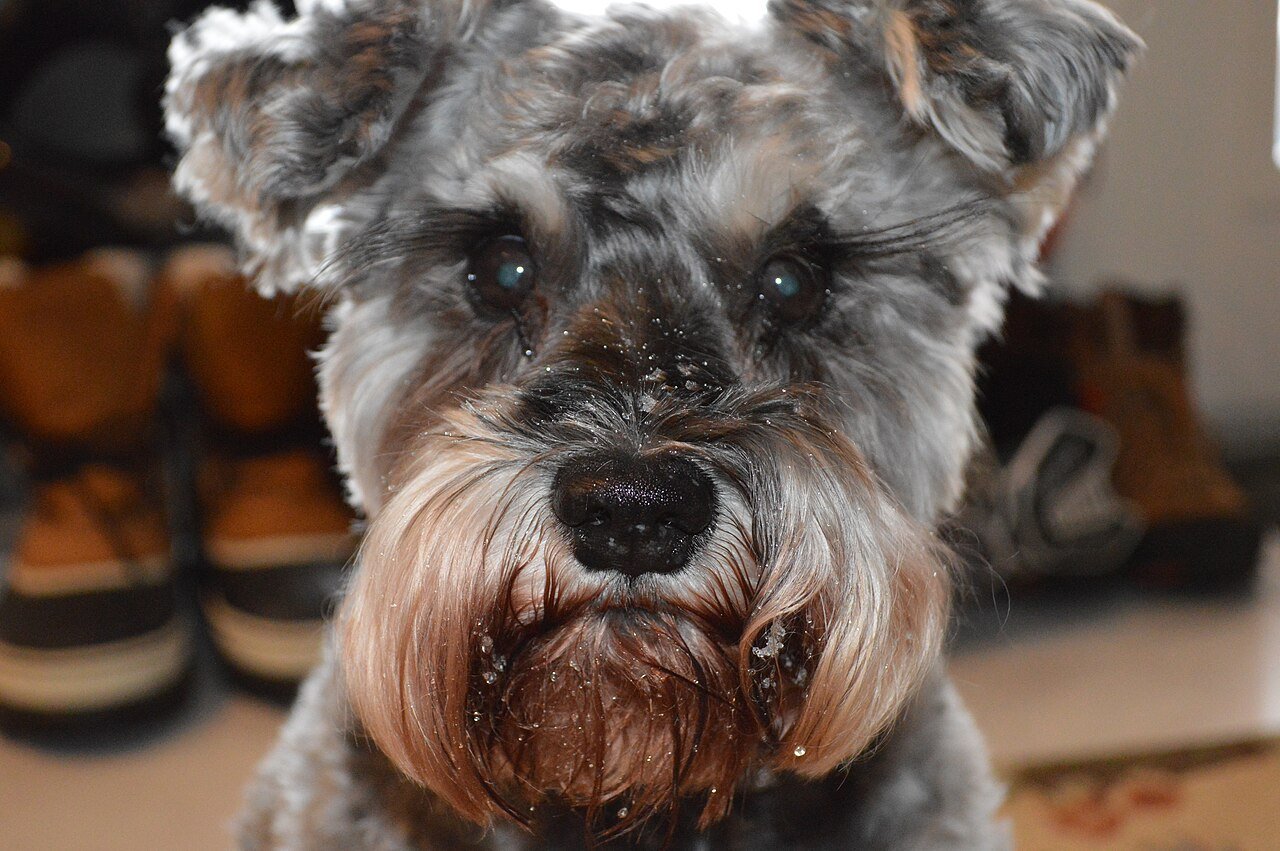
First, the point
Public breed histories describe a German farm ratter bred down from the Standard Schnauzer.
Most Mini Schnauzers are friendly and bright. Typical struggles are barking, chasing, guarding and grooming.
In the first months I teach handling for trims, a mat at the door and calm greetings.
Breed history
The Miniature Schnauzer was bred in Germany as a small farm dog and ratter. That background made an alert, clever, sociable dog with a bark to match.
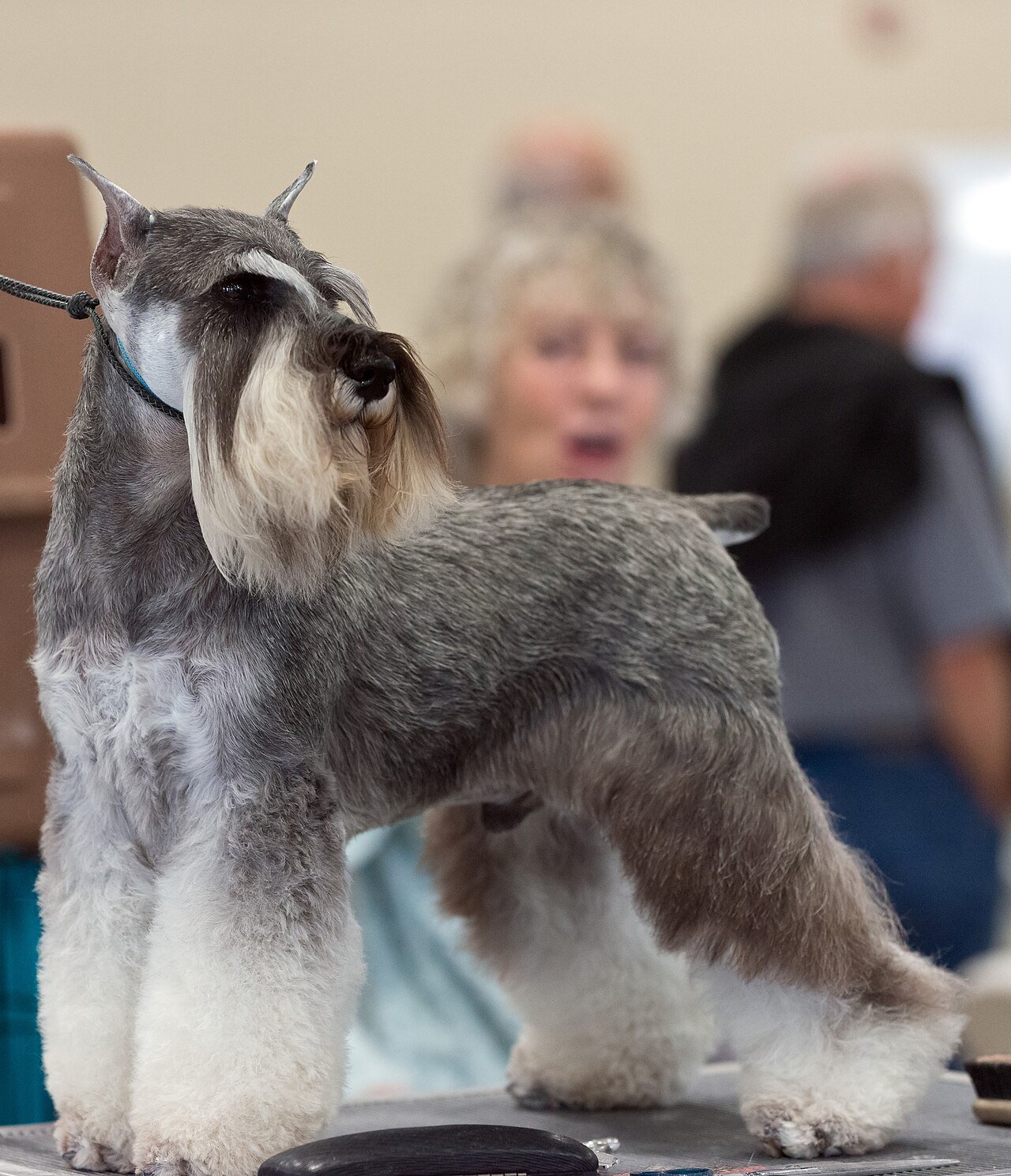
Germany, late 1800s → farm ratter
Public breed histories describe German breeders crossing the Standard Schnauzer with smaller breeds to create a compact farm dog that caught rats.
That explains the alertness, the bark and the quick reactions.
Show ring → worldwide family dog
The Miniature Schnauzer became one of the world’s most popular small breeds, especially after reaching the United States in the 20th century.
Meet the parents and see their barking and confidence.
What the breed was bred for
In plain trainer language: Mini Schnauzers are friendly, bright and love to be involved in everything.
The challenges are barking, chasing, guarding and grooming. Calm door routines and regular trims help most.
Public references: FCI 183, AKC Miniature Schnauzer, RKC.
Life together
Mini Schnauzers adapt to most homes if they get walks, games and company.
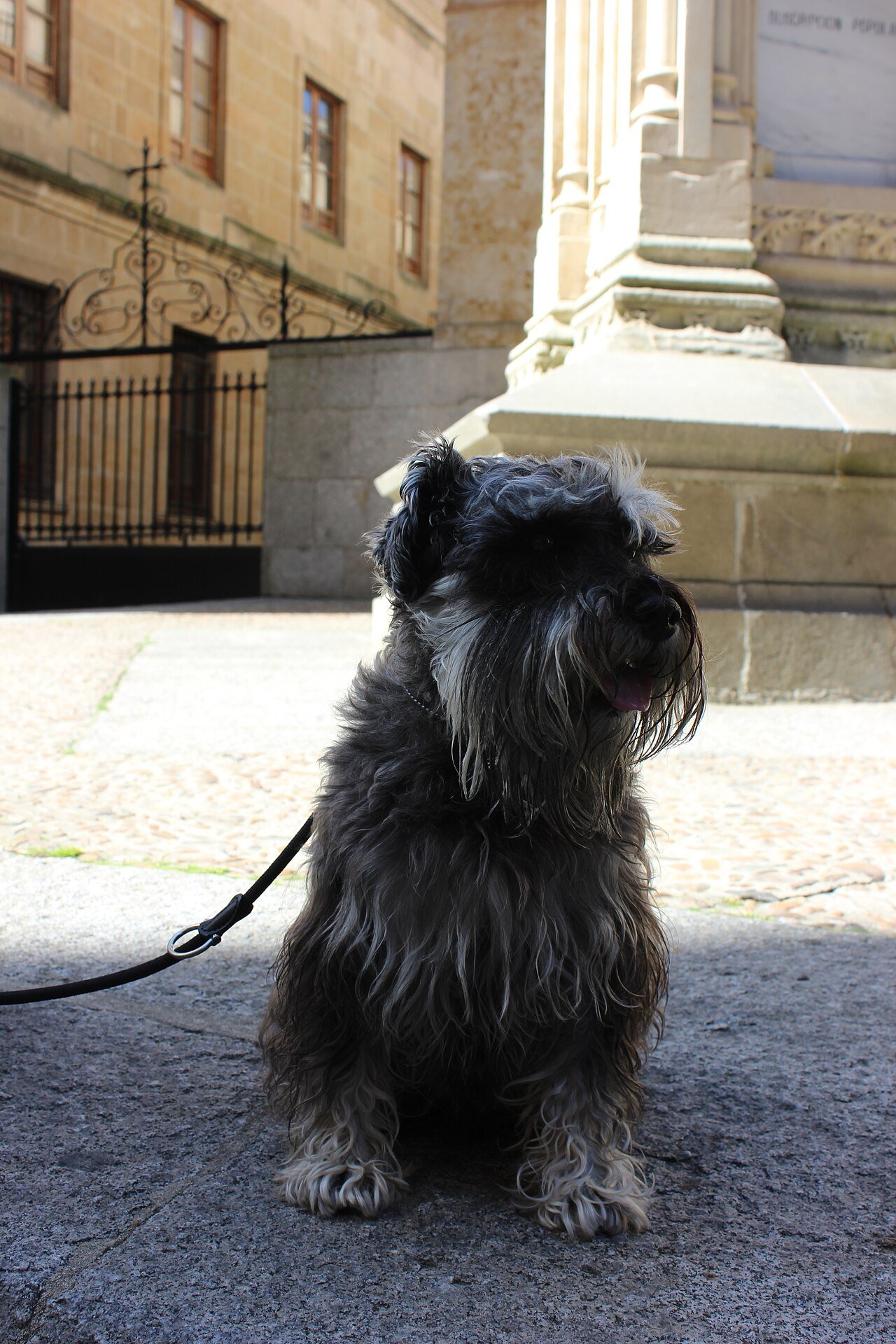
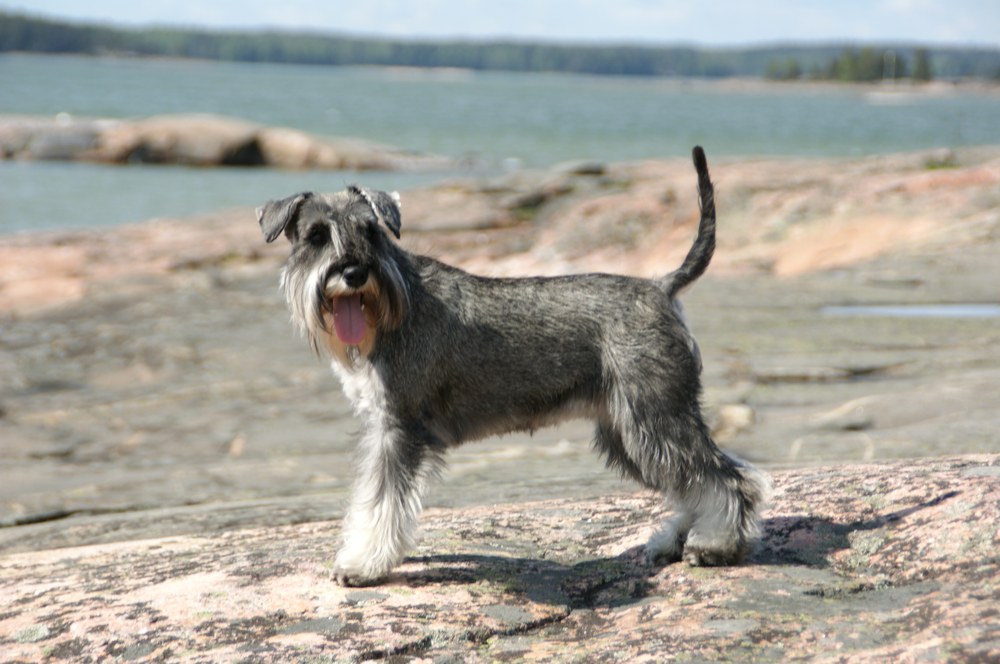
Walks in new places keep the dog curious and calm.
See loose-leash walking.
Mini Schnauzers notice every sound. Teach a calm response.
See window barking.
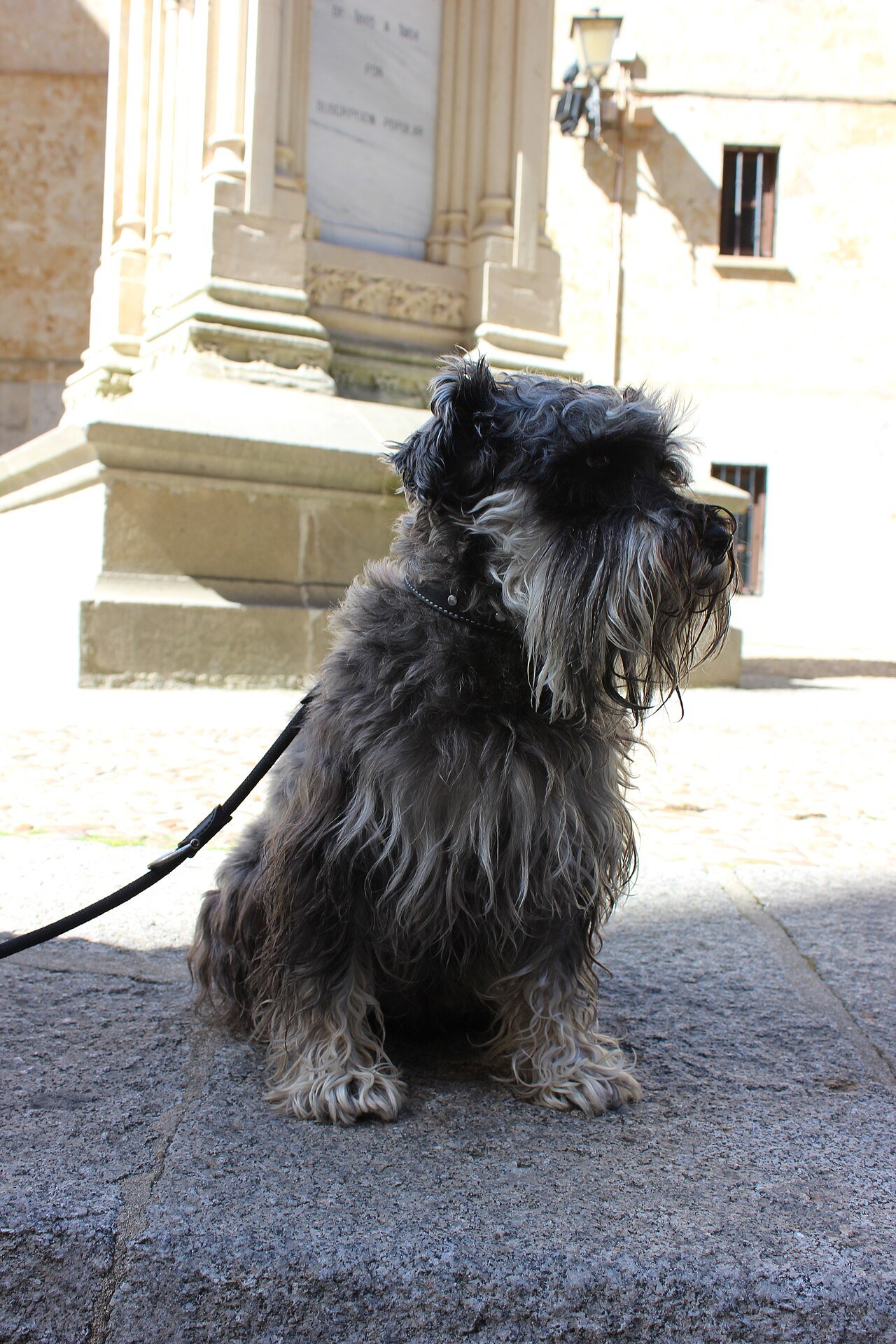
Care and health themes
A trainer’s checklist, not veterinary advice. See a vet for vomiting, itchy skin or low energy. For urgent signs, see when to call the vet.
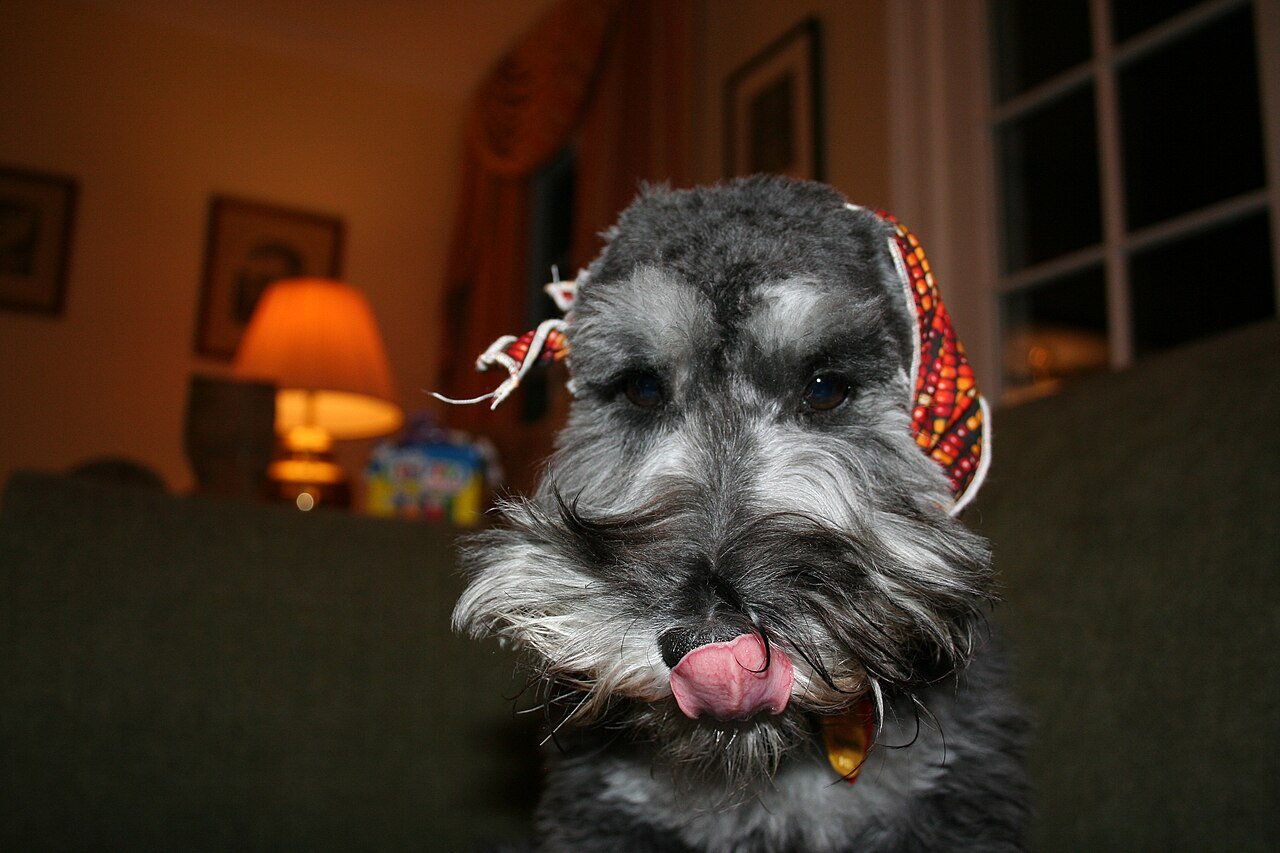
Wiry coat; clip or hand-strip every 6–8 weeks and brush the beard.
Measure meals and avoid fatty table scraps.
Brush several times a week.
Check for lumps, itching or dry patches.
Ask the breeder which screenings the national breed club recommends, including eye checks, and see results for both parents.
I do not publish toxin amounts. Call a vet or poison-control line if the dog eats something dangerous.
Lines and types
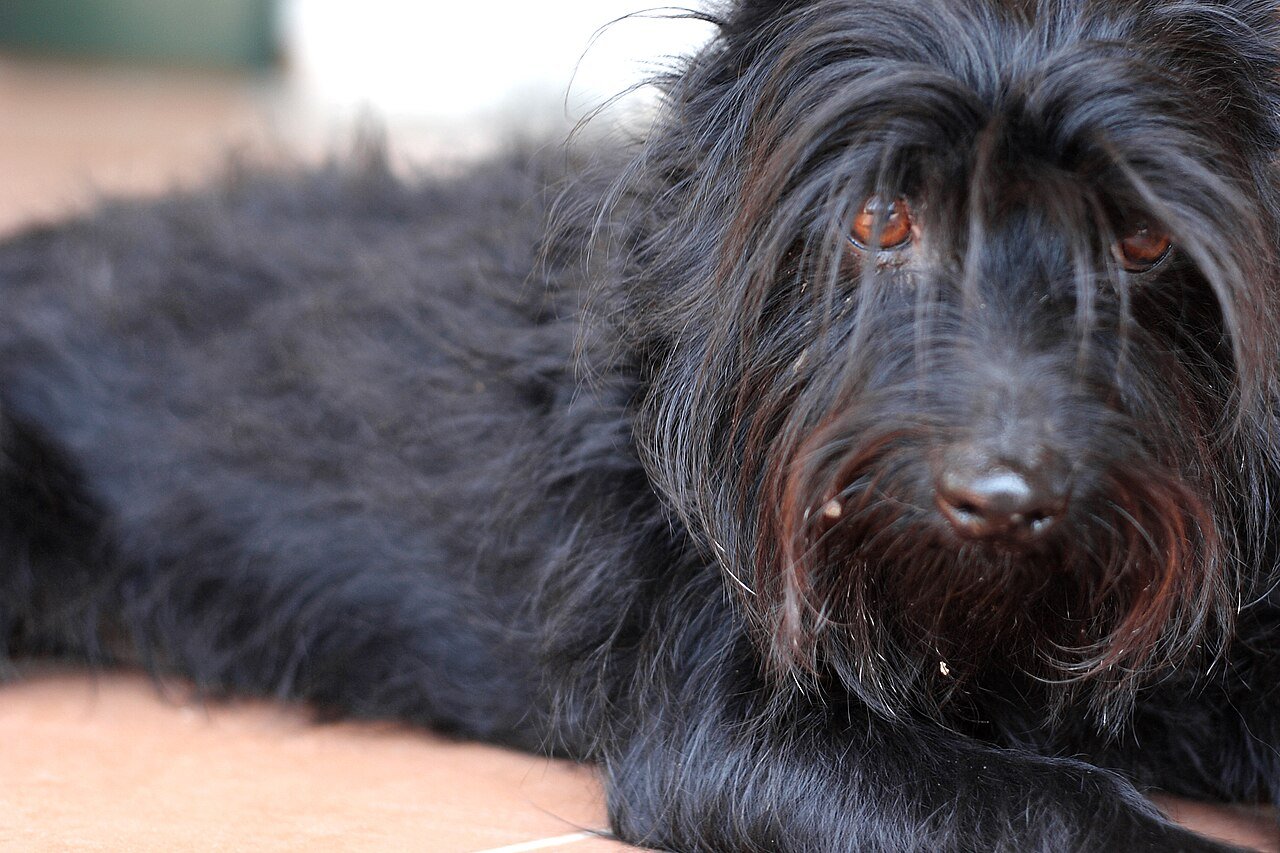
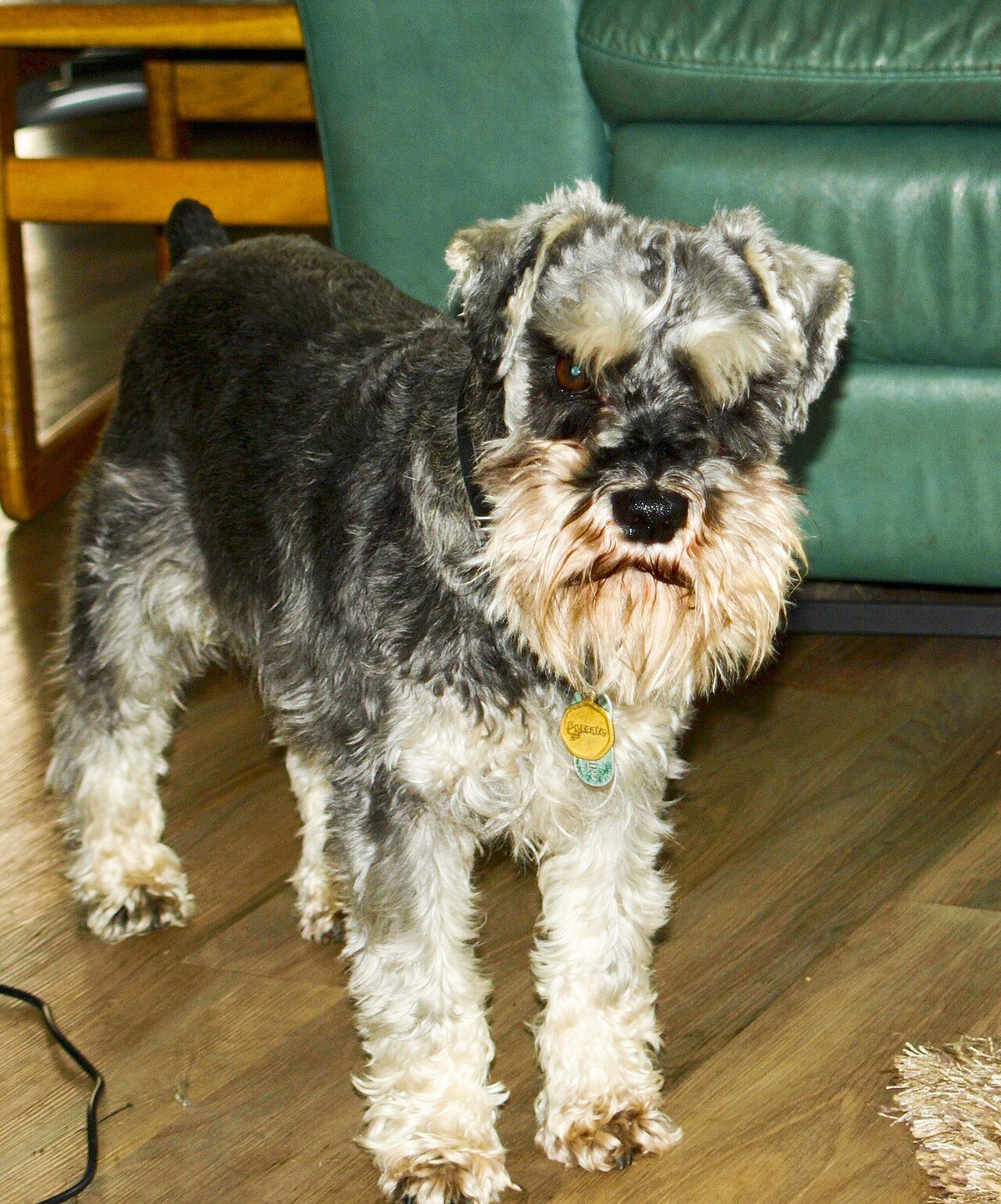
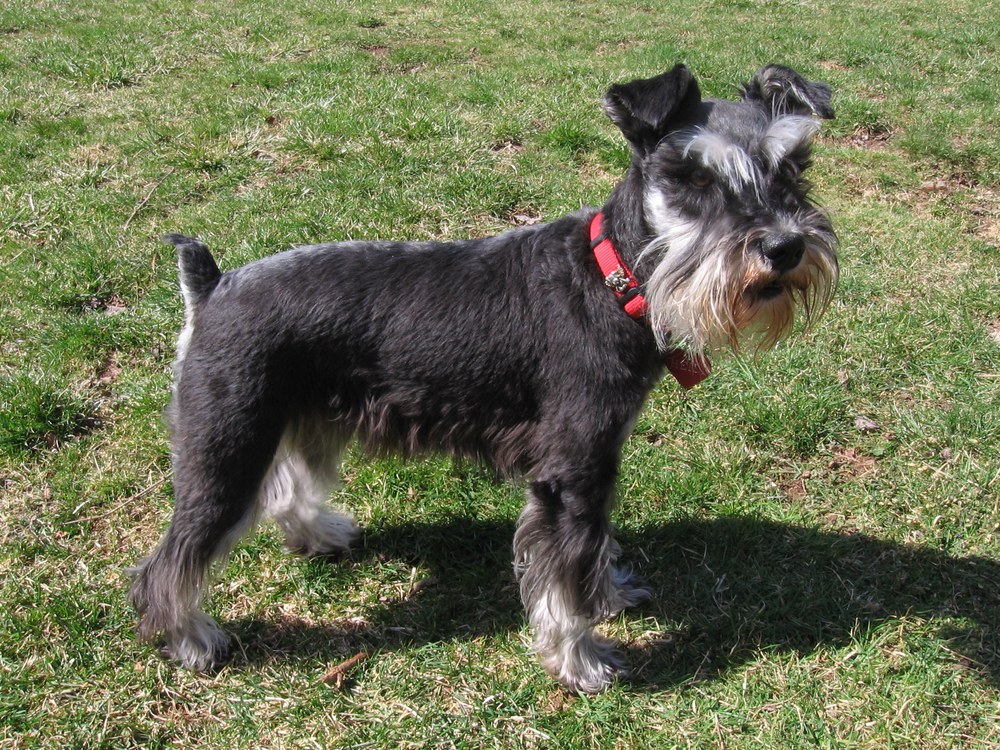
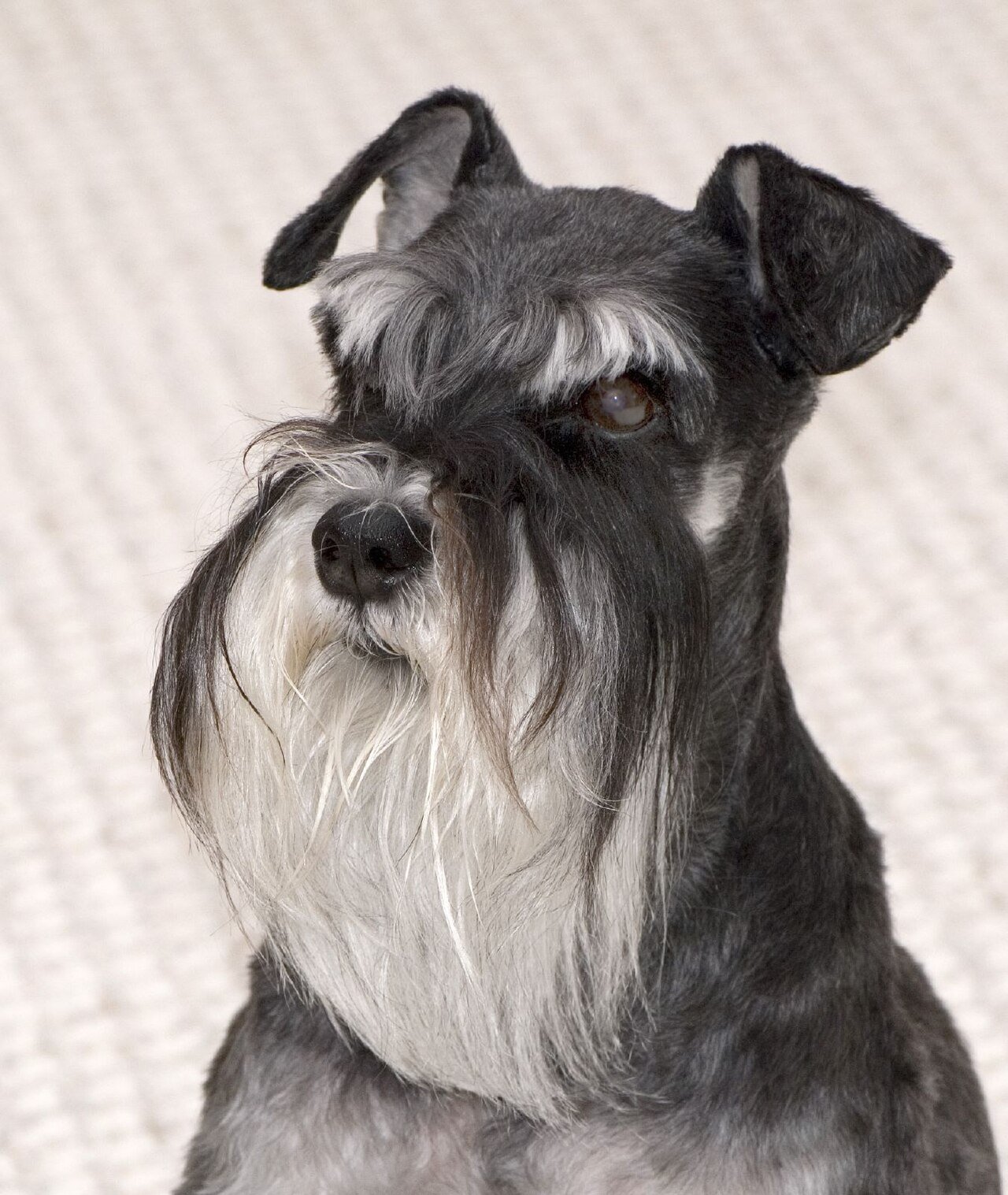
Mini Schnauzers come in salt and pepper, black and silver, solid black and (in some countries) white.
The most familiar colour.
A striking, darker look.
Socialization windows
AVSAB-aligned in spirit: short, clean exposures at a distance the puppy can still eat, with hygiene while vaccines finish. See the puppy socialization schedule.
Introduce: handling, brushing, toilet routine, crate naps.
Do not overload: rewarding barking.
Introduce: mat at the door, calm greetings, recall.
Do not overload: jumping on guests.
Introduce: scent games, tricks, steady walks.
Do not overload: guarding toys.
Introduce: longer walks, agility or obedience.
Do not overload: fatty treats.
Introduce: refreshed door routine.
Do not overload: skipped trims.
Before you buy
A Mini Schnauzer suits people who want a small, sturdy, low-shedding dog and can manage barking.
Good match
Mismatch risk
If you are torn between breeds
Mini Schnauzers are compared with Standard Schnauzers and Westies.
Miniature Schnauzer Small.
Standard Schnauzer Medium.
Miniature Schnauzer Moderate.
Standard Schnauzer Higher.
Miniature Schnauzer Wiry, several colours.
West Highland White Terrier Harsh, white.
Miniature Schnauzer Very sociable.
West Highland White Terrier Sociable, independent.
Miniature Schnauzer Vocal.
Both compares Each needs a door routine.
Ownership without surprises
Prices vary by country. These are the spending themes, not figures.
Trims every 6–8 weeks.
Ask which screenings the national breed club recommends.
For training.
Brushing kit.
Social skills.
Consider it early.
With a Mini Schnauzer, grooming is the steady cost.
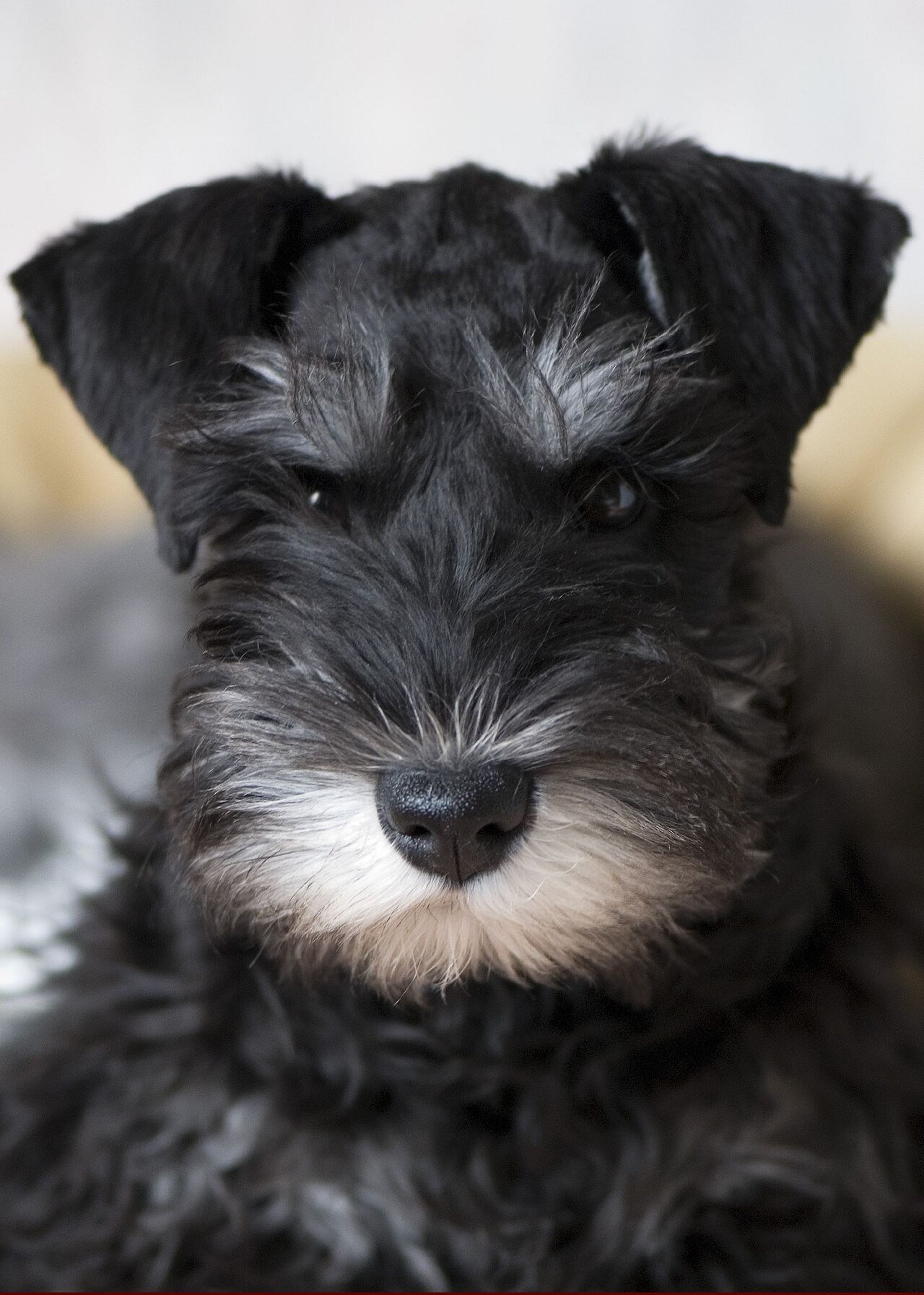
Before day one at home
A Mini Schnauzer puppy is bright and bold. Start handling and door manners early.
See puppy handling.
See biting and nipping.
See sit for greeting.
Follow potty training.
See first absences.
See crate training.
If the dog is already yours
Mini Schnauzers learn quickly and enjoy working with you.
My core list: a door routine, calm greetings, leave it and grooming.
Obedience, agility and scent work suit them.
Load balance
Daily walks and games suit most Mini Schnauzers.
Walks, scent games, tricks and agility suit most Mini Schnauzers.
A Mini Schnauzer with a door routine is a wonderful companion.
Door barking
Thank one bark, send the dog to a mat and reward quiet.
Reward the dog on a mat.
Acknowledge the first bark.
Reward quiet.
Friends ring the bell.
Greet when calm.
One scene close-up
Schnauzers were bred to alert farmers to intruders.
Thank one bark, send to a mat and reward quiet while the door opens.
Practise with friends before real visitors.
Typical household scenes
A breed page is only a starting point; the fix depends on health, environment, and the dog in front of you. Each row opens a step-by-step guide.
Barks at every visitor.
Alerts to passers-by.
Guards food or toys.
Chases cats or squirrels.
Excited greetings.
Resists trims.
Begs for food.
Vomiting, itching or low energy — vet first.
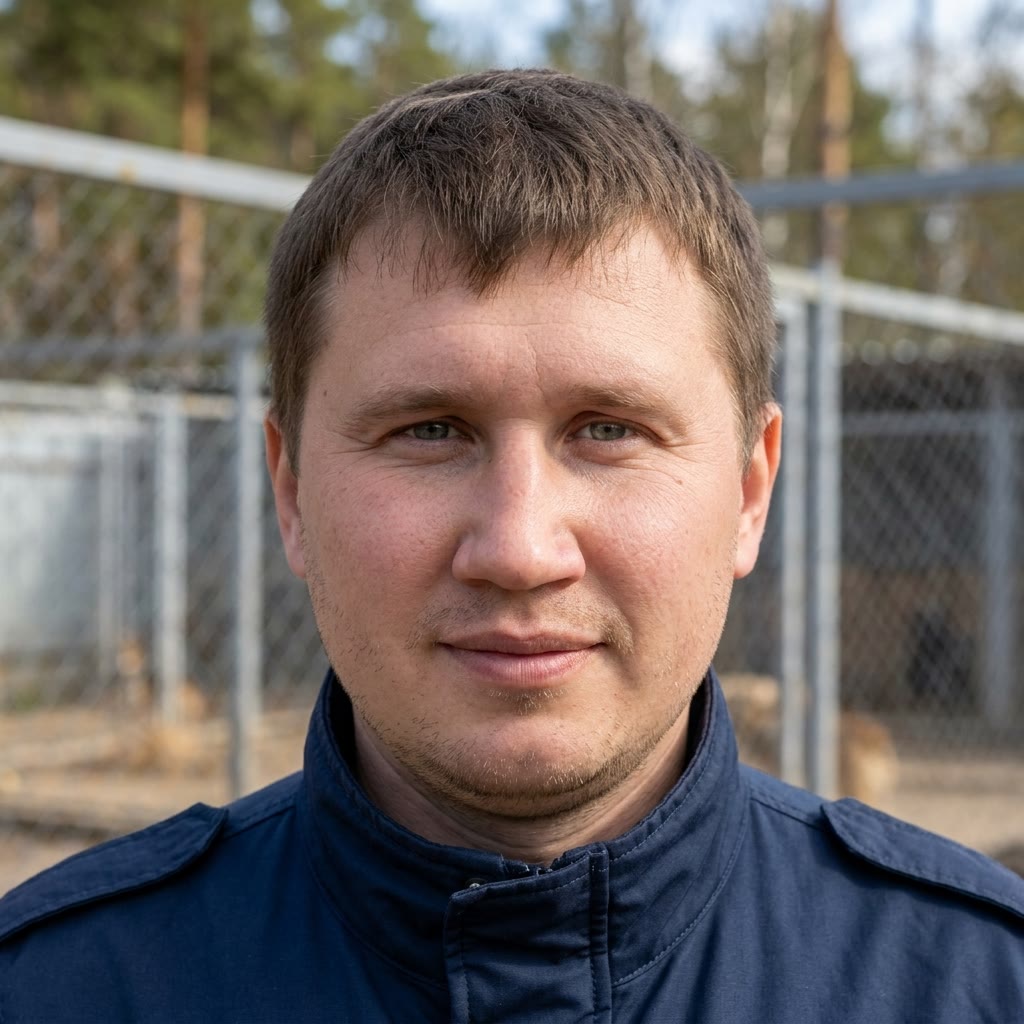
Practical view
“With a Mini Schnauzer, I start with the doorbell. We build a calm door routine, easy grooming and leave it — because a calm door changes the whole household.”
Sessions cover real scenes: barking at the door, guarding toys, chasing, and grooming. I am a trainer, not a veterinarian. No invented reviews.
Describe age, living setup, and where the dog breaks first — barking at the door, guarding toys, chasing, or grooming. Opens WhatsApp to Andrew.
Short answers
If you want a small, low-shedding, clever dog that is often quieter, consider this one.
A tiny, bold terrier from northern England with a silky coat that needs calm door routines, grooming and house training.
A friendly, long-coated companion from the Chinese court that needs regular grooming, house training and care in heat.
A bold, long-bodied German hunting dog that needs back-friendly habits, help with barking and patient house training.
Clever, low-shedding dog available in smaller sizes.
Other guides from the same group in the breed library. Same group does not mean same dog: read the fit and the failure modes, not only the outline.
A small, friendly East Anglian earthdog. Needs a proper dig spot, chase games with rules, a short alert routine and recall on a long line.
A sturdy, dignified Scottish terrier with a beard and an independent mind that needs respectful training, daily walks and coat care.
A bouncy, affectionate Irish farm terrier with a silky coat that needs daily brushing, calm greetings and daily exercise.
A compact, strong and people-loving English terrier that needs daily exercise, lead manners and careful introductions to other dogs.
A compact black-and-tan Welsh earthdog. Needs bark routines, dig outlets, grooming and show-ring style handling skills.
A small, white Scottish terrier — cheerful and confident — that needs daily walks, door manners and regular coat and skin care.
Describe your Miniature Schnauzer’s age and the scene that repeats most: barking at the door, guarding toys, chasing, or grooming. We check safety first, then pick the first skill.
Written by Andrew Darov, professional dog trainer. Not veterinary advice and not a diagnosis.
Not a kennel club. No invented reviews. No vaccine schedules or toxin doses. Photo credits in
/images/breeds/miniature-schnauzer-guide/credits.md.