Shikoku: temperament, recall, chase drive and training a Japanese boar dog
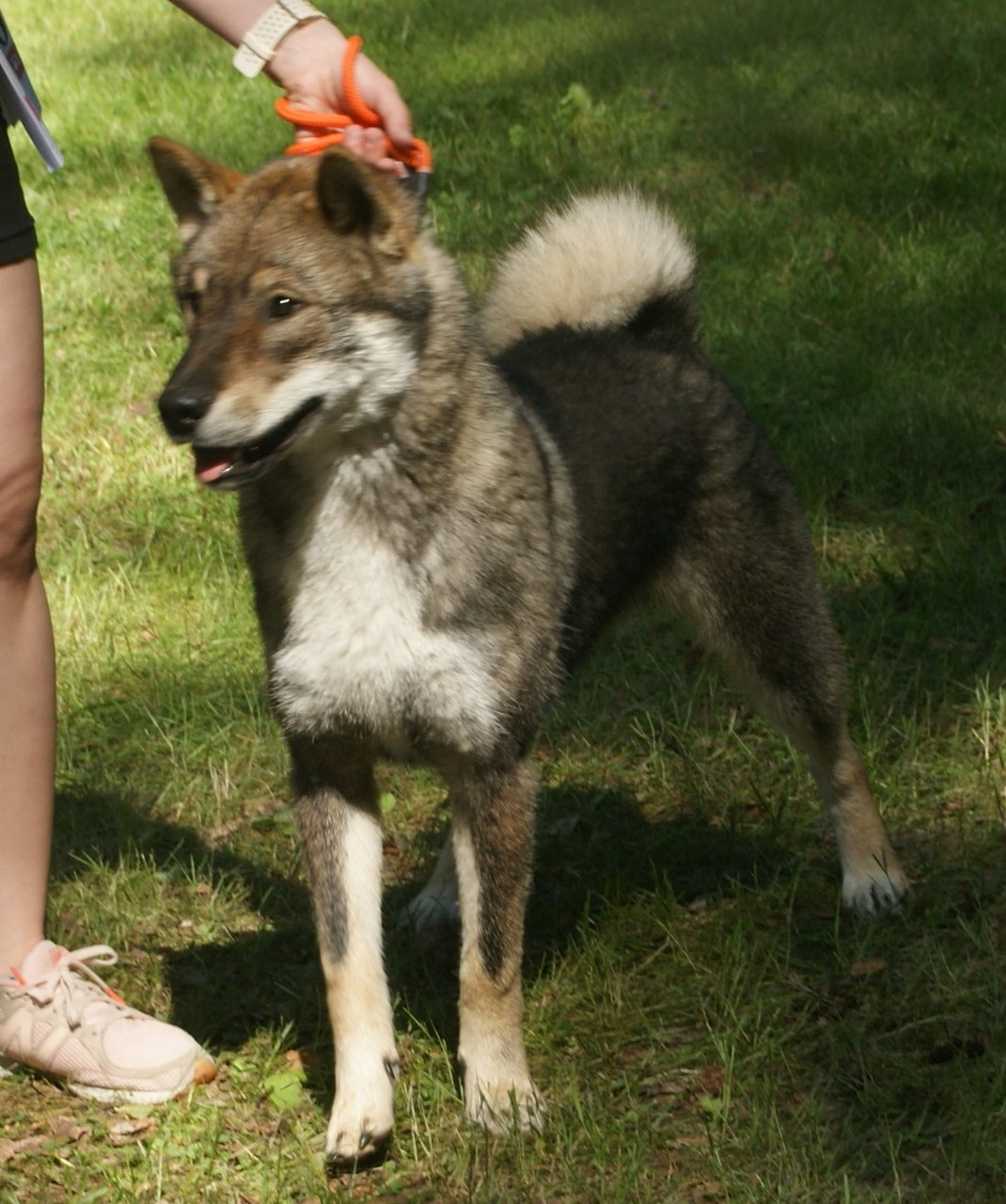
The Shikoku is a medium Japanese spitz from the steep forests of Kochi on the island of Shikoku, where hunters used it to track and bay wild boar. Most are sesame in colour, with a wolf-like face and a tail curled over the back. At home a Shikoku is usually gentle, playful and tidy; outside it is fast, sharp-eyed and quick to leave you for a scent or a running cat. It bonds closely, is sensitive to harsh handling and slow to warm to strangers. Plan for a long line, a high fence and lots of outdoor time.
Job: A medium Japanese hunting spitz, usually sesame, red sesame or black sesame; FCI Group 5 (FCI 319), AKC Foundation Stock Service.
Energy: Gentle and playful with its family, cautious with strangers, very quick to chase.
Home: Suits an active, patient owner who loves the outdoors and can keep recall on a long line for life.
People who share a home with a Shikoku tend to describe two dogs. One plays bow-and-run games in the living room, cleans its paws like a cat and naps against the sofa. The other vanishes into a hedge after a squirrel and does not hear a word you say.
The calls I get are mostly about that second dog. A youngster that slips the collar at the park, pulls hard toward every bird, will not settle when people visit, or snaps when someone grabs it by the scruff to stop it.
What helps is a mix of freedom and limits. Lots of sniffing on a 10-metre line, running in a fenced field, fetch or flirt-pole games that give the chase a safe target, calm and kind handling, and very short training sessions. Given that, a Shikoku is a cheerful, devoted companion.
FCI: males about 52 cm, females about 46 cm at the shoulder (±3 cm)
Weight
Usually about 15–25 kg (35–55 lb)
Energy
High
Coat / shed
Double coat: a harsh, straight outer coat over a thick, soft undercoat. Colours are sesame, red sesame and black sesame (sesame means black-tipped hairs over a red or pale base); plain red is also seen
Job
Boar and deer hunting dog of the Kochi mountains on Shikoku island, used to find game and hold it at bay until the hunter arrived
Temperament in one minute
Shikoku temperament: what they are like at home
Short answer: Shikokus are medium Japanese hunting spitz dogs, usually sesame in colour. They are playful, gentle and tidy with their family, cautious with strangers, very fast and strongly driven to chase. They need about two hours of activity a day, a long line in open spaces, a secure fence, kind handling and short, game-based training.
Are Shikokus affectionate?
Yes, with their own people, often in a playful way. Teach short absences early.
The common four are chasing, poor recall outside, escaping the garden and fussing at handling. The list below links a guide for each.
Living with a Shikoku in an apartment
Possible if it gets long daily walks and real runs; it is usually quiet indoors.
Breed history
From the Kochi forests to a national treasure
Boar hunting in rough mountain country shaped the speed, the stamina and the watchful mind.
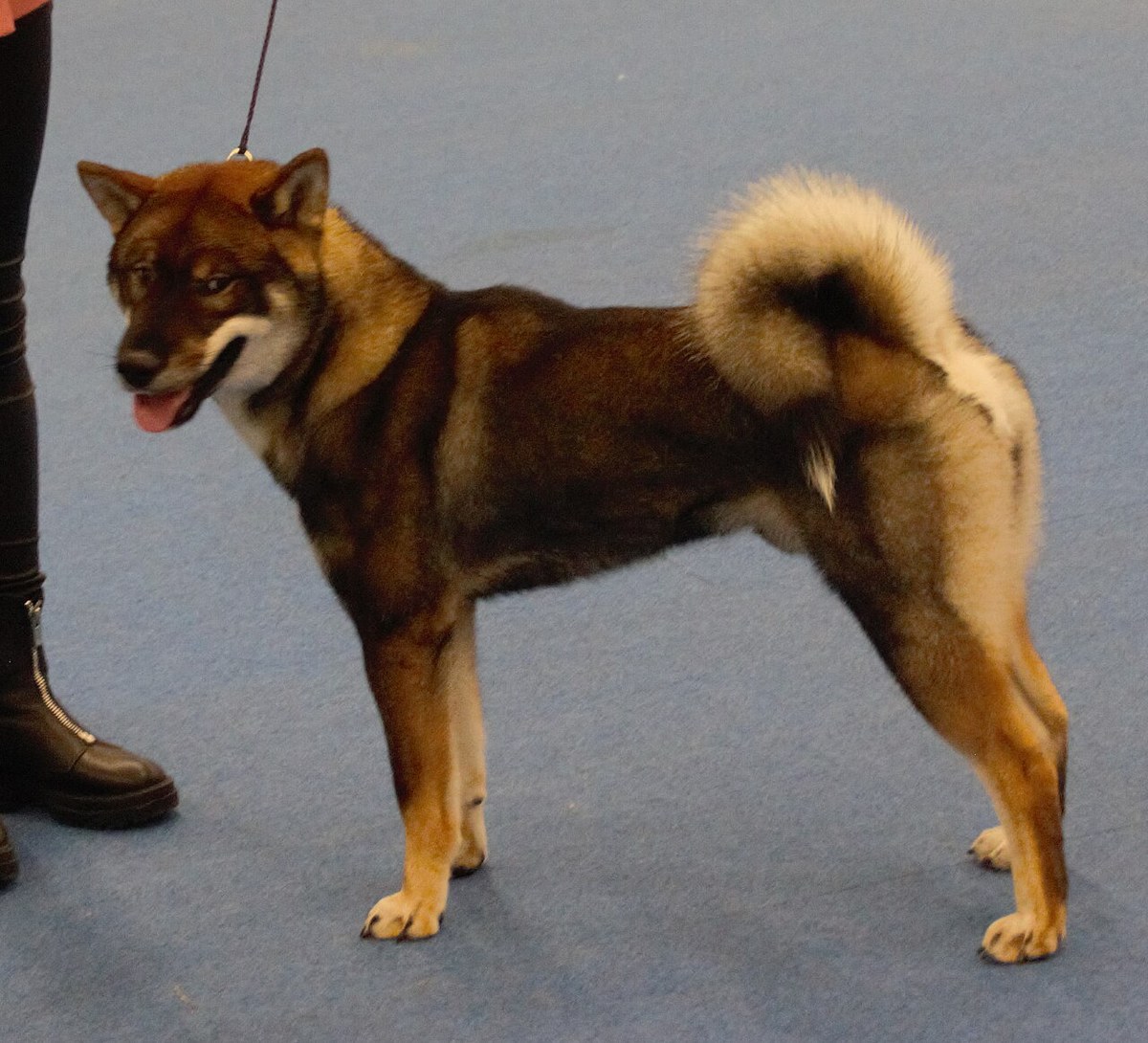
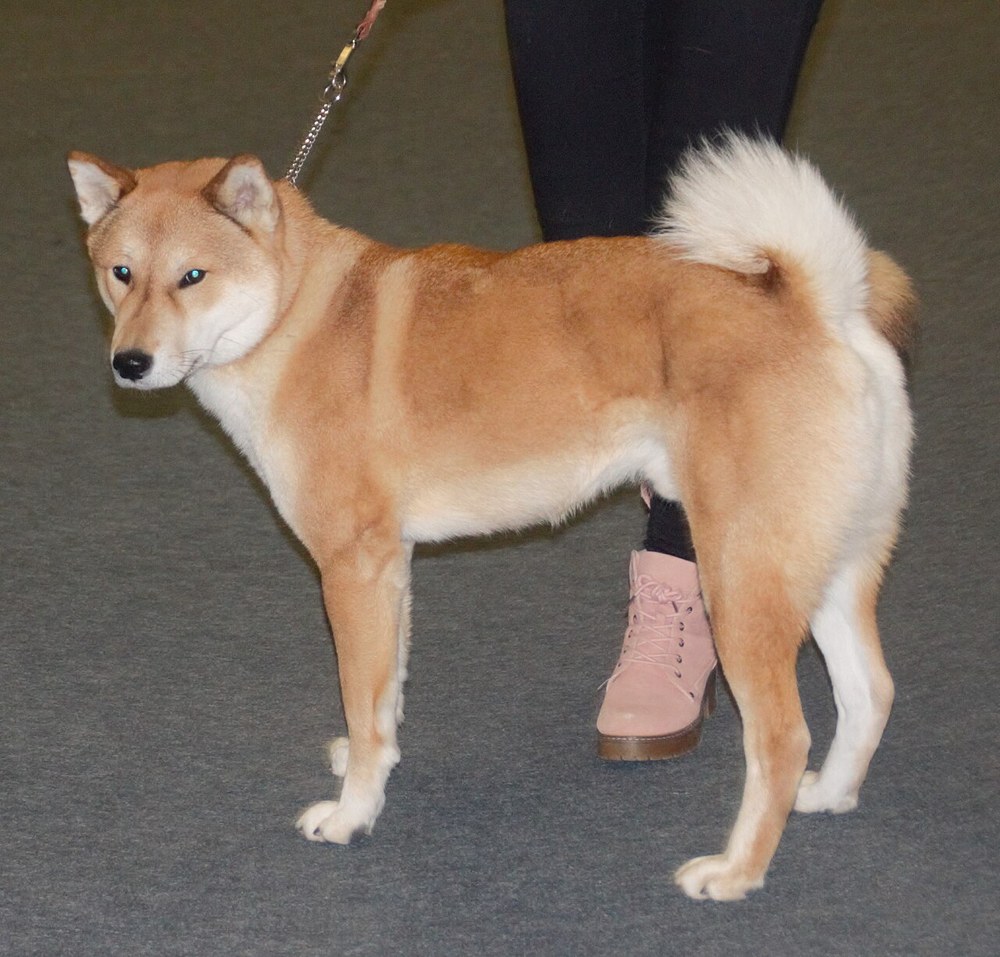
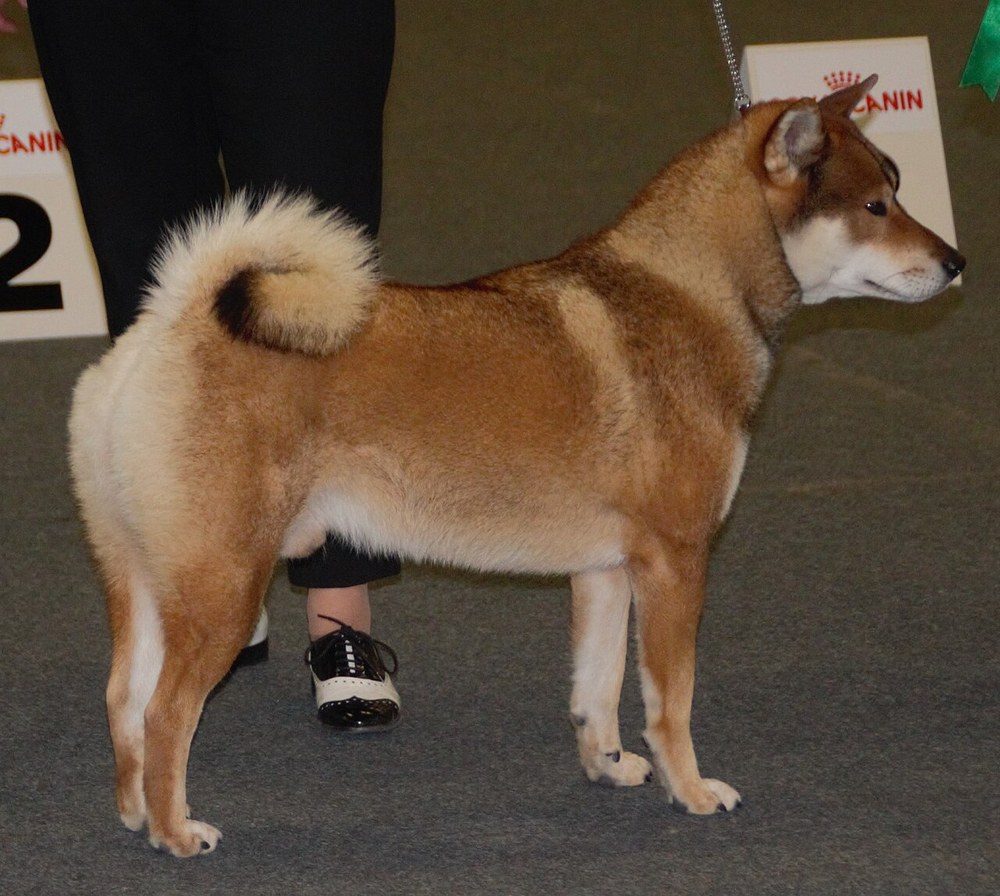
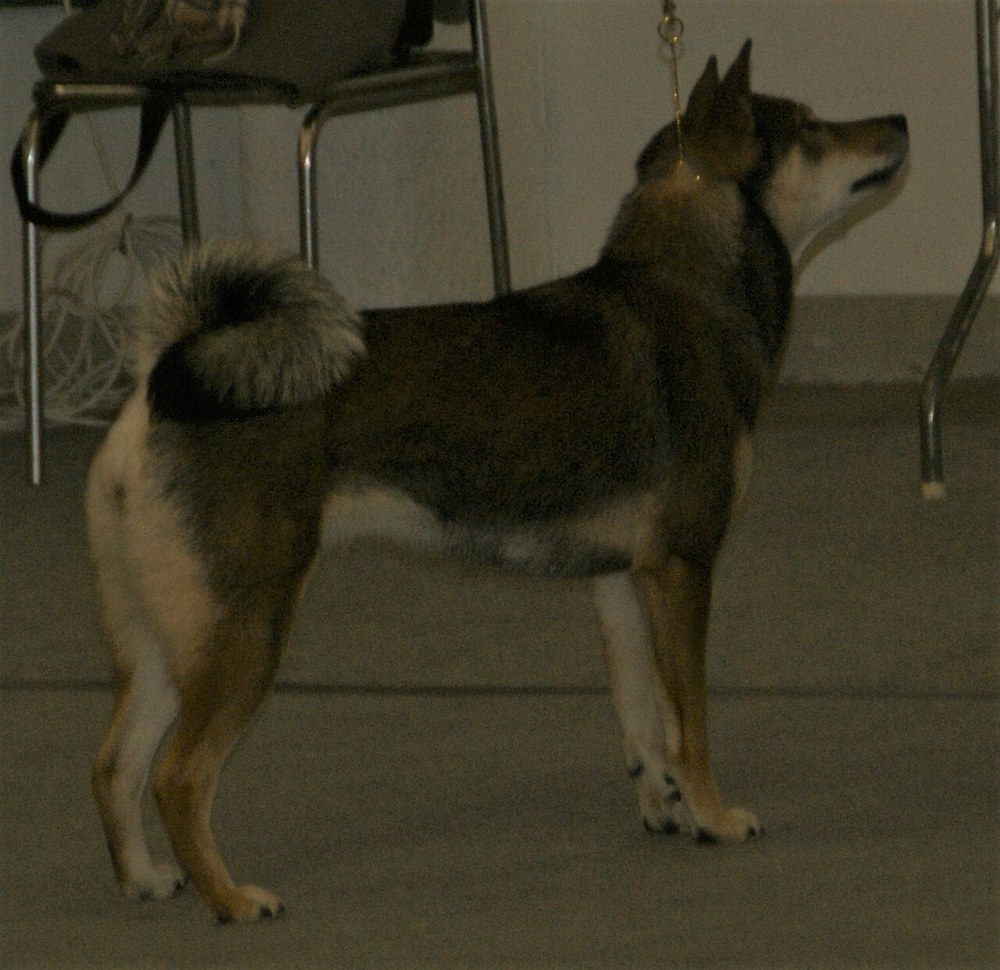
A red sesame Shikoku: lean, springy and built to cover steep ground for hours.
Shikoku island · before 1930
Three valley lines
The breed grew up in the remote mountain villages of Kochi, once called Tosa, on Shikoku, the smallest of Japan's four main islands. Hunters kept medium spitz dogs that could work for long hours on steep slopes, find a boar by scent and keep it at bay with barking and quick dodging.
Each valley had its own type, named after the area: Awa, Hongawa and Hata. The Hongawa dogs, from a very isolated area, were said to be the purest. Today's breed comes mostly from the Hongawa and Hata lines.
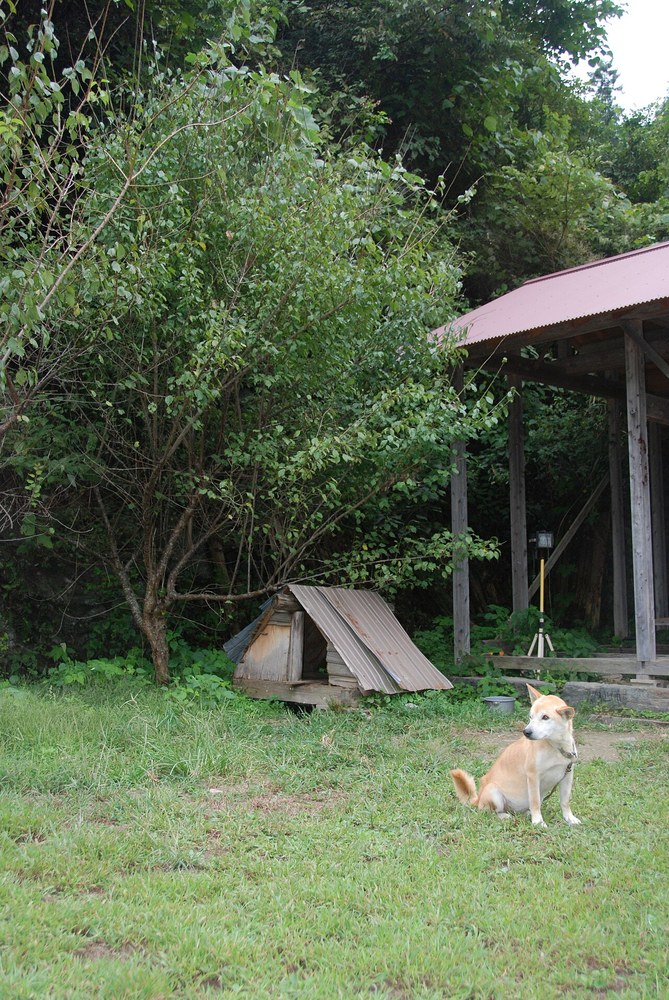
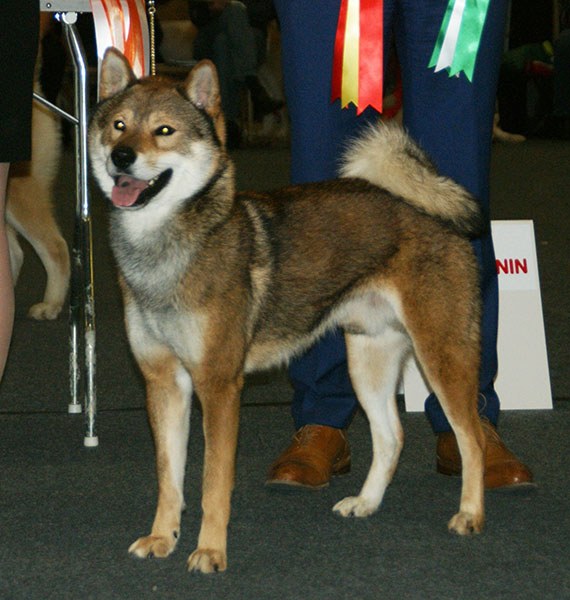
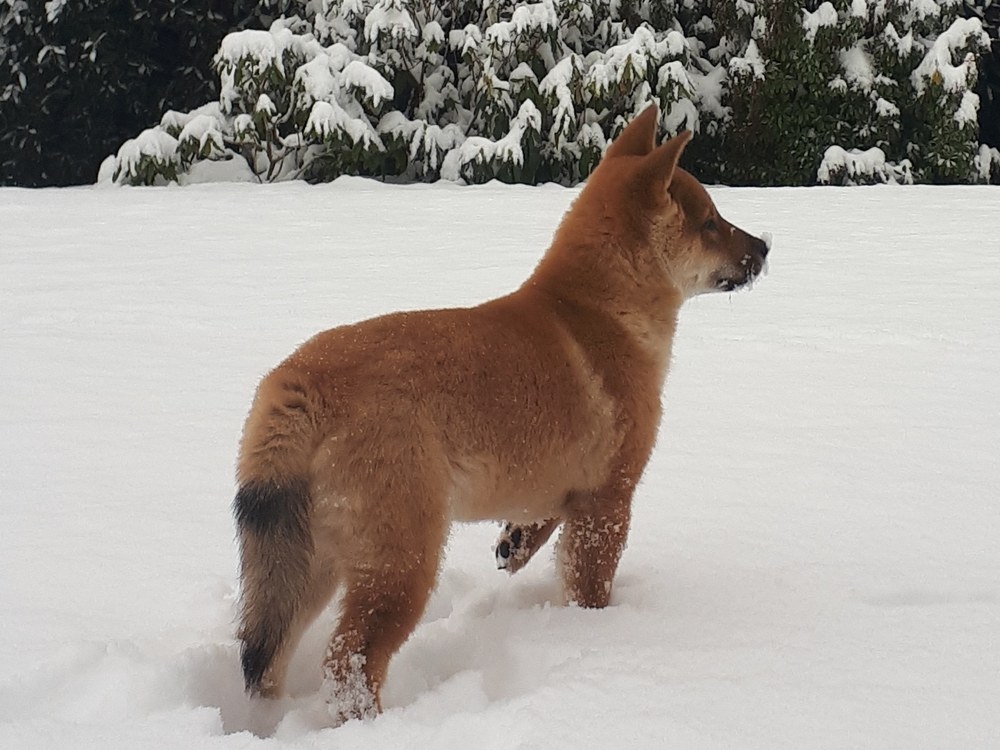
A Shikoku outside its kennel in a leafy garden: many still live as outdoor-loving family dogs.
From 1937
A Natural Monument with a new name
Japan named the breed a Natural Monument in 1937. It was first called the Tosa Ken, after its home province, but the name was changed to Shikoku Ken to avoid confusion with the Tosa, a very different large fighting breed.
The FCI lists it as the Shikoku in its spitz and primitive group, and the AKC records it in its Foundation Stock Service. Outside Japan it is still uncommon, and most puppies come from small breeders.
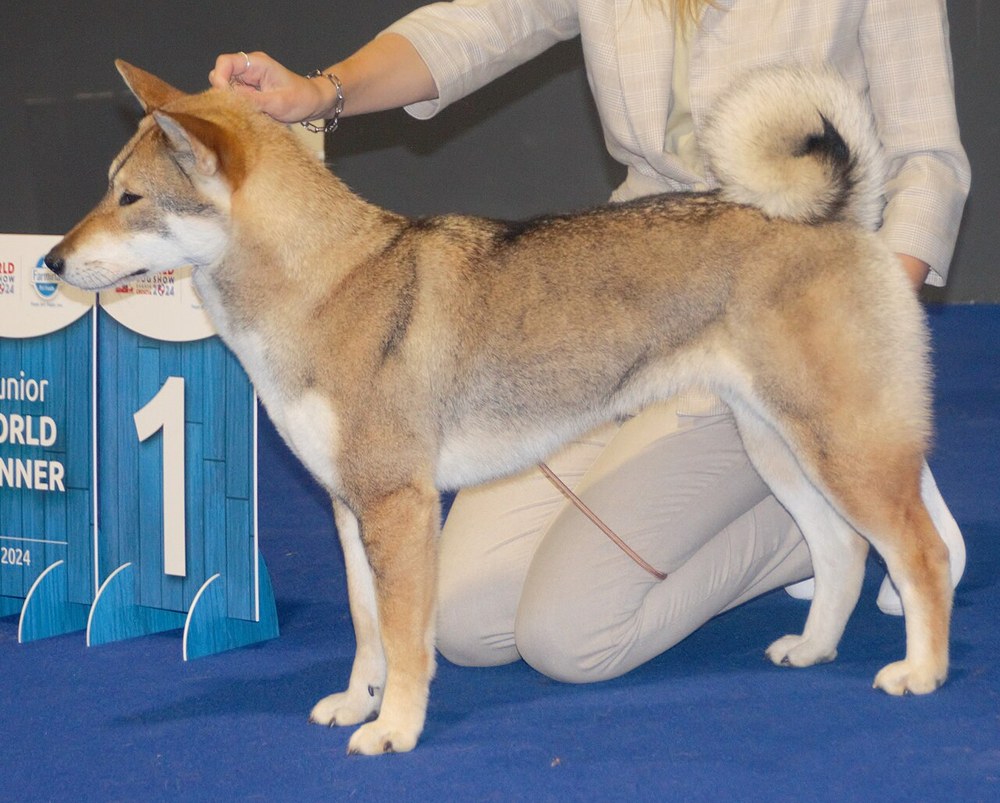
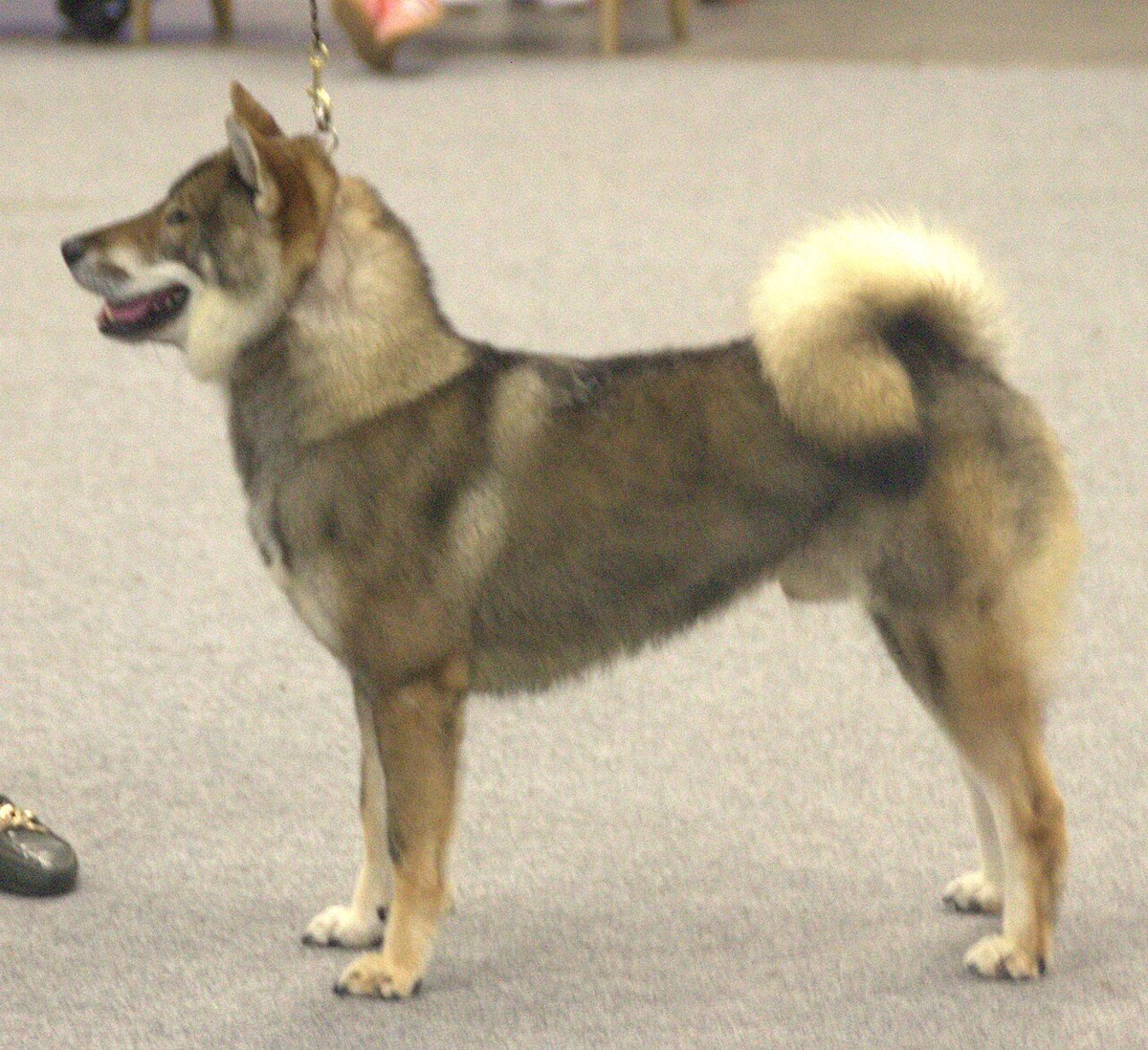
A red sesame Shikoku at a large dog show: the breed is rare abroad, so shows are where many people first meet one.
What the breed was bred for
Playful at home, keen outside
A well-raised Shikoku is friendly, playful and gentle with the people it knows, and often gets along with dogs it was raised with. It learns quickly and likes games far more than drills.
It is also wary of strangers, very sensitive to rough handling and driven by movement. Small animals, cats and wildlife can switch it into hunting mode in a second, so freedom has to be planned.
A good Shikoku day mixes a long sniff, a real run and a calm evening
Most adult Shikokus need around two hours of activity a day, split into a long walk on a long line, a proper run in a fenced space and a couple of short training games. A dog that gets this is usually relaxed indoors.
Morning · the walk
Read the scent first
Start the day with a slow route on a long line where the dog can follow smells. A Shikoku that has done its morning patrol is far less likely to scream at birds later.
Give the hunting brain a safe target. A flirt pole or a thrown toy, with a sit before each throw and a drop after, turns chasing into a game you control.
Leave a chew or a stuffed toy before you go out, and build alone time in small steps. A bored young Shikoku can get noisy or start chewing door frames.
General awareness only. I am not a veterinarian. Shikoku owners most often notice a big coat drop in spring and autumn, worn pads after rough trails, a dog that hides its paws at nail time, heat stress on warm days and a lean dog that suddenly looks heavy after neutering or less exercise. For red flags, leave this page and open
when to call the vet.
Shedding seasons
Twice a year the undercoat comes out in clumps. Brush daily for those weeks; a warm bath can help it loosen.
Trail feet
Check pads and between the toes after rocky or icy walks.
Parent checks
Ask which hip, eye and other checks the national breed club recommends for both parents, and see the paperwork.
Warm days
Walk early and late in summer and keep runs short when it is hot.
Handling
Many Shikokus resist being held still. Practise feet, ears and teeth with food; see chin rest.
Pick a breeder who raises outgoing puppies in a lively home
No bloodline selling. Shikoku litters are few, so plan ahead. Ask to meet the mother, ask how both parents act with visitors and other dogs, look at the club-recommended health checks and ask what the puppies have already seen and heard.
Japanese and hunting stock
Closer to the original boar dog.
Often more intense outdoors.
Can be cooler with strangers.
Needs an owner with dog experience.
Suits people who hike, run or do scent work and plan for a strong chase drive.
Show and companion stock
Often raised indoors from birth.
Still alert and quick to chase.
Usually easier with grooming.
Same need for a long line.
Suits active households that want a lively, loyal house dog.
Socialization windows
What to introduce — and what not to overload — by age
AVSAB-aligned in spirit: short, clean exposures at a distance the puppy can still eat,
with hygiene while vaccines finish. See the
puppy socialization schedule.
2–4 months
First weeks
Introduce: food-rewarded handling, a harness, a toilet routine, short calm outings, people who let the puppy approach, a few minutes alone.
Do not overload: scruffing, pinning or holding it down.
~5–7 months
Growing legs
Introduce: a long line on every open walk, a name check-in, drop and swap games, a flirt pole with rules.
Do not overload: off-lead play in unfenced places.
~8–18 months
Teenage test
Introduce: calm visitors, sharing space with other dogs, longer alone time, fence checks.
Do not overload: letting it chase cats or birds for fun.
~2 years
Young adult
Introduce: longer hikes, scent games, canicross or lure coursing where allowed.
Do not overload: trusting recall near wildlife.
~3 years+
Steady routine
Introduce: daily long walks, brushing in shedding season, weight checks, regular vet visits.
Do not overload: dropping the long line because the dog seems grown up.
Before you buy
Who a Shikoku usually fits
Fit comes down to time outdoors, a secure garden and a calm, kind hand.
Good match
More likely a good fit if you…
You love long walks, hikes or trail running
Your garden fence is high and has no gaps
You want a playful, clean and close companion
You are happy to use a long line for life
You enjoy short, game-based training
Mismatch risk
A Shikoku may be a poor choice if…
You want a dog that runs free on every walk
You have cats or small pets the dog will not grow up with
You expect a dog that loves every stranger
You want a dog to leave in the garden for the day
You prefer firm, strict training methods
If you are torn between breeds
Shikoku vs Shiba Inu and Akita
All three are Japanese spitz breeds with pricked ears, curled tails and a strong sense of themselves. The Shiba Inu is smaller and better known, often more independent and dramatic about handling. The Akita is a big, powerful dog, calmer but much heavier and more serious with other dogs. The Shikoku sits in the middle: mid-sized, very athletic and usually more playful than either.
Size
Shikoku
Medium, about 43–55 cm.
Shiba Inu
Small, about 35–41 cm.
Colour
Shikoku
Mostly sesame shades.
Shiba Inu
Red, black and tan, or cream.
Weight
Shikoku
Usually about 15–25 kg.
Akita
Often 30–50 kg or more.
Energy
Shikoku
High; needs real running.
Akita
Moderate; calmer indoors.
Ownership without surprises
Where a Shikoku owner’s budget goes
Costs vary a lot by country, so use these as headings for your budget rather than fixed prices.
Veterinary
A yearly check-up, the vaccines your own vet recommends and any breed club health checks.
Fencing
A tall, solid fence or a secure run; this breed jumps and digs.
Gear
A Y-shaped harness, a 10-metre long line, a flirt pole and a crate.
Grooming
An undercoat rake, a slicker brush and a good dryer for shedding season.
Finding a puppy
A rare breed: expect waiting lists and maybe travel or import costs.
Money spent on a good fence and a long line is far less than the cost of a dog lost after a deer.
Before day one at home
What to prepare for a Shikoku puppy
A Shikoku puppy is bold, curious and quick, and often a little wary of new people. Plan handling with food, calm outings, a few minutes alone, chew toys and lots of sniffing from the first week, and keep it on a lead or line outside the house.
Training a Shikoku works best with games, a long line and a light touch
Most problems with this breed get smaller once five habits are in place: kind handling, a long line in open spaces, a name check-in, a drop cue and a planned welcome for guests.
Shikokus learn fast but switch off with long, repetitive sessions. Two or three minutes of play-based training, then a break, works better than twenty minutes of drills. Harsh corrections make them wary of your hands.
Recall needs honest planning. Many Shikokus come back well in a quiet field and not at all when a hare breaks cover. Keep the line on wherever wildlife is likely.
Load balance
Fast body, slow build-up
Young dogs should not run long distances on hard ground, jump down from heights or go on long hikes while they grow. Build up slowly and see a vet about any limp before doing more.
For this breed, a chase game with rules plus a sniff walk often settles the dog better than an extra hour of plain walking.
A Shikoku that gets to run, sniff and play by the rules is usually easy and sweet at home.
Recall and chase drive
How to keep a Shikoku safe on walks
Keep a long line on in open spaces, reward every check-in, build recall from quiet places outward, give the chase drive a safe game and check the fence for gaps and jump points.
01
Long line
In every open space.
02
Check-in reward
A treat for each look back.
03
Recall steps
House, garden, quiet park, then busier places.
04
Chase game
Flirt pole or toy with a sit and a drop.
05
Fence check
Height, gaps and dig spots.
One scene close-up
Why a Shikoku bolts after movement
This dog was bred to find wild boar in thick forest and keep it at bay. Movement and fresh scent switch on the hunt, and your voice fades into the background.
Manage first: a long line outside fenced areas, a high fence and walks away from deer at dawn and dusk. Then teach recall step by step, starting indoors, and give the dog daily chase and search games so the hunting side has work.
A dog that bites when handled, panics when left or fights other dogs should be seen by a qualified behaviour professional, after a vet has looked for pain.
Before we talk, note the dog's age, where you walk, what it chases, how it reacts to visitors and handling, and what goes wrong first. Opens WhatsApp to Andrew.
With an active family, often yes. Shikokus are playful and gentle with their own people. They are cautious with strangers and dislike rough play, so they suit calm, older children best.
Is a Shikoku a good first dog?+
It can be a challenge. The chase drive, the escape skills and the sensitivity suit someone who has trained a dog before or will get help early.
Are Shikokus aggressive?+
Most are wary rather than aggressive. Some are tense with dogs of the same sex or snap if grabbed or forced. A dog that bites needs a qualified professional.
How big does a Shikoku get?+
FCI: males about 52 cm and females about 46 cm at the shoulder (a few cm either way); usually about 15–25 kg (35–55 lb).
What does sesame mean in a Shikoku coat?+
It means hairs with black tips over a red or pale base. Sesame, red sesame and black sesame are the classic colours.
Do Shikokus shed?+
Yes. They shed a little all year and blow the undercoat heavily twice a year.
Shikoku vs Shiba Inu: what is the difference?+
The Shiba is smaller and usually red, black and tan or cream. The Shikoku is taller, mostly sesame and often more playful and athletic.
Shikoku vs Akita: what is the difference?+
The Akita is a large, heavy guardian-type dog. The Shikoku is a mid-sized hunter, lighter and much quicker.
Can a Shikoku be off lead?+
Only in safely fenced places for most dogs. Even a well-trained Shikoku may not come back when it sees game.
How much exercise does a Shikoku need?+
Around two hours a day, including sniff walks, a proper run in a safe space and short games.
What health themes should I ask about?+
Ask the breeder which hip, eye and other checks the national breed club recommends for both parents. This is general awareness, not a diagnosis.
How long do Shikokus live?+
Breed clubs usually quote about 12–15 years, though every dog is different.
If a Shikoku sounds like too much dog
The wolf-like face and the sesame coat win many hearts. The chase drive, the escape skills and the caution with strangers are what to weigh before you choose.
A sleek, short-coated hunting dog from Thailand with a ridge along its back. Loyal, clean and quiet at home; independent, wary of strangers and quick to chase.
A tall, lean Sahel sighthound and one-family watchdog. Needs fenced sprints, a long line in open country, slow meetings with strangers and a jacket in the cold.
Practice recall on a long line in a busy park: other dogs, paths and people, plus line handling outdoors. The step after a quiet-field recall.
Need a read on your exact situation?
Send me a short message about your Shikoku: its age, where you walk, what it chases, how it reacts to guests and handling, and what goes wrong first. We check for health issues first, then choose one skill to start with.