Eurasier: temperament, reserve with strangers and calm training for the German family spitz
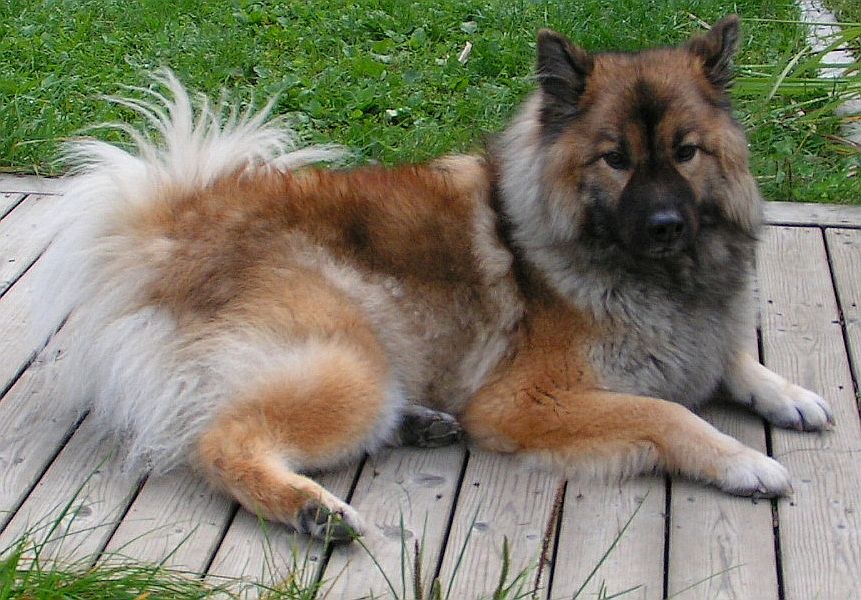
The Eurasier is a medium-sized spitz-type family dog bred in Germany from 1960 onwards from the Wolfspitz, the Chow Chow and later the Samoyed. You get a calm, self-assured dog that bonds very closely with its own family and stays cool and watchful with strangers. It is gentle at home and rarely barks without a reason, but it is sensitive: rough handling, crowded puppy parties and long hours alone tend to make it more wary. What works is slow, friendly socialization, quiet food-based training and a home where the dog lives with its people.
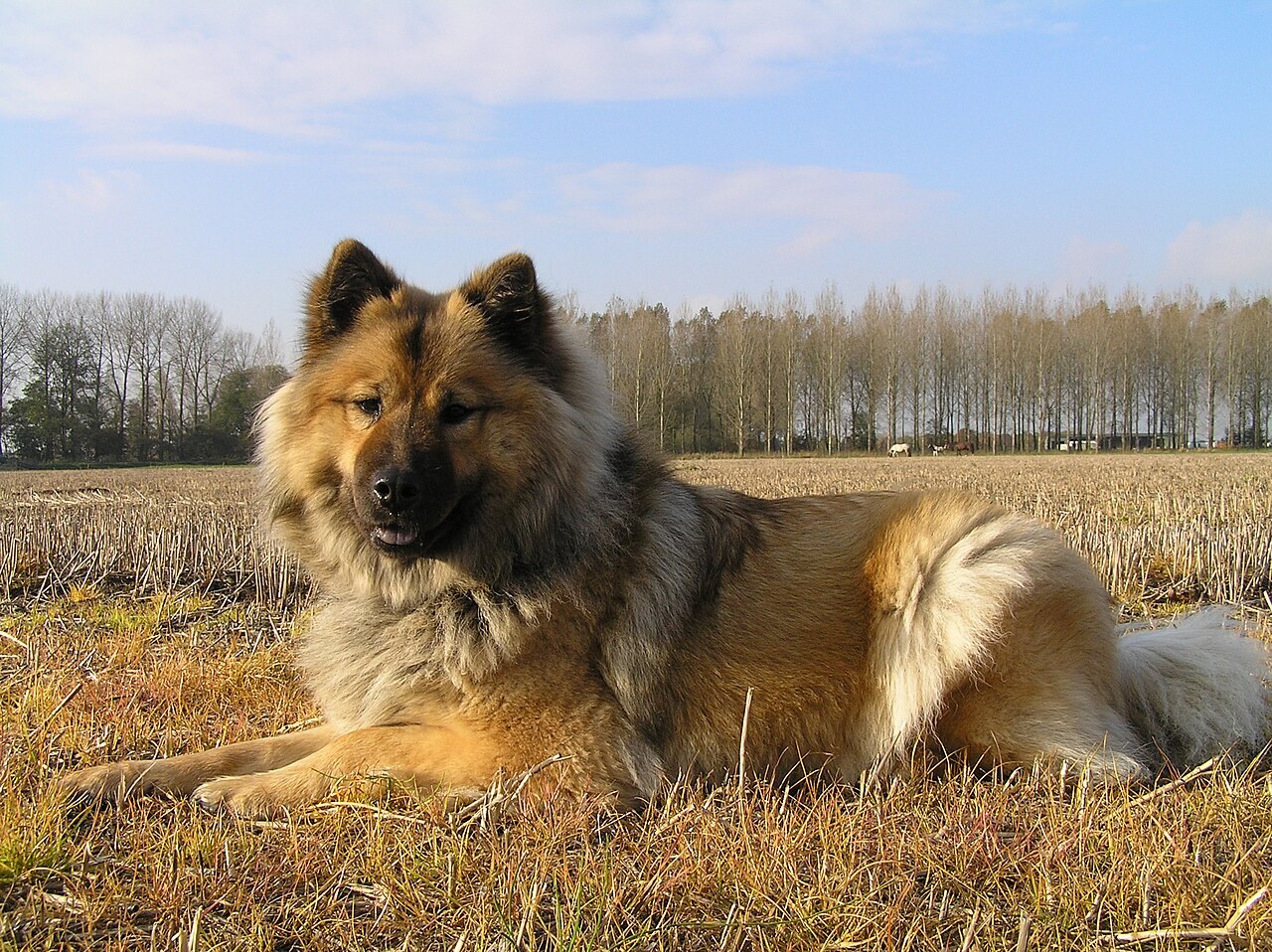
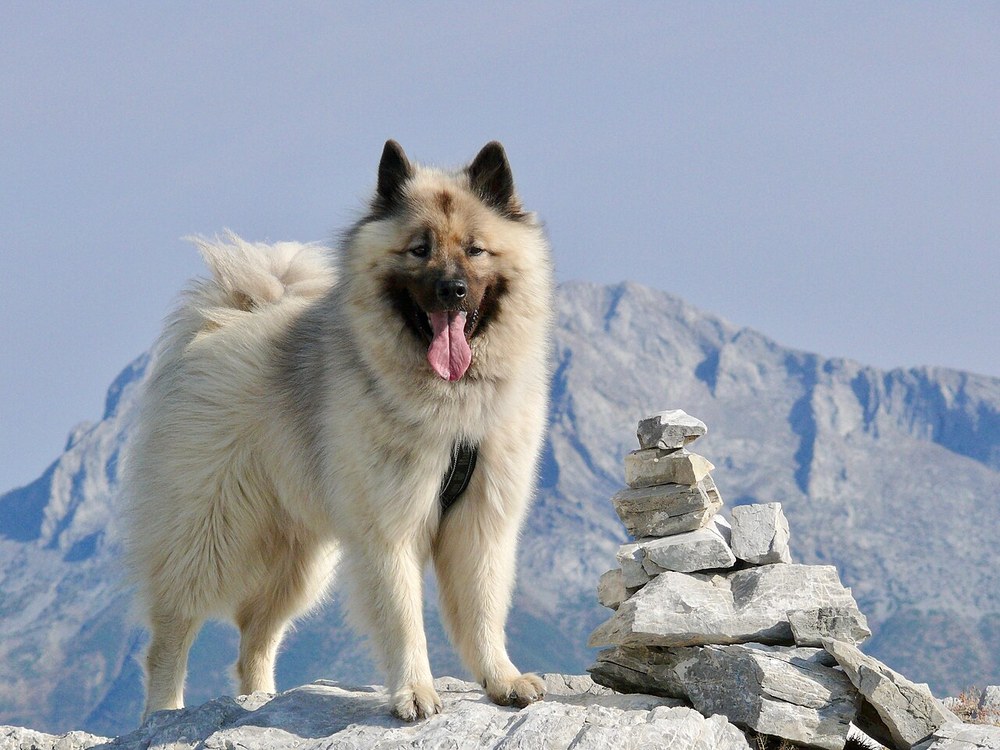
Job: A German family spitz, FCI Group 5; thick double coat in many colours.
Energy: Calm and loyal at home, reserved and watchful with strangers.
Home: Suits a quiet family that keeps the dog close and trains gently.
A Eurasier is a family dog that takes its time with everyone else
People see a teddy-bear spitz and expect a dog that greets every stranger with a wagging tail. Most Eurasiers are friendly in their own time. They love their family, watch new people from a step away and decide later whether they want to say hello.
What I meet in family homes is a dog that lies near the door of whichever room its people are in, walks politely once it has learned how and stays quiet most of the day. The hard parts are a young dog that backs away or grumbles at strangers who lean over it, worry when left alone for long, pulling toward smells on walks and a heavy shed twice a year.
My plan has four parts. Socialization at the dog's speed, with people who let the dog come to them. Short, calm training with food and praise, because harsh corrections make this breed shut down. Slow steps toward time alone, since it was bred to live with its family. And a brushing routine for the double coat.
FCI: males 52–60 cm (about 20.5–23.5 in), females 48–56 cm (about 19–22 in)
Weight
FCI: males 23–32 kg (about 51–71 lb), females 18–26 kg (about 40–57 lb)
Energy
Medium; calm at home, enjoys walks and hikes
Coat / shed
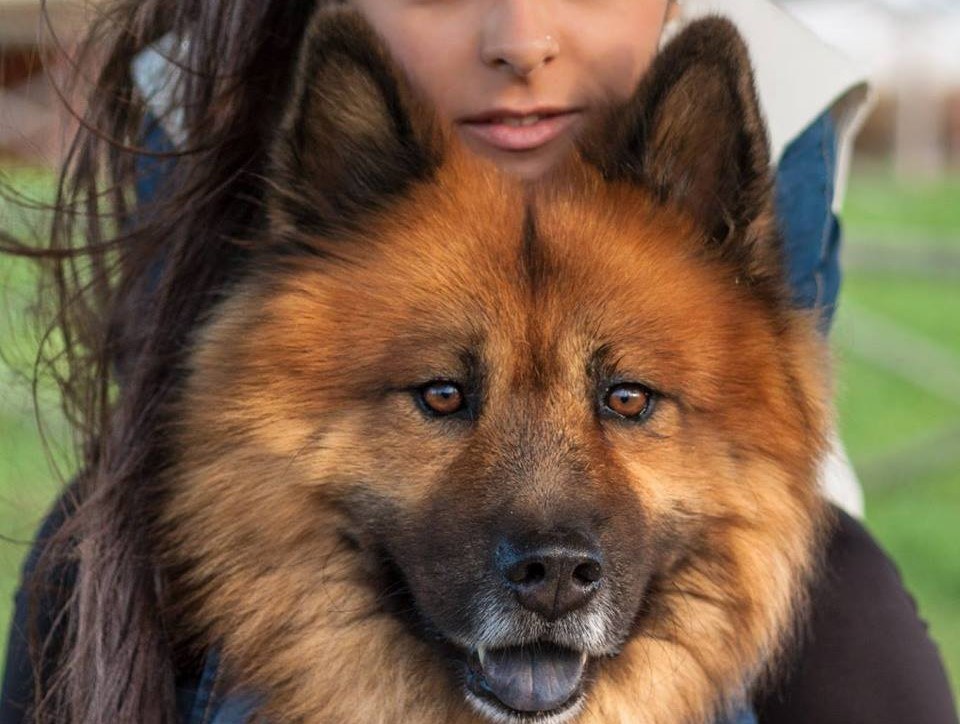
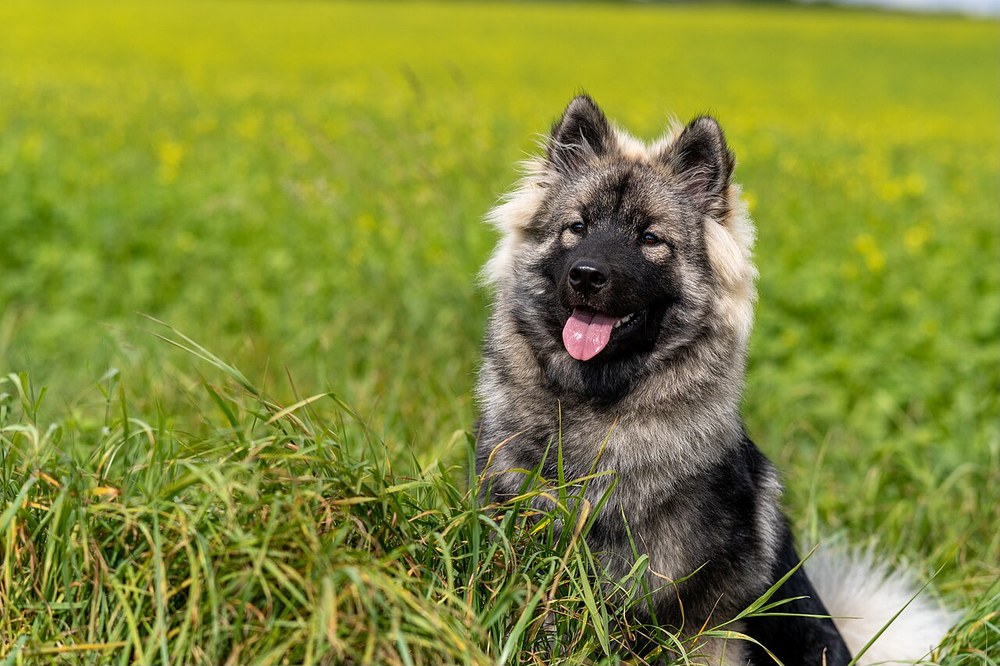
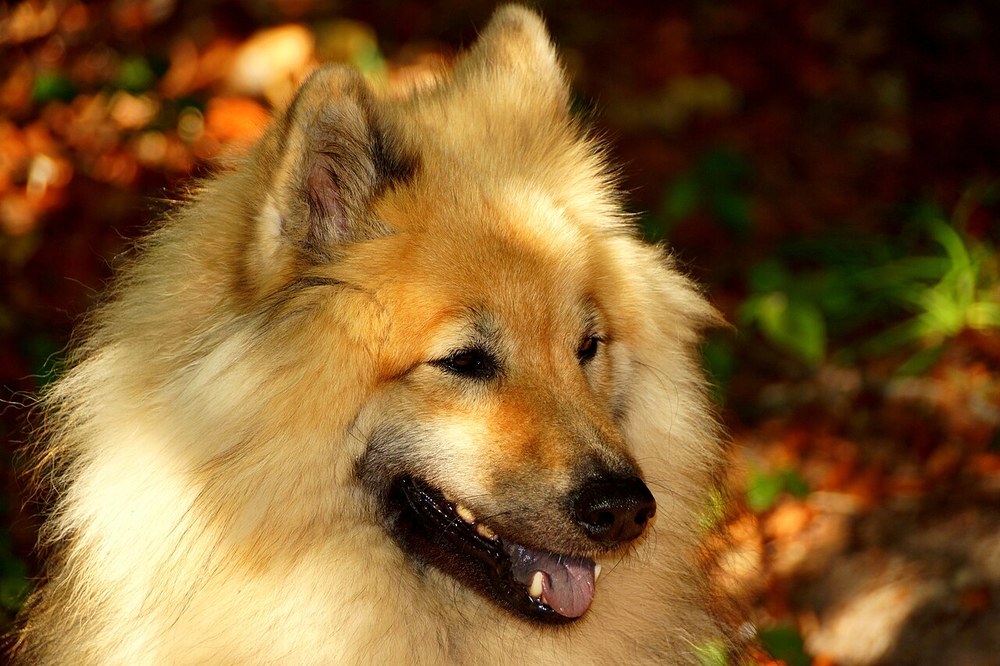
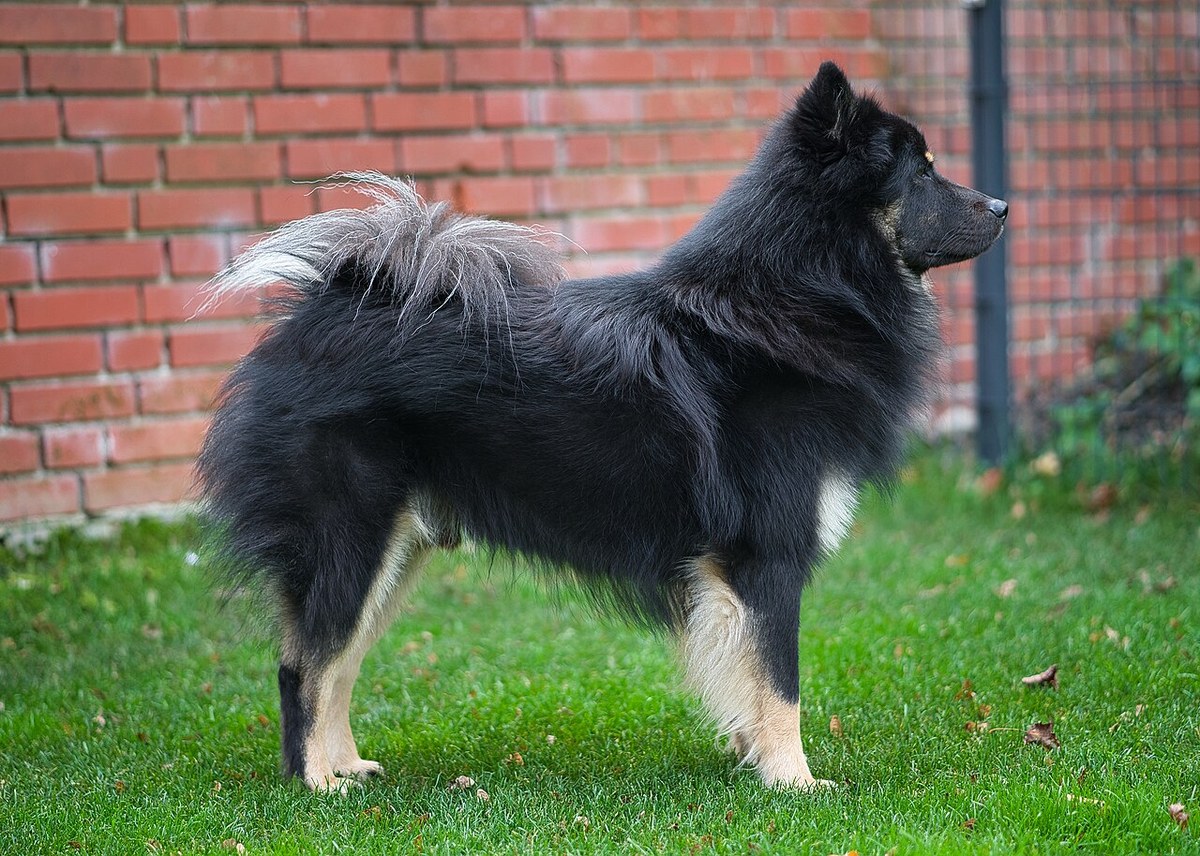
Thick double coat of medium length: loose outer hair, dense undercoat, ruff and plumed tail; red, fawn, wolf-grey, black, black and tan and other colours
Job
Family companion dog (FCI Group 5)
Temperament in one minute
Eurasier temperament: what they are like at home
Short answer: Eurasiers are calm, loyal and self-assured family dogs that bond closely with their own people and stay reserved with strangers. Most are gentle at home, rarely bark without a reason and are good with children they grow up with. They are sensitive to rough handling, need slow, friendly socialization and do badly when left alone for long hours. They learn well with food and short sessions and carry a thick double coat that sheds heavily twice a year.
Are Eurasiers affectionate?
Very, with their own family. Most stay close to their people and follow them from room to room. Build short absences from the first week.
Are Eurasiers easy to train?
Yes, with calm, short sessions and food. They switch off with repetition or harsh corrections. A hand target and name game are good first skills.
Are Eurasiers friendly with strangers?
Reserved rather than friendly. Most watch first and warm up later. Let visitors ignore the dog and see guest entry steps.
Are Eurasiers good with kids and other dogs?
Usually yes with children and dogs they know. Teach kids to let the dog come to them and give it a quiet place. See children and guests.
Eurasier behavior problems to expect
The usual four are backing away from visitors, grumbling at strangers who come too close, howling when alone and pulling on the lead. The list further down links a guide for each.
Living with a Eurasier in an apartment
Often a good fit if walks are daily. Plan a bed to settle on, calm practice in stairwells and a routine for visitors.
Breed history
How a German breeder built a calm spitz for family life
The history will not train your dog, but it explains the reserve with strangers, the strong family bond and why this spitz does badly in a kennel.
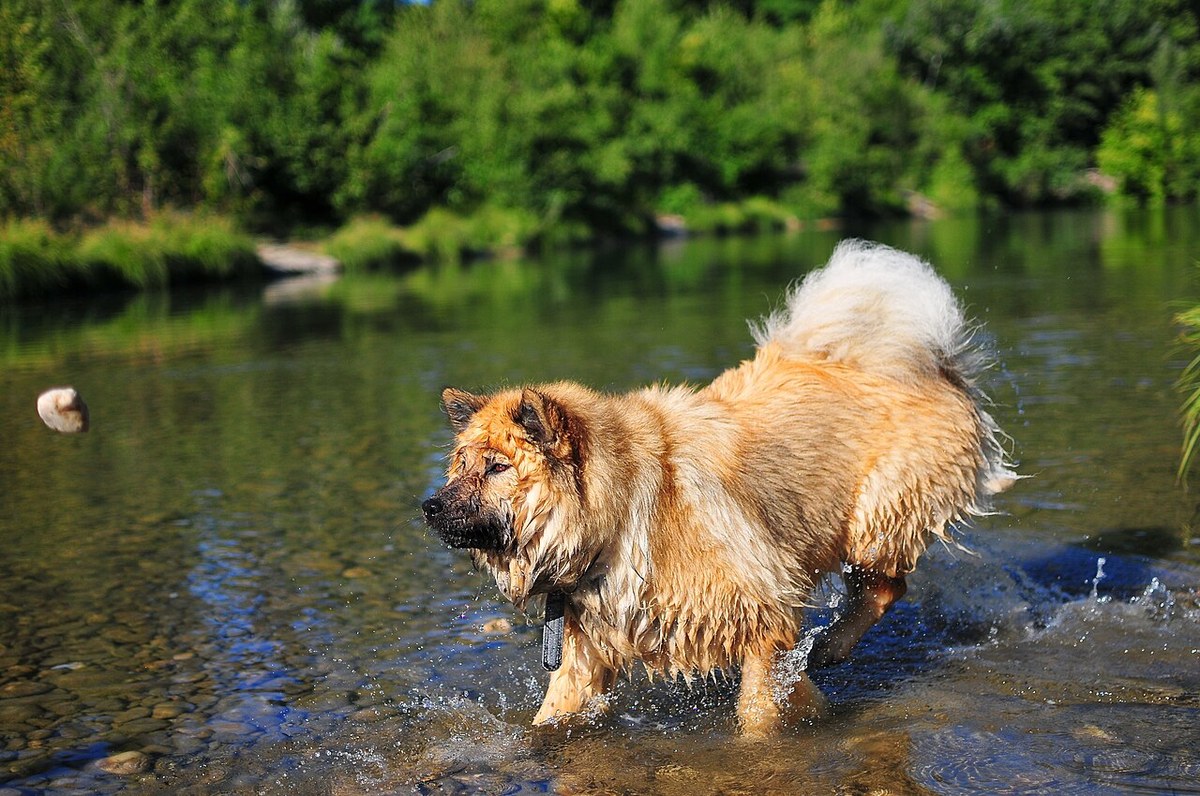
A Eurasier playing in a shallow river: most enjoy water games and long walks with their people.
Weinheim, Germany · 1960
Wolfspitz and Chow Chow
Julius Wipfel of Weinheim started the breed in 1960. He wanted a family dog with the look of an old spitz type and a steady, people-focused nature. His first dogs came from crossing the Wolfspitz, the large grey German Spitz, with the Chow Chow. They were first called Wolf-Chows.
Around 1972 the Samoyed was added to the mix, and in 1973 the breed was renamed Eurasier and accepted by the FCI.
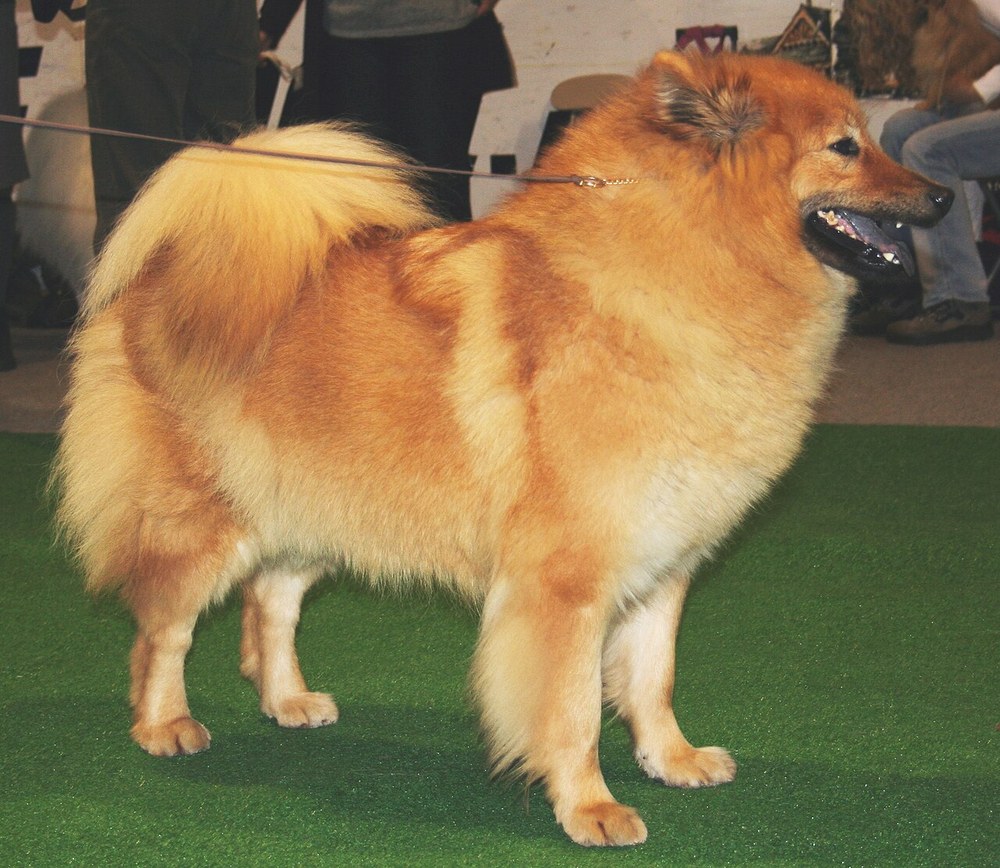
A red Eurasier at an international dog show in Katowice, Poland: the breed spread across Europe from its German home.
A dog for the house
Bred to live with its family
From the start the Eurasier was planned as a house dog rather than a working or hunting dog. The FCI standard describes a calm, self-confident dog with a strong bond to its family, reserved with strangers but never aggressive, and says it is unsuited to life in a kennel.
Today the breed is best known in Germany, the Netherlands, Scandinavia and the UK, where the Kennel Club lists it in the Utility group.
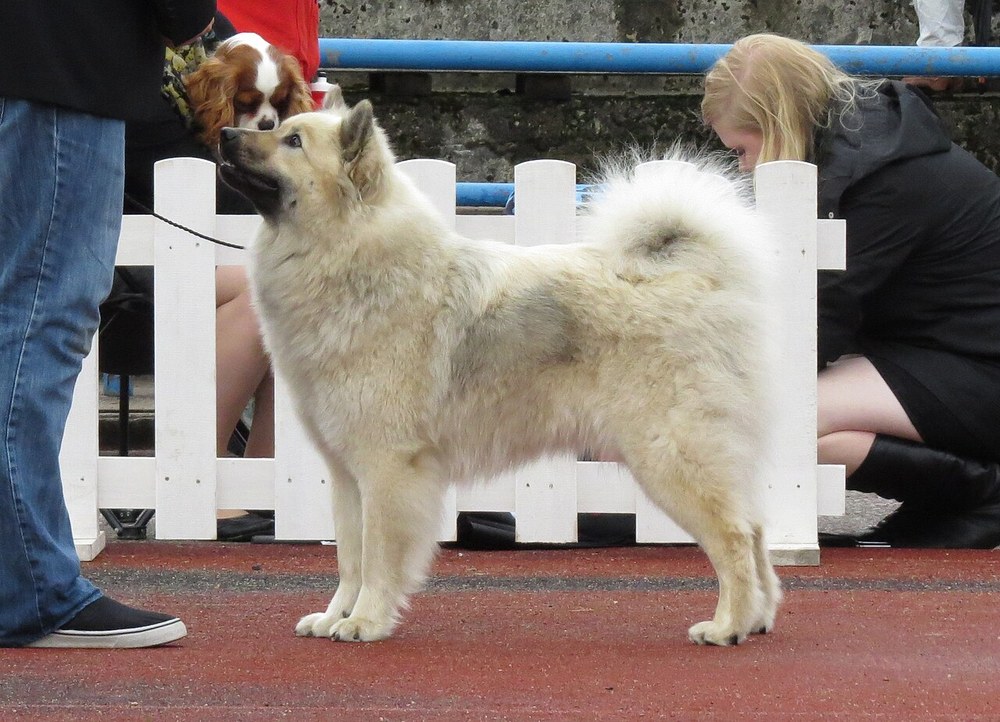
A cream Eurasier at a show in Tallinn, Estonia: colours range from cream and red to wolf-grey and black.
What the breed was bred for
Calm at home, watchful outside
Day to day you live with a quiet, easygoing dog that likes to be close. Many are gentle with children they grow up with and enjoy calm play and walks more than rough games.
The same dog notices strangers, new places and sudden changes and wants time to check them. Push it to say hello and it backs off. Give it space and it usually settles.
A good day is a calm walk, a little training and plenty of time near its people
Most Eurasiers do well with one or two daily walks of moderate length, a short training game and a lot of time in the same room as their family. Trouble usually starts with long days alone, strangers who rush up to say hello, or a young dog dragged into busy places before it is ready.
Morning · walk
A walk with time to look around
A Eurasier enjoys walks and hikes, and the thick coat makes cold weather easy. Let it sniff and watch the world on a loose lead, and reward it when it looks back at you. Keep hot summer walks short and early.
A Eurasier often chooses one or two favourite people and stays near them. Visitors do best if they ignore the dog, sit down and let it come over to sniff. A treat tossed on the floor works better than a hand reaching over its head.
Eurasiers learn well but dislike drills. Five minutes of sits, hand touches and name games with good food, then stop while the dog still wants more. A raised voice or a jerk on the lead makes many of them switch off for the rest of the day.
Brush to the skin about once a week and every day while the undercoat comes out, usually twice a year. Teach the puppy to stand for brushing, ear checks and nail trims for a treat, so grooming stays calm as the coat grows in.
Most Eurasiers settle easily once they have walked and trained. Give it a bed in the room where the family sits, with a view of the door if it likes that, and a chew in the evening. It will usually doze there for hours.
General awareness only. I am not a veterinarian. With Eurasiers, owners often notice trouble first as a squinting or watery eye, stiffness after rest, a change in how the dog moves, or skin trouble hidden under the coat. For red flags, leave this page and open
when to call the vet.
Eyes
Ask your vet about squinting, lasting tears or redness rather than waiting for it to pass.
Joints and movement
Stiffness after rest, a change in gait or reluctance on stairs should see a vet. See limping stop list.
Coat and skin
Brush to the skin, check behind the ears and under the legs, and dry the coat well after rain or a swim.
Heat
The double coat keeps the cold out and the heat in. Walk early on summer days and give shade and water.
Weight
A full coat hides extra weight. Feel the ribs under the coat, count treats into the daily food and let your vet judge. See BCS check at home.
Ask the breeder
Ask which screenings the national breed club recommends for the parents, and ask to see the results. Do not invent disease claims from a blog.
Lines and types
Every Eurasier needs gentle socialization and a family that keeps it close
No bloodline selling. Within the breed you will find bolder and more reserved characters, lighter and heavier coats, and a wide range of colours. Every one of them wants to live with its family and needs friendly, unhurried experiences with strangers in the first year. Meet the parents at home if you can, and watch how the mother reacts when you walk in.
Family companion homes
Daily walks at an easy pace.
Calm, friendly meetings with visitors.
Short training sessions with food.
Brushing in the weekly routine.
Suits a family or couple who are home a fair amount and want a quiet, loyal dog.
Active and sport homes
Hiking and long walks suit many adults.
Rally, tricks and scent games work well.
Rough, fast sports appeal to fewer of them.
Rest after busy days.
Suits an owner who enjoys outdoor time and calm training and accepts a dog that keeps its own pace.
Socialization windows
What to introduce — and what not to overload — by age
AVSAB-aligned in spirit: short, clean exposures at a distance the puppy can still eat,
with hygiene while vaccines finish. See the
puppy socialization schedule.
2–4 months
Settling in and first friendly strangers
Introduce: a few calm visitors who sit on the floor and toss treats, short car rides, one-minute brushing sessions, the toilet spot, leaving the room for a minute.
Do not overload: crowded puppy parties, strangers picking the puppy up, forcing it to say hello.
~6 months
The careful adolescent
Introduce: new streets at quiet times, watching people from a distance with food, play with steady adult dogs, loose-lead practice.
Do not overload: busy markets and festivals, rough play with big dogs, telling the dog off for backing away.
~12 months
Young adult, more watchful
Introduce: long-line walks in new places, a calm bed during visits, an hour alone after a walk, new tricks.
Do not overload: whole working days alone, assuming early socialization is enough for life.
~18–24 months
A settled young dog
Introduce: hikes, rally or scent games if you like them, café visits with a quiet corner, trips with the family.
Do not overload: deciding the dog is unfriendly because it still prefers to watch first.
~3 years+
Maintenance
Introduce: daily walks, a weekly groom, yearly vet checks, short training games, regular calm meetings with new people.
Do not overload: letting the dog live mostly in the garden or alone.
Before you buy
Who a Eurasier usually fits
Fit comes down to how many hours the dog spends without you, your patience with a dog that warms up to strangers slowly, gentle training and a lot of loose hair twice a year.
Good match
More likely a good fit if you…
You want a calm, loyal family dog rather than a party animal
Someone is home much of the day or the dog can come along
You will let the dog meet people at its own speed
You prefer quiet, food-based training
A brush and a vacuum cleaner do not scare you
Mismatch risk
A Eurasier may be a poor choice if…
The dog would live in a kennel or alone most of the day
You want a dog that greets every stranger with joy
You prefer a firm, correction-based training style
You want a guard dog to scare people off
Loose hair on everything would drive you mad
If you are torn between breeds
Eurasier vs Chow Chow and Keeshond
The Chow Chow and the Wolfspitz, the Keeshond's close relative, are two of the Eurasier's parent breeds. The Eurasier sits between them: more family-focused and easier to handle than many Chows, calmer and quieter than many Keeshonds.
Strangers
Eurasier
Reserved, warms up slowly.
Chow Chow
Often more aloof and independent.
Barking
Eurasier
Usually quiet, barks for a reason.
Keeshond
Often more vocal and more outgoing with visitors.
Coat
Eurasier
Thick double coat, seasonal shed.
Both compares
All three shed heavily and need regular brushing.
Home fit
Eurasier
Calm family that keeps the dog close.
Both compares
All three do best living indoors with their people.
Ownership without surprises
Where a Eurasier owner’s budget goes
Costs depend on country, city and your choices. These are themes to plan for, not quotes.
Veterinary
Yearly checks, vaccinations your vet advises and any screenings the breed club asks breeders to do.
Food and treats
A medium-sized dog with a steady appetite; training treats add up.
Grooming kit
An undercoat rake, a slicker brush, a comb and a strong vacuum cleaner.
Puppy class
A small, calm class or a few private sessions for socialization and lead walking.
Company
Dog sitters or day care on long days, because this breed does badly alone.
Gentle socialization in the first year is worth more than any gadget: a Eurasier that has met many calm, friendly strangers grows into a relaxed adult.
Before day one at home
What to prepare for a Eurasier puppy
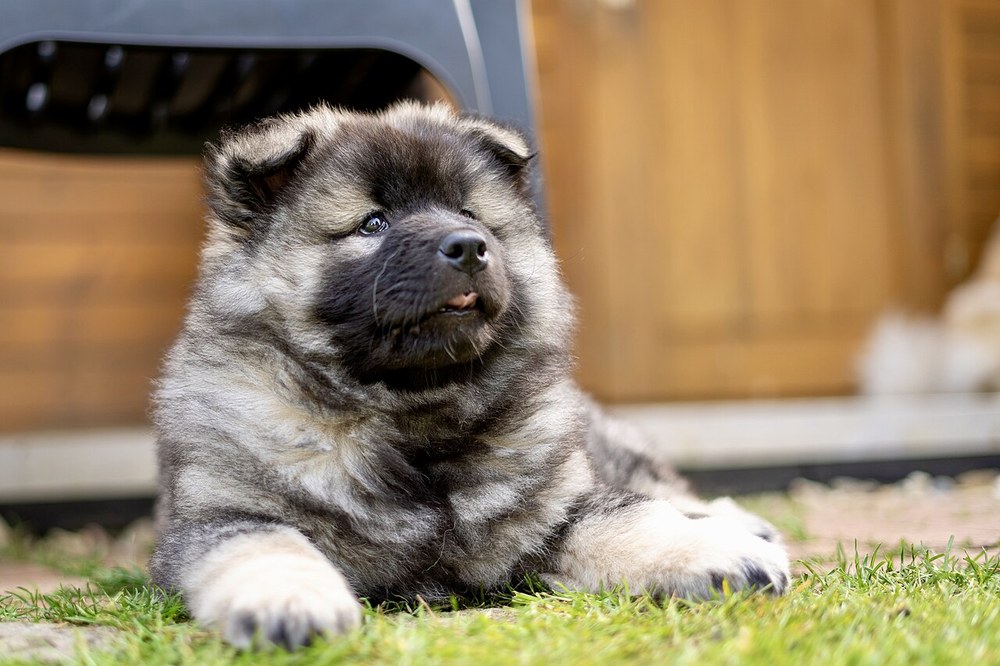
A Eurasier puppy is cuddly and curious but often careful with new things. Have a bed spot, a soft brush, food for visitors and a plan for short absences ready before it comes home.
Short daily touches on feet, ears and coat. See puppy handling.
04
Teeth on toys
Offer a soft toy and pause the game if teeth land on skin. See biting and nipping.
05
A minute alone
Leave the room for a moment many times a day. See first absences.
06
Toilet trips
Take the puppy out after sleep, food and play. See potty training.
If the dog is already yours
Training a Eurasier means calm lessons, patient socialization and slow alone time
Five skills cover most of daily life: coming when called, walking on a loose lead, lying on a bed while guests are in, meeting strangers calmly and staying relaxed when you go out.
Eurasiers learn quickly with food and praise and lose interest with repetition. A few short sessions spread over the day work far better than one long one.
The rest is how you arrange the home: visitors who let the dog come to them, a resting spot away from the front door and absences that grow a few minutes at a time.
Load balance
Walks and calm games first, then new people
Puppies, seniors and hot days need lighter plans. If the dog limps, squints or becomes grumpy out of nowhere, see a vet before adding more exercise or training.
Sniffing walkName gameScent searchChew on the bedLong nap
Exercise for this breed is steady walking, sniffing and a little thinking. Wild fetch sessions add less than you would expect.
A Eurasier that has walked and sniffed is much more relaxed when a stranger comes to the door.
Calm with strangers
How to help a Eurasier stay relaxed when strangers come close
Distance first, a visitor who ignores the dog, food for every calm look, the choice to walk away and short meetings before long ones.
01
Distance first
Start where the dog can watch a new person and still take food.
02
Visitor ignores the dog
The guest sits down, talks to you and does not reach for the dog.
03
Food for calm looks
Each time the dog looks at the person and stays relaxed, toss a treat.
04
The dog may leave
Let it walk away to its bed whenever it wants; nobody follows it.
05
Short meetings first
Five calm minutes with one friend before a full evening with guests.
One scene close-up
Why a Eurasier backs away or grumbles at strangers
This breed was built to be close to its own family and cool with everyone else. A stranger who walks straight up, bends over and reaches for its head feels like pressure. The dog backs off, and if it cannot, it may grumble.
Change the picture for the dog: let it watch new people from a distance where it stays relaxed, drop a treat each time it looks at them calmly, and ask visitors to ignore it until it chooses to sniff them.
Growling, snapping or a dog that hides and shakes for a long time is a different story; bring in a qualified professional.
“With a Eurasier, I begin with three things: socialization at the dog's own speed, calm training with food, and slow steps toward time alone. Push this breed and it pulls back; give it time and it becomes one of the steadiest family dogs I know.”
We work on what your days actually look like: visitors, strangers on walks, the lead, time alone and grooming. I am a trainer, not a veterinarian.
Andrew DarovProfessional dog trainer and instructor
Tell me the age, how the dog reacts to strangers and what goes wrong first: visitors, walks, pulling, time alone or handling. Opens WhatsApp to Andrew.
Often yes. Most are calm, loyal and gentle with children they grow up with. They need to live close to their family.
Is a Eurasier a good first dog?+
It can be, for a calm owner who trains gently and gives the dog time with new people.
Are Eurasiers aggressive?+
The breed is meant to be reserved with strangers, not aggressive. A dog that growls or snaps needs a qualified professional and a vet check.
Eurasier vs Chow Chow: what is the difference?+
The Chow Chow is one of its parent breeds. The Eurasier is usually more family-focused, easier to handle and lighter on its feet.
Eurasier vs Keeshond: what is the difference?+
The Keeshond is smaller, more outgoing with visitors and often more vocal. The Eurasier is calmer and more reserved.
How much exercise does a Eurasier need?+
Daily walks of moderate length plus some sniffing and short training. Many enjoy hikes in cool weather.
Do Eurasiers bark a lot?+
Usually not. Most bark when something is going on and are quiet the rest of the time.
Do they shed?+
Yes. The undercoat comes out in clumps about twice a year; daily brushing for those weeks keeps it under control.
Can a Eurasier live in an apartment?+
Often yes, if it gets daily walks and a quiet resting place. Busy stairwells may need calm practice.
Can a Eurasier be left alone?+
Short absences are fine once practised. Long days alone are hard for this breed; plan a sitter or day care.
What health themes should I ask about?+
Ask the breeder which health checks the national breed club recommends for parents and see the papers. Tell your vet the breed. This is general awareness, not a diagnosis.
How long do Eurasiers live?+
Public breed references often mention about 12–14 years. Individual dogs vary.
If a Eurasier seems like more dog than your home can handle
Most people fall for the teddy-bear face. The reserve with strangers, the need for company and the heavy shed are the parts to be sure about first.
A lively German watchdog in small and medium sizes: devoted, clever, wary of strangers and a keen barker. Needs a barking plan, brushing and short daily training.
A loyal, clean Korean hunting dog that often bonds to one family. Needs a secure home, a long line instead of off-lead walks and slow, patient socialization.
Dog barking for attention during calls, on the sofa or at dinner? Stop answering the bark, teach a quiet way to ask, and plan attention before it starts.
Place is a mat the dog goes to, lies on, and stays on until released. Build the park first, then duration, then real kitchen noise and guests.
Need a read on your exact situation?
Send me a few lines about your Eurasier: how old it is, how it reacts to strangers and how long it is alone each day. We rule out health and safety issues first, then choose one skill to start with.