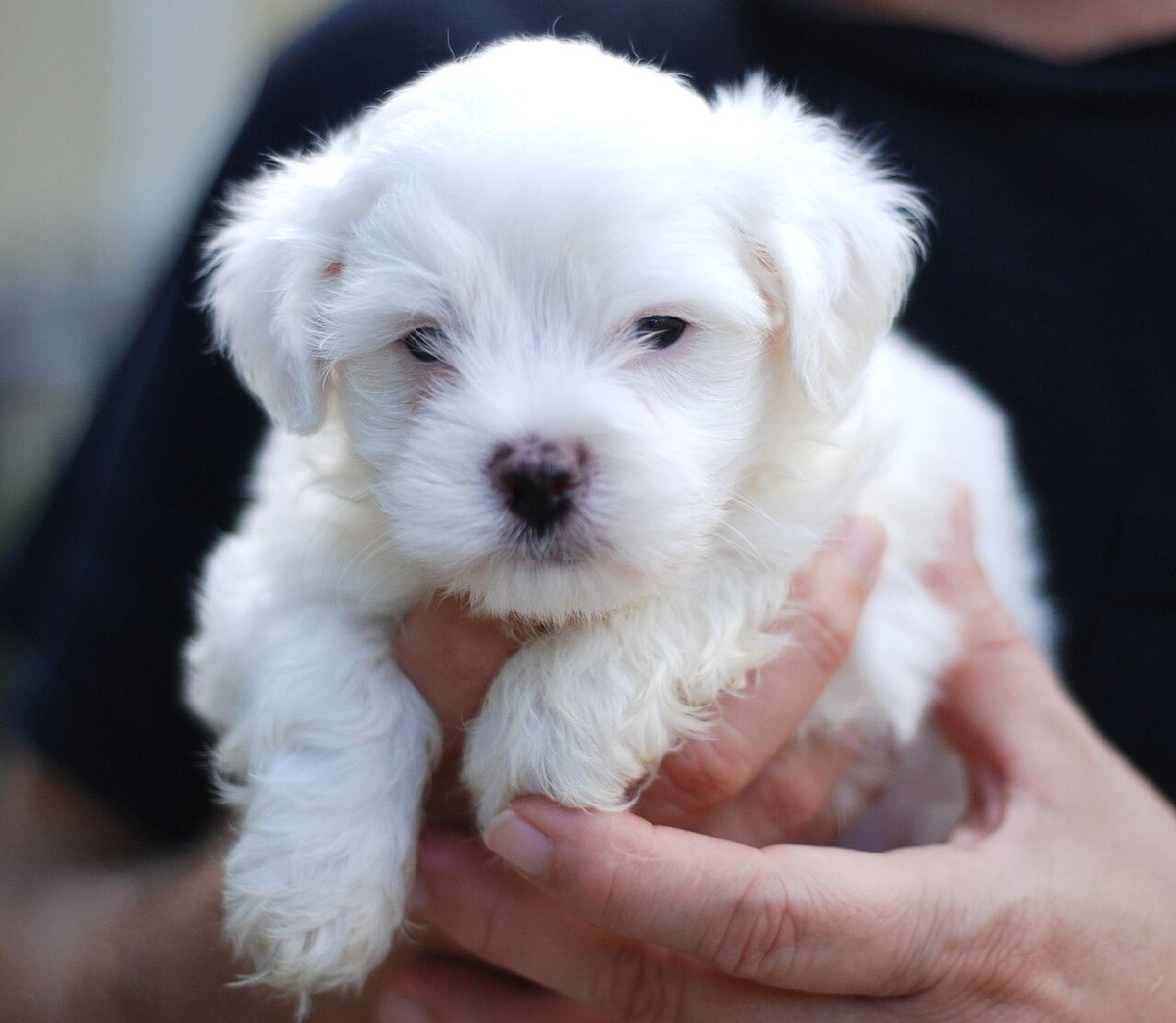
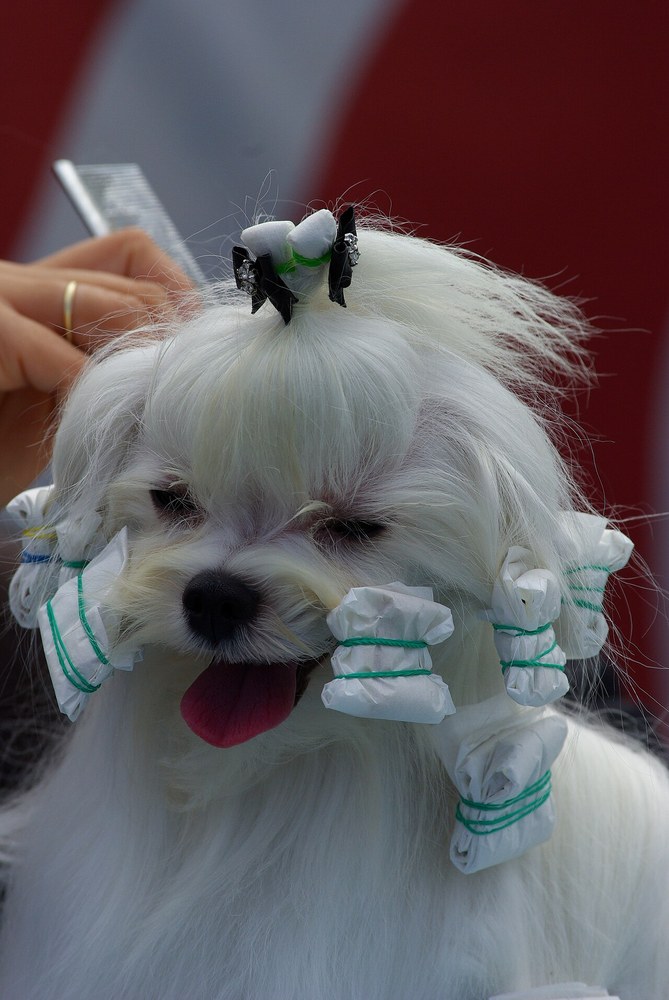
The Maltese is a tiny, ancient companion dog with a long, silky white coat. Most are affectionate, playful and alert. Life goes well with daily coat care, patient house training, calm door routines and plenty of company.
Job: Ancient Mediterranean lapdog — loving and lively.
Energy: Moderate; short walks and games.
Home: Needs daily coat care and patient house training.
Silky white coat — mats and stains without regular care
Job
Mediterranean toy companion
Breed history
One of the oldest lapdogs: the Maltese through the centuries
History does not decide what one puppy becomes, but it explains a lot: most Maltese are affectionate, lively and attached to their people — tiny companions with a long white coat that needs daily care.
Two Maltese from a rescue group (modern photograph). Many Maltese live happily in pairs or with other small dogs.
Mediterranean → ancient lapdog
A white companion of the ancient Mediterranean
Public breed histories describe small white dogs in the Mediterranean for many centuries, and the name links the breed to the island of Malta. Exact origins are debated.
From the start, the Maltese was a companion: carried, pampered and kept close.
An 11-week-old Maltese puppy asleep (modern photograph). Puppies need plenty of rest and gentle handling.
Noble homes → Victorian shows
From palaces to the show ring
Breed accounts describe Maltese in noble households across Europe and at early Victorian dog shows in Britain.
Today they are popular companions in flats and houses. Meet the parents and see how they cope with grooming and handling.
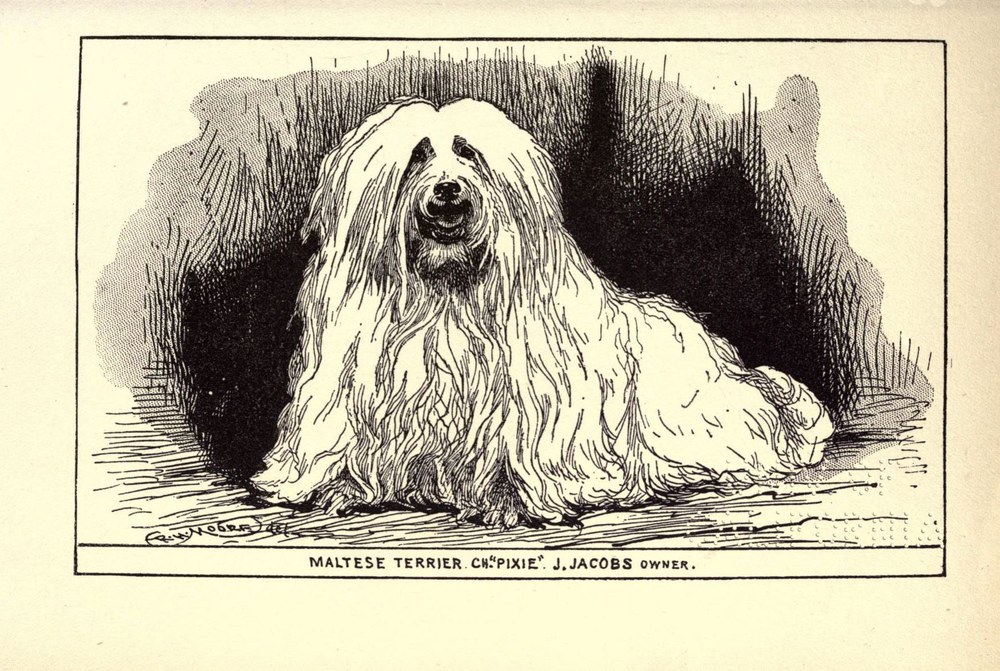
A Maltese illustrated in the 1900 book “All about dogs” (public domain). The floor-length white coat was already the ideal.
What the breed was bred for
Affectionate, playful and alert
In plain trainer language: Maltese are loving, playful and quick to alert. Many are bold despite their size.
The challenges are house training, barking, time alone and daily coat care. Routines and gentle handling help.
What to watch monthly: coat, eyes, teeth and weight
General awareness only — I am a trainer, not a veterinarian. Notice changes in coat, eyes, teeth or energy. For urgent signs, see
when to call the vet.
Coat
Single silky coat that mats. Brush daily or keep a short trim.
Eyes
Wipe gently around the eyes; see the vet for redness or heavy staining.
Ask the breeder which screenings the national breed club recommends and see results for both parents.
Toxins
I do not publish toxin amounts. Call a vet or poison-control line if the dog eats something dangerous.
Lines and types
Floor-length coat or puppy cut
Owners choose between a long show coat and a short puppy cut. The dog stays the same.
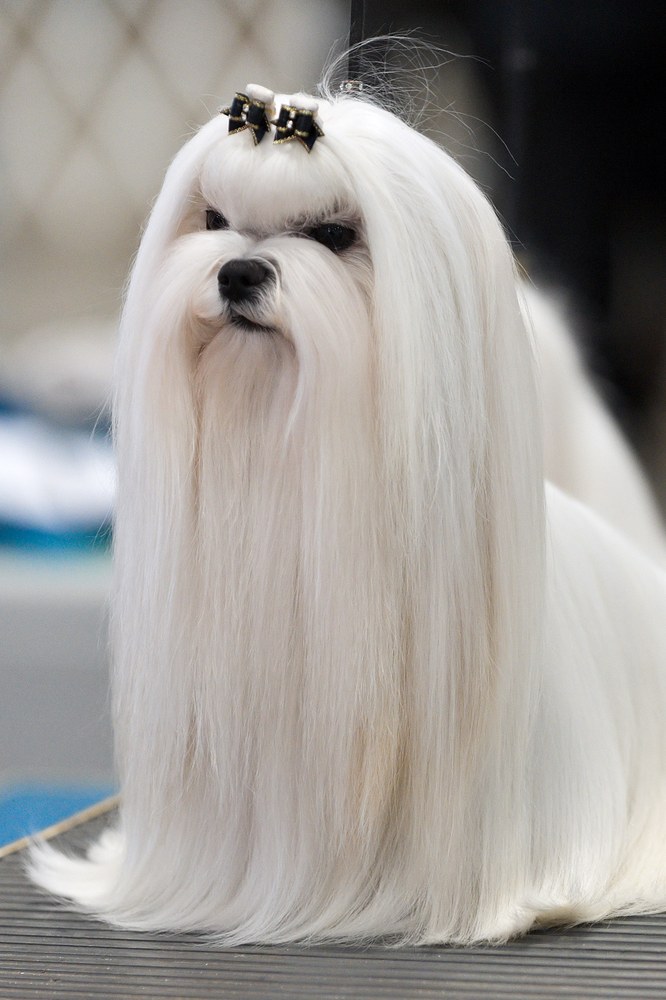
Floor-length coat
Silky, straight white coat.
Daily brushing and topknot.
Typical show presentation.
Needs protection from mud.
Suits owners with time for grooming.
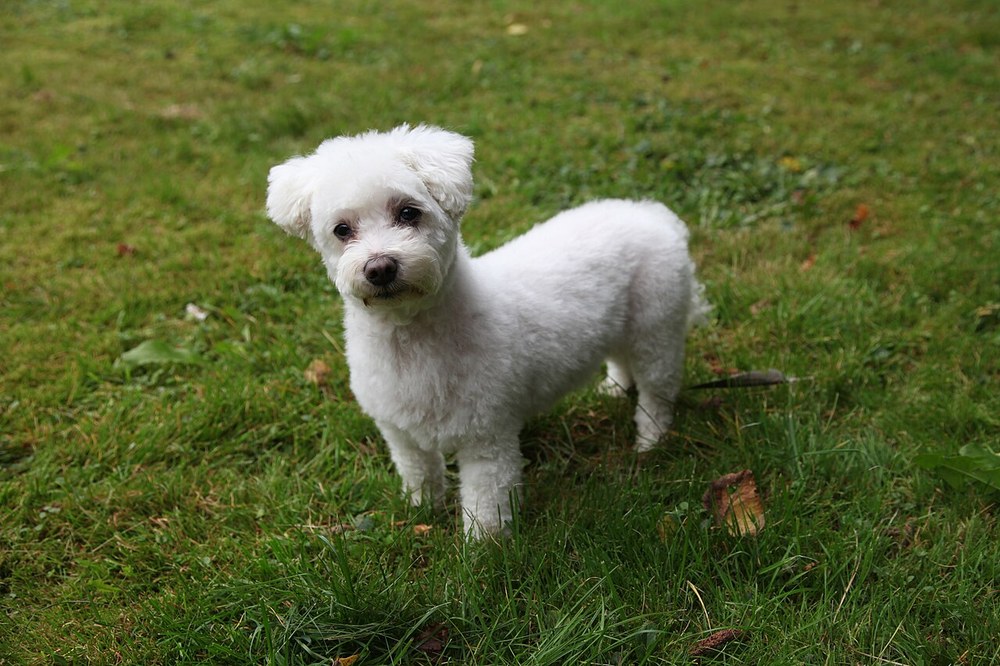
Puppy cut
Short, even trim.
Fast brushing.
Trims every few weeks.
Practical for walks.
Suits most family homes.
Socialization windows
What to introduce — and what not to overload — by age
AVSAB-aligned in spirit: short, clean exposures at a distance the puppy can still eat,
with hygiene while vaccines finish. See the
puppy socialization schedule.
“With a Maltese, I look at grooming and house training first. We make brushing pleasant, tighten the toilet routine and build short absences — because a tiny companion copes best when its days are predictable.”
Sessions cover real scenes: toilet accidents, barking at the door, time alone, grooming, and jumping on visitors. I am a trainer, not a veterinarian. No invented reviews.
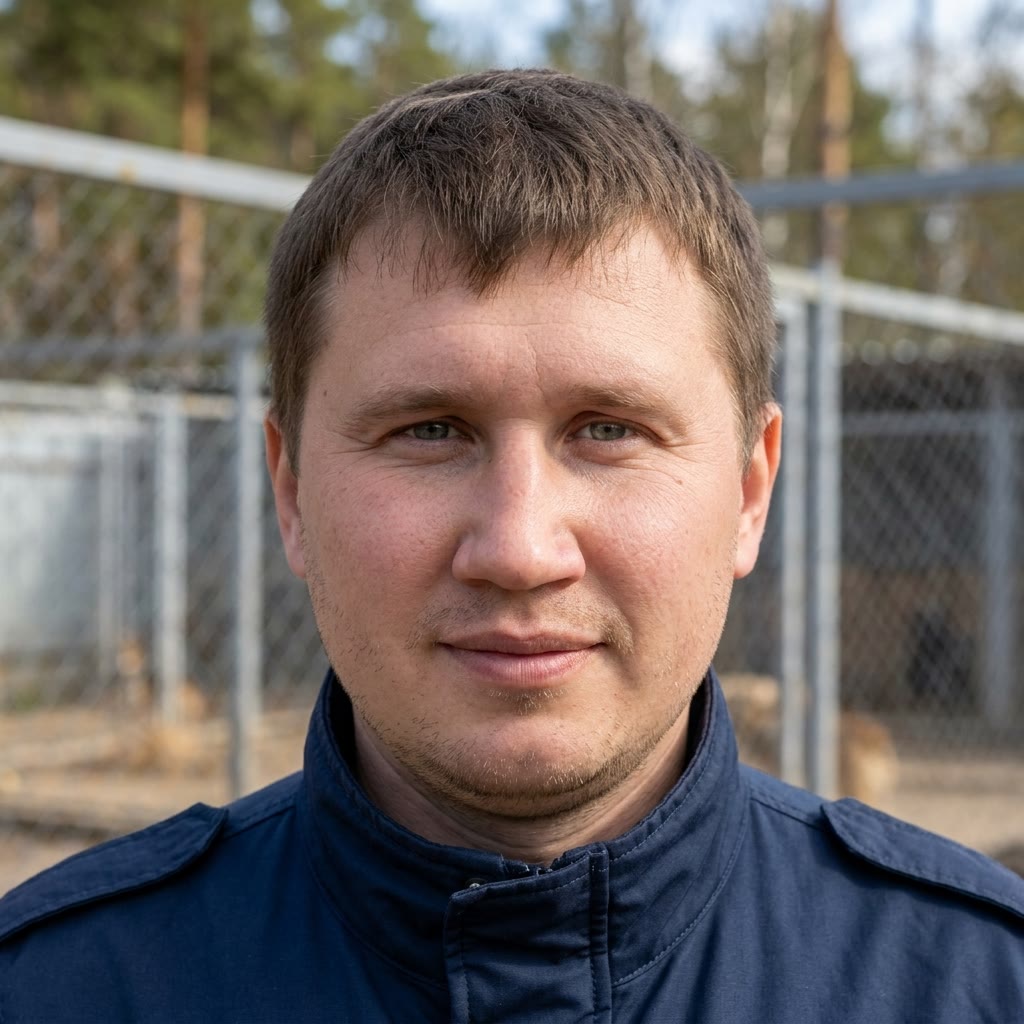
Andrew DarovProfessional dog trainer and instructor
A friendly, long-coated companion from the Chinese court that needs regular grooming, house training and care in heat.
Need a read on your exact situation?
Describe your Maltese’s age and the scene that repeats most: toilet accidents, barking, time alone, or grooming. We check safety first, then pick the first skill.
Written by Andrew Darov, professional dog trainer. Not veterinary advice and not a diagnosis.
Not a kennel club. No invented reviews. No vaccine schedules or toxin doses. Photo credits in
/images/breeds/maltese-guide/credits.md.