Chinese Crested: temperament, training & hairless companion
The Chinese Crested is a small, graceful companion dog that comes in hairless and powderpuff varieties. Most are affectionate, playful and devoted. Life goes well with gentle socialization, company, and skin or coat care.
Job: Companion dog — affectionate and devoted.
Energy: Moderate; short walks and play.
Home: Needs company, skin or coat care and warmth.
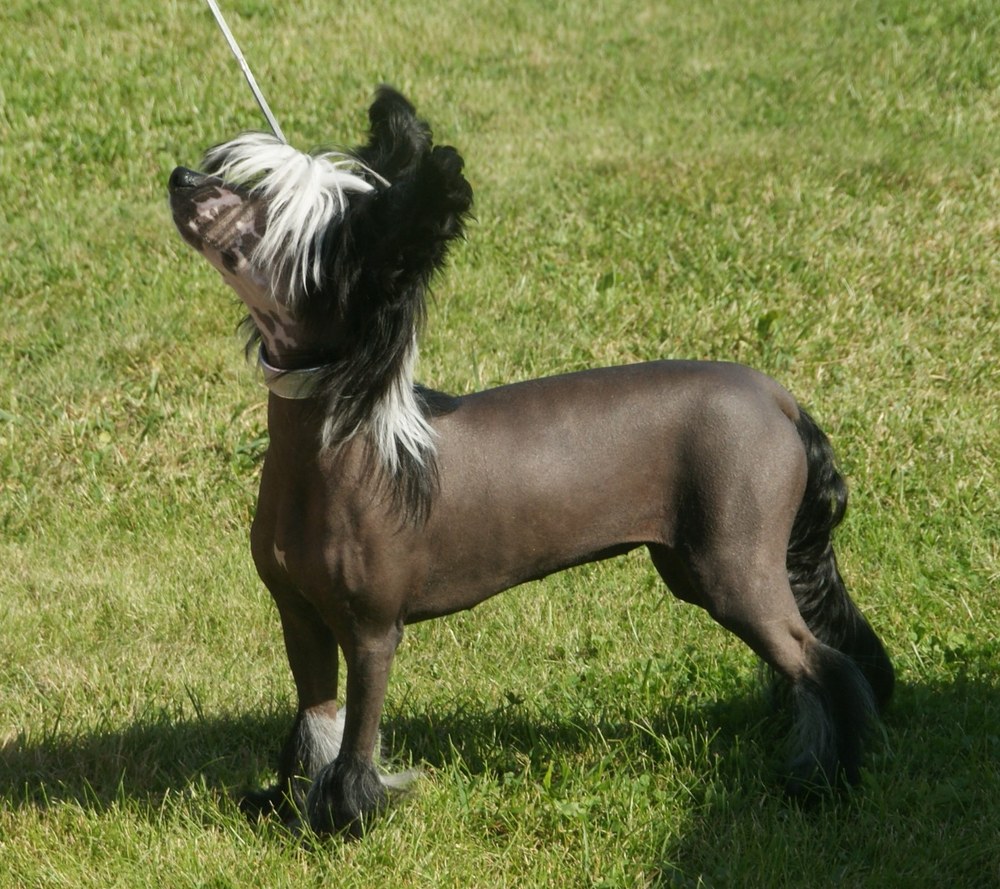
Hairless skin or powderpuff coat — protect skin from sun and cold
Job
Toy companion dog
Breed history
Hairless and powderpuff: a companion with a debated past
History does not decide what one puppy becomes, but it explains a lot: most Chinese Cresteds are affectionate, gentle and people-focused — small companions that need skin or coat care and confidence-building.
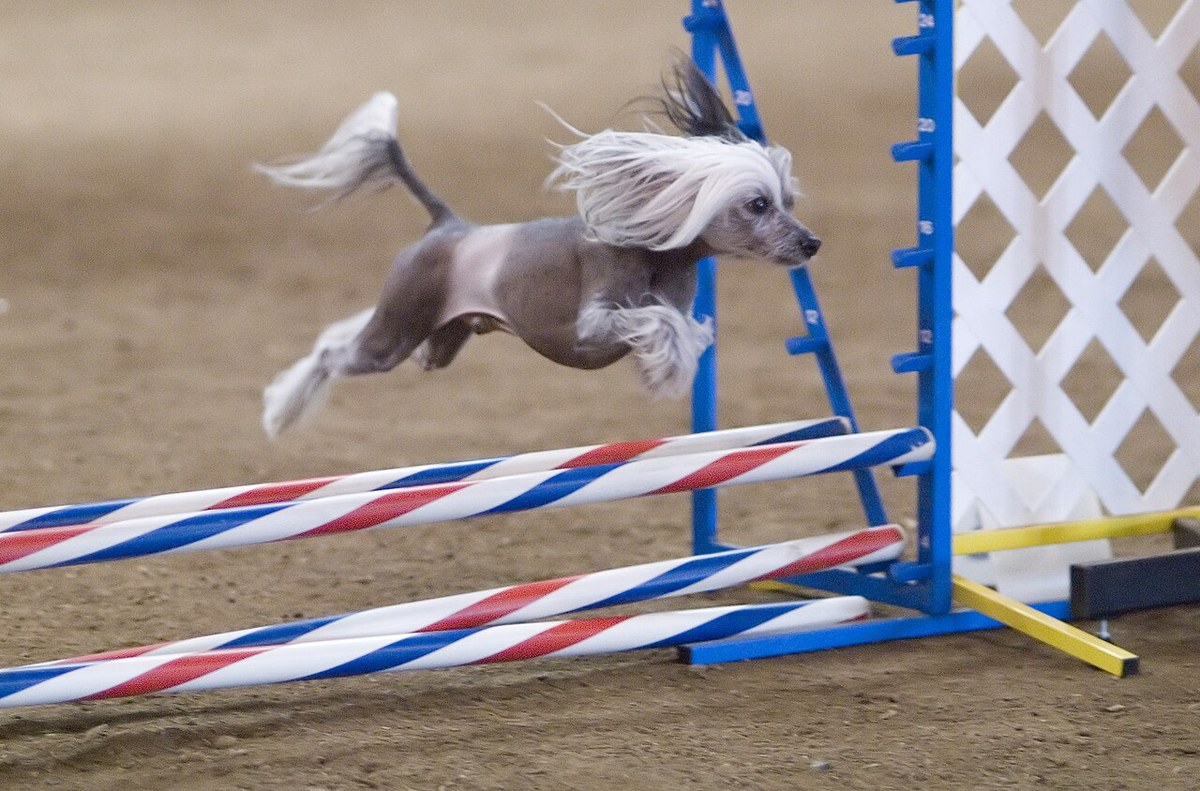
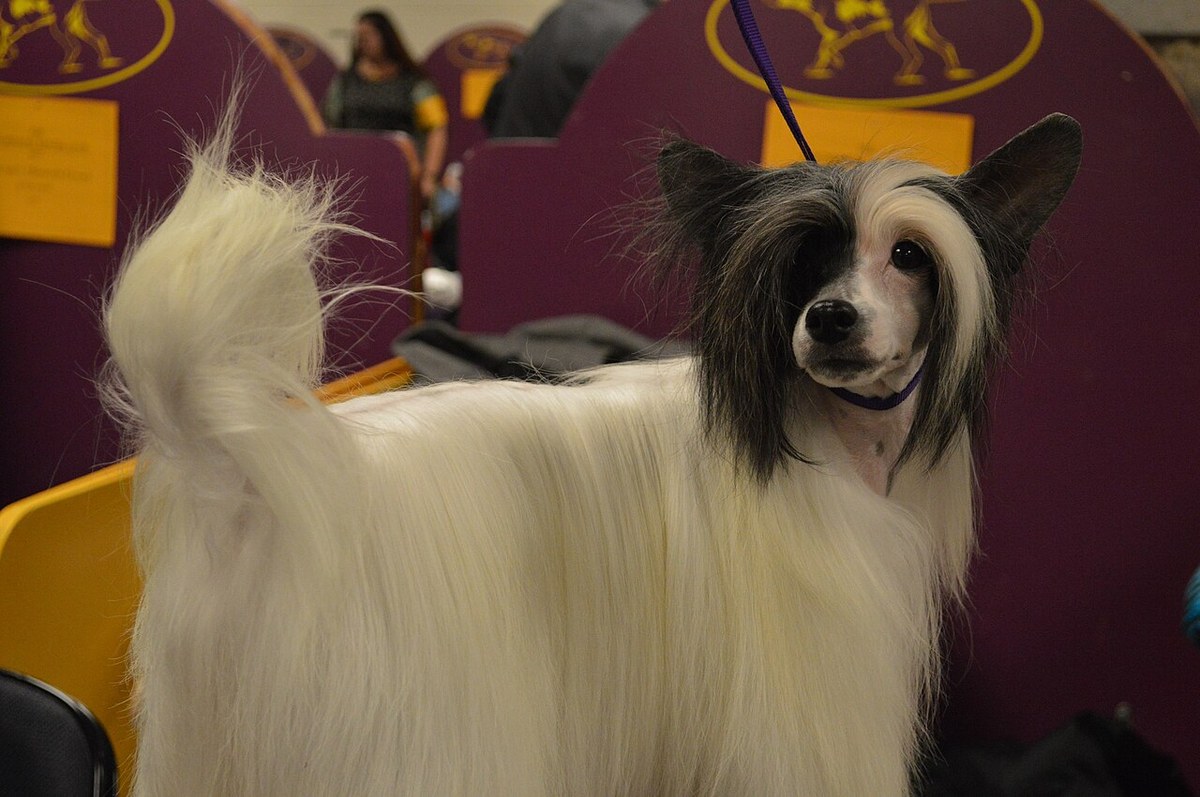
A hairless Chinese Crested at an agility competition (modern photograph). Cresteds are light, quick and enjoy dog sports.
Debated origins → trading ports
Where did the hairless dogs come from?
Despite the name, public breed histories disagree on the Crested’s origins. Hairless dogs are known in several parts of the world, and some accounts say traders carried them between ports.
What is clear is that the modern breed was developed as a companion, mostly in the United States and Britain in the 20th century.
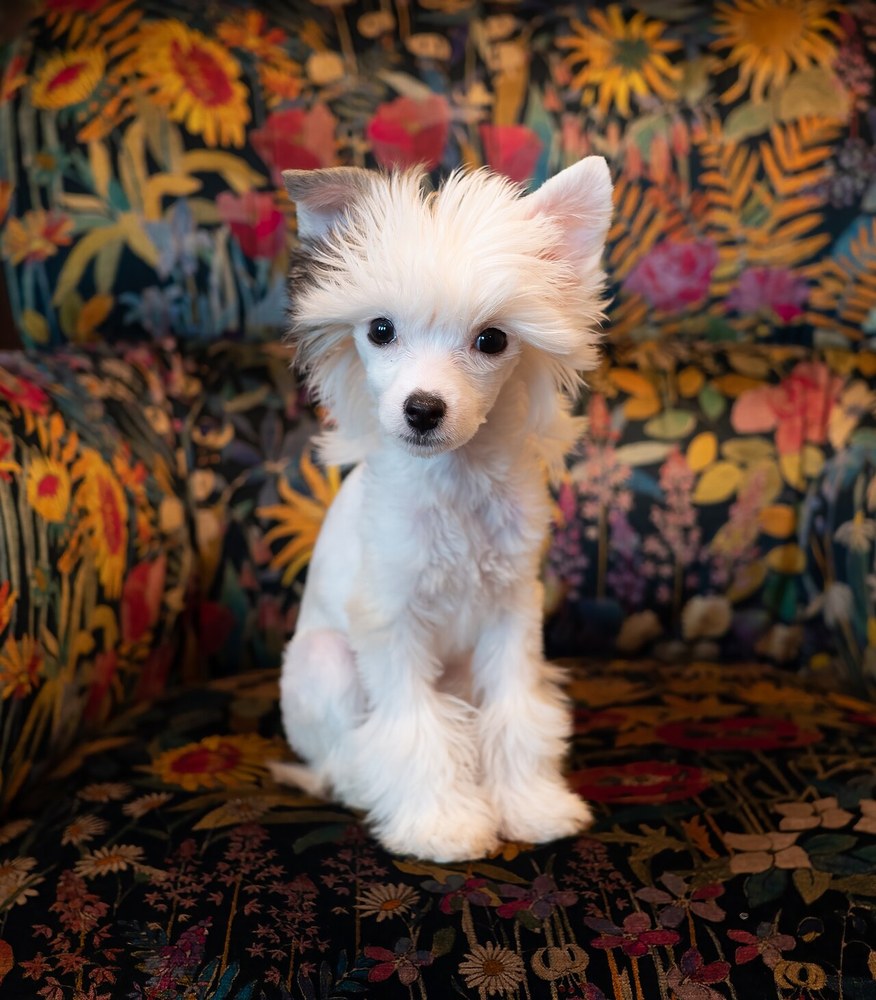
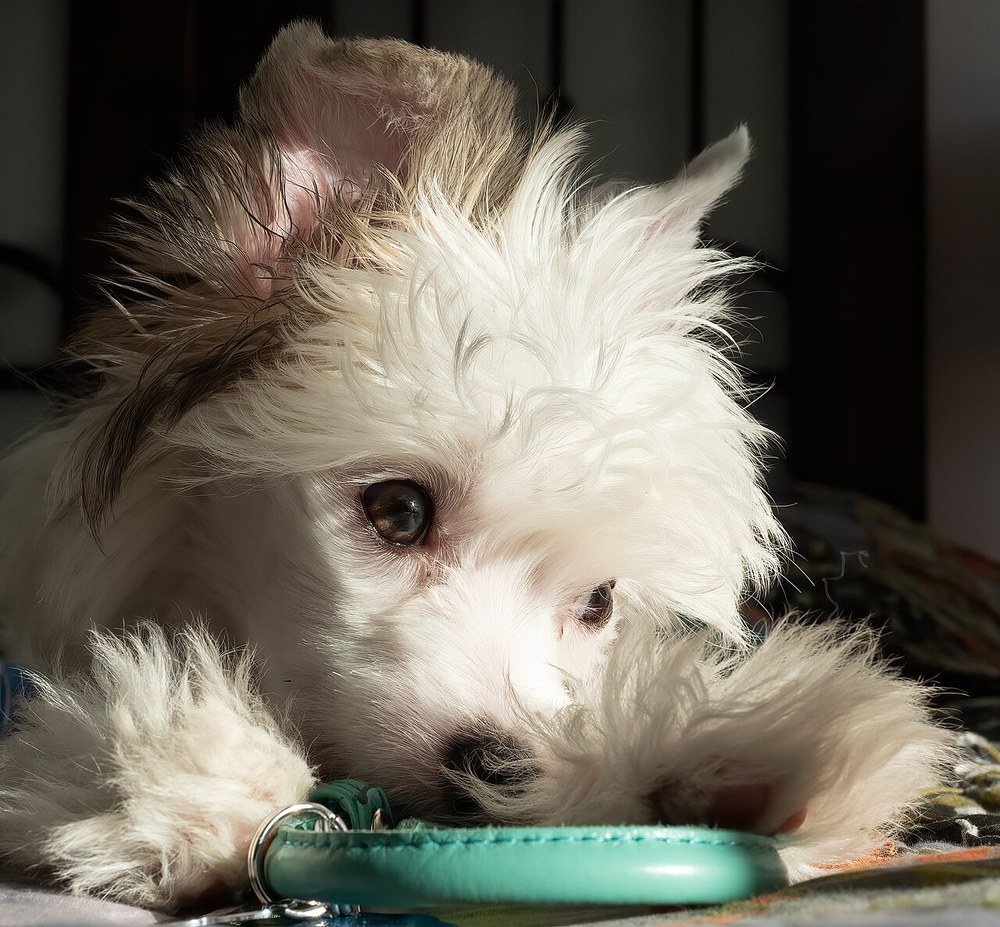
A 12-week-old Chinese Crested puppy (modern photograph). Hairless and powderpuff puppies can be born in the same litter.
Breed clubs → recognition
A modern companion breed
Enthusiasts kept and promoted the breed through the mid-20th century. The Kennel Club in Britain and later the AKC recognised it, the AKC in 1991.
Today Cresteds are companion and sport dogs, known for their devotion to their people.
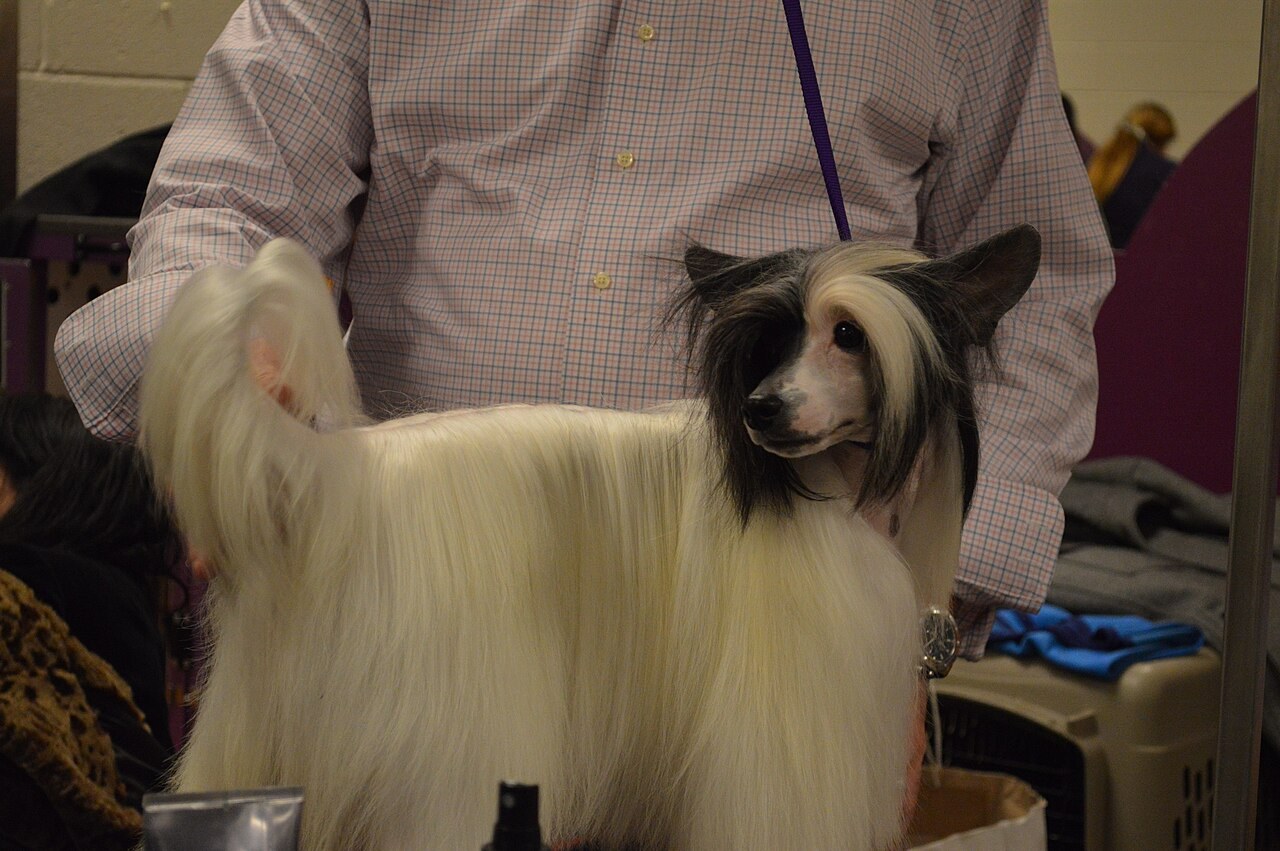
A Chinese Crested being groomed (modern photograph). Even hairless dogs need regular skin and furnishings care.
What the breed was bred for
Affectionate, sensitive and devoted
In plain trainer language: Cresteds were selected as companions. Most are loving, playful and closely attached to their people, sometimes shy with strangers.
The challenges are shyness, time alone, house training and skin care for hairless dogs. Gentle socialization and routines help.
What to watch monthly: skin, coat, teeth and warmth
General awareness only — I am a trainer, not a veterinarian. Notice changes in skin, teeth, eating or energy. For urgent signs, see
when to call the vet.
Skin (hairless)
Watch for dryness, spots or sunburn and ask your vet about skin care.
Coat (powderpuff)
Soft double coat that tangles. Brush a few times a week.
Teeth
Ask the vet to check teeth regularly and brush daily.
Warmth
Hairless dogs need coats in cold weather.
Health screening (not a diagnosis)
Ask the breeder which screenings the national breed club recommends and see results for both parents.
Toxins
I do not publish toxin amounts. Call a vet or poison-control line if the dog eats something dangerous.
Lines and types
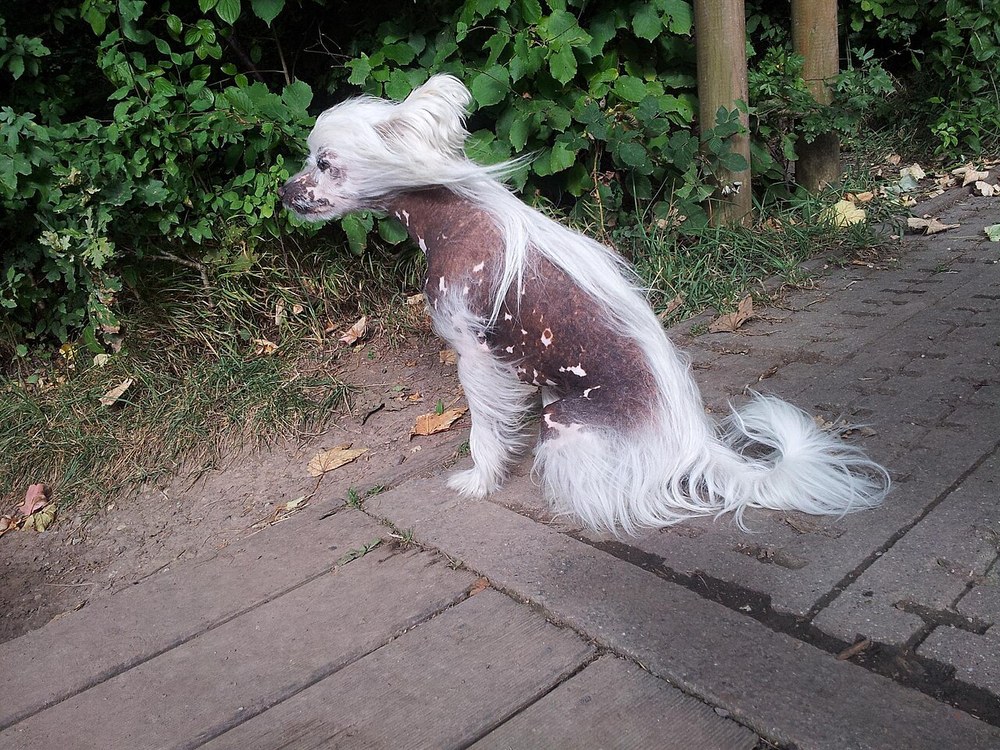
Hairless or powderpuff
Both varieties can be born in one litter. The difference is care, not temperament.
Hairless
Hair on head, tail and feet only.
Skin needs protection and care.
Needs coats in cold weather.
Minimal brushing.
Suits owners ready for regular skin care.
Powderpuff
Full soft double coat.
Brushing a few times a week.
Warmer in winter.
Same affectionate character.
Suits owners who prefer coat care to skin care.
Socialization windows
What to introduce — and what not to overload — by age
AVSAB-aligned in spirit: short, clean exposures at a distance the puppy can still eat,
with hygiene while vaccines finish. See the
puppy socialization schedule.
2–4 months
Gentle exposure
Introduce: handling, toilet routine, calm people at a distance.
Do not overload: overwhelming visits.
~6 months
Confidence
Introduce: short outings, recall, short absences.
Do not overload: forcing contact with strangers.
~12 months
Routines
Introduce: skin or coat care routine, dog sports basics.
Do not overload: long hours alone.
~18 months
Adult outings
Introduce: cafés, visits, agility or tricks.
Do not overload: sunburn, cold.
~24 months
Maintain routines
Introduce: refreshed handling and alone time.
Do not overload: dropping socialization.
Before you buy
Who a Chinese Crested usually fits
A Crested fits people who want a small, loving companion and are home often.
Good match
More likely a good fit if you…
Are home often
Want a small, affectionate dog
Will do skin or coat care
Have a calm household
Enjoy gentle training or dog sports
Mismatch risk
A Chinese Crested may be a poor choice if…
Long hours alone are routine
Skin or coat care feels like too much
Rough play with young children
You want an outdoor hiking dog in all weather
You expect a dog that loves every stranger
If you are torn between breeds
Chinese Crested vs Italian Greyhound and Maltese
Cresteds are compared with the Italian Greyhound and Maltese — other small, affectionate companions.
Coat
Chinese Crested
Hairless or powderpuff.
Italian Greyhound
Very short coat.
Build
Chinese Crested
Fine-boned and graceful.
Italian Greyhound
Slim sighthound.
Care
Chinese Crested
Skin or coat care.
Maltese
Long white coat.
Temperament
Chinese Crested
Devoted, can be shy.
Maltese
Lively and affectionate.
Alone time
Chinese Crested
Needs company.
Both compares
All three prefer people around.
Ownership without surprises
Where a Crested owner’s budget goes
Costs depend on your area and breeder. Plan for these — not quotes.
Skin care
Products your vet recommends.
Grooming
Brushing supplies or trims for powderpuffs.
Clothing
Coats for cold weather.
Dental care
Brushing and checks.
Veterinary care
Ask which screenings the national breed club recommends.
Pet care
Sitter if you work long hours.
With a Crested, skin or coat care is the steady cost.
Before day one at home
What to prepare for a Chinese Crested puppy
A Crested puppy needs gentle socialization and handling from day one.
“With a Chinese Crested, I look at confidence first. We build gentle exposure, handling for skin and coat care and short absences — because a sensitive companion needs to feel safe before it can relax.”
Sessions cover real scenes: shyness with visitors, time alone, toilet accidents, handling and grooming, and barking at the door. I am a trainer, not a veterinarian. No invented reviews.
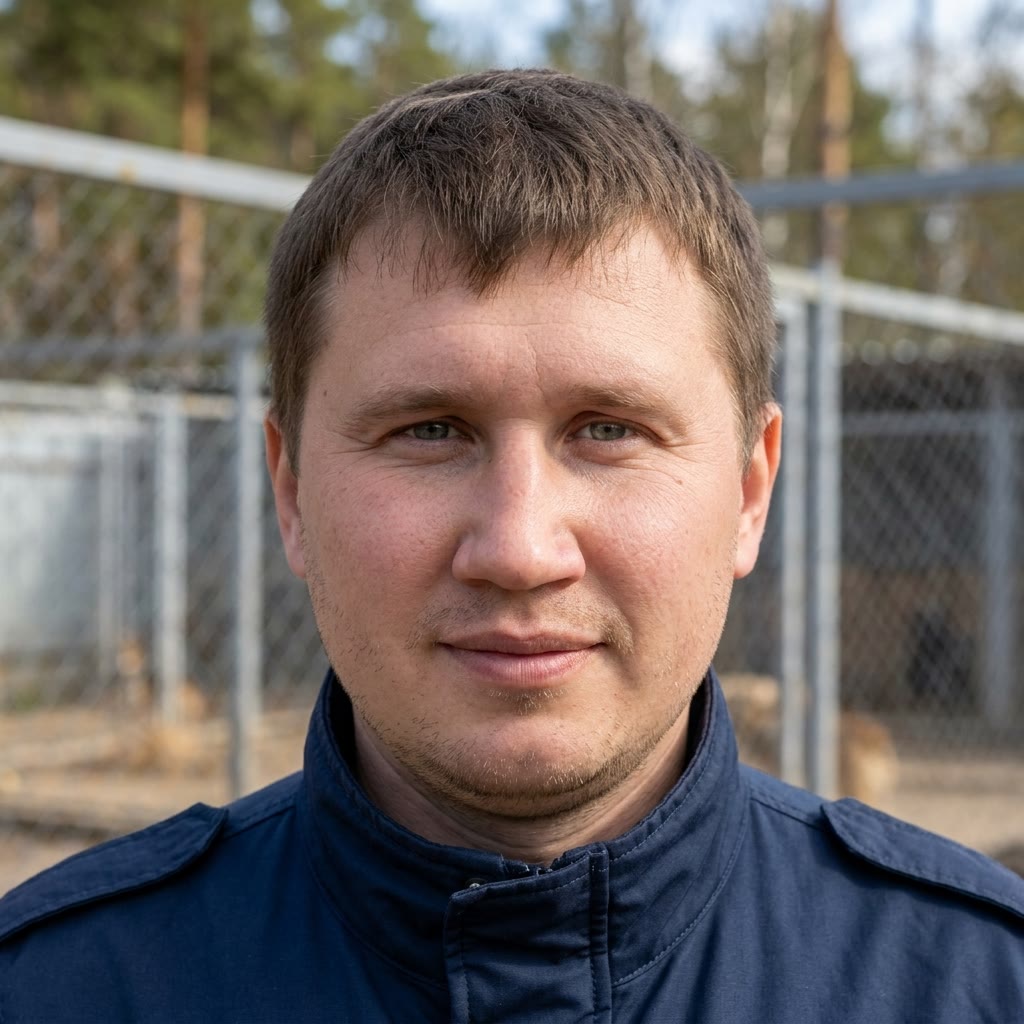
Andrew DarovProfessional dog trainer and instructor
Describe age, living setup, and where the dog breaks first — shyness with visitors, time alone, toilet accidents, or skin and coat care. Opens WhatsApp to Andrew.
A tiny, fluffy spitz with a bold personality that needs calm door routines, regular brushing and patient house training.
Need a read on your exact situation?
Describe your Chinese Crested’s age and the scene that repeats most: shyness with visitors, time alone, toilet accidents, or skin and coat care. We check safety first, then pick the first skill.
Written by Andrew Darov, professional dog trainer. Not veterinary advice and not a diagnosis.
Not a kennel club. No invented reviews. No vaccine schedules or toxin doses. Photo credits in
/images/breeds/chinese-crested-guide/credits.md.