Japanese Chin: temperament, handling confidence and flat manners for a soft lap companion
The Japanese Chin is a small, elegant lap companion with roots in Japanese and earlier East Asian court life. It is usually soft, people-focused and comic — and easy to spoil into a dog that refuses handling, stairs rules and polite greetings. The fair plan is confident handling in tiny rewarded steps, flat manners that still apply to a tiny dog and daily care that respects a short face in heat.
Job: East Asian court lap companion; bred for presence and company, not for fieldwork.
Energy: Low to moderate; short walks and play, careful in heat.
Home: Fits a calm household ready for handling practice, small-dog manners and face care.
A Japanese Chin is easy to carry and easy to spoil. Both make life harder for the dog
Public histories place Chin-type dogs in Japanese court and aristocratic homes, with earlier links to continental East Asia. The breed became a Western companion and show dog after the nineteenth century. It was selected for elegant company, not for herding, hunting or hard outdoor work.
What I meet in family homes is usually a soft, devoted little dog that bonds hard to one or two people. The sharp edges are spoiling that turns into growling at the brush or harness, heat intolerance on warm walks and a dog that can become noisy or clingy if alone time is never taught. None of that is a “bad dog”. All of it is predictable when a lap companion never has to practise manners.
My structure is simple. Handling in tiny, rewarded steps so grooming and vet care stay friendly. Clear flat rules: four paws on the floor for greetings, a bed of its own and ramps or lifts for furniture. And walks planned for cool hours so breathing stays easy.
Silky single coat with feathering; regular brushing; seasonal shedding
Job
East Asian court lap companion (FCI Group 9; AKC and RKC Toy)
Breed history
How a court lap dog became a modern toy companion
History will not brush your dog, but it helps explain why Japanese Chin are people-soft, elegant and rarely eager to work for its own sake — and why spoiling them is so easy.
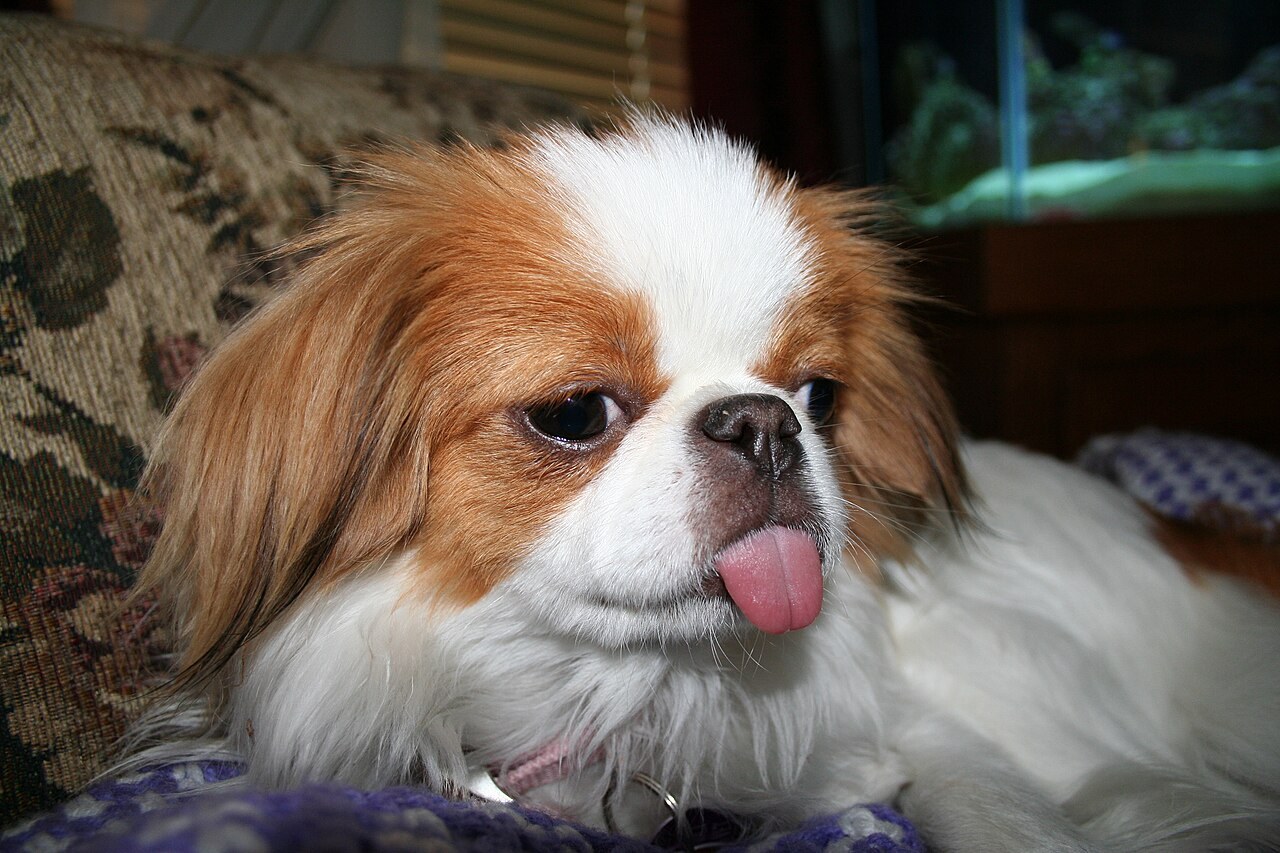
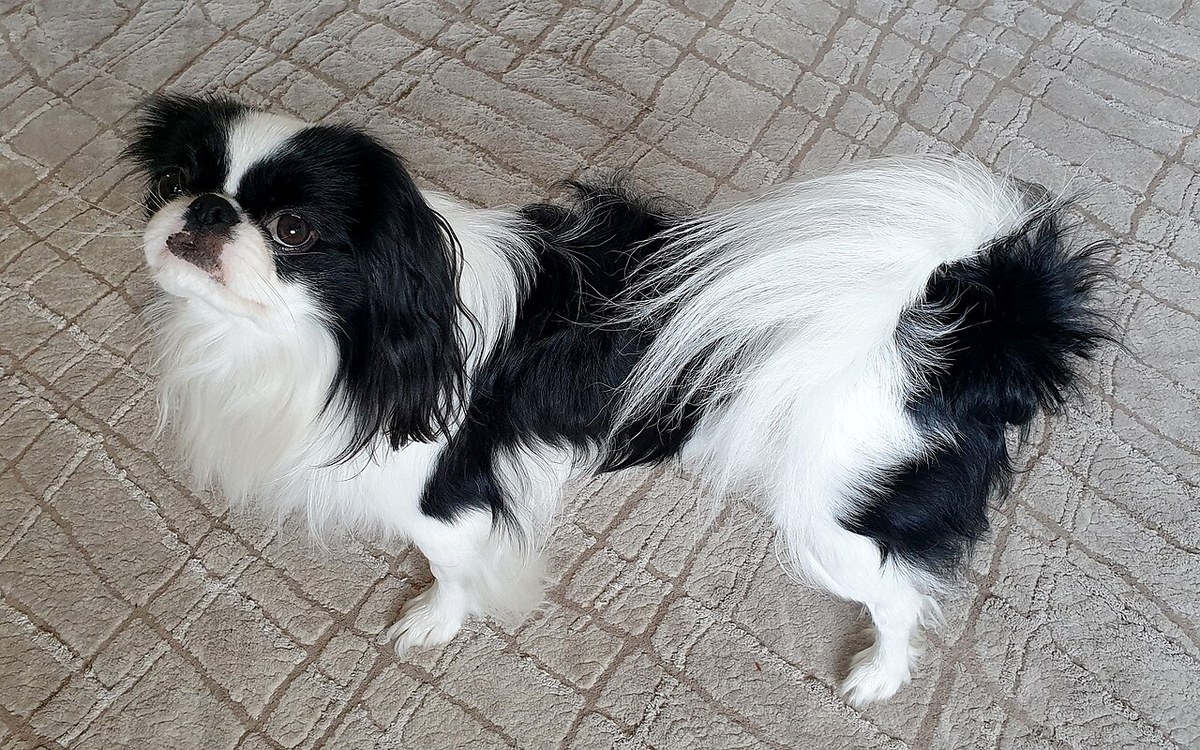
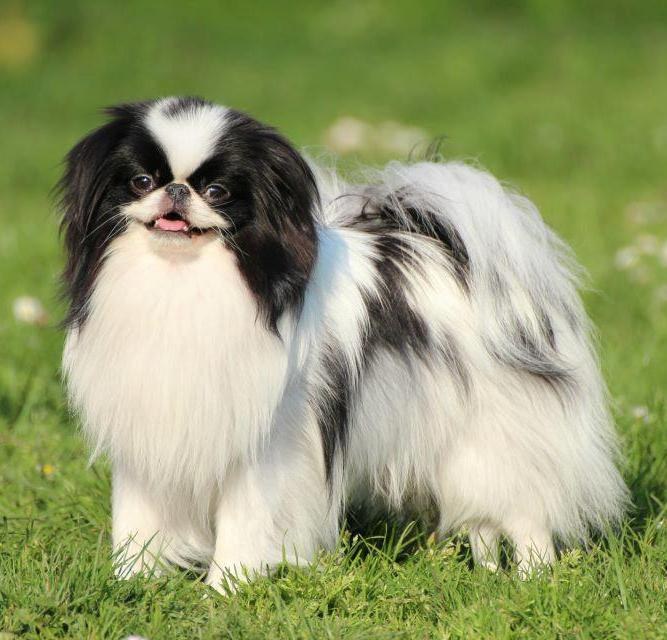
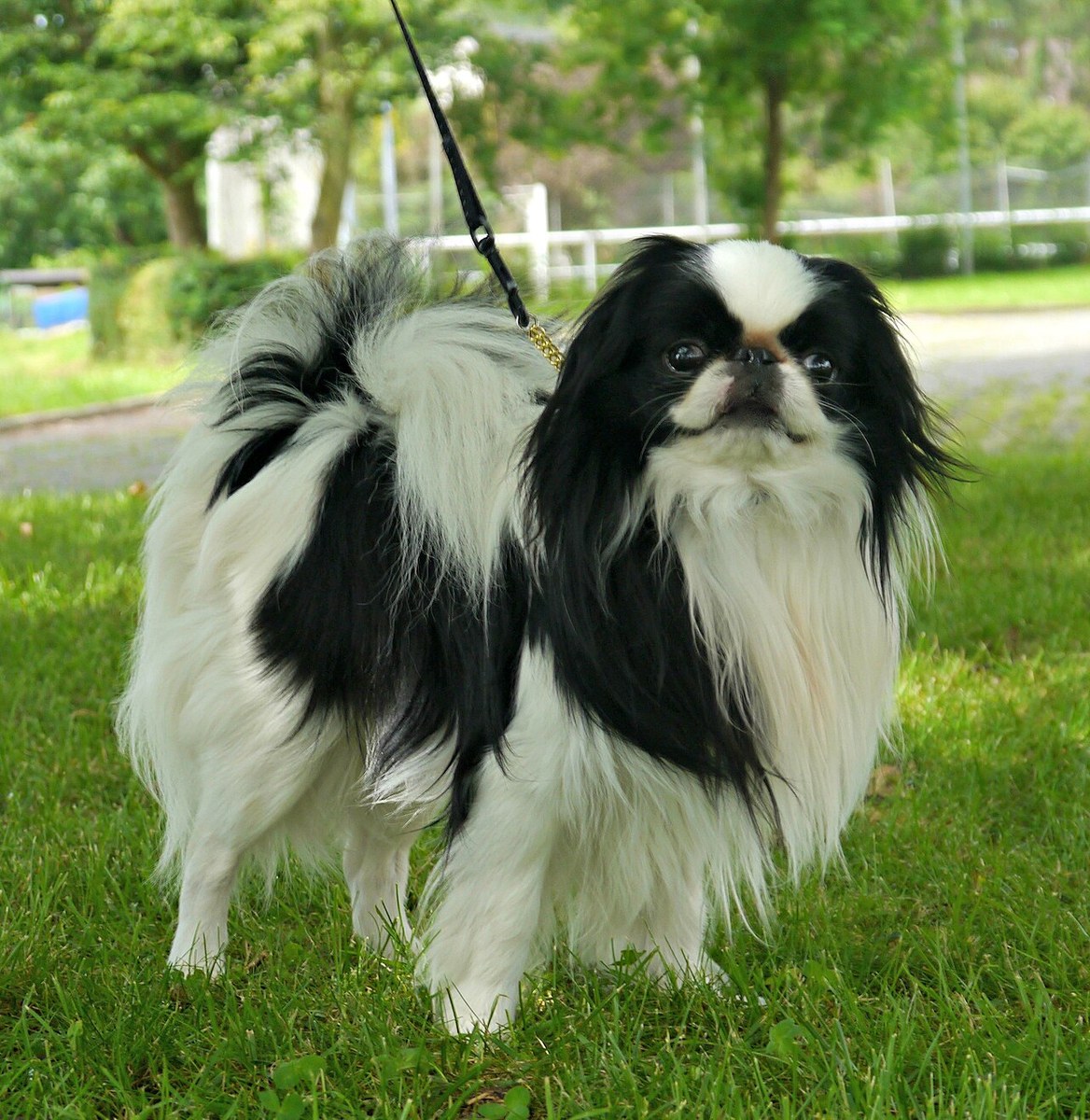
A Japanese Chin outdoors. There was never a field job; short cool outings and company are the point.
Court rooms → companion culture
A lap dog chosen for elegance and company
Public accounts describe small, silky companion dogs in Japanese aristocratic homes, with earlier East Asian court connections. They were kept for company, looks and a refined manner around people.
What matters for an owner is that the dog was a companion and companion, not a worker. Training style should stay gentle, short and fair.
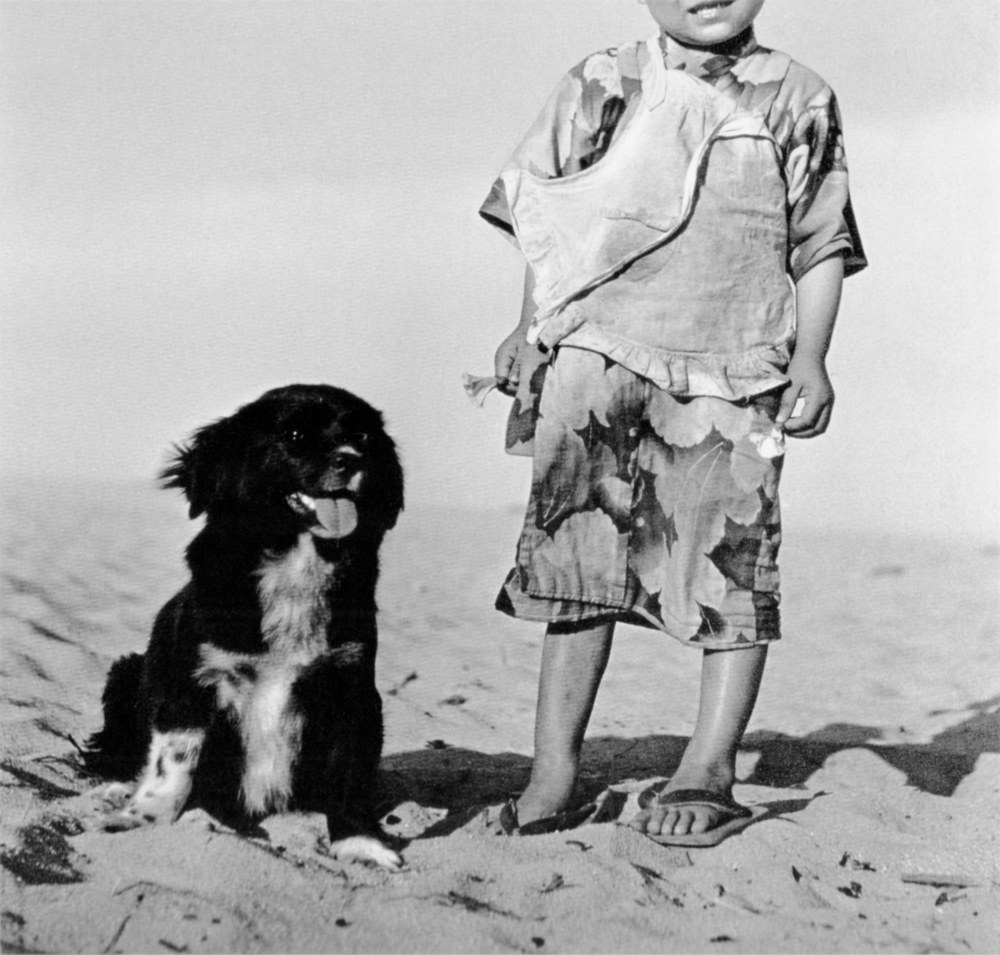
A 1938 photograph of a Japanese Chin (Ueda Shōji). The distinctive expression and feathered ears were already clear.
Nineteenth century → Western show and home life
From court companion to family toy breed
Chin-type dogs reached the West in the nineteenth century and became popular show and companion dogs. Breed clubs formed in Britain, Europe and the United States.
Most Japanese Chin now live as family companions. They still carry a soft people focus, a short-face body that needs heat care and a coat that looks best with regular brushing.
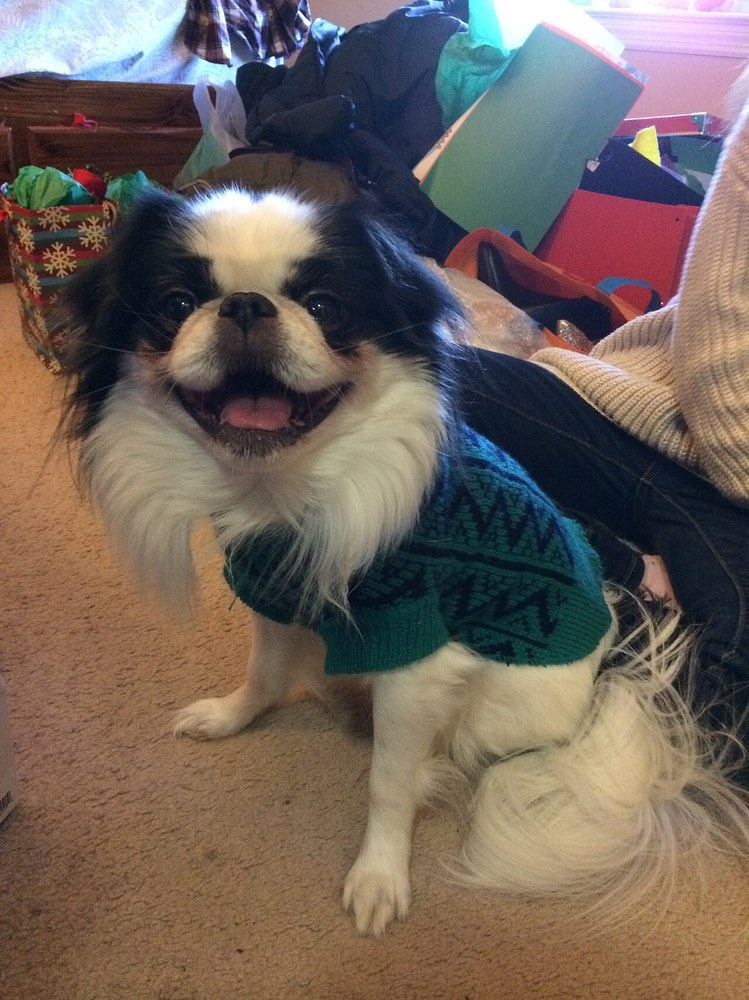
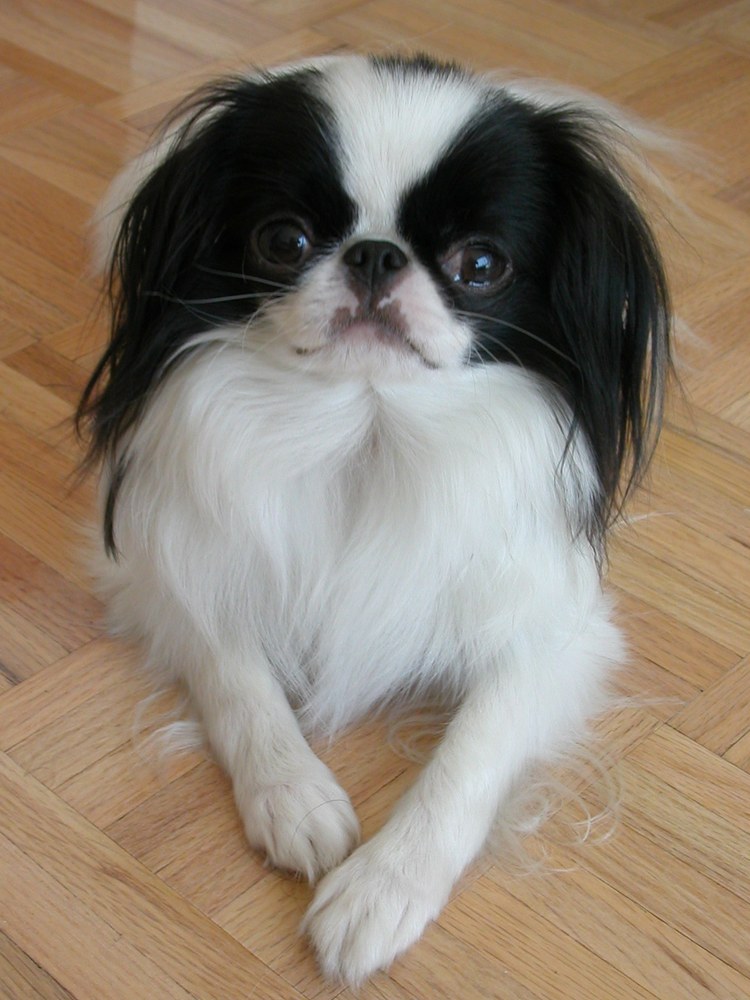
A Japanese Chin with its people. The same soft lap dog still needs manners and handling practice.
What the breed was bred for
Gentleness, attachment and a low work drive
In trainer terms you get a dog with high people attachment, low natural motivation for hard drills and strong preferences about being lifted or brushed. It learns well when the reward is worth it and the request is fair.
Because of the short face, many Japanese Chin overheat easily. Training and walks should stay short, calm and cool.
People-soft: earn cooperation with food and choice
A good day is a cool walk, short play, calm handling and a lot of rest
Most Japanese Chin are happy with a slower life. The friction points are usually handling, heat, spoiling around greetings and alone time. Small routines done the same way every day help the dog feel safe and cooperate more.
Morning · cool walk
Short walks at the cool end of the day
Two or three short walks a day at an easy pace suit most adults. Walk early and late in summer, carry water and turn home if the dog is breathing hard or slowing down. A harness protects the neck and airway better than a collar.
Tiny dogs still get hurt jumping off sofas and beds. Teach a ramp or lift with support, and keep stairs supervised. Spoiling the dog onto every cushion without a rule also feeds guarding of favourite spots.
Many Japanese Chin prefer their own people and do not enjoy being grabbed by strangers. Ask guests to crouch, ignore the dog and let it come to them. Four paws on the floor for greetings is still the rule at three kilos.
A minute a day wiping the face if needed, checking the eyes and brushing one area of coat is easier than a weekly struggle. Reward staying still and stop before the dog pulls away. Any eye squint or cloudiness is a same-day vet call.
Japanese Chin can guard sofas, beds and their favourite person. Give the dog its own bed in a cool spot and invite it up on your terms. Rest in its own space also makes alone time easier.
General awareness only. I am not a veterinarian. With Japanese Chin, owners often notice trouble first as noisy breathing, tiring quickly in heat, a squinting or watery eye, reluctance to jump, skin smell in face folds or bad breath. For red flags, leave this page and open
when to call the vet.
Breathing and heat
A short face can mean heat and breathing limits. Loud breathing, fainting or collapse in heat need a vet. Keep walks cool and short. Ask breeders about breathing.
Eyes
Prominent eyes are easy to scratch. A squint, cloudy eye or rubbing at the face is a same-day vet visit.
Weight and knees
Extra weight makes breathing and joints worse. Measure food. See BCS check at home.
Face and coat
Keep the face clean and brush feathering. Redness or smell deserve a vet check.
Ask which screenings the national breed club recommends for the parents. Do not invent disease claims from a blog.
Lines and types
Show and companion Japanese Chin share the same need for kind structure
No bloodline selling. Differences show in coat, face and how soft or lively the dog feels. Every Japanese Chin needs handling practice, heat care and flat manners.
Show and companion lines
Often a fuller coat that needs regular brushing.
Usually soft, people-focused family dogs.
Spoiling and handling refusal are still common without a plan.
Ask how the parents accept grooming and strangers.
Fits a calm household that wants a soft lap companion and will practise handling.
Flats and quiet homes
Can live well in flats with cool short walks.
Need alone-time training early.
Ramps and harnesses protect small bodies.
Harsh corrections usually damage trust fast.
Fits an owner who will keep manners and heat care, not only cuddles.
Socialization windows
What to introduce — and what not to overload — by age
AVSAB-aligned in spirit: short, clean exposures at a distance the puppy can still eat,
with hygiene while vaccines finish. See the
puppy socialization schedule.
2–4 months
Home, handling and rules
Introduce: name game, short brushing rewarded, sit for greeting, toilet plan, cool short outings.
Do not overload: carrying the puppy everywhere, skipping alone-time steps, hot midday walks.
~6 months
The world at a distance
Introduce: strangers at a distance where the puppy can still eat, harness practice, guest manners, first chin-rest.
Do not overload: forcing cuddles, ignoring growls at handling, long repetitive drills.
~12 months
Adolescent opinions
Introduce: place during visitors, full handling routine, alone-time ladder, furniture rules.
Do not overload: dropping manners because the dog is cute, harsh corrections, heat walks.
Do not overload: assuming puppy softness lasts without practice, adding a second dog without a plan.
~3 years+
Keep the structure
Introduce: refresh handling and greetings, keep cool walks, yearly health checks.
Do not overload: dropping management because the dog has been good for a while.
Before you buy
Who a Japanese Chin usually fits
Fit comes down to handling, heat care, spoiling habits and your appetite for kind structure.
Good match
More likely a good fit if you…
You want a soft, elegant lap companion
You will practise handling instead of avoiding the brush
You can keep walks cool and short
You like a soft dog with humour
You will teach flat manners at tiny size
Mismatch risk
A Japanese Chin may be a poor choice if…
You want a tough outdoor sport dog
You prefer to carry the dog everywhere and skip manners
You cannot plan around heat and breathing
You dislike any training for a toy breed
You need a silent guardian or watchdog first
If you are torn between breeds
Japanese Chin vs Pekingese and Cavalier King Charles Spaniel
All three are soft companion breeds. The Pekingese is heavier and more of a palace lion dog; the Cavalier is a sporting-spaniel companion with a longer muzzle. The Japanese Chin is a light, elegant lap dog with a distinctive expression and a strong people focus.
Size
Japanese Chin
Toy; often about 8–11 in and roughly 7–11 lb.
Cavalier King Charles Spaniel
Companion spaniel with a softer sporting history.
Face and heat
Japanese Chin
Short face; plan cool walks.
Pekingese
Also flat-faced; heat care is central for both.
Manner
Japanese Chin
Elegant, people-soft, easy to spoil.
Cavalier
Usually eager and affectionate; different body and coat care.
Coat
Japanese Chin
Silky feathering; regular brushing.
Both compares
Also coat care; plan brushing time.
Ownership without surprises
Where a Japanese Chin owner’s budget goes
Costs depend on country, city and your choices. These are themes to plan for, not quotes.
Coat care
Brushes and occasional professional grooming.
Veterinary
Routine care, eyes, teeth and breathing-aware checks. Know your emergency clinic.
Food
Tiny rations; treats add up fast.
Training
Puppy class and private help with handling if needed.
Gear
Harness, ramp or steps, place bed and cooling plans for summer.
Time
Daily handling and cool walks are the real recurring cost.
The biggest hidden cost is time: short handling sessions beat emergency vet visits after a fight with the brush.
Before day one at home
What to prepare for a Japanese Chin puppy
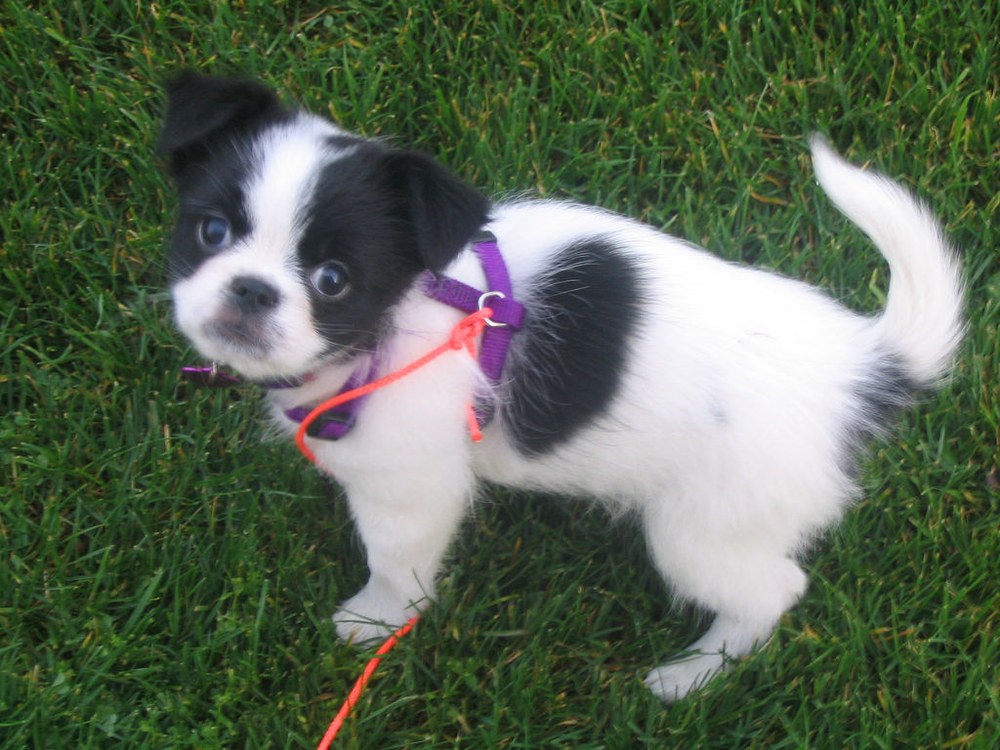
A Japanese Chin puppy is soft, curious and easy to overprotect. Prepare handling and flat rules before day one so soft manners grow into confidence rather than refusal.
01
Set house rules
Decide where the puppy sleeps, which furniture is allowed and how greetings work.
02
Brush in tiny steps
Reward calm standing for a few strokes. See puppy handling.
Training a Japanese Chin means kind structure, not spoiling or force
Japanese Chin do best with clear, kind rules: sit for greeting, place on its own bed, chin-rest for handling and cool short walks. Every family member uses the same cues and rewards the same behaviours.
They are food-keen when the session is fair. Harsh corrections damage trust fast. Tiny rewards and choice work better than pinning a lap dog into compliance.
Management is part of training: cool hours for walks, ramps for furniture, a bed of its own and no practice of grabbing the dog without a cue. You stop the old habit while the new one grows.
Load balance
Cool, short work first — then ask for calm
Age, breathing, eyes and weather all matter. Noisy breathing, squinting or sudden irritability need a vet check before more training.
Cool sniff walkSit for greetingChin-rest or brushPlace with a chewQuiet settle
Short walks, simple find-it games and handling games all count. Carrying the dog everywhere does not meet the need for manners.
A Japanese Chin that has had a cool outing, a fair handling session and a settle cue can greet guests with four paws down and rest on its own bed.
Handling with a choice
How to teach a Japanese Chin to accept brushing without a fight
Start with one brush stroke and a reward, build duration slowly and end before the dog struggles so handling stays friendly.
01
Start with a chin-rest
Lure the chin onto your hand or a towel target. Reward stillness for one second, then release.
02
Add one brush stroke
While the chin stays, brush once and reward. Stop before the dog leans away.
03
Build a few strokes
Add duration slowly across days. Keep treats better than the annoyance of the brush.
04
Add harness or wipe
Use the same pattern for harness clips or a gentle face wipe.
05
End on a win
Finish while the dog is still willing, then give a chew on a bed so handling predicts good things.
One scene close-up
Why a Japanese Chin growls at the brush or harness
Many Chin were lifted, pinned or brushed without a reward history. Growling is information: the dog predicts discomfort or loss of choice.
Manage first: shorter sessions, better treats and stopping before the struggle. Then rebuild with chin-rest, one stroke at a time and free choice to step away between reps.
If growling escalates, or you suspect pain around the mouth, eyes or neck, get help from a vet and a qualified professional.
“With a Japanese Chin, I start by making handling worth the dog’s while and by keeping flat manners the same size as the dog — small, clear and consistent. Once the dog trusts hands and knows the house rules, the soft lap companion becomes easy to live with.”
Sessions cover real scenes: brushing, harness, greetings, settle and alone time. I am a trainer, not a veterinarian. No invented reviews.
Andrew DarovProfessional dog trainer and instructor
It can be, for a calm owner who will practise handling and heat care. It is not a no-training ornament.
Do Japanese Chin bark a lot?+
Many are quieter than watchdog toys, but they can alert. Door routines still help.
How much exercise does a Japanese Chin need?+
Most adults need several short, cool walks and play daily, not long hot runs.
Are Japanese Chin good with children?+
Often good with respectful children. Supervise handling and never let kids corner or drop the dog.
Japanese Chin vs Pekingese: which fits better?+
The Pekingese is heavier and usually more of a solid palace dog. The Chin is lighter and often more elegant and playful.
Japanese Chin vs Cavalier: what is the difference?+
The Cavalier is usually larger and more of a soft spaniel companion. The Chin is a true toy with a shorter face and different coat.
Can a Japanese Chin live in a flat?+
Yes, with cool short walks, manners and alone-time training.
Do Japanese Chin shed?+
Yes, especially seasonally. Regular brushing controls hair and keeps feathering neat.
What health themes should I ask about?+
Ask breeders which screenings the national breed club recommends, and ask about eyes, breathing and general health of the parents. This is general awareness, not a diagnosis.
How long do Japanese Chin live?+
Public breed references often mention about 10–12 years. Individual dogs vary.
Are they good with other dogs?+
Often fine with calm dogs; plan introductions and protect the Chin from rough play.
Can they handle summer heat?+
Many struggle in heat because of the short face. Walk at cool hours and know your vet’s emergency advice.
If a Japanese Chin seems too delicate or too easy to spoil for your home
It is a soft lap companion, but heat care and handling practice do not fit every household.
A tiny, bold terrier from northern England with a silky coat that needs calm door routines, grooming and house training.
Need a read on your exact situation?
Tell me your Japanese Chin’s age and the scene that keeps repeating: brush fights, harness, greetings, heat walks or alone time. We check safety and health first, then pick the first skill.
Written by Andrew Darov, professional dog trainer. Not veterinary advice and not a diagnosis.
Not a kennel club. No invented reviews. No vaccine schedules or toxin doses. Photo credits in
/images/breeds/japanese-chin-guide/credits.md.