
Hunter and guard → family dog
The ridge
The ridge is a strip of hair along the back that grows the opposite way to the rest of the coat.
Meet the parents and see how they greet strangers, how they behave with other dogs and how calmly they settle.
Rhodesian Ridgeback · Hound
The Rhodesian Ridgeback is a strong, athletic hound from southern Africa with a wheaten coat and a ridge of backward-growing hair along its spine. Most are loyal, independent and reserved with strangers. Life goes well with early calm socialising, fair and consistent training, daily running and kitchen management.
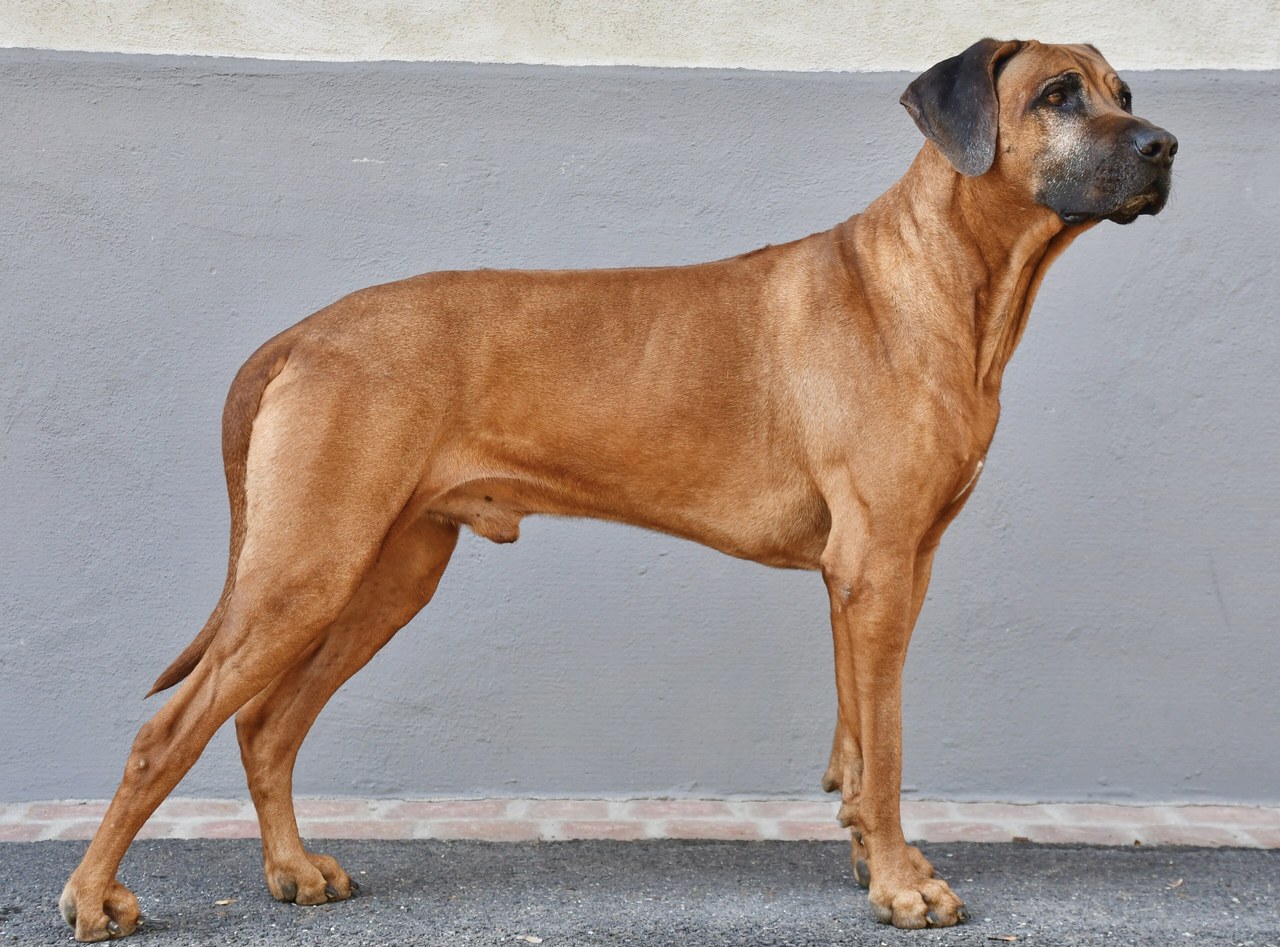
First, the point
Public breed histories describe a southern African dog that tracked lions and big game and held them at bay, and guarded farms.
Most Ridgebacks are gentle with their family. Typical struggles are chasing, teenage stubbornness, guarding and food stealing.
In the first months I teach calm meetings, a name check-in, trades and loose-lead walking.
Breed history
The Rhodesian Ridgeback was developed in southern Africa from European dogs and local ridged dogs. Hunters used packs of these dogs to track lions and other big game and hold them at bay until the hunter arrived. They also guarded farms. That job made a strong, brave, independent dog with a ridge of hair growing backwards along its spine.
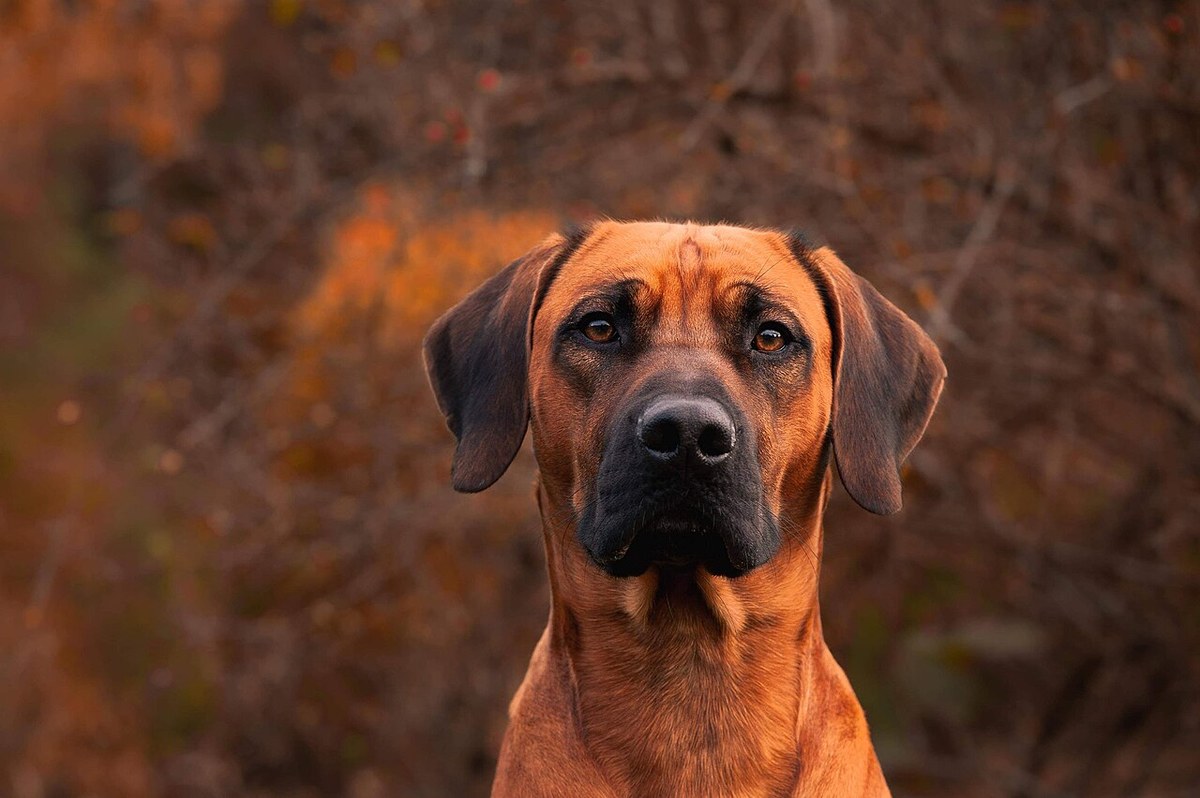
Southern Africa, 1800s → hunting and farm dog
Public breed histories describe settlers in southern Africa crossing their dogs with local ridged dogs. The first breed standard was written in 1922.
The dogs found and held big game for the hunter; they were not meant to fight lions alone.
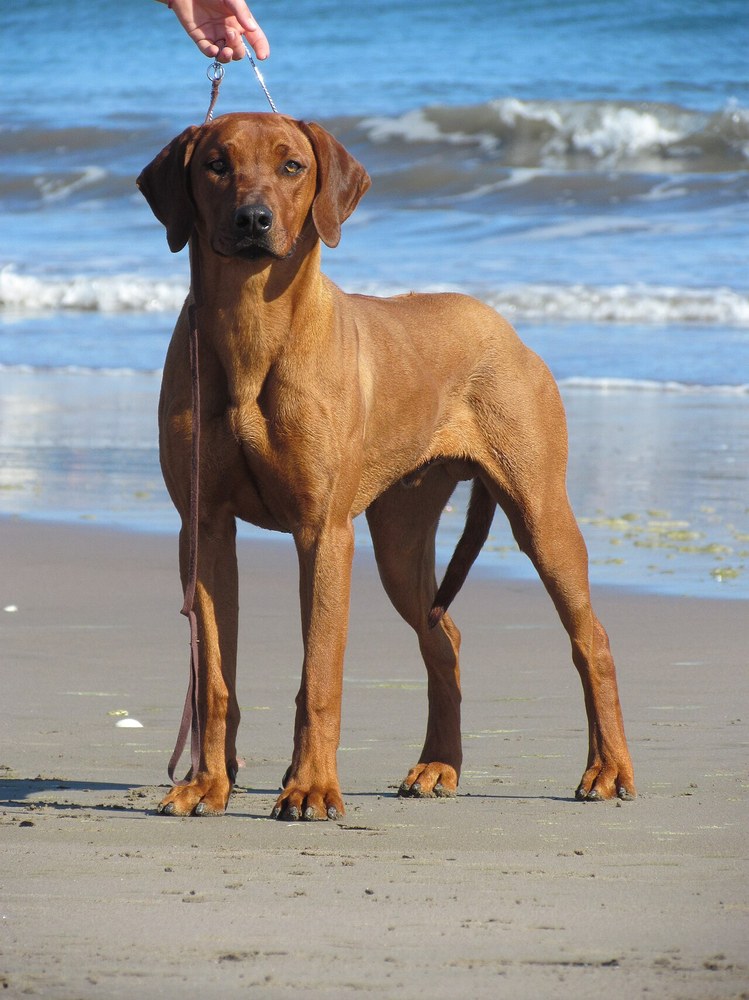
Hunter and guard → family dog
The ridge is a strip of hair along the back that grows the opposite way to the rest of the coat.
Meet the parents and see how they greet strangers, how they behave with other dogs and how calmly they settle.
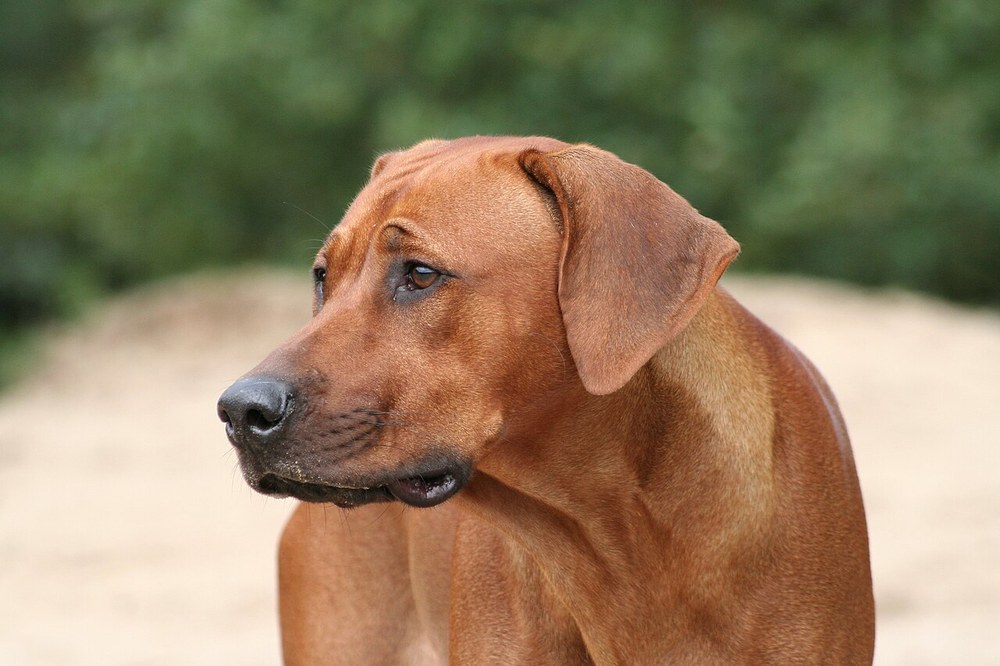
What the breed was bred for
In plain trainer language: Ridgebacks are devoted to their family, reserved with strangers and like to make their own decisions.
The hard parts are chasing, a strong will as teenagers, guarding the home, food stealing and slow recall. Early socialising, fair and consistent training, daily exercise and kitchen management help most.
Public references: FCI 146, AKC Rhodesian Ridgeback, RKC.
Life together
Ridgebacks need daily exercise with a chance to run. At home most are calm, cuddly and love comfort.
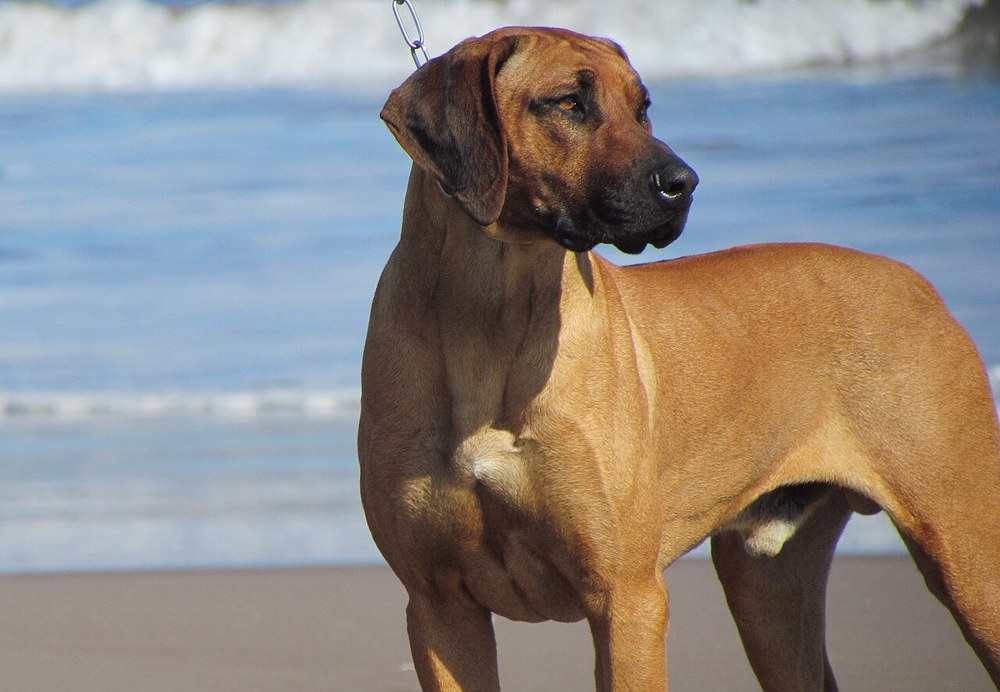
Ridgebacks chase by sight. Use a long line where it is not safe.
See long-line recall.
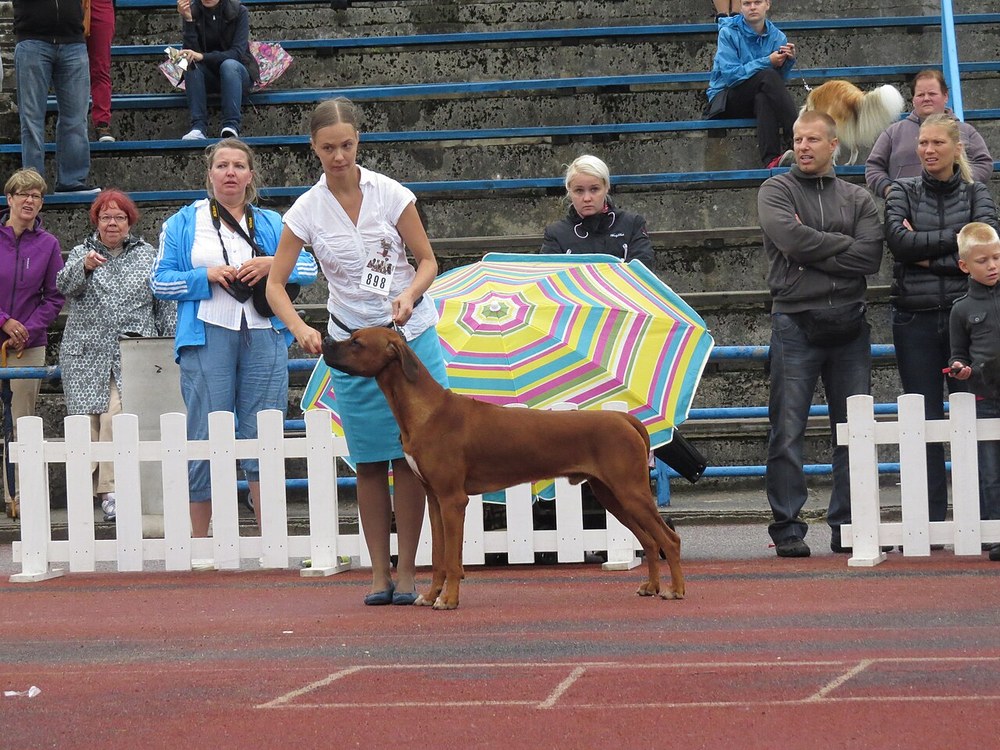
Early, calm outings help a reserved dog feel safe with strangers.
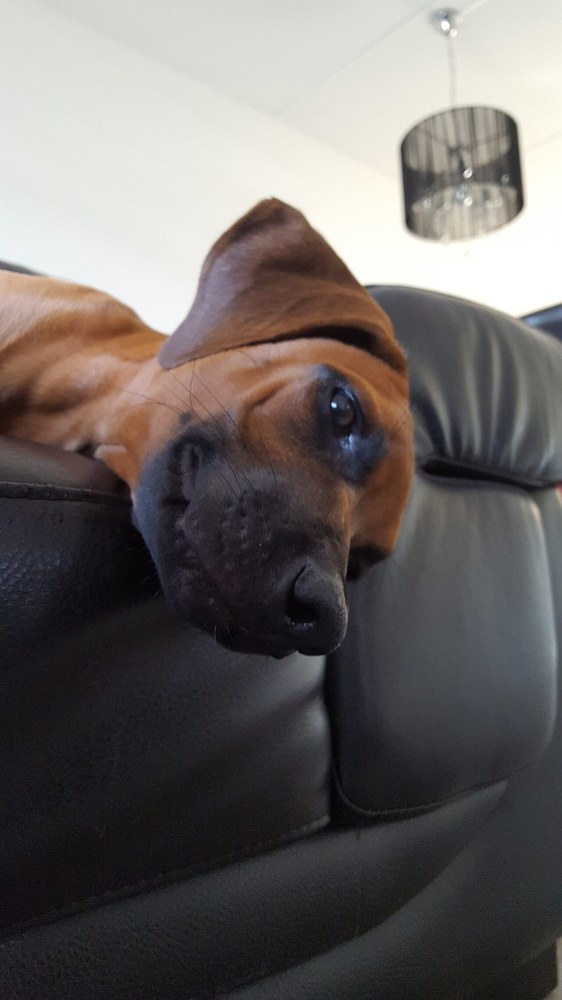
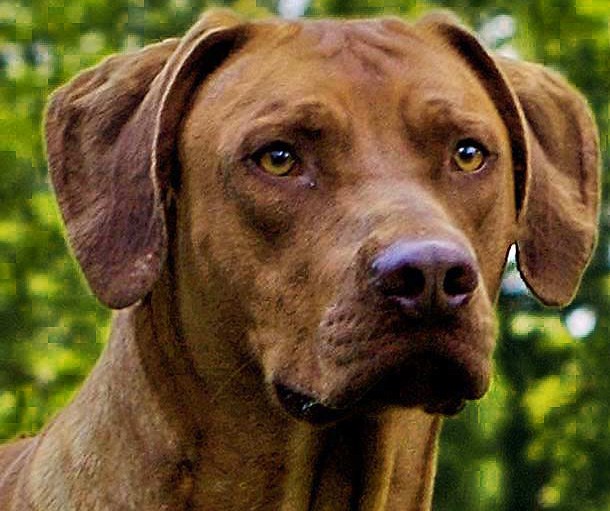
Ridgebacks think before they act. Fair, clear training works best.
See name check-in.
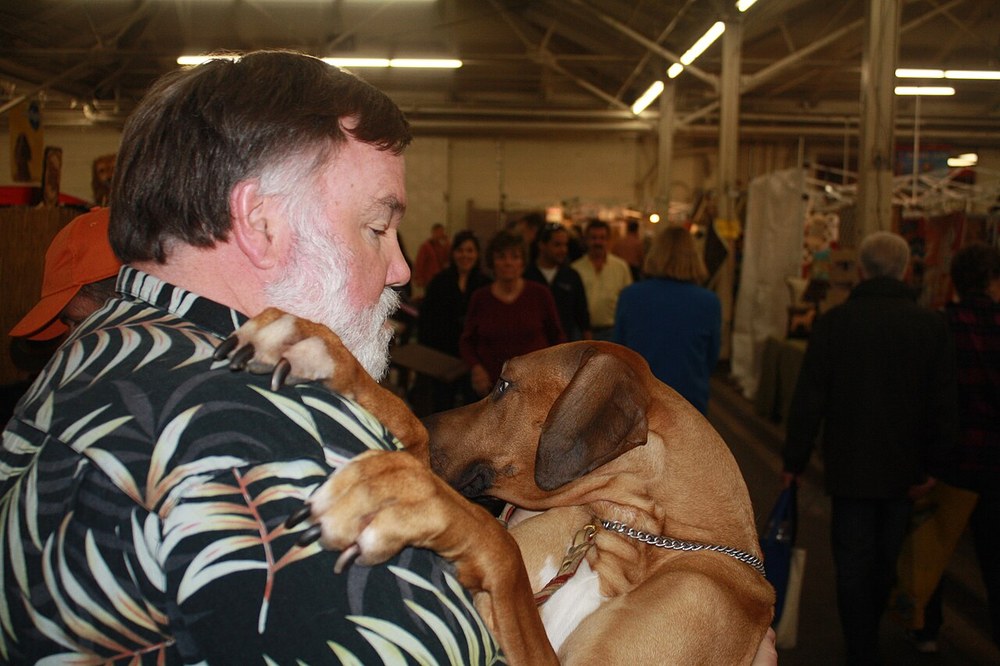
Calm visitor routines help a protective dog relax.
See guest entry routine.
Care and health themes
A trainer’s checklist, not veterinary advice. See a vet for lumps, limping, itching or low energy. For urgent signs, see when to call the vet.
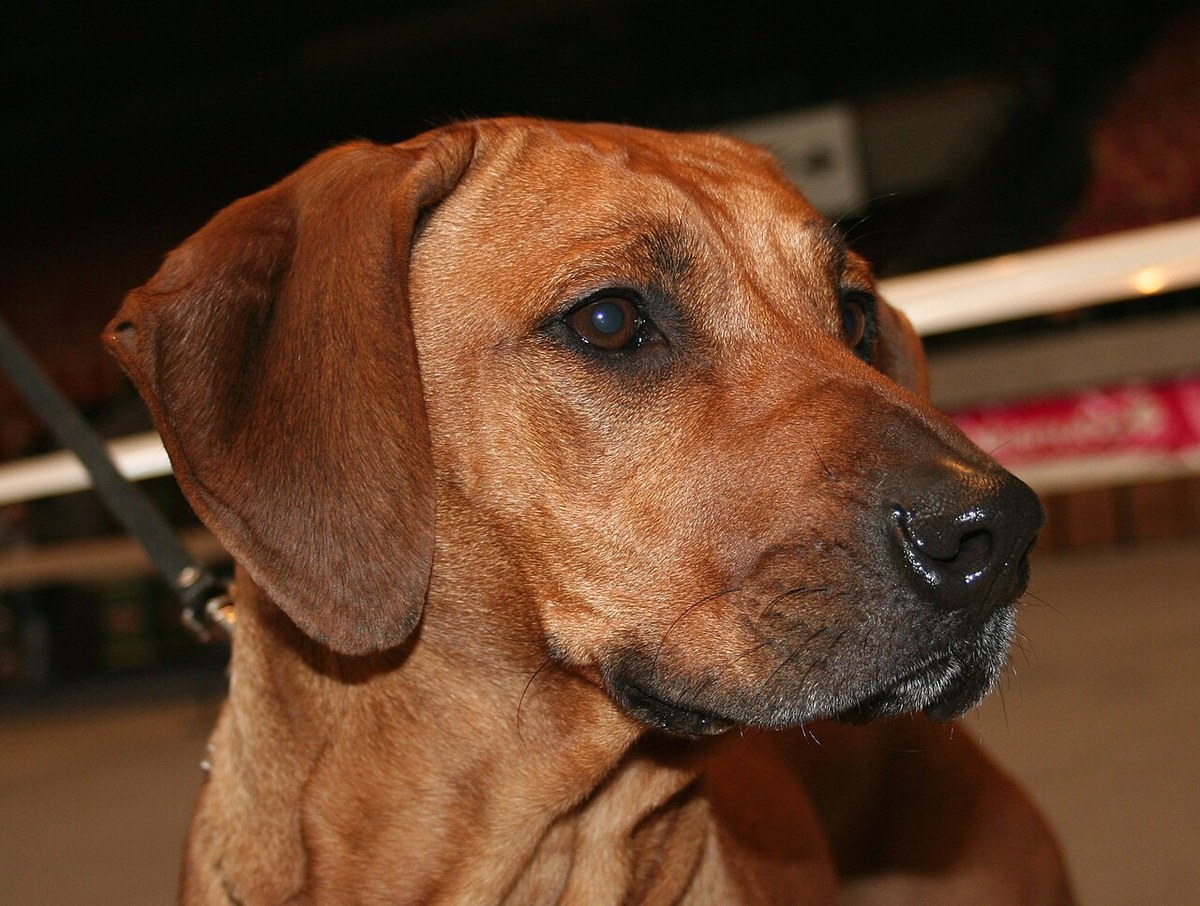
Short coat; a rubber brush once a week.
Check the skin along the ridge when you brush.
Keep lean; Ridgebacks love food.
Trim regularly.
Ask the breeder which screenings the national breed club recommends, including hip and elbow scores and DNA tests, and see results for both parents.
I do not publish toxin amounts. Call a vet or poison-control line if the dog eats something dangerous.
Lines and types
The ridge is the breed’s trademark. Some puppies are born without it; they are the same breed but cannot be shown.
The breed standard.
Same dog, different back.
Socialization windows
AVSAB-aligned in spirit: short, clean exposures at a distance the puppy can still eat, with hygiene while vaccines finish. See the puppy socialization schedule.
Introduce: gentle people, handling, trades, toilet routine.
Do not overload: crowds and forced greetings.
Introduce: long-line recall, loose-lead walking, name check-in.
Do not overload: off-lead near animals.
Introduce: clear house rules, settle, visitor routine.
Do not overload: harsh corrections.
Introduce: canicross, lure coursing, hikes.
Do not overload: hard running before growth ends without vet advice.
Introduce: refreshed recall and visitor routine.
Do not overload: too little exercise.
Before you buy
A Ridgeback suits active, confident people who want a loyal, protective dog and will train fairly.
Good match
Mismatch risk
If you are torn between breeds
Ridgebacks are compared with Weimaraners and Boxers.
Rhodesian Ridgeback Hound.
Weimaraner Gundog.
Rhodesian Ridgeback Often copes.
Weimaraner Often finds it hard.
Rhodesian Ridgeback Reserved.
Boxer Usually very friendly.
Rhodesian Ridgeback Calm.
Boxer Bouncy.
Rhodesian Ridgeback High.
Both compares All need daily exercise.
Ownership without surprises
Prices vary by country. These are the spending themes, not figures.
Tall and solid.
Ask which screenings the national breed club recommends.
A large, active dog.
Classes with a fair trainer.
Safe freedom.
Consider it early.
With a Ridgeback, training and secure fencing matter most.
Before day one at home
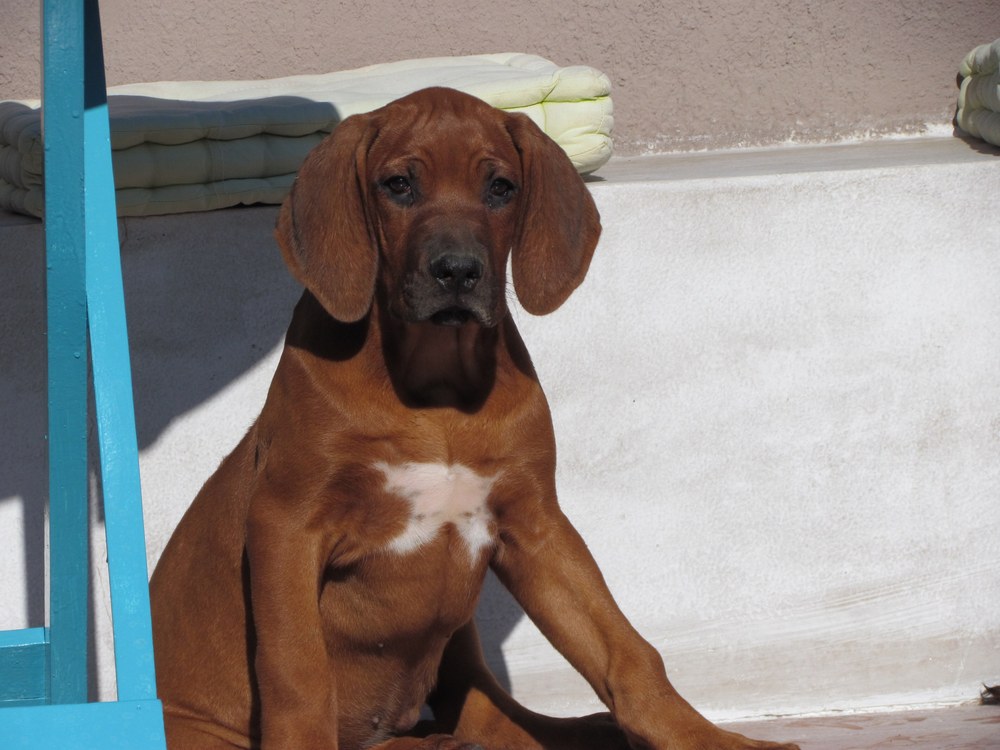
A Ridgeback puppy is cute and clever and grows strong fast. Start calm meetings and fair house rules early.
See drop it.
See puppy leash training.
See place during cooking.
Follow potty training.
See walk length by age.
If the dog is already yours
Ridgebacks are smart and sensitive, and resist harsh handling. Clear rules and good rewards work best.
My core list: calm meetings, recall, a visitor routine and kitchen manners.
Canicross, lure coursing and long hikes are great outlets.
Load balance
A good run and a calm evening on the sofa suit most Ridgebacks.
Running, sniffing, short training and a settle suit most Ridgebacks.
A well-exercised Ridgeback with clear rules is a calm, loyal companion.
Visitors
Mat first, guest second, and let the dog choose to say hello.
Dog on its bed.
Ignores the dog.
Food on the mat.
Approach in its own time.
Build up slowly.
One scene close-up
Ridgebacks guarded farms and families for generations.
Send the dog to a mat before the guest comes in, and reward calm.
Let the dog approach in its own time; guests ignore it at first.
Typical household scenes
A breed page is only a starting point; the fix depends on health, environment, and the dog in front of you. Each row opens a step-by-step guide.

Practical view
“With a Ridgeback, I socialise calmly and train fairly. We build calm meetings, recall and a visitor routine — because a Ridgeback that trusts you is a steady partner.”
Sessions cover real scenes: chasing, guarding the home, food stealing, and slow recall. I am a trainer, not a veterinarian. No invented reviews.
Describe age, living setup, and where the dog breaks first — chasing, guarding the home, food stealing, or slow recall. Opens WhatsApp to Andrew.
Short answers
If you want a friendly, active dog that is easier to train, consider this one.
An affectionate, sensitive Hungarian pointer that needs daily running, slow alone-time training and a taught settle.
A strong, loyal German hunting dog with a sleek grey coat that needs hard daily exercise, slow alone-time training and solid recall.
A fast, friendly Siberian sled dog that needs lots of daily exercise, secure fencing and help with pulling and howling.
Friendly, trainable family retriever that loves food and people.
Other guides from the same group in the breed library. Same group does not mean same dog: read the fit and the failure modes, not only the outline.
A desert sighthound with endurance and a quiet house manner — secure running and realistic recall come first, off-lead near roads never.
A gentle Highland giant built to course deer — soft temperament, big joints to protect, and a sight-chase that still needs secure ground.
A gentle, quiet English sighthound that needs safe sprints, a warm coat in winter, gentle training and slow alone-time practice.
An independent, dignified sighthound with a long silky coat that needs safe fenced sprints, long grooming sessions and gentle training.
A clever, independent, cat-like dog from Central Africa that needs secure fencing, puzzle feeding and short, food-based training.
A gentle, sociable scent hound with long ears and a deep voice that needs sniffing walks, patient training and careful portions.
Describe your Rhodesian Ridgeback’s age and the scene that repeats most: chasing, guarding the home, food stealing, or slow recall. We check safety first, then pick the first skill.
Written by Andrew Darov, professional dog trainer. Not veterinary advice and not a diagnosis.
Not a kennel club. No invented reviews. No vaccine schedules or toxin doses. Photo credits in
/images/breeds/rhodesian-ridgeback-guide/credits.md.