Old English Sheepdog: temperament, training & herding clown energy
The Old English Sheepdog is a large, shaggy drover’s dog from England, often called the Bobtail. Most are cheerful, playful and adaptable. Life goes well with a serious grooming plan, daily walks and play, calm greetings and patient, playful training.
Job: English market drover — the Bobtail.
Energy: Moderate to high; walks and play.
Home: Needs heavy grooming or a short trim, and space.
Long shaggy coat — sheds; heavy brushing and grooming
Job
English drover and herding dog
Breed history
An English drover’s dog with a famous shaggy coat
The Old English Sheepdog drove sheep and cattle to market in England. That work made a strong, cheerful, clownish dog with a big voice and a coat that needs serious care.
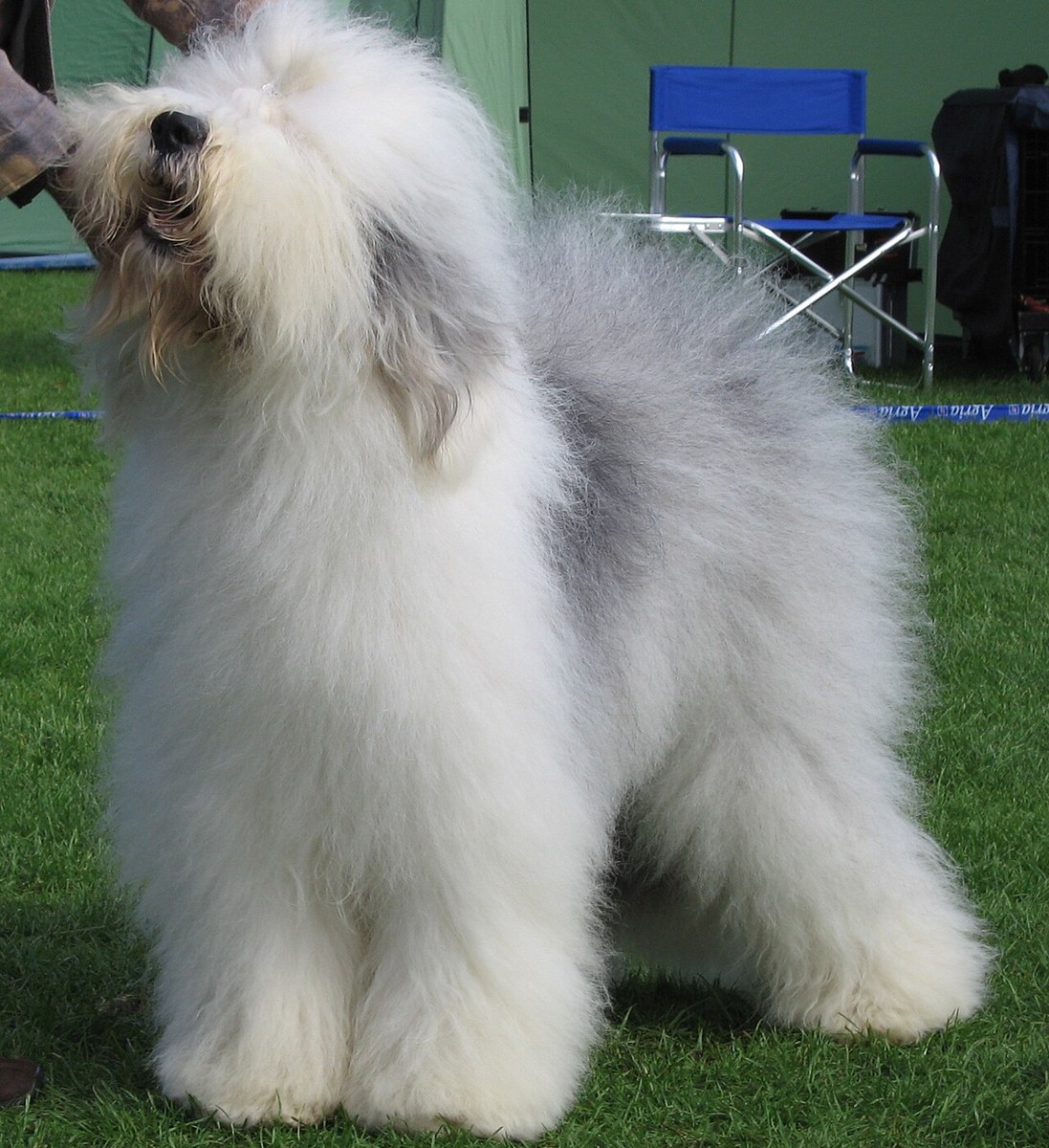
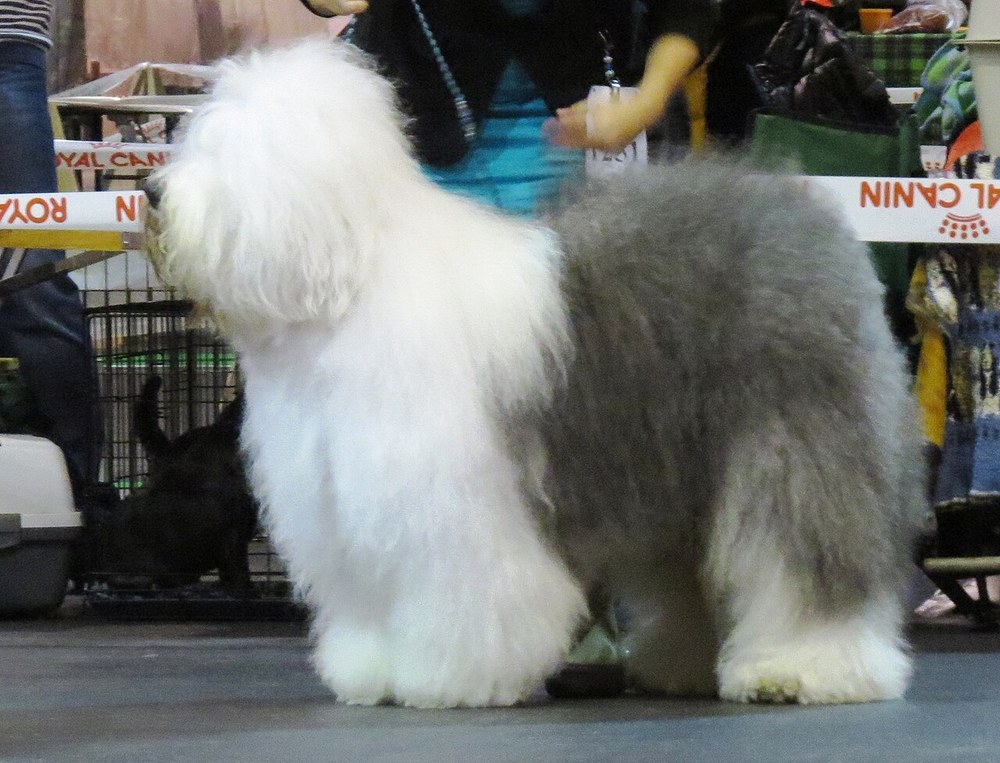
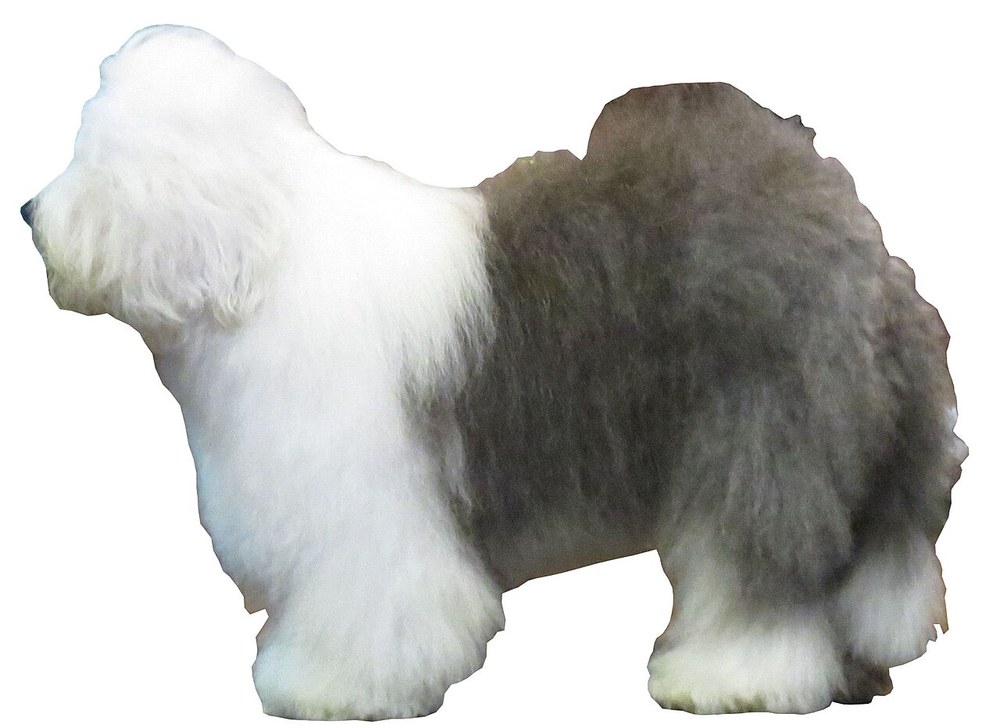
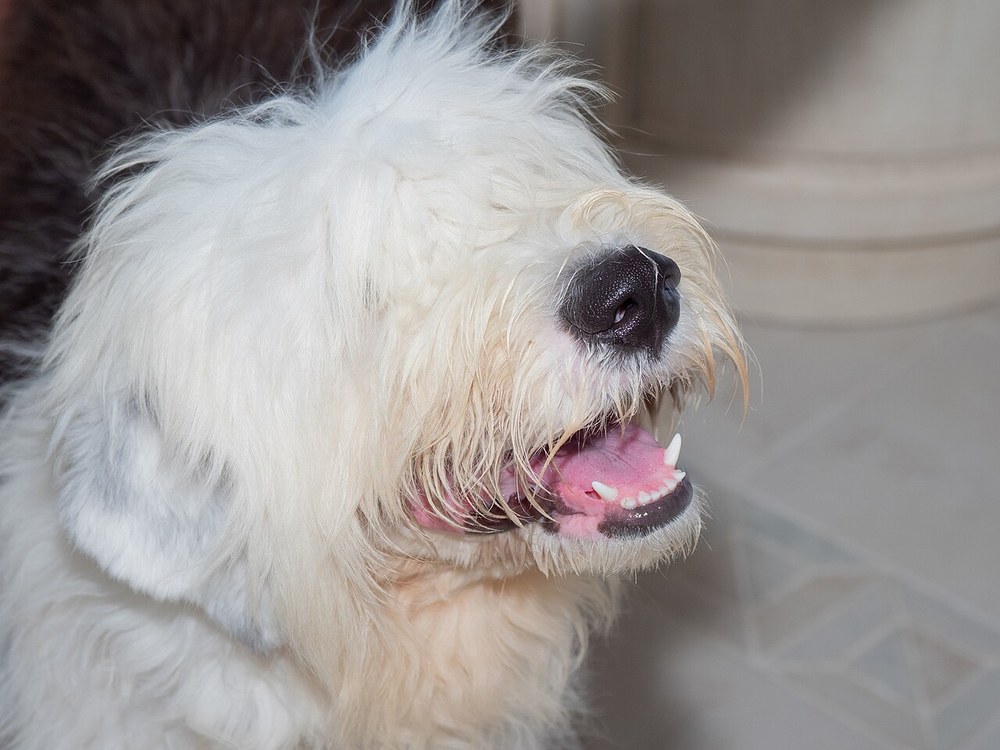
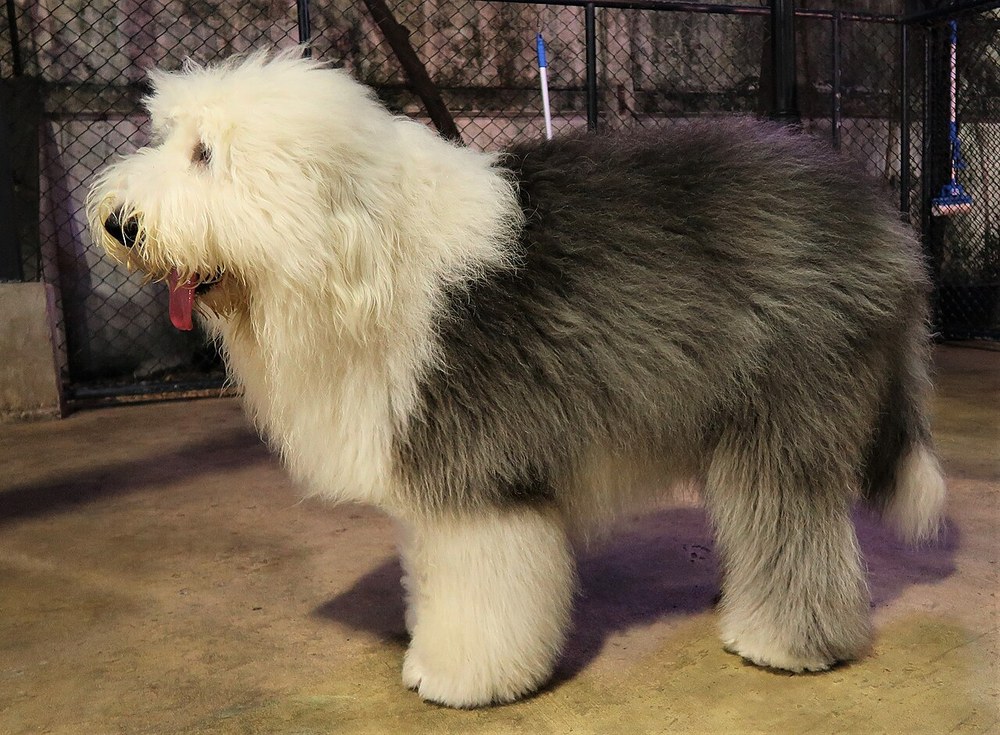
Pepsi, a champion Old English Sheepdog in Norway (modern photograph). Under the coat is a strong, square drover.
South-west England → drover’s dog
A market drover
Public breed histories describe the Old English Sheepdog as a drover’s dog from western England that moved sheep and cattle to market.
Drovers’ dogs were often docked, which gave the breed its nickname “Bobtail” — a name still used in many countries.
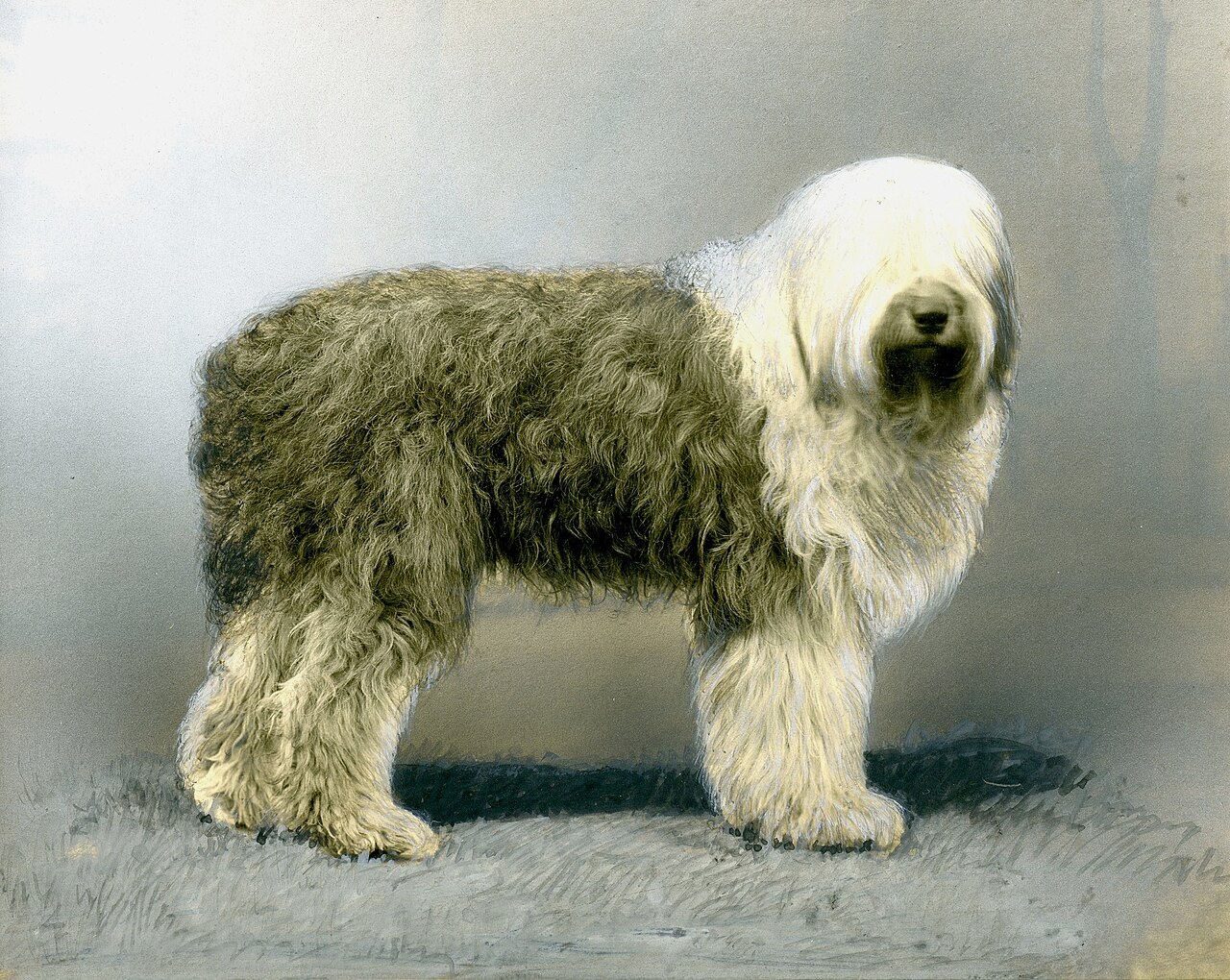
A Canadian champion Old English Sheepdog photographed in 1922 (archive photograph).
Show ring → family and advertising fame
From drover to family clown
The breed became a show and family dog in the late 19th century and later appeared in films and advertising.
Today most are companions. Meet the parents and see their energy and coat.
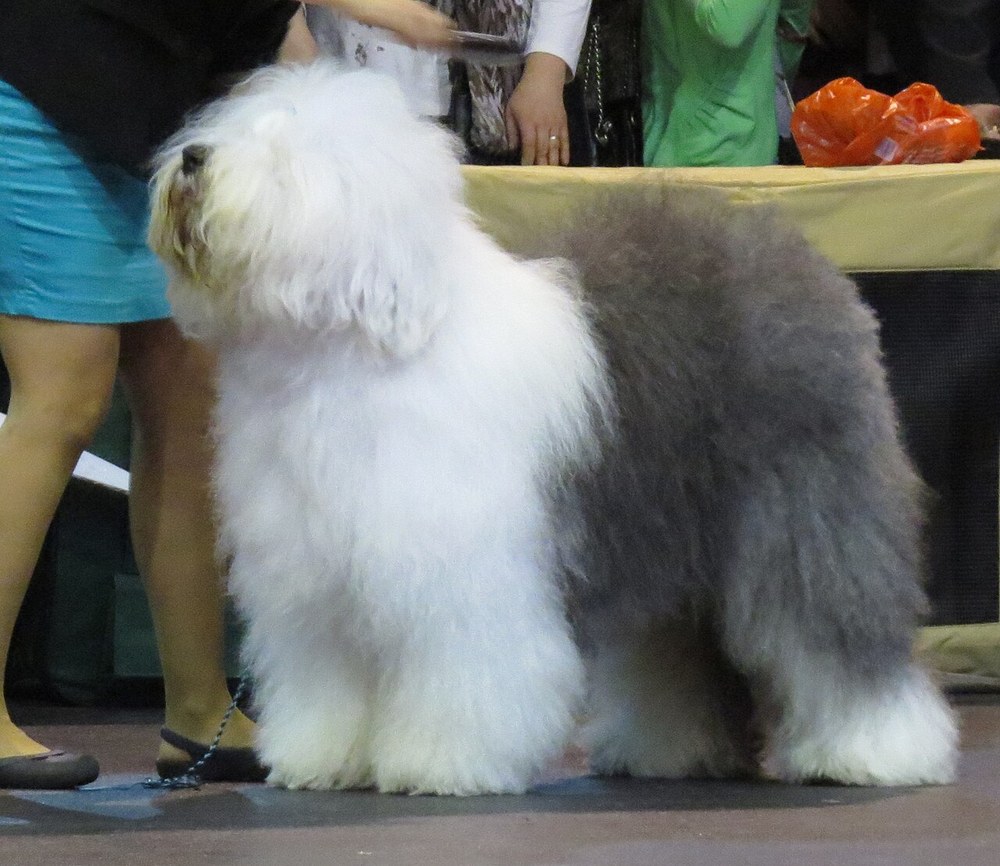
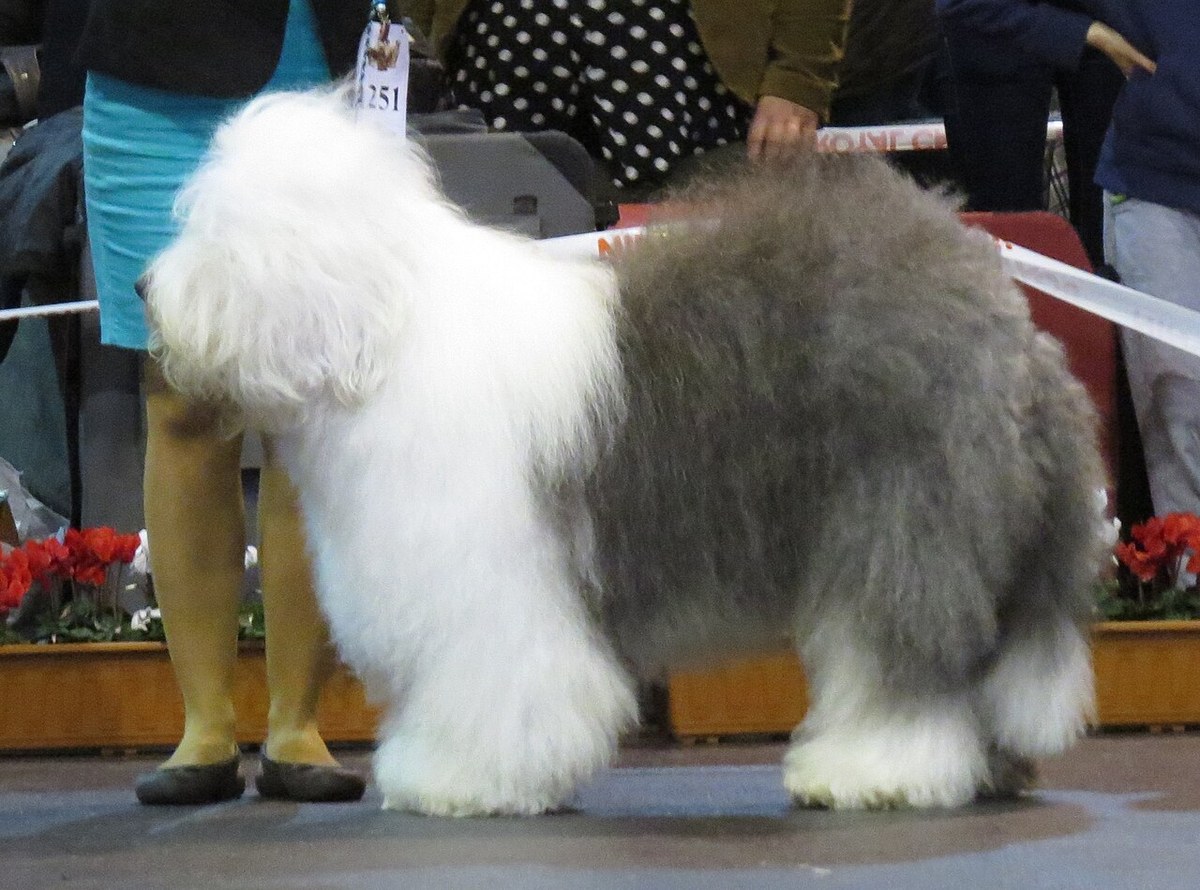
An Old English Sheepdog at a show in Riga (modern photograph). A show coat takes many hours of care.
What the breed was bred for
Cheerful, strong and clownish
In plain trainer language: the OES is friendly, playful and adaptable. Many keep a puppyish sense of humour.
The challenges are size, bouncy energy, barking, herding family members and a huge grooming job. Calm training and a grooming plan help most.
What to watch monthly: coat, skin, ears and weight
General awareness only — I am a trainer, not a veterinarian. Notice skin issues, limping or energy changes. For urgent signs, see
when to call the vet.
Coat
Profuse double coat that mats. Brush to the skin every week or keep a pet trim.
Skin
Check under the coat for mats, sores and dirt.
Heat
A heavy coat makes hot weather hard; keep the dog cool.
Weight
The coat hides weight; feel the ribs.
Health screening (not a diagnosis)
Ask the breeder which screenings the national breed club recommends and see results for both parents.
Toxins
I do not publish toxin amounts. Call a vet or poison-control line if the dog eats something dangerous.
Lines and types
Full coat or puppy trim
Show dogs keep a full coat; many families choose a short puppy trim. Temperament is the same.
Full coat
Long, profuse coat.
Hours of brushing each week.
Classic show look.
Hard in hot weather.
For dedicated groomers.
Puppy trim
Short, even coat.
Much easier care.
Regular groomer visits.
Cooler in summer.
For most family homes.
Socialization windows
What to introduce — and what not to overload — by age
AVSAB-aligned in spirit: short, clean exposures at a distance the puppy can still eat,
with hygiene while vaccines finish. See the
puppy socialization schedule.
“With an Old English Sheepdog, I plan grooming before training. We build calm greetings, lead manners and easy brushing — because a comfortable, mat-free dog is easier to teach.”
Sessions cover real scenes: bouncy greetings, grooming battles, barking, and pulling on the lead. I am a trainer, not a veterinarian. No invented reviews.
Andrew DarovProfessional dog trainer and instructor
Describe age, living setup, and where the dog breaks first — bouncy greetings, grooming battles, barking, or pulling on the lead. Opens WhatsApp to Andrew.
A clever, energetic American ranch dog that needs daily training, exercise, weekly brushing and calm alone-time practice.
Need a read on your exact situation?
Describe your Old English Sheepdog’s age and the scene that repeats most: bouncy greetings, grooming battles, barking, or pulling on the lead. We check safety first, then pick the first skill.
Written by Andrew Darov, professional dog trainer. Not veterinary advice and not a diagnosis.
Not a kennel club. No invented reviews. No vaccine schedules or toxin doses. Photo credits in
/images/breeds/old-english-sheepdog-guide/credits.md.