
Royal favourite → worldwide
Royal fame
Queen Elizabeth II kept Pembrokes for most of her life, which made the breed world-famous.
Today most are family dogs. Meet the parents and see their weight and temperament.
Pembroke Welsh Corgi · Herding
The Pembroke Welsh Corgi is a small, low herding dog from Wales, famous as a royal favourite. Most are bold, friendly and clever. Life goes well with a lean body weight, quiet-at-the-door training, gentle-mouth training and back-friendly exercise.
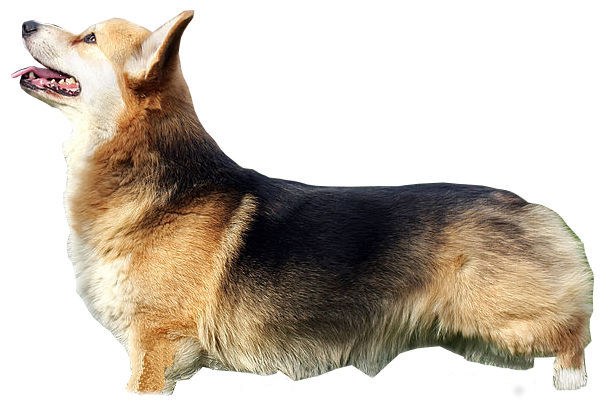
First, the point
Public breed histories describe a Welsh cattle dog made famous by Queen Elizabeth II.
Most Pembrokes are outgoing, bossy and food-driven. Owners usually struggle with the doorbell, ankle herding and a growing waistline.
Early on, I teach soft mouths with hand-feeding, a mat by the door and ramps instead of jumping.
Breed history
The Pembroke drove cattle on Welsh farms. That made a bold, outgoing, clever little dog with a herder’s bark and a love of food.
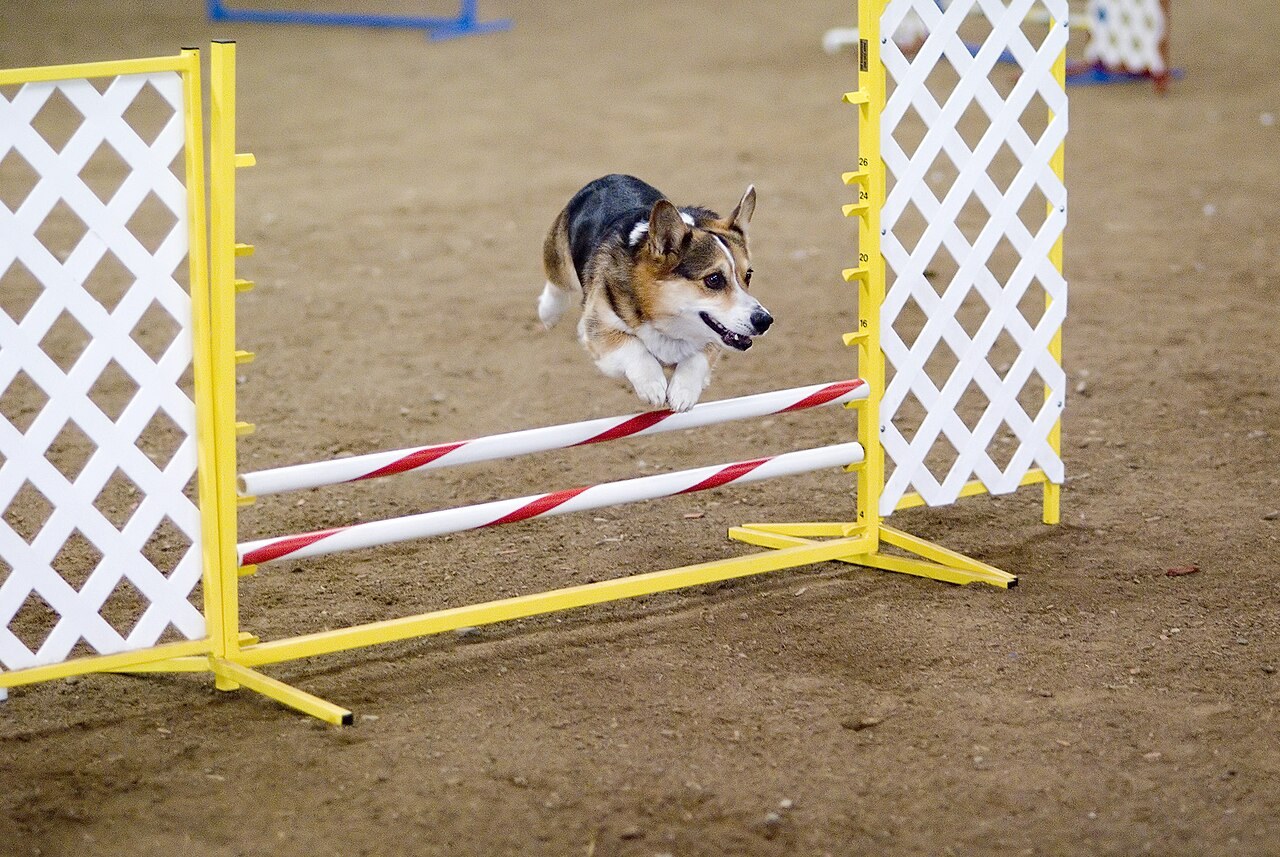
Pembrokeshire, Wales → cattle dog
Public breed histories describe the Pembroke as a farm dog in Pembrokeshire that drove cattle by nipping their heels.
Its low body helped it avoid kicks — and explains its habit of nipping at moving feet.
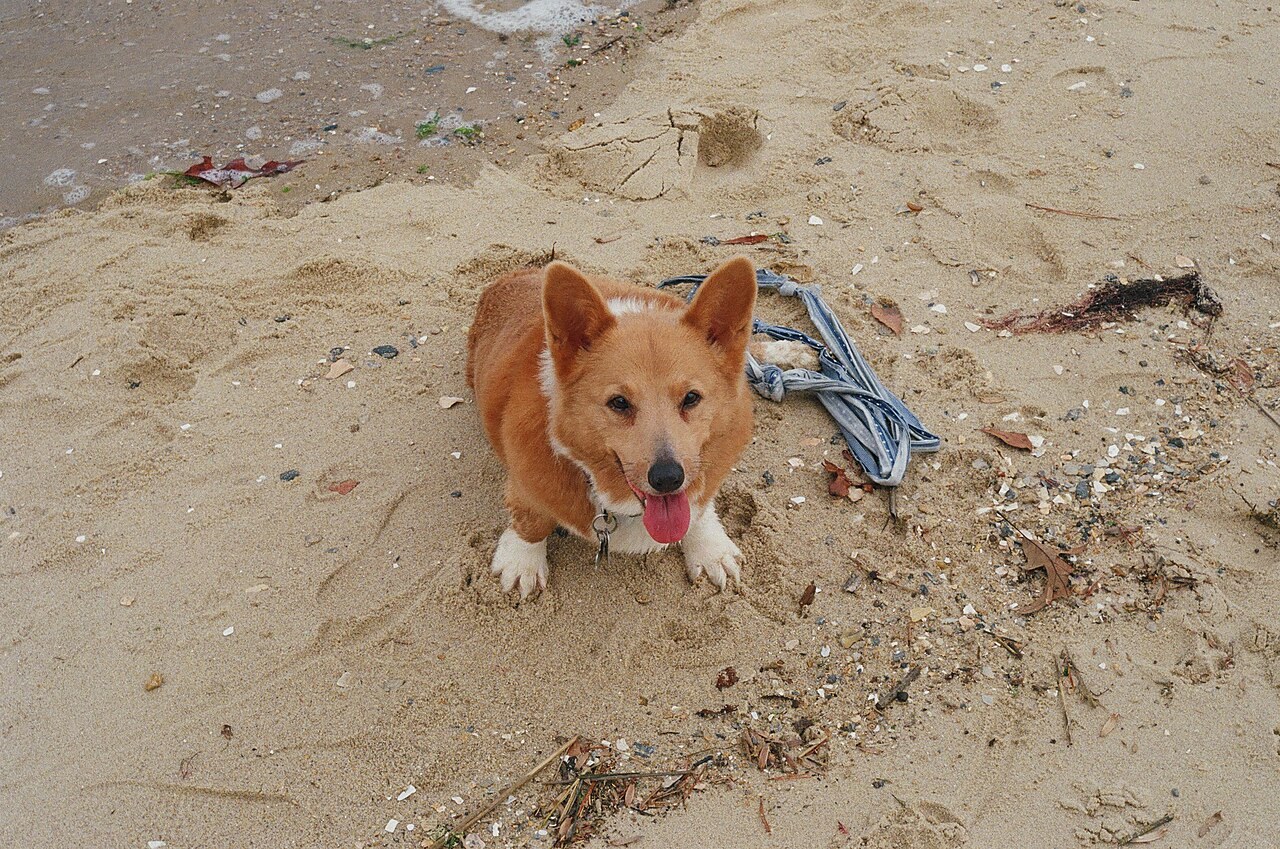
Royal favourite → worldwide
Queen Elizabeth II kept Pembrokes for most of her life, which made the breed world-famous.
Today most are family dogs. Meet the parents and see their weight and temperament.
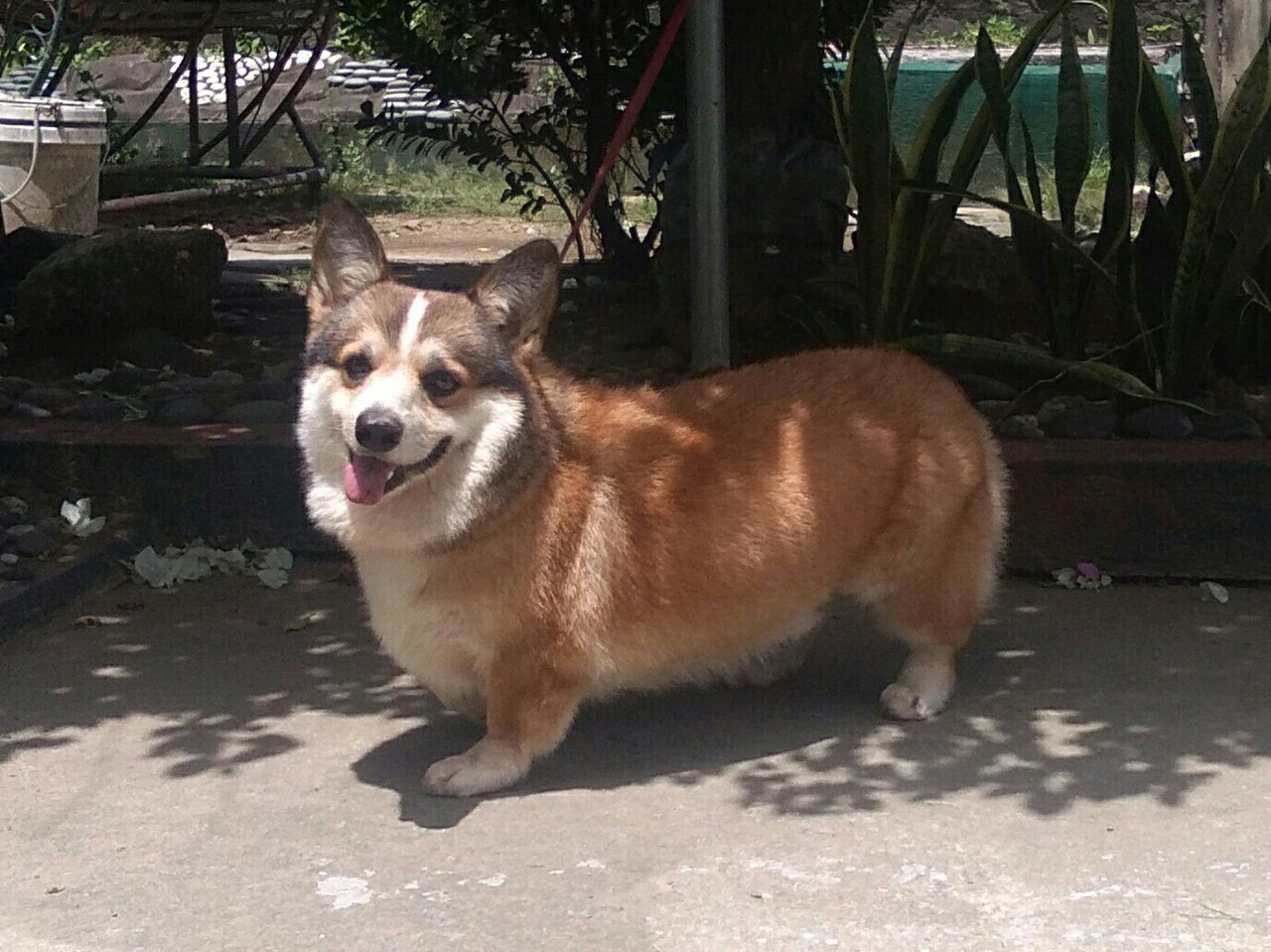
What the breed was bred for
In plain trainer language: Pembrokes are clever, friendly and confident. Many are bossy and vocal.
The challenges are barking, nipping, weight and back care. Food-rewarded training and lean feeding help most.
Public references: FCI 39, AKC Pembroke Welsh Corgi, RKC.
Life together
Pembrokes need daily walks and brain games, and they love to be involved.
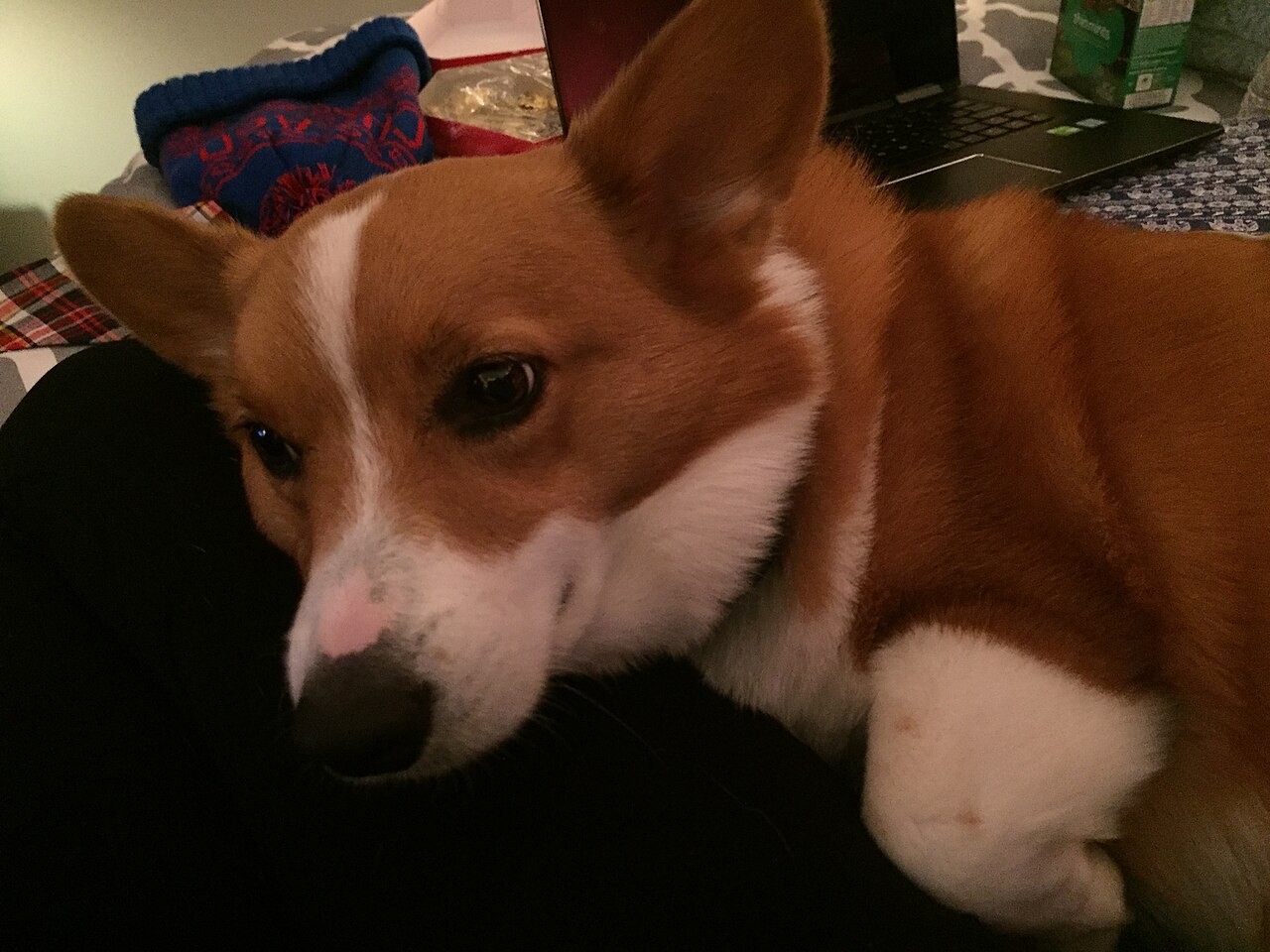
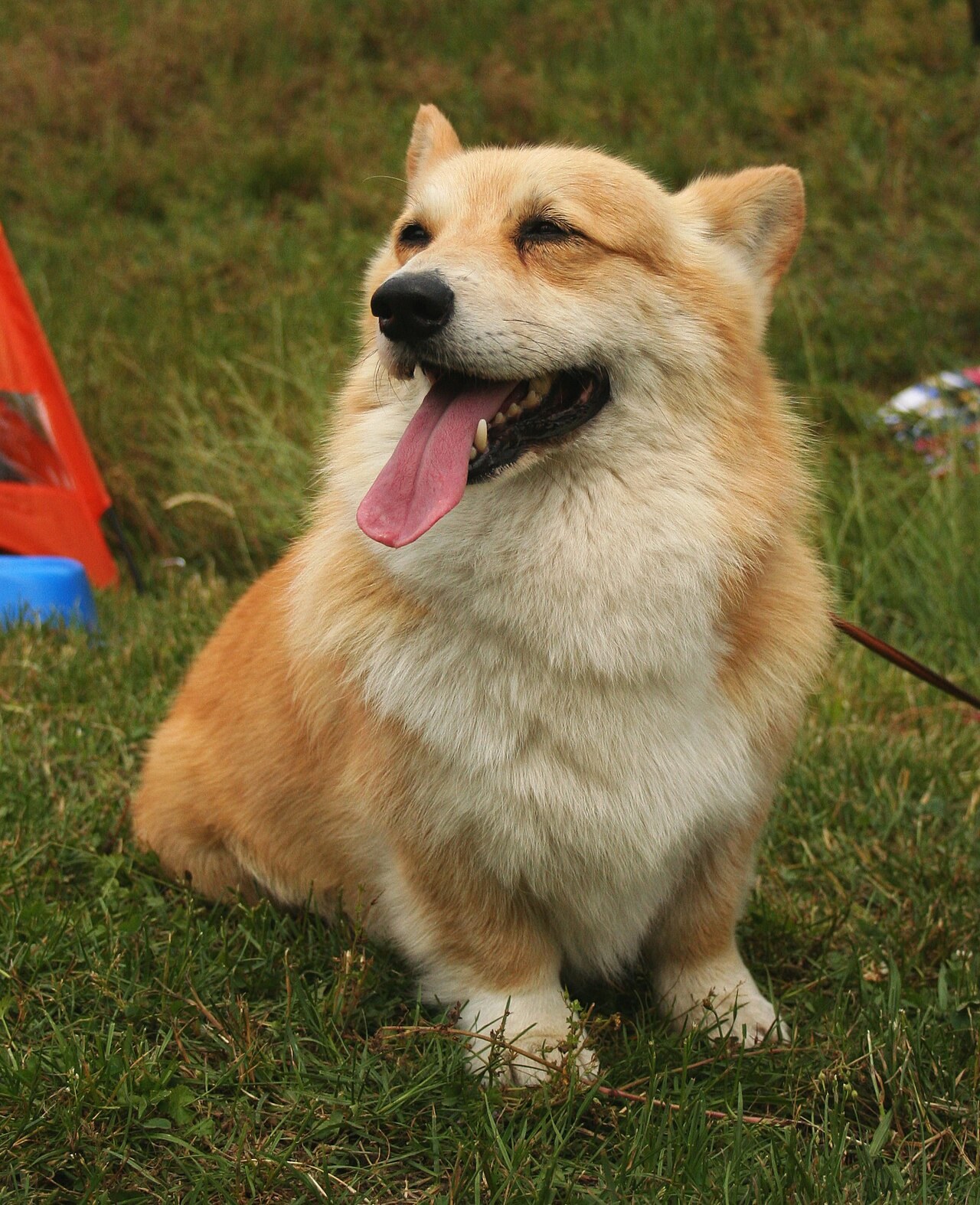
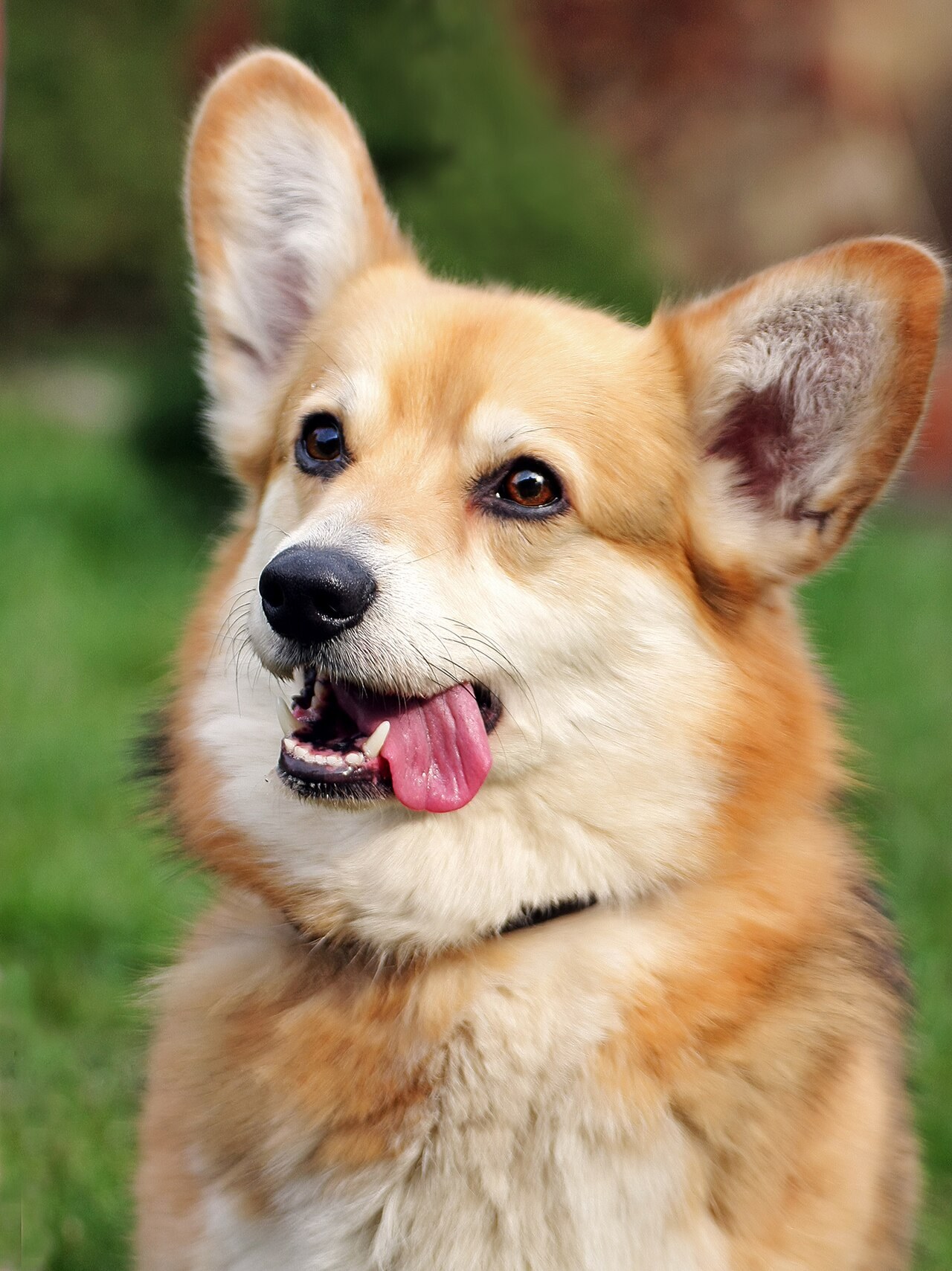
Most Pembrokes enjoy meeting people. Teach calm greetings.
See sit for greeting.
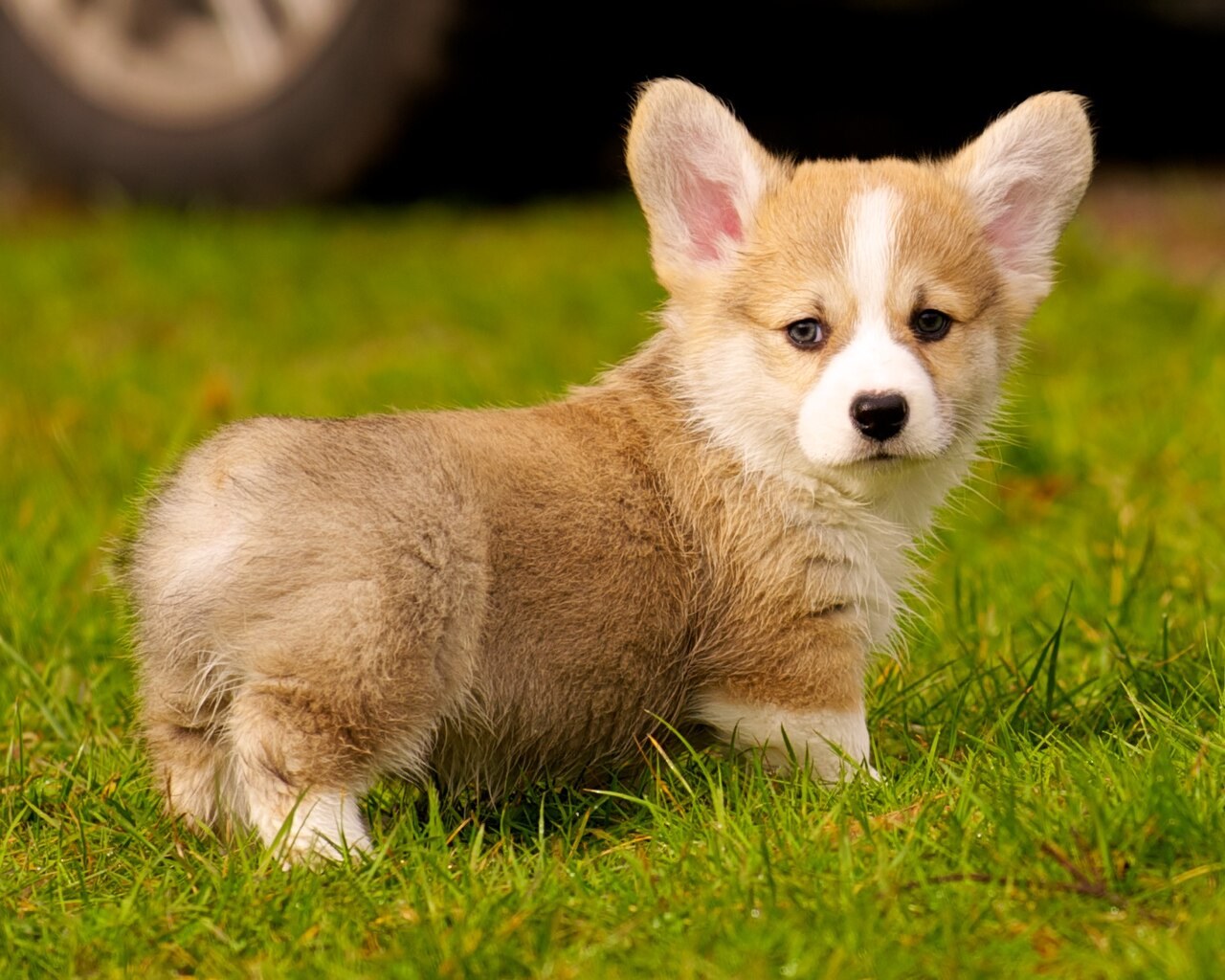
Care and health themes
This is general awareness from a trainer, not veterinary advice. Watch for a hunched back, reluctance on stairs or a sudden drop in energy. For urgent signs, see when to call the vet.
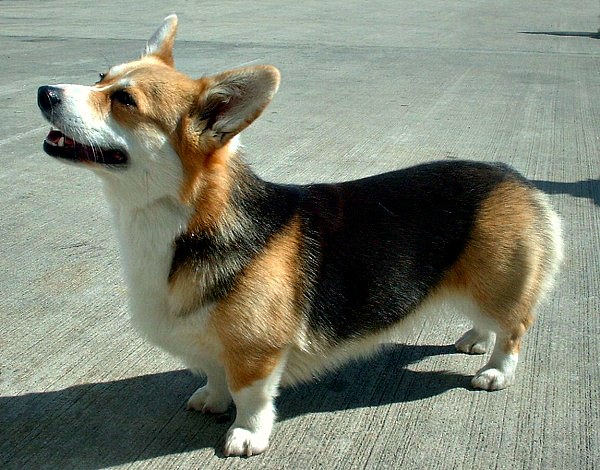
A long body on short legs: use ramps for cars and beds and discourage big leaps.
You should feel ribs easily. Weigh food and subtract training treats from meals.
Heavy seasonal moult; a de-shedding rake once or twice a week keeps it under control.
Short nails help a low dog move well. Clip or file every few weeks.
Ask the breeder which screenings the national breed club recommends, including any DNA tests, and see results for both parents.
I do not publish toxin amounts. Call a vet or poison-control line if the dog eats something dangerous.
Lines and types
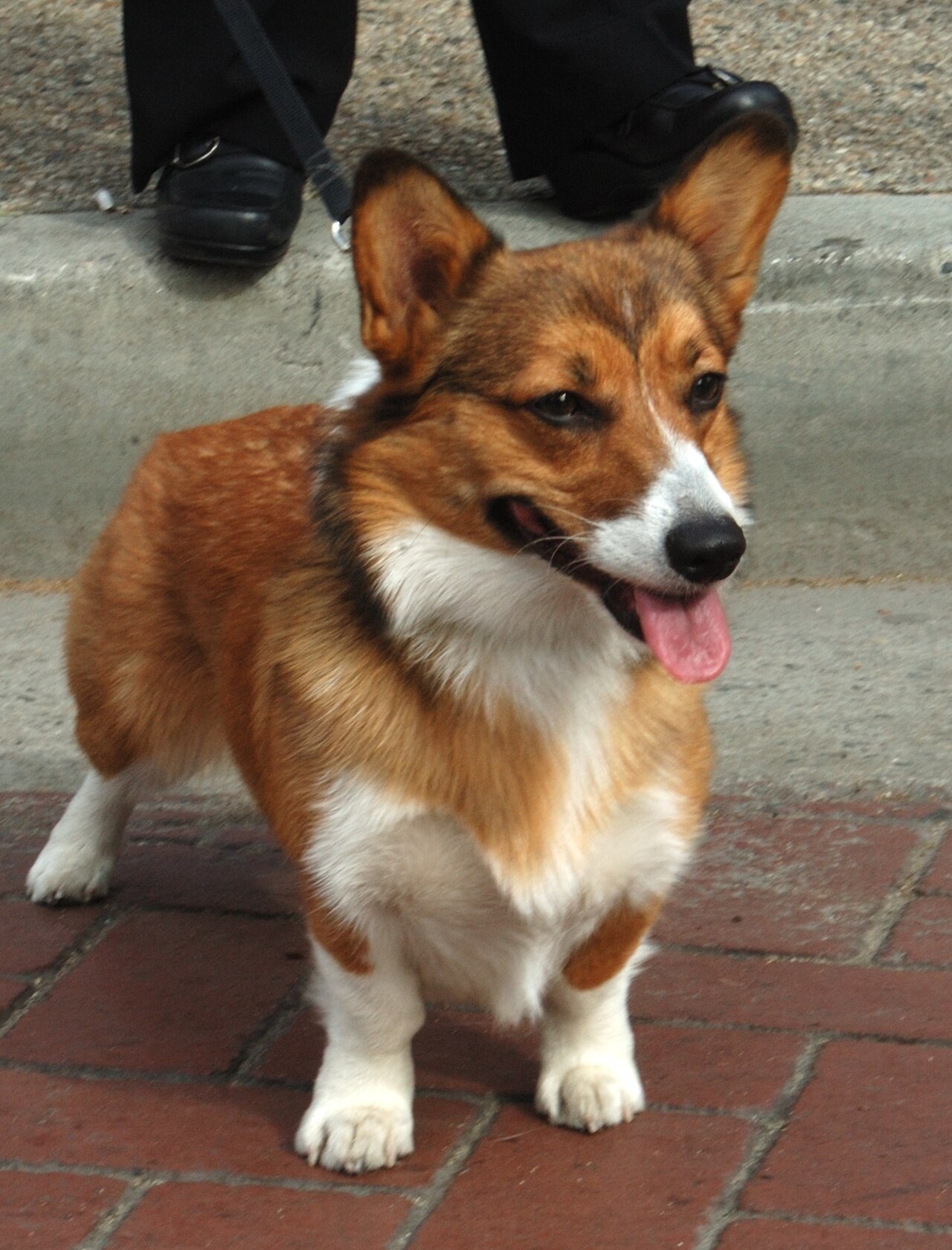
Pembrokes come in red, sable, fawn and black-and-tan (tricolour), often with white. Colour does not change temperament.
The most familiar corgi.
A bold, distinctive look.
Socialization windows
AVSAB-aligned in spirit: short, clean exposures at a distance the puppy can still eat, with hygiene while vaccines finish. See the puppy socialization schedule.
Introduce: hand-feeding games, paw and ear touches, a toilet timetable, short crate naps.
Do not overload: leaping from the sofa.
Introduce: a mat by the door, sit to say hello, name games outdoors.
Do not overload: chasing ankles in the hall.
Introduce: scent puzzles, trick lessons, steady daily walks.
Do not overload: creeping weight from snacks.
Introduce: longer country walks, rally or low-jump agility.
Do not overload: repeated high jumps.
Introduce: tune-ups for door manners and food rules.
Do not overload: table scraps.
Before you buy
A Pembroke suits people who enjoy a bossy, funny little herder and can keep both the barking and the snacks in check.
Good match
Mismatch risk
If you are torn between breeds
Pembrokes are compared with Cardigans and Shelties — other small British herding dogs.
Pembroke Welsh Corgi Short or no tail in many dogs.
Cardigan Welsh Corgi Long brush tail.
Pembroke Welsh Corgi Friendly, pushy.
Cardigan Welsh Corgi Steadier, warier.
Pembroke Welsh Corgi Short-legged.
Shetland Sheepdog Long-legged and light.
Pembroke Welsh Corgi Moults heavily.
Shetland Sheepdog Long coat, more brushing.
Pembroke Welsh Corgi Loud for its size.
Both compares Each needs door and window routines.
Ownership without surprises
Costs depend on your area. Plan for these — not quotes.
Weighing meals beats guessing.
For daily training.
For the sofa and car.
For the seasonal moult.
Social skills and manners.
Ask which screenings the national breed club recommends.
With a Pembroke, weight control is the best investment.
Before day one at home
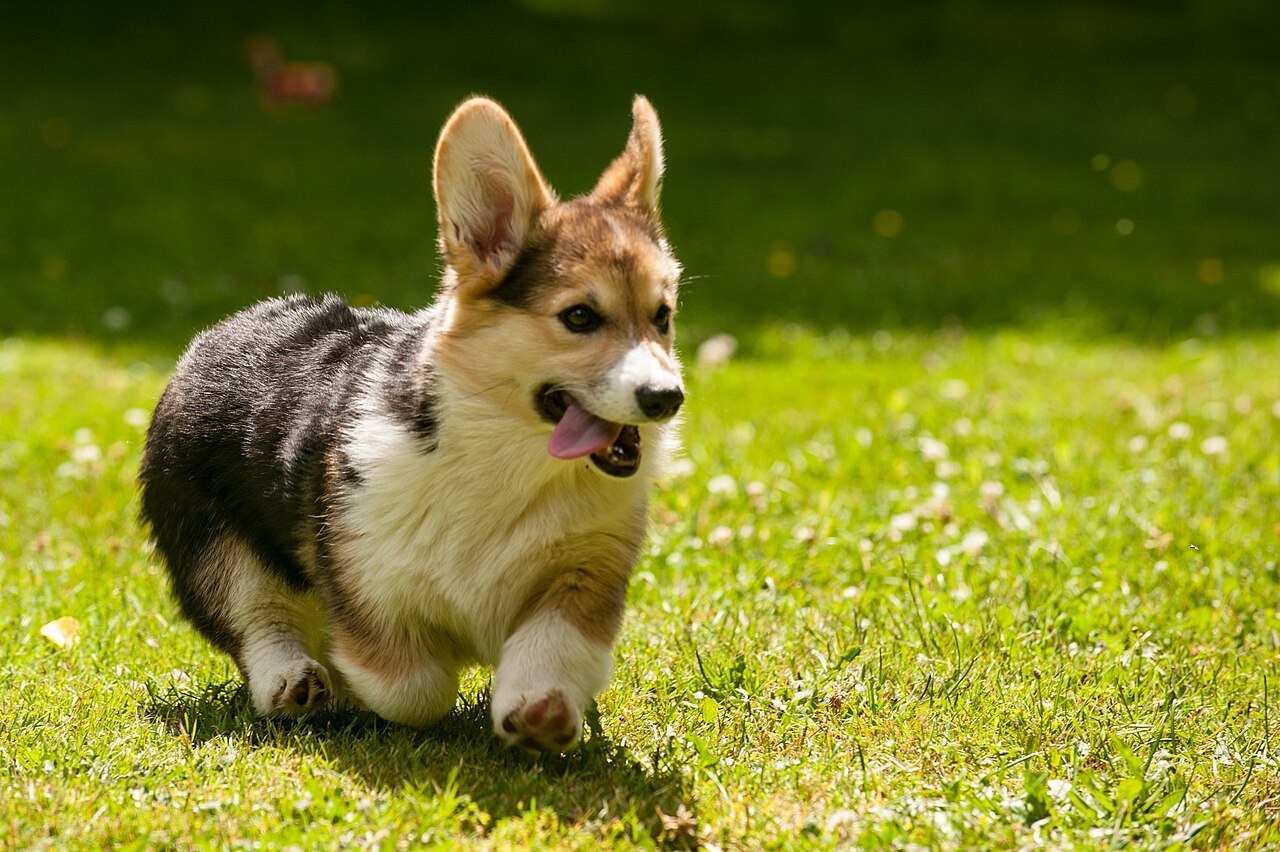
A Pembroke puppy is bold and mouthy. Start gentle mouths and good food habits early.
See biting and nipping.
See puppy handling.
Follow potty training.
Follow a socialization schedule.
See walk length by age.
See crate training.
If the dog is already yours
Pembrokes love food and learn fast. Count treats in the ration.
Focus on quiet, gentle mouths, calm greetings and food manners.
Herding, scent work and tricks suit them.
Load balance
Daily walks and games suit most Pembrokes.
Walks, herding, scent games and tricks suit most Pembrokes.
A lean, trained Pembroke is a bold, cheerful companion.
Nipping
Redirect to a toy, reward calm and manage running games.
Gates during chase games.
Stop moving when nipped.
Offer a toy.
Treat four paws down.
Walks and brain games.
One scene close-up
Corgis were bred to nip cattle heels.
Stop moving, redirect to a toy and reward calm.
If nipping continues, manage running games and get help.
Typical household scenes
A breed page is only a starting point; the fix depends on health, environment, and the dog in front of you. Each row opens a step-by-step guide.
Explodes into barking at the bell.
Herds people by their feet.
Puts on weight fast.
Hunts for food on low surfaces.
Pushy or stiff around meals.
Picks up rubbish outside.
Yaps at passing traffic.
Back pain, dragging paws or low energy — vet first.

Practical view
“With a Pembroke, I watch the waistline and the feet. We teach quiet, gentle mouths and food manners — because a lean, busy corgi is a cheerful one.”
Sessions cover real scenes: barking at the door, nipping at heels, food stealing, and weight. I am a trainer, not a veterinarian. No invented reviews.
Describe age, living setup, and where the dog breaks first — doorbell barking, ankle herding, kitchen raids, or a corgi getting round. Opens WhatsApp to Andrew.
Short answers
If you want a small, cheerful, easygoing companion, consider this one.
A clever, energetic American ranch dog that needs daily training, exercise, weekly brushing and calm alone-time practice.
A bold, long-bodied German hunting dog that needs back-friendly habits, help with barking and patient house training.
A friendly scent hound that follows its nose and needs patient recall training, sniffing walks and a secure garden.
Cheerful, sociable small companion dog.
Other guides from the same group in the breed library. Same group does not mean same dog: read the fit and the failure modes, not only the outline.
A Hungarian corded herder. Needs daily herding-style games and a realistic coat plan — cords or clip.
A small, sensitive herding dog from Shetland that needs quiet training, gentle socialization and weekly brushing.
A Spanish herding and water dog with a curly coat. Needs working outlets and a retrieve that ends on cue.
A Viking cattle dog in a low package. Needs soft mouth training, real work and joint-aware exercise.
A tough, loyal Australian heeler that needs a daily job, impulse-control training and early socialization.
A bouncy, cheerful Scottish herding dog with a long coat that needs daily exercise, thorough grooming and playful training.
Describe your Pembroke Welsh Corgi’s age and the scene that repeats most: doorbell barking, ankle herding, kitchen raids, or a corgi getting round. We check safety first, then pick the first skill.
Written by Andrew Darov, professional dog trainer. Not veterinary advice and not a diagnosis.
Not a kennel club. No invented reviews. No vaccine schedules or toxin doses. Photo credits in
/images/breeds/pembroke-welsh-corgi-guide/credits.md.