Shetland Sheepdog: temperament, training & bark/motion
The Shetland Sheepdog is a small, long-coated herding dog from the Shetland Islands. Most are bright, sensitive and devoted. Life goes well with a one-bark rule at the door, slow and kind confidence building, line-brushing the undercoat and tricks or agility for the brain.
Job: Shetland croft dog — small, alert herder.
Energy: Moderate to high; walks and training games.
Home: Needs brushing, gentle training and quiet practice.
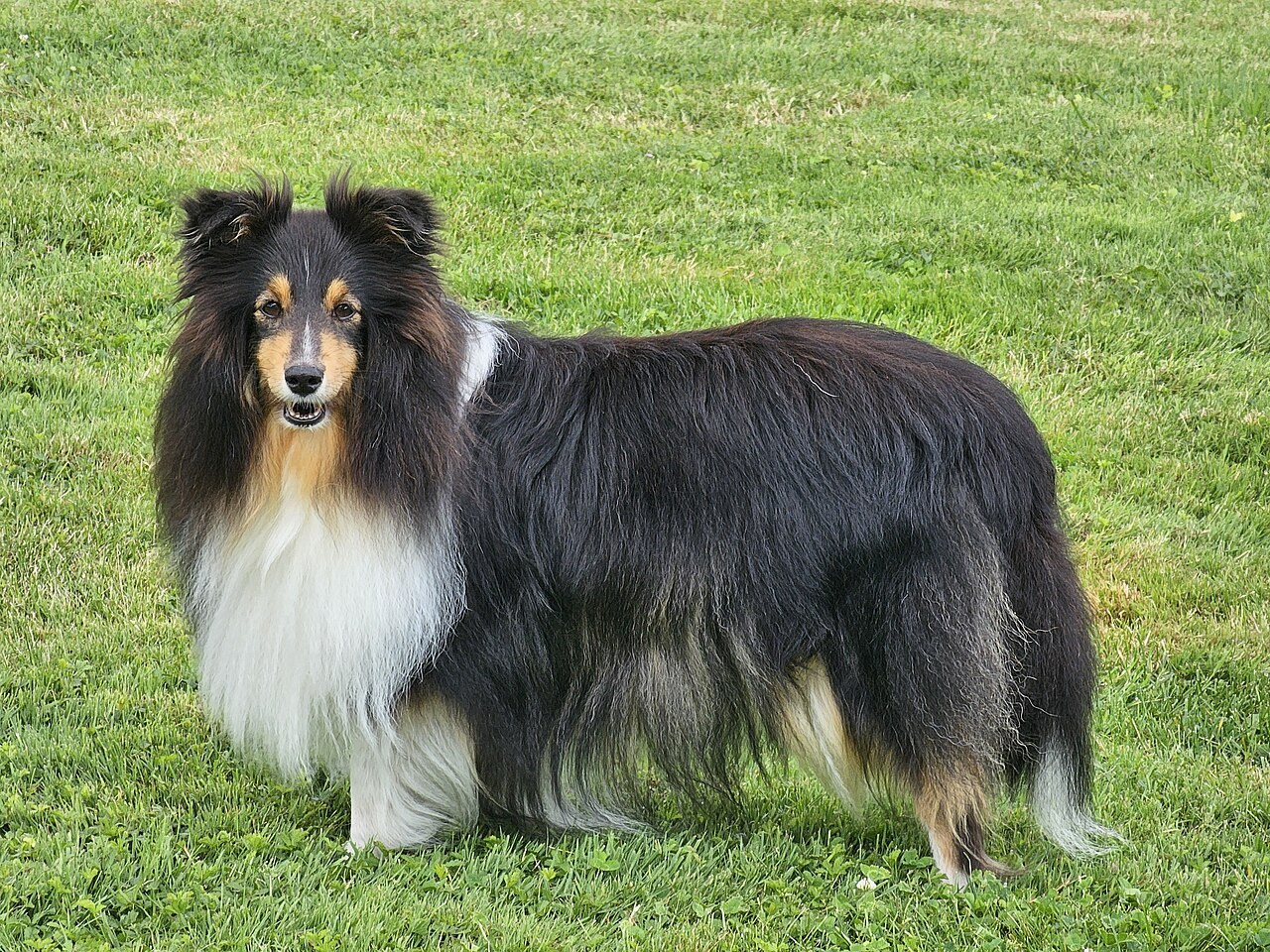
A Sheltie is a gentle, clever herder that needs help with chasing and barking
Public breed histories describe a crofter’s dog from Shetland, refined on the British mainland.
Most are quick learners who adore their family. The usual struggles are a shrill bark, chasing cars or bikes, caution with strangers and knots in the coat.
In the first months I teach table grooming, hand targets for confidence and a mat at the door.
A trainer’s checklist, not veterinary advice. Squinting, constant scratching or a flat mood all mean a vet visit. For urgent signs, see
when to call the vet.
Undercoat
Shelties blow their undercoat in clumps. Line-brush behind the ears and on the trousers where knots start.
Eyes
Small eyes can hide problems; book a check for any squinting or cloudiness.
Ribs
A fluffy coat disguises a chubby dog. Feel for ribs every week.
Mouth
Small breeds benefit from tooth brushing several times a week.
Health screening (not a diagnosis)
Ask the breeder which screenings the national breed club recommends, including eye checks and any medicine-sensitivity DNA test, and see results for both parents.
Toxins
I do not publish toxin amounts. Call a vet or poison-control line if the dog eats something dangerous.
Lines and types
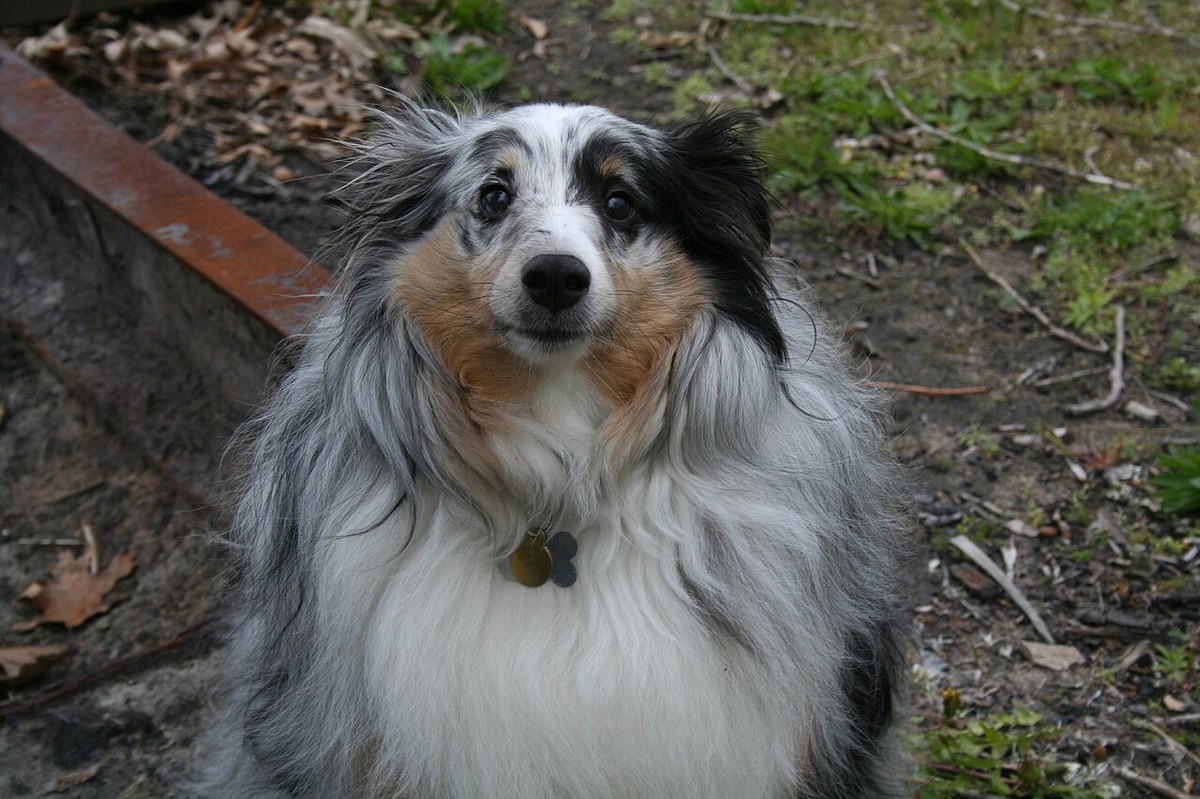
Sable, tricolour or blue merle
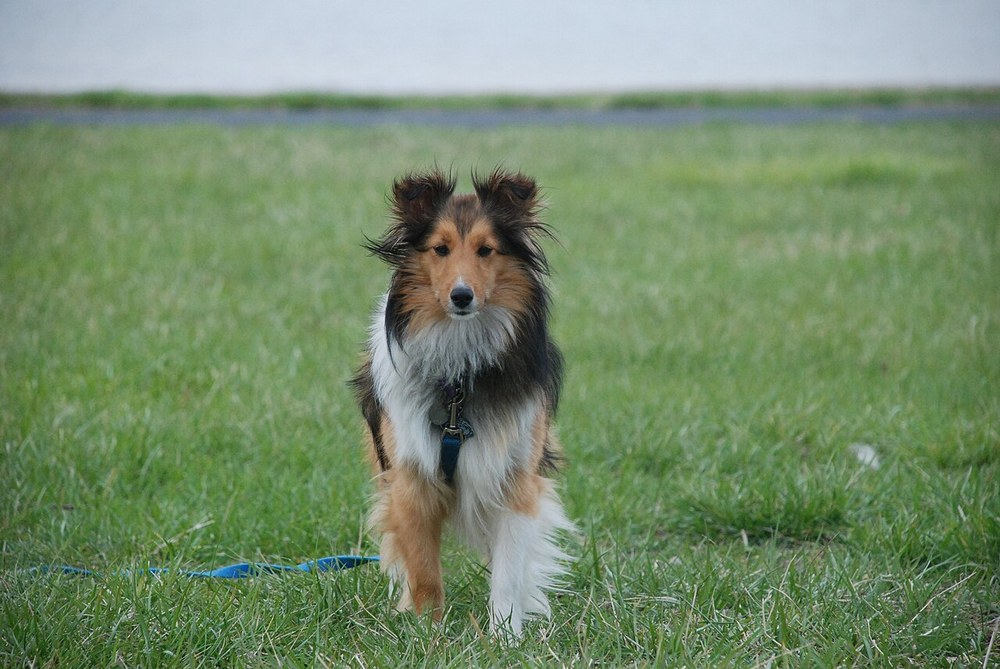
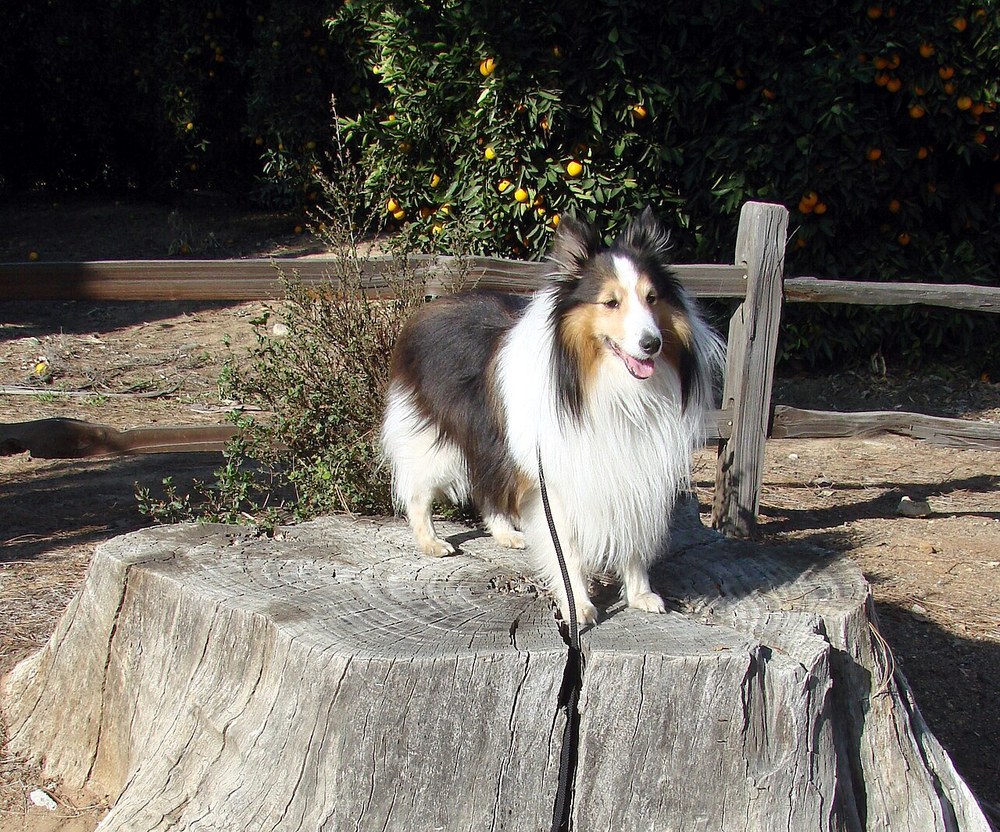
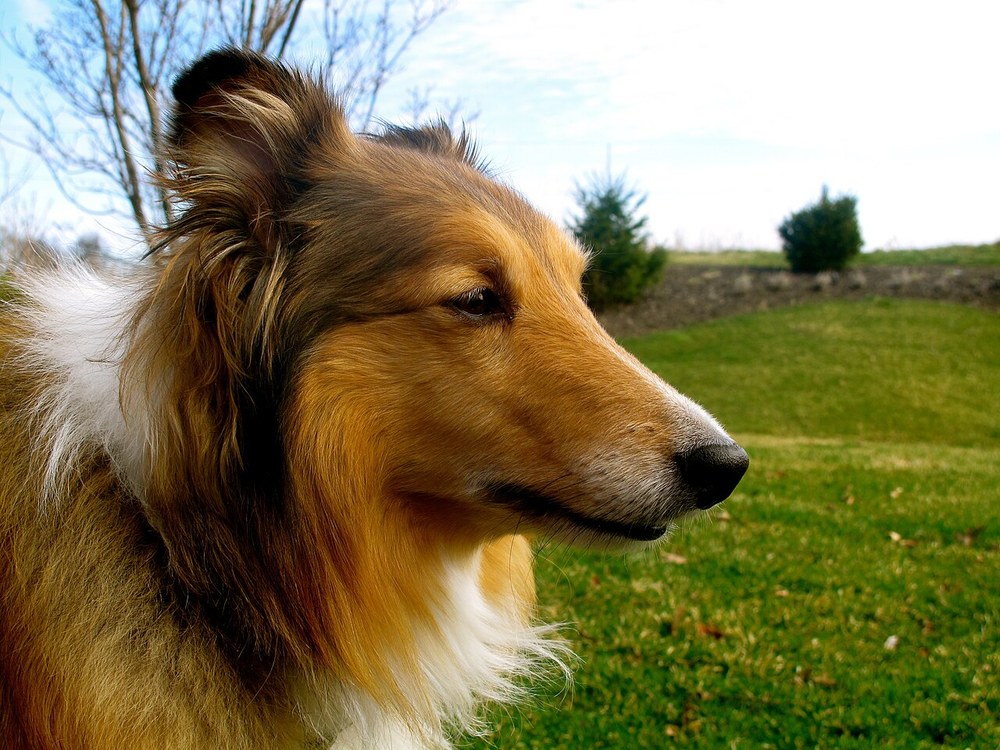
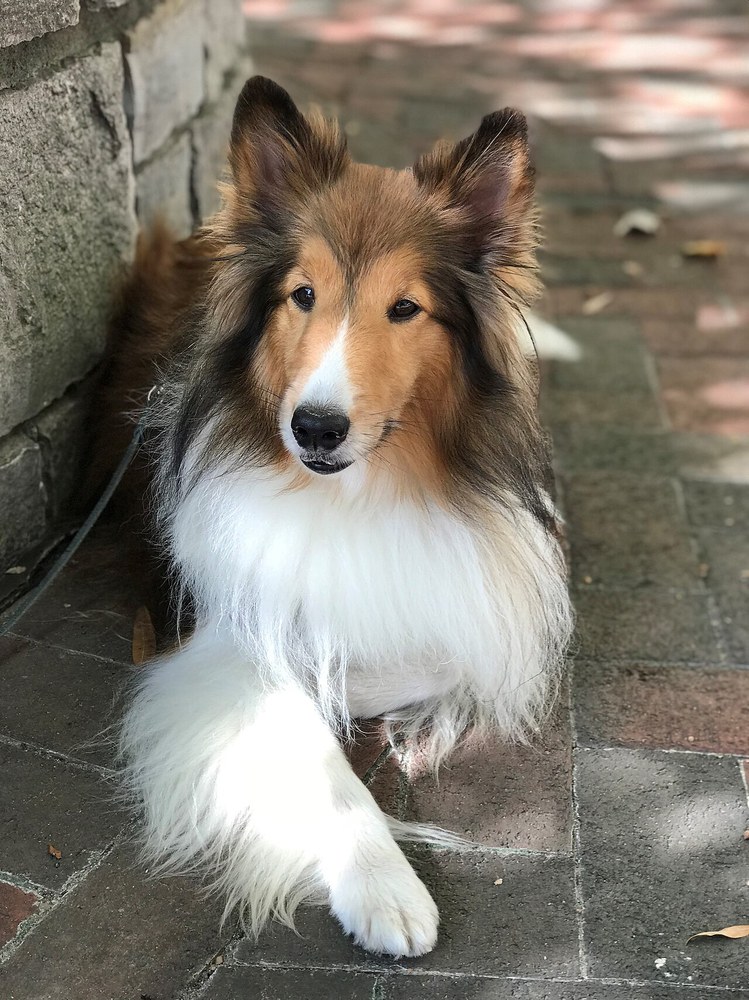
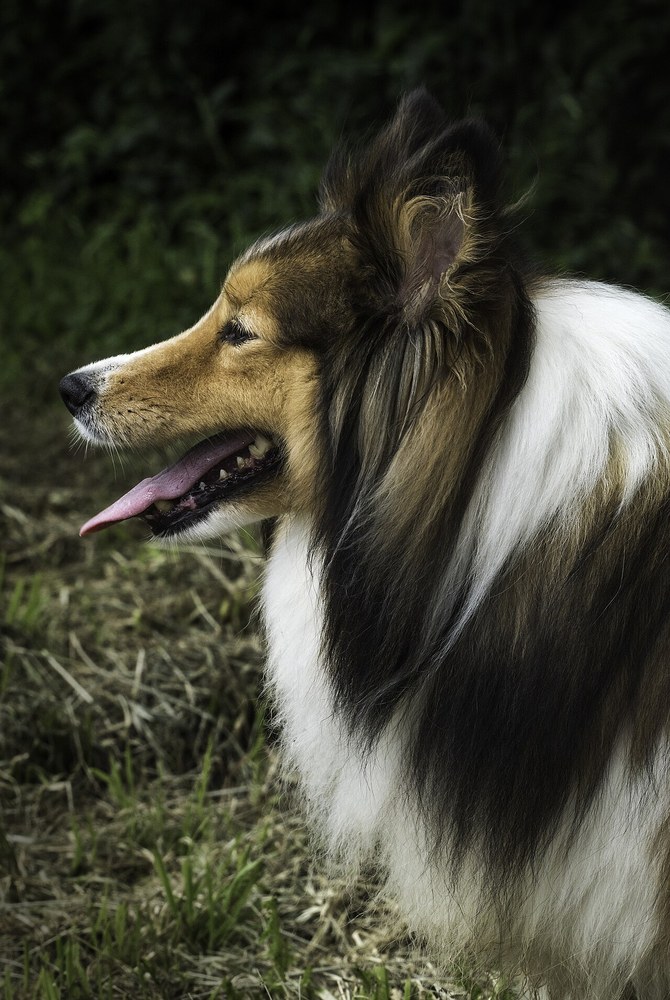
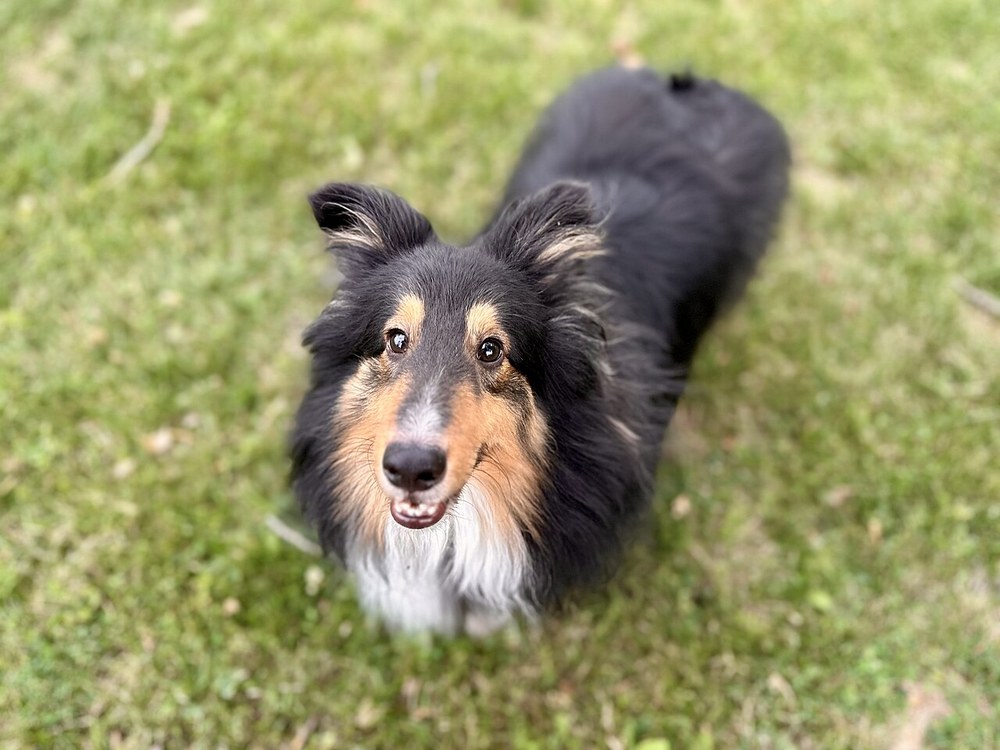
Shelties come in sable, tricolour, blue merle and bi-colour, usually with white. Colour does not change temperament.
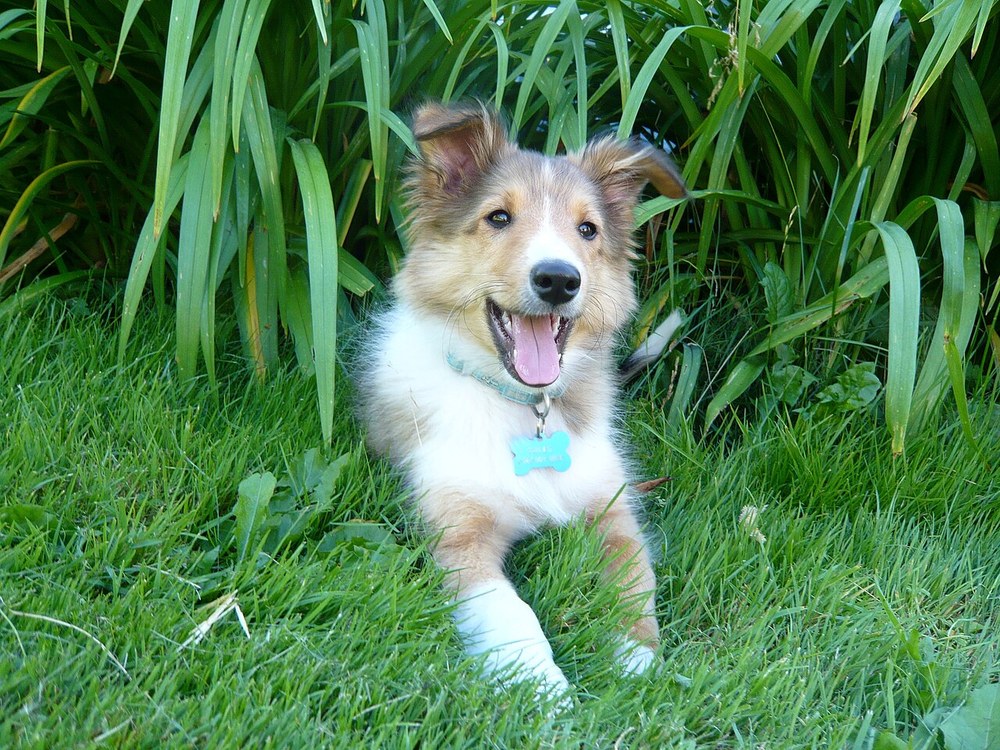
Sable or tricolour
Sable: gold to mahogany.
Tricolour: black, tan, white.
Most common colours.
Same needs.
The classic Sheltie look.
Blue merle
Silver-grey with black patches.
Sometimes blue eyes.
Same coat care.
Same needs.
A striking look.
Socialization windows
What to introduce — and what not to overload — by age
AVSAB-aligned in spirit: short, clean exposures at a distance the puppy can still eat,
with hygiene while vaccines finish. See the
puppy socialization schedule.
8–16 weeks
Brave little steps
Introduce: new floors, gentle grooming on a table, a toilet timetable, quiet visitors.
Do not overload: loud, crowded outings.
~5–7 months
Voice control
Introduce: a mat at the door, “thank you” for one bark, name games in the garden.
Do not overload: letting the dog bark at every passer-by.
~9–12 months
Clever teenager
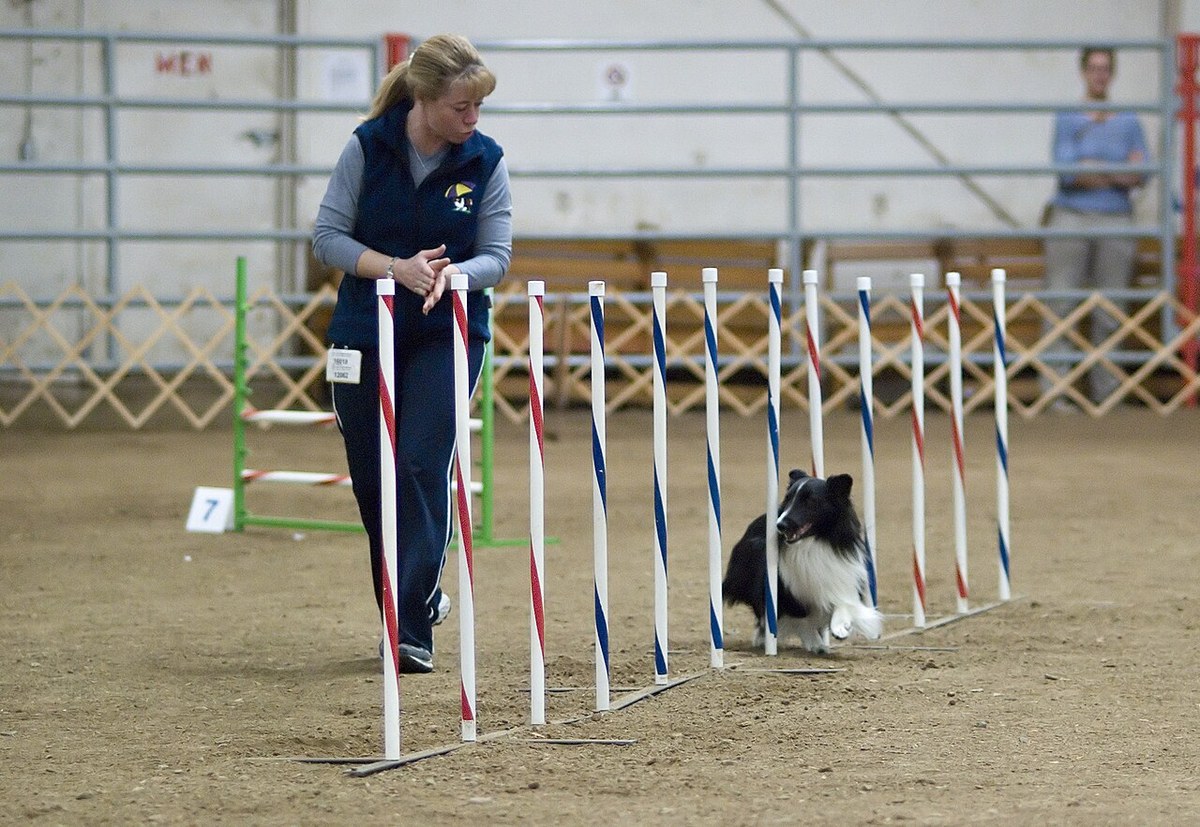
Introduce: trick lists, foundation agility on the ground, short hand-target sessions.
Do not overload: nagging or shouting at the dog.
~1.5 years
Sport and outings
Introduce: full agility courses, longer country walks.
Do not overload: too many fast repetitions.
2 years+
Confident adult
Introduce: regular visits to new places to keep confidence high.
Do not overload: a quiet life with no visitors.
Before you buy
Who a Shetland Sheepdog usually fits
A Sheltie suits someone who wants a small, quick-witted shadow and enjoys teaching tricks.
Good match
More likely a good fit if you…
Want a dog small enough to lift
Enjoy agility, rally or trick classes
Can line-brush once or twice a week
Have a fairly calm household
Work from home or nearby
Mismatch risk
A Shetland Sheepdog may be a poor choice if…
Shared walls and barking do not mix for you
Black and white fur on furniture bothers you
Toddlers chase the dog around
The dog would be alone all day
You rely on scolding to train
If you are torn between breeds
Shetland Sheepdog vs Collie and Pembroke Welsh Corgi
Families shortlisting a Sheltie often weigh it against the bigger Collie and the low-slung Pembroke.
Height
Shetland Sheepdog
Roughly knee-high.
Collie
Much taller and heavier.
Origin
Shetland Sheepdog
Shetland crofts.
Collie
Scottish mainland sheepdog.
Legs
Shetland Sheepdog
Long and nimble.
Pembroke Welsh Corgi
Short and sturdy.
First meetings
Shetland Sheepdog
Cautious.
Pembroke Welsh Corgi
Bold and pushy.
Voice
Shetland Sheepdog
High-pitched alarm.
Both compares
Each needs door and window routines.
Ownership without surprises
What a Sheltie costs to keep
Prices vary by country. These are the spending themes, not figures.
Grooming table and pin brush
Makes line-brushing easier.
Agility or trick classes
Brain work for a quick dog.
Eye and health checks
Ask which screenings the national breed club recommends.
Medicine-sensitivity test
Ask the vet about it.
Toothbrush and paste
For small-breed dental care.
Pet sitter
For days away.
With a Sheltie, classes and coat tools are the steady costs.
Before day one at home
What to prepare for a Shetland Sheepdog puppy
A Sheltie puppy is quick and a little cautious. Small brave steps and a one-bark rule matter most.
“With a Sheltie, I teach quiet early and build confidence gently. We work on visitors, alone time and chasing — because a secure Sheltie is a brilliant learner.”
Sessions cover real scenes: barking at the door, shyness with visitors, chasing movement, and stress when left alone. I am a trainer, not a veterinarian. No invented reviews.
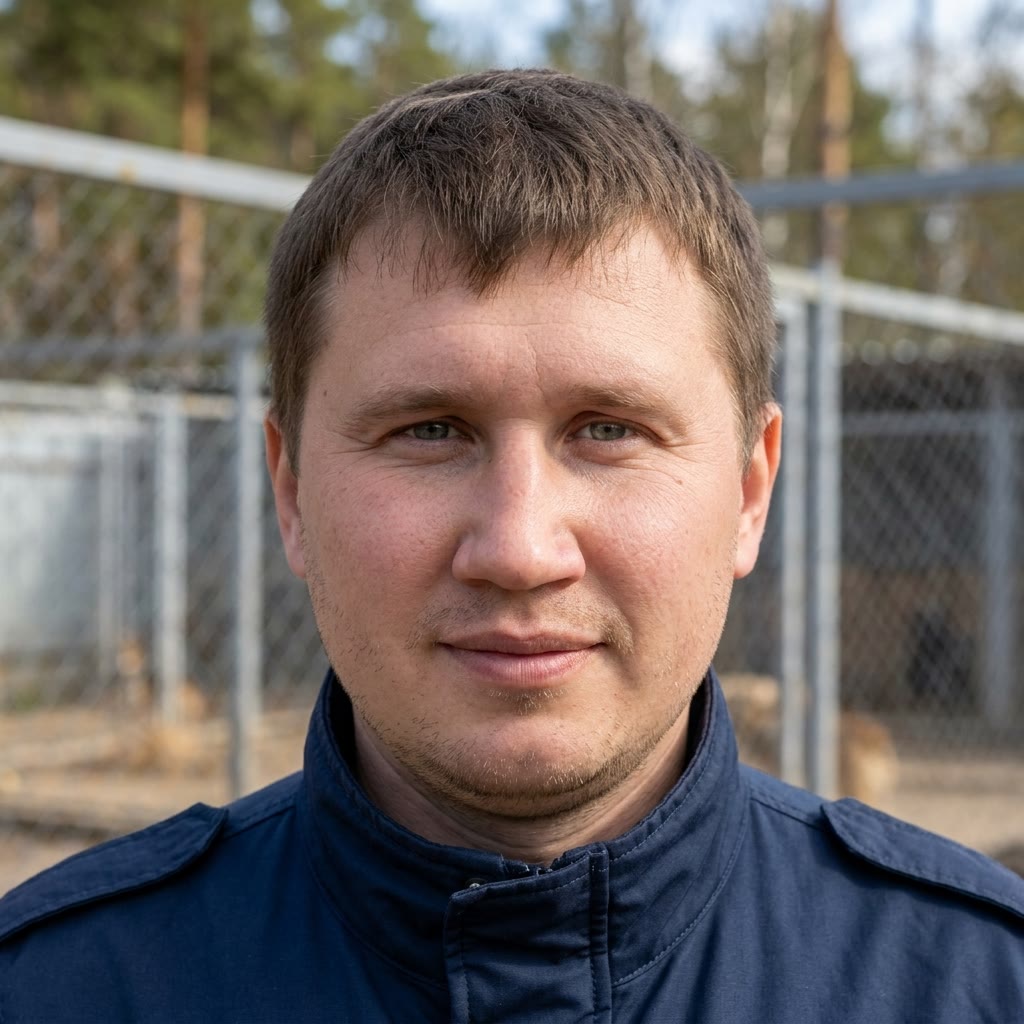
Andrew DarovProfessional dog trainer and instructor
Describe age, living setup, and where the dog breaks first — barking at the door, shyness with visitors, chasing movement, or stress when left alone. Opens WhatsApp to Andrew.
A high-drive Belgian working shepherd that needs structured daily work, a taught off-switch and an experienced handler.
Need a read on your exact situation?
Describe your Shetland Sheepdog’s age and the scene that repeats most: barking at the door, shyness with visitors, chasing movement, or stress when left alone. We check safety first, then pick the first skill.
Written by Andrew Darov, professional dog trainer. Not veterinary advice and not a diagnosis.
Not a kennel club. No invented reviews. No vaccine schedules or toxin doses. Photo credits in
/images/breeds/shetland-sheepdog-guide/credits.md.