Puli: temperament, corded coat care and job outlets for a Hungarian herding dog
The Puli is a Hungarian herding dog famous for its corded coat: agile, vocal and built to move sheep with quick turns and a busy brain. The cords are a lifestyle, not a costume. At home the herding engine shows up as circling, nipping at heels, barking at movement and inventing jobs if you do not provide them. The honest plan is real outlets — herding games, agility, scent — plus grooming about cords or a clipped coat.
Job: Hungarian herding dog; agile flock work and a busy, vocal brain.
Energy: High; needs daily jobs, not only a stroll around the block.
Home: Fits an owner ready for coat cords (or clips) and herding-style outlets.
A Puli is a herding athlete whose coat is a full lifestyle
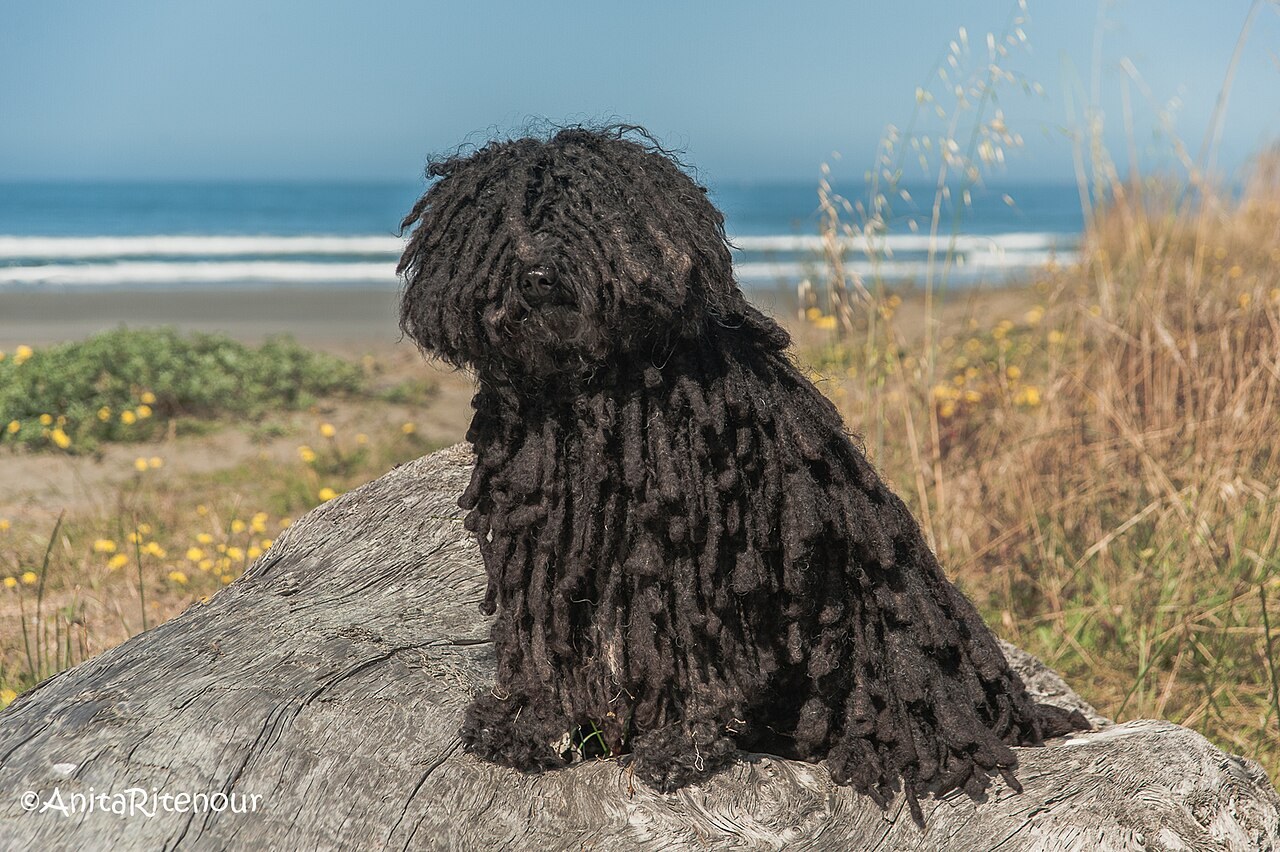
Public histories place the Puli with Hungarian pastoral dogs used for sheep. The corded coat shed water and weather while the dog worked. Agility, quick turns and a readiness to bark at what moves were useful on the flock and are still visible in living rooms.
What I see in homes is a medium dog that wants to organise people, children and other pets. Without a job it invents heel nipping, hallway herding and window reports. The coat — whether left in cords or kept clipped — needs an honest weekly plan or it becomes a skin and mat problem.
I start with three outlets. A legal herding-style outlet: flirt pole rules, Treibball-style pushes, agility or real herding if available. A barking and door routine that ends. And a coat plan the household will actually keep. On top of that I build recall and settle, and the Puli becomes a brilliant, funny partner instead of a household manager.
Dense corded coat (or clipped); high maintenance if corded; low shedding when cords are correct
Job
Hungarian herding dog for flock work (FCI Group 1; AKC Herding)
Breed history
How a Hungarian flock dog became the corded Puli
Breed history does not decide your dog’s day, but it explains why Pulik turn fast, bark at movement and carry a coat that was built for weather, not for neglect.
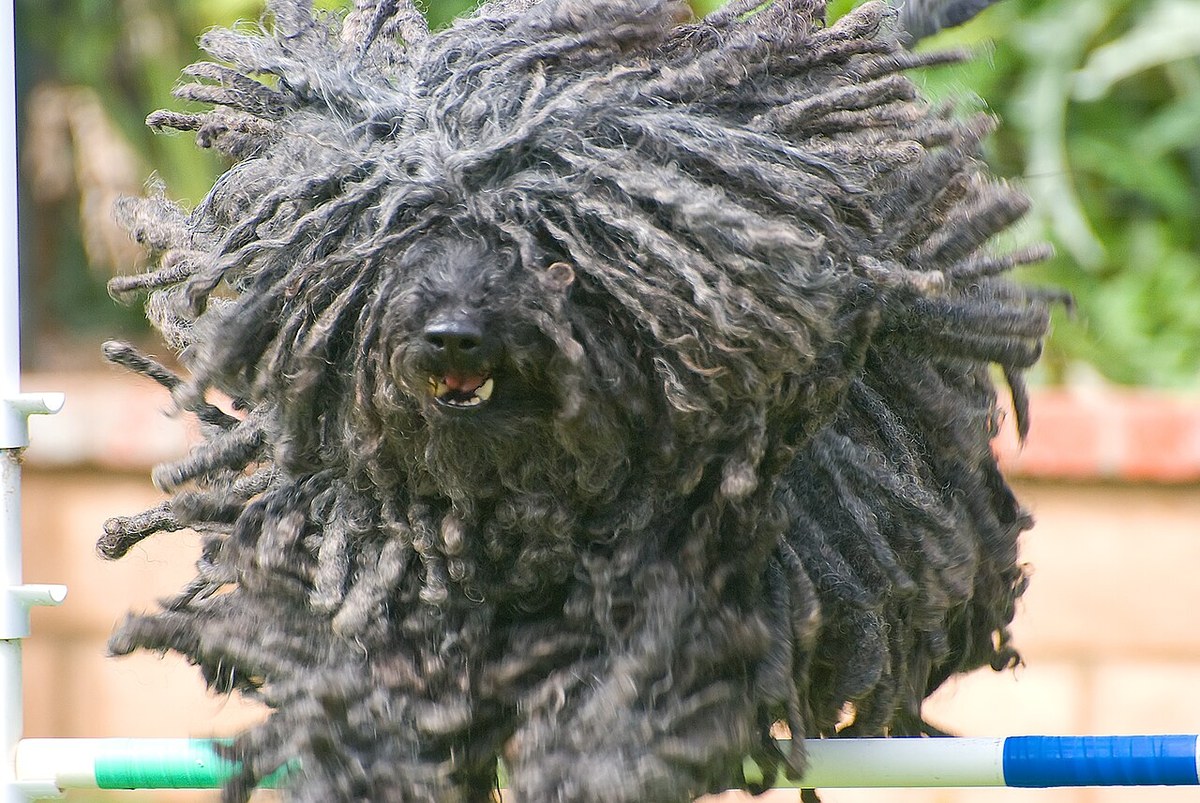
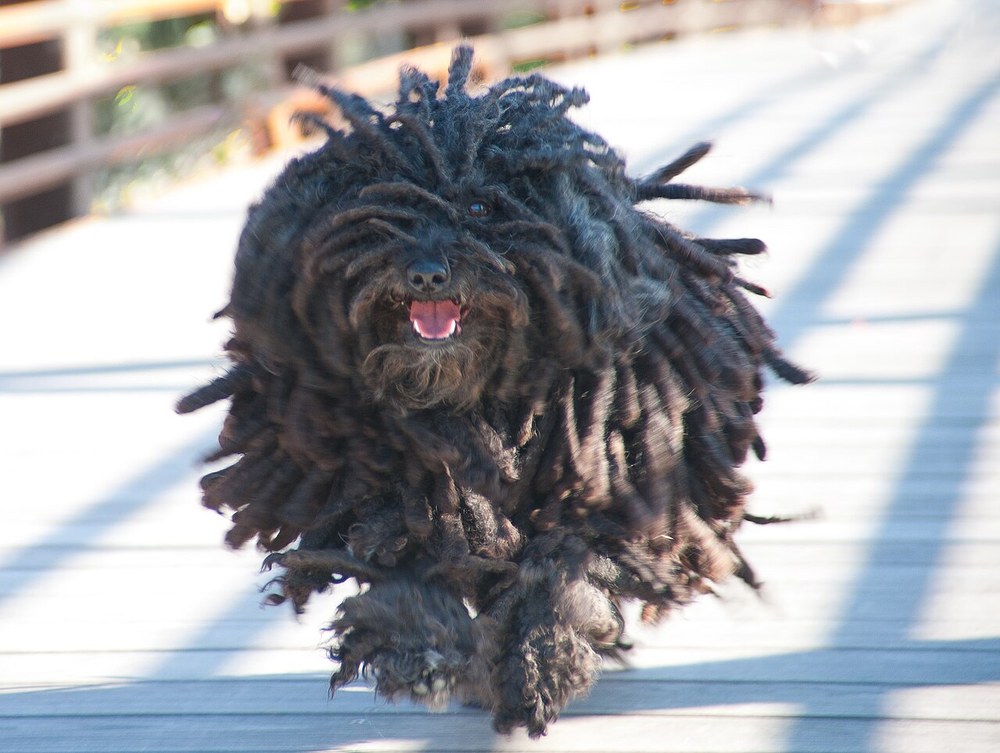
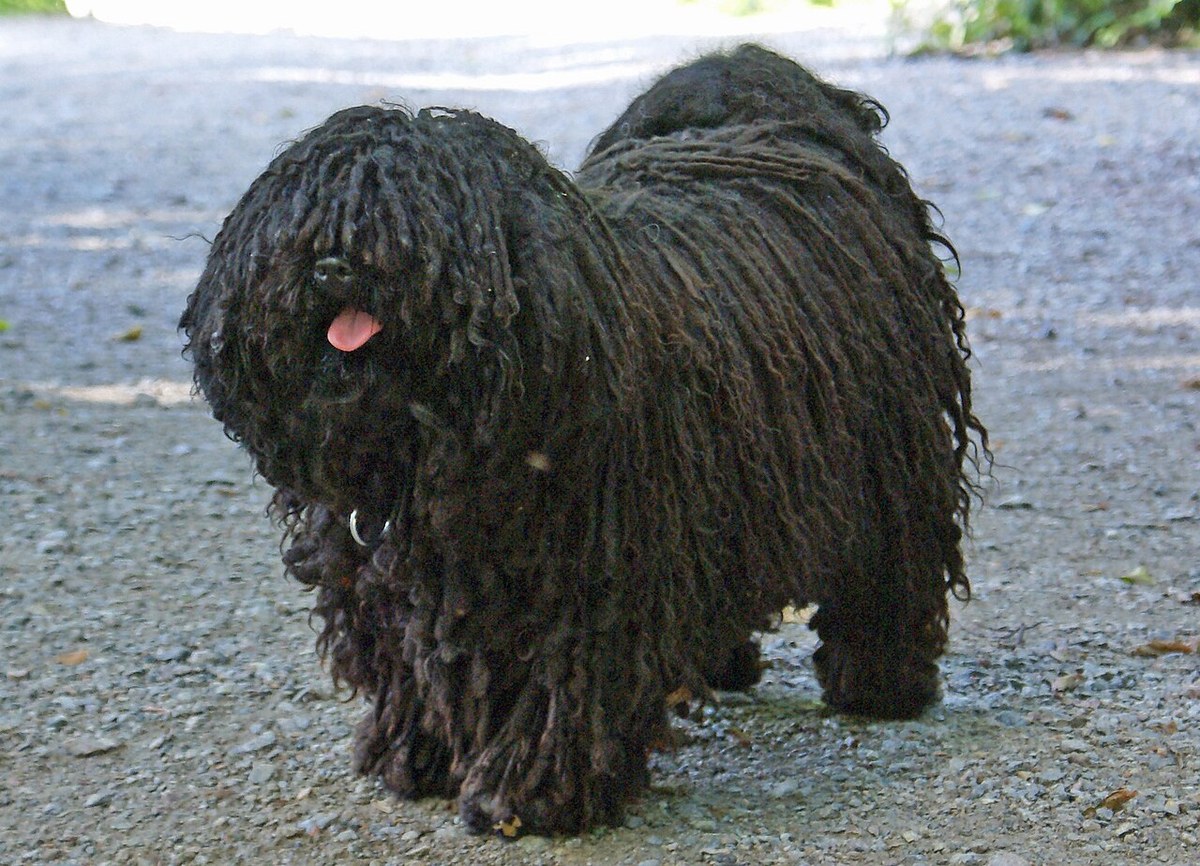
A Puli ready for work or sport (CC BY 2.0). The coat and the turn radius both come from flock life.
Hungarian plains → sheep
A small, quick dog that worked the flock
Public accounts describe Pulik as agile Hungarian herding dogs used to move and hold sheep, often alongside larger flock guardians. Speed and noise were tools, not personality quirks.
A dog that worked stock needed to think independently and react fast. At home that becomes a dog that notices everything and tries to organise it.
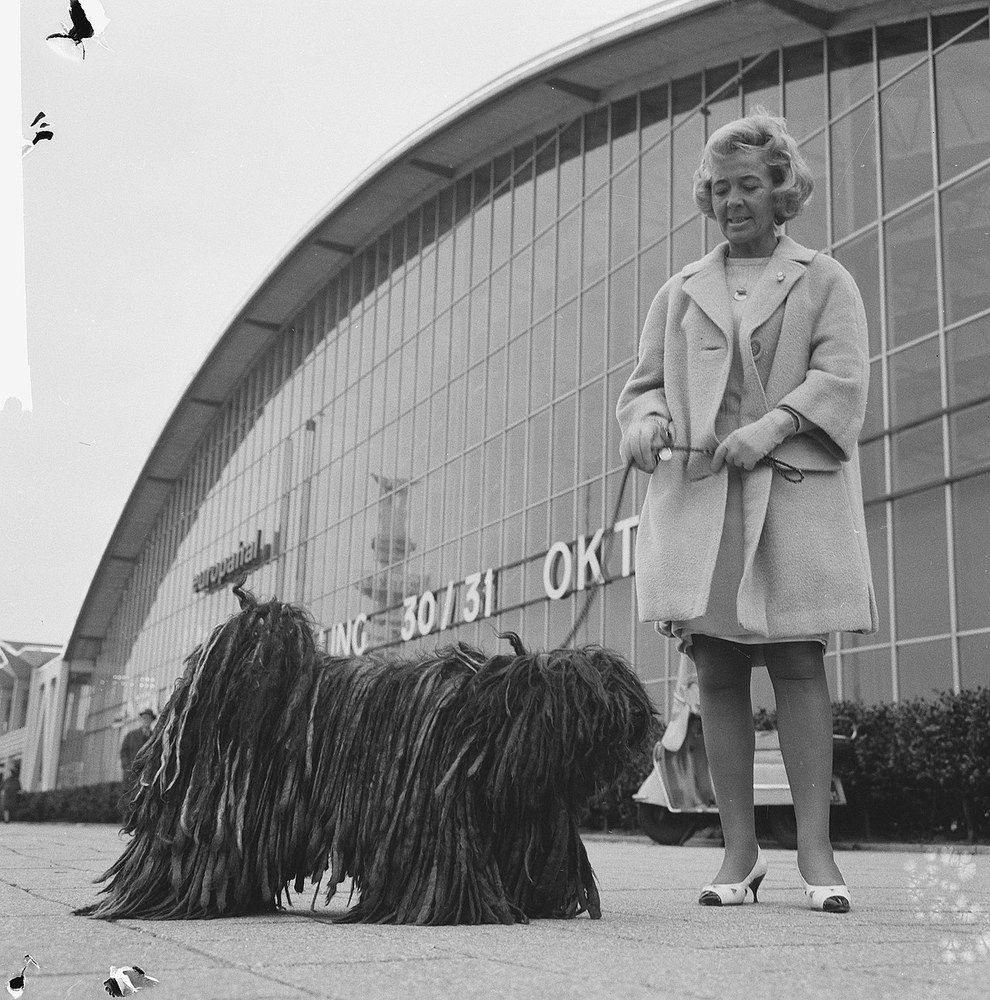
Puli presented historically (archive). Show and companion homes inherited the same herding engine.
Cords as working weather gear
The coat was for work — keeping it is a choice
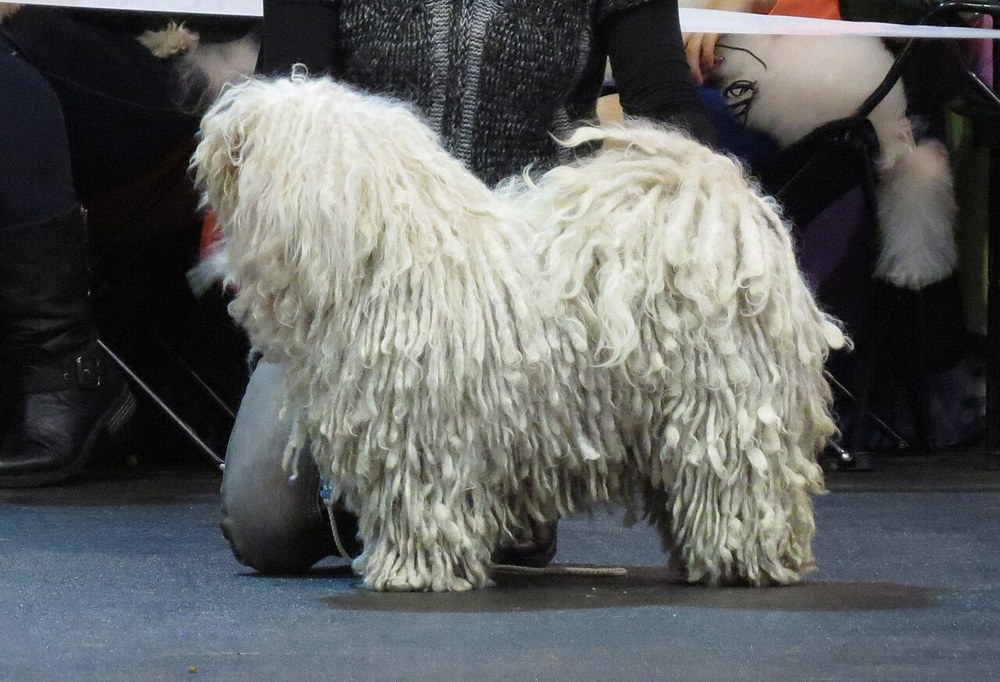
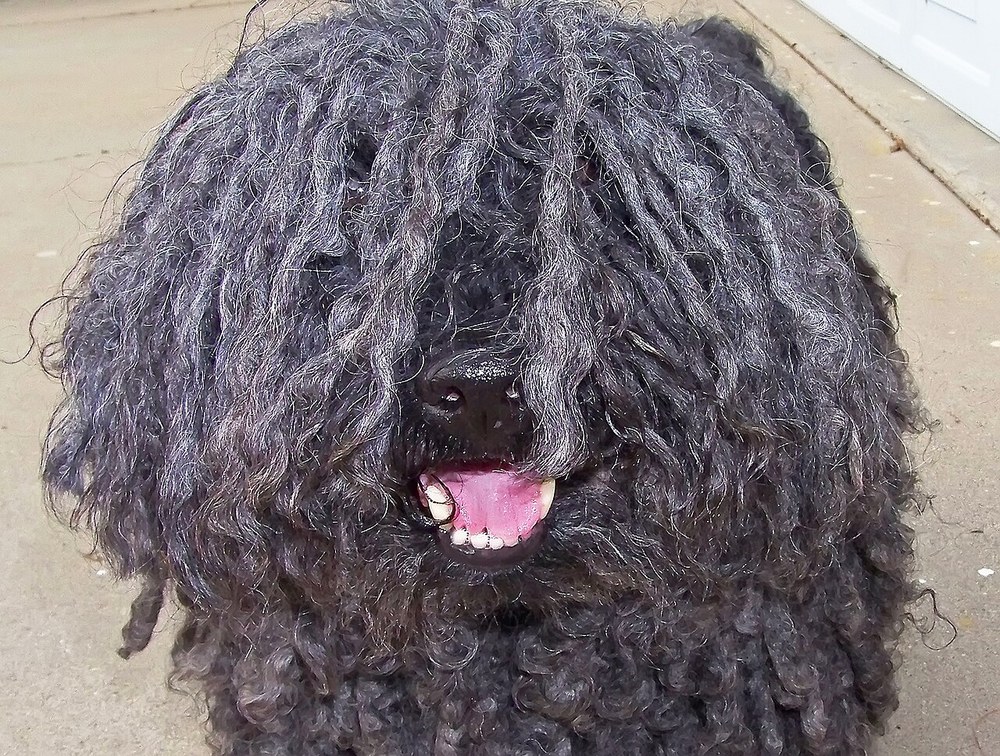
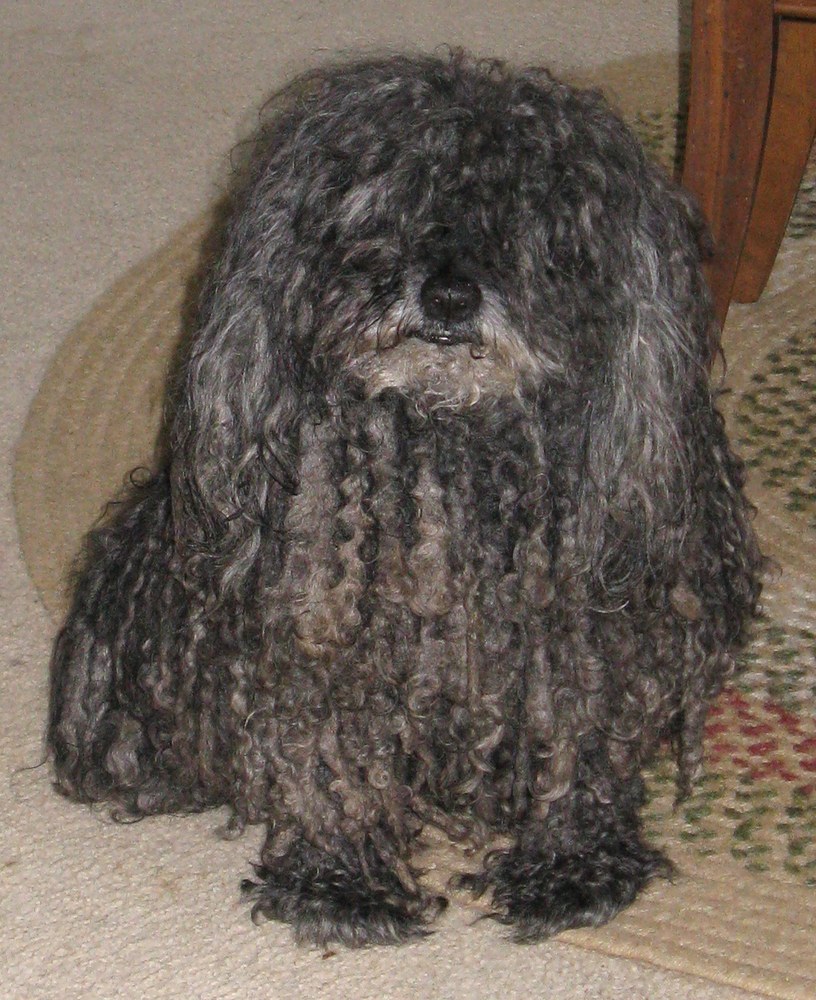
Cords form when the soft coat and harsh outer coat tangle into straps. On the flock that mattered for weather. In a modern home, cords are beautiful and labour-intensive; many owners keep a clipped coat for practicality.
Either choice is honest. What is not honest is promising a wash-and-wear corded dog.
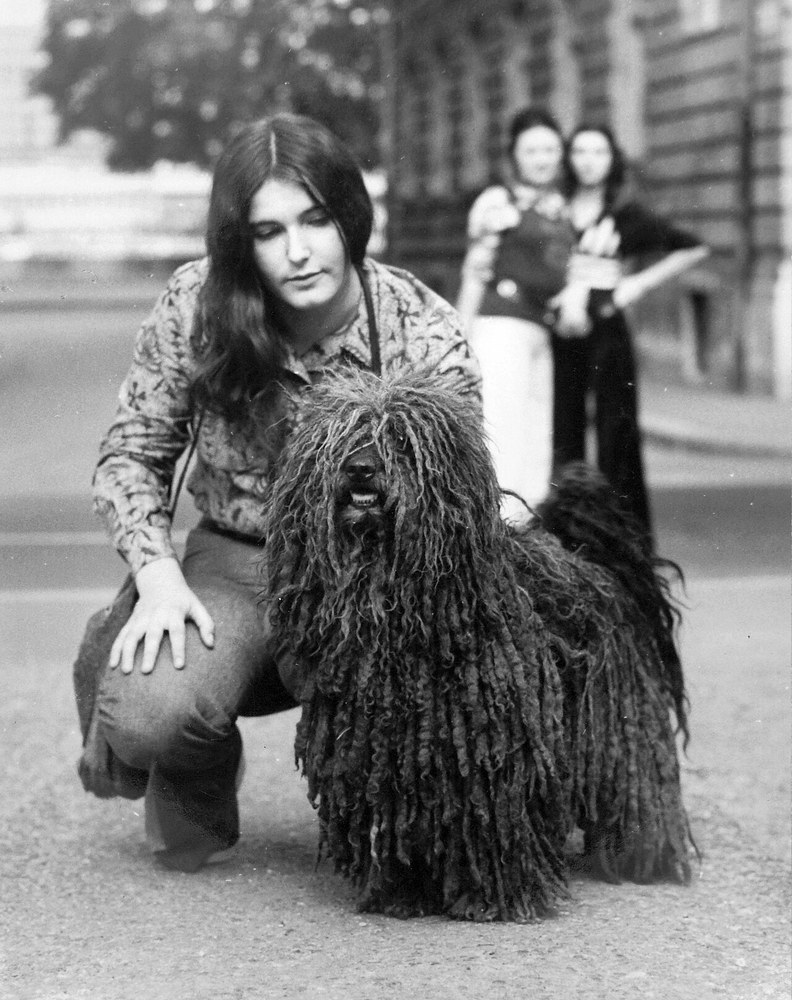
Puli in everyday Hungarian life (CC BY-SA 3.0, Fortepan). Companion life still needs a job.
What the breed was bred for
Agility of mind and body
In trainer terms, breeders favoured quick turns, vocal signalling and persistence with stock. At home that becomes circling, barking and a need for games with rules.
Pulik are usually bright and opinionated. Short, clever sessions work. Boredom invents herding of children and vacuum cleaners.
A good day has a job, a walk, coat care and a real off switch
At home the Puli job shows up as herding people, barking at movement and a coat that needs hands-on time. Most are funny, loyal and sharp. Outlets and coat care make the household peaceful.
Morning · job
A herding-shaped outlet before the day unravels
Ten to twenty minutes of structured work — Treibball-style pushes, flirt pole with rules, agility contacts or real herding — lowers the urge to organise children. Then walk.
Corded coats need separating, washing and drying time. Clipped coats need regular trims. Both are valid. Mats against skin are not a style — they are a welfare problem.
Scent finds, trick chains and short obedience games suit the Puli mind. Hours of mindless walking without a job often still leave a herding dog restless.
General awareness only. I am not a veterinarian. With Pulik, owners often notice trouble first as skin odour under cords, limping after hard turns, eye irritation or weight changes hidden by coat. For red flags, leave this page and open
when to call the vet.
Skin under cords
Moisture trapped in cords causes odour and irritation. Wash and dry thoroughly; never leave a wet corded coat. Scratching needs a vet look.
Hips and progressive issues
Hip themes are discussed in the breed. Limping or bunny-hopping needs a vet. Ask breeders about screening.
Eyes
Coat near the eyes can irritate. Keep the face tidy and watch for redness.
A full corded coat in hot weather needs shade, water and shorter sessions.
Lines and types
Show cords and clipped pets share the same herding brain
No bloodline selling. Differences show in coat presentation and drive. Every Puli needs job outlets and an honest coat plan.
Corded show and traditional coats
High grooming time: separating, washing, drying.
Still a herding dog underneath the cords.
Ask how parents live day to day, not only in the ring.
Skin care under cords is non-negotiable.
Fits an owner who loves coat work as a hobby and will keep cords healthy.
Clipped companion coats
Lower daily coat labour; still needs trims.
Same need for herding outlets and bark rules.
Easier to monitor skin and weight.
Ask about hips and household manners of parents.
Fits an active household that wants the brain without full cord lifestyle.
Socialization windows
What to introduce — and what not to overload — by age
AVSAB-aligned in spirit: short, clean exposures at a distance the puppy can still eat,
with hygiene while vaccines finish. See the
puppy socialization schedule.
2–4 months
Handling and early outlets
Introduce: coat parting practice, short flirt-pole rules, name game, doorbell at low volume, body handling.
Do not overload: laughing at heel nipping, skipping coat handling, unsupervised balcony barking.
~6 months
Movement at a distance
Introduce: bikes and joggers at a distance where the puppy eats, long-line walks, first skill chains.
Do not overload: chasing wheels as a game, off-lead near roads.
~12 months
Adolescent herding
Introduce: anti-nipping plans with kids, alert then quiet, agility foundations.
Do not overload: letting circling become the family sport, harsh corrections.
~18 months
Adult routines
Introduce: regular coat maintenance, sport classes, reliable settle after work.
Do not overload: neglecting cords until they mat to skin, dropping daily jobs.
~24 months
Keep it going
Introduce: refresh outlets, keep coat honest, yearly health checks.
Do not overload: assuming the herding urge faded, ignoring skin odour under cords.
Before you buy
Who a Puli usually fits
Fit comes down to daily jobs, coat care and tolerance for a vocal, clever herding dog.
Good match
More likely a good fit if you…
You want an agile Hungarian herder with personality
You will keep cords properly or clip on a schedule
You enjoy training games and sports
You will teach children not to run screaming as a game
You want a dog that thinks with you
Mismatch risk
A Puli may be a poor choice if…
You want a wash-and-wear silent companion
You hate grooming and will “see about the cords later”
You want a dog that ignores moving bikes forever with no training
You have chaotic toddler zoomies and no management plan
You only want short leash walks with no brain work
If you are torn between breeds
Puli vs Briard and Bearded Collie
Briards are larger French herding guardians with coat load; Bearded Collies are softer herding clowns with heavy coat. The Puli is smaller, cord-famous and intensely agile.
Origin
Puli
Hungarian flock herder.
Briard
French herding guardian.
Coat
Puli
Cords or clip; cords are high labour.
Bearded Collie
Long coat; different maintenance.
Size
Puli
Medium, square and agile.
Briard
Larger and heavier.
Work style
Puli
Quick turns, vocal, close work.
Bearded Collie
Bouncy herding clown energy.
Home fit
Puli
Active trainers who face coat facts.
Both compares
All three need outlets and grooming plans.
Ownership without surprises
Where a Puli owner’s budget goes
Costs depend on country, city and your choices. These are themes to plan for, not quotes.
Coat labour
Corded coats cost time and occasional professional help; clipped coats cost regular trims. Neglect costs vet bills.
Time and outlets
Daily jobs and training. A bored Puli costs you in nipping and barking.
Veterinary
Routine care, hip screening of parents, skin under coat. Know your emergency clinic.
Classes
Herding, agility or obedience. Prices vary by city.
Food
Medium rations; check body condition by hand under coat.
Gear
Long line, secure fencing, toys for legal herding games.
The coat is the surprise bill if you were sold a low-maintenance idea. Plan for it.
Before day one at home
What to prepare for a Puli puppy
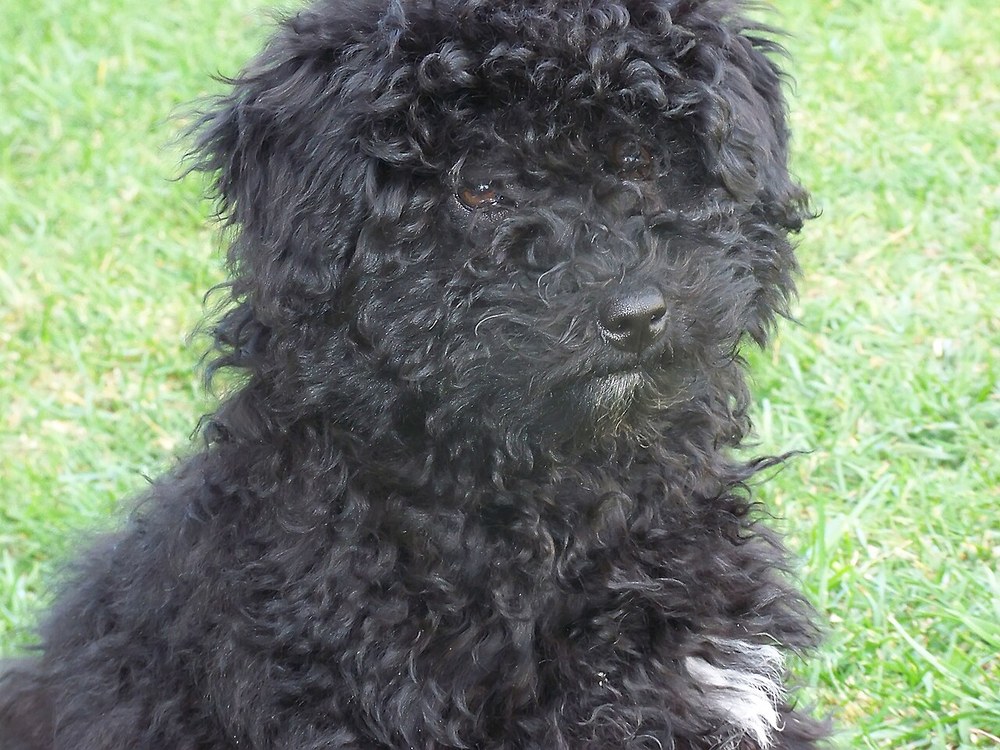
A Puli puppy is quick, mouthy on heels and curious. Coat handling and anti-herding games before cords form save years of struggle.
01
Start coat hands early
Part the coat, touch skin, reward calm. See puppy handling.
02
Legal herding games
Flirt pole with rules, pushing games, not chasing children.
Training a Puli gives the herding brain a legal flock
Keep rules easy to see: job first then settle, one or two barks then quiet, four paws on the floor, no heel nipping when kids move. Reward each one.
Pulik are clever and can get bored. Short, varied sessions with real outcomes work. Long, repetitive nagging creates an argumentative partner.
Management makes training work: stop unsupervised window barking, give safe outlets before guests with kids arrive, keep coat appointments. You stop the habit while new habits grow.
Load balance
Job and skill first, then ask for calm
Age, joints, coat heat load and weather all affect exercise. Limping, skin odour under cords or a dog that cannot settle need a vet or behaviour check.
Herding-shaped jobSniff walkSkill gameCoat careSettle on a bed
Structured jobs, agility, scent and short walks with sniffing all count. Hours of balcony watching do not meet the need.
A Puli that has worked a job and practised quiet today can let a bicycle pass without managing the whole street.
Job then off
How to give a Puli a herding-shaped outlet that ends on cue
Start with a short pushing or flirt-pole game, mark success, then send the dog to place with a chew so the job has a finish.
01
Pick a legal herding game
Flirt pole with rules, a push ball or a short agility sequence the dog already knows.
02
Work for 5–10 minutes
Mark success and keep excitement in a range where the dog can still hear you.
03
End on cue
Say the end cue and guide the dog to a bed with a chew.
04
Practice the off switch
Reward staying on the bed while household movement continues at a low level.
05
Use the sequence daily
Job then place becomes the rhythm that replaces hallway herding.
One scene close-up
Why a Puli herds the children through the hallway
Kids run, the dog circles and nips heels, adults shout, excitement climbs. To the Puli this is flock work. Every repetition makes it stronger.
Give a proper job first, teach kids to freeze and ask for help, interrupt circling early and send the dog to place. Do not use the children as sheep.
If nipping breaks skin or fear is involved, get qualified help.
“With a Puli, I tell the truth about cords on day one and give the herding brain a job before I ask for quiet. Agility of mind is the gift — unmanaged, it becomes hallway traffic control.”
Sessions cover real scenes: herding outlets, barking, coat handling, kids and settling. I am a trainer, not a veterinarian. No invented reviews.
Andrew DarovProfessional dog trainer and instructor
A large, protective French farm shepherd that needs experienced handling, early socialization and daily exercise.
Need a read on your exact situation?
Tell me your Puli’s age, cords or clip, and the scene that keeps repeating: herding, barking, coat fights or settling. We check safety and health first, then pick the first skill.
Written by Andrew Darov, professional dog trainer. Not veterinary advice and not a diagnosis.
Not a kennel club. No invented reviews. No vaccine schedules or toxin doses. Photo credits in
/images/breeds/puli-guide/credits.md.