Australian Shepherd: temperament, training & stock drive
The Australian Shepherd is a medium-sized herding dog developed on ranches in the western United States. Most are clever, energetic and devoted to their people. Life goes well with daily exercise and training, early socialization, weekly brushing and calm alone-time practice.
Job: American ranch herding dog — versatile and people-focused.
Medium double coat — seasonal shedding; merle or solid colours
Job
American ranch herding dog
Breed history
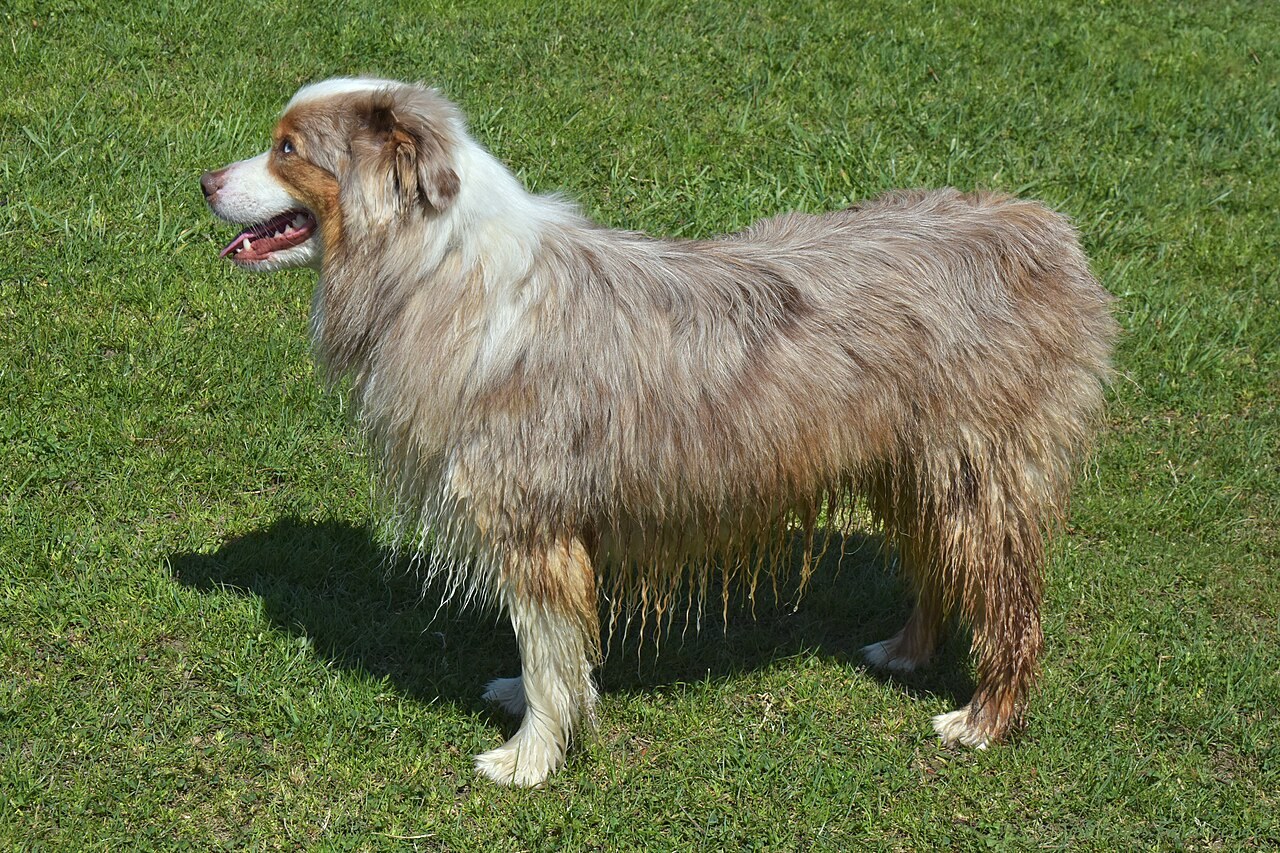
An American ranch dog with a misleading name
Despite the name, this breed grew up on American ranches. That background shaped a smart, energetic, people-focused dog that wants work and company.
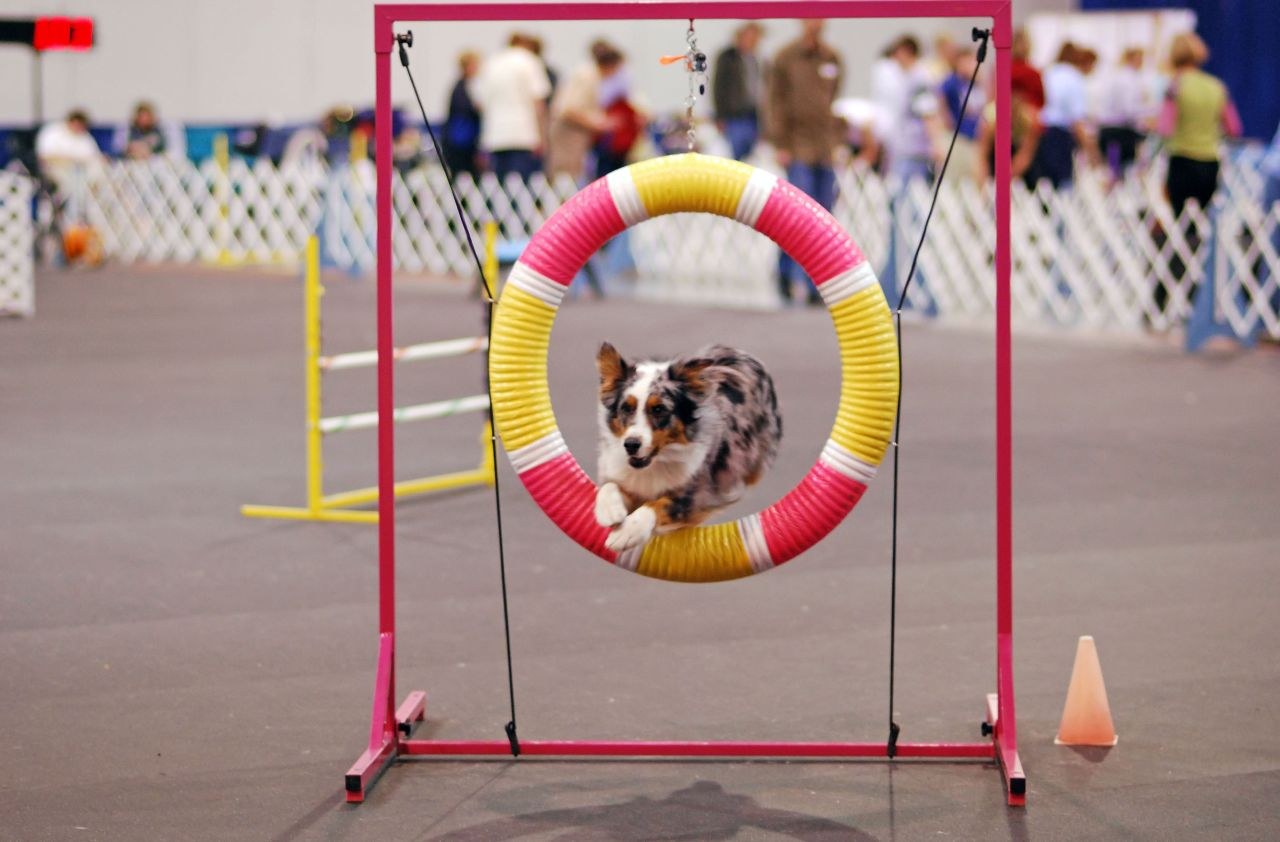
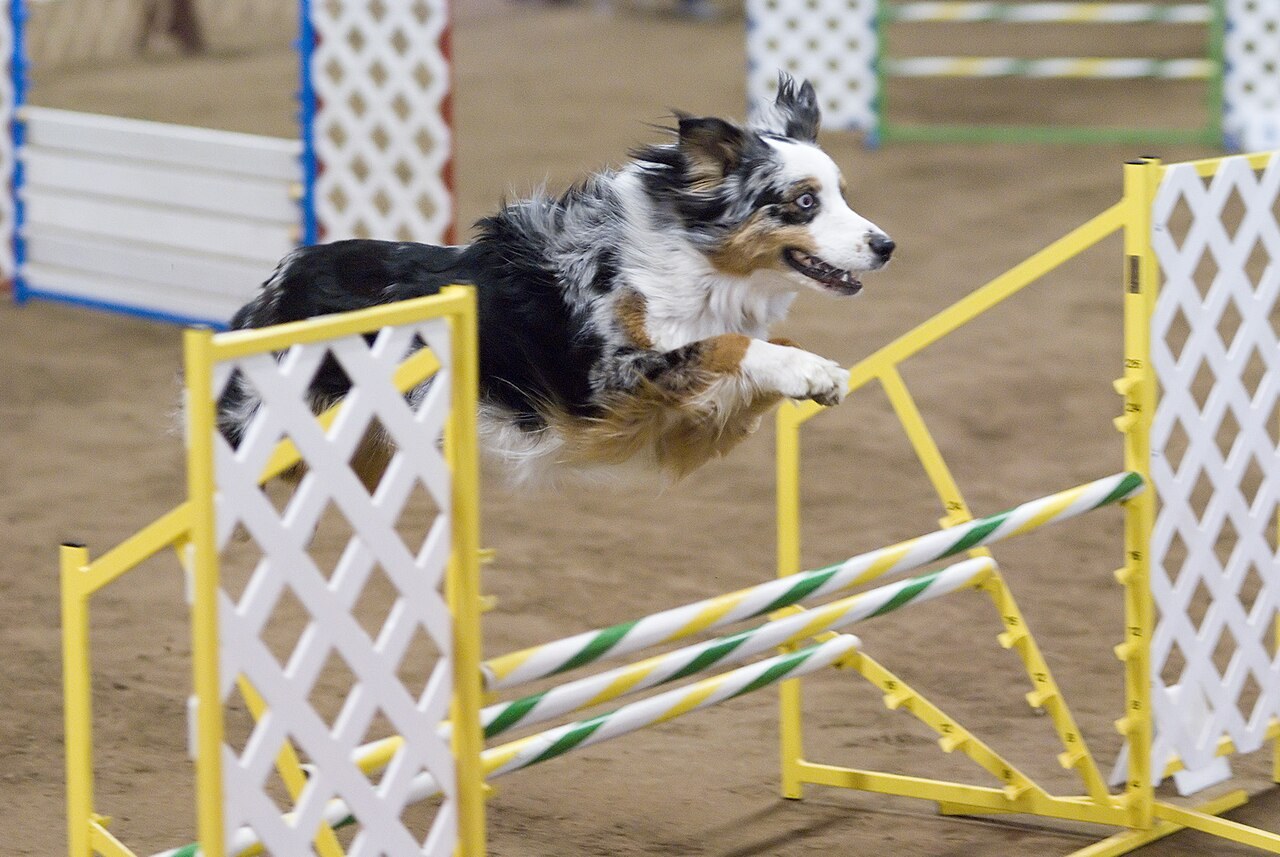
An Australian Shepherd at an agility show (modern photograph). Aussies are common in dog sports.
Western USA → ranch dog
Developed in the American West
Public breed histories link the Aussie to herding dogs that came to the western United States, possibly with sheep from Australia. Ranchers selected a versatile dog for sheep and cattle.
They wanted a dog that worked closely with people and thought for itself — traits you still see today.
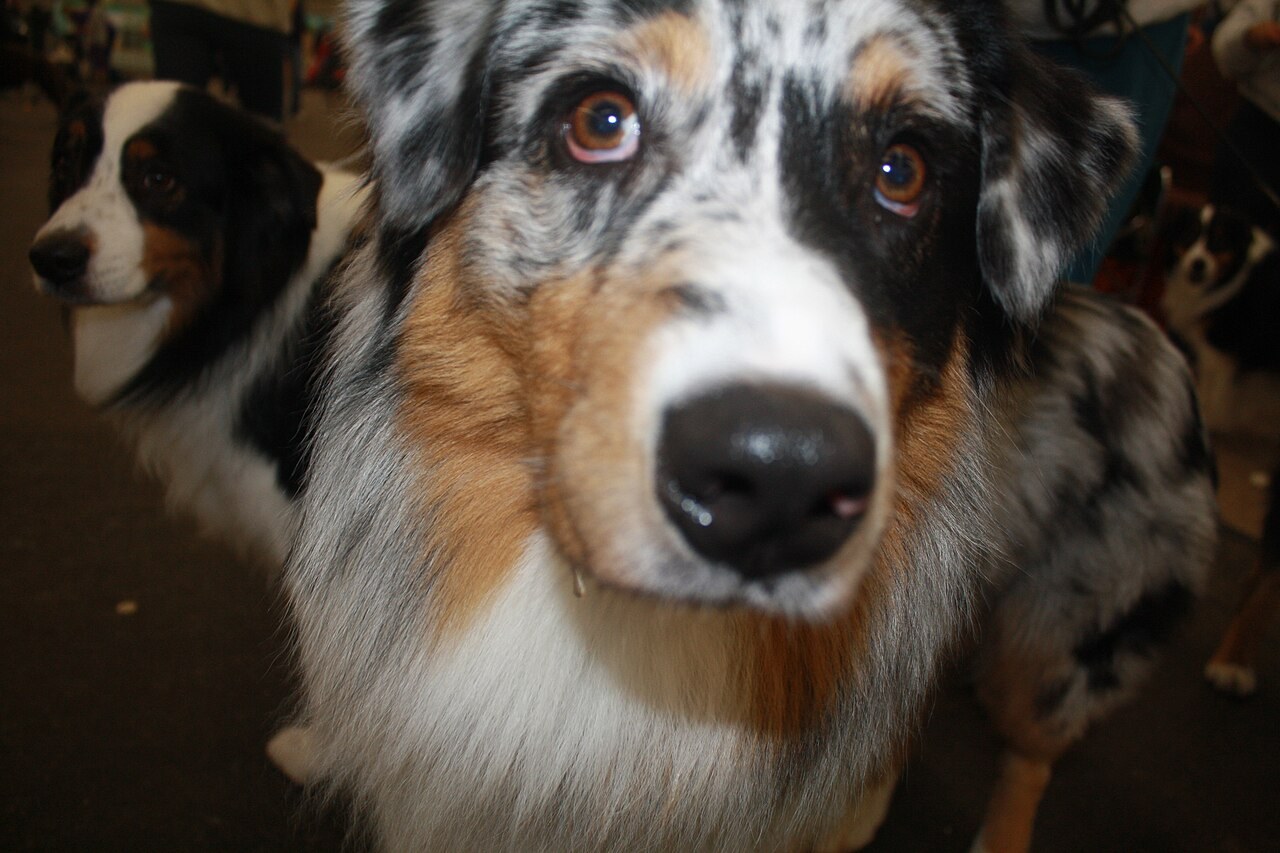
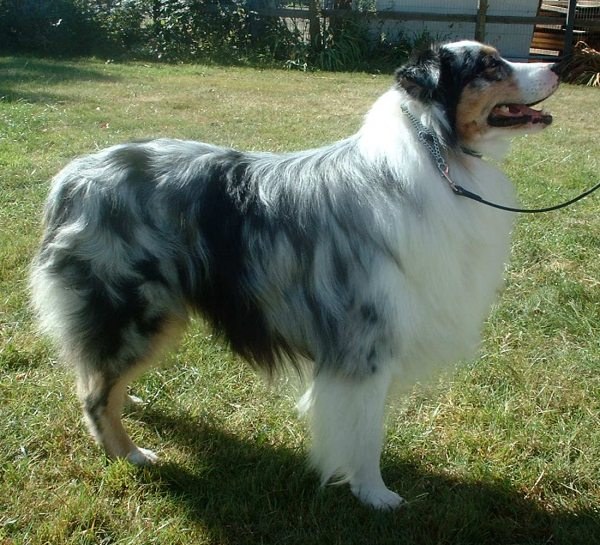
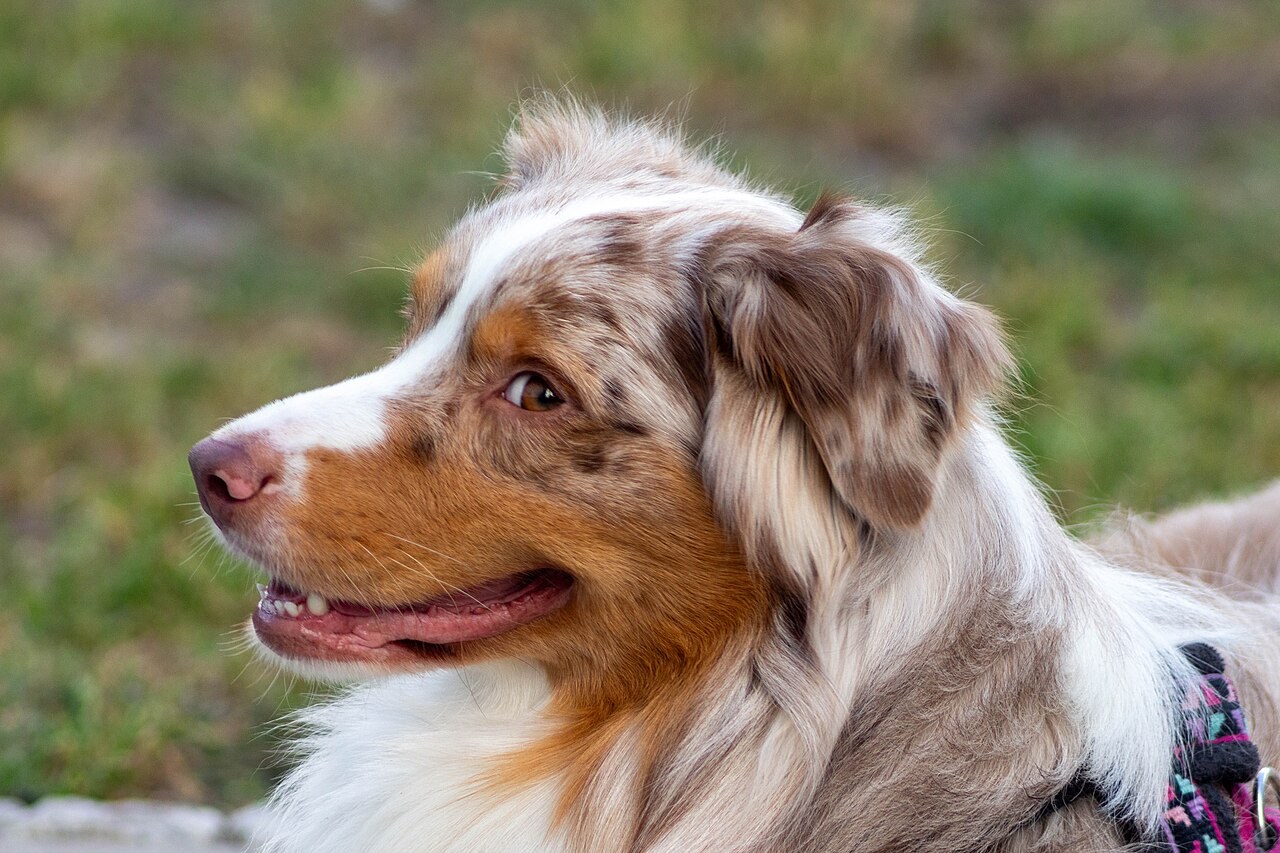
A blue merle Australian Shepherd at a show (modern photograph). Merle coats and light eyes are common in the breed.
Rodeos → sports → family homes
From ranches to rodeos and sport
Aussies became popular through rodeos and shows after the Second World War. Today they are ranch dogs, sport dogs and family companions.
Lines vary in energy. Meet the parents and ask what they do every day.
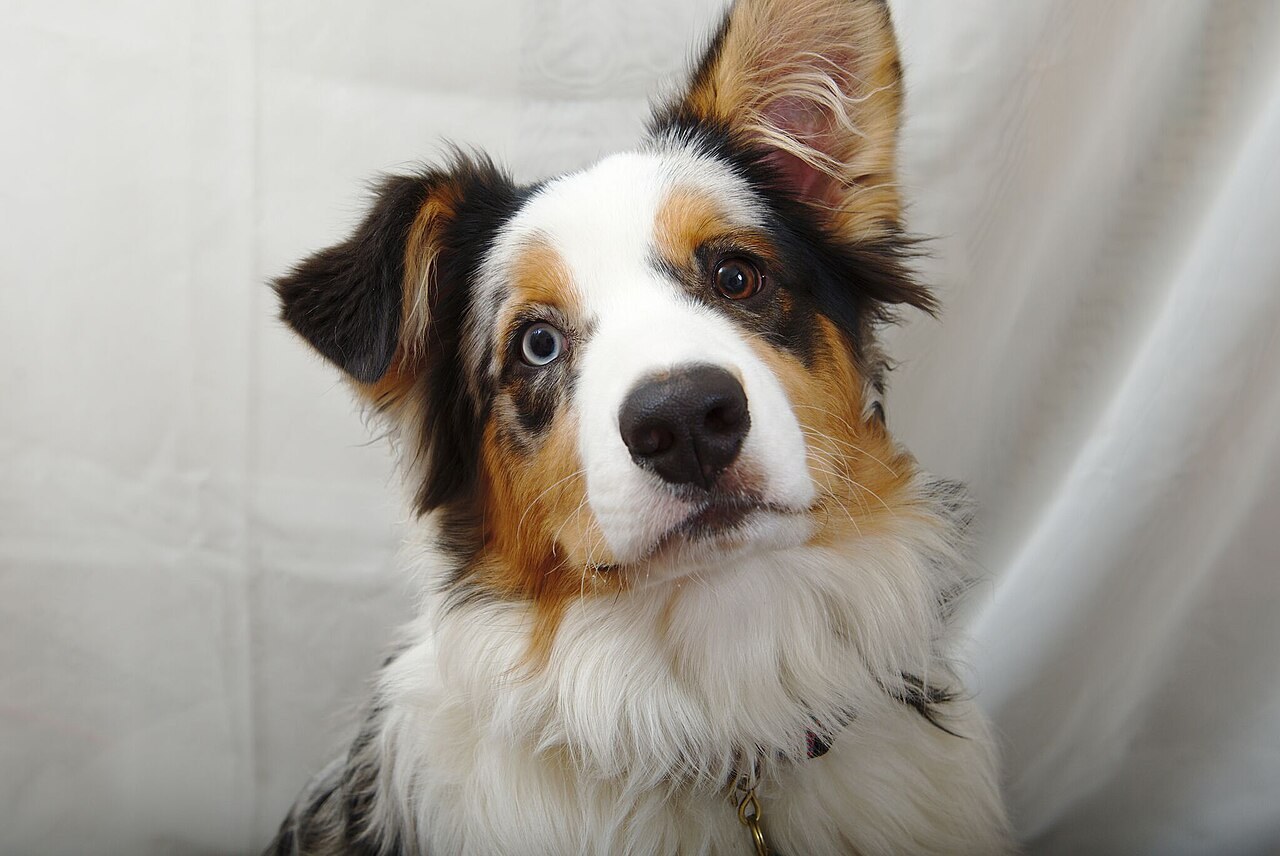
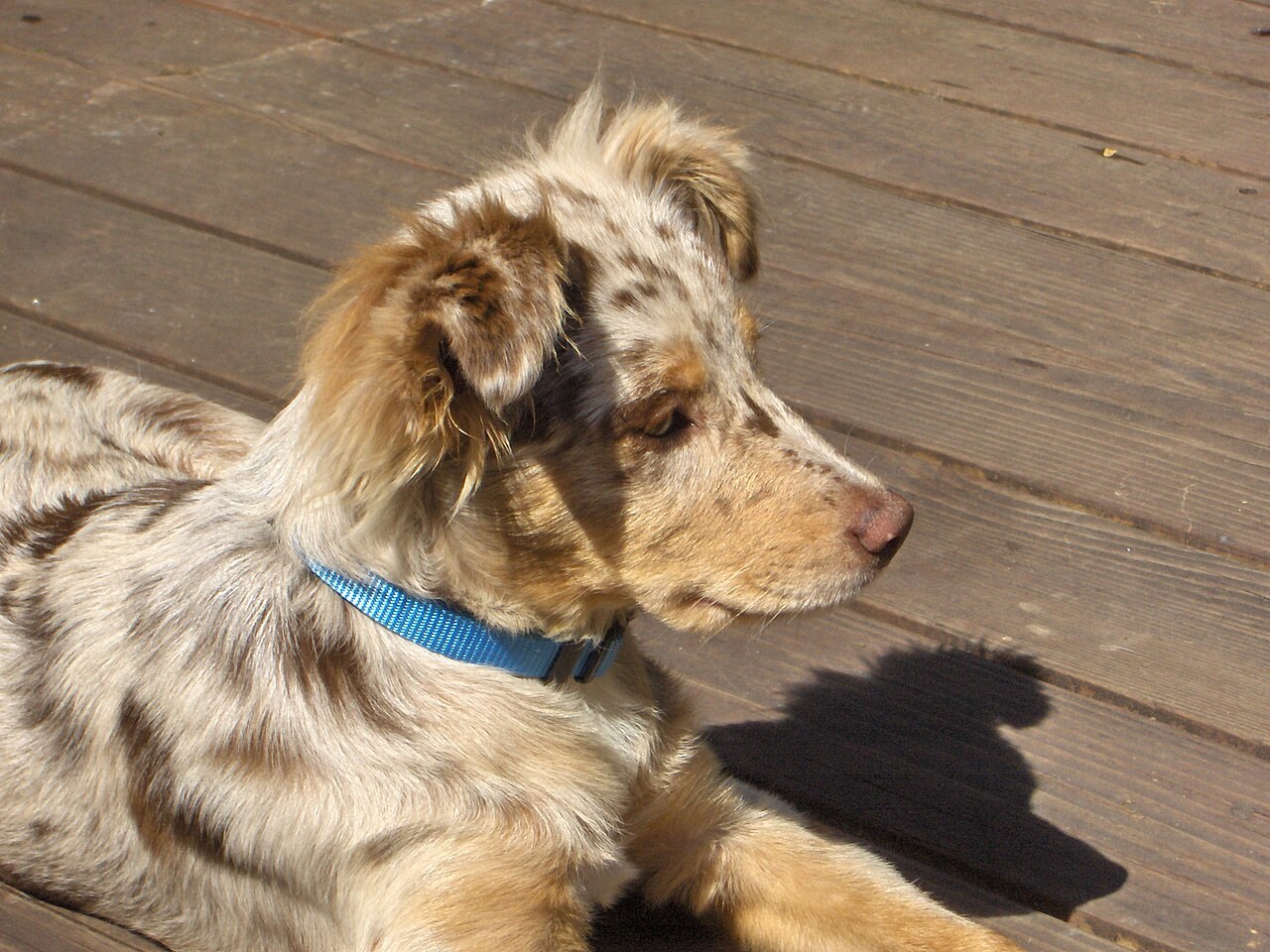
A five-month-old blue merle Aussie with different-coloured eyes (modern photograph).
What the breed was bred for
Clever, energetic and devoted
In plain trainer language: Aussies are bright, active and very attached to their people. Many are reserved with strangers.
The challenges are energy, herding behaviour, worry about new things and grooming. Daily training, exercise and socialization help most.
What to watch monthly: coat, eyes, joints and weight
General awareness only — I am a trainer, not a veterinarian. Notice eye changes, limping or energy changes. For urgent signs, see
when to call the vet.
Coat
Medium double coat; brush weekly and more when shedding.
Eyes
See the vet for redness, cloudiness or squinting.
Joints
Notice stiffness after exercise and ask the vet.
Weight
Keep the dog lean and fit.
Health screening (not a diagnosis)
Ask the breeder which screenings the national breed club recommends, including any DNA tests, and see results for both parents.
Toxins
I do not publish toxin amounts. Call a vet or poison-control line if the dog eats something dangerous.
Lines and types
Working lines or show lines
Some breeders select for ranch and sport work; others for the show ring. Individuals vary within each.
Working and sport lines
Often leaner build.
Frequently higher drive.
Less coat in many dogs.
Need serious daily work.
Suits active, sporty homes.
Show lines
Often heavier coat.
Sometimes calmer at home.
More grooming.
Still need daily exercise.
Suits active families who groom.
Socialization windows
What to introduce — and what not to overload — by age
AVSAB-aligned in spirit: short, clean exposures at a distance the puppy can still eat,
with hygiene while vaccines finish. See the
puppy socialization schedule.
2–4 months
Confidence and handling
Introduce: handling, new places, toilet routine, crate.
Do not overload: overwhelming outings.
~6 months
Manners
Introduce: recall, calm greetings, short absences.
Do not overload: herding children.
~12 months
Adolescence
Introduce: sport basics, long-line recall, settle.
Do not overload: too much repetitive ball play.
~18 months
Adult outings
Introduce: longer hikes, dog sports.
Do not overload: skipping rest days.
~24 months
Steady partner
Introduce: refreshed socialization.
Do not overload: boredom.
Before you buy
Who an Australian Shepherd usually fits
An Aussie fits active people who want a smart, devoted dog and enjoy training.
Good match
More likely a good fit if you…
Enjoy hiking, running or dog sports
Like teaching new skills
Are home a lot
Can brush weekly
Want a close companion
Mismatch risk
An Australian Shepherd may be a poor choice if…
You want a low-energy dog
Long hours alone are routine
Dog hair is a problem
You have no time for training
Toddlers run around unsupervised
If you are torn between breeds
Australian Shepherd vs Border Collie and Australian Cattle Dog
Aussies are compared with Border Collies and Australian Cattle Dogs — other active herding breeds.
Origin
Australian Shepherd
American West.
Border Collie
Scottish-English border.
Work style
Australian Shepherd
Versatile ranch dog.
Border Collie
Intense sheepdog.
Coat
Australian Shepherd
Medium double coat.
Australian Cattle Dog
Short coat.
With strangers
Australian Shepherd
Often reserved.
Australian Cattle Dog
Often reserved, tougher.
Energy
Australian Shepherd
High.
Both compares
All three need daily work.
Ownership without surprises
Where an Aussie owner’s budget goes
Costs depend on your area and lifestyle. Plan for these — not quotes.
Training and sports
Classes or clubs.
Grooming tools
Brushes, de-shedding tools.
Veterinary care
Ask which screenings the national breed club recommends.
Gear
Harness, long line, toys.
Food
For an active dog.
Dog walker
For busy days.
With an Aussie, training and activities are the steady costs.
Before day one at home
What to prepare for an Australian Shepherd puppy
An Aussie puppy is clever and busy. Start socialization, handling and alone time early.
“With an Aussie, I look at training as exercise. We build recall, a settle and short absences — because a clever dog needs to learn when to rest.”
Sessions cover real scenes: herding the children, stress when left alone, reacting to bikes, and barking at the window. I am a trainer, not a veterinarian. No invented reviews.
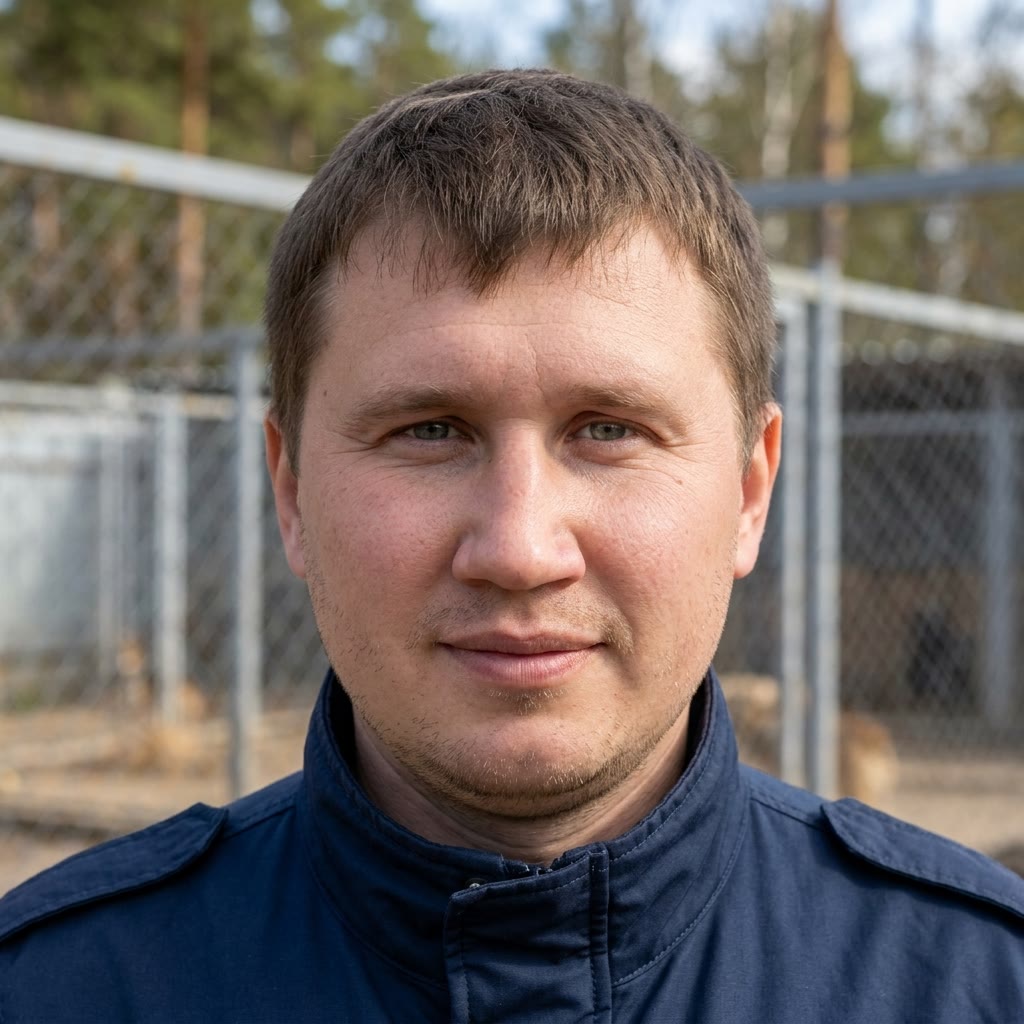
Andrew DarovProfessional dog trainer and instructor
Describe age, living setup, and where the dog breaks first — herding the children, stress when left alone, reacting to bikes, or never settling. Opens WhatsApp to Andrew.
A large, calm and protective Flemish cattle dog that needs socialization, lead manners and regular grooming.
Need a read on your exact situation?
Describe your Australian Shepherd’s age and the scene that repeats most: herding the children, stress when left alone, reacting to bikes, or never settling. We check safety first, then pick the first skill.
Written by Andrew Darov, professional dog trainer. Not veterinary advice and not a diagnosis.
Not a kennel club. No invented reviews. No vaccine schedules or toxin doses. Photo credits in
/images/breeds/australian-shepherd-guide/credits.md.