Australian Cattle Dog: temperament, training & heel drive
The Australian Cattle Dog is a tough, compact herding dog from Australia, bred to move cattle by nipping their heels. Most are loyal, clever and reserved with strangers. Life goes well with daily work, impulse-control training, early socialization and safe outlets for chasing.
Job: Australian cattle drover — nips heels to move stock.
Energy: High; daily exercise plus training.
Home: Best with active owners and a secure garden.
A breed’s past sets the defaults you will live with. The Australian Cattle Dog was made for hard, long days with cattle, so most are tough, loyal, sharp and quick to use their teeth on moving things.
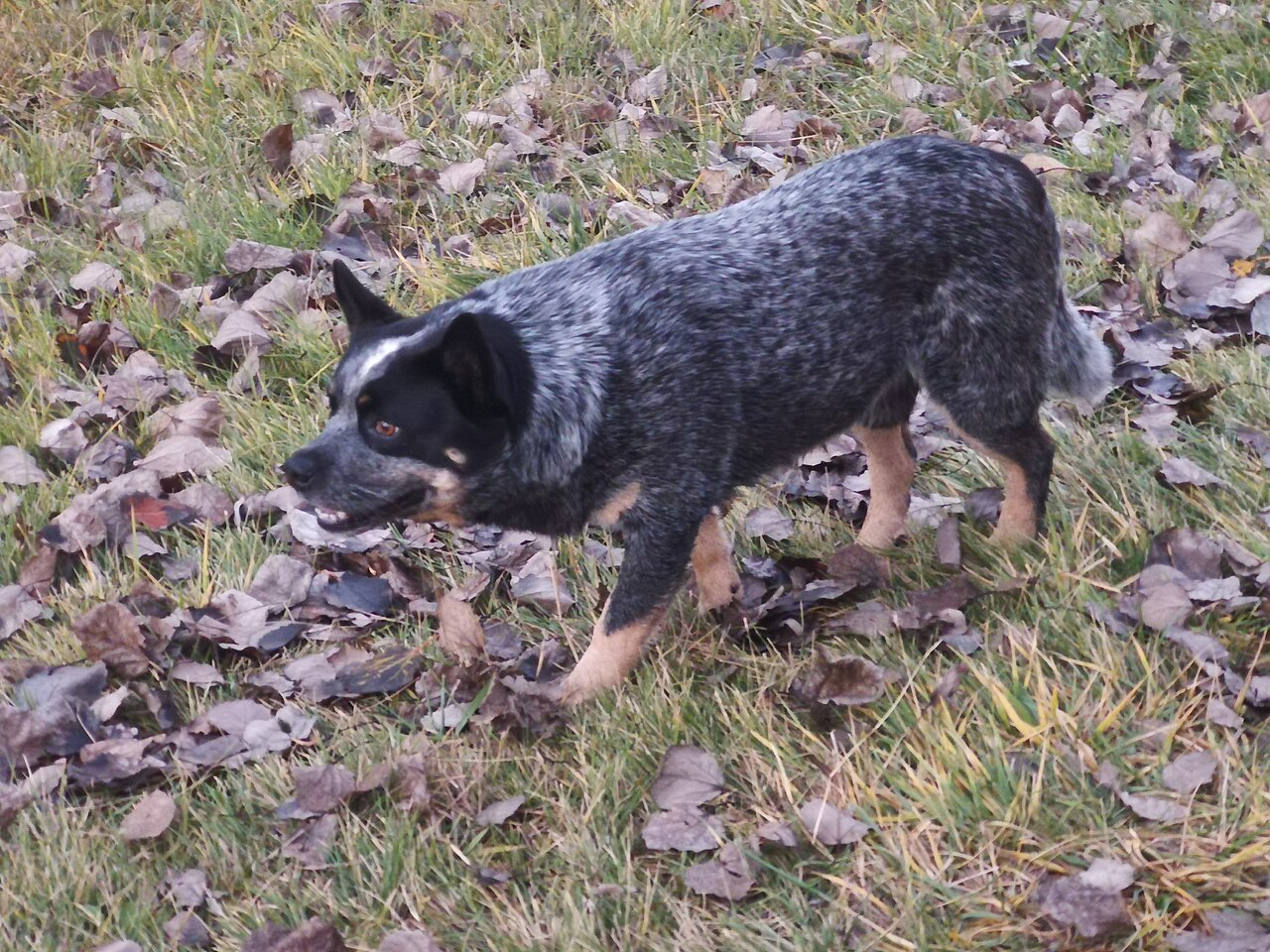
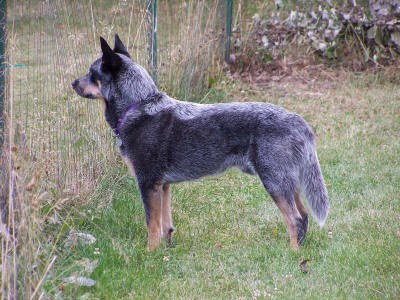
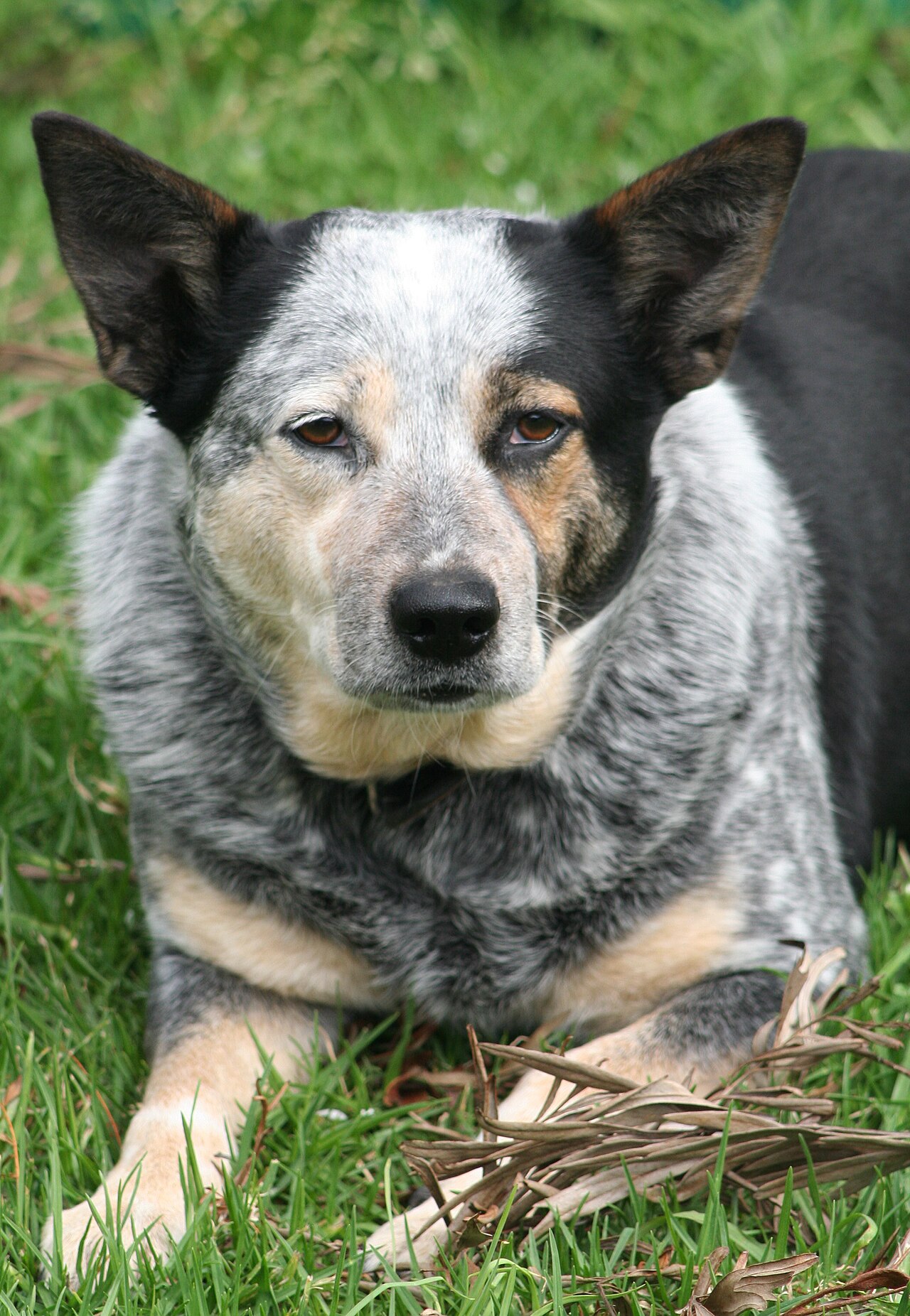
Bender, a blue Australian Cattle Dog, in the low creeping stance herding dogs use before they move stock (modern photograph).
New South Wales, 1800s → drover’s dog
A heeler for open-range cattle
Public breed histories describe Australian settlers in the 1800s crossing herding dogs with dingoes and other types to get a dog that could cope with heat, distance and half-wild cattle.
The result moved cattle by nipping at the heels. That is why many pet ACDs nip at running children, bikes and ankles.
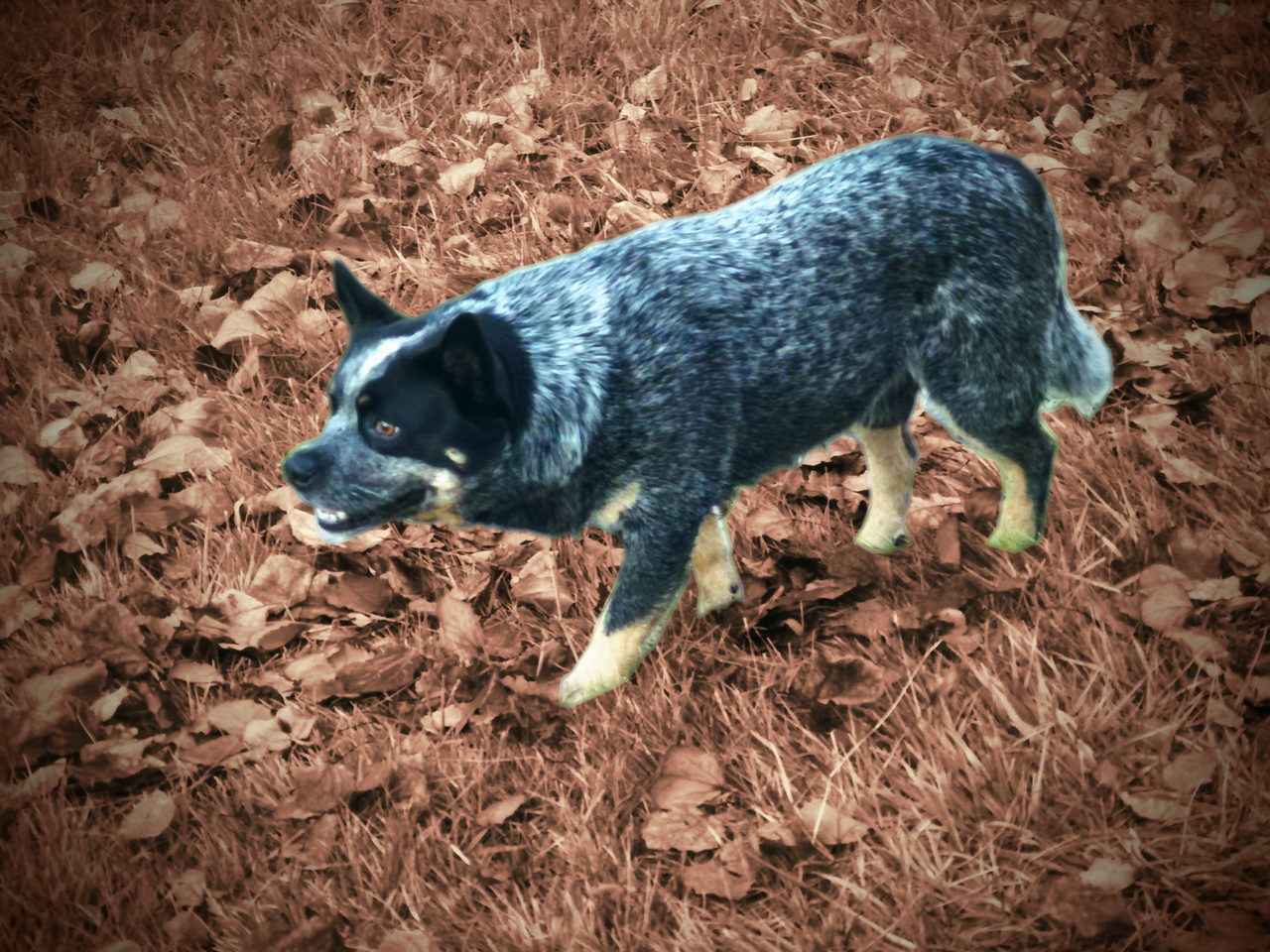
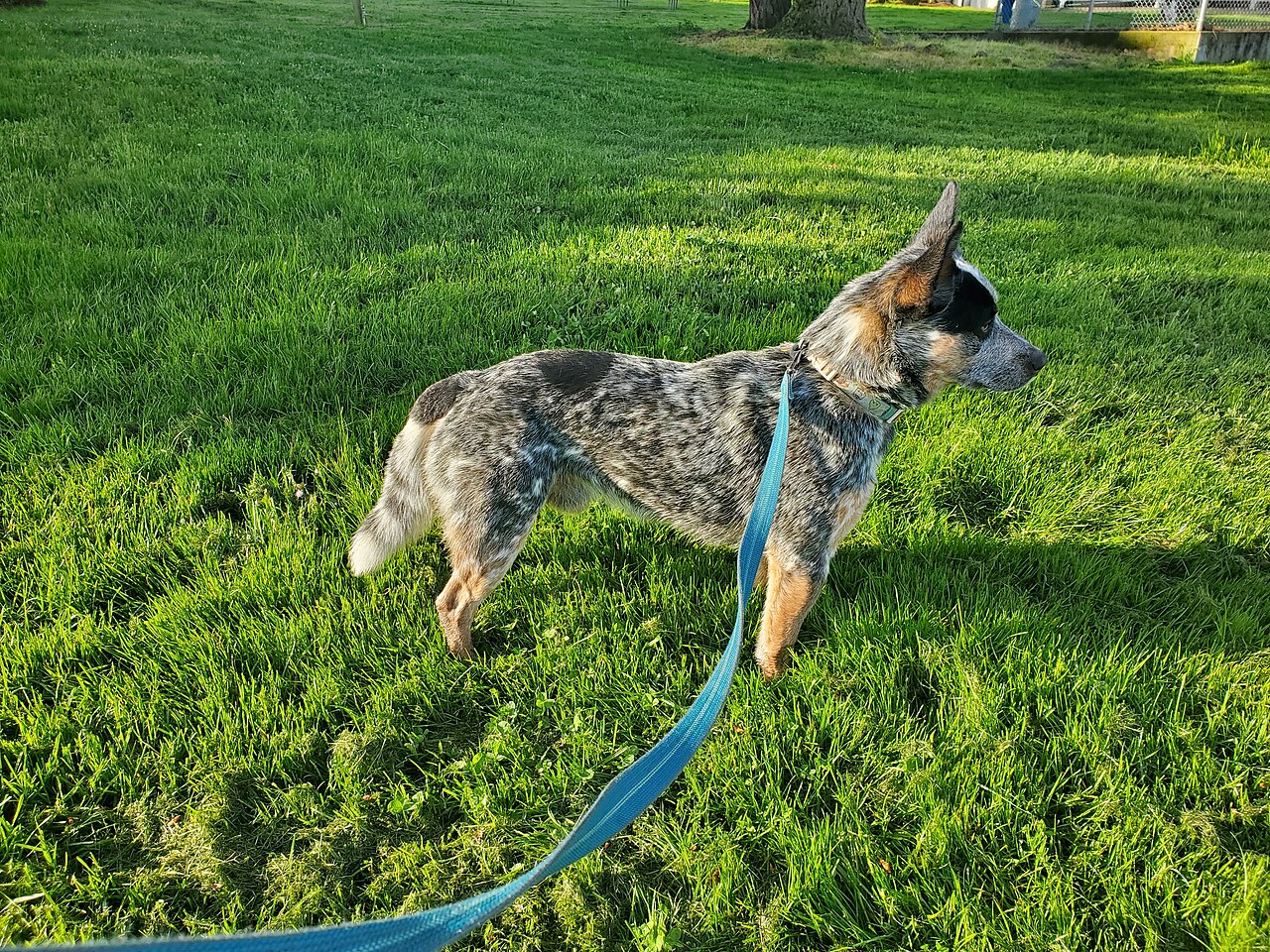
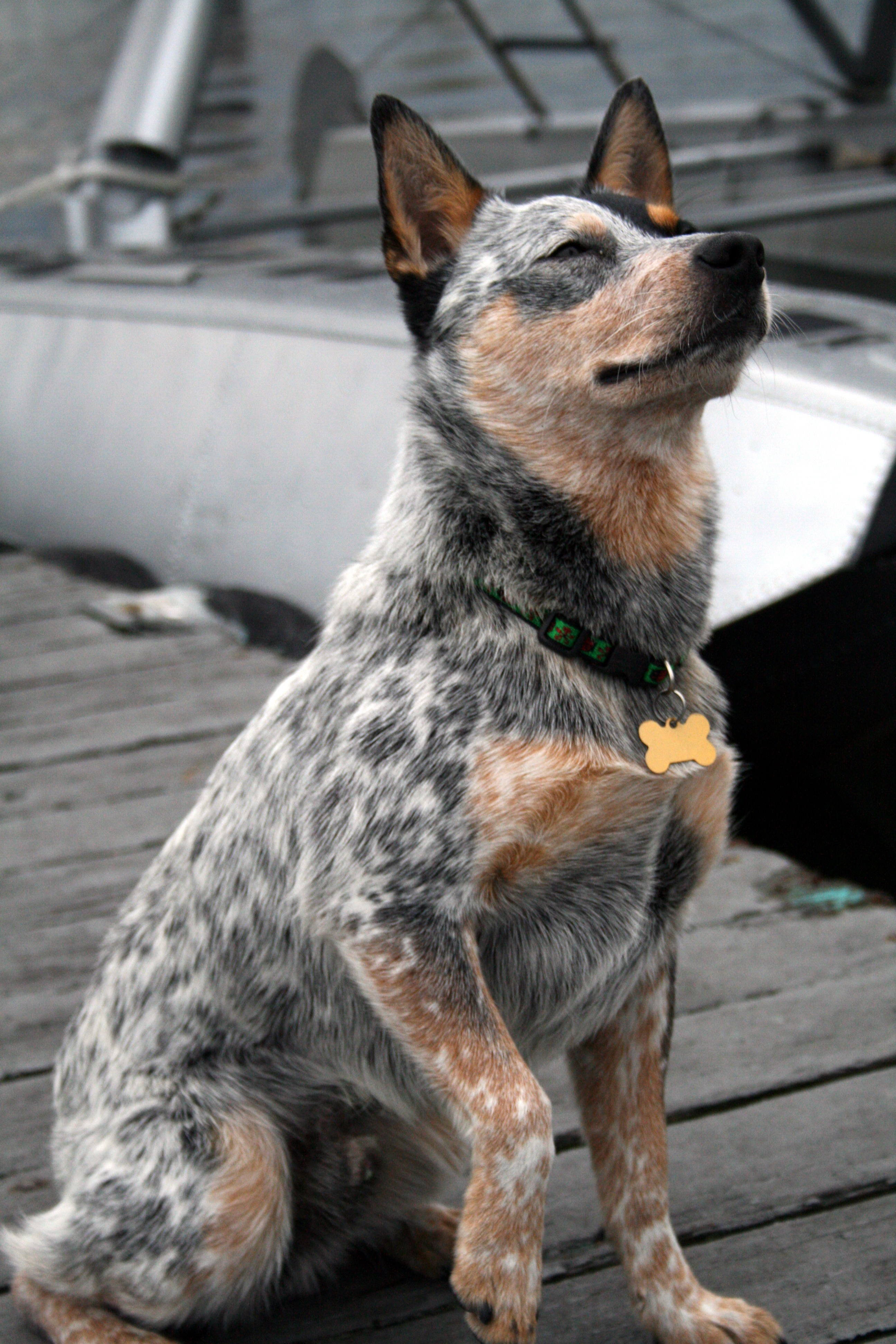
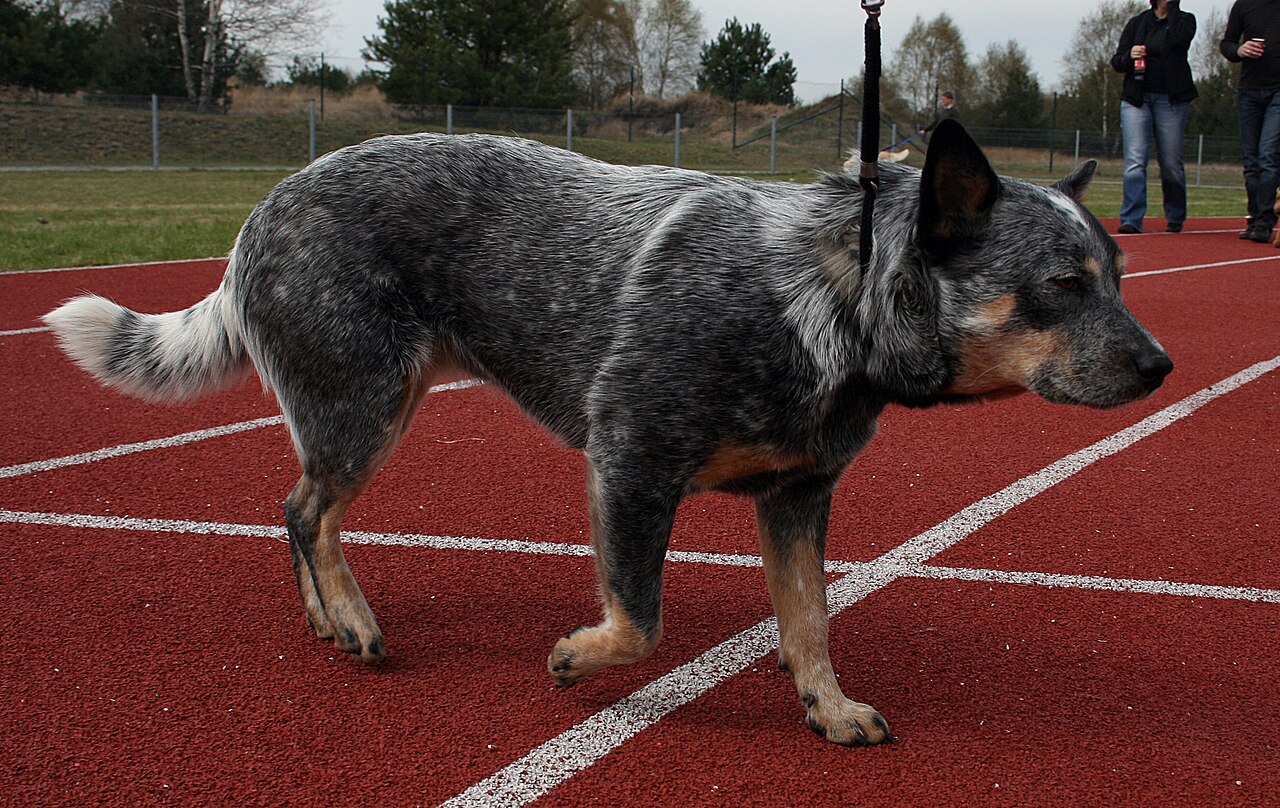
The same dog, Bender, on the move (modern photograph). Blue speckled coat, upright ears and a solid, muscular build.
Blue or red → ranches and homes
Blue Heeler and Red Heeler
Owners often call them Blue Heelers or Red Heelers after the coat colour. The breed is still used on farms and is popular in dog sports.
In a town home, that working drive needs a job. Meet the parents and see how they handle visitors and movement.
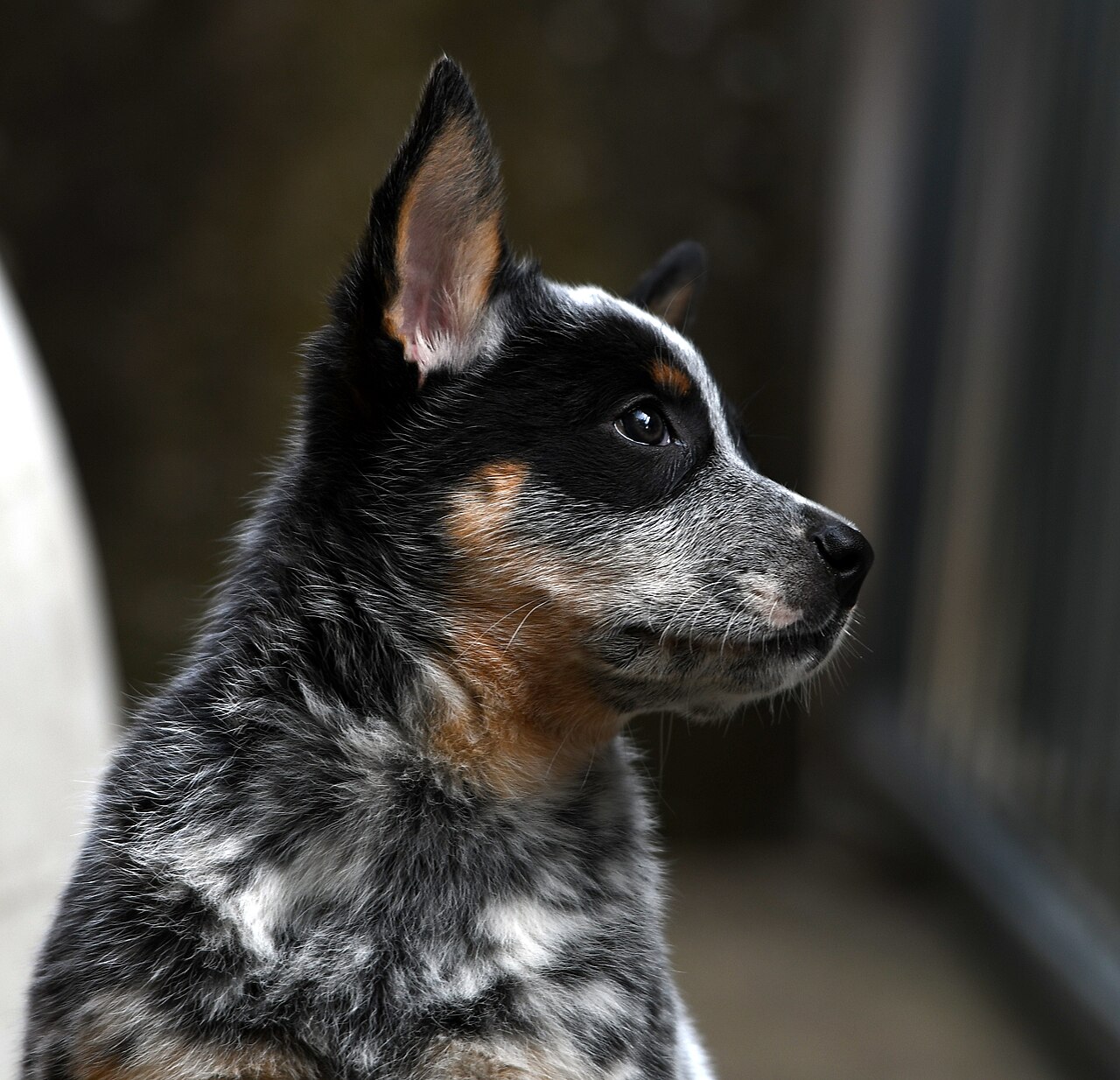
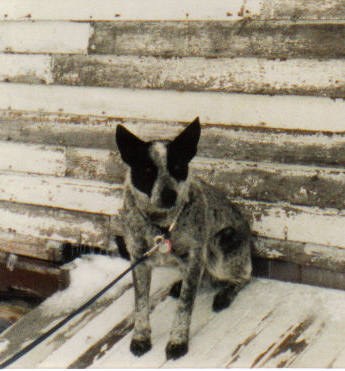
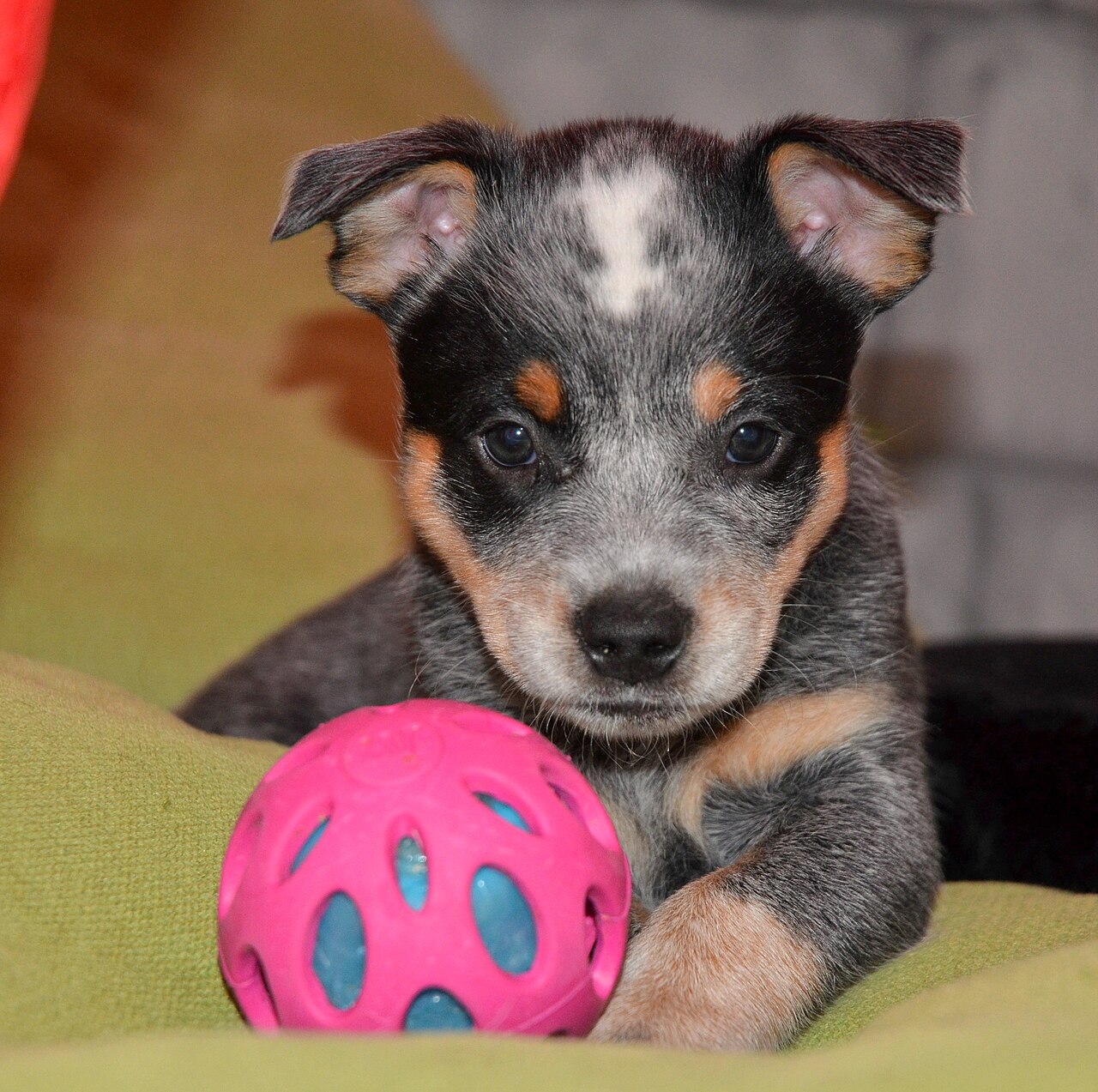
A family Blue Heeler photographed in 1989. Many ACDs bond closely with one household.
What the breed was bred for
Loyal, tough and always watching
In plain trainer language: the ACD is a clever, physical dog that wants to work with its person. Most are loyal to family and reserved with strangers.
The challenges are nipping at movement, guarding, boredom and a strong will. Daily work, impulse-control games and early socialization prevent most trouble.
What to watch monthly: paws, joints, weight and hearing
General awareness only — I am a trainer, not a veterinarian. Notice limping, changes in hearing or energy. For urgent signs, see
when to call the vet.
Paws and nails
Active dogs wear their pads. Check paws after rough ground and trim nails.
Joints
Notice stiffness or limping after exercise and ask the vet.
Coat
Short double coat that sheds heavily once or twice a year. Brush weekly.
Weight
Keep the dog lean so joints cope with an active life.
Health screening (not a diagnosis)
Ask the breeder which screenings the national breed club recommends, including hearing tests, and see results for both parents.
Toxins
I do not publish toxin amounts. Call a vet or poison-control line if the dog eats something dangerous.
Lines and types
Blue or red
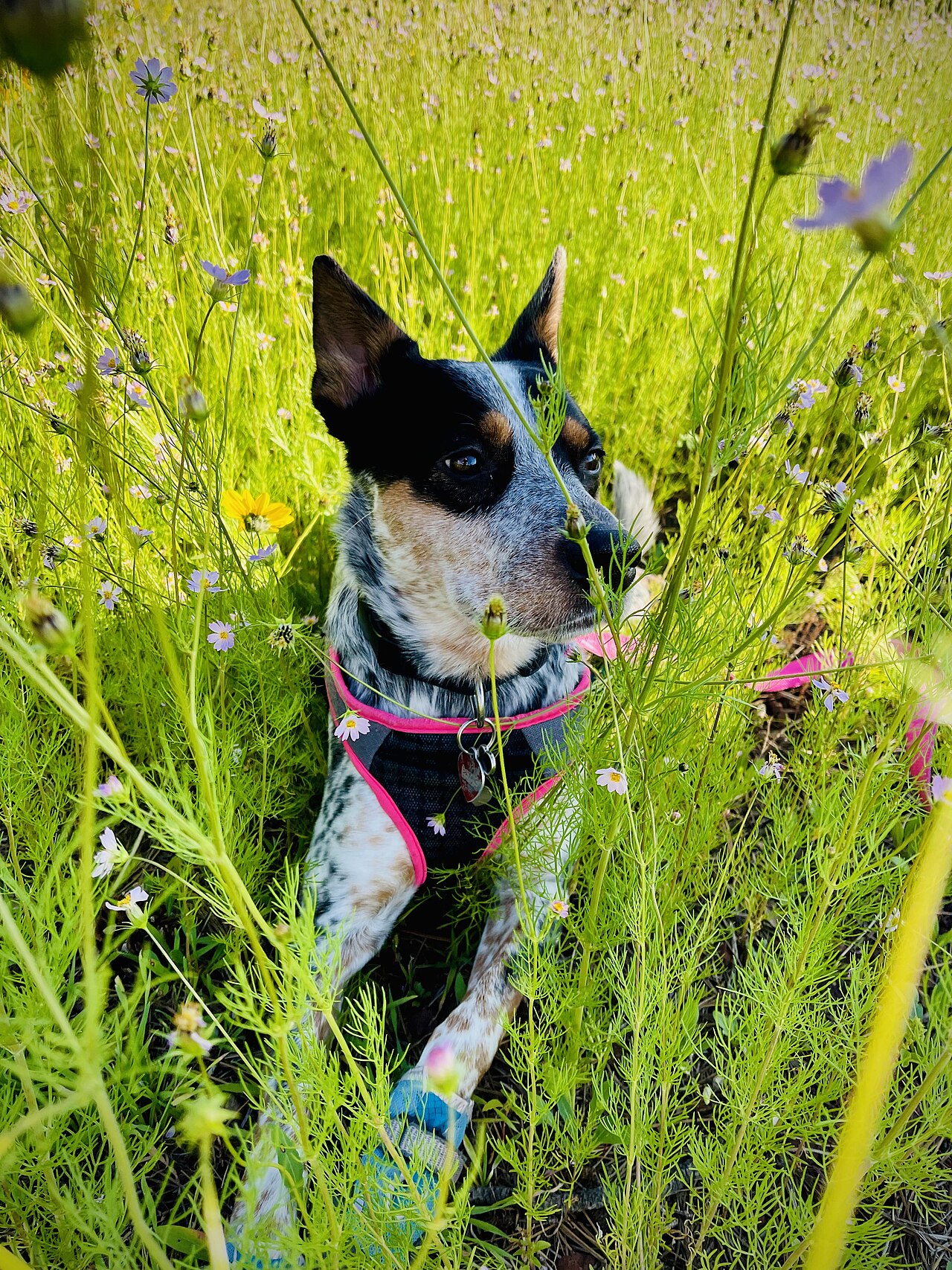
ACDs come in blue (speckled or mottled) and red speckle. Colour does not change temperament.
Blue
Blue speckled or mottled coat.
Often tan or black markings.
Called Blue Heeler.
Same working needs.
Suits owners who like the classic look.
Red
Red speckled coat.
Darker red markings.
Called Red Heeler.
Same working needs.
Suits owners who prefer warm colours.
Socialization windows
What to introduce — and what not to overload — by age
AVSAB-aligned in spirit: short, clean exposures at a distance the puppy can still eat,
with hygiene while vaccines finish. See the
puppy socialization schedule.
“With an ACD, I start with the daily job. We give the dog real work, teach a calm settle and manage chasing — because a heeler that has something to do is loyal and steady.”
Sessions cover real scenes: nipping at heels, lunging at bikes, guarding the house, and visitors arriving. I am a trainer, not a veterinarian. No invented reviews.
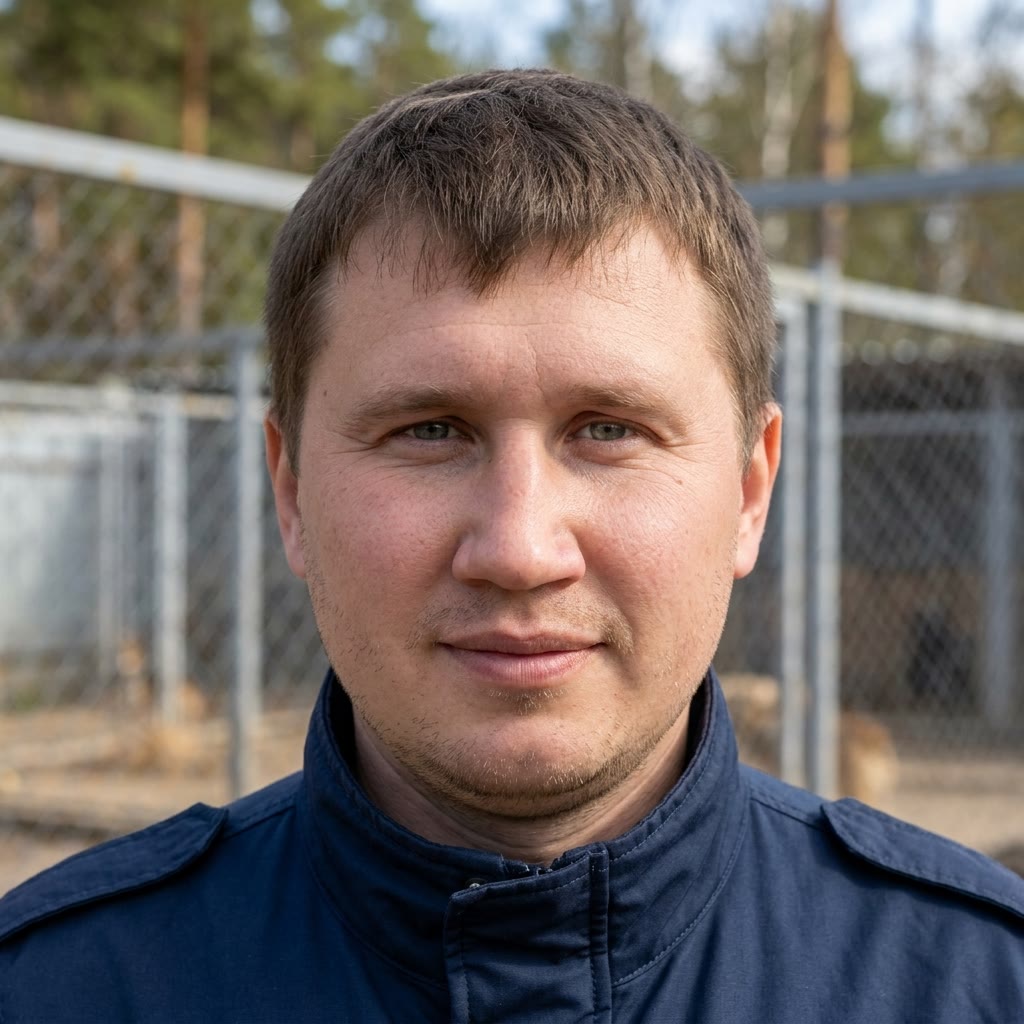
Andrew DarovProfessional dog trainer and instructor
Describe age, living setup, and where the dog breaks first — nipping at heels, lunging at bikes, guarding the house, or never settling. Opens WhatsApp to Andrew.
A large, calm and protective Flemish cattle dog that needs socialization, lead manners and regular grooming.
Need a read on your exact situation?
Describe your Australian Cattle Dog’s age and the scene that repeats most: nipping at heels, lunging at bikes, guarding the house, or never settling. We check safety first, then pick the first skill.
Written by Andrew Darov, professional dog trainer. Not veterinary advice and not a diagnosis.
Not a kennel club. No invented reviews. No vaccine schedules or toxin doses. Photo credits in
/images/breeds/australian-cattle-dog-guide/credits.md.