dogmindlab
Work with me

Jack Russell Terrier · Terrier

Jack Russell Terrier: temperament, training & prey/voice

The Jack Russell Terrier is a small, mainly white working terrier from England. Most are bold, clever and tireless. Life goes well with daily exercise and brain work, secure fencing, long-line recall and calm meetings with other dogs.

  • Job: Devon hunting parson’s fox terrier.
  • Energy: Very high; daily exercise plus brain work.
  • Home: Best with active owners and secure, dig-proof fences.
WhatsApp consult

First, the point

A Jack Russell is a tireless little hunter that needs daily exercise and a real job for its brain

Public breed histories describe a 19th-century hunting parson’s fox terrier bred for work rather than looks.

Most JRTs are fun-loving and fearless. Typical struggles are chasing, digging, barking, escaping and other dogs.

In the first months I teach recall games, a leave-it, gentle mouths and short absences.

Talk through your situation

Height
10–12 in (25–30 cm)
Weight
13–17 lb (6–8 kg)
Energy
Very high (work then rest)
Coat / shed
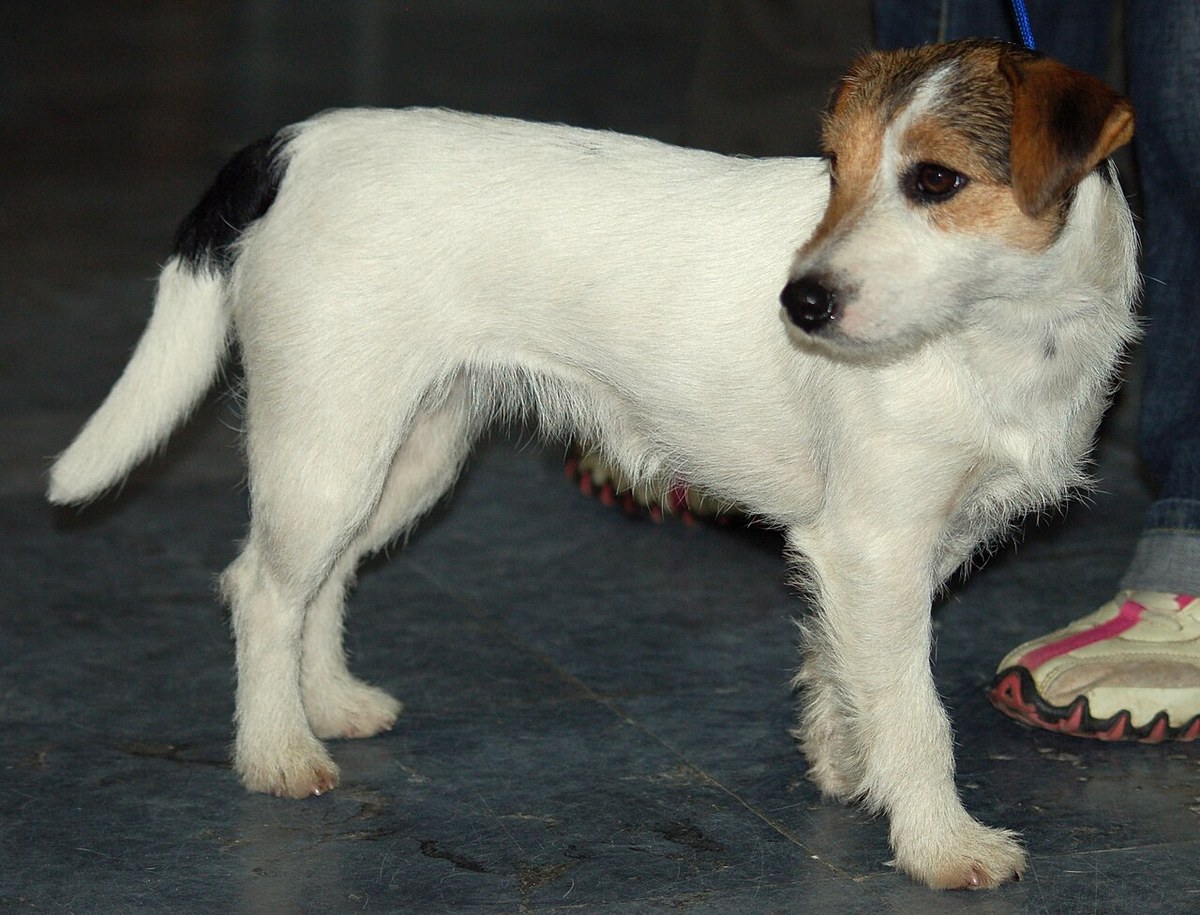
Smooth, broken or rough — all types shed
Job
Working fox terrier from Devon

Breed history

A hunting parson’s fox terrier

The Jack Russell is named after Reverend John Russell, a 19th-century English hunting parson. His terriers bolted foxes for the hunt, which explains the speed, nerve and boundless energy of today’s dogs.

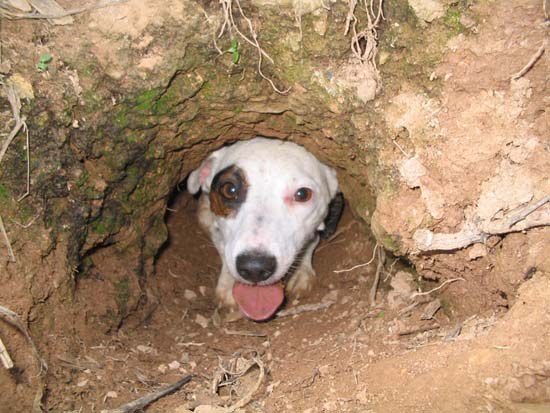
A working Jack Russell coming out of an earth pipe (modern photograph). Many still love to go to ground.

Devon, 1800s → working fox terrier

Bred to work, not for looks

Public breed histories describe Reverend John Russell breeding white working terriers in Devon to run with hounds and bolt foxes.

Working ability mattered more than appearance, which is why Jack Russells vary in coat and size.

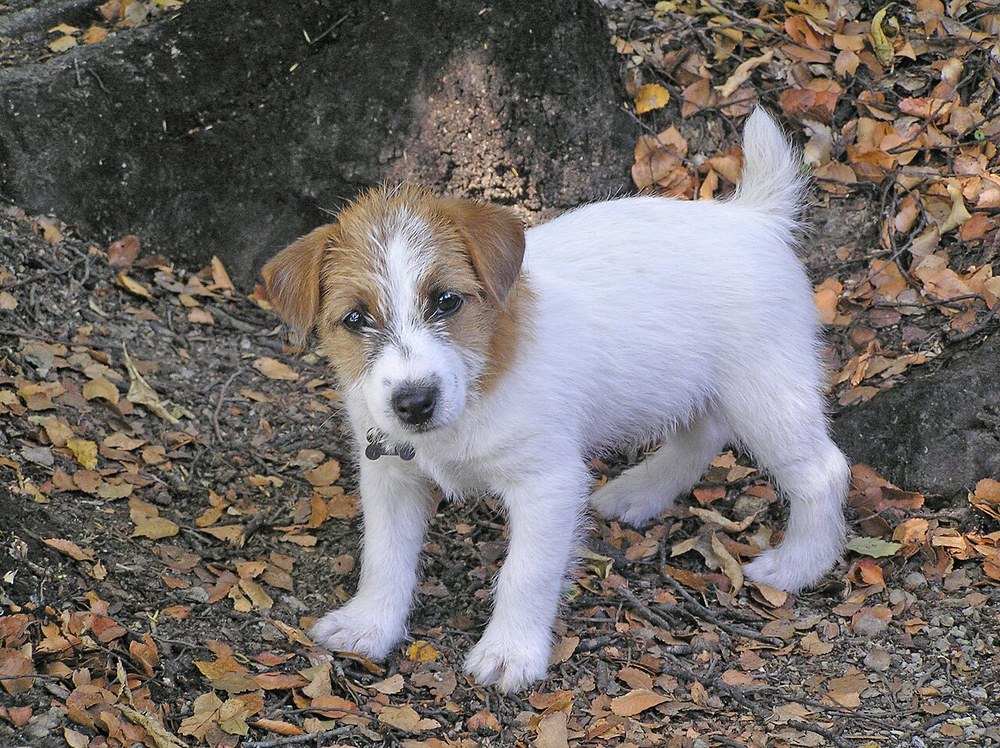
Rough-coated Jack Russell Terrier standing among autumn leaves
Skipper, a rough-coated Jack Russell (modern photograph). Coats can be smooth, broken or rough.

Working terrier → busy family dog

From hunt field to homes

Jack Russells became popular pets and film dogs. Kennel clubs recognise them in different ways, alongside the leggier Parson Russell.

They still have a working brain. Meet the parents and see their energy and behaviour with other dogs.

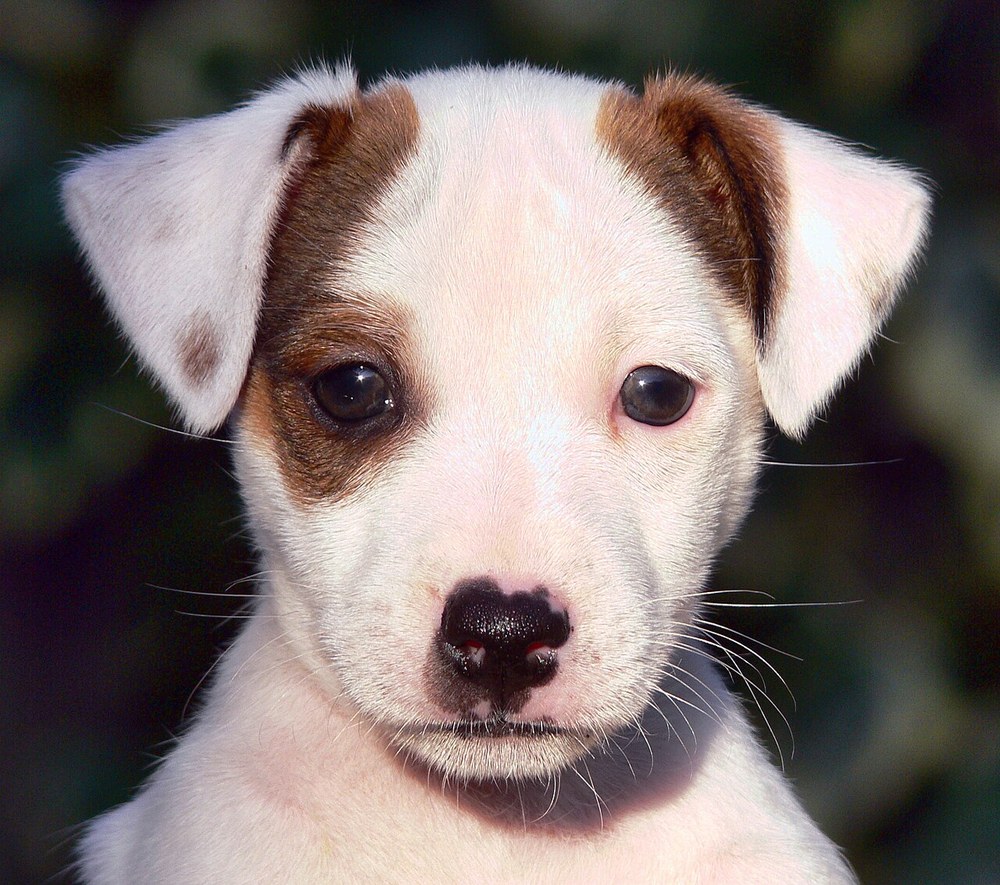
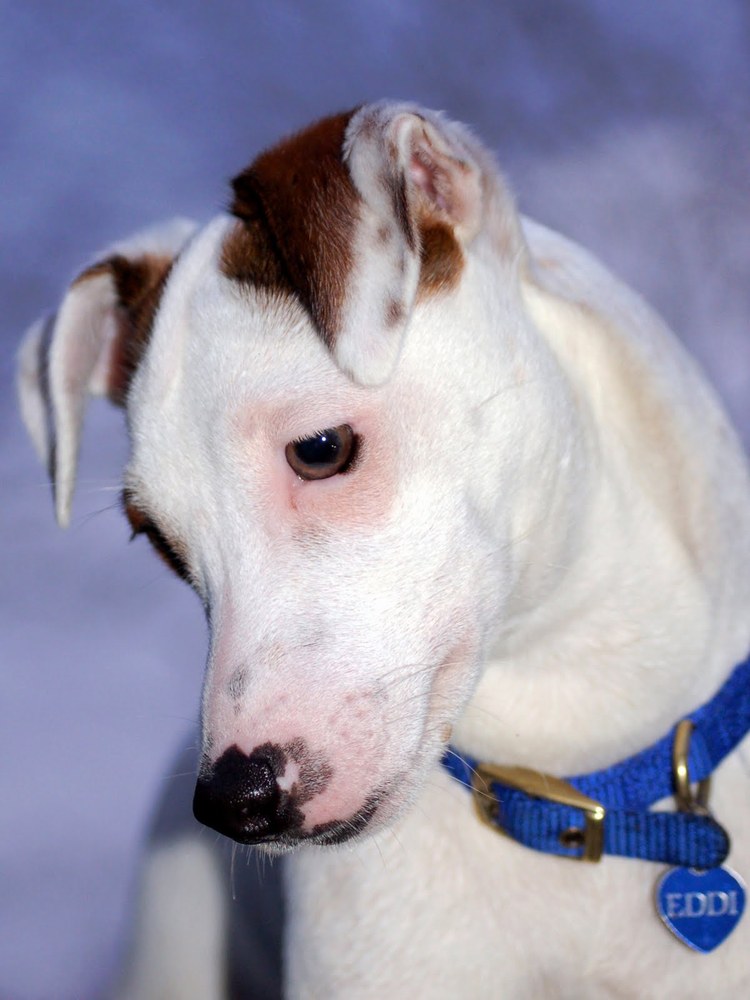
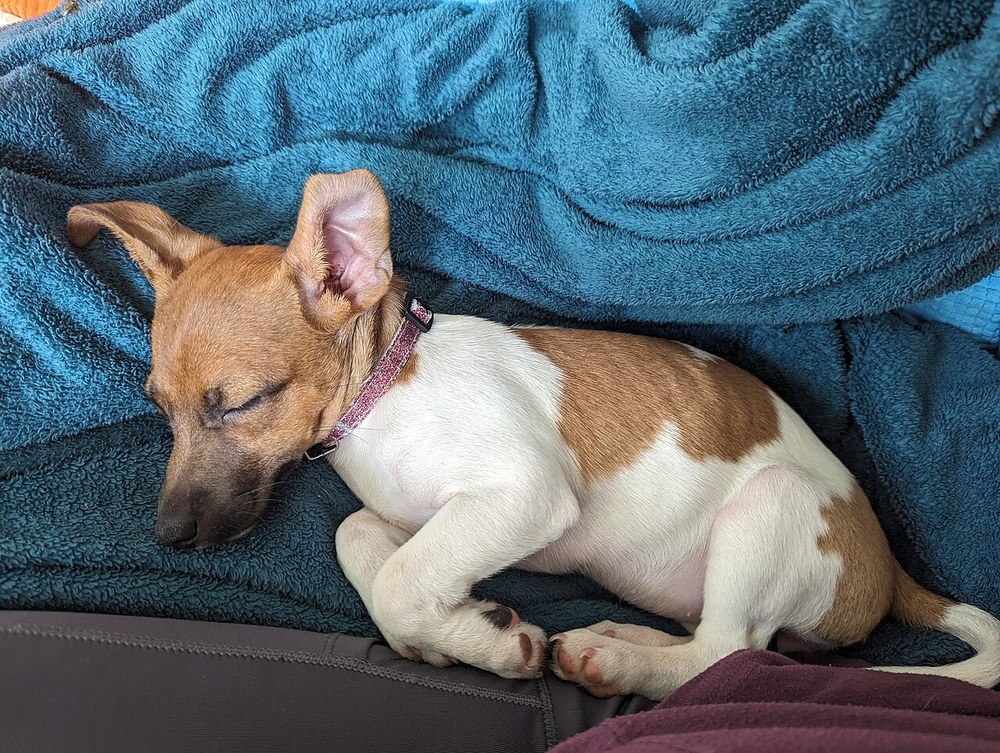
Jack Russell Terrier puppy portrait
Eddi as a puppy (modern photograph). Big ears and a big attitude.

What the breed was bred for

Bold, clever and tireless

In plain trainer language: Jack Russells are bright, fearless and full of energy. Most love people and play.

The challenges are chasing, digging, barking, escaping and tension with other dogs. Daily exercise and brain work help most.

  • Daily exercise and brain work
  • Secure fencing
  • Recall on a long line
  • Calm meetings with other dogs

Public references: FCI 345, AKC Parson Russell Terrier (related name split), RKC.

Life together

A Jack Russell’s day is never boring

Jack Russells need exercise, games and jobs every day — or they invent their own.

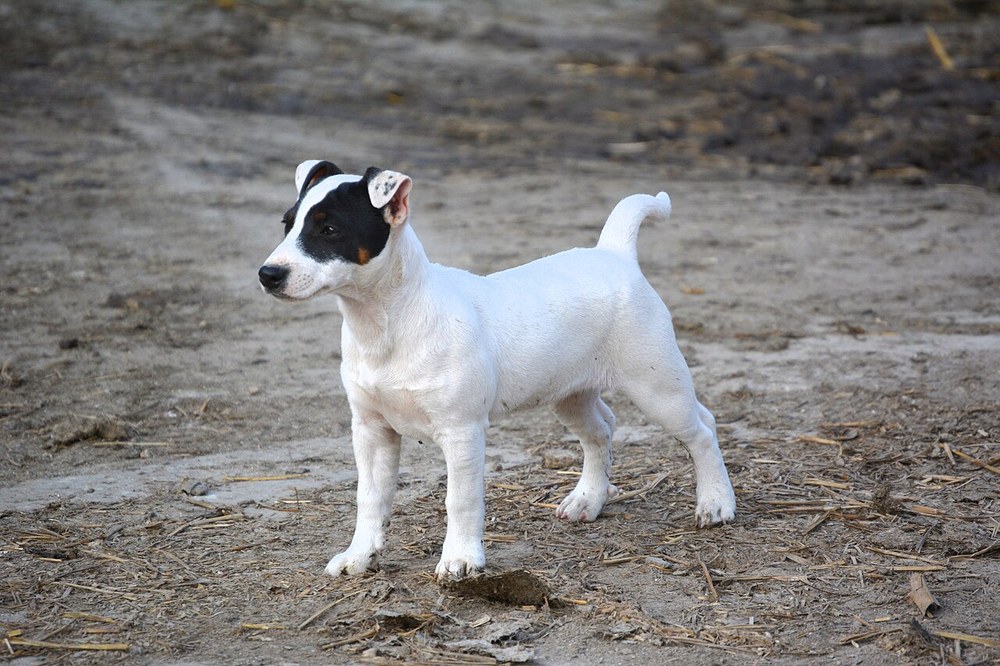
Young Jack Russell Terrier puppy standing on dry ground
Garden · puppy

Small dog, big energy

Short games several times a day suit a young JRT.

See enforced naps.

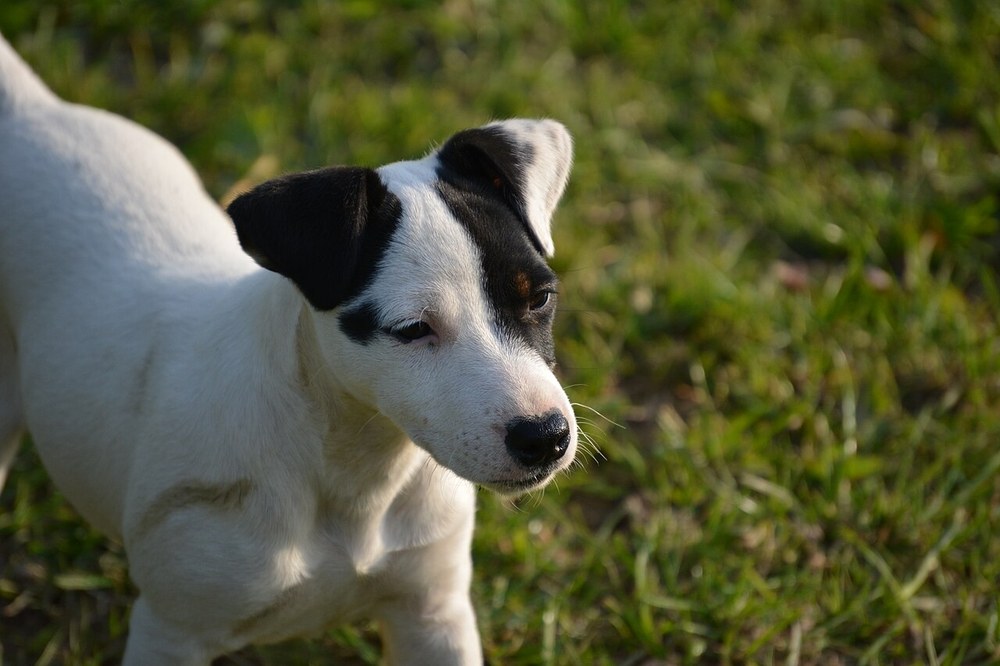
Young Jack Russell Terrier on grass, close-up
Lawn · close-up

Curious and alert

Use that curiosity for training games.

See hand target.

Jack Russell Terrier portrait with a blue collar
Home · portrait

Bright eyes, busy brain

Puzzle toys and scent games tire the brain.

See food as a reinforcer.

Care and health themes

Monthly checks: knees, eyes, weight and fences

A trainer’s checklist, not veterinary advice. See a vet for skipping on a back leg, eye changes or low energy. For urgent signs, see when to call the vet.

Legs

Notice skipping or holding up a back leg.

Eyes

See the vet for cloudiness or squinting.

Weight

Keep lean and athletic.

Fences

Check for holes and climbable spots.

Health screening (not a diagnosis)

Ask the breeder which screenings the national breed club recommends, including any eye or DNA tests, and see results for both parents.

Toxins

I do not publish toxin amounts. Call a vet or poison-control line if the dog eats something dangerous.

Lines and types

Smooth, broken or rough coat

JRTs come in three coat types. All shed and all have the same terrier brain.

Smooth

  • Short, flat coat.
  • Sheds steadily.
  • Easy to keep clean.
  • Same energy.

Low-maintenance coat.

Broken or rough

  • Wiry, longer hair.
  • Hand-stripping helps.
  • Beard and eyebrows.
  • Same energy.

A scruffier look.

Socialization windows

What to introduce — and what not to overload — by age

AVSAB-aligned in spirit: short, clean exposures at a distance the puppy can still eat, with hygiene while vaccines finish. See the puppy socialization schedule.

8–16 weeks

Soft mouth, short games

Introduce: hand-feeding, handling, toilet routine, crate naps.

Do not overload: overtired biting.

~5–7 months

Recall and leave it

Introduce: long-line recall, leave it, calm dog meetings.

Do not overload: free running near roads.

~9–12 months

Busy teenager

Introduce: scent work, tricks, tug rules.

Do not overload: boredom.

~1.5 years

Adult outlets

Introduce: agility, earthdog, flyball.

Do not overload: unmanaged dog play.

2 years+

Bright adult

Introduce: refreshed recall and manners.

Do not overload: escapes.

Before you buy

Who a Jack Russell Terrier usually fits

A Jack Russell suits active, playful people who want a small dog with a big engine.

Good match

More likely a good fit if you…

  • Are active every day
  • Enjoy dog sports or games
  • Have secure fencing
  • Like a bold, funny dog
  • Can train daily

Mismatch risk

A Jack Russell Terrier may be a poor choice if…

  • You want a calm lapdog
  • Small pets roam freely
  • Long hours alone are routine
  • Your garden has gaps
  • Toddlers grab the dog

If you are torn between breeds

Jack Russell Terrier vs Wire Fox Terrier and Border Terrier

JRTs are compared with Wire Fox Terriers and Border Terriers — other English working terriers.

Origin

Jack Russell Terrier Parson’s working terrier.

Wire Fox Terrier Show and hunt fox terrier.

Coat

Jack Russell Terrier Smooth, broken or rough.

Wire Fox Terrier Dense wiry coat.

With dogs

Jack Russell Terrier Often feisty.

Border Terrier Usually easier.

Energy

Jack Russell Terrier Very high.

Border Terrier High.

Chasing

Jack Russell Terrier Strong.

Both compares Each needs recall and fences.

Ownership without surprises

What a Jack Russell costs to keep

Prices vary by country. These are the spending themes, not figures.

Fencing

High and dig-proof.

Toys and puzzles

Lots of them.

Training and sports

Agility or flyball clubs.

Health checks

Ask which screenings the national breed club recommends.

Long line and harness

For safe walks.

Dog sitter

For busy days.

With a Jack Russell, fencing and activities are the main costs.

Before day one at home

What to prepare for a Jack Russell Terrier puppy

A Jack Russell puppy is fearless and fast. Start recall games and gentle mouths now.

If the dog is already yours

Training is daily brain work for a busy terrier

JRTs learn fast and love games. Use their energy in training.

My core list: recall, leave it, calm dog meetings and quiet.

Agility, flyball, scent work and earthdog are great outlets.

Load balance

Exercise plus a job

Daily exercise and brain games suit most JRTs.

Run Sniff Tricks Tug Nap

Running, scent games, tricks and tug with rules suit most JRTs.

A busy Jack Russell is a brilliant little partner.

Recall

How to build recall with a Jack Russell Terrier

Long line, big rewards and recall as a game.

  1. 01

    Long line on

    Safety first.

  2. 02

    Make recall a game

    Run away when you call.

  3. 03

    Reward big

    Chase games or food.

  4. 04

    Add distractions

    Slowly.

  5. 05

    Practise daily

    Short, frequent sessions.

One scene close-up

Why your Jack Russell runs off

JRTs were bred to chase and follow quarry.

Practise recall on a long line and reward with a chase game or food.

If recall fails near wildlife, keep the line on.

Long-line recall Recall ladder Emergency U-turn

Typical household scenes

Where Jack Russell Terrier owners most often need help

A breed page is only a starting point; the fix depends on health, environment, and the dog in front of you. Each row opens a step-by-step guide.

Practical view

“With a Jack Russell, I give the brain a job every day. We build recall, calm dog meetings and quiet — because a tired, busy JRT is a polite JRT.”

Sessions cover real scenes: running off, tension with other dogs, digging, and barking at every sound. I am a trainer, not a veterinarian. No invented reviews.

Andrew Darov Professional dog trainer and instructor
WhatsApp consult

Talk through your Jack Russell Terrier

Describe age, living setup, and where the dog breaks first — running off, tension with other dogs, digging, or barking at every sound. Opens WhatsApp to Andrew.

Short answers

FAQ

Is a Jack Russell a good first dog?
Only for active owners ready to train.
Are JRTs good with children?
With older, respectful children; supervise.
Do JRTs shed?
Yes, all coat types shed.
How much exercise does an adult need?
A lot: daily exercise plus games.
Is a Jack Russell a Parson Russell?
They are related; the Parson is leggier.
Do JRTs bark a lot?
Many do; teach quiet early.
Can a JRT live in an apartment?
Yes, with lots of daily exercise.
Are JRTs good with other dogs?
Some are feisty; supervise.
What about health?
Ask which screenings the national breed club recommends and see the parents' results.
What is the typical lifespan of a Jack Russell Terrier?
Public breed references often give about 13 to 16 years. Individual dogs vary.
Are JRTs good with cats?
Some are; many chase.

If a Jack Russell’s energy is too much

If you want a small, clever, trainable dog with less digging and chasing, consider this one.

Miniature Schnauzer

A small, bearded German farm dog — alert, clever and sociable — that needs a calm door routine, regular trims and measured meals.

Beagle

A friendly scent hound that follows its nose and needs patient recall training, sniffing walks and a secure garden.

Staffordshire Bull Terrier

A compact, strong and people-loving English terrier that needs daily exercise, lead manners and careful introductions to other dogs.

Papillon

Small, bright toy spaniel that loves training games.

More Terrier group breeds

Other guides from the same group in the breed library. Same group does not mean same dog: read the fit and the failure modes, not only the outline.

Kerry Blue Terrier

An Irish soft-coated working terrier. Needs coat lifestyle, soft-mouth games with clear ends and polite dog manners.

Lakeland Terrier

An independent Lake District fell terrier. Needs secure boundaries, real work and cooperative leash and recall training.

Norfolk Terrier

A small, friendly East Anglian earthdog. Needs a proper dig spot, chase games with rules, a short alert routine and recall on a long line.

Scottish Terrier

A sturdy, dignified Scottish terrier with a beard and an independent mind that needs respectful training, daily walks and coat care.

Soft Coated Wheaten Terrier

A bouncy, affectionate Irish farm terrier with a silky coat that needs daily brushing, calm greetings and daily exercise.

Welsh Terrier

A compact black-and-tan Welsh earthdog. Needs bark routines, dig outlets, grooming and show-ring style handling skills.

Need a read on your exact situation?

Describe your Jack Russell Terrier’s age and the scene that repeats most: running off, tension with other dogs, digging, or barking at every sound. We check safety first, then pick the first skill.

Written by Andrew Darov, professional dog trainer. Not veterinary advice and not a diagnosis. Not a kennel club. No invented reviews. No vaccine schedules or toxin doses. Photo credits in /images/breeds/jack-russell-terrier-guide/credits.md.