
Kennel Club 1920 → family dogs
From hunt dog to family favourite
The breed was recognised in Britain in the 1920s and has since become a popular family dog.
Meet the parents and see how they behave around cats and other small animals.
Border Terrier · Terrier
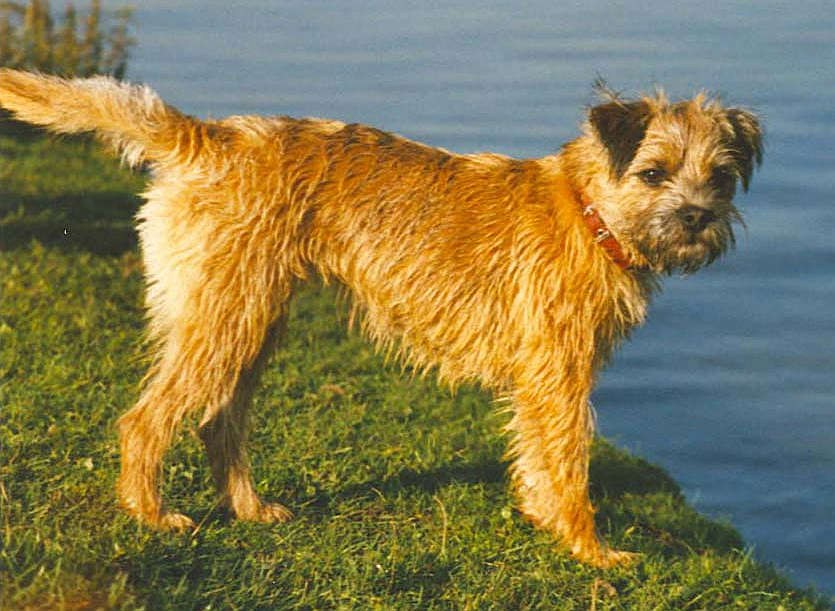
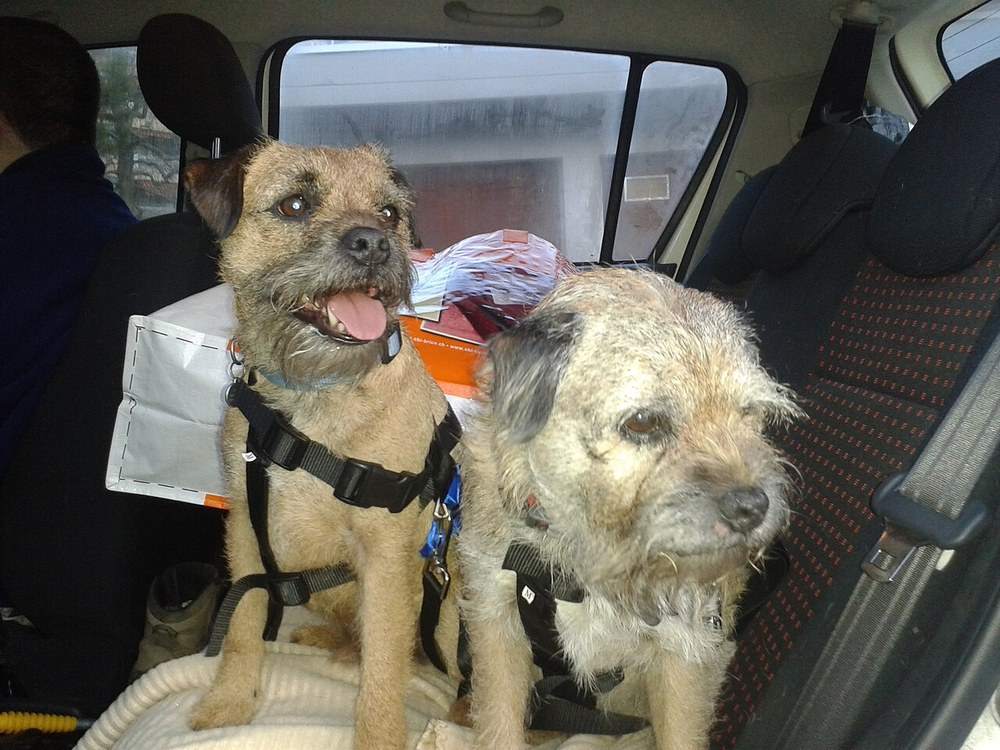
The Border Terrier is a small, tough working terrier from the hills between England and Scotland. Most are friendly, affectionate and easygoing at home but keen hunters outside. Life goes well with secure fencing, long-line recall, regular hand-stripping and scent or chase games.
First, the point
Public breed histories describe a terrier bred to run with foxhounds in the Border country.
Most Borders are sociable and good-natured. Typical struggles are chasing, escaping, digging and recall.
In the first months I teach name games, a leave-it, handling and calm meetings with cats.
Breed history
Border Terriers ran with foxhounds in the hills between England and Scotland. That gave them stamina, grit and a friendly, easygoing nature — with a strong urge to chase.
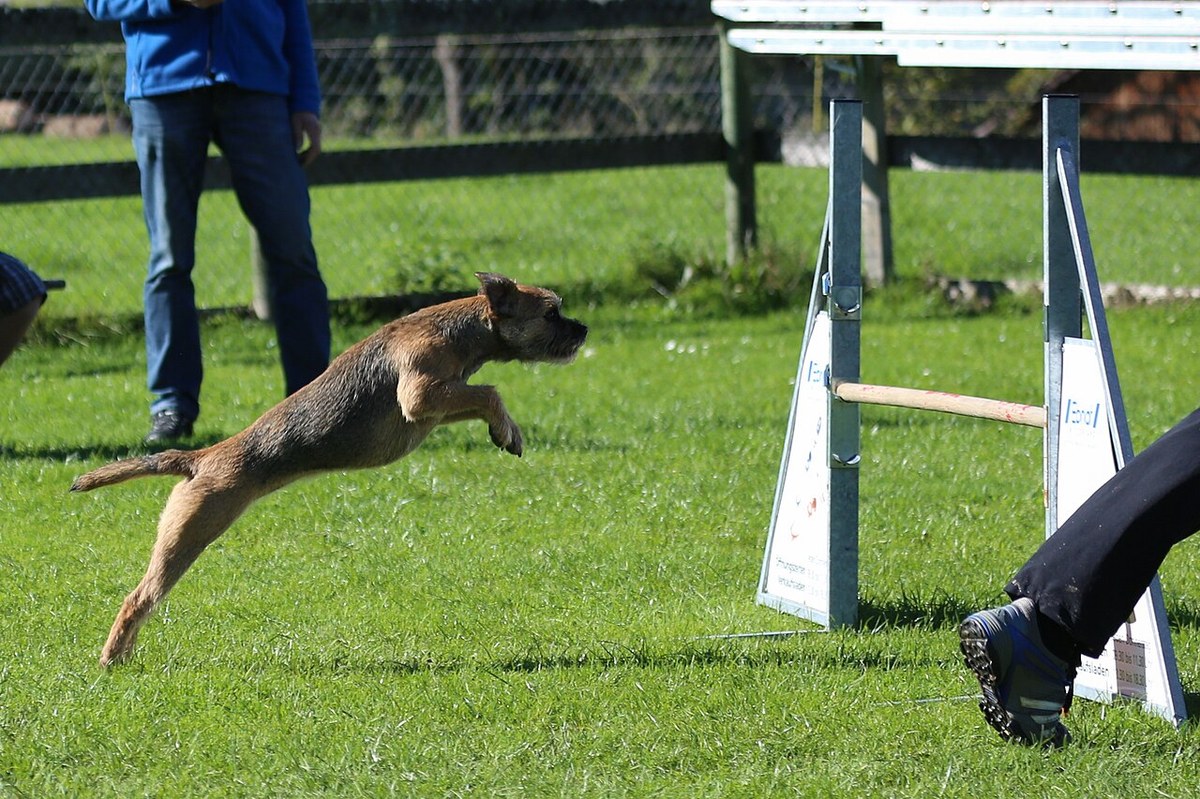
Cheviot Hills → fox terrier for hunts
Public breed histories describe farmers and huntsmen in the Border country breeding a small terrier with long enough legs to follow hounds and horses.
It had to bolt foxes from rocks and get on with the pack — which explains its stamina and its usually friendly attitude to other dogs.
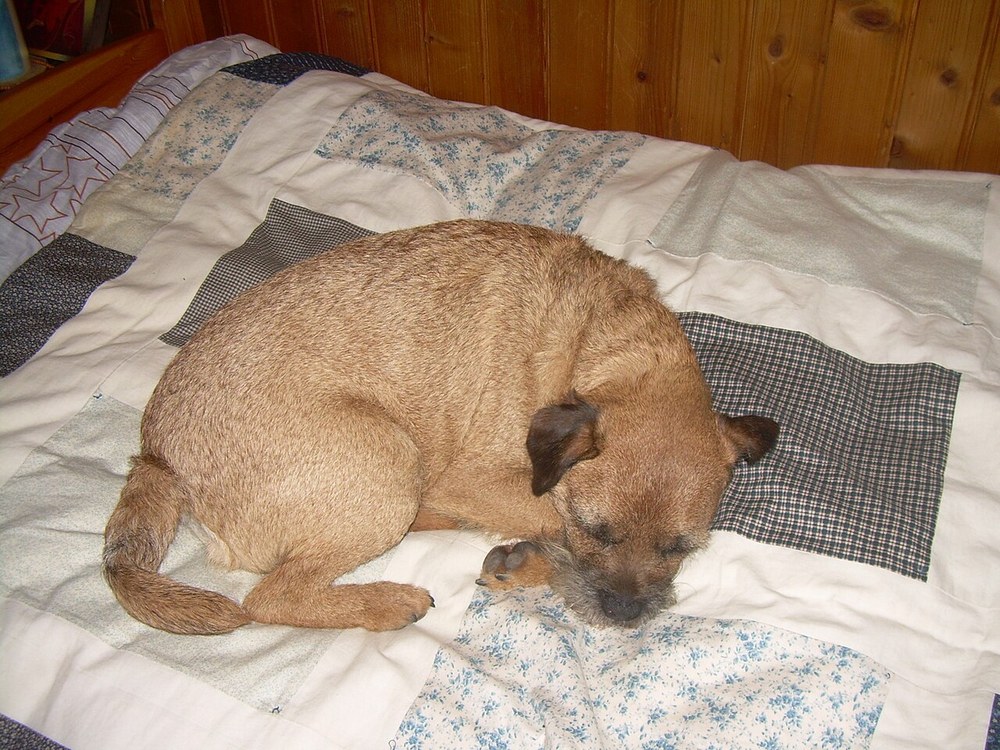
Kennel Club 1920 → family dogs
The breed was recognised in Britain in the 1920s and has since become a popular family dog.
Meet the parents and see how they behave around cats and other small animals.
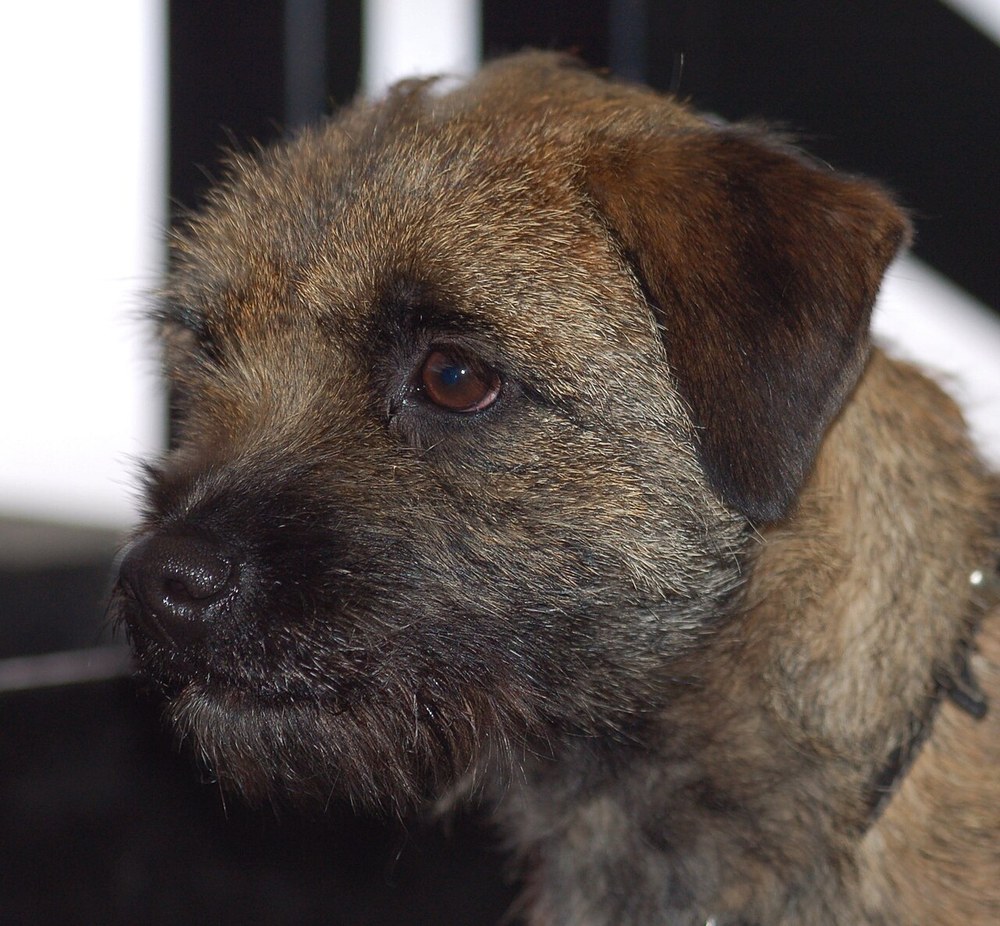
What the breed was bred for
In plain trainer language: Borders are affectionate and sociable but are real hunters outdoors.
The challenges are chasing, escaping, digging and recall. Secure fencing and recall training help most.
Public references: FCI 10, AKC Border Terrier, RKC.
Life together
Borders adapt to town or country if they get daily walks and something to sniff.
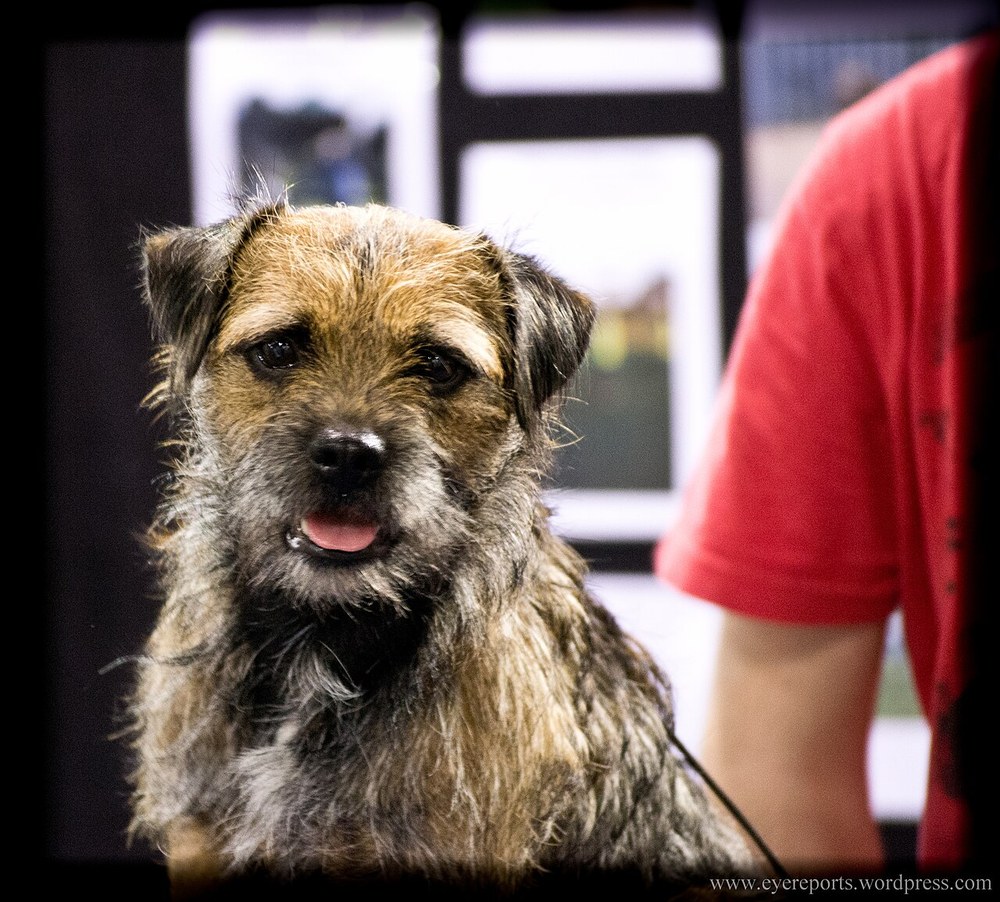
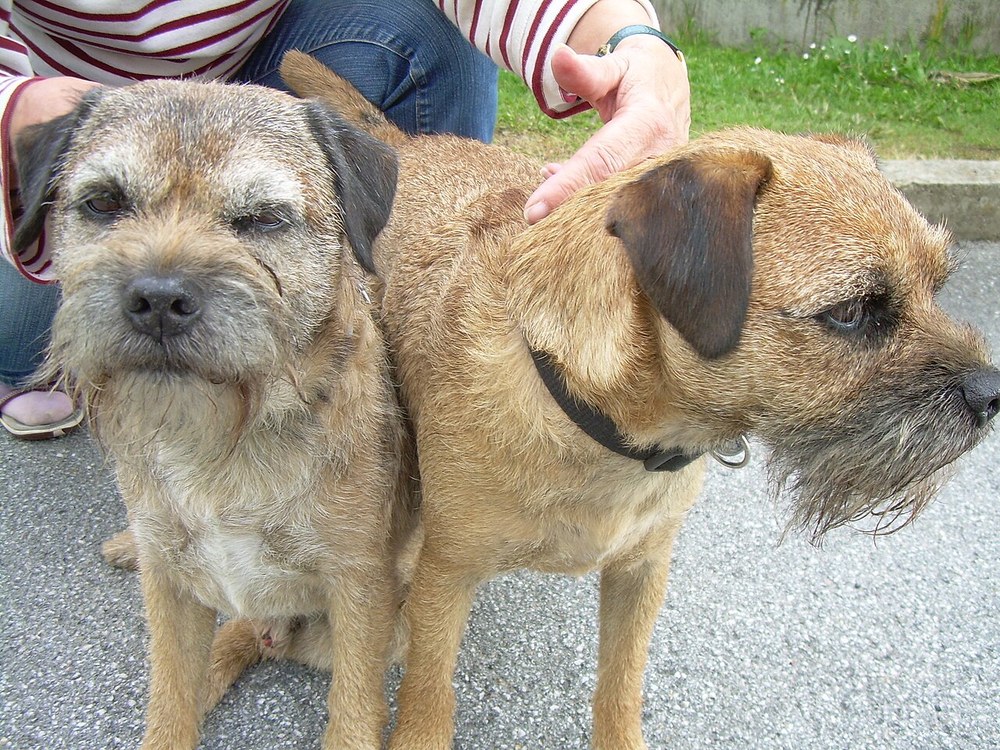
Many Borders enjoy other dogs, a legacy of working with hounds.
See play rules.
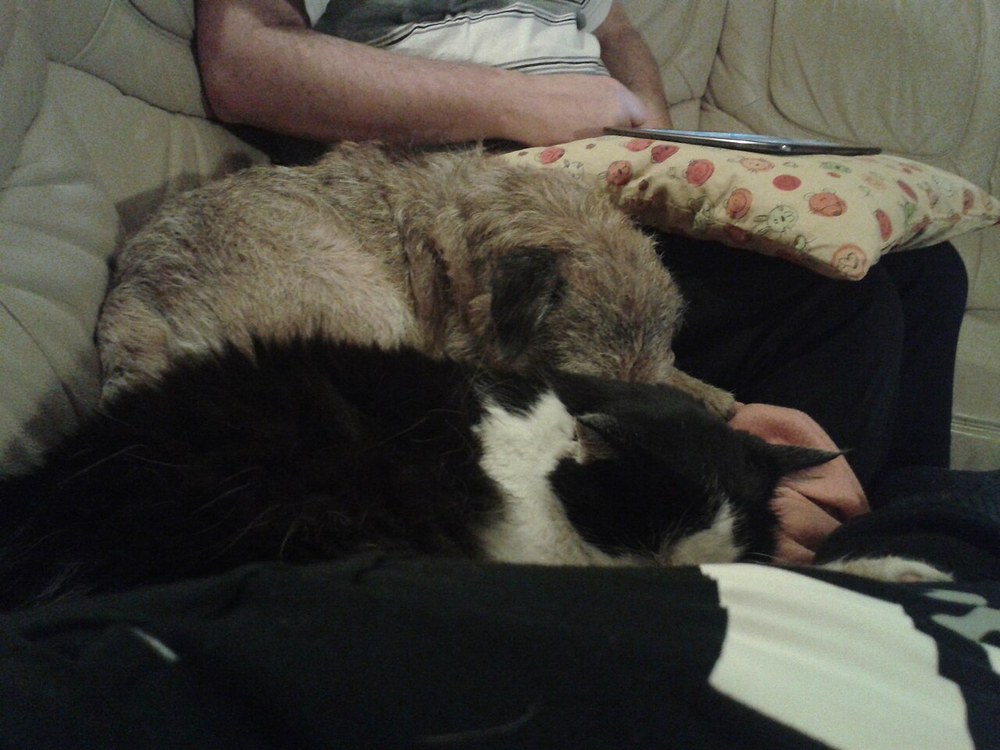
Some live happily with a cat they grew up with; outdoor cats are another story.
See leave it.
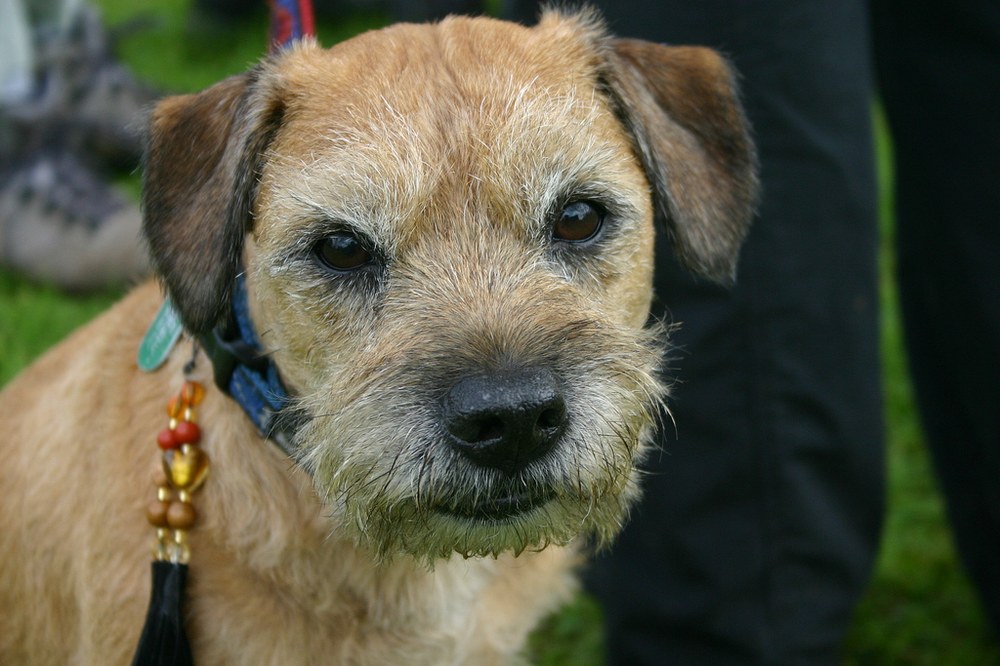
Borders have strong opinions; short, fun training wins them over.
See hand target.
Care and health themes
A trainer’s checklist, not veterinary advice. See a vet for limping, fits or low energy. For urgent signs, see when to call the vet.
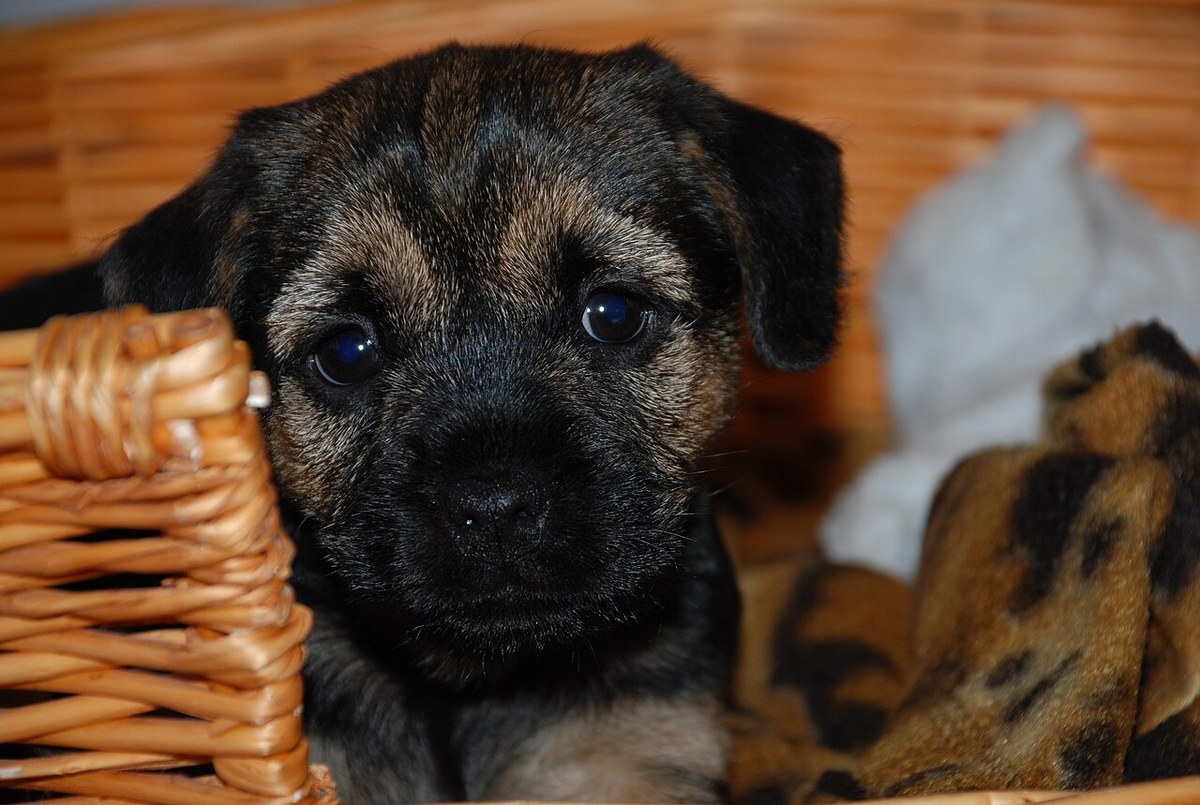
Harsh double coat; hand-strip a few times a year and brush weekly.
Check pads and nails after rough walks.
Borders love food; keep them lean.
Check for gaps and holes — Borders squeeze through and dig under.
Ask the breeder which screenings the national breed club recommends and see results for both parents.
I do not publish toxin amounts. Call a vet or poison-control line if the dog eats something dangerous.
Lines and types
Borders come in grizzle and tan, blue and tan, red and wheaten. Colour does not change temperament.
A classic Border look.
A warm, foxy look.
Socialization windows
AVSAB-aligned in spirit: short, clean exposures at a distance the puppy can still eat, with hygiene while vaccines finish. See the puppy socialization schedule.
Introduce: handling, meeting a calm cat, toilet routine, crate naps.
Do not overload: unsupervised garden time.
Introduce: long-line recall, leave it, short absences.
Do not overload: off-lead near wildlife.
Introduce: scent games, tug rules, steady walks.
Do not overload: escaping under fences.
Introduce: longer walks, earthdog or agility.
Do not overload: trusting recall too early.
Introduce: refreshed recall and cat manners.
Do not overload: extra snacks.
Before you buy
A Border suits people who want a small, sociable, sturdy dog and can manage a hunter outdoors.
Good match
Mismatch risk
If you are torn between breeds
Borders are often compared with Cairns and Norfolks — other small British working terriers.
Border Terrier Longer, built to run.
Cairn Terrier Shorter, stockier.
Border Terrier Usually sociable.
Cairn Terrier Often bossier.
Border Terrier Small.
Norfolk Terrier Smaller.
Border Terrier Small, folded.
Norfolk Terrier Folded.
Border Terrier Strong.
Both compares Each needs recall work and secure fences.
Ownership without surprises
Prices vary by country. These are the spending themes, not figures.
A few times a year.
Close gaps and dig spots.
For safe walks.
Ask which screenings the national breed club recommends.
Social skills and recall.
Consider it early.
With a Border, secure fencing is the first spend.
Before day one at home
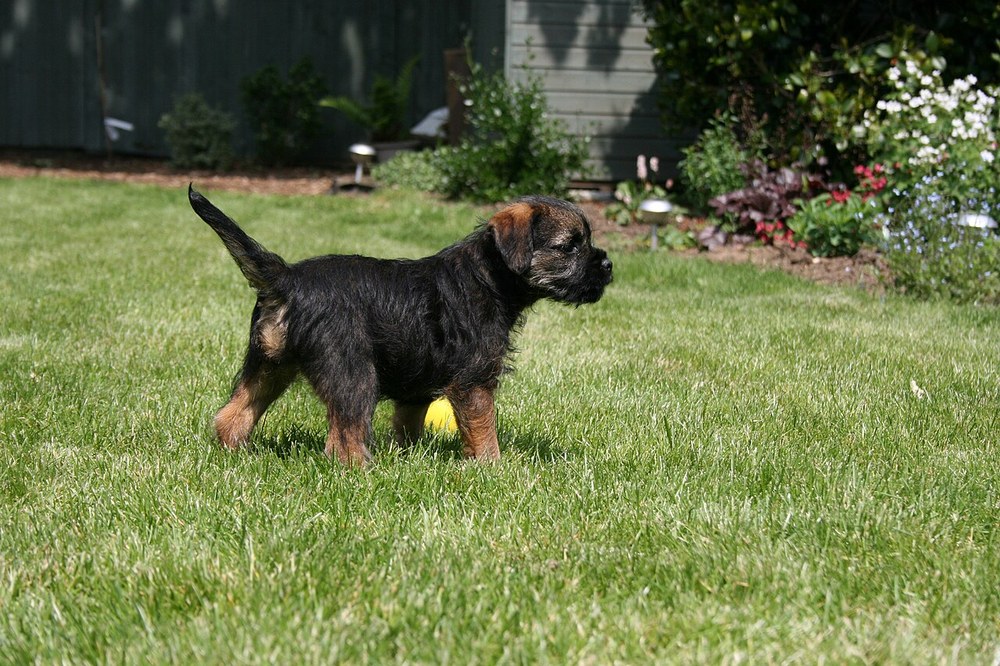
A Border puppy is cheeky and sociable. Start recall games and cat manners early.
See the name game.
See puppy handling.
See biting and nipping.
See puppy leash training.
Follow potty training.
See first absences.
If the dog is already yours
Borders are food-motivated and generally keen to work with you.
My core list: recall on a long line, leave it, calm with cats and quiet alone time.
Scent work, earthdog and agility give the hunter an outlet.
Load balance
Daily walks with sniffing suit most Borders.
Sniffing walks, scent games, a dig box and agility suit most Borders.
A Border with good fences and good recall is a joy.
Recall
Use a long line, great rewards and lots of practice.
Use a long line outdoors.
One clear cue.
Food or a game.
Slowly increase difficulty.
Recall is never finished.
One scene close-up
Borders were bred to follow scent and quarry.
Practise recall on a long line and reward with food or a chase game.
If recall fails near wildlife, keep the line on.
Typical household scenes
A breed page is only a starting point; the fix depends on health, environment, and the dog in front of you. Each row opens a step-by-step guide.
Recall fails outdoors.
Chases cats or squirrels.
Digs under fences.
Eats things on walks.
Whines when left.
Bites hands and clothes.
Barks in the car.
Limping, fits or low energy — vet first.
Practical view
“With a Border Terrier, I plan for the hunter inside the sweet face. We build recall, leave it and calm cat manners — because good fences and a long line prevent most worries.”
Sessions cover real scenes: running off after scents, chasing cats, digging under fences, and whining when left. I am a trainer, not a veterinarian. No invented reviews.
Describe age, living setup, and where the dog breaks first — running off after scents, chasing cats, digging under fences, or whining when left. Opens WhatsApp to Andrew.
Short answers
If you want a gentle, easygoing house dog with less digging, consider this one.
A small, shaggy Highland terrier — brave, busy and affectionate — that needs a digging outlet, door manners and weekly brushing.
A sturdy, dignified Scottish terrier with a beard and an independent mind that needs respectful training, daily walks and coat care.
A small, bold English working terrier that needs daily exercise and training games, secure fencing and careful recall training.
Gentle, quiet sighthound that loves the sofa.
Other guides from the same group in the breed library. Same group does not mean same dog: read the fit and the failure modes, not only the outline.
A strong, clownish English terrier with an egg-shaped head that needs daily play, calm dog introductions and patient training.
A low, powerful Irish earthdog. Needs early lead manners, a proper dig outlet and care for its long back.
A bold red Irish farm terrier. Needs safe outlets for chasing and digging, consistent rules and planned dog introductions.
An Irish soft-coated working terrier. Needs coat lifestyle, soft-mouth games with clear ends and polite dog manners.
An independent Lake District fell terrier. Needs secure boundaries, real work and cooperative leash and recall training.
A small, bearded German farm dog — alert, clever and sociable — that needs a calm door routine, regular trims and measured meals.
Describe your Border Terrier’s age and the scene that repeats most: running off after scents, chasing cats, digging under fences, or whining when left. We check safety first, then pick the first skill.
Written by Andrew Darov, professional dog trainer. Not veterinary advice and not a diagnosis.
Not a kennel club. No invented reviews. No vaccine schedules or toxin doses. Photo credits in
/images/breeds/border-terrier-guide/credits.md.