Kerry Blue Terrier: temperament, coat lifestyle and soft-mouth sport for an Irish working terrier
The Kerry Blue Terrier is an Irish working terrier from County Kerry: a soft blue-grey coat, a strong work ethic and a soft mouth that can still do sport. It was used on farm vermin, as a drover’s dog and later in the show ring. At home it is usually loyal, lively and opinionated. The honest plan is coat care as a lifestyle, soft-mouth retrieve and agility-style games, and manners that respect a terrier’s independence without turning the house into a debate.
Job: Irish working terrier; farm vermin, droving and soft-mouth sport.
Energy: Moderate to high; daily walks, retrieve and skill games.
Home: Fits an owner ready for coat upkeep, training games and a secure yard.
A Kerry Blue is a working Irish terrier with a coat that needs a plan
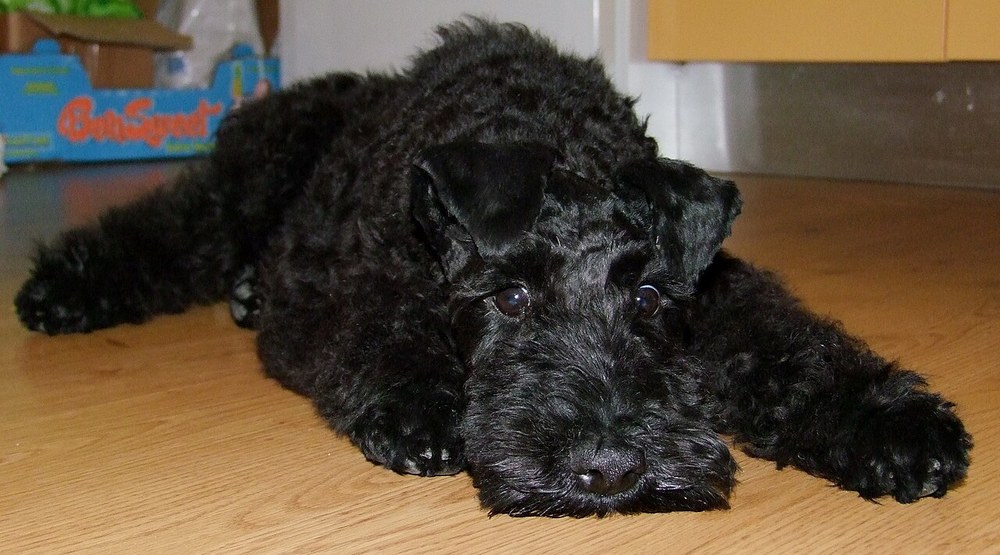
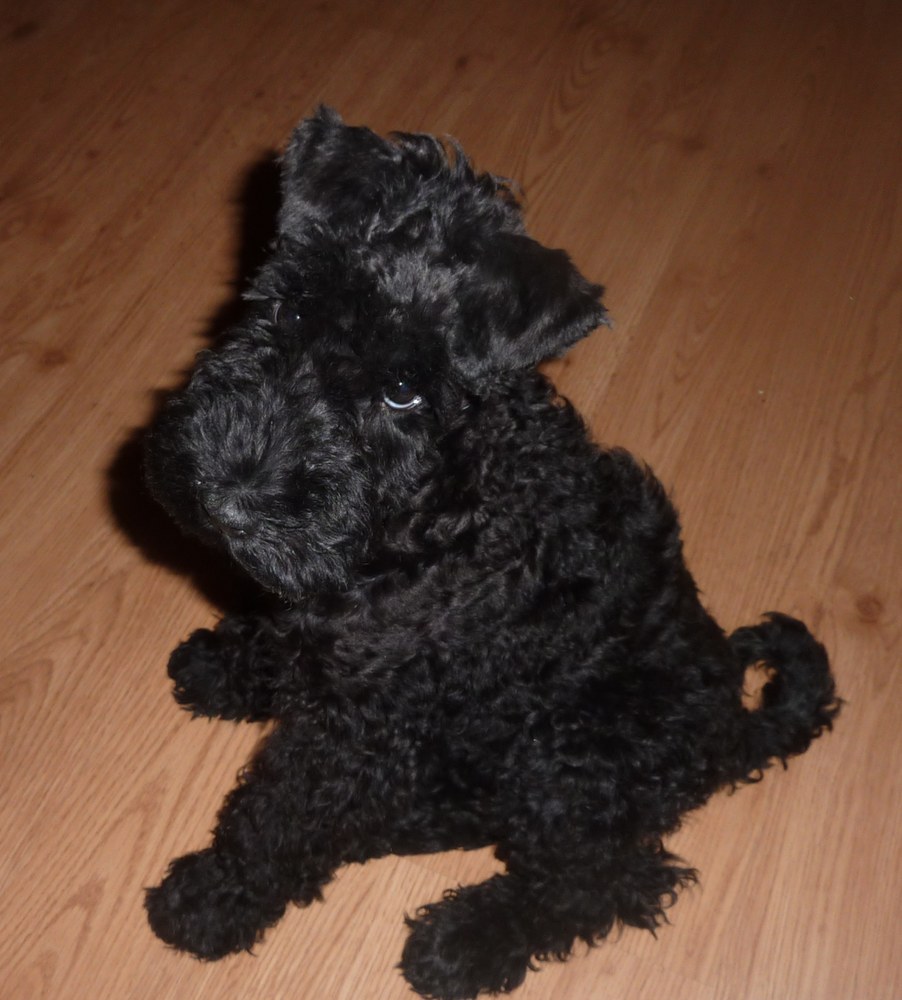
Public histories place the Kerry Blue in south-west Ireland, especially County Kerry. Farmers kept a soft-coated, blue-grey terrier for rats, badgers and general farm work. The coat colour deepens from black puppyhood to the adult blue, and the breed later entered Irish and British show rings while keeping a working reputation.
What I see in homes is a mid-size terrier that bonds hard to its people, likes to work with its mouth and nose, and can be sharp with strange dogs if greetings are messy. It is not a soft couch toy. It is also not a endlessly harsh earthdog in every line — many Kerries enjoy soft-mouth retrieves, agility and obedience games when the rules are clear.
I start with three outlets. A grooming and handling routine the dog will accept for life. Soft-mouth retrieves and skill games that end on cue. And polite door, lead and dog-greeting manners. On top of that I build a long-line recall and a settle, and the Kerry becomes a stylish, useful companion.
Irish working terrier for farm vermin and droving; soft-mouth sport fit (FCI Group 3; AKC/RKC Terrier)
Breed history
How an Irish farm terrier became the Kerry Blue
Breed history does not decide your dog’s day, but it explains why Kerries work with their mouths, stay busy and need a coat plan that matches the soft blue jacket.
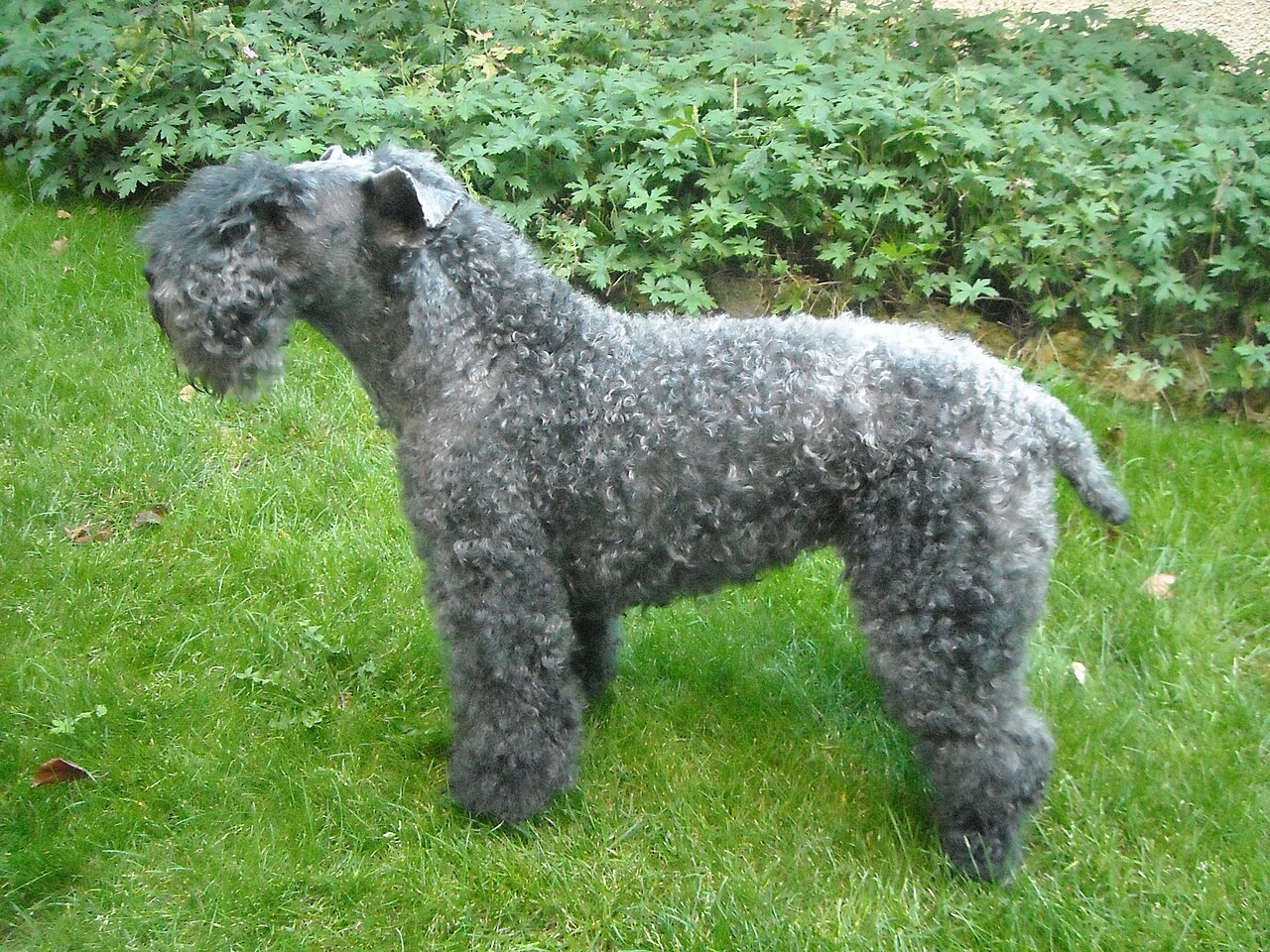
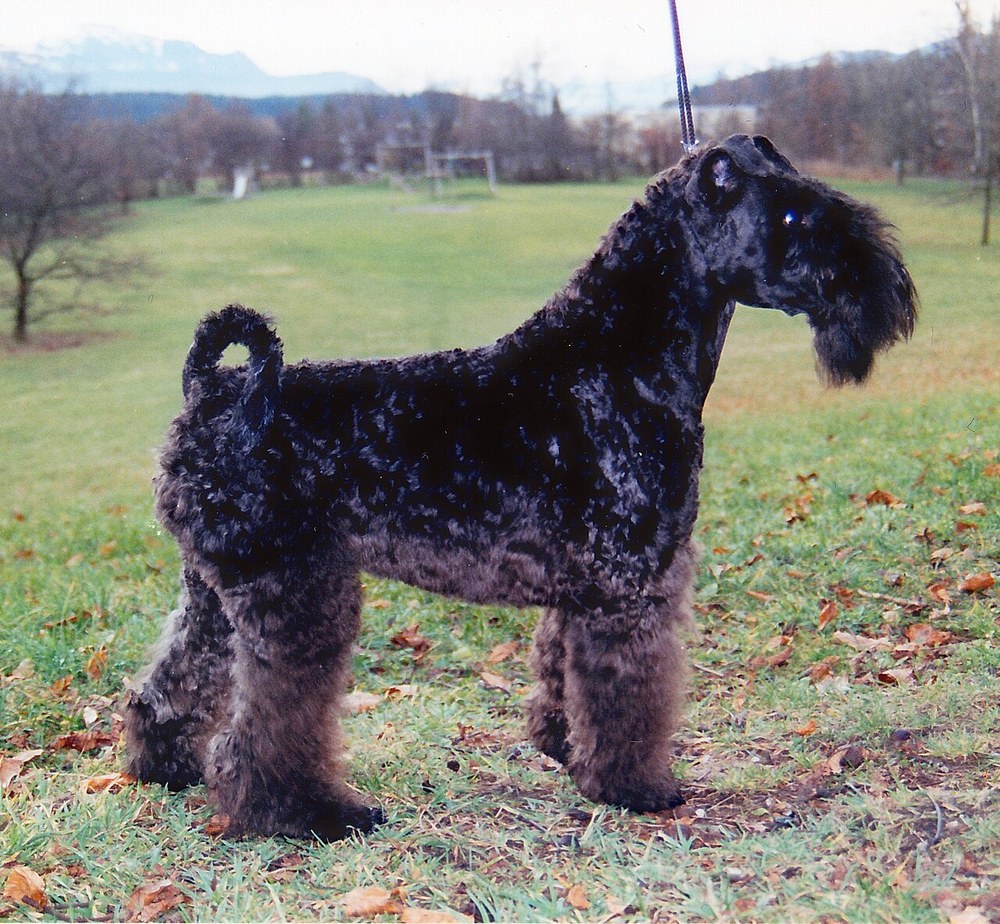
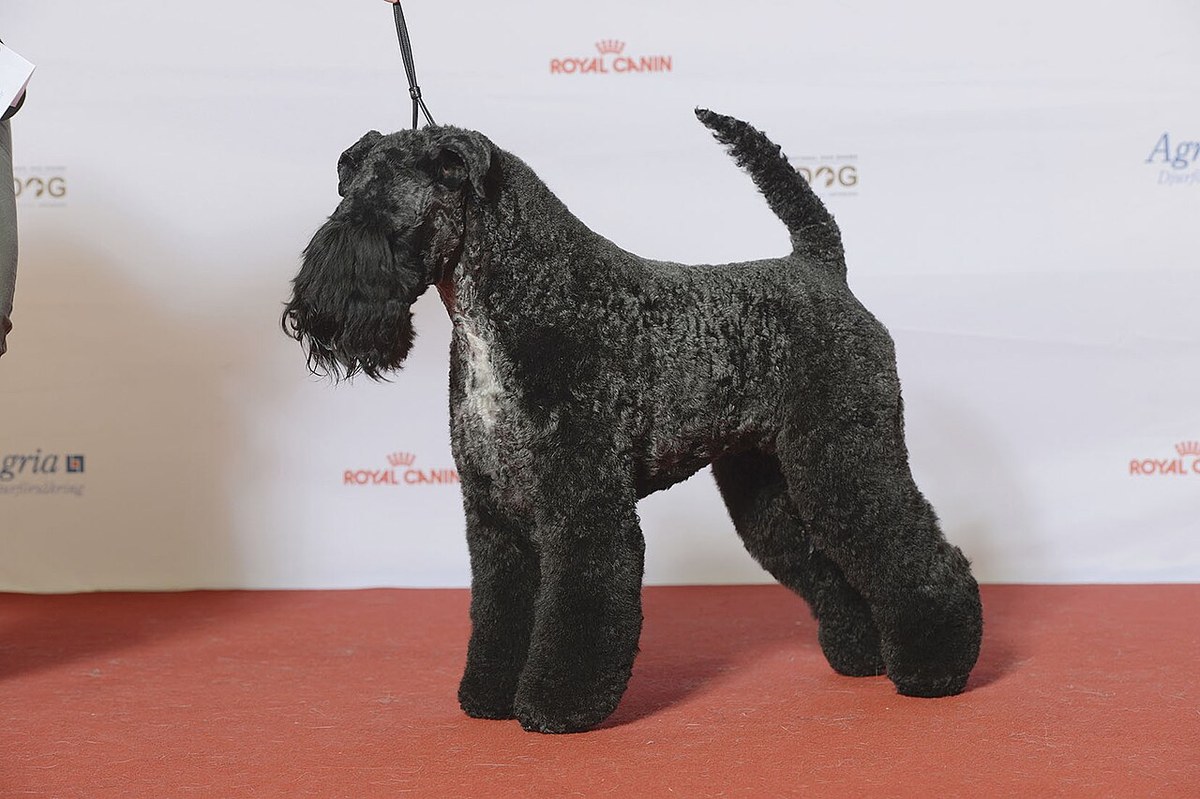
A Kerry Blue outdoors (CC BY 2.0). The soft coat and working stance are what selection kept.
County Kerry → farms and roads
A farm dog that hunted vermin and helped on the road
Public accounts describe blue soft-coated terriers used on Irish farms for rats and other vermin, and sometimes as helpers with cattle on the road. The type was local long before it was a closed registry breed.
A dog that worked close to people and stock needed courage and a usable mouth. At home that becomes a dog that wants a job for its jaws and a clear end to each game.
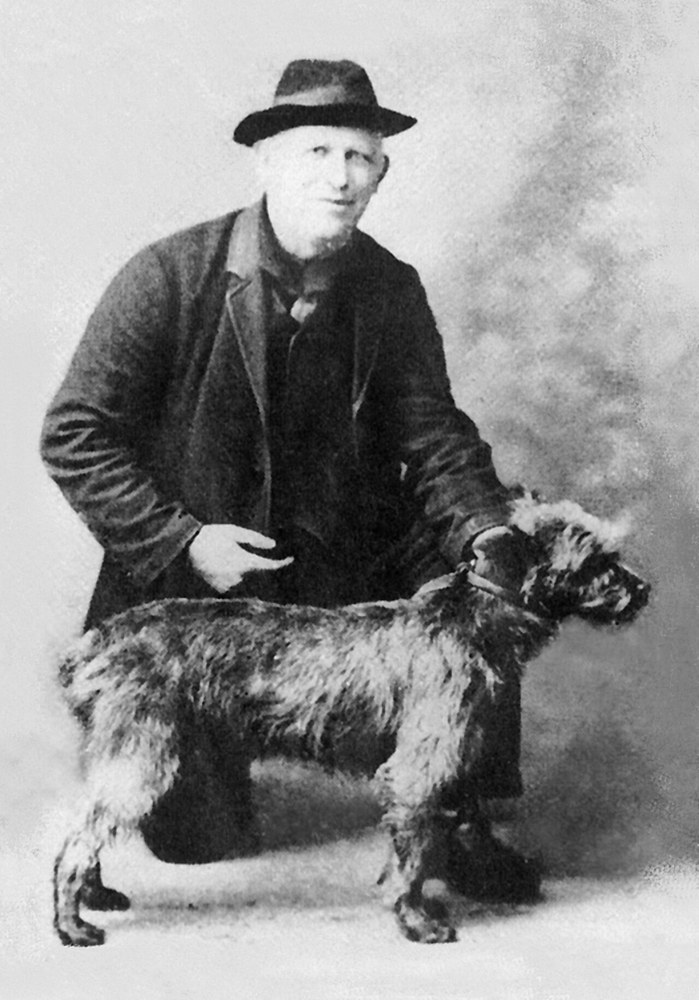
Kerry Blue Terrier, 1916 illustration (public domain). Early images show the soft blue type already recognisable.
Show ring and sport without losing the working mouth
From Irish farms to trim tables and sports fields
Kennel clubs recognised the Kerry Blue in the early twentieth century. Show grooming developed a sculpted look, while many owners still used the breed for vermin work and later for obedience, agility and earthdog-style outlets.
Today most Kerries live as companions. The coat still needs regular work, and the mouth still wants a soft job with a clear finish.
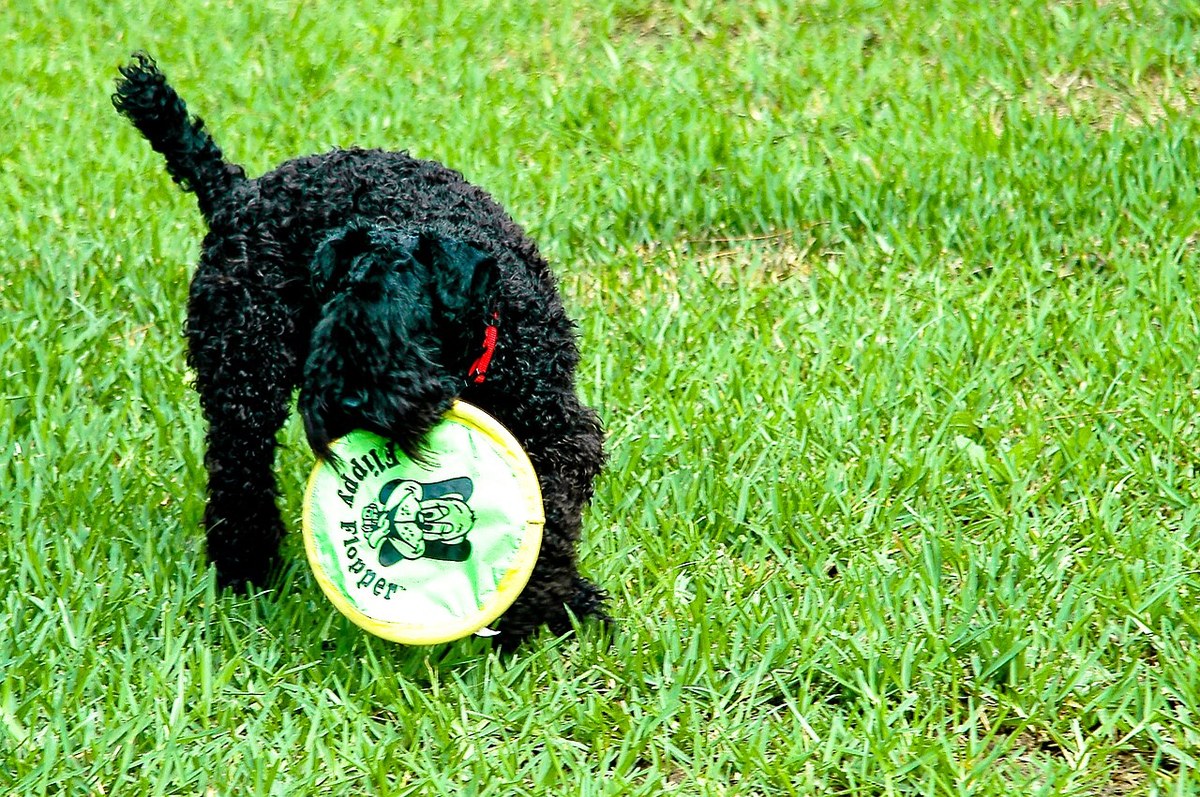
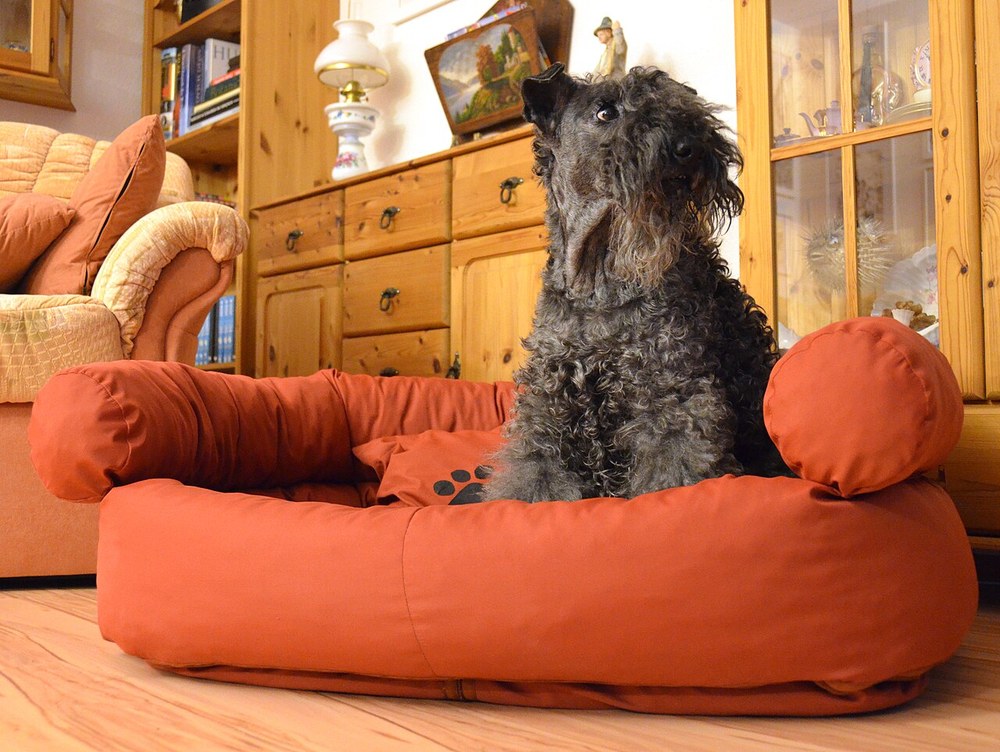
A Kerry Blue with its person (CC BY-SA 3.0). Companion homes still inherit the working mouth.
What the breed was bred for
Soft mouth, busy brain, coat as lifestyle
In trainer terms, breeders favoured a dog that keeps going, works with its mouth and stays close enough to be useful. At home that becomes retrieve games, toy stealing if jobs are vague, and strong opinions about other dogs.
Kerries usually enjoy food and skill games. Short, clear sessions work. Long, nagging drills and harsh corrections tend to create an argument.
Soft mouth: retrieve and toy games with a clear end
Coat lifestyle: regular trim and handling
Terrier opinions: managed dog greetings
Busy brain: short skill sessions beat long walks alone
A good day has a walk, a soft retrieve, a skill game and coat time
At home the Kerry job shows up as busy mouths, toy theft, opinions about other dogs and a coat that mats if you skip brushing. Most Kerries are loyal and playful with their people. A trim schedule, clear game ends and polite greetings make daily life smooth.
Morning · walk
A walk with sniffing and a soft job
Forty-five to seventy minutes of walking with sniffing suits most adults. Add a short soft-mouth retrieve or a find-it game so the mouth works legally. Keep a long line near wildlife and busy parks until recall is proven.
Retrieve to hand, hand targets, simple agility obstacles and scent finds give the Kerry a job. End every game on cue so the soft mouth does not invent its own entertainment with shoes and towels.
Some Kerries are fine with dogs; others are sharp if greetings are chaotic. Keep first meetings short, on lead, and step in before play tips. Parallel walking beats face-to-face introductions.
The soft coat mats without regular brushing and professional or home trimming. Teach calm table manners early so coat care is not a fight. Short sessions with food beat once-a-month battles.
After walks and games most Kerries settle well on a bed with a chew. Teach place, keep evening play calm, and the busy mouth sleeps instead of inventing jobs.
General awareness only. I am not a veterinarian. With Kerry Blues, owners often notice trouble first as limping, scratching under the soft coat, eye irritation, weight gain or a dog that suddenly avoids play. For red flags, leave this page and open
when to call the vet.
Skin and coat
The soft coat can hide irritation. Scratching, hot spots or mats that pull skin need a groomer and sometimes a vet. Keep a regular trim schedule.
Hips and eyes
Hip and eye themes are discussed in the breed. Limping or vision changes need a vet. Ask breeders about screening of parents.
Ears
Soft coats and drop ears hold moisture. Check ears after swimming or baths.
Weight
Kerries enjoy food and can gain weight when sport slows. Measure rations. See body condition and rations.
A soft, busy mouth finds things. Know your clinic’s number if the dog swallows something it should not.
Lines and types
Show trim and working Kerries still share the soft mouth
No bloodline selling. Differences show in coat texture, drive for sport and how easily the dog settles. Every Kerry needs coat care, clear game ends and polite dog manners.
Show and companion lines
Often a denser show coat that needs frequent trimming.
Still a terrier with opinions and a busy mouth.
Ask about hips, eyes and how parents live at home.
Coat care is a weekly lifestyle, not a yearly event.
Fits an owner who likes grooming and short skill games as much as walks.
Sport and working-minded homes
Often stronger interest in retrieve, agility and vermin-style games.
Need clear ends to every mouth job.
Dog greetings may need more management.
Coat still mats if ignored.
Fits an owner who will train soft-mouth sport and manage terrier social life.
Socialization windows
What to introduce — and what not to overload — by age
AVSAB-aligned in spirit: short, clean exposures at a distance the puppy can still eat,
with hygiene while vaccines finish. See the
puppy socialization schedule.
2–4 months
Home, handling and soft mouth
Introduce: short brushing sessions, table manners with food, soft toy retrieves that end on cue, name game, doorbell at low volume.
Do not overload: unsupervised chewing of household items, rough dog-park play, skipping coat handling.
~6 months
The outdoor world at a distance
Introduce: other dogs at a distance where the puppy can still eat, long-line walks, first skill games, calm guest scripts.
Do not overload: off-lead parks, chaotic greetings, leaving mats to form.
~12 months
Adolescent opinions
Introduce: long-line recall, polite parallel walks, soft retrieve to hand, trim table stays.
Do not overload: trusting recall near wildlife, arguing on the lead, harsh corrections.
~18 months
Adult routines
Introduce: regular groomer visits, sport classes if you enjoy them, new walking routes, settle after guests.
Do not overload: dropping the coat schedule, letting toy games run without an end cue.
~24 months
Keep it going
Introduce: refresh soft-mouth ends, keep dog greetings managed, yearly health checks.
Do not overload: assuming the terrier edge has faded, ignoring limps or coat skin issues.
Before you buy
Who a Kerry Blue Terrier usually fits
Fit comes down to coat lifestyle, soft-mouth games with clear ends, daily walks and polite dog manners.
Good match
More likely a good fit if you…
You like a mid-size Irish terrier with style and a soft working mouth
You will brush and trim on a real schedule
You enjoy short skill and retrieve games
You will manage dog greetings instead of hoping for magic
You want a loyal house dog that still has a job
Mismatch risk
A Kerry Blue Terrier may be a poor choice if…
You want a wash-and-wear coat
You want a dog that loves every dog at the park
You hate training games and only want quiet walks
You leave toys and shoes out with no management
You want a tiny apartment dog with almost no coat work
If you are torn between breeds
Kerry Blue Terrier vs Soft Coated Wheaten Terrier and Airedale Terrier
Wheatens share the soft Irish coat story with a usually softer social edge; Airedales are larger, more hunting-oriented all-rounders. The Kerry sits between them as a blue soft-coated Irish terrier with sport potential.
Origin
Kerry Blue Terrier
Irish farm vermin and droving terrier.
Short, calm, parallel walks beat free-for-all parks.
06
Protect sleep
Overtired puppies mouth harder. Use a crate or pen and enforced naps.
If the dog is already yours
Training a Kerry Blue gives the soft mouth a safe outlet
Keep rules easy to see: toy to hand then end, four paws on the floor for guests, a calm walk past other dogs, place on a bed after play. Reward each one.
Kerries are usually food-keen and like short skill games. Varied sessions work. Nagging drills and harsh corrections create a debate.
Management makes training work: put laundry away, use a long line, choose calm dog meetings and keep the trim table positive. You stop the habit while new habits grow.
Load balance
Walks and mouth work first, then ask for calm
Age, joint health, weight and weather all affect the right amount of exercise. Limping, scratching under mats or a dog that cannot calm down need a vet or behaviour check.
Sniff walkSoft retrieveSkill gameCoat handlingSettle on a bed
Walks with sniffing, soft retrieves, agility or obedience games and short trick sessions all count. Hours alone with unsupervised chewing do not meet the need.
A Kerry that has walked, retrieved and practised a short skill today can leave the tea towel alone and settle on its bed.
Soft mouth with an end
How to teach a Kerry Blue a soft retrieve that finishes on cue
Start with an easy toy, reward delivery to hand, then add a clear end so the game does not become an all-day occupation.
01
Choose an easy soft toy
Pick a toy the dog likes and can hold gently. Keep laundry and shoes out of reach.
02
Reward delivery to hand
Invite a short retrieve, mark when the toy touches your hand, and trade for food.
03
Add an end cue
After a few reps, say the end cue, take the toy and give a chew on the bed.
04
Practice daily in short sets
Five minutes beats one long chaotic session. Reset if the dog starts inventing games.
05
Add walks and skills
A sniff walk plus one skill game lowers the urge to steal household items.
One scene close-up
Why a Kerry Blue steals socks and towels
The soft mouth wants a job. If shoes and laundry are available and games have no end cue, the Kerry invents its own sport. Chasing the dog around the house rewards the theft.
Put tempting items away, offer a legal soft retrieve, reward delivery to hand and end the game. Give a chew on the bed afterwards.
If stealing turns into resource guarding, get help from a qualified professional.
“With a Kerry Blue, I give the soft mouth a clear job and an end cue before I argue about manners. Coat handling, short skill games and managed dog greetings take care of most of the trouble. The loyalty then shows.”
Sessions cover real scenes: soft retrieve, coat table, dog greetings, door manners and settling. I am a trainer, not a veterinarian. No invented reviews.
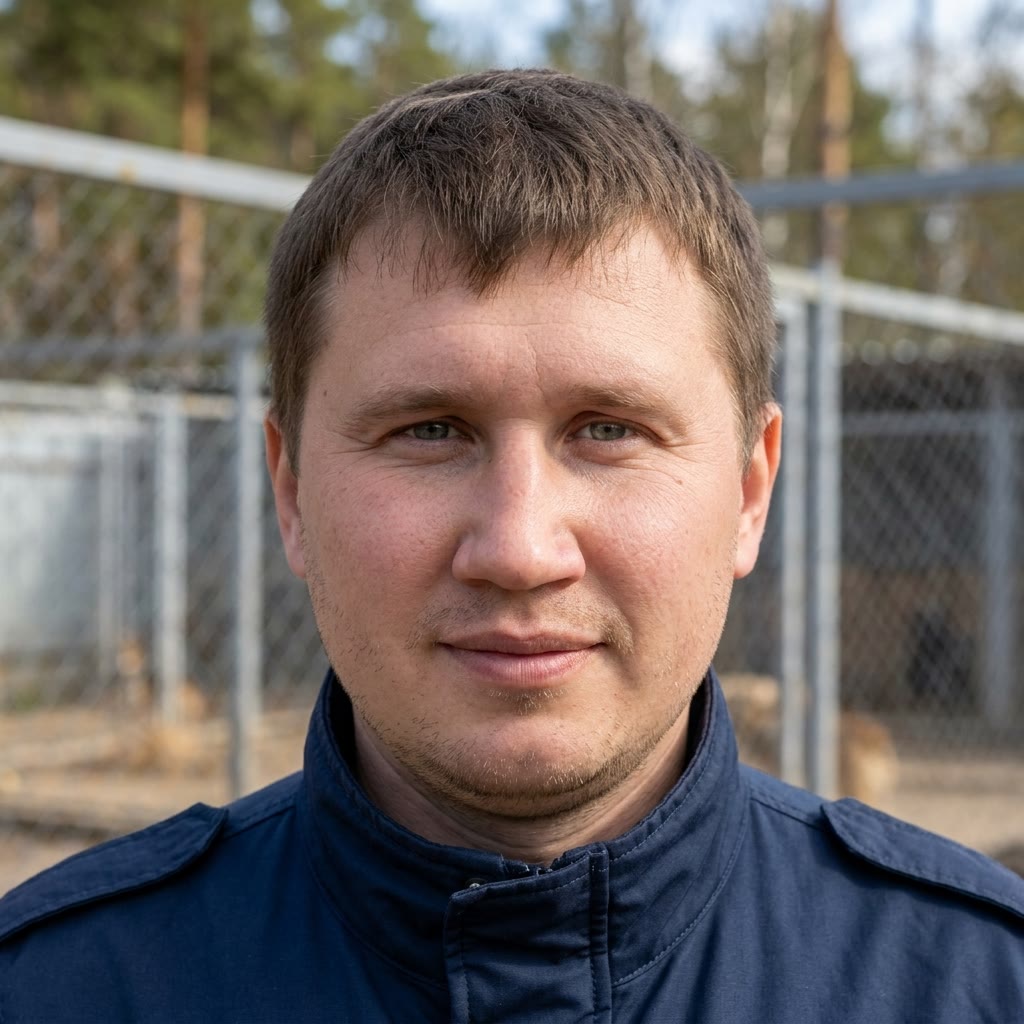
Andrew DarovProfessional dog trainer and instructor
A compact black-and-tan Welsh earthdog. Needs bark routines, dig outlets, grooming and show-ring style handling skills.
Need a read on your exact situation?
Tell me your Kerry’s age and the scene that keeps repeating: coat fights, stolen laundry, dog greetings, recall or settling. We check safety and health first, then pick the first skill.
Written by Andrew Darov, professional dog trainer. Not veterinary advice and not a diagnosis.
Not a kennel club. No invented reviews. No vaccine schedules or toxin doses. Photo credits in
/images/breeds/kerry-blue-terrier-guide/credits.md.