
Expert Advice · Training · 7 min read
How Long Should Dog Training Sessions Be? By Age
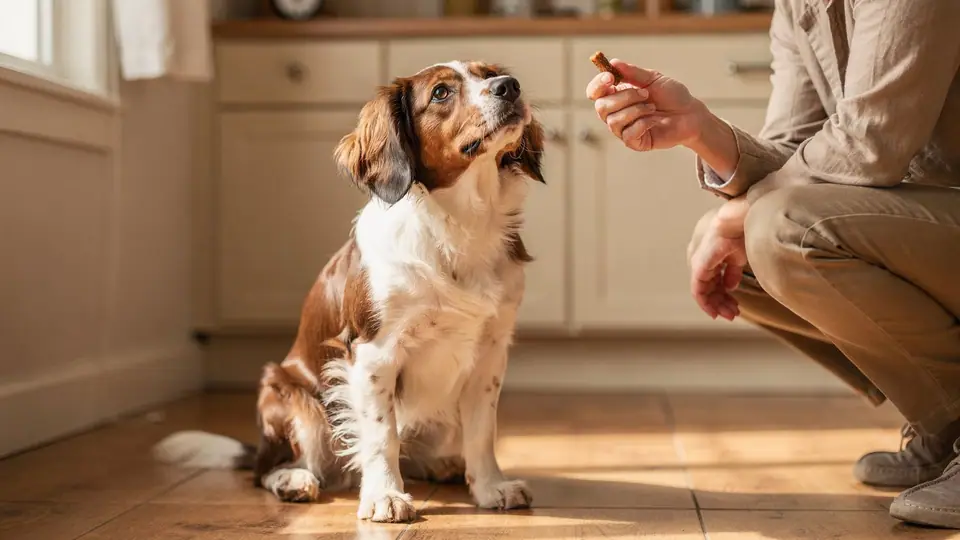
Most dogs learn best in short sessions: about two to five minutes for puppies and five to ten for adults, several times a day. Stop while your dog is still keen, and end at once if it starts to lose focus.
Most dogs learn best in short training sessions: about two to five minutes for puppies and five to ten minutes for adult dogs, a few times a day. Count reps rather than watching the clock, stop while your dog still wants more, and end at once if it starts to lose focus. How often to give a reward inside each session is a separate question, covered in our guide on how often to reward your dog in training.
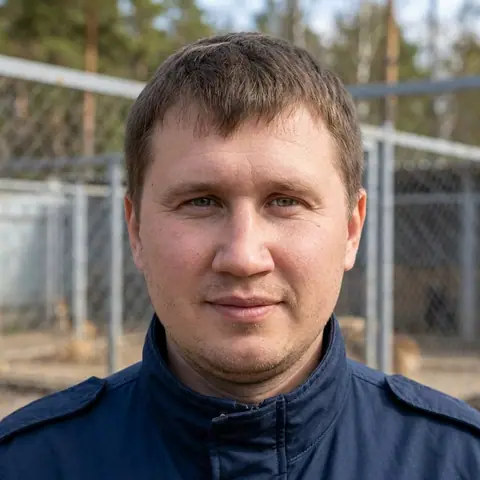
I am Andrew Darov, a dog trainer. I am not a veterinarian. This is a training page about planning practice time.
How long should a dog training session be?
Short and often beats long and rare. A few minutes of focused practice, ended on a good note, is the goal.
A simple guide by age:
- Young puppies (8 to 16 weeks): two to five minutes, or five to ten reps of one skill. Puppies tire quickly and need a lot of sleep.
- Older puppies and adolescents (4 to 12 months): about three to eight minutes. Attention can swing a lot during this stage, so keep the length flexible.
- Adult dogs: five to ten minutes on one skill, longer if you mix skills and add play breaks.
- Older dogs: short sessions on soft ground, with more rest. If your dog seems stiff or sore, ask your vet before you add physical skills.
These are starting points, not rules. Your dog’s breed, energy, health and the difficulty of the skill all change the right length.
Why are short sessions better than long ones?
Short sessions keep your dog keen, keep the success rate high and give you a natural place to stop before mistakes pile up. Each new session is also a fresh start, so a skill practised in five short bursts across the day often comes on faster than in one long block.
Long sessions tend to go wrong at the end. The dog gets tired or full, the owner gets frustrated, and the last few reps teach the dog to respond slowly. Ending early avoids that.
How do I plan a training session step by step?
- Pick one skill and a small goal. For example, “sit for three seconds with me standing” or “come from two metres in the kitchen”. Decide what counts as a good rep before you start. Our page on markers and rules explains how to set a clear bar.
- Set the length by age. Two to five minutes for puppies, five to ten for adults. A kitchen timer helps you stop on time.
- Count your reps. Count out five to ten treats before you start. When they are gone, the session is over. Take a short break for play or sniffing before any more.
- Watch for signs to stop. Sniffing the floor, looking away, scratching, yawning, slow responses, more mistakes or walking off all mean the session is too long or too hard. Make the next rep easy, reward it and finish.
- Spread sessions across the day. Two to five short sessions a day at times when your dog is awake but calm and a little hungry: before meals, after a nap, or at the end of a walk.
What if my dog loses interest in food during training?
If your dog stops taking treats or takes them slowly, the session may be too long, the dog may be full, or the place may be too exciting. Try a shorter session before a meal, use smaller and tastier treats, or move somewhere quieter. Our page on when food stops working covers this in detail. A sudden loss of appetite at all times is a reason to ask your vet.
Can I train in everyday life instead of sessions?
Yes, and it helps. Ask for a sit before you open the door, a down before you put the bowl down, or a short wait at the kerb or curb. These small moments add up and teach your dog that skills matter outside the kitchen. Keep planned sessions for new skills and harder steps, and use everyday moments to keep known skills fresh.
What are the usual mistakes?
- Training until the dog gives up. End while your dog still wants to play the game.
- One long weekly session. Short, regular practice works better than a long block once a week.
- Practising one skill again and again. After ten reps, take a break or switch to something easy.
- Training when the dog is tired or full. Pick times when your dog is awake and keen.
- Ending on a mistake. Finish with an easy rep and a reward.
Short sessions, a clear goal and an early finish make training easier for you and your dog. Next steps: how often to reward your dog inside each session, markers and rules for a clear bar, and when food stops working for treat problems. More on the training hub.
Questions on this page
How long should a puppy training session be?
For young puppies, about two to five minutes, or around five to ten repetitions of one skill, is enough. Several short sessions spread across the day work better than one long one. Older puppies can often manage a little longer.
How many times a day should I train my dog?
Two to five short sessions a day suit most dogs. You can also fit tiny practice into everyday life, such as a sit before the door opens or a down before dinner.
Is 30 minutes too long for dog training?
For most dogs, yes, if it is one skill without a break. Split it into short sessions with play, sniffing or rest in between. A class that lasts an hour usually works the same way, with short bits of practice and breaks.
How do I know when to stop a training session?
Stop while your dog is still keen. End at once if you see sniffing the floor, looking away, scratching, yawning, slow responses, more mistakes or the dog walking off. These are signs the session is too long or too hard.
Is it better to train every day or a few times a week?
Short, regular practice is the easiest way for most owners to make progress. Daily or near-daily short sessions keep skills fresh. Rest days are fine and dogs often do well after a break.
Work with me
A $150 consultation or $500 monthly curatorship. Opens WhatsApp to Andrew.