
Show ring → family homes
A clown and companion
Today the Bull Terrier is mainly a family companion known for its playful character.
Meet the parents and see how they cope with other dogs and handling.
Bull Terrier · Terrier
The Bull Terrier is a strong, muscular terrier from England with a unique egg-shaped head. Most are playful, affectionate and stubborn. Life goes well with calm and consistent rules, lead manners from day one, careful dog introductions and daily play and chewing outlets.
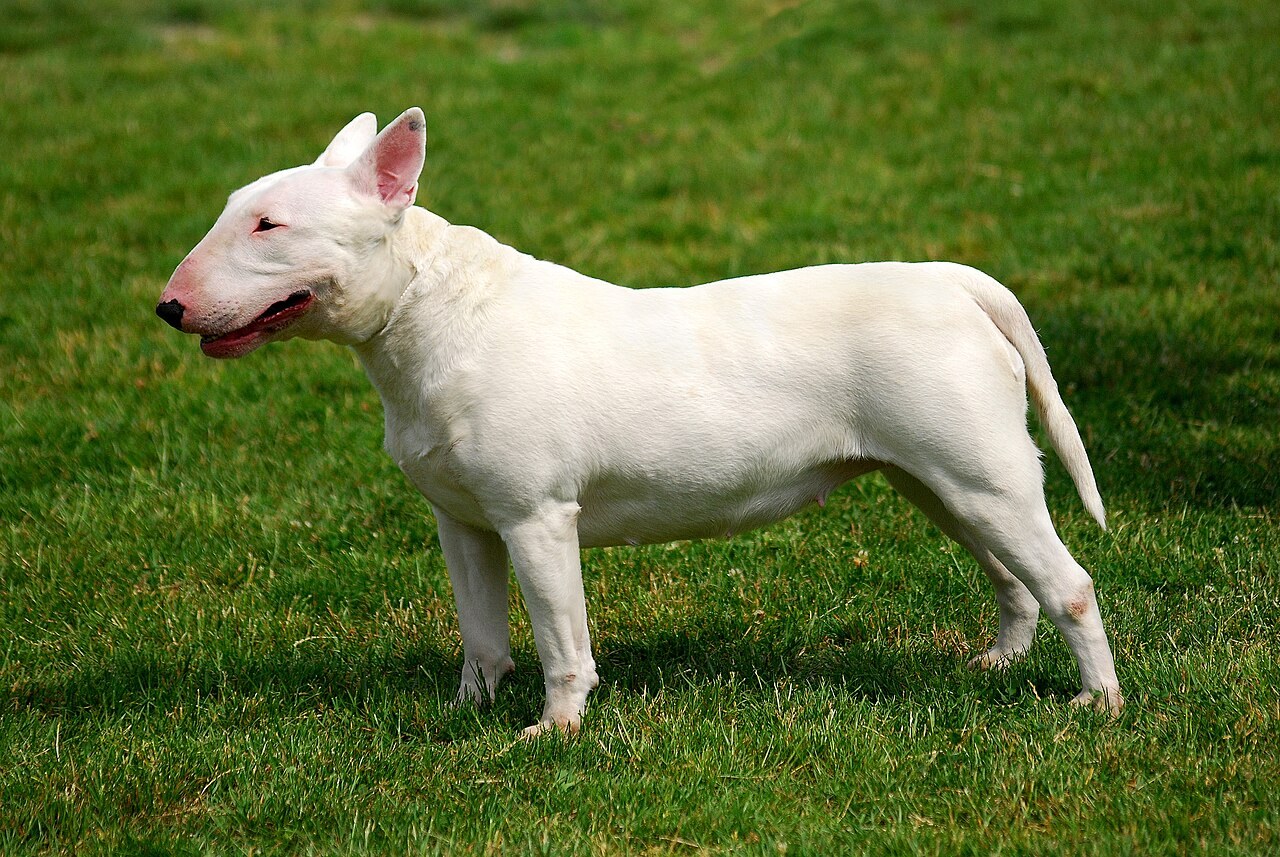
First, the point
Public breed histories describe a Victorian bull-and-terrier refined into a show and companion dog.
Most Bull Terriers are comic and loving. Owners usually struggle with pulling, rough play, other dogs and repetitive habits.
In the first months I teach lead manners, handling, gentle play and calm alone time.
Breed history
The Bull Terrier comes from 19th-century England, bred from bulldogs and terriers and then refined into a show and companion dog. That background gave a strong, playful, clownish dog with a stubborn streak.
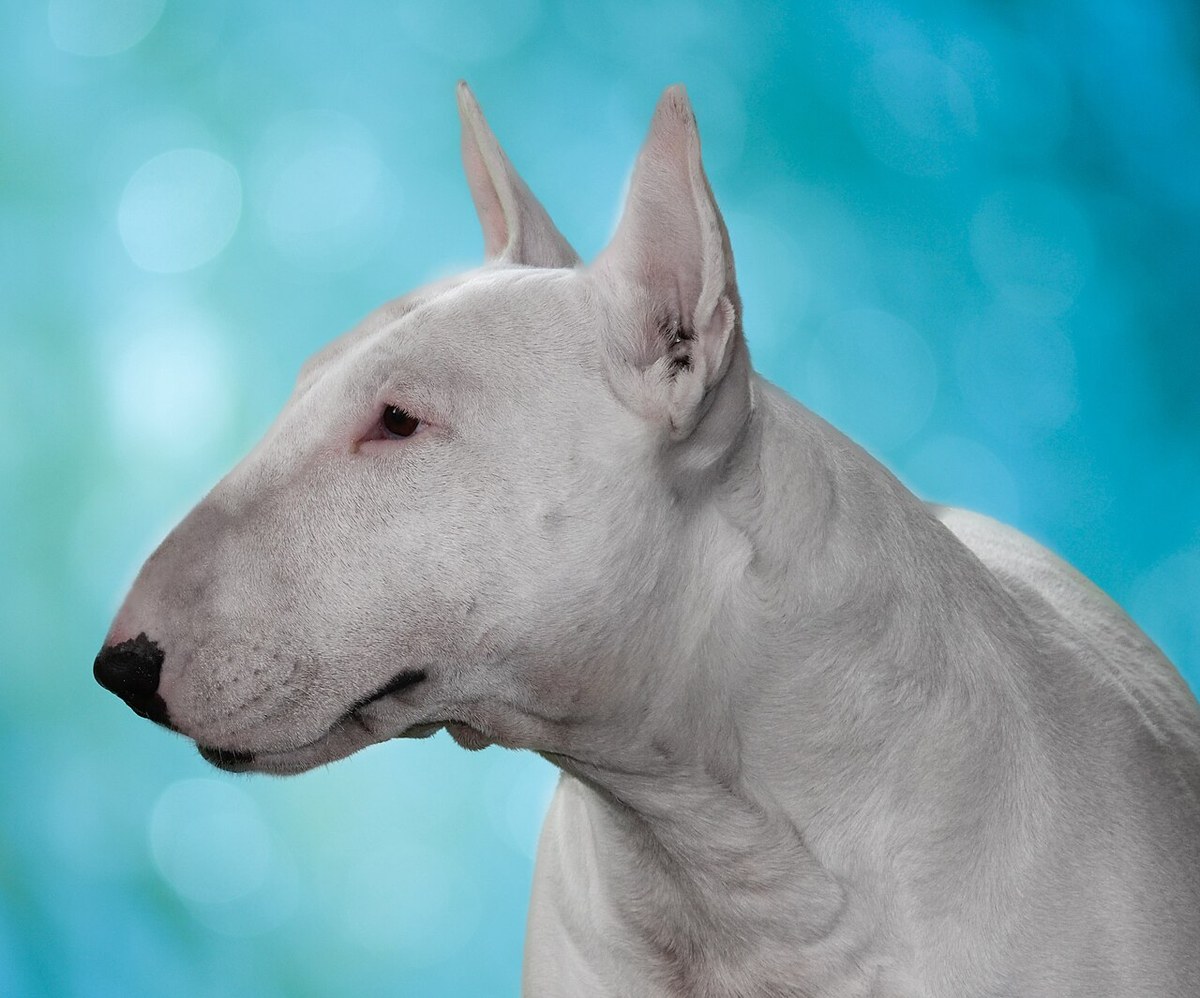
Birmingham, 1850s → refined terrier
Public breed histories credit breeders in Victorian Birmingham with creating a white bull-and-terrier type that became fashionable with gentlemen.
Later breeders developed the distinctive head shape and coloured varieties.
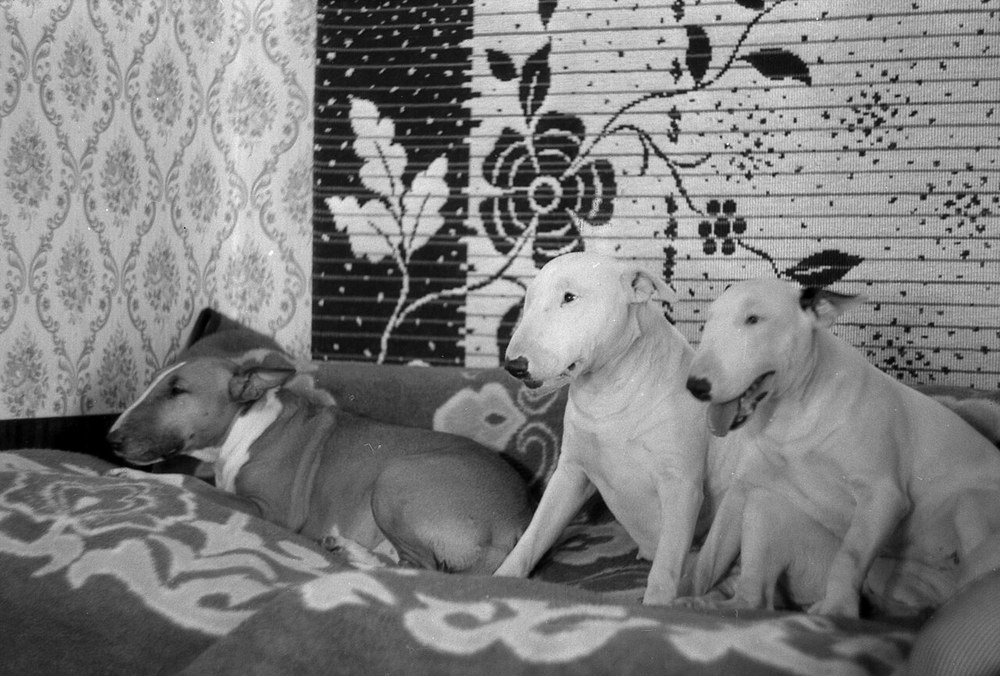
Show ring → family homes
Today the Bull Terrier is mainly a family companion known for its playful character.
Meet the parents and see how they cope with other dogs and handling.
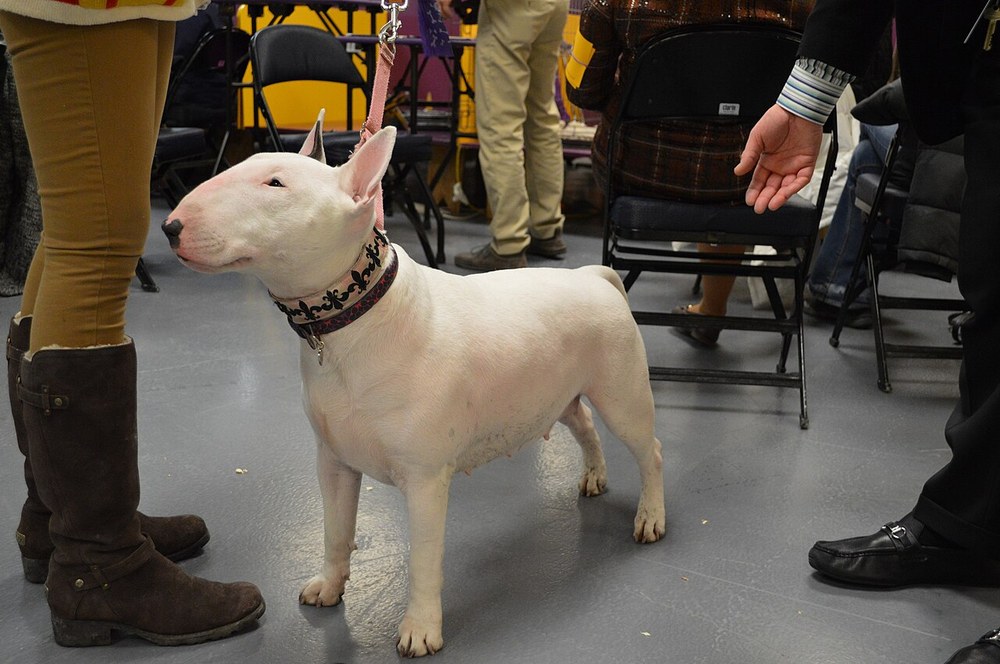
What the breed was bred for
In plain trainer language: Bull Terriers are affectionate, comic and very strong for their size.
The challenges are pulling, rough play, tension with other dogs, obsessive habits and stubbornness. Calm structure and outlets help most.
Public references: FCI 11, AKC Bull Terrier, RKC.
Life together
Bull Terriers need exercise, play and company. They hate being bored or left out.
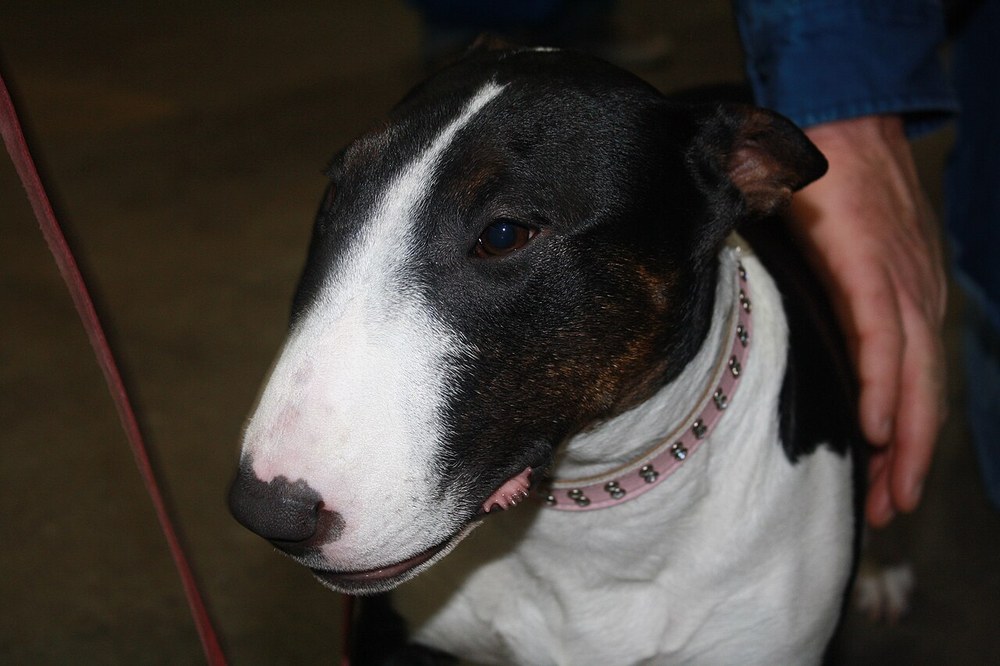
Bull Terriers are confident and like to test rules.
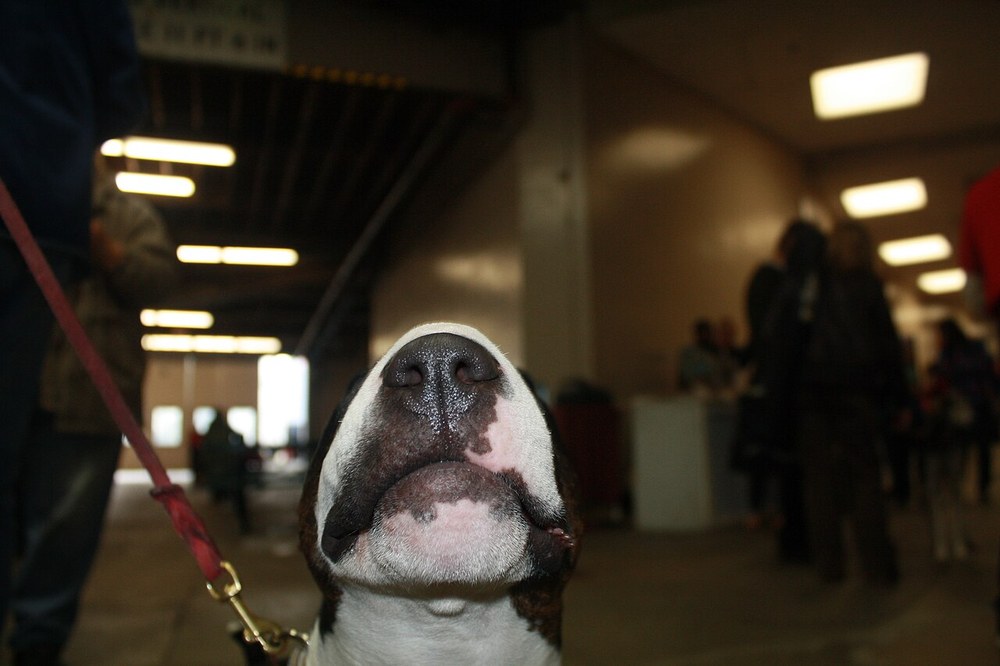
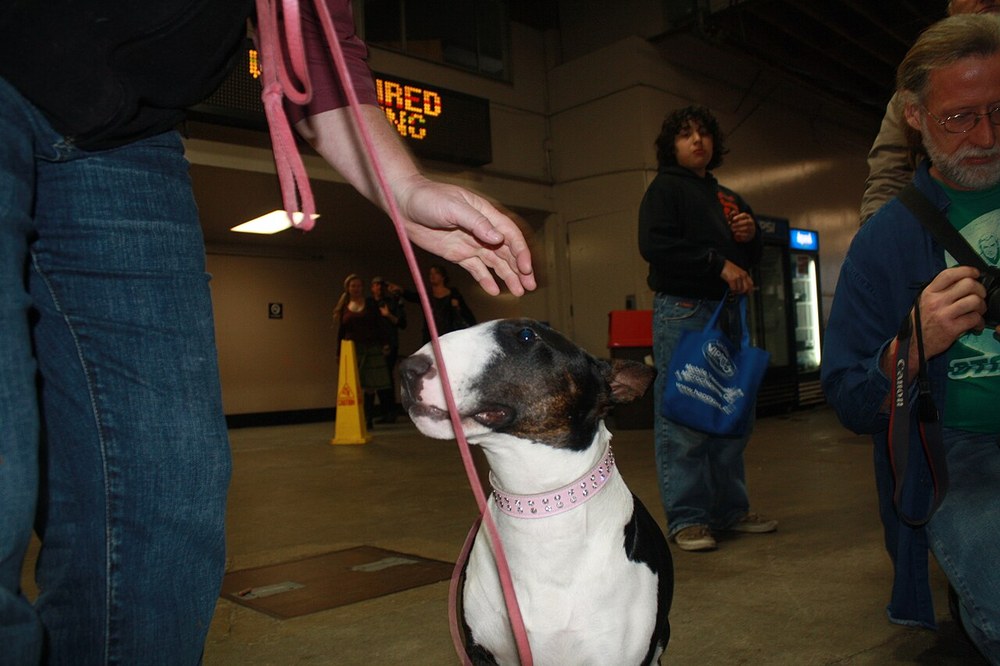
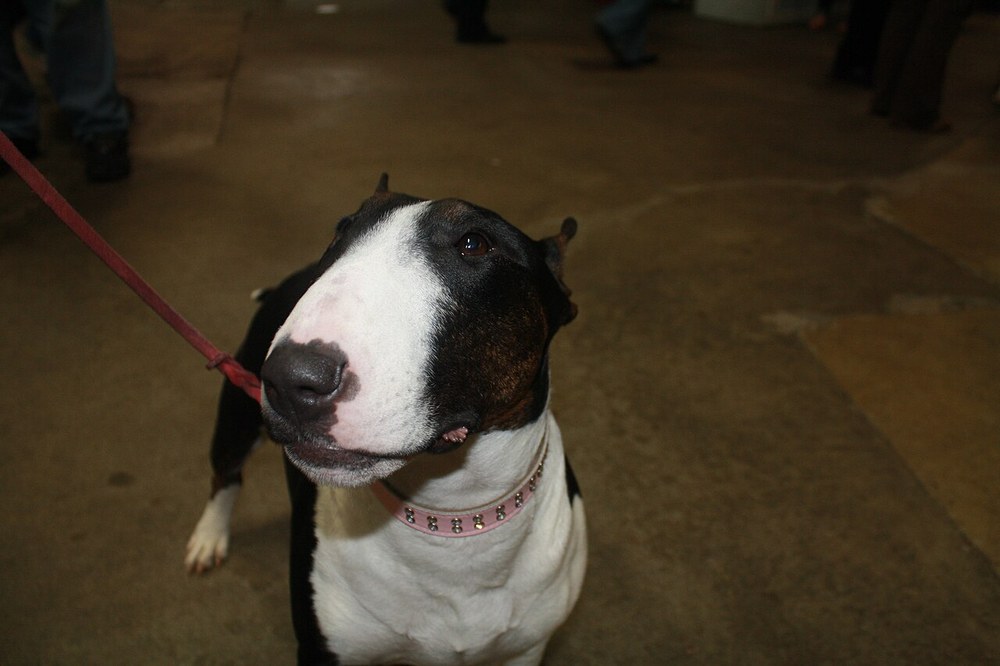
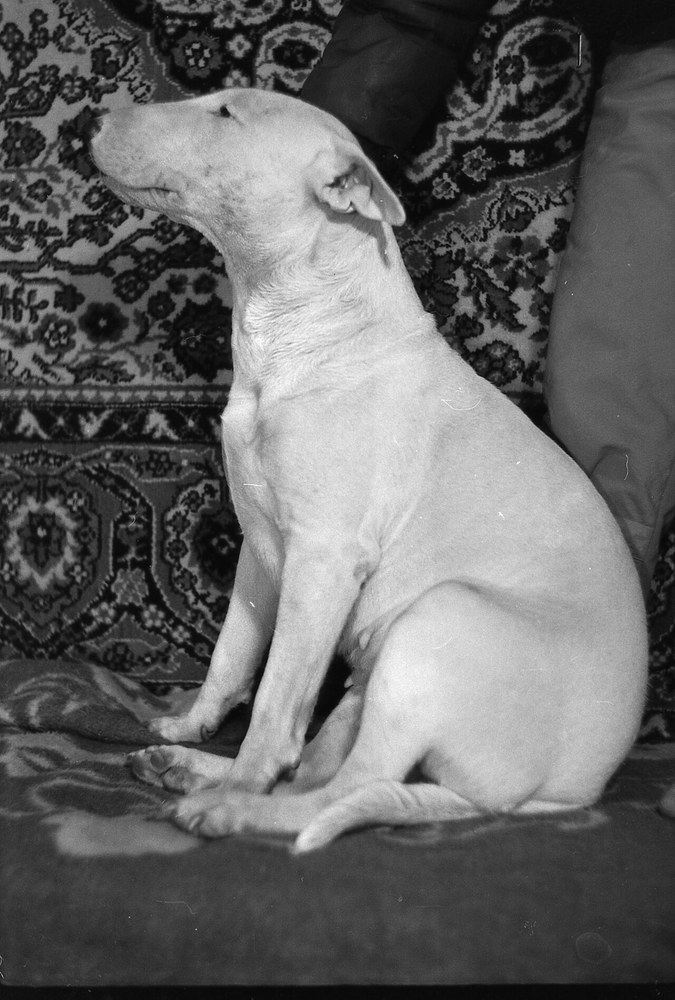
Care and health themes
A trainer’s checklist, not veterinary advice. See a vet for skin problems, deafness signs or repetitive behaviours. For urgent signs, see when to call the vet.
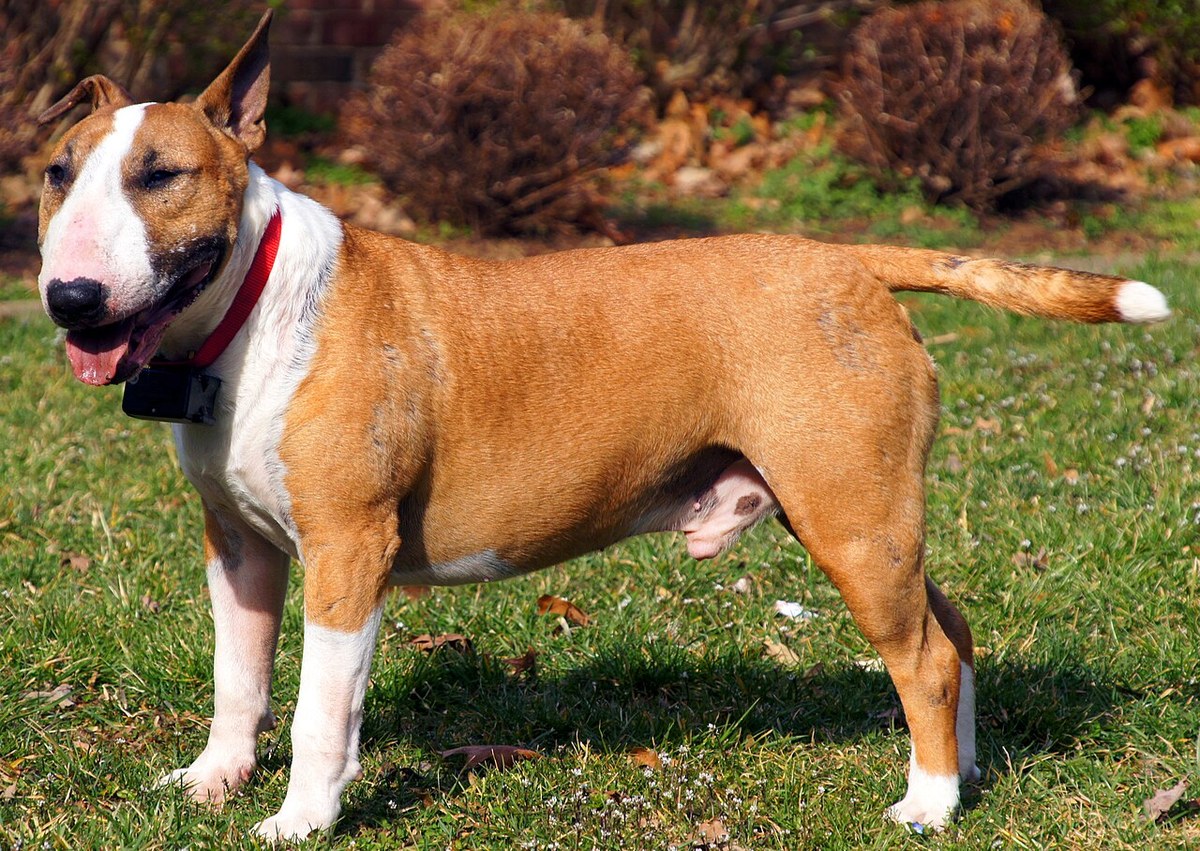
White dogs can burn in strong sun and some get itchy skin. Check regularly.
Notice if the dog does not respond to sounds; ask the vet.
Keep a muscular, lean body.
Tail chasing or spinning is worth discussing with a vet and trainer.
Ask the breeder which screenings the national breed club recommends, including hearing tests, and see results for both parents.
I do not publish toxin amounts. Call a vet or poison-control line if the dog eats something dangerous.
Lines and types
The Miniature Bull Terrier is a smaller version; in many countries it is a separate breed.
The classic Bull Terrier.
For smaller homes, same personality.
Socialization windows
AVSAB-aligned in spirit: short, clean exposures at a distance the puppy can still eat, with hygiene while vaccines finish. See the puppy socialization schedule.
Introduce: hand-feeding, handling, crate naps, toilet routine.
Do not overload: rough play with hands.
Introduce: loose lead, calm hellos, drop it.
Do not overload: pulling to other dogs.
Introduce: consistent rules, tug with rules, calm dog meetings.
Do not overload: unmanaged dog play.
Introduce: walks, play, chew outlets.
Do not overload: repetitive spinning games.
Introduce: refreshed manners.
Do not overload: boredom.
Before you buy
A Bull Terrier suits experienced, calm owners who enjoy a strong, comic dog.
Good match
Mismatch risk
If you are torn between breeds
Bull Terriers are compared with Staffies (another bull-and-terrier breed) and Boxers.
Bull Terrier Egg-shaped.
Staffordshire Bull Terrier Broad, short.
Bull Terrier Medium.
Staffordshire Bull Terrier Smaller, stockier.
Bull Terrier Playful bursts.
Boxer Very bouncy.
Bull Terrier Short, flat.
Boxer Short, flat.
Bull Terrier Very strong.
Both compares Each needs lead manners early.
Ownership without surprises
Prices vary by country. These are the spending themes, not figures.
Lead manners and dog skills.
Strong jaws.
For white dogs.
Ask which screenings the national breed club recommends.
For a strong puller.
Consider it early.
With a Bull Terrier, training and tough toys are the steady costs.

Before day one at home
A Bull Terrier puppy is bold and mouthy. Start gentle play and lead manners early.
See biting and nipping.
See puppy leash training.
See puppy handling.
See chewing furniture.
Follow potty training.
If the dog is already yours
Bull Terriers respond to fun and food, not force.
My core list: lead manners, drop it, calm dog meetings and alone time.
Tug with rules, scent work and tricks use their energy.
Load balance
Daily walks and play suit most Bull Terriers.
Walks, tug with rules, scent games and chews suit most Bull Terriers.
A Bull Terrier with clear rules is a loving clown.
Lead manners
Start early, stop when the lead tightens, reward close walking.
Teach a loose lead as a puppy.
Stand still when the lead tightens.
Treat beside your leg.
Turn often.
Front-clip harness if needed.
One scene close-up
Bull Terriers are strong and determined.
Stop when the lead tightens and reward the dog beside you.
If pulling continues, use a harness and get a trainer’s help.
Typical household scenes
A breed page is only a starting point; the fix depends on health, environment, and the dog in front of you. Each row opens a step-by-step guide.
Strong and determined.
Tension with other dogs.
Play gets too hard.
Guards toys or food.
Chews furniture.
Destructive when left.
Bouncy greetings.
Skin, hearing or repetitive behaviours — vet first.

Practical view
“With a Bull Terrier, I keep things calm and clear. We work on lead manners, dog meetings and play rules — because a strong, comic dog needs structure it understands.”
Sessions cover real scenes: pulling on the lead, tension with other dogs, rough play, and chewing. I am a trainer, not a veterinarian. No invented reviews.
Describe age, living setup, and where the dog breaks first — pulling on the lead, tension with other dogs, rough play, or chewing. Opens WhatsApp to Andrew.
Short answers
If you want a small, friendly, easier companion, consider this one.
A compact, strong and people-loving English terrier that needs daily exercise, lead manners and careful introductions to other dogs.
A playful, bouncy German working dog that loves people and needs daily exercise, calm greetings and a settle routine.
A friendly, tuxedo-marked American companion that needs calm greetings, moderate exercise and care in hot weather.
Small, friendly American companion with a bright personality.
Other guides from the same group in the breed library. Same group does not mean same dog: read the fit and the failure modes, not only the outline.
A small, shaggy Highland terrier — brave, busy and affectionate — that needs a digging outlet, door manners and weekly brushing.
A low, powerful Irish earthdog. Needs early lead manners, a proper dig outlet and care for its long back.
A bold red Irish farm terrier. Needs safe outlets for chasing and digging, consistent rules and planned dog introductions.
A small, bold English working terrier that needs daily exercise and training games, secure fencing and careful recall training.
An Irish soft-coated working terrier. Needs coat lifestyle, soft-mouth games with clear ends and polite dog manners.
An independent Lake District fell terrier. Needs secure boundaries, real work and cooperative leash and recall training.
Describe your Bull Terrier’s age and the scene that repeats most: pulling on the lead, tension with other dogs, rough play, or chewing. We check safety first, then pick the first skill.
Written by Andrew Darov, professional dog trainer. Not veterinary advice and not a diagnosis.
Not a kennel club. No invented reviews. No vaccine schedules or toxin doses. Photo credits in
/images/breeds/bull-terrier-guide/credits.md.