

Expert Advice · Expert Advice · 13 min read
Senior dog manners refresh
Old cues can still work — if you refresh criteria for the body you have now, not the athletic dog from three years ago.
Senior dogs do not “forget manners” as a character flaw. Hearing drops. Vision narrows. Hips complain. Arousal spikes then crashes. The cue word may still live in the brain while the picture you demand belongs to a younger athlete. This page is a criteria refresh for the household — not a geriatric medical protocol, not a fake case diary, and not a clone of adolescent 6–12 months.
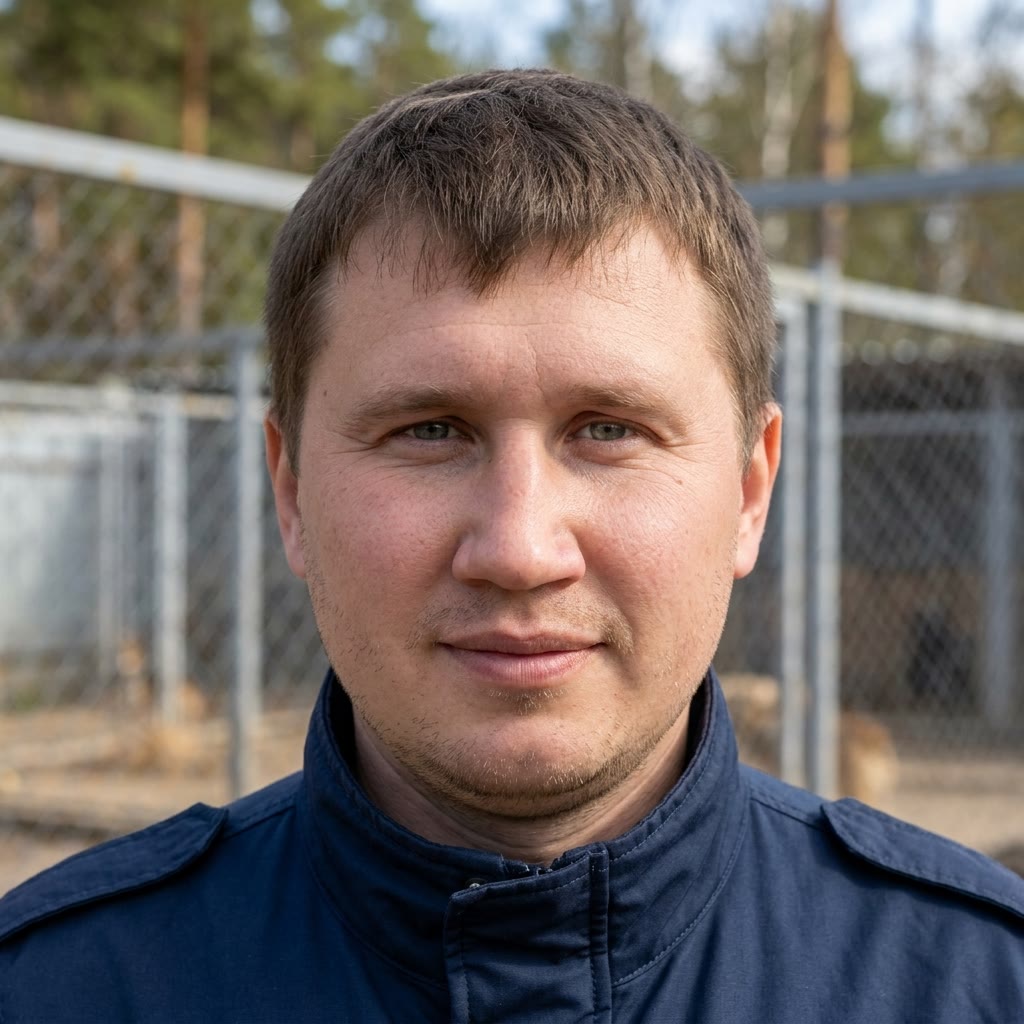
I am Andrew Darov, a trainer from Russia who runs month-plus residential work. I am not a veterinarian. Sudden body changes still leave the training floor. Read not veterinary advice and when to call the vet.
What changes first in the picture?
Name response that used to be cheap may need a hand signal. A door wait that was easy may hurt on slick floors. A place bed that was a soft default may need a thicker mat and a shorter duration. Night restlessness can look like “defiance” when it is discomfort or a toilet need.
Refresh the criterion for the dog in front of you. Louder cue words are not a plan.
US ranch-style homes and UK flats with stairs both invent the same trap: expecting last year’s duration on this year’s joints. Management (gates, shorter walks, non-slip mats) is not giving up. It is how you keep manners paid without rehearsing failure.
How do you refresh without flooding?
- Vet first when the change is sudden: limp, cry, aggression, collapse, or appetite crash. Manners wait. See when to call the vet.
- Name + visual: say the name once, show a clear hand, pay the look. Do not stack shouts.
- Place rebuild: lure or guide to the bed, mark settle, pay, release early. Duration grows in seconds, not by pride. See place.
- Door wait: leash on, soft body at the latch, open a few inches, close if feet move, pay stillness. See wait at the door.
- Stop while soft: end before stiffness or irritability. Tomorrow’s sore dog is feedback, not drama.
If your trainer still runs adolescent-style zoomie drills on a stiff senior, change the trainer’s criteria — or the trainer. Residential work measured in months still obeys the body. Pain is not a manners debate; see trainer and veterinarian.
What are the usual failure modes?
- Shouting the old verbal. Hearing loss needs a visual, not volume.
- Cloning adolescent 6–12 months. Young energy there; older comfort here.
- Invented medical protocols. Clinician owns diagnosis and meds.
- Marathon stays on sore joints. Short paid reps win.
- Fake testimonials about “miracle senior transformations.” Not on this site.
- Skipping the vet for new aggression. Body first.
Senior manners stay alive when the household pays the picture the dog can still offer. Keep place and wait at the door cheap, keep walks honest, and treat sudden change as a clinic question — not a character story.
Questions on this page
Why do manners fade in senior dogs?
Hearing, vision, pain, sleep, and arousal all shift. The cue may still be known; the picture you ask for may be unfair. Refresh criteria; do not invent a medical protocol from a blog.
Is this a medical protocol?
No. Sudden aggression, collapse, or new limps go to the veterinarian. This page is household cue refresh. See when to call the vet for stop flags.
How is this different from adolescent 6–12 months?
Adolescence is a young dog with criteria drift and energy. Senior refresh is an older body with sensory and comfort limits. Same idea — fair criteria — different decade.
Which cues are worth refreshing first?
Name response with a visual backup, place or bed settle, and door wait. Keep reps short. Pay heavily. Stop when the body asks.
US versus UK household notes?
Same learning rules. Stairs, lifts, and long hallway exits may need more management as mobility changes. Gates remain furniture, not failure.
Work with me
A $150 consultation or $500 monthly curatorship. Opens WhatsApp to Andrew.