
Expert Advice · Training · 13 min read
Markers and criteria in dog training explained
A marker names the exact second. Rate of reinforcement is how often the dog wins. Raise criteria only when the current picture is cheap.

A marker is a short sound you have paired with pay so the dog knows which second earned the food. A click, a quiet “yes,” or a tongue click all work if they are consistent. Rate of reinforcement is how often the dog wins. You raise criteria only when the current picture is cheap: same look, offered without a lure, a streak you could bet on. If the dog is guessing, you went up too soon.
This is the working hinge of training. The classical vs operant page names the loop. This page tells you how tightly you time it and when you are allowed to make it harder.
What is a marker, and is a clicker required?
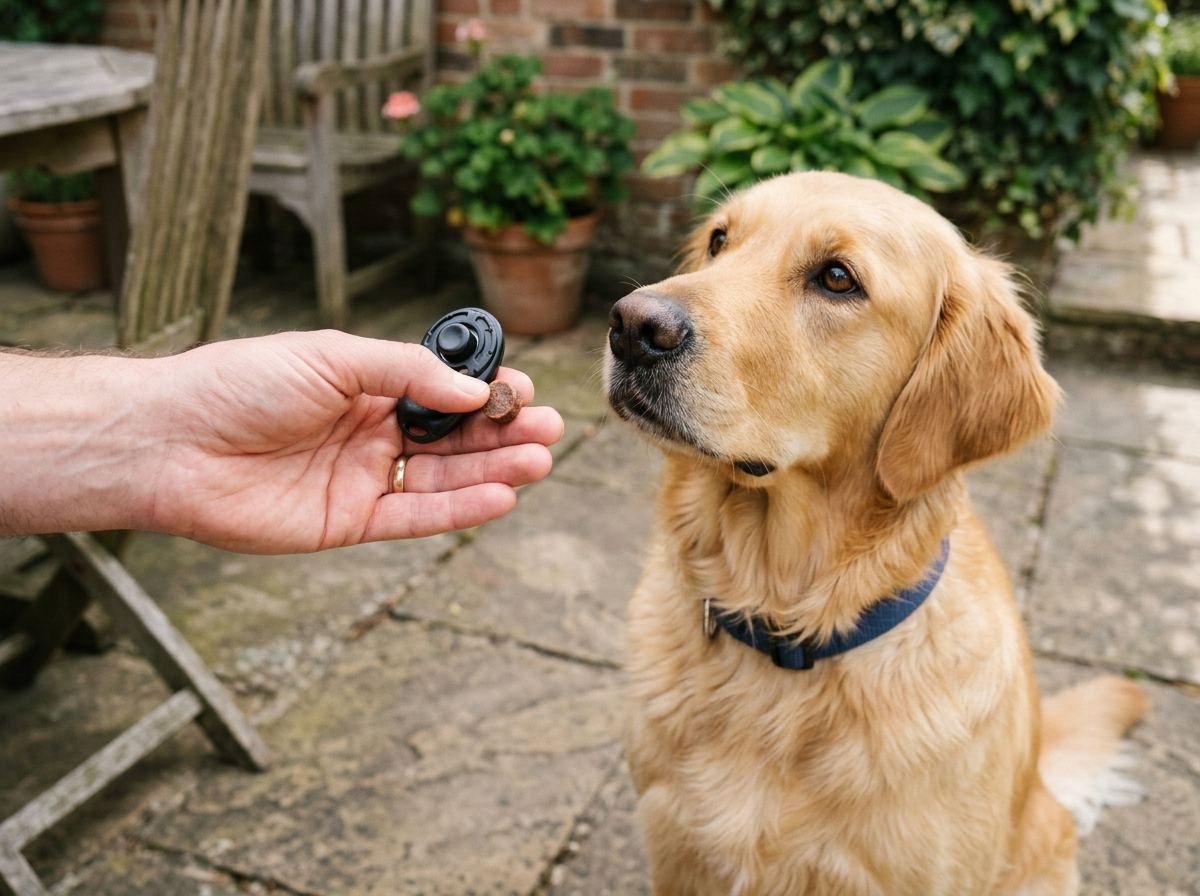
A marker is a conditioned stimulus. You pair a short, unique sound with food until the sound predicts the pay. Then you fire the sound at the exact behavior you want more of. The food can arrive a beat later (hands are slow; sound is not) and the dog still knows which sit you meant. A clicker is not required.
Karen Pryor’s public overview of what clicker training is describes that pairing in owner language. Read it as a source for the idea of a bridging signal. Do not copy a sports curriculum into a Tuesday kitchen.
You do not need the plastic box. I use a clicker when the room is noisy or when I am teaching something small (a weight shift, a chin rest, a back foot). I use “yes” when my hands are full of a lead and a pouch. I do not use a long sentence. “Gooood giiiirl” is a petting noise, not a marker. It smears across three seconds of behavior and pays whichever one happened last, often the hop out of the sit.
Charge the marker away from the hard problem. Ten to twenty pairings in the kitchen: sound, then food, no extra theater. When the sound makes the dog’s head come up, you have a CS. Then put it on a behavior the dog can already offer.
What is rate of reinforcement, in a room you actually live in?
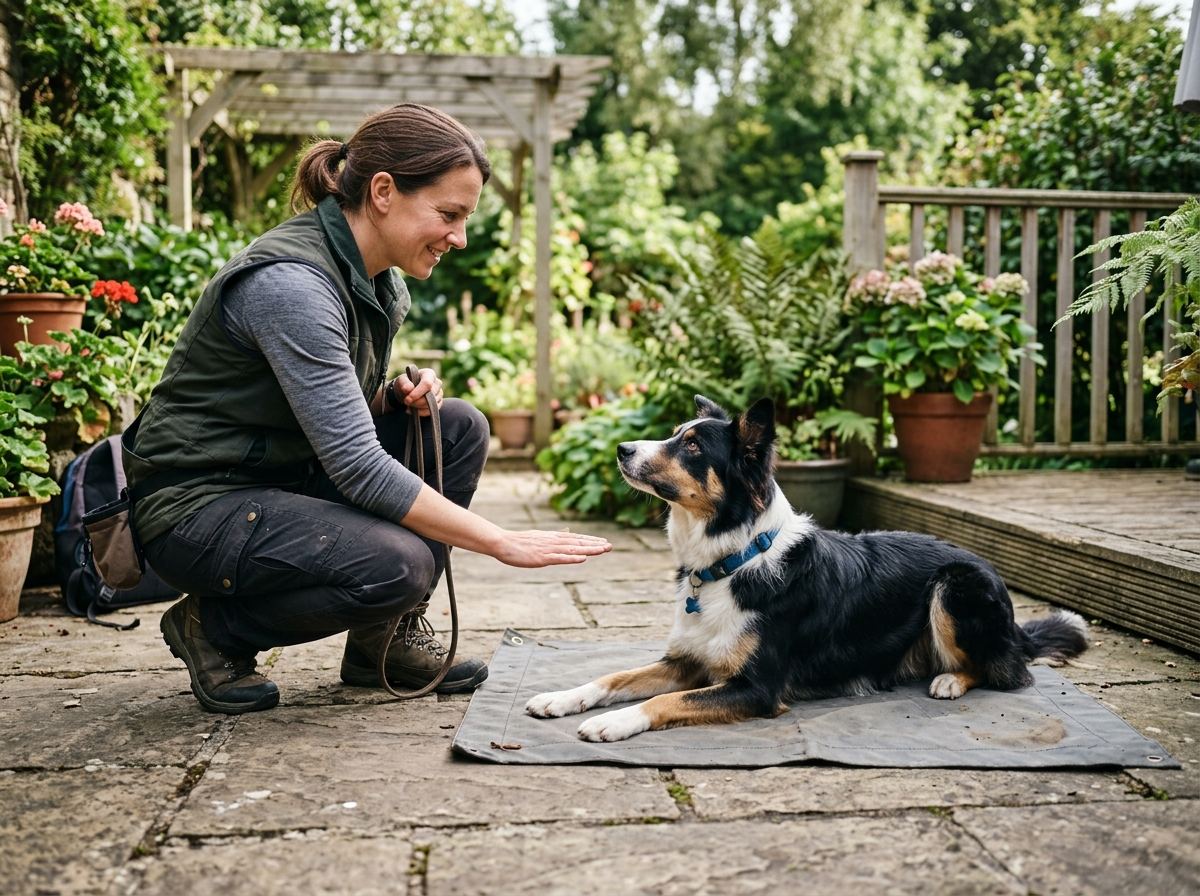
Rate of reinforcement is how many times per minute the dog successfully meets the criterion and gets paid. It is not a moral score for generosity.
Early teaching wants a high rate. The dog should be winning, resetting, winning. A high rate builds the behavior and keeps the dog in the game. A low rate while the picture is still new produces sniffing, barking at you, or a dog who leaves to do something that pays: the bin, the window, the other person.
I do not publish a fake “treats per minute” law. Rooms differ. A young puppy in a kitchen can take a fast stream of tiny pieces. An adolescent in a car park cannot, and should not, because the picture is already expensive. The test is simple: could you bet on the next five reps? If not, either shrink the criterion or raise the pay or move further from the distraction. Those are the only three levers. Repeating the cue louder is not a lever.
When food “stops working,” read food as a reinforcer before you invent a personality. Often the rate died, the pieces got sloppy, or the dog is already full because the pouch was a second dinner.
When do you raise criteria?
When the current picture is cheap. Then you change one variable.
Criteria are the visible rules of the current picture: position, duration, distance, distraction.
Cheap means:
- the dog offers the behavior without a lure or a second cue
- the look is the same most reps (not a lucky sit among four almost-sits)
- you would bet on the next five
- the dog is still eating
Then you pick one raise. One extra second of sit. One step back. One person walking through the room. You do not add a guest, a longer sit, and a dropped treat on the floor on the same Tuesday because a calendar said week three.
If two reps fail, you did not get a stubborn dog. You got information. Drop to the last cheap picture, collect a few wins, stop the session. Pride is how handlers teach a messy sit and then blame the breed.
How do you keep the marker honest?
The marker only pays what it hits. If you click late, you have marked the stand-up. If you click while reaching for the pouch, you have marked the reach. Video yourself once. Most people are later than they think.
Do not mark a behavior you are about to punish. That is how you poison the sound. Do not fire the marker as a recall cue, as a “look at me,” or as background chatter. One job.
If you use a clicker, wear it or keep it in the same pocket. Fumbling the clicker is a session. A verbal marker has no hardware, and that is why I teach it to households who will not become sports handlers. Either is fine. Mixing three different sounds in one week is not.
What are the usual failure modes?
You raised duration and distraction together. The sit looked “known” in the kitchen and died in the park. It was never known in the park. Build the park as a new picture.
You paid from your hand so the dog stares at fingers. Fade the lure. Mark the sit, pay to the mouth from the other hand, or drop the piece between the paws so the head stays down.
You talked through the marker. The dog learned that your mouth moving predicts food, not that the sit does.
You kept going after the rate collapsed. Five minutes of guessing is not grit. It is rehearsal of almost.
You used the marker as a remote control for a dog who is over threshold. If the dog cannot eat, you are not in a marker session. You are too close. See on-leash threshold for that line, and health if the refusal is sudden or the body looks wrong.
How does this sit next to skills and puppy work?
A crate introduction is already a criteria ladder: door open, then a closed door you are sitting beside, then a short absence. Mouth manners on biting are criteria: teeth off skin, then off clothes, then a calmer greeting. The same rule lives here without the puppy clock.
When you want a named skill (sit, recall, loose leash), take the loop to skills. When you want the learning names, stay on this hub. I will not write a page that tells you to “be the leader” instead of naming the criterion. Leadership is not a duration.
Sources
Karen Pryor, “What is clicker training,” public overview of a bridging marker paired with reinforcement. Encyclopaedia Britannica, “Operant conditioning,” for the three-term contingency the marker sits inside. Used as sources for the pairing idea, not as a sport curriculum copied onto this page. clickertraining.com/what-is-clicker-training · britannica.com — operant conditioning
Questions on this page
What is a marker in dog training?
A short sound (a click, a quiet “yes,” a tongue click) that has been paired with pay. It tells the dog which exact behavior just earned the food, including when your hands are late. “Gooood giiiirl” is a petting noise, not a marker. It smears across three seconds of behavior.
Do I have to use a clicker?
No. A verbal marker works if it is short and consistent. The clicker is cleaner in noisy rooms and when your mouth is busy. The process is the pairing, not the plastic. Mixing three different sounds in one week is not a plan.
What is a good rate of reinforcement?
Early on, the dog should win most of the repetitions. Think a streak you could bet on, not a lucky one-in-five. If the dog is sniffing out, barking at you, or offering random inventions, the picture is too hard or the pay is too slow. Those are the levers. A louder cue is not.
When do you raise criteria?
When the current criterion is cheap. Same look, offered without a lure, next five reps look like a good bet. Then change one thing. Duration or distance or distraction. Not all three. If two reps fail, drop to the last cheap picture.
Why did my dog stop working when I got stingy?
You dropped the rate before the behavior was strong, or you raised two criteria at once. That is not “he knows it.” That is a picture the dog can no longer win. Pride is how handlers teach a messy sit and then blame the breed.
Work with me
A $150 consultation or $500 monthly curatorship. Opens WhatsApp to Andrew.