Glen of Imaal Terrier: big-dog power in a short package and honest dig-drive management
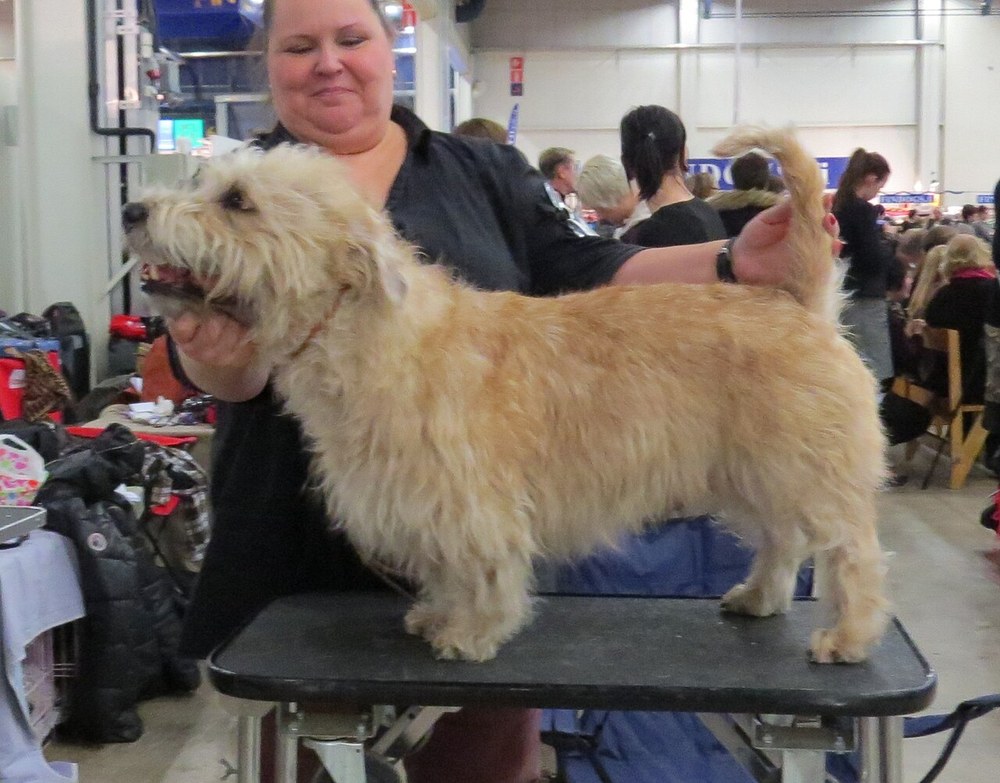
The Glen of Imaal Terrier is a low, heavy-boned Irish earthdog from a remote valley in County Wicklow. It looks like a small shaggy dog and handles like a much bigger one: broad chest, bowed front legs, strong jaws and a calm, determined mind. Farmers kept it for vermin, fox and badger, and legend says it also turned the kitchen spit. At home it is usually quieter and more laid-back than many terriers — until it decides to dig, pull or take on a dog that challenges it. The honest plan is to respect the power, give the dig drive a safe outlet and protect a long back while the dog matures.
Job: Irish farm earthdog for vermin, fox and badger; strong and low to the ground.
Energy: Moderate; steady stamina, calm indoors.
Home: Fits an owner who wants a quiet, sturdy terrier and can handle its strength and dig drive.
A Glen is a big dog on short legs, with a terrier’s determination
Public histories place the breed in the Glen of Imaal, a remote valley in the Wicklow Mountains of eastern Ireland. Smallholders there needed a hardy, low dog that could deal with rats, foxes and badgers and earn its keep around the farm. Local stories also link the breed to turnspit work, running in a wheel to turn meat over the fire. The Irish Kennel Club recognised the Glen in 1934; the breed reached the Kennel Club register in Britain in 1975 and the AKC in 2004.
What I meet in homes is a dog that surprises people. It is often calmer and quieter than other terriers, happy to lie by the fire, and less likely to bark at every leaf. But it is strong for its size, can pull like a tractor, digs with real commitment and may not back down if another dog pushes it. Owners who expect a small lapdog are caught off guard; owners who expect a sharp, yappy terrier are pleasantly surprised.
My plan starts with three pillars. Strength management: loose-lead walking taught early, with a harness, before the dog is fully grown. Dig management: a proper dig box or scent games and supervised garden time. And body care: steady exercise without heavy jumping or stairs for growing puppies, plus a lean weight to protect the long back. With that, the Glen becomes a loyal, steady companion with a quiet sense of humour.
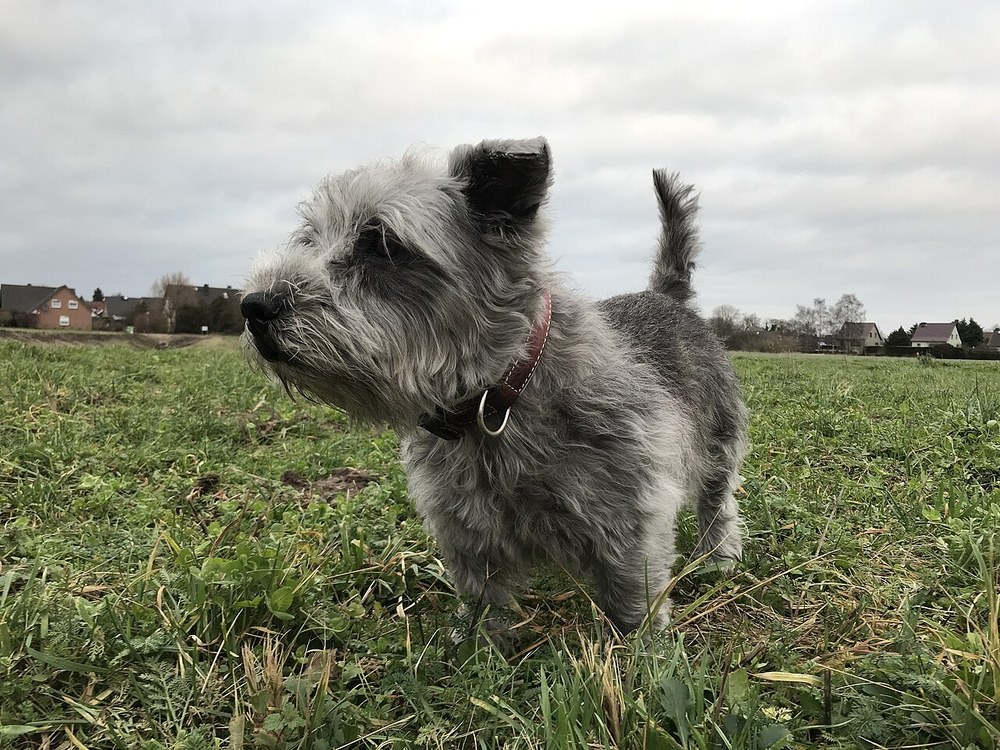
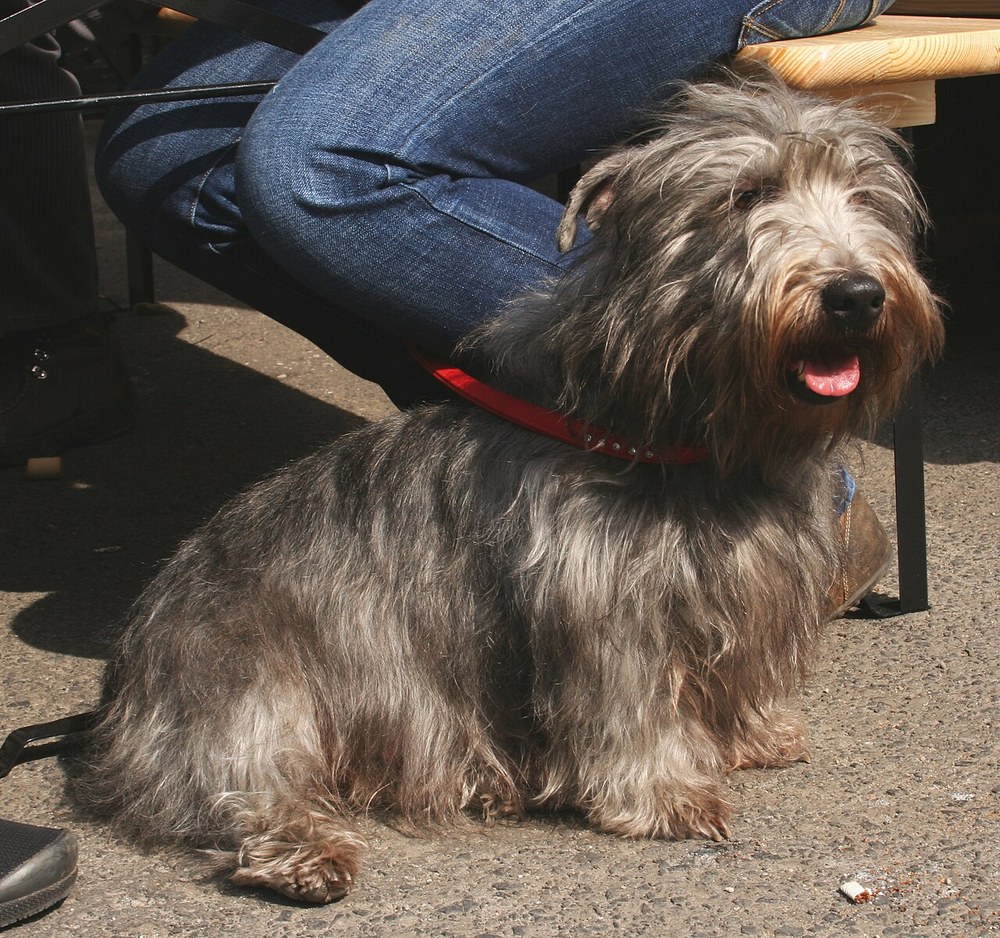
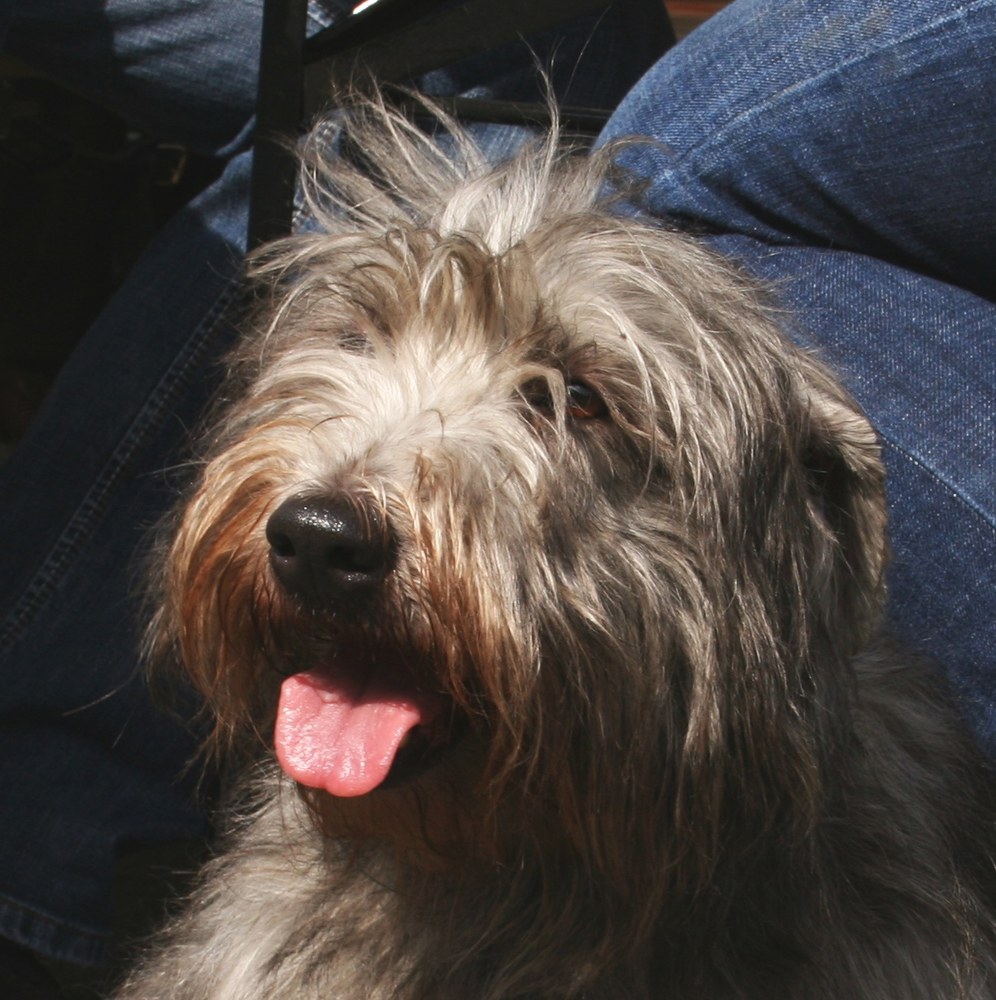
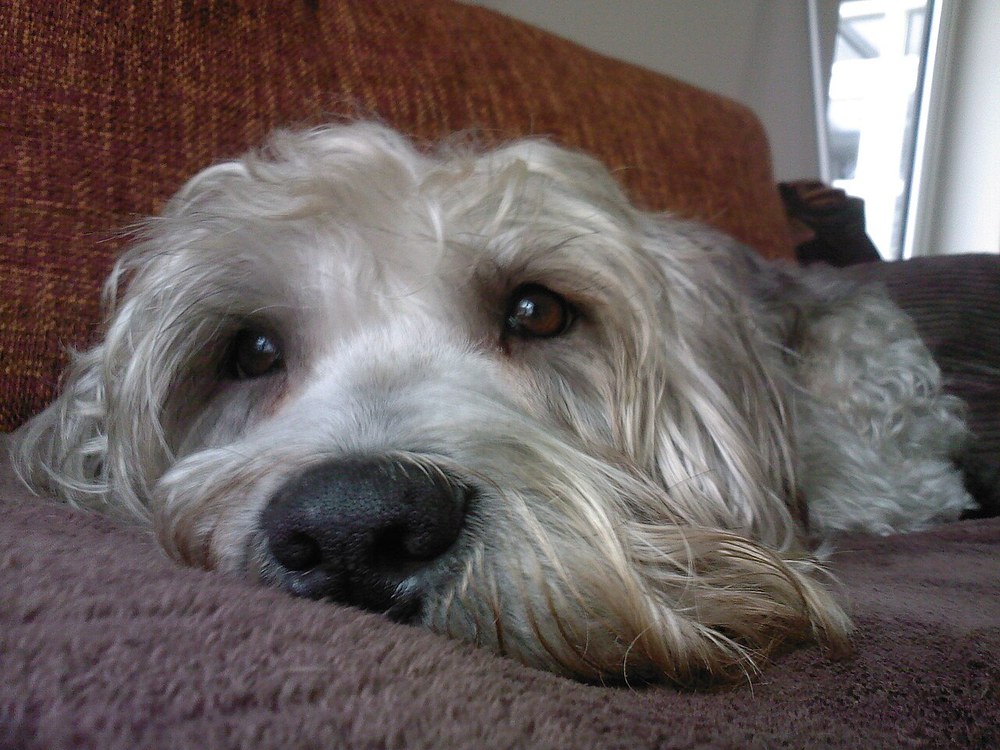
Medium-length harsh topcoat with soft undercoat; wheaten, blue or brindle; hand-stripping; low shedding
Job
Irish farm earthdog for vermin, fox and badger; turnspit legend (FCI Group 3; AKC/RKC Terrier)
Breed history
How a Wicklow valley farm dog became the Glen of Imaal Terrier
History will not walk your dog, but it explains why Glens are so strong, dig with such focus and stay calm until they decide something matters.
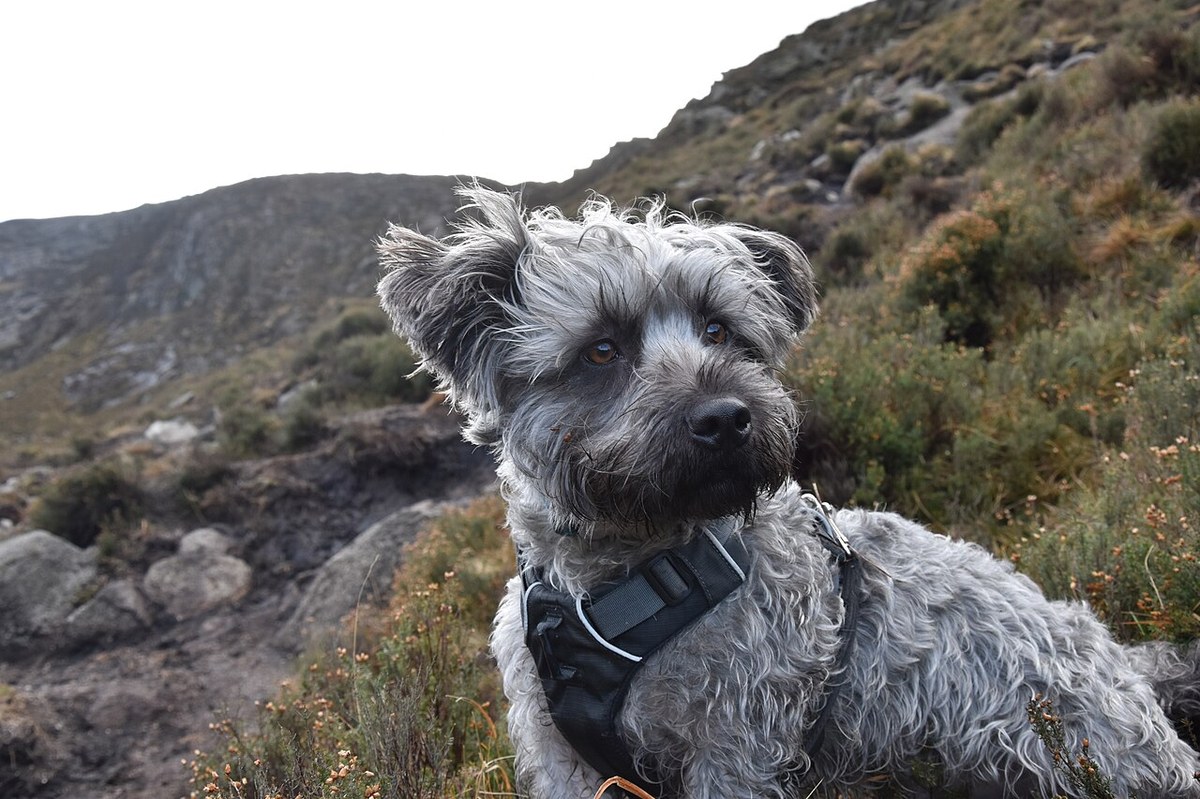
A Glen on a mountain hike (CC BY-SA 4.0). Steady stamina and a sturdy body make it a good walking companion.
Wicklow valley farms
A low, tough dog for a hard-working valley
Public accounts describe Glen of Imaal farmers keeping a short-legged, powerful terrier for vermin, foxes and badgers. The dog had to be quiet, determined and strong enough to hold its ground underground.
Local stories also tell of turnspit work: a dog running in a wheel to turn meat over the fire. Whether every Glen did this or not, it fits the breed’s steady, tireless character.
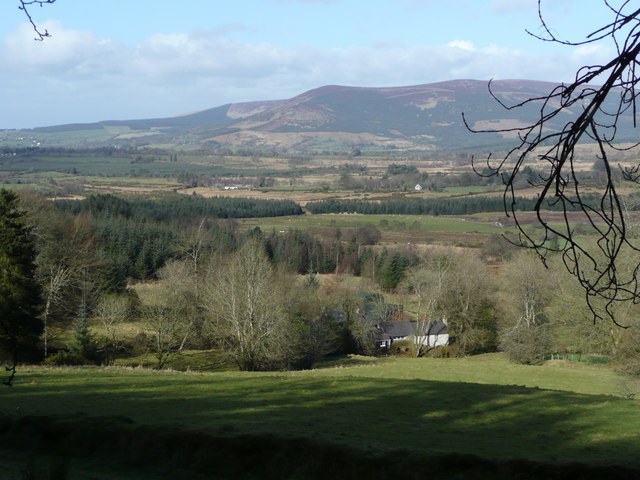
Western County Wicklow near the Glen of Imaal (geograph.org.uk, CC BY-SA 2.0). The valley gave the breed its name.
From a local farm dog to recognised breed
Recognition came late
The Irish Kennel Club recognised the breed in 1934. The Glen remained rare outside Ireland for decades, joining the Kennel Club register in Britain in 1975 and the AKC in 2004.
Today most Glens live as companions. The strength, the dig and the determination remain, along with a calmer temperament than many terrier owners expect.
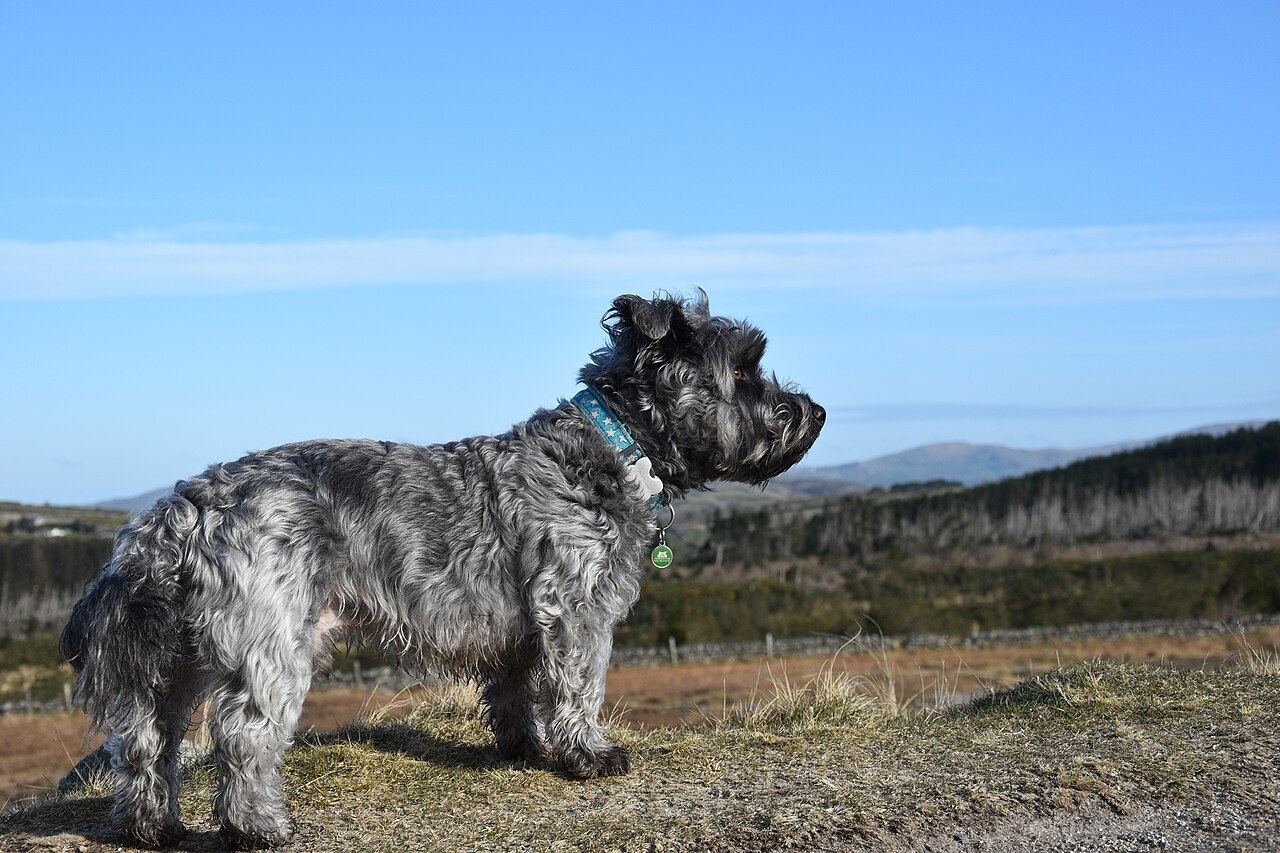
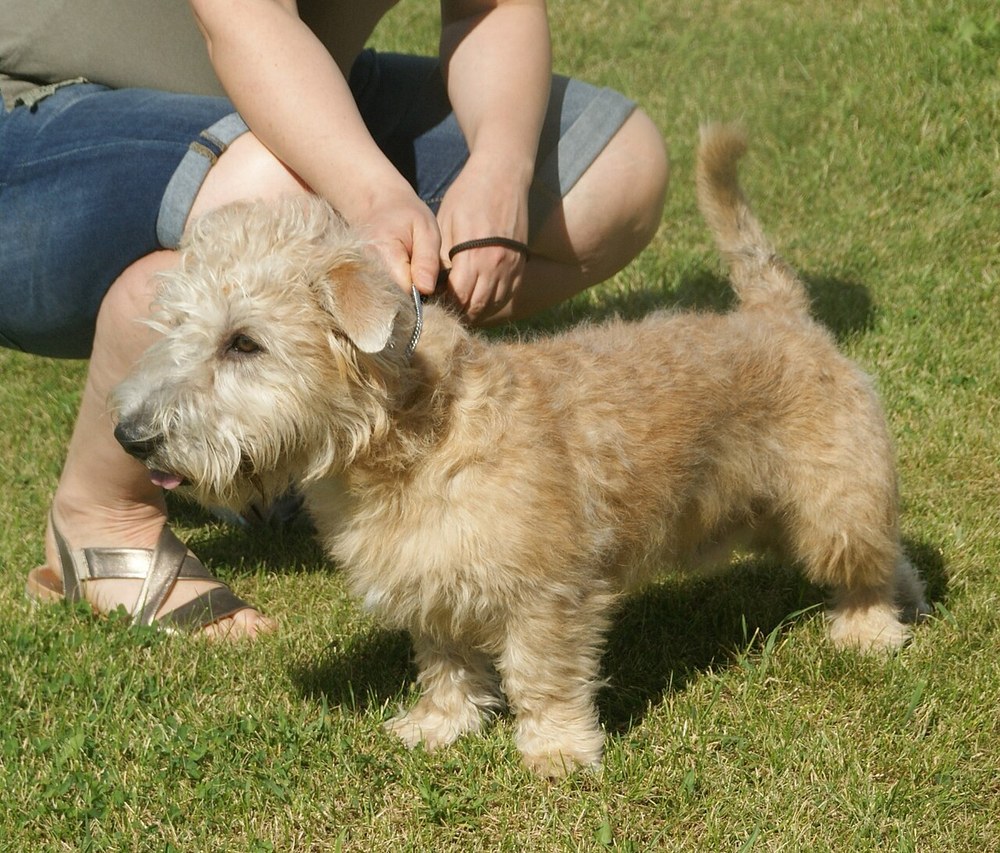
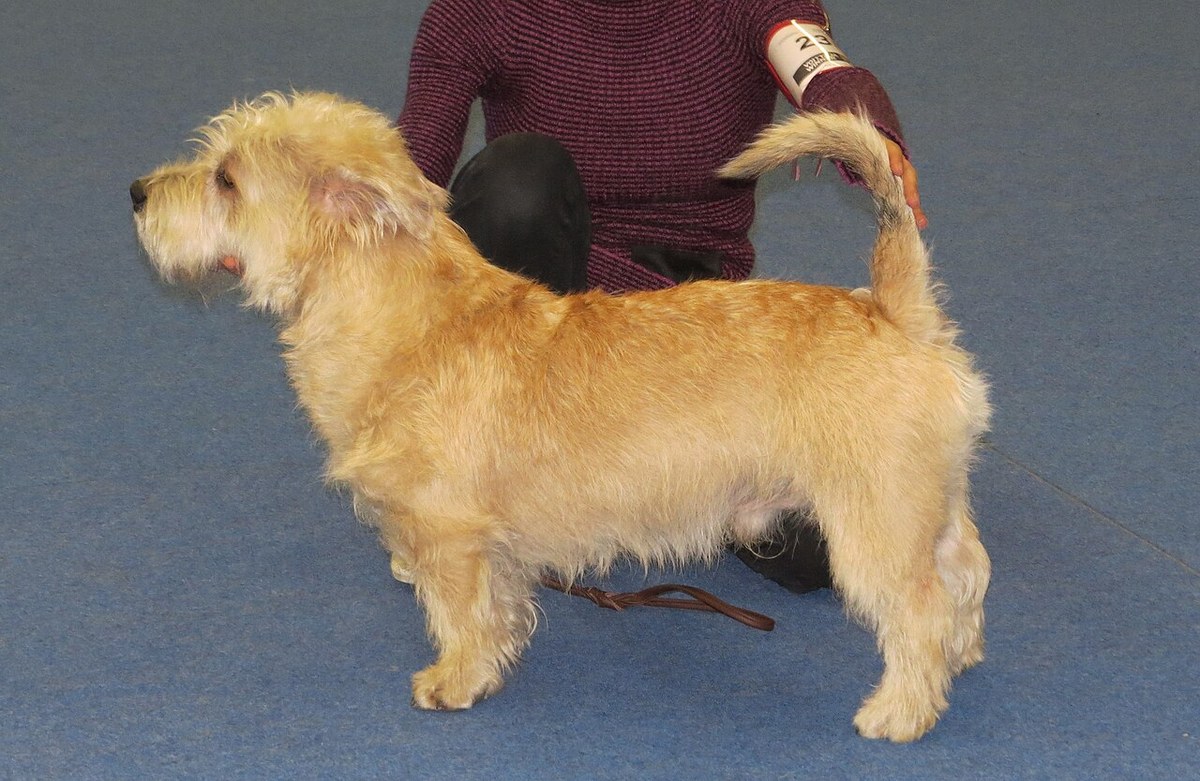
A Glen with its handler (CC BY-SA 3.0). Steady and calm, but strong for its size.
What the breed was bred for
Power, determination and a quiet mind
In trainer terms, the breed was selected for a dog that works quietly, holds its ground and keeps going. At home that becomes strong pulling, serious digging and a dog that may not back down from a challenge — combined with calm, affectionate behaviour indoors.
Glens are usually food-keen and learn well with patient, consistent training. They can be slow to mature and may need time. Harsh handling tends to make them dig in their heels.
A good day has a steady walk, a dig, a short lesson and a nap by the fire
Daily life with a Glen is usually calm and affectionate. Expect steady walks, serious interest in holes and smells, and long naps. The main challenges are strength on the lead, digging and occasional disagreements with other dogs.
Morning · walk
A steady walk on a loose lead
Most adults enjoy 40–60 minutes of steady walking with sniffing. Teach loose-lead walking early and use a harness; a grown Glen that pulls is hard to hold. Avoid long runs on hard ground for young dogs.
Set up a dig box or a corner of the garden with buried toys and treats. Celebrate digging there and supervise elsewhere. A Glen with a proper dig is far less likely to excavate the lawn.
Many Glens are fine with dogs they know but may not back down if challenged. Keep greetings short, on lead and optional. Parallel walks beat chaotic dog parks.
The harsh coat needs brushing and occasional hand-stripping. Teach calm handling of feet, ears and the body early. A Glen that accepts handling makes vet visits easier.
After a walk and some digging, most Glens settle easily. Teach place and reward calm. Keep them lean and avoid jumping on and off high furniture to protect the back.
General awareness only. I am not a veterinarian. With Glens, owners often notice trouble first as stiffness or reluctance to jump, a limp, night-vision changes or weight gain. For red flags, leave this page and open
when to call the vet.
Eyes
A form of progressive retinal atrophy (PRA) is known in the breed, and DNA testing exists. Ask breeders about the parents’ status.
Hips and elbows
Hip and elbow dysplasia are discussed in the breed. Limping or stiffness needs a vet.
Back
A long back and short legs need care: keep the dog lean and limit heavy jumping, especially in puppies.
No bloodline selling. Differences show in coat and build, but every Glen needs lead manners, dig management and care for its back.
Show and companion lines
Often a fuller coat that benefits from regular stripping.
Usually calm, affectionate house dogs.
Strength and dig drive remain.
Ask about PRA DNA status, hips and elbows in the parents.
Fits an owner who wants a quiet, sturdy companion and will manage strength and digging.
Active and sport homes
Often enjoy scent work, earthdog-style games and hiking.
Need careful exercise while growing.
Dog greetings may need more management.
Lead manners are essential.
Fits an owner who wants a steady hiking partner and will train patiently.
Socialization windows
What to introduce — and what not to overload — by age
AVSAB-aligned in spirit: short, clean exposures at a distance the puppy can still eat,
with hygiene while vaccines finish. See the
puppy socialization schedule.
2–4 months
Home, handling and lead
Introduce: name game, short handling sessions, loose-lead practice in the garden, dig box play, calm greetings.
Do not overload: stairs and jumping off furniture, rough play with big dogs, long walks.
~6 months
The outside world
Introduce: dogs at a distance where the puppy can still eat, short walks on varied surfaces, scent games, first grooming visits.
Do not overload: long runs on hard ground, chaotic dog parks, letting pulling become a habit.
~12 months
Adolescent strength
Introduce: loose-lead walking around distractions, recall on a long line, polite greetings, stripping routines.
Do not overload: heavy jumping, letting the dog drag you to other dogs, harsh corrections.
~18–24 months
Slow maturity
Introduce: longer walks as the body matures, sports such as scent work, steady routines.
Do not overload: assuming the dog is fully mature too early, letting weight creep up.
~3 years+
Keep it going
Introduce: refresh lead and recall, keep dig outlets, yearly health checks.
Do not overload: ignoring stiffness or vision changes, skipping coat care.
Before you buy
Who a Glen of Imaal Terrier usually fits
Fit comes down to strength on the lead, digging, back care and how calm you want the dog indoors.
Good match
More likely a good fit if you…
You want a sturdy, calm terrier that is quieter than most
You will teach lead manners early and consistently
You can provide a dig box or supervised digging
You will keep the dog lean and protect its back
You like a loyal dog with a quiet sense of humour
Mismatch risk
A Glen of Imaal Terrier may be a poor choice if…
You want a small dog you can easily lift and carry everywhere
You want a dog that loves every dog at the park
You dislike digging in the garden
You expect a fast-maturing, instantly obedient dog
You plan long runs or heavy jumping with a young dog
If you are torn between breeds
Glen of Imaal Terrier vs Scottish Terrier and Soft Coated Wheaten Terrier
The Scottish Terrier shares the low, powerful build; the Soft Coated Wheaten shares the Irish farm-terrier roots. The Glen is the heavy-boned, quieter middle ground.
Size
Glen of Imaal Terrier
Low; about 12.5–14 in, roughly 32–40 lb.
Scottish Terrier
Similar height; lighter and more compact.
Build
Glen of Imaal Terrier
Long body, bowed front legs, heavy bone.
Training a Glen means patience, lead manners and a proper dig
Keep rules simple: loose lead on walks, dig only in the box, calm greetings with dogs and people, place after exercise. Reward each one generously.
Glens are food-keen and learn well, but they mature slowly and can be stubborn when pushed. Patient, consistent sessions work better than long drills or harsh corrections.
Management makes training work: a harness, supervised garden time and calm dog introductions. You stop the habit while new habits grow.
Load balance
Steady walks and digging first, then ask for manners
Age, joint and back health, weight and weather all affect the right exercise. Stiffness, limping or vision changes need a vet check before more training.
Steady sniff walkDig boxLead practiceScent gameSettle on a bed
Walks, scent work, digging and short training sessions all count. Long runs and heavy jumping do not suit a growing Glen.
A Glen that has walked, dug in its own box and practised a short lead lesson can pass another dog calmly and nap by the fire.
Loose lead before full strength
How to teach a Glen of Imaal Terrier to walk on a loose lead
Start early, reward position by your leg, stop when the lead tightens and build distractions slowly.
01
Choose a harness
Fit a comfortable harness so pulling does not strain the neck.
02
Reward position by your leg
In the garden, reward the dog for being next to you on a loose lead.
03
Stop when the lead tightens
Stand still the moment the lead goes tight and continue when it slackens.
04
Add distractions slowly
Move to quieter streets, then busier ones, rewarding calm walking.
05
Keep sessions short
Several short lead lessons beat one long, frustrating walk.
One scene close-up
Why a Glen tows you down the street
A strong, low dog with a determined mind can pull hard, and if pulling gets it where it wants to go, the habit grows. Pulling back only adds resistance.
Use a harness, reward the dog for being next to you, stop when the lead tightens and continue when it slackens. Practise in quiet places first.
If pulling comes with lunging at dogs, get help from a qualified professional.
“With a Glen, I teach the lead before the dog is fully grown, give the dig drive a legal box and protect the back. The result is a calm, steady companion that happens to be very strong.”
Sessions cover real scenes: pulling, digging, dog greetings, handling and settling. I am a trainer, not a veterinarian. No invented reviews.
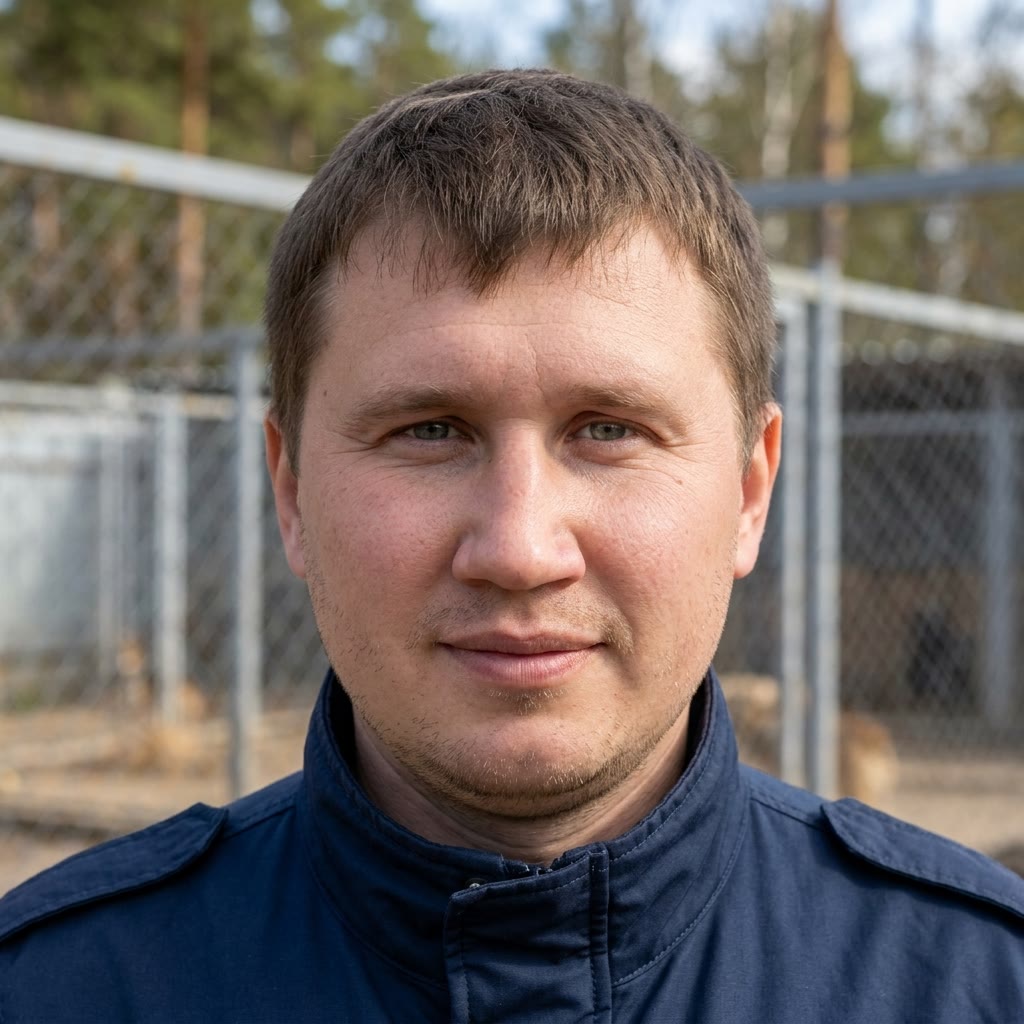
Andrew DarovProfessional dog trainer and instructor
A compact, strong and people-loving English terrier that needs daily exercise, lead manners and careful introductions to other dogs.
Need a read on your exact situation?
Tell me your Glen’s age and the scene that keeps repeating: pulling, digging, other dogs, handling or weight. We check safety and health first, then pick the first skill.
Written by Andrew Darov, professional dog trainer. Not veterinary advice and not a diagnosis.
Not a kennel club. No invented reviews. No vaccine schedules or toxin doses. Photo credits in
/images/breeds/glen-of-imaal-terrier-guide/credits.md.