Stabyhoun: temperament, independence, prey drive and training for the Frisian farm dog
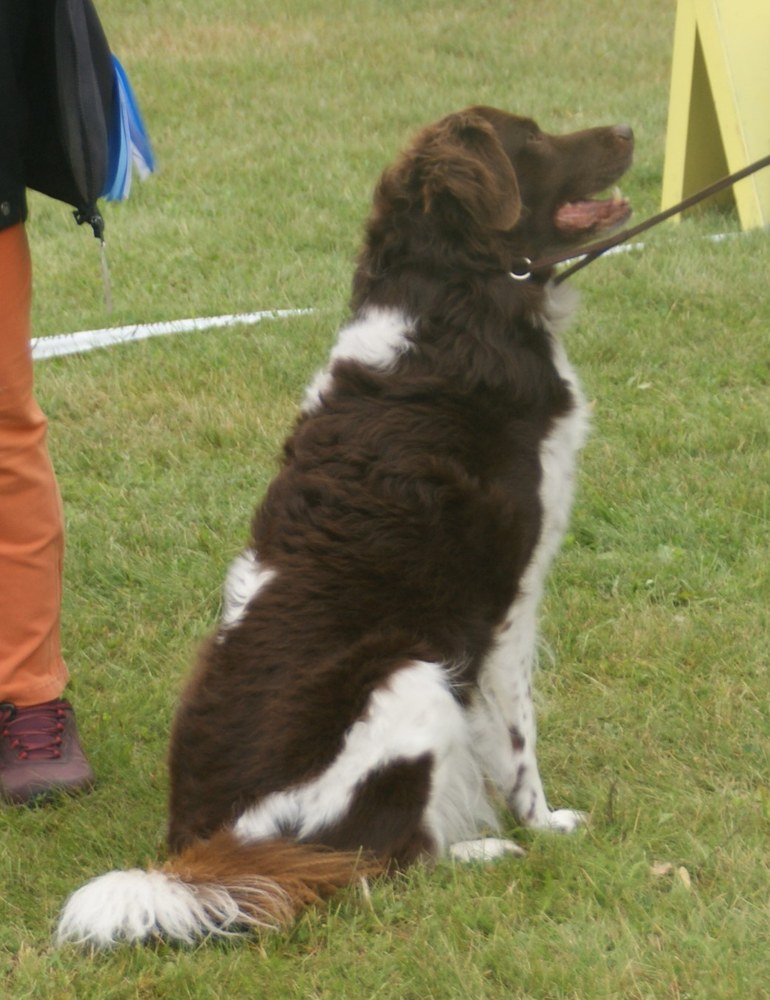
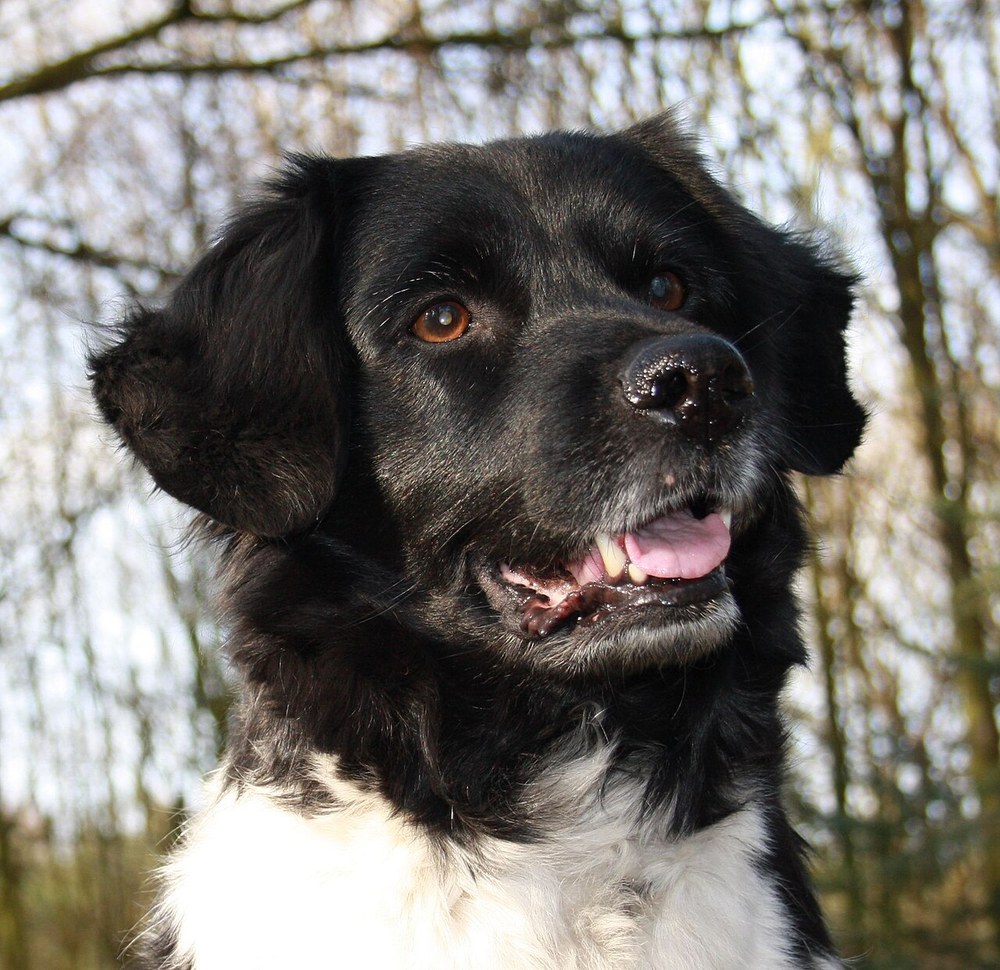
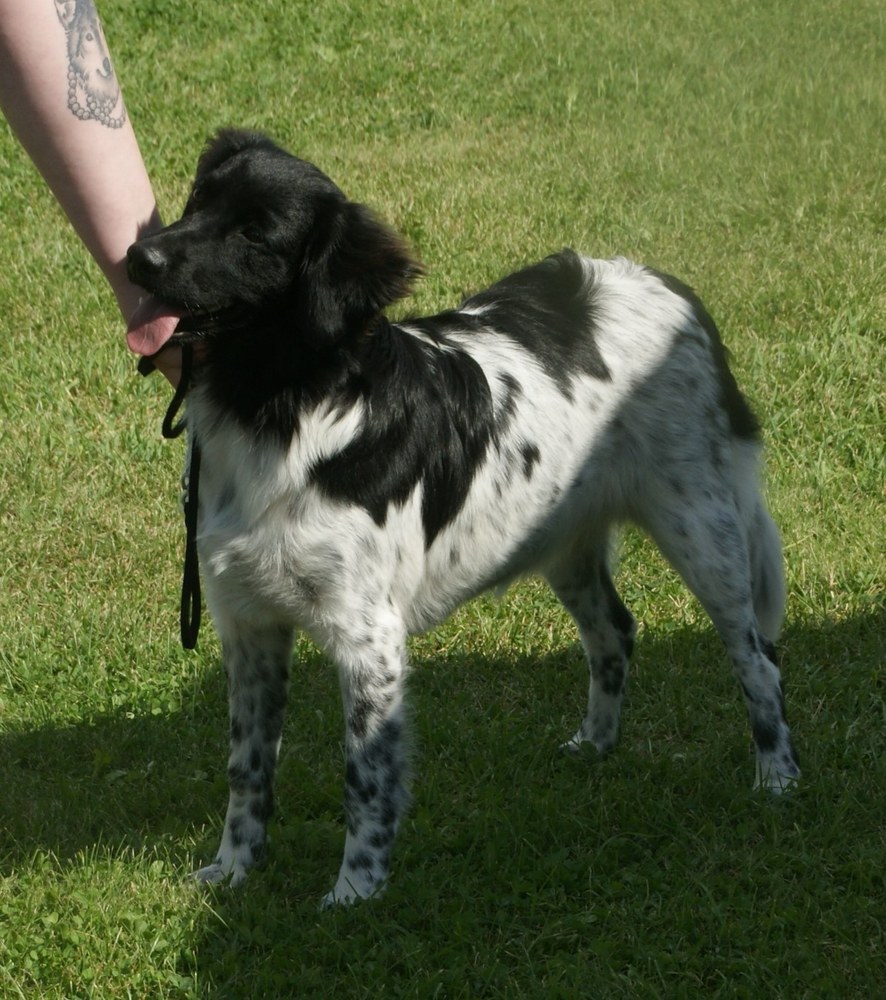
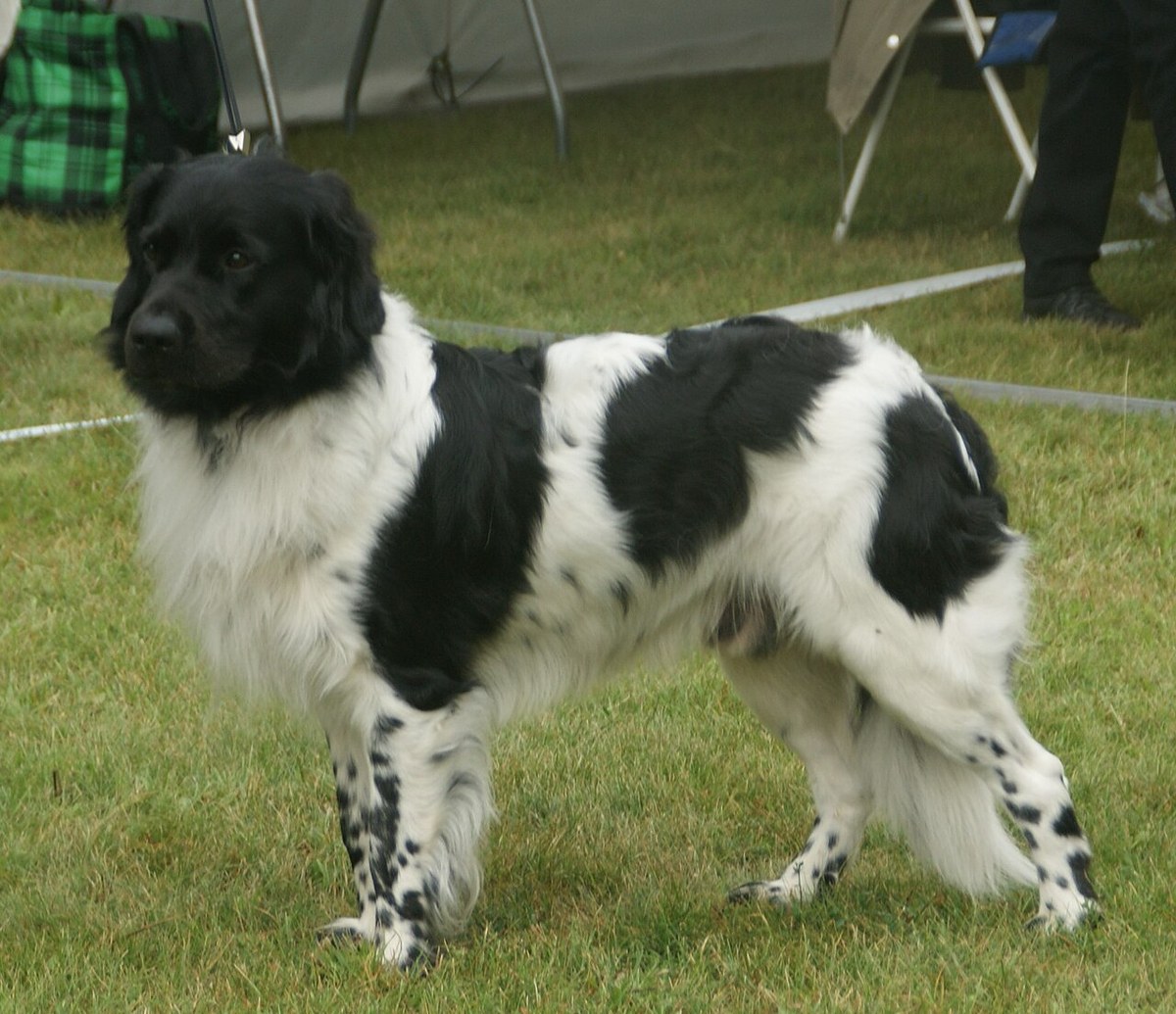
The Stabyhoun, or Stabij, is a medium-sized Dutch farm gundog from Friesland with a long, sleek coat, usually black and white, sometimes brown or orange and white, and often ticked. Small farmers kept one dog for everything: pointing and fetching birds, catching moles and rats, watching the yard and keeping the children company. That is still the dog you get: calm, gentle and patient in the house, with a quiet stubborn streak, a keen eye for small animals and a habit of asking 'why?' before it obeys. What works is daily walks with sniffing and free running in safe places, kind and patient training, a steady leave it and a recall built with rewards rather than pressure.
Job: Bred on small Frisian farms to hunt, catch vermin and guard; listed by the FCI with the pointing breeds.
Energy: Gentle, calm at home, independent-minded and keen on small prey.
Home: Suits a patient, active owner who likes to train with kindness.
Owners often describe the Stabyhoun as the easiest dog they have lived with indoors, and the most stubborn one outdoors. Both are true. It was bred to work near the farmer, but to think for itself when it found a mole run or a bird in the ditch.
The calls I get are usually about the outdoor side. A young dog that stops and stares when called, digs after mice in the lawn, goes after the neighbour's cat, pulls towards ditches full of ducks or grumbles over a stolen sock.
My plan works with the independent mind instead of fighting it. Walks where the dog can use its nose, calm reward-based lessons that feel worth doing, a leave it for small animals, a long line for recall and a gentle hand. Raised that way, a Stabyhoun is a loyal, soft and very good-natured family dog.
FCI: males about 53 cm (about 21 in), females about 50 cm (about 19.5 in)
Weight
Roughly 40–60 lb (18–27 kg)
Energy
Moderate to high; calm indoors
Coat / shed
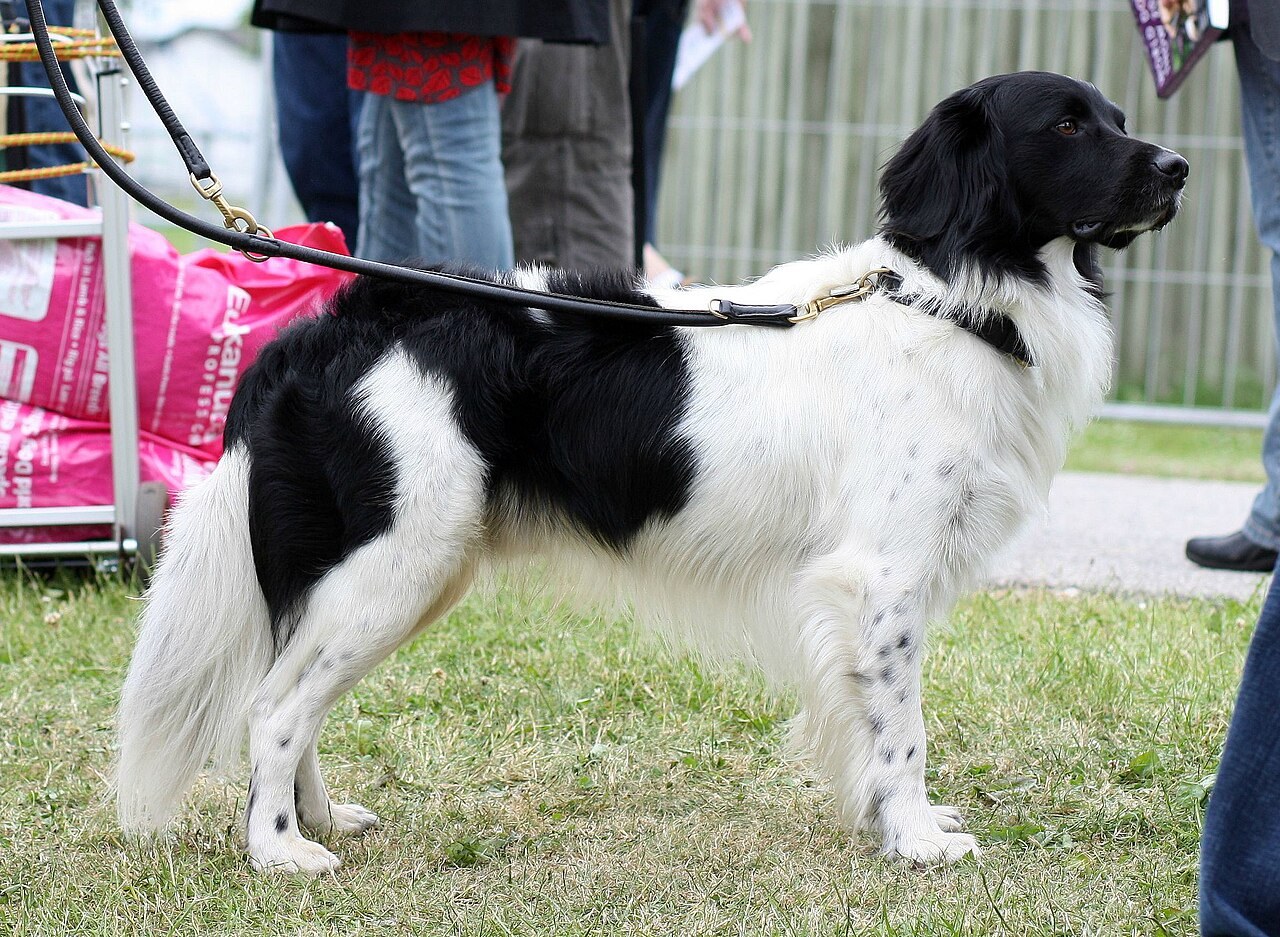
Long, sleek coat with light feathering; black, brown or orange with white, often ticked or roan
Job
All-round farm dog in Friesland: pointing and retrieving, catching moles and vermin, watching the yard (FCI Group 7, Continental Pointing Dogs)
Temperament in one minute
Stabyhoun temperament: what they are like at home
Short answer: Stabyhouns are gentle, calm and patient Frisian farm gundogs, bred to point and fetch game, catch moles and rats and guard the yard. They are usually soft and loving at home and very good with children, but independent-minded outdoors and keen on small animals, so recall and rules about cats take patience. They need about an hour to an hour and a half of activity a day with sniffing and nose work, kind reward-based training and a fenced garden.
Are Stabyhouns affectionate?
Yes, gently so, and they like to be near the family. Build short absences early.
Are Stabyhouns easy to train?
Clever but independent; they need a reason to work. Start with a name check-in and a leave it.
Are Stabyhouns friendly with strangers?
Usually friendly after a warning bark. A door routine helps; see guest entry steps.
Are Stabyhouns good with kids and other dogs?
Known for patience with children and easy with dogs. Cats and small pets need care; see leave it on walks.
Stabyhoun behavior problems to expect
The usual four are slow recall, chasing small animals, digging and guarding stolen items. The list below links a guide for each.
Living with a Stabyhoun in an apartment
Possible with daily outdoor walks and nose work; a house with a fenced garden is easier.
Breed history
From the Frisian woods to a rare national breed
The past will not train your dog, but it explains the calm, the prey drive and that independent look.
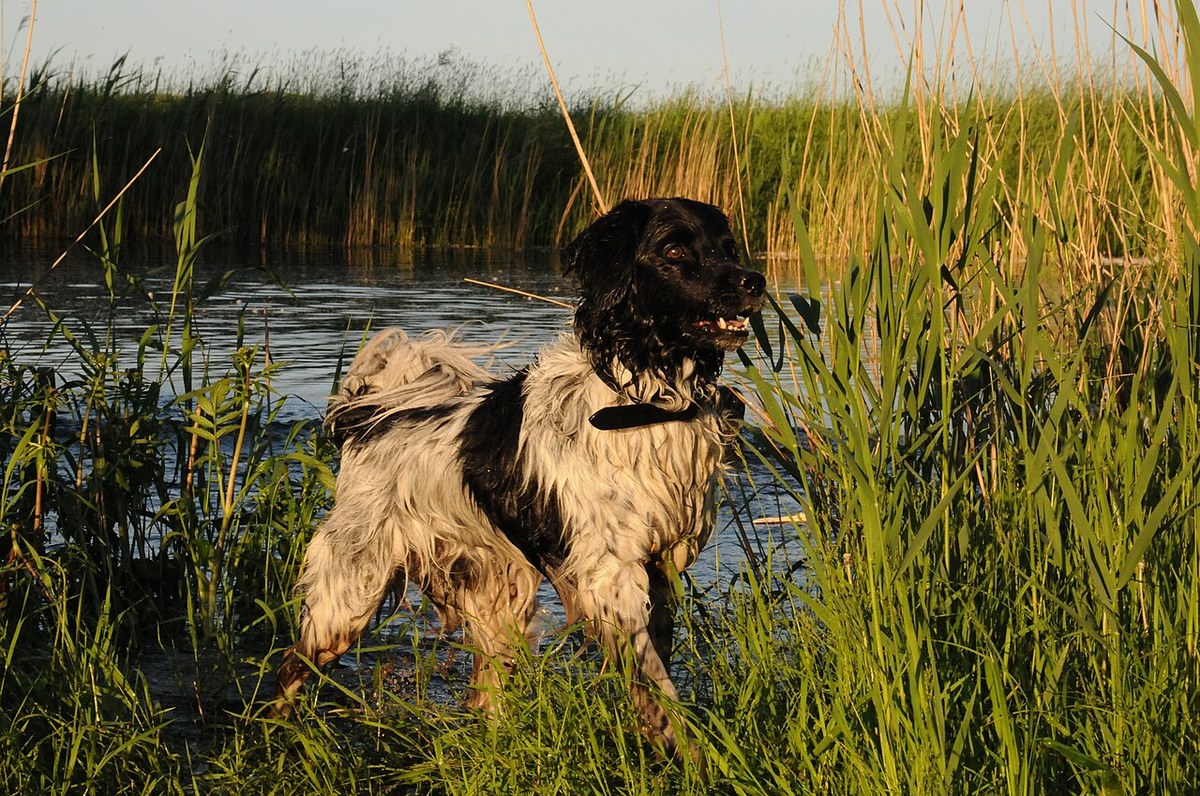
A nine-year-old Stabyhoun among the reeds: the breed comes from wet Frisian country where it fetched birds from ditches and hunted along the banks.
Friesland, the Netherlands · farm dogs
One dog for the small farm
The Stabyhoun comes from the wooded farmland of eastern and south-eastern Friesland. Small farmers there could feed only one dog, so it had to point and fetch game, catch moles, rats and polecats, guard the yard and live gently with the family.
The name is often explained as 'stand by me dog'. Dutch writing mentions dogs of this type from the early 1800s, and the work made the modern breed: calm in the house, keen on small animals, able to make its own choices in the field.
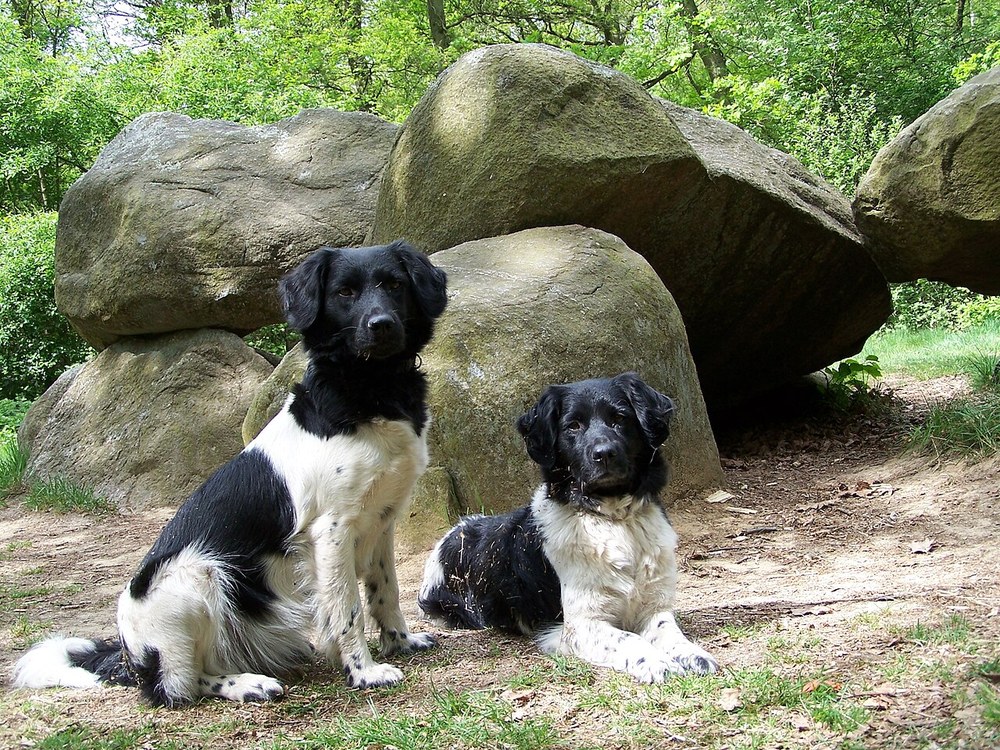
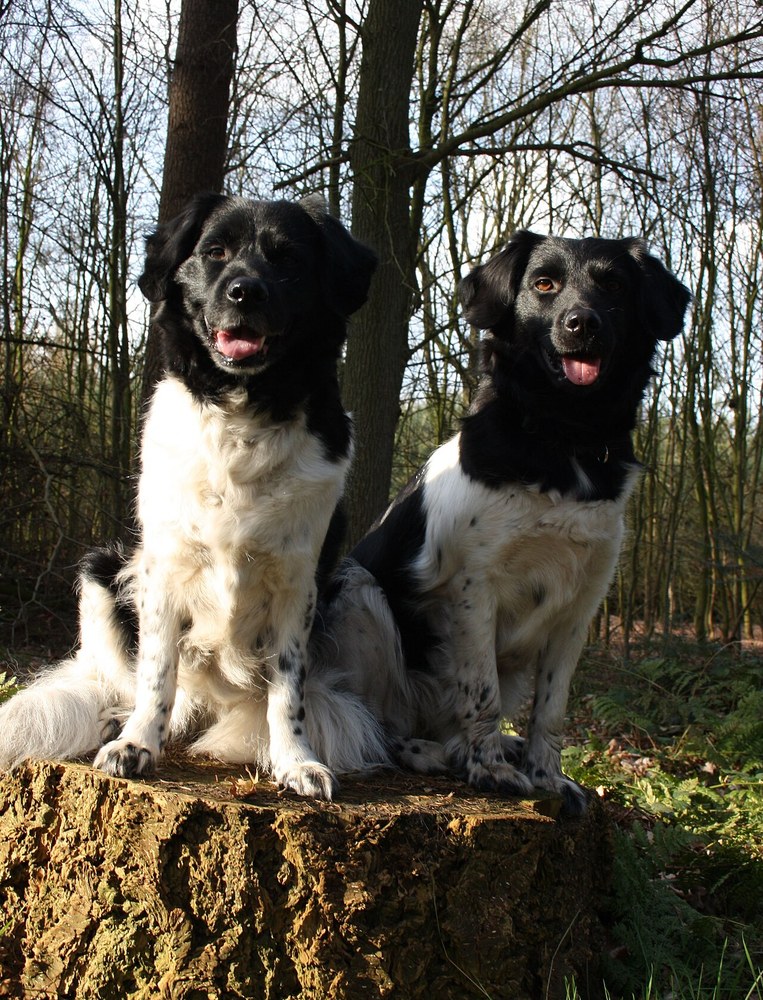
Two Stabyhouns at rest: the breed stayed a local Frisian farm dog for a long time and is still rare outside the Netherlands.
From 1942
A Dutch treasure kept with care
The Dutch kennel club recognised the breed in 1942, and a breed society for the Stabyhoun and the Frisian water dog followed in 1947. The FCI lists it in Group 7 among the spaniel-type continental pointing dogs.
There are only a few thousand Stabyhouns worldwide. Breed clubs keep careful breeding rules to protect the small gene pool, and in the US the AKC records the breed in its Foundation Stock Service, so most owners wait a long time for a puppy.
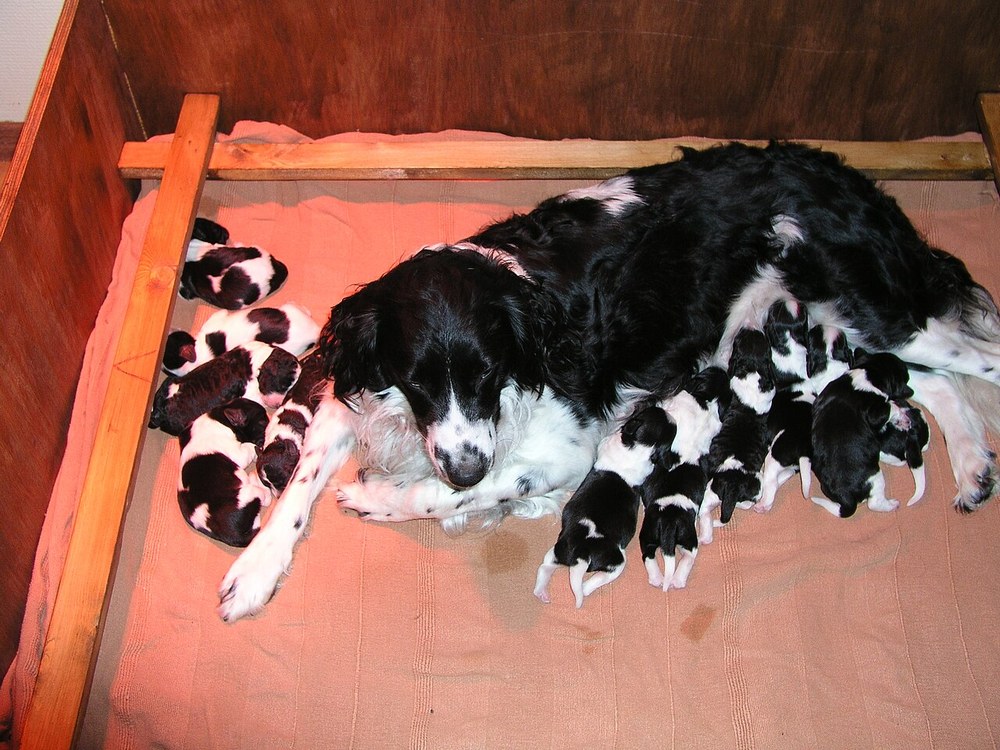
A Stabyhoun mother with her litter: breeders watch for the calm, friendly temperament the breed is known for.
What the breed was bred for
Soft, patient and thoughtful at home
With its family a well-raised Stabyhoun is gentle, affectionate and patient, and many are famously good with children. It is usually friendly with visitors once it has announced them, and easy with other dogs.
It can also be headstrong, sensitive to harsh words and very interested in mice, birds and cats. Under-exercised dogs may dig, roam the garden boundary or hunt on their own. Kind training, nose work and early rules about small animals make the difference.
A good day has a sniffing walk, a small task, a short lesson and a lot of calm
An adult Stabyhoun usually needs about an hour to an hour and a half of activity a day. It is not a frantic dog, but it does need to use its nose and its head. A Stabyhoun with nothing to do starts hunting mice in the lawn or watching the cat a little too closely.
Morning · the walk
Sniffing first, then a game
Start with time to sniff on a long line in a field or wood, then add a short recall game. A Stabyhoun that has been allowed to read the ground is far more willing to listen afterwards.
This breed asks what is in it for it. A find it game, a short retrieve or a hand target with good food gives it a reason to work with you rather than wander off.
Between about eight months and two years many Stabyhouns test the rules. Keep lessons short, reward what you like and avoid battles; a calm, consistent owner wins with this breed.
The old farm job is catching vermin, so the lawn can turn into a dig site. Give the dog a dig spot and search games, and teach a leave it before you introduce it to cats or rabbits.
This is general awareness, and I am a trainer, not a vet. Stabyhoun owners tend to spot small things first: mats behind the ears, muddy feathering after a wet walk, a smell from the ears, a calm adult getting round, or a youngster moving stiffly after a wild game. For red flags, leave this page and open
when to call the vet.
Sleek long coat
Brush once a week, and more in the moult; the coat usually dries and cleans itself well.
Ears
Check the ears after swimming or wet walks and ask your vet about any smell or redness.
Paws
Trim the hair between the pads and check feet after rough ground.
Young joints
Keep a growing Stabyhoun off long runs and big jumps until its growth is done; your vet can tell you roughly when.
Weight
Calm adults put on weight easily; feel for the ribs once a month. See body condition check.
Ask the breeder
Breed clubs run strict breeding rules for this rare breed. Ask which hip, elbow and other checks they expect for the parents, and look at the paperwork with your own eyes rather than trusting what a website says.
Lines and types
Choose a calm, friendly dog from a club-approved breeder
No bloodline selling. Most Stabyhoun breeders work within club rules that limit how often a dog is used for breeding, to protect a small gene pool. Meet the mother, watch how she greets you after her first bark, how she reacts to a noise and how she behaves with the breeder's children, and ask about health checks on both parents.
Hunting and sport homes
Pointing and retrieving.
Tracking and scent work.
Gundog or obedience classes.
Calm, kind handling.
Suits owners who want a quiet, steady working dog for field or nose sports.
Family homes
An hour or more outdoors daily.
Rules for cats and small pets.
Patient, reward-based training.
A fenced garden.
Suits a family that wants a gentle, soft dog and will give it daily walks and training.
Socialization windows
What to introduce — and what not to overload — by age
AVSAB-aligned in spirit: short, clean exposures at a distance the puppy can still eat,
with hygiene while vaccines finish. See the
puppy socialization schedule.
2–4 months
Meeting the world
Introduce: calm meetings with people, children, dogs and a friendly cat if possible; car rides; gentle handling; a toilet routine; short times alone.
Do not overload: letting the puppy chase the cat or hens as a game.
~6 months
Curious puppy
Introduce: name check-in, recall on a long line, leave it, swap games, lead walking, a bed cue.
Do not overload: off-lead walks near ditches full of ducks.
~8–18 months
Teenage phase
Introduce: more recall practice, a scent or gundog class, calm walks past wildlife, longer times alone.
Do not overload: getting into battles of will over small things.
~2 years
Steady adult
Introduce: longer walks and free runs where safe, field or nose work, travel and holidays.
Do not overload: dropping recall practice once the dog seems reliable.
~3 years+
Maintenance
Introduce: daily walks with sniffing, brain games, weekly brushing, weight checks, yearly vet visits.
Do not overload: letting a calm adult get bored and heavy.
Before you buy
Who a Stabyhoun usually fits
Fit comes down to patience, daily walks and how you feel about a soft dog that likes to think before it acts.
Good match
More likely a good fit if you…
You want a gentle, medium-sized family dog
You can give an hour or more outdoors a day
You enjoy calm, reward-based training
You can wait for a puppy from a rare breed
You have a fenced garden
Mismatch risk
A Stabyhoun may be a poor choice if…
You want instant, eager obedience
You keep free-roaming small pets
You want a dog for long hours alone
You train with shouting or lead jerks
You want a jogging partner from the first year
If you are torn between breeds
Stabyhoun vs Nederlandse Kooikerhondje and Brittany
The Kooikerhondje is a smaller Dutch dog bred to lure ducks, more sensitive with strangers and quicker on its feet. The Brittany is a fast French pointing dog with a lot more run and a busier head. The Stabyhoun is the calm, patient farm all-rounder of the three, steadier indoors and more independent outside.
Size
Stabyhoun
Medium, about 50–53 cm.
Nederlandse Kooikerhondje
Smaller and lighter.
Energy
Stabyhoun
Moderate to high; calm indoors.
Brittany
High; needs lots of running.
Mind
Stabyhoun
Independent and thoughtful.
Nederlandse Kooikerhondje
Sensitive and quick, often shy with strangers.
Coat
Stabyhoun
Long and sleek, often ticked.
Both compares
Feathered red and white; orange and white or similar.
Ownership without surprises
Where a Stabyhoun owner’s budget goes
Prices differ a lot between countries and cities, so treat these as budget headings rather than numbers.
Veterinary
Annual vet visits with the routine care your vet suggests, plus the parent screening the breed club requires.
Grooming
A brush, a comb and scissors for the feet; little else.
Training
A puppy class, then a scent, gundog or obedience class.
Gear
A long line, a harness, a crate, chews, toys for retrieving and a good fence.
Finding a puppy
One of the rarest breeds, so plan for a long waiting list or an import.
Time spent early on recall and on rules about small animals saves far more than fixing a dog that hunts on its own later.
Before day one at home
What to prepare for a Stabyhoun puppy
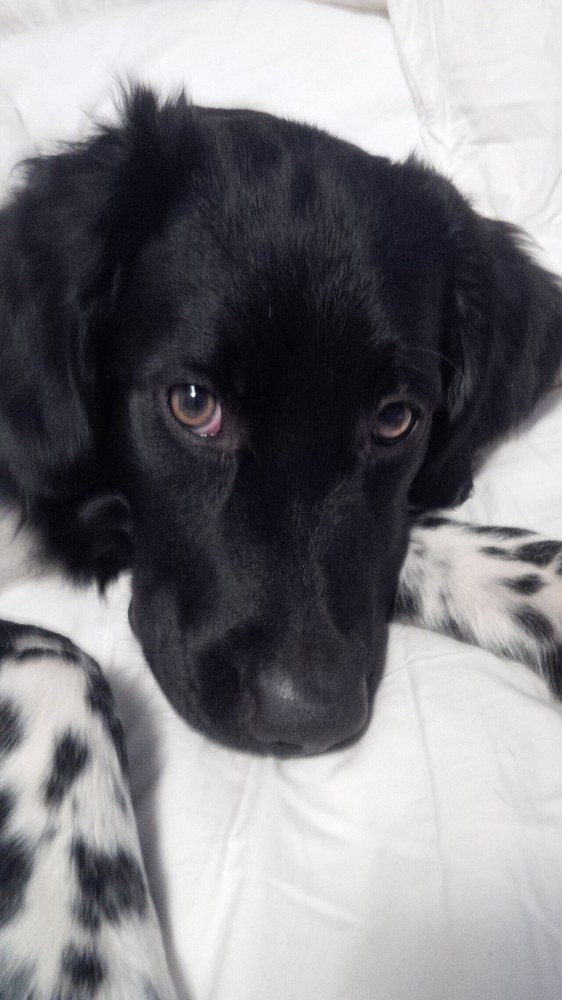
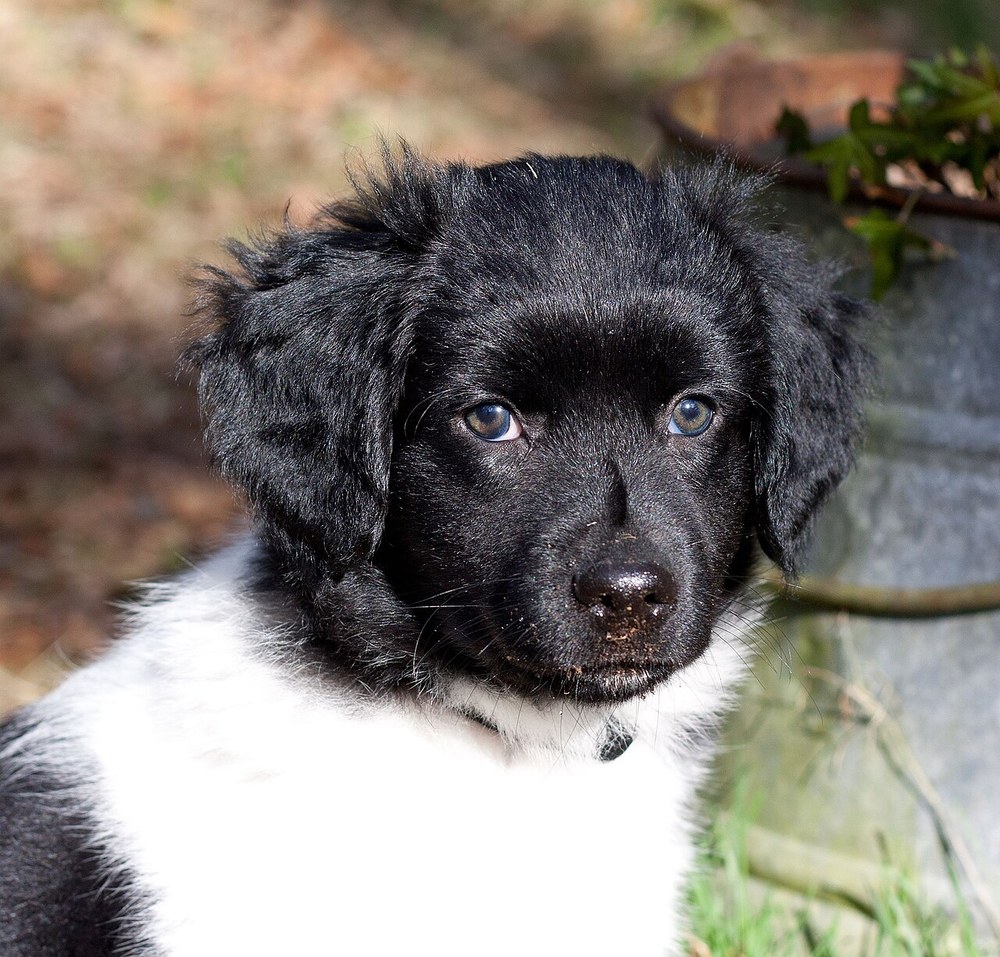
A Stabyhoun puppy is soft, sweet, curious and already interested in anything that rustles. Plan calm meetings, gentle handling, early rules about the cat and small pets, chews for teething and short times alone, and keep training kind: this breed shuts down with pressure.
Training a Stabyhoun means patience, rewards worth working for and clear rules about small animals
Most daily trouble with this breed shrinks once five things are solid: a name check-in, recall on a long line, a leave it, a swap for stolen items and settling on a bed.
Stabyhouns are clever but not eager to repeat things for nothing. Good food, short sessions and a reason to work bring the best out of them. Harsh corrections make a soft dog switch off or refuse.
Be realistic about the farm dog in it. It will always notice mice, birds and cats. The goal is a dog that can see the cat, look back at you and take its reward, and that gets to use its nose on walks.
Load balance
A thinking dog needs thinking work
Young Stabyhouns should build up distance gradually. If you see lameness, a stiff start after a nap or a change in temper, book the vet before you add more work.
Sniffing walkLeave it practiceShort retrieveRecall gameCalm rest
For this breed a search game or tracking session often satisfies the dog more than another long walk.
A Stabyhoun that finds training worth its while becomes a willing, steady partner.
Cats, birds and mice
How to teach a Stabyhoun to leave small animals alone
Start with a leave it at home, practise at a distance from a calm cat or birds, reward each look back, keep the dog on a lead near wildlife and give it search games as its own hunting outlet.
01
Leave it at home
Teach it first with food on the floor.
02
Work at a distance
A calm cat or birds far away.
03
Reward the look back
Every glance at you pays off.
04
Lead near wildlife
No chances to practise the chase.
05
Give the nose a job
Search games as its own hunt.
One scene close-up
Why a Stabyhoun goes after small animals
This breed earned its keep on Frisian farms by catching moles, rats and polecats and by finding birds. That drive is built in and is not a sign of aggression.
Manage first: a lead near wildlife, a fenced garden and no unsupervised time with cats, rabbits or hens. Then teach leave it at home, practise at a distance with a calm cat or birds, reward every look back at you and give the nose regular search work.
If your dog locks on and cannot be called off, defends food or toys fiercely or looks worried for much of the day, get a vet check for pain and then a qualified behaviour professional.
“With a Stabyhoun, I start with rewards the dog finds worth working for, a leave it for small animals and a recall on a long line. Give this Frisian farm dog patience and a fair deal, and you get one of the gentlest family dogs I know.”
Together we go through an ordinary week with your dog: the walks, the cat, the garden, recall and evenings. Your vet handles medical questions; my part is behaviour.
Andrew DarovProfessional dog trainer and instructor
Before we talk, jot down your dog's age, a typical day's exercise, the animals it fixes on, whether it comes back when called and when the trouble usually starts. Opens WhatsApp to Andrew.
Often, yes. It is gentle, patient and calm indoors and usually very good with children. It needs daily exercise, kind training and rules about small pets.
Is a Stabyhoun a good first dog?+
Yes, for a calm beginner who is happy to train with treats and join a class. The independent streak and prey drive need planning.
Are Stabyhouns stubborn?+
They are independent thinkers bred to make their own choices in the field. Good rewards, short lessons and no battles of will work much better than force.
How big does a Stabyhoun get?+
FCI: males about 53 cm (about 21 in), females about 50 cm (about 19.5 in). Adults usually weigh roughly 40–60 lb (18–27 kg).
Do Stabyhouns shed?+
Yes, moderately, with more in the moult. The sleek coat is easy to keep with weekly brushing.
How much exercise does a Stabyhoun need?+
An adult usually needs about an hour to an hour and a half a day, with time to sniff and some nose or retrieve work.
Stabyhoun vs Nederlandse Kooikerhondje: what is the difference?+
Both are rare Dutch breeds. The Kooikerhondje is smaller, red and white and often shy with strangers; the Stabyhoun is larger, calmer and more of an all-round farm gundog.
Stabyhoun vs Brittany: what is the difference?+
The Brittany is a quick, busy French bird dog that wants lots of running. The Stabyhoun is the quieter farm all-rounder: settled indoors, more of a free thinker and keener on mice and cats.
Can a Stabyhoun live with cats?+
Plenty share a home with a cat they grew up with, though some always see small animals as prey. Watch early meetings and keep rabbits and hens out of reach.
Can a Stabyhoun live in an apartment?+
It can with daily outdoor walks and nose work, since it is calm indoors, but a house with a fenced garden is easier.
What health themes should I ask about?+
Ask the breeder which hip, elbow and other checks the breed club expects for both parents, and mention the breed to your vet. This is general awareness, not a diagnosis.
How long do Stabyhouns live?+
A typical figure is 13–15 years, and many healthy Stabyhouns reach that range.
If a Stabyhoun seems too independent or too rare for your home
Many people fall for the calm nature and the patterned coat. The waiting list, the prey drive and the dog that thinks before it obeys are what to think through before you commit.
A Dutch duck-decoy spaniel-type with a quick mind and soft family manners. Needs gentle stranger practice, games that end and a settle after excitement.
A gentle, clever German gundog that searches, points, tracks and retrieves. Loving at home, led by scent outside; needs real work, a long line for recall and kind training.
A gentle, wire-coated Hungarian gundog. Needs daily exercise, field or water work most weeks, a long line near game, alone-time steps and weekly coat care.
Dog stealing socks, underwear or laundry? Why dogs take worn clothes, how to stop the chase game, and how to teach a trade so your dog brings things back.
Loose lead walking step by step: where to reward, what to do the instant the lead goes tight, and a 10-minute daily plan that stops your dog pulling.
Need a read on your exact situation?
Send me a few lines about your Stabyhoun: age, a normal day's walks, the animals it fixes on, how it responds when called and the moment things usually slip. Once health is checked, we choose one skill and begin there.