Nederlandse Kooikerhondje: temperament, decoy drive and gentle socialization for the Dutch duck dog
The Nederlandse Kooikerhondje is a compact orange-and-white Dutch dog bred to lure ducks into decoy traps by bouncing and waving its white-tipped tail. You get a quick learner, a soft temperament and a dog that can be shy with strangers if social life is rushed. What works is kind, steady training, early people practice without forcing hugs, and enough sniffing and retrieving so the busy brain has a job.
Job: Dutch duck-decoy spaniel-type; orange-red and white with a white-tipped plume tail.
Energy: Sensitive with strangers; needs gentle, steady socialization, not crowded parties.
Home: Suits a calm active home that likes training games and respects a reserved greeting style.
A Kooikerhondje is not a bouncing party dog in a pretty coat
People see the cheerful orange-and-white look and expect a bold, always-social spaniel. The Kooikerhondje was bred to work near water with a handler, not to greet every visitor. Pushed too hard, it freezes, hides or barks from a distance.
What I meet in family homes is usually a loyal, food-keen dog that softens with people it trusts. The hard parts are stranger wariness, teenage noise and owners who thought "sporting" meant endlessly outgoing. None of that is mystery behaviour. All of it shows up when a sensitive decoy dog is treated like a Labrador at a barbecue.
My plan has four parts. Kind social practice with exits. Retrieving and scent games that end cleanly. Lead manners that reward check-ins. And a settle cue so the house gets quiet after work.
Medium-high outdoors; often calm indoors after clear games
Coat / shed
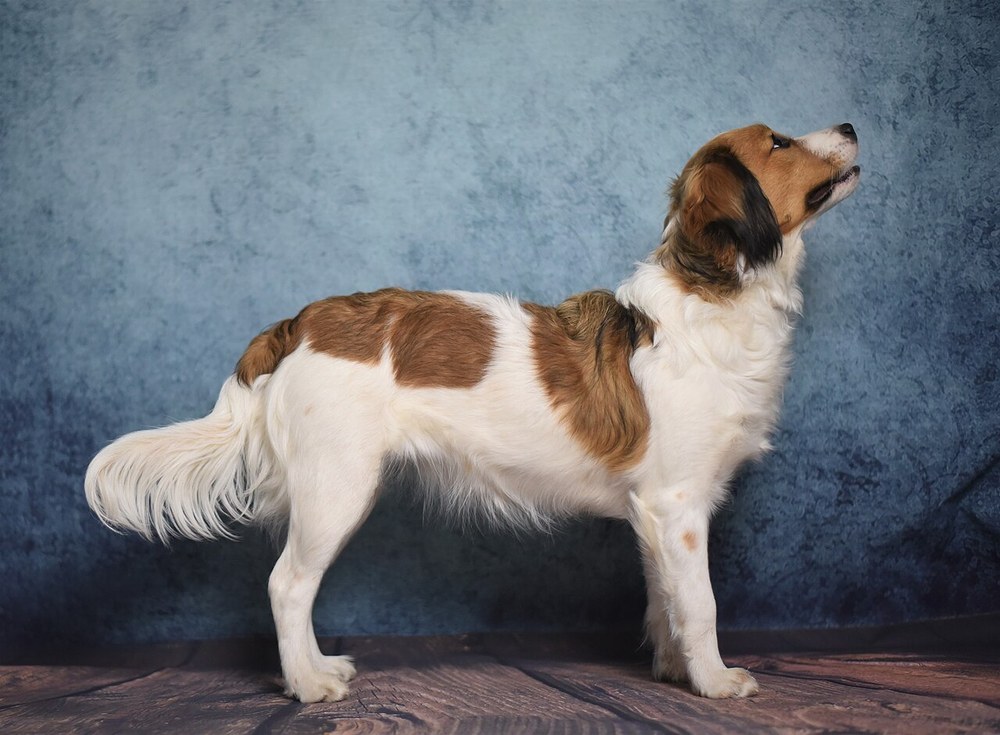
Medium length, slightly wavy; orange-red patches on white, white tip on the tail
Job
Dutch duck-decoy dog (AKC Sporting; FCI Group 8; RKC Gundog)
Breed history
How a Dutch decoy dog became a rare sporting companion
Knowing the eendenkooi history will not tire your dog, but it explains the white-tipped tail, the bounce near water and why forced socialising often backfires.
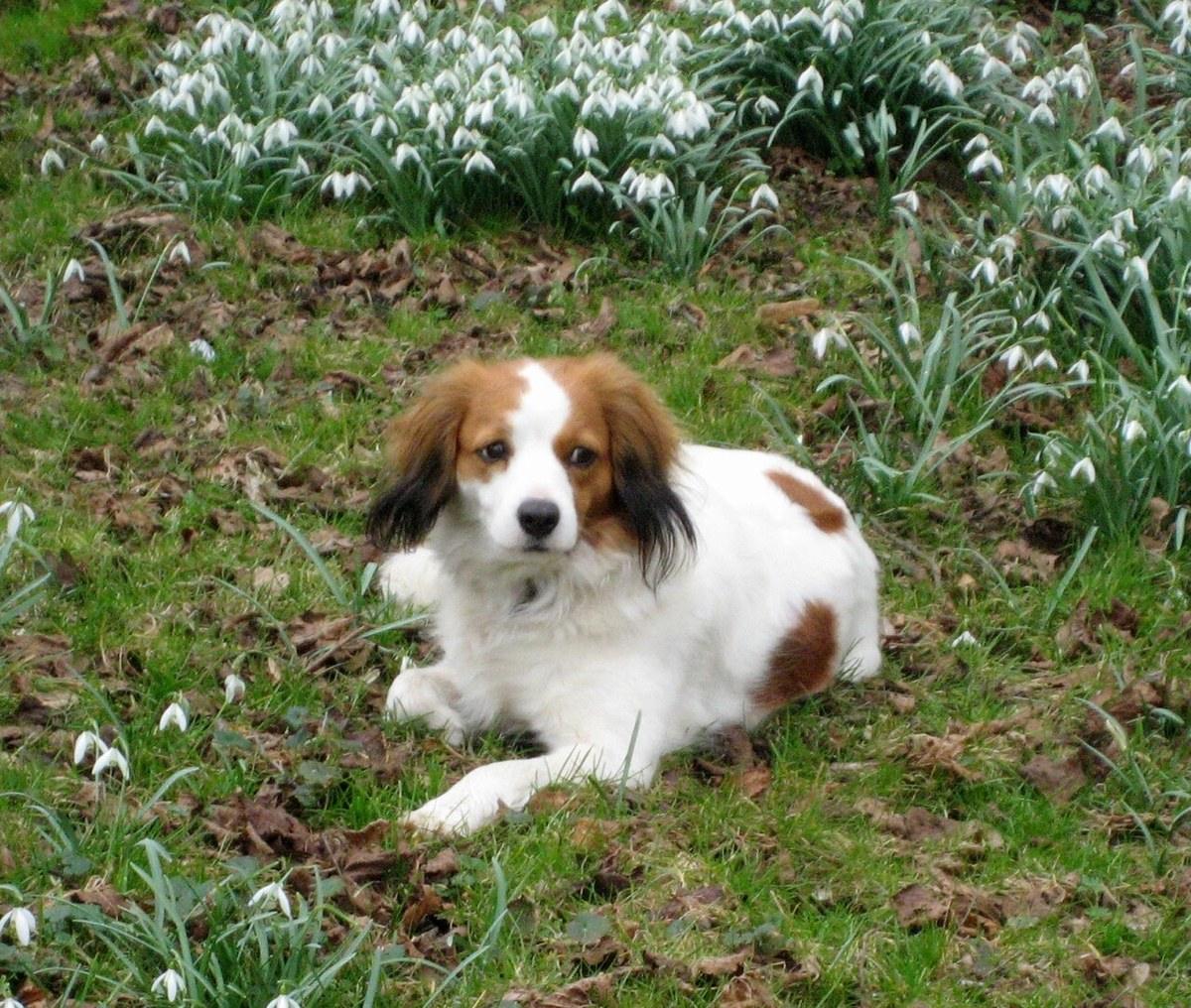
A Kooikerhondje resting in grass and spring flowers — the soft outdoor side of a Dutch decoy breed.
Netherlands → duck decoys
Bred to lure ducks into traps
Breed histories describe the Nederlandse Kooikerhondje as a Dutch duck-decoy dog that attracted wild ducks toward eendenkooi traps by lively movement and a flashing white-tipped tail. Cleverness, lightness and teamwork with a handler were the point of the breed.
What matters for an owner is that the Kooikerhondje is still built for that life: a quick mind, interest in movement and water, and a preference for known people over random crowds.
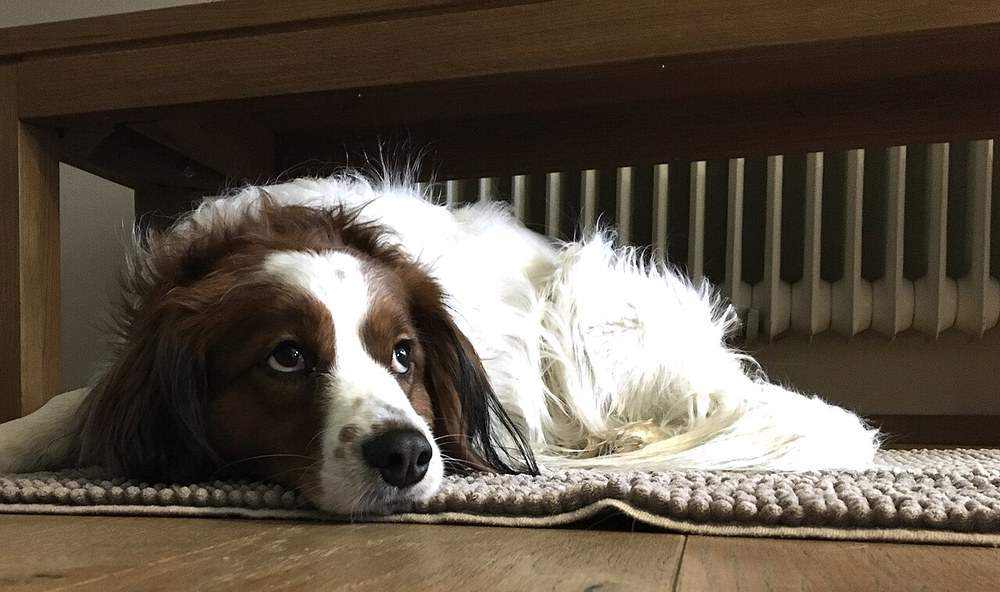
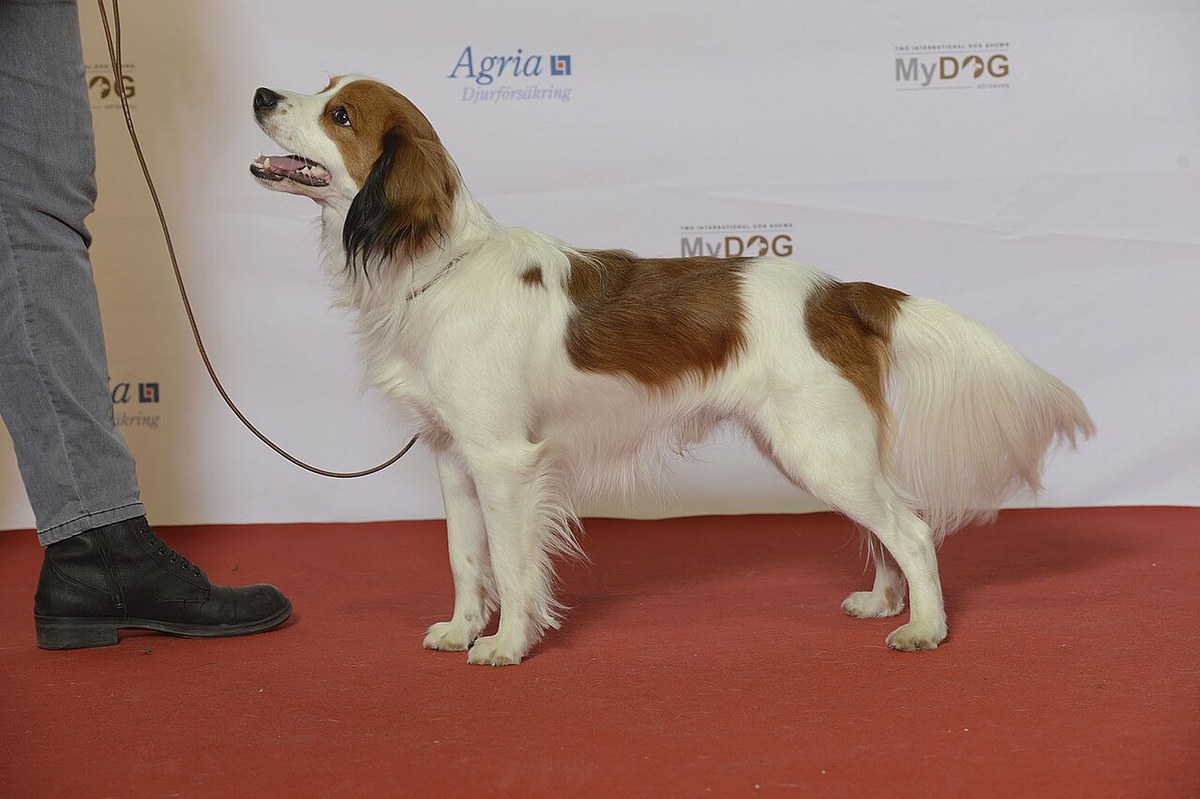
A five-year-old Kooikerhondje male at rest: orange-and-white coat and the soft expression owners meet at home.
From near extinction to kennel clubs
From wartime scarcity to modern kennel clubs
The breed nearly vanished mid-century and was rebuilt from few dogs. Today it is listed by the major kennel clubs in the sporting or gundog groups and remains uncommon outside the Netherlands and a few enthusiast countries.
Most pet Kooikerhondjes still need gentle people practice and real training games. Without them, the same dog that looks merry in photos becomes a worried barker at the door.
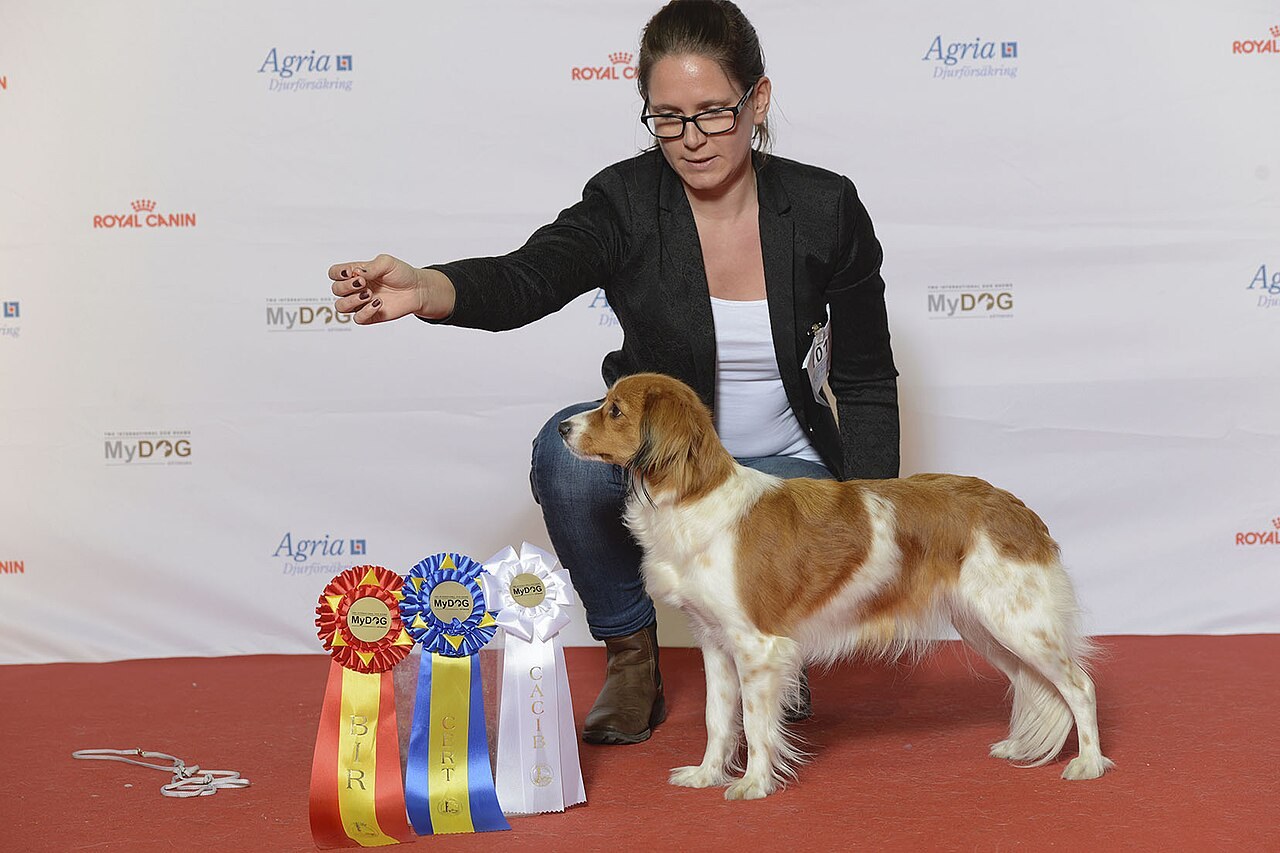
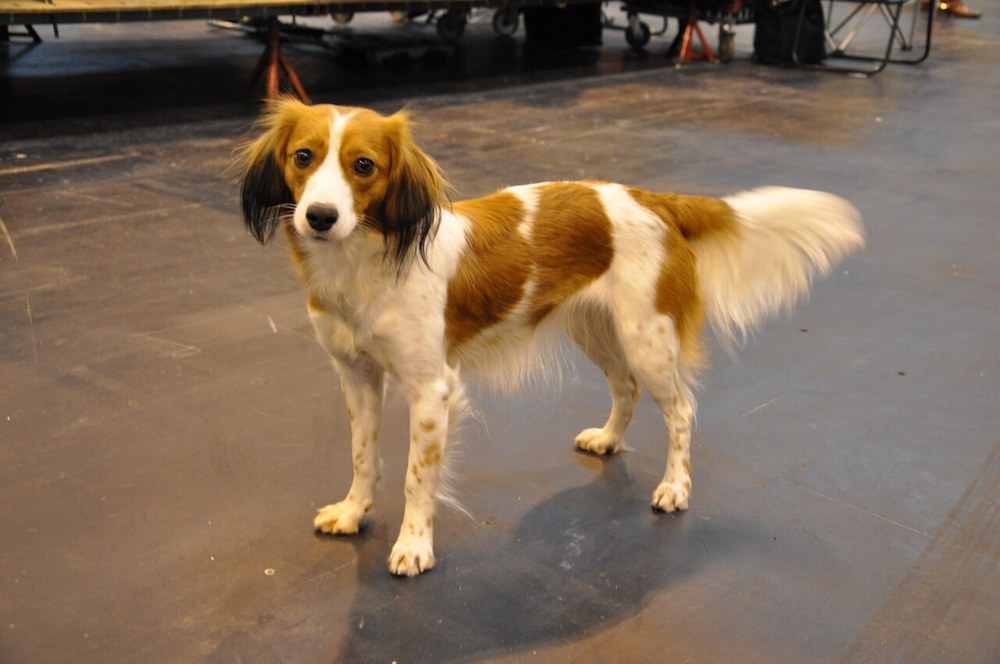
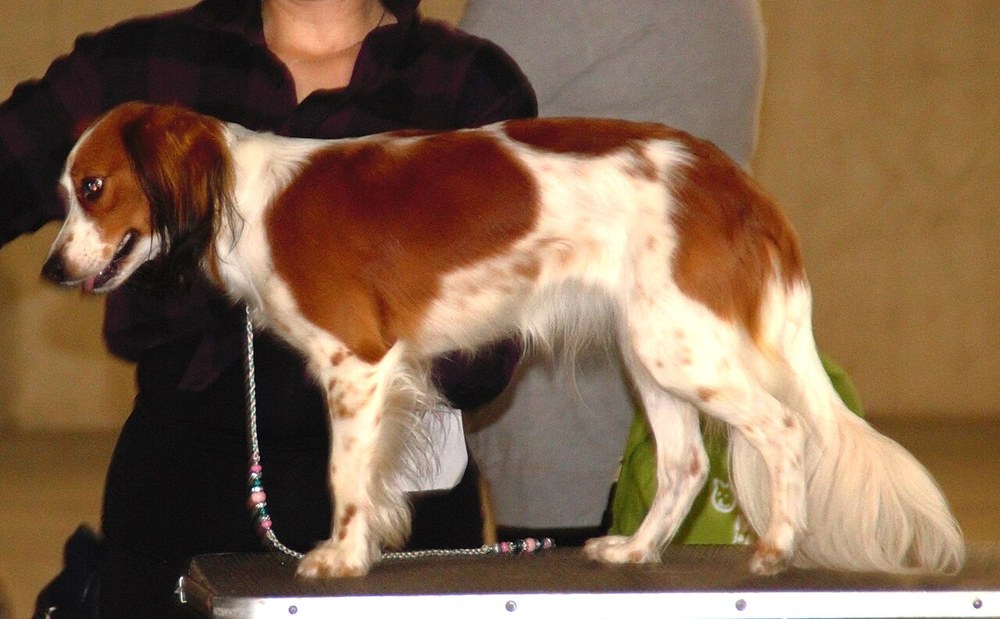
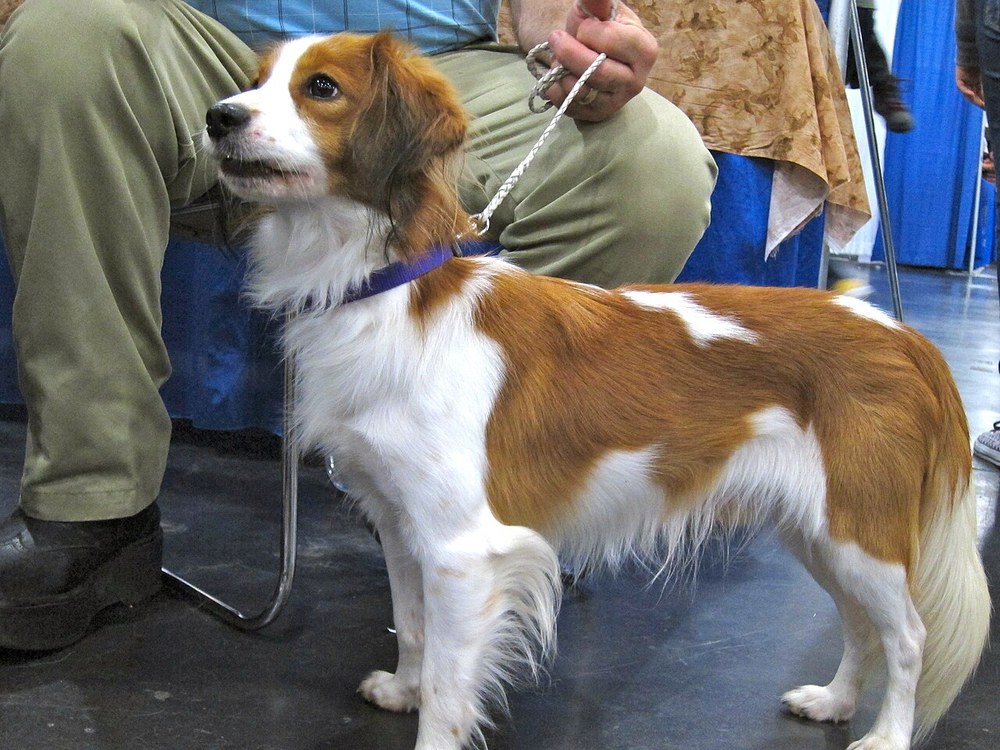
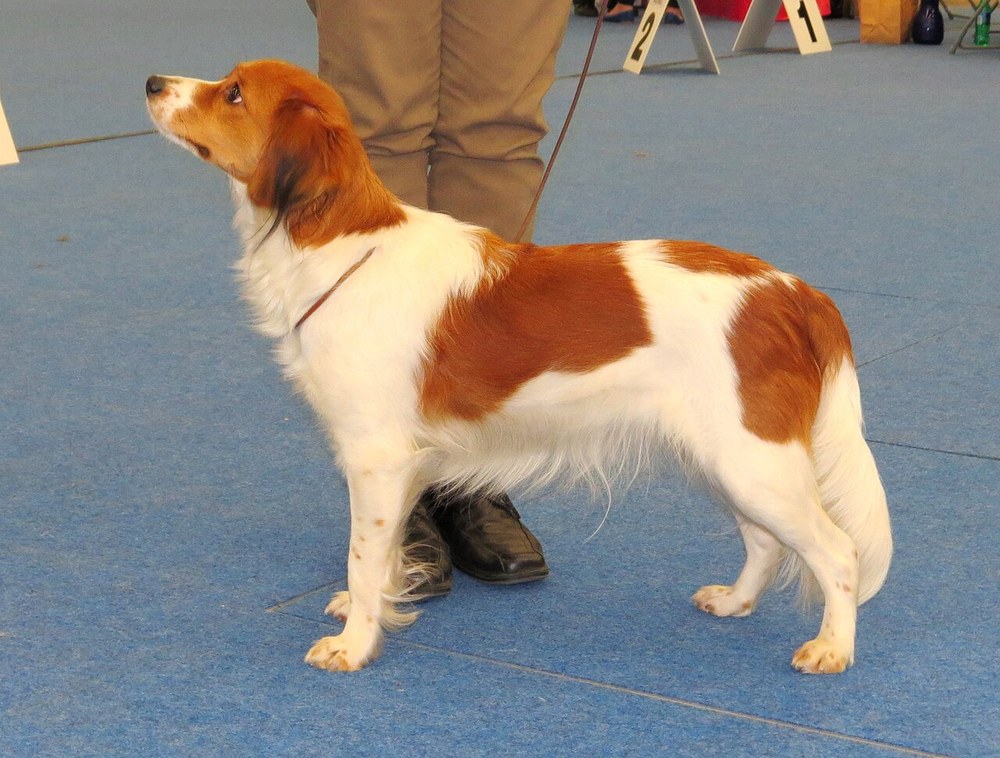
A Kooikerhondje standing alert indoors at a big show. Watchfulness is part of the breed package.
What the breed was bred for
Soft with its people after clear work
Day to day you live with a dog that is often affectionate and clever once it trusts you. It learns well with food and toys that move.
Because it looks cheerful with its family, owners sometimes skip stranger practice. Then guests arrive and the dog has no plan except barking or hiding.
A good day is a training game, a sniff walk, calm people practice and a long nap
Most Kooikerhondjes settle well with short skill sessions, sniffing and clear endings to retrieving games. Trouble usually starts with forced guest greetings, teenage barking or no settle cue after excitement.
Games · work
Retrieving and scent games with an ending
Use short retrieves, hide-and-seek scents or a flirt pole under control. End on your cue and send the dog to rest. Open-ended chase makes a clever dog wilder.
A Kooikerhondje does not need endless jogging. It does need interesting ground, water puddles on a long line if safe, and time to use its nose without being yanked past every scent.
General awareness only. I am not a veterinarian. With Kooikerhondjes, owners often notice trouble first as ear smell after swimming, limping after rough play, or a dog that suddenly avoids being touched. For red flags, leave this page and open
when to call the vet.
Ears and water
Drop ears plus damp ground mean regular checks. Smell or head-shaking is a vet question. See when to call the vet.
Coat and mats
Brush feathering so mats do not hide skin issues.
Weight
A compact sporting dog should stay lean. Ask your vet to judge condition. See BCS check at home.
Joints and play
Avoid repetitive hard jumps with young dogs. Any limp is a vet question. See limping stop list.
Vet visits
Tell the vet the breed and how active the dog is.
Ask the breeder
Ask which screenings the national breed club recommends for the parents. Do not invent disease claims from a blog.
Lines and types
Working and companion Kooikerhondjes both need kind social practice
No bloodline selling. Dogs differ in how bold they are with strangers and how hard they want to retrieve. All of them need gentle people practice and clear games. The Kooikerhondje differs from a Nova Scotia Duck Tolling Retriever in size and style: often smaller, more reserved with strangers, with a different decoy history.
Active companion homes
Daily sniff and skill games, not hope.
Guest plans with distance.
Settle after excitement.
Meet parents for softness and noise.
Suits a calm active home that likes training.
Sport and decoy-minded homes
Retrieving and scent work fit the breed.
Keep sessions short and kind.
Rest after busy weekends.
Water play only where safe.
Suits an owner who wants a clever sporting partner and can train steadily.
Socialization windows
What to introduce — and what not to overload — by age
AVSAB-aligned in spirit: short, clean exposures at a distance the puppy can still eat,
with hygiene while vaccines finish. See the
puppy socialization schedule.
2–4 months
Home, soft mouth and early people practice
Introduce: name game, short retrieves that end, gentle handling, toilet plan, calm outings with exits.
Do not overload: crowded puppy parties, forcing guest hugs, open-ended chase games.
~6 months
Teenage watchfulness
Introduce: longer sniff walks, long-line manners, guest practice at a distance, bed cue after play.
Do not overload: punishing bark without changing the set-up, skipping alone-time steps.
~12 months
Building confidence safely
Introduce: clear training games, solid place for visitors, lead manners in town, rest after busy days.
Do not overload: hoping adolescence will soften itself without practice.
~18–24 months
Growing up
Introduce: steadier greetings, reliable settle, first sport classes if that is your path.
Do not overload: dropping social practice because the dog was fine for a week.
~3 years+
Keep what works
Introduce: refresh guest manners, keep games ending cleanly, yearly checks.
Do not overload: assuming the dog is "done" needing mental work.
Before you buy
Who a Nederlandse Kooikerhondje usually fits
Fit comes down to stranger care, training games, realistic noise at the door, and whether you can live with a loyal house dog that may never love every visitor.
Good match
More likely a good fit if you…
You want a rare Dutch sporting companion
You can offer kind social practice without forcing hugs
You enjoy short training and retrieve games
You like a soft, people-oriented dog with its family
You can brush a medium coat and check ears
Mismatch risk
A Nederlandse Kooikerhondje may be a poor choice if…
You want a bold greeter for constant house parties
You only have chaotic, open-ended play to offer
You prefer a low-training couch breed that ignores visitors
You dislike barking during teenage months
You want a heavy protective breed rather than a decoy spaniel-type
If you are torn between breeds
Nederlandse Kooikerhondje vs Nova Scotia Duck Tolling Retriever and Welsh Springer Spaniel
All three are sporting dogs with retrieving interest. The Kooikerhondje is a Dutch decoy spaniel-type, often smaller and more reserved with strangers. The Nova Scotia Duck Tolling Retriever is a Canadian tolling retriever with its own water and retrieve style. The Welsh Springer Spaniel is a flushing spaniel with more typical spaniel sociability for many lines.
Job style
Nederlandse Kooikerhondje
Dutch duck decoy: bounce and lure with a handler.
Nova Scotia Duck Tolling Retriever
Tolling and retrieving on Canadian waters.
Strangers
Nederlandse Kooikerhondje
Often reserved; needs gentle practice.
Welsh Springer Spaniel
Often more openly social as a flushing spaniel.
Size
Nederlandse Kooikerhondje
Compact sporting dog.
Both compares
Toller and Welsh Springer are often larger.
Home fit
Nederlandse Kooikerhondje
Calm active home with kind guest plans.
Both compares
All three need real games and exercise, not pavement-only weeks.
Ownership without surprises
Where a Nederlandse Kooikerhondje owner’s budget goes
Costs depend on country, city and your choices. These are themes to plan for, not quotes.
Veterinary
Routine care plus attention to ears and activity injuries.
Training
Kind class or private help with guest manners and settle.
Gear
Harness, long line, brushes, bedding, safe toys.
Grooming
Home brushing; occasional professional help if feathering mats.
Time
Daily short skills and calm people practice are the cost that never stops.
Gentle set-ups matter more than anything you buy: a Kooikerhondje that has clear games and soft guest plans is far easier than one surprised by every doorbell.
Before day one at home
What to prepare for a Nederlandse Kooikerhondje puppy
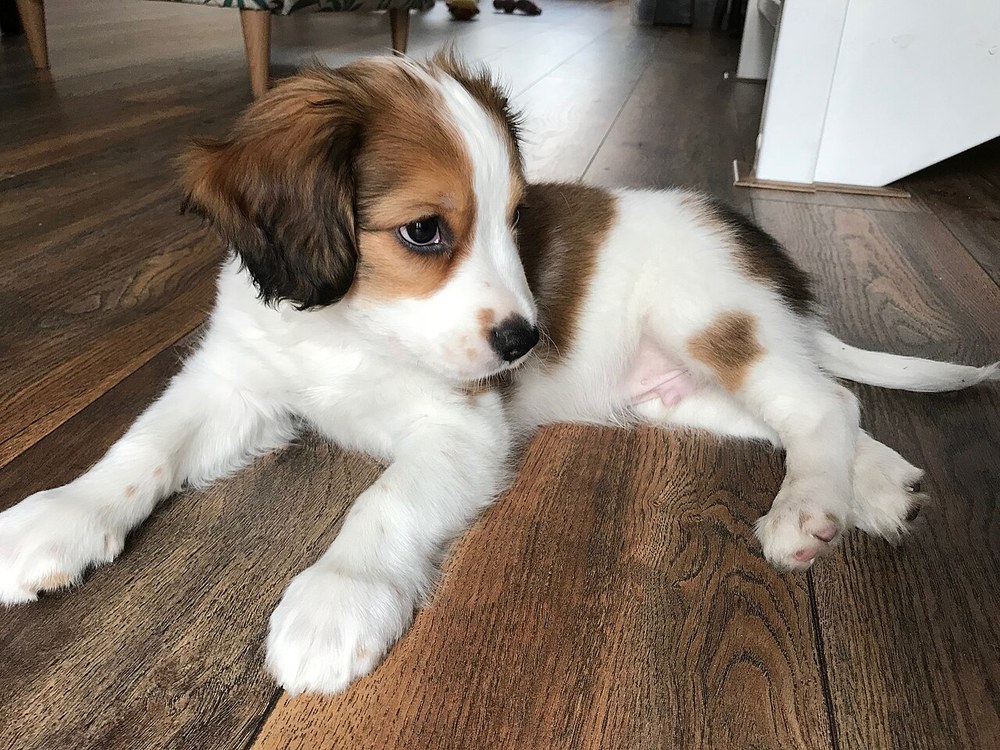
A Kooikerhondje puppy is soft, clever and already watching the world. Have exits from busy places, short fetch games that end and a guest plan before it comes home.
Training a Kooikerhondje means kind games, soft stranger practice and a realistic settle
The skills that matter most are few: a place for guests, a recall built on a long line, fetch that ends, a bed after play and lead manners in town.
This breed works for food and toys when lessons stay clear and kind. Heavy-handed training frightens a soft Kooikerhondje.
A lot of the work is set-up: guest distance, short sessions and not pretending chaotic parties equal socialization.
Load balance
Play and sniff first, then ask for calm
Age, ears and heat all change what is safe. A limp, ear pain or sudden short temper means a vet visit before more work.
Short sniff walkOne clear skill gameGuest practice at a distanceBed with a chewLong nap
Training games, sniffing and calm people practice all count. Endless free-for-all play almost never builds manners.
A Kooikerhondje that has used its brain, practised soft greetings and found a bed will sleep instead of barking at every sound.
A settle that respects a watchful nature
How to build guest manners for a Kooikerhondje
Start with the dog on a bed while a helper ignores them, reward calm looking, shorten distance slowly and never force contact.
01
Bed while helper ignores
Dog on a mat; guest does not approach.
02
Reward calm looking
Feed for soft eyes toward the guest, not barking.
03
Shorten distance slowly
Only move closer when the dog stays loose.
04
Choice to leave
Always allow an exit to another room.
05
Never force contact
No dragging onto laps; let the dog choose later.
One scene close-up
Why a Kooikerhondje barks when guests arrive
Most Kooikerhondjes that bark at the door have found the job they were bred for: notice change and stay with their handler. That is breeding, not a personal insult.
Start with set-up: place cue, guest ignore, food for calm, then rebuild from easy to hard.
If fear is severe, get help from a qualified professional.
“With a Kooikerhondje, I begin with three things: kind guest set-ups, clear retrieving games that end, and a settle cue after excitement. Once those are in place, the Kooikerhondje turns into a soft house companion rather than a worried door dog.”
Sessions cover the scenes that matter: guests, settle after play, town distractions and being left alone. I am a trainer, not a veterinarian.
Andrew DarovProfessional dog trainer and instructor
It can suit a patient first-time owner who likes training and soft social practice. It is a poor match for a first dog in a chaotic, guest-heavy home.
How do you pronounce Kooikerhondje?+
A common English approximation is roughly "KOY-ker-hond-chuh." Breed clubs can refine the Dutch pronunciation.
Kooikerhondje vs Nova Scotia Duck Tolling Retriever: what is the difference?+
Both have decoy or tolling histories. The Kooikerhondje is a Dutch decoy spaniel-type, often smaller and more reserved with strangers. The Toller is a Canadian retrieving breed with its own water style.
Kooikerhondje vs Welsh Springer Spaniel: which fits better?+
Welsh Springers are flushing spaniels and often more openly social. Kooikerhondjes stay closer to decoy work and stranger care. Meet both before you decide.
Are they good with children?+
Often soft with calm kids in their own family. Supervise around wild play and do not force the dog into rough greeting games.
Do they shed?+
Yes. The medium coat needs regular brushing, especially feathering.
Are they good apartment dogs?+
Possible if you still offer daily sniff walks, training games and calm guest plans. Size alone does not make them flat-easy.
How much exercise does a Kooikerhondje need?+
Daily walks plus mental games. They are sporting dogs, but they are not Pointers that need endless gallops.
Are they barky?+
They can be watchful and vocal at doors, especially as teenagers. Place training and set-up help.
What health themes should I ask about?+
Ask breeders which screenings the national breed club recommends, and tell your vet the breed. This is general awareness, not a diagnosis.
Do they like water?+
Many enjoy damp ground and water play because of the decoy history. Always keep it safe and optional.
How long do Nederlandse Kooikerhondjes live?+
Public breed references often mention about 12–15 years. Individual dogs vary.
If a Kooikerhondje seems more reserved with strangers than you expected
It is soft and clever with its people, but the watchful nature and guest care do not fit every household.
A gentle, clever German gundog that searches, points, tracks and retrieves. Loving at home, led by scent outside; needs real work, a long line for recall and kind training.
A gentle, patient Frisian farm gundog. Calm and loving at home, independent and keen on small animals outdoors; needs kind training, a leave it and a long line for recall.
Dog stealing socks, underwear or laundry? Why dogs take worn clothes, how to stop the chase game, and how to teach a trade so your dog brings things back.
Need a read on your exact situation?
Tell me your Kooikerhondje’s age and the scene that keeps repeating: guests, barking, settle, pulling or alone time. We check safety and health first, then pick the first skill.