Welsh Springer Spaniel: temperament, training & recall
The Welsh Springer Spaniel is a medium-sized red and white hunting spaniel from Wales. Most are loyal and active, and many are reserved with strangers. Life goes well with daily walks and scent games, slow alone-time training, calm social outings and weekly brushing.
Job: Welsh spaniel that flushed and retrieved birds.
Silky red and white coat — sheds; weekly brushing and trims
Job
Welsh spaniel that flushed and retrieved birds
Breed history
The red and white spaniel from Wales
The Welsh Springer Spaniel is a Welsh hunting spaniel. It was bred to search thick cover close to the hunter and “spring” birds into the air, then retrieve them. That job made a loyal, active dog that likes to stay near its family.
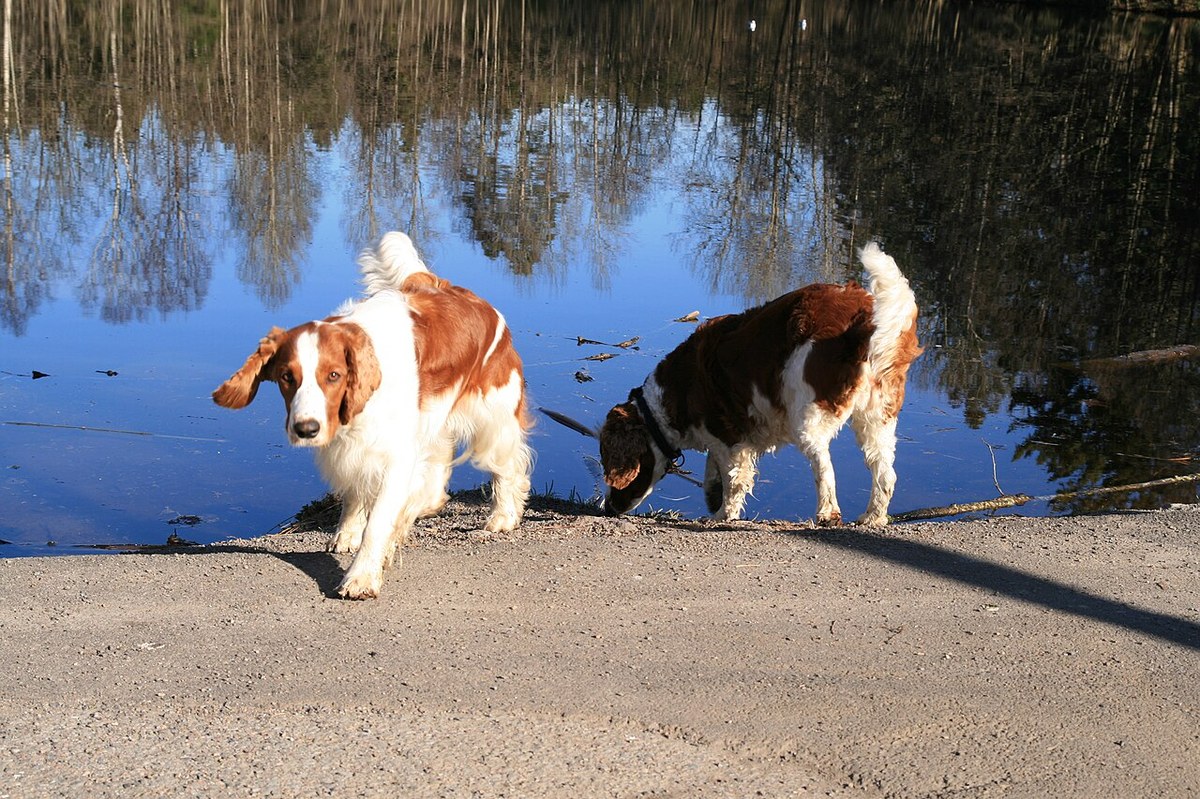
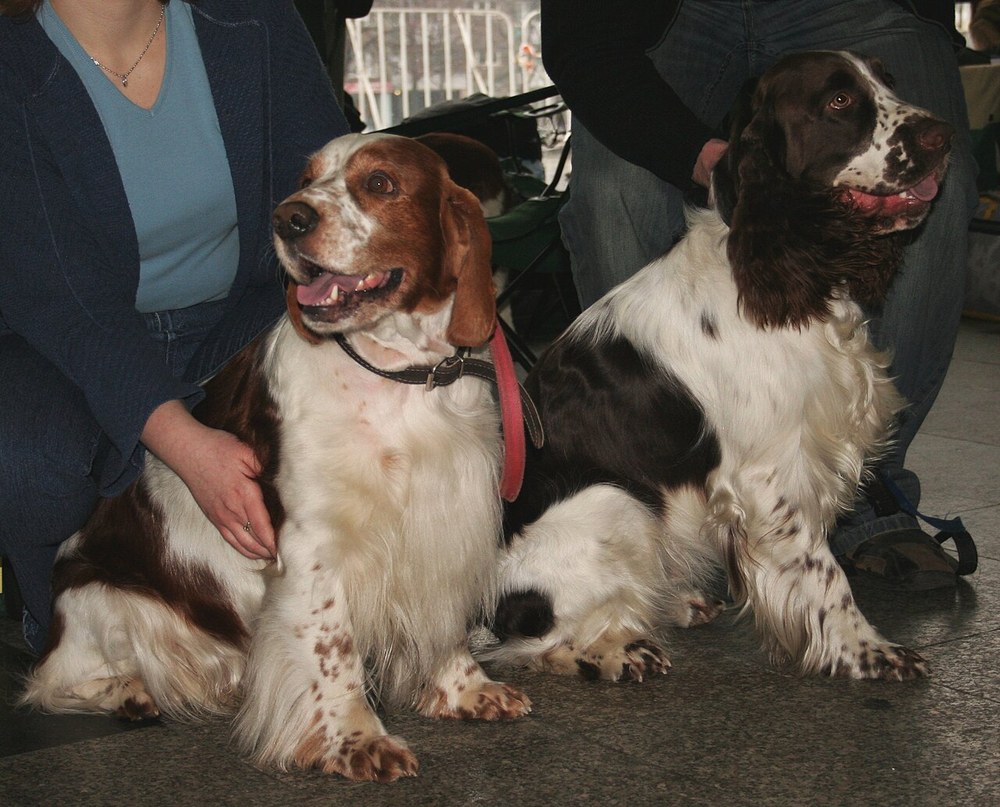
Two Welsh Springers by the water (modern photograph). Most love to swim.
Wales → flushing spaniel
A spaniel of its own
Public breed histories describe red and white spaniels in Wales for a long time. Kennel clubs recognised the breed separately from the English Springer in the early 1900s.
It was valued as a hardy dog for rough country and wet weather.
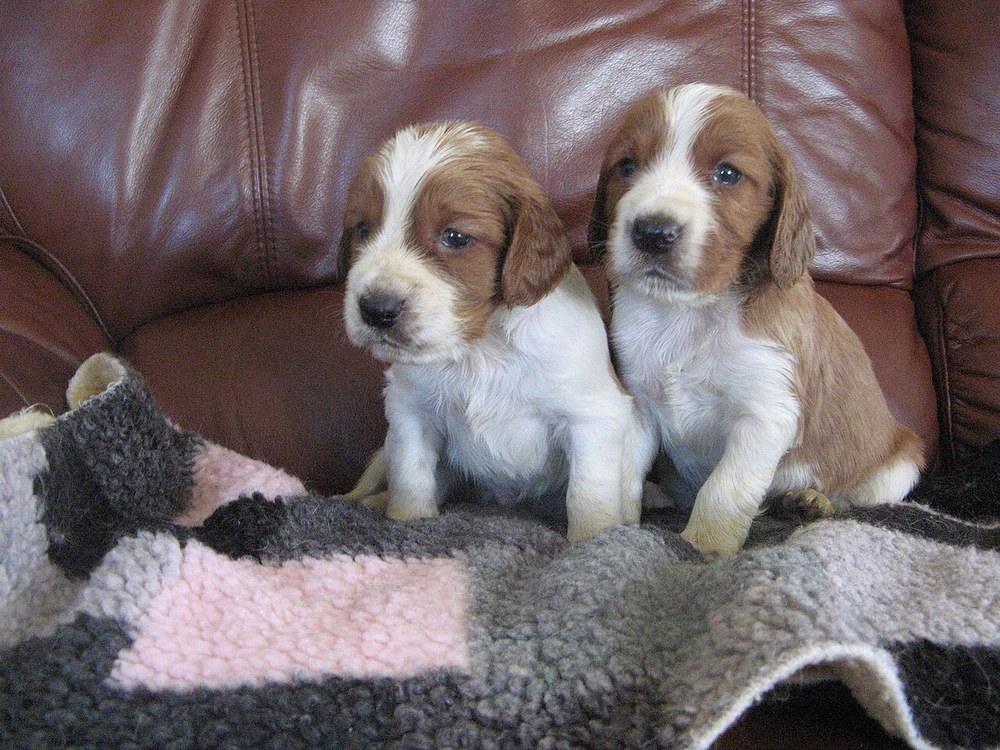
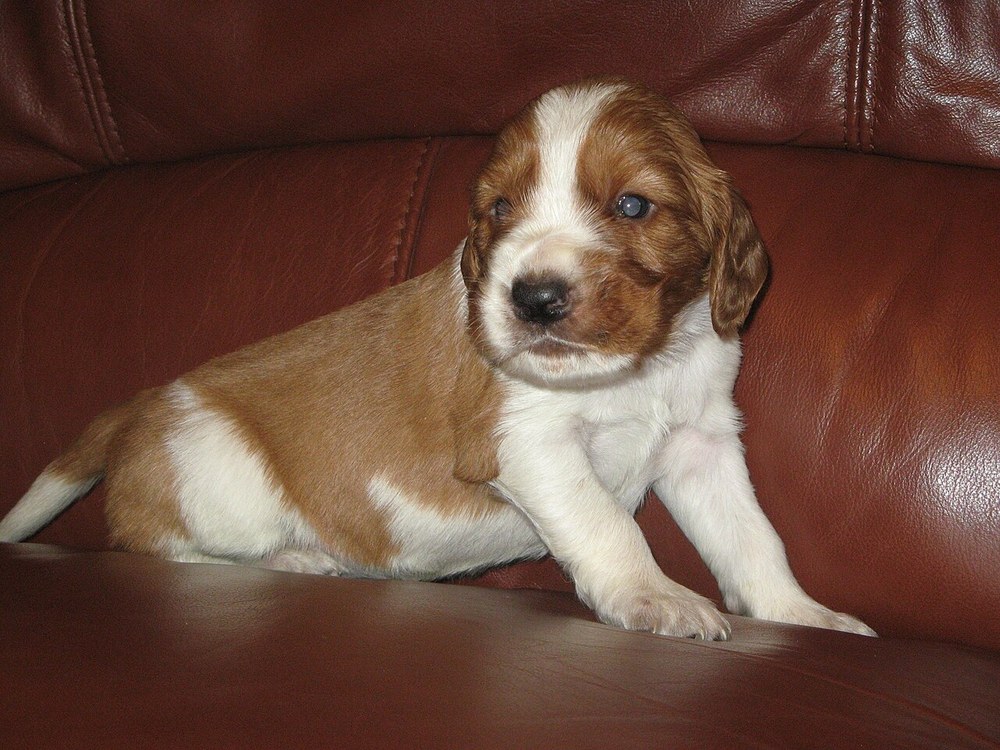
Two Welsh Springer puppies (modern photograph). The red and white colour shows from the start.
Welsh hunter → family dog
Always red and white
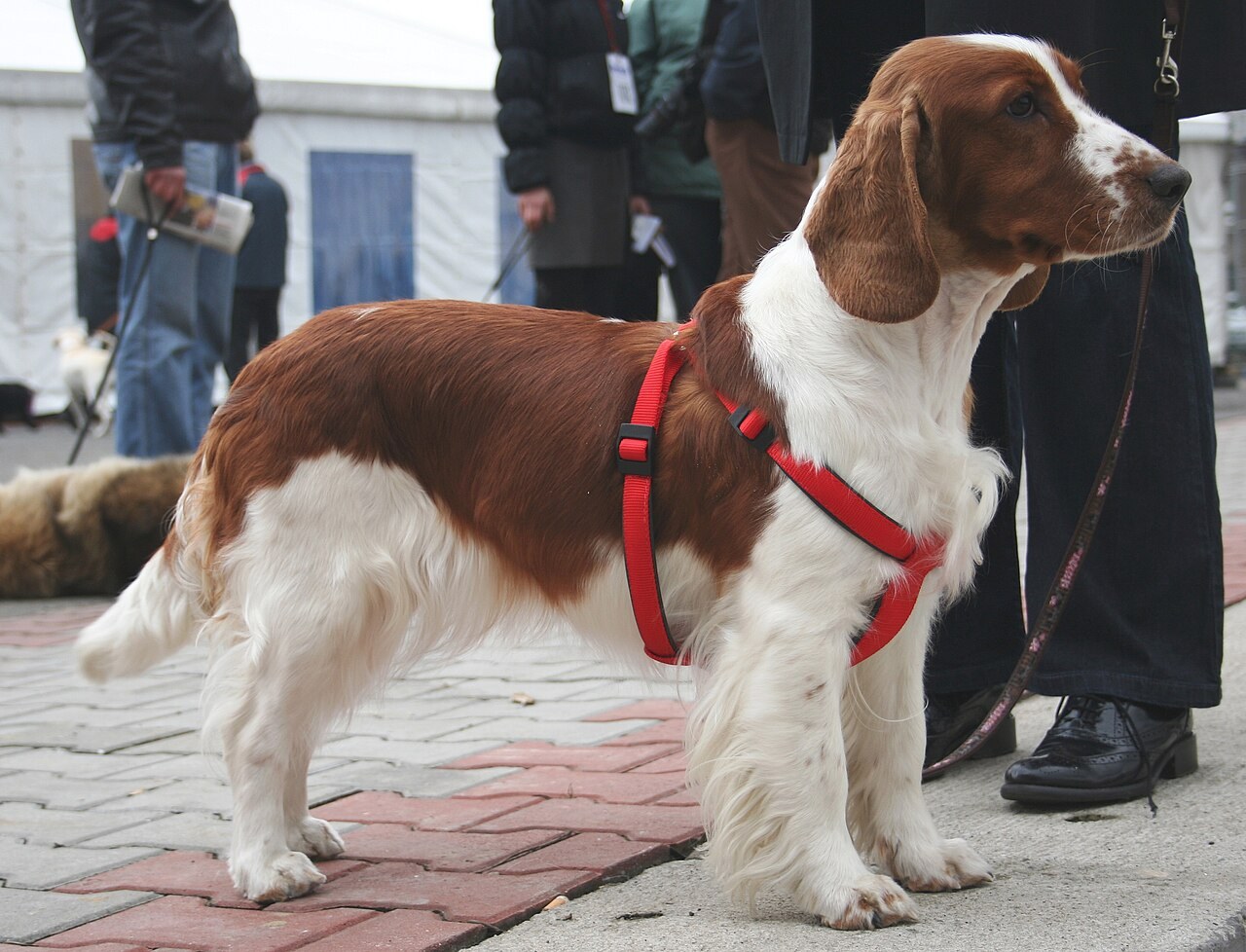
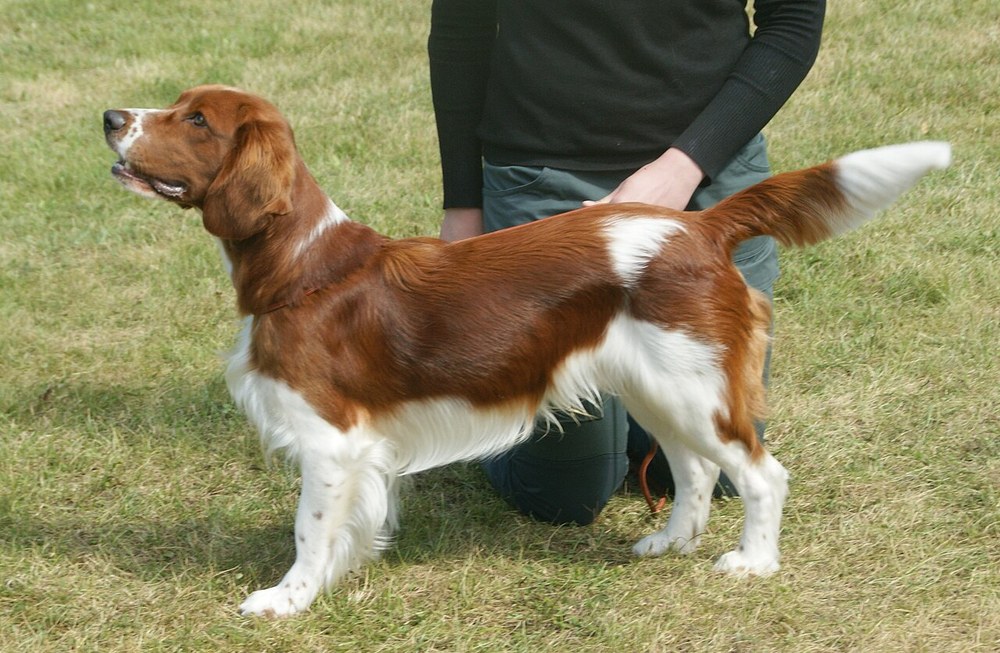
Welsh Springers are always rich red and white. They are a little smaller than English Springers and often more reserved.
Meet the parents and see their energy, how they meet strangers and how calmly they settle.
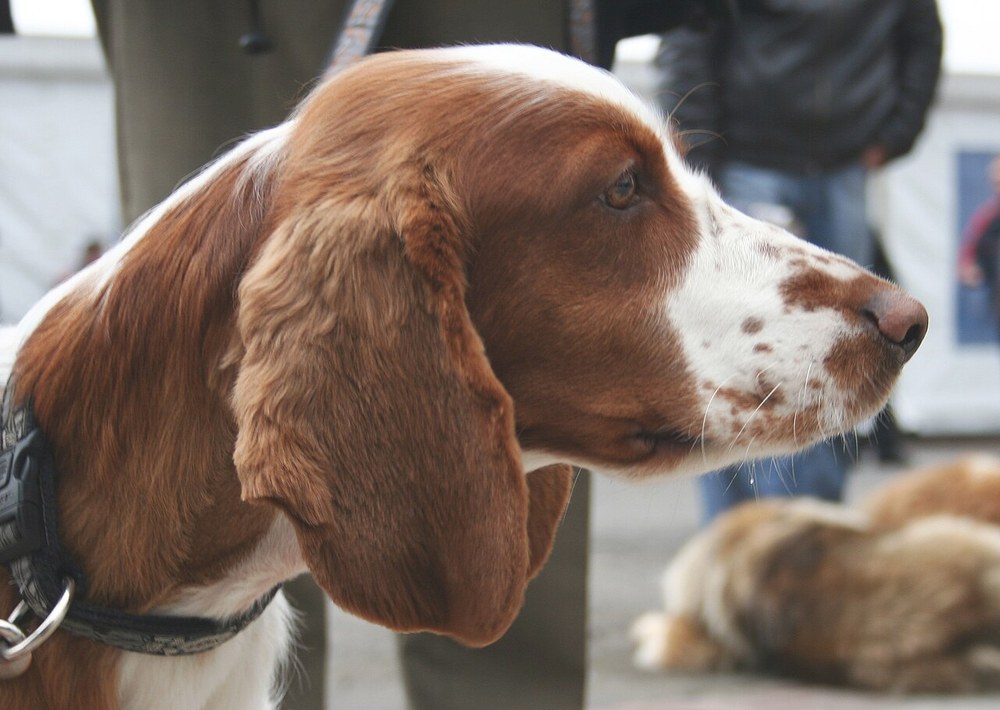
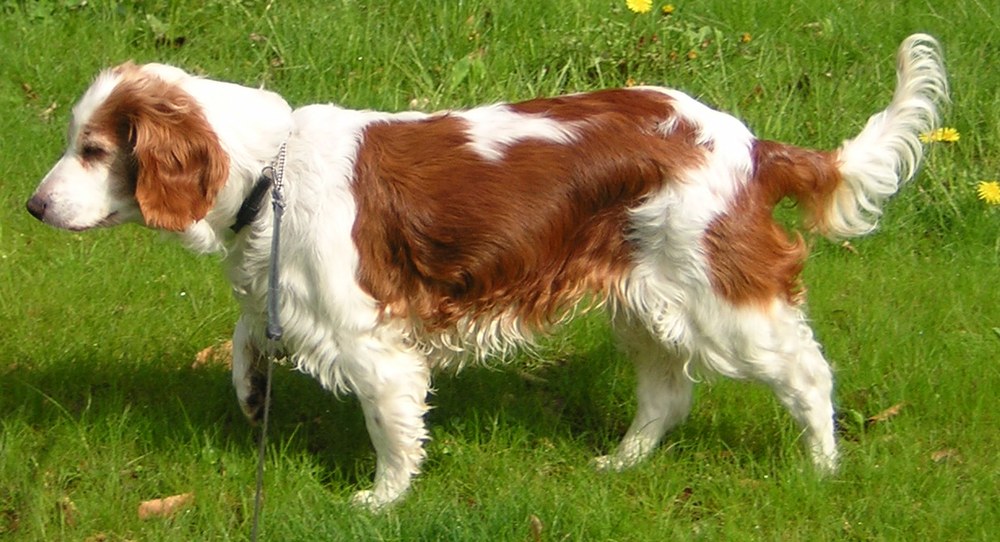
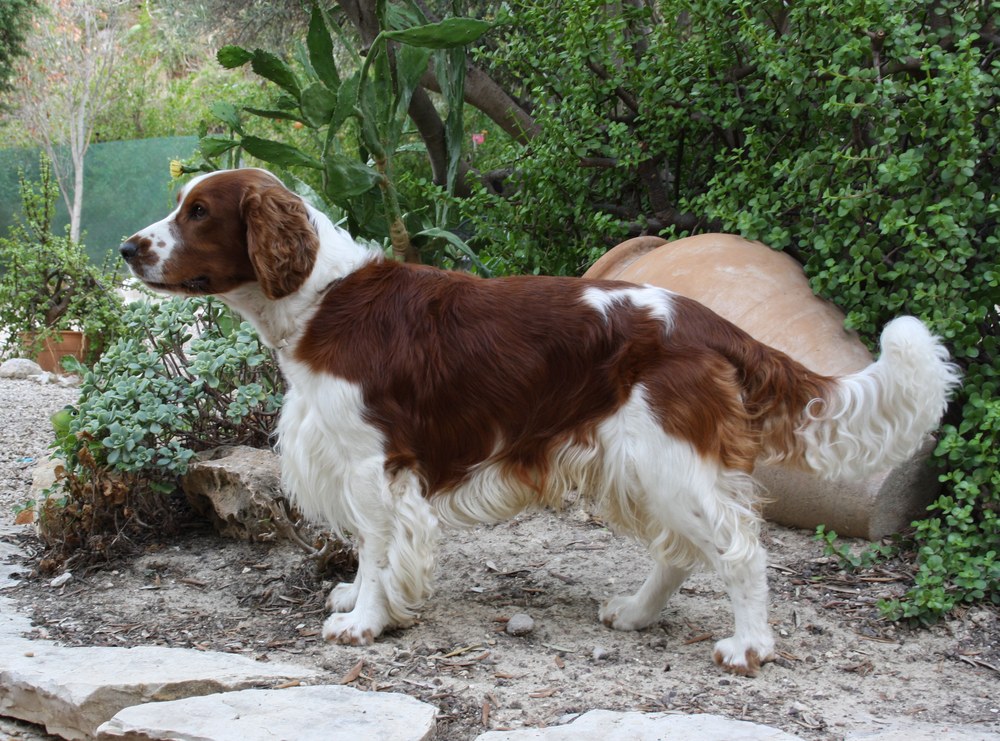
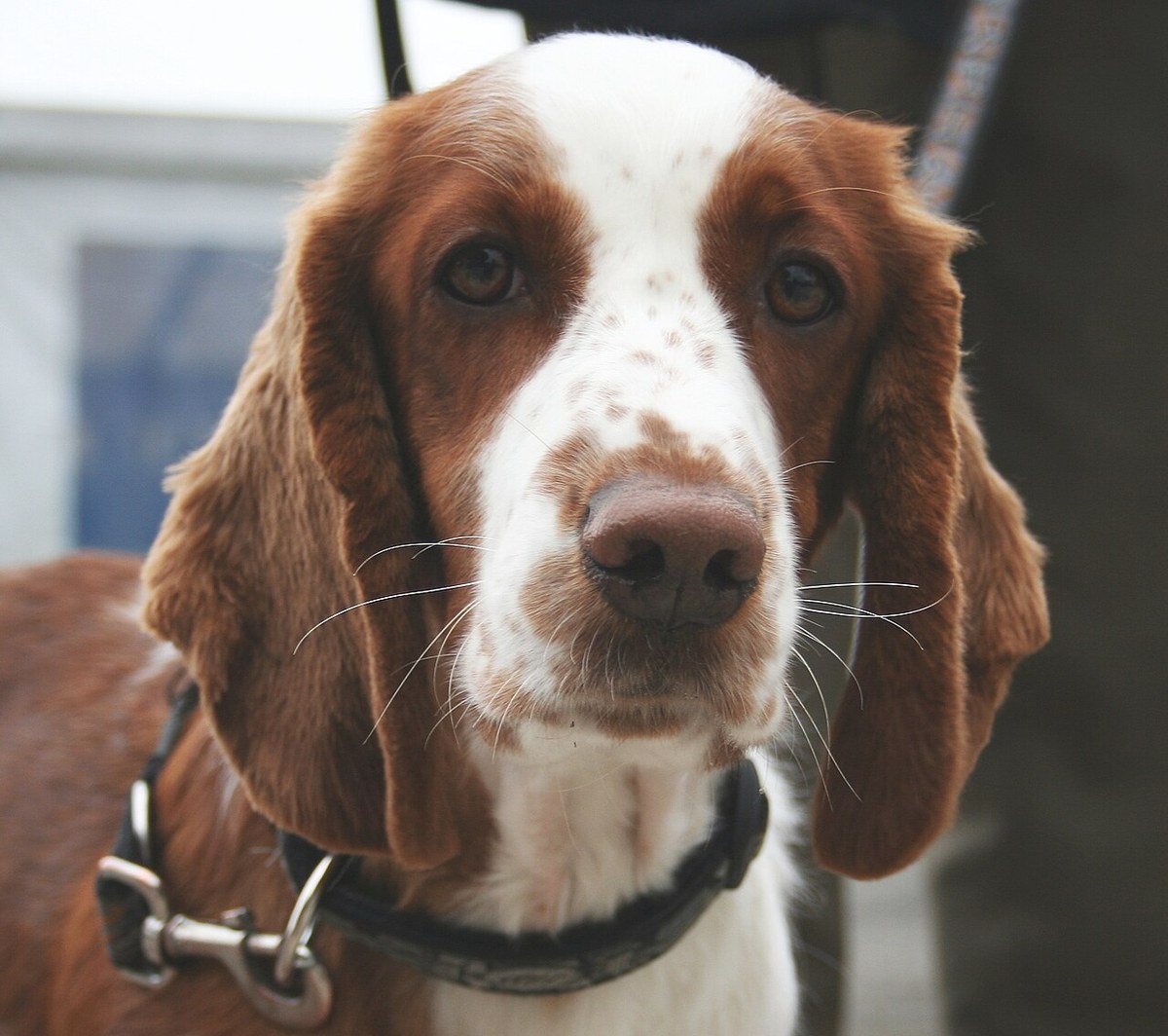
A Welsh Springer in profile (modern photograph). The ears are smaller than an English Springer’s.
What the breed was bred for
Loyal, active and a little reserved
In plain trainer language: Welsh Springers are affectionate with their family, keen to work and sometimes shy with strangers.
The hard parts are worry when left alone, pulling, chasing birds, slow recall when hunting and caution with new people. Daily exercise, slow alone-time training and calm social outings help most.
A trainer’s checklist, not veterinary advice. See a vet for ear smell, head shaking, eye changes or limping. For urgent signs, see
when to call the vet.
Coat
Brush weekly; trim feathering and feet as needed.
Ears
Dry after swimming; check for smell.
Eyes
Watch for redness or cloudiness.
Weight
Keep lean and fit.
Health screening (not a diagnosis)
Ask the breeder which screenings the national breed club recommends, including hip scores and eye tests, and see results for both parents.
Toxins
I do not publish toxin amounts. Call a vet or poison-control line if the dog eats something dangerous.
Lines and types
Working or show Welsh Springer
Welsh Springers come from working and show lines. The split is smaller than in English Springers.
Working lines
Lighter build.
Shorter coat.
Higher drive.
Needs daily work.
Best for active, outdoor homes.
Show lines
Heavier coat and feathering.
More grooming.
Still active.
Often a bit calmer.
Still needs daily exercise.
Socialization windows
What to introduce — and what not to overload — by age
AVSAB-aligned in spirit: short, clean exposures at a distance the puppy can still eat,
with hygiene while vaccines finish. See the
puppy socialization schedule.
“With a Welsh Springer, I go slowly with new people and places. We build calm meetings, recall and short absences — because a confident spaniel is a loyal one.”
Sessions cover real scenes: worry when left alone, pulling, chasing birds, and shyness with strangers. I am a trainer, not a veterinarian. No invented reviews.
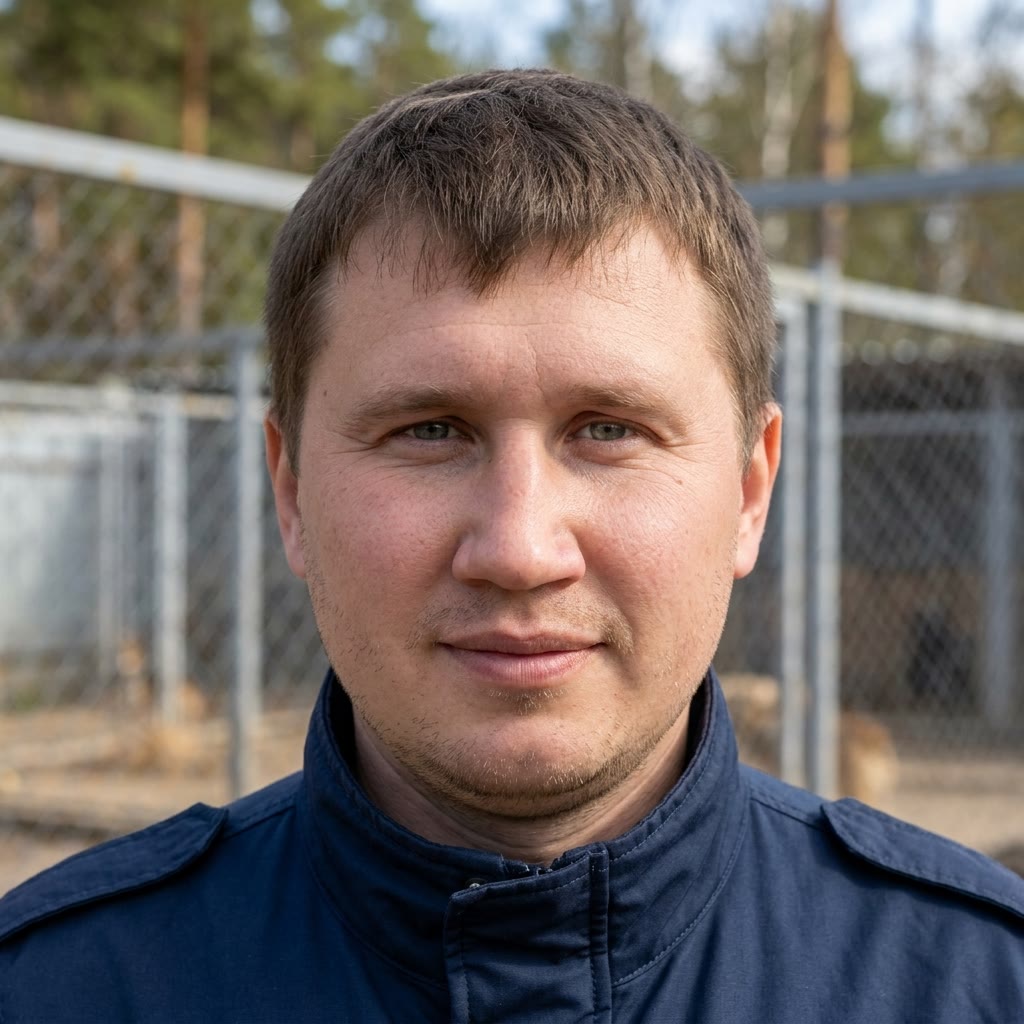
Andrew DarovProfessional dog trainer and instructor
Describe age, living setup, and where the dog breaks first — worry when left alone, pulling on the lead, chasing, or shyness with strangers. Opens WhatsApp to Andrew.
A gentle, elegant British bird dog with a speckled belton coat that needs long-line freedom, patient recall work and regular brushing.
Need a read on your exact situation?
Describe your Welsh Springer Spaniel’s age and the scene that repeats most: worry when left alone, pulling on the lead, chasing, or shyness with strangers. We check safety first, then pick the first skill.
Written by Andrew Darov, professional dog trainer. Not veterinary advice and not a diagnosis.
Not a kennel club. No invented reviews. No vaccine schedules or toxin doses. Photo credits in
/images/breeds/welsh-springer-spaniel-guide/credits.md.