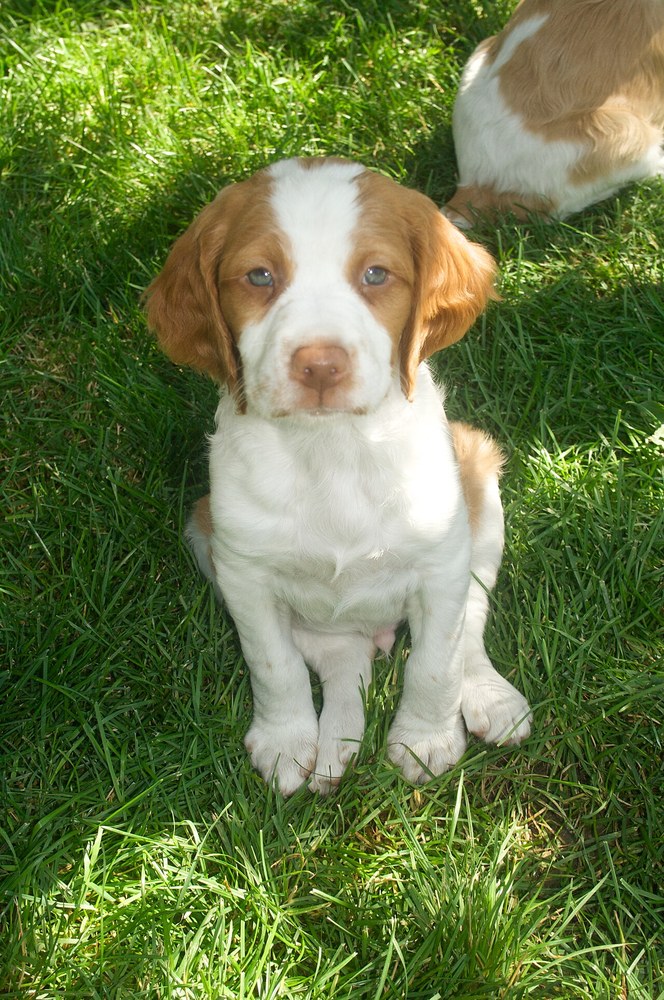
The Brittany is a compact, leggy French bird dog with a short tail and an orange-and-white or liver-and-white coat. Most are quick, keen and sensitive. Life goes well with daily running or field work, long-line recall, kind training and practice being alone.
Job: French pointing and retrieving dog from Brittany.
Energy: High; daily running and field games.
Home: Best with active owners and safe places to run.
Medium dense coat — sheds moderately; weekly brushing
Job
French pointing and retrieving dog from Brittany
Breed history
A compact French bird dog from Brittany
The Brittany comes from the Brittany region of north-west France, where hunters wanted a small, tireless dog that could find and point birds. That job made a quick, keen, sensitive dog with energy to spare.
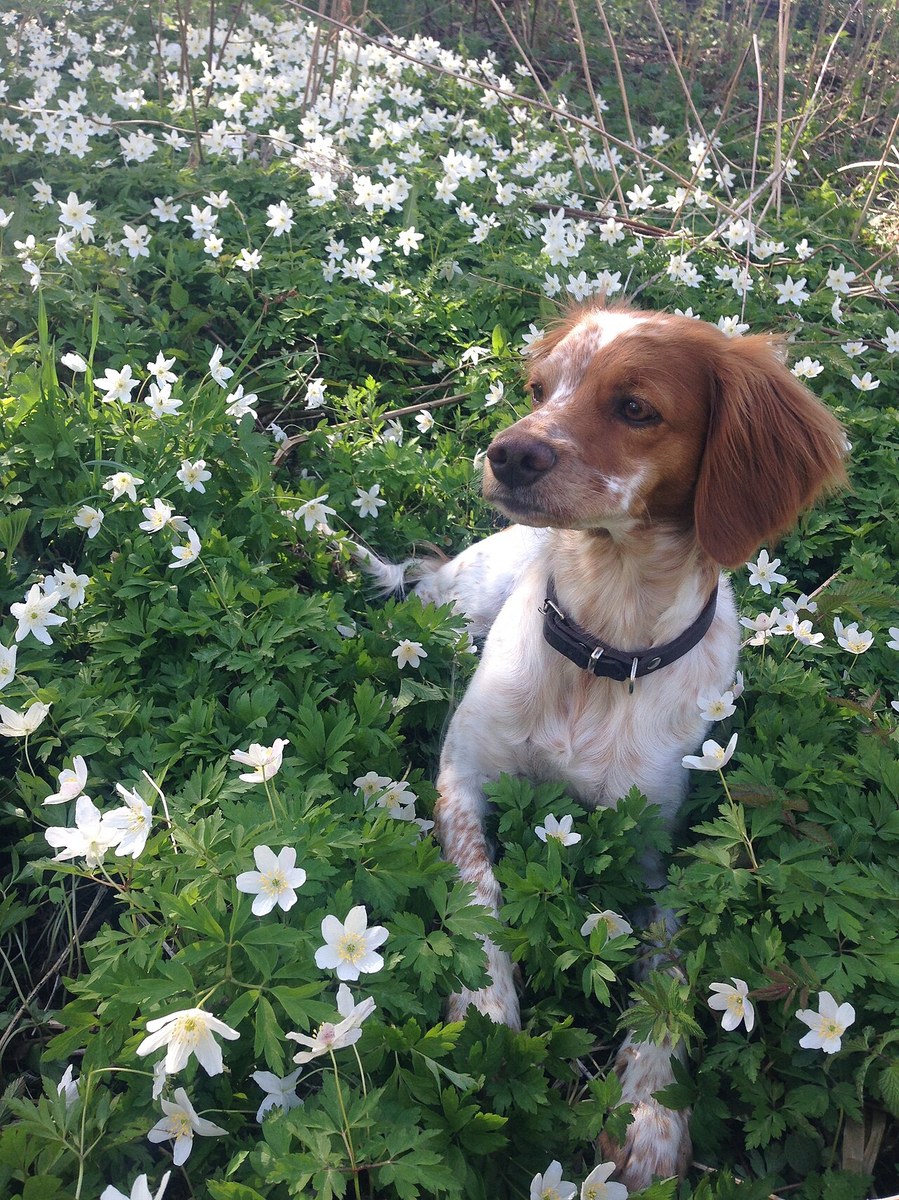
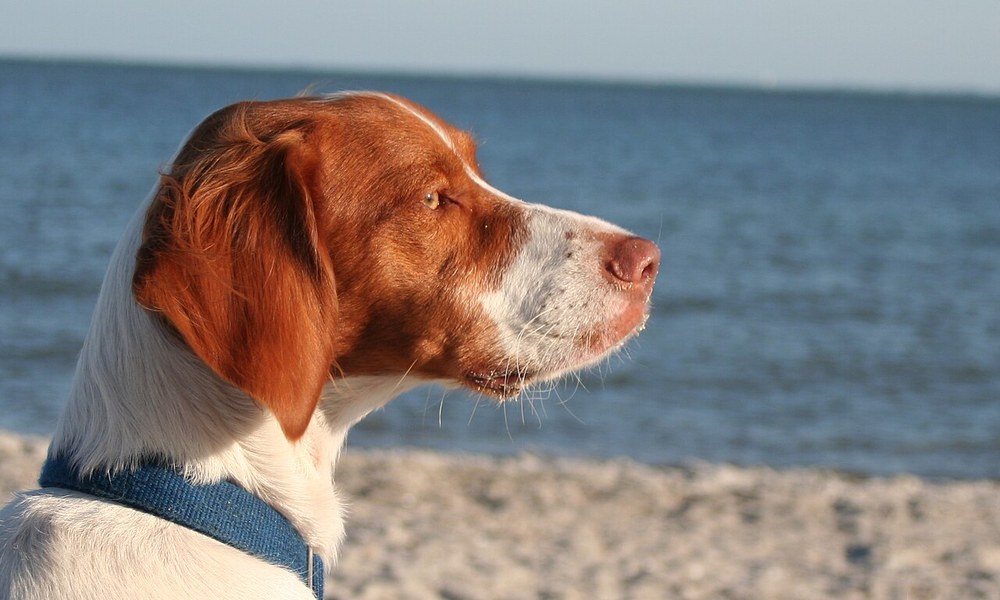
A Brittany among spring flowers (modern photograph). Brittanys love to explore cover with their nose.
Brittany, France → pointing bird dog
Small dog, big field job
Public breed histories describe French farmers and hunters using small spaniel-type dogs that pointed birds rather than just flushing them.
That mix of pointing and retrieving explains the busy brain and the love of running.
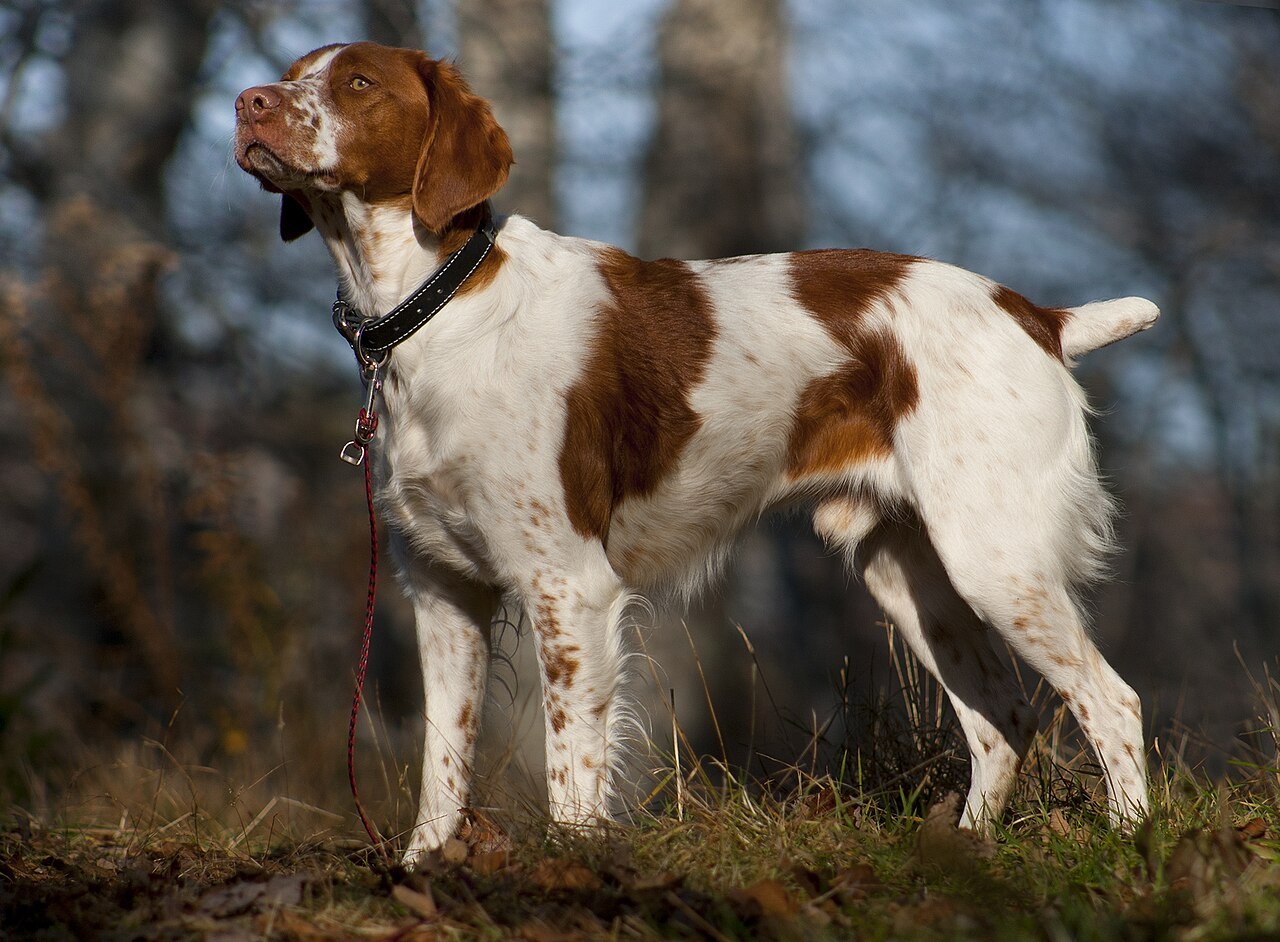
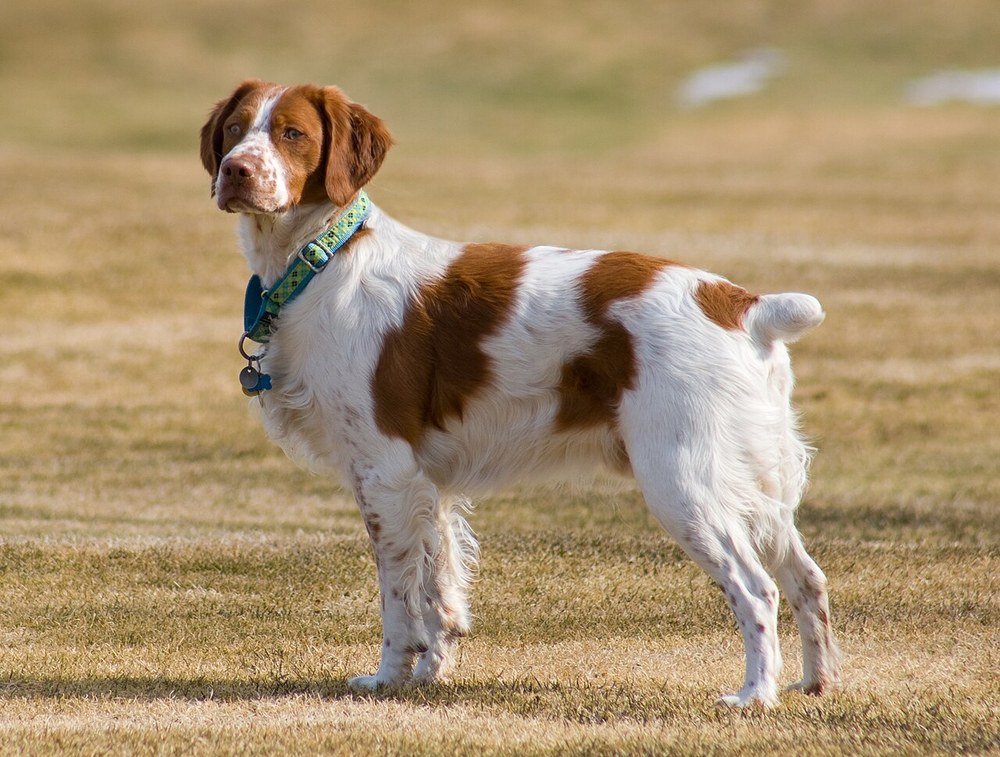
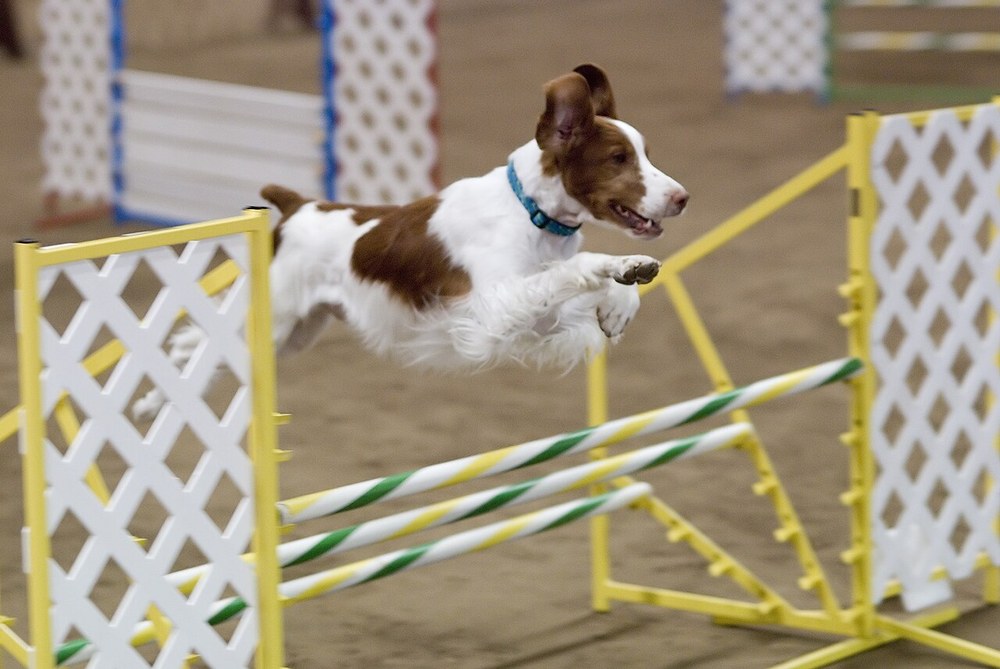
A Brittany in a classic standing pose (modern photograph). Many have a natural short tail.
Field trials → active family homes
Popular with hunters and families
The breed was recognised in France in the early 1900s and later became one of the most common pointing dogs in North America.
Most still have a strong field drive. Meet the parents and see their energy and sensitivity.
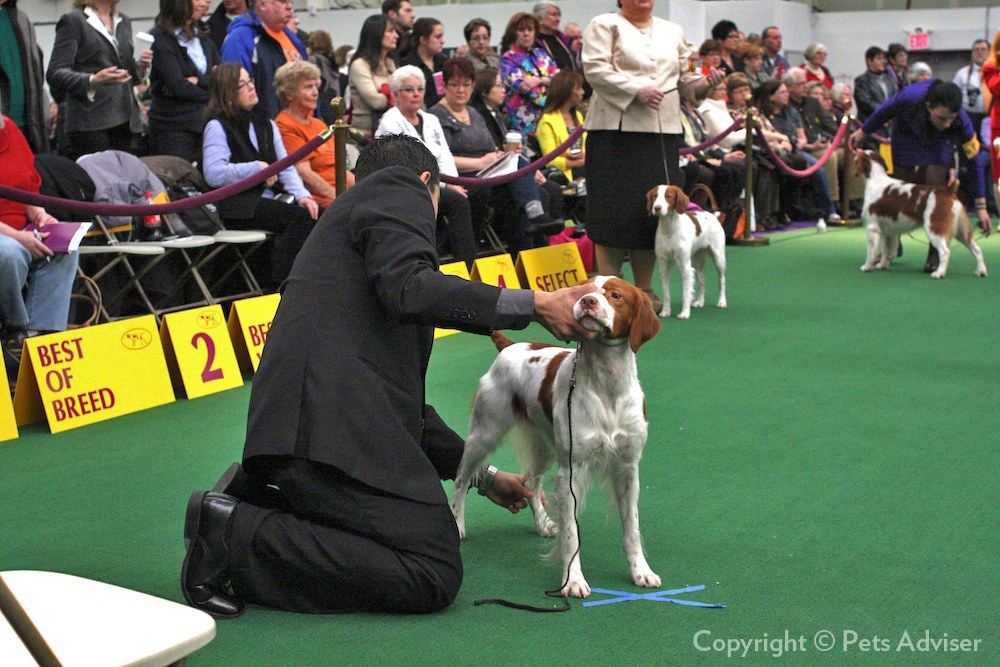
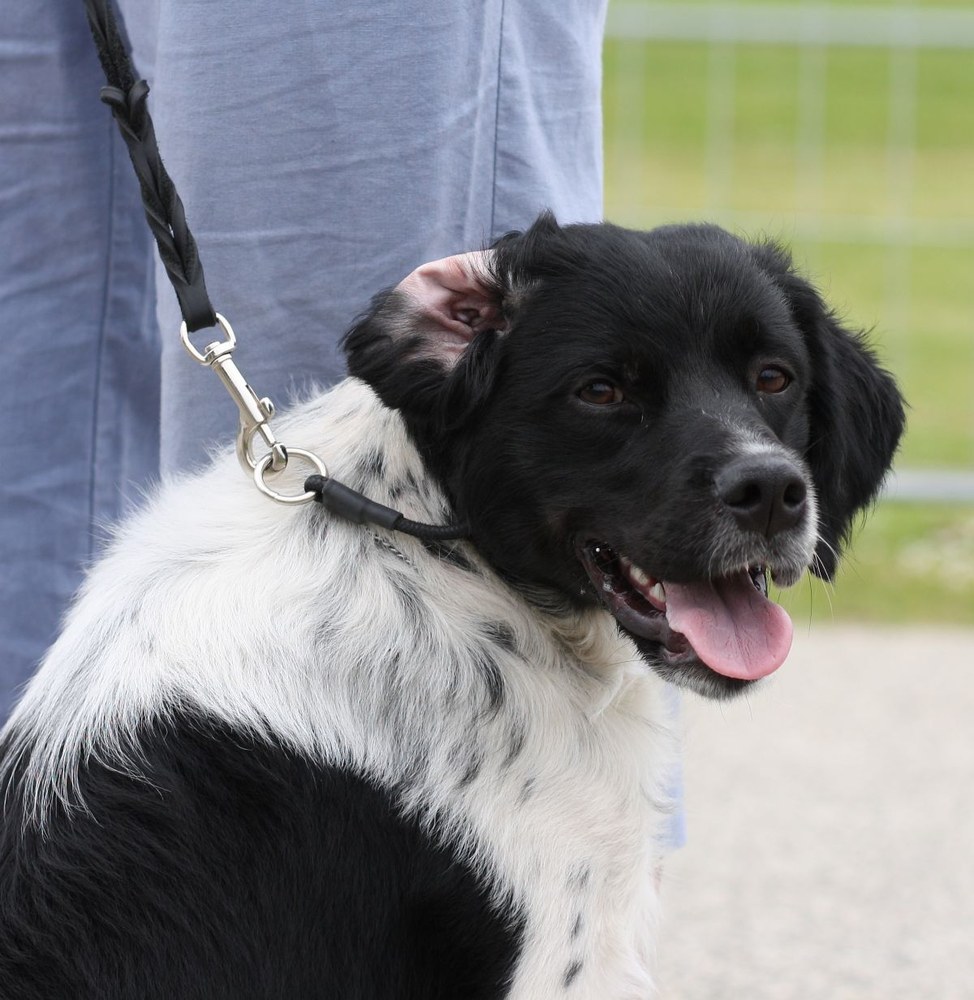
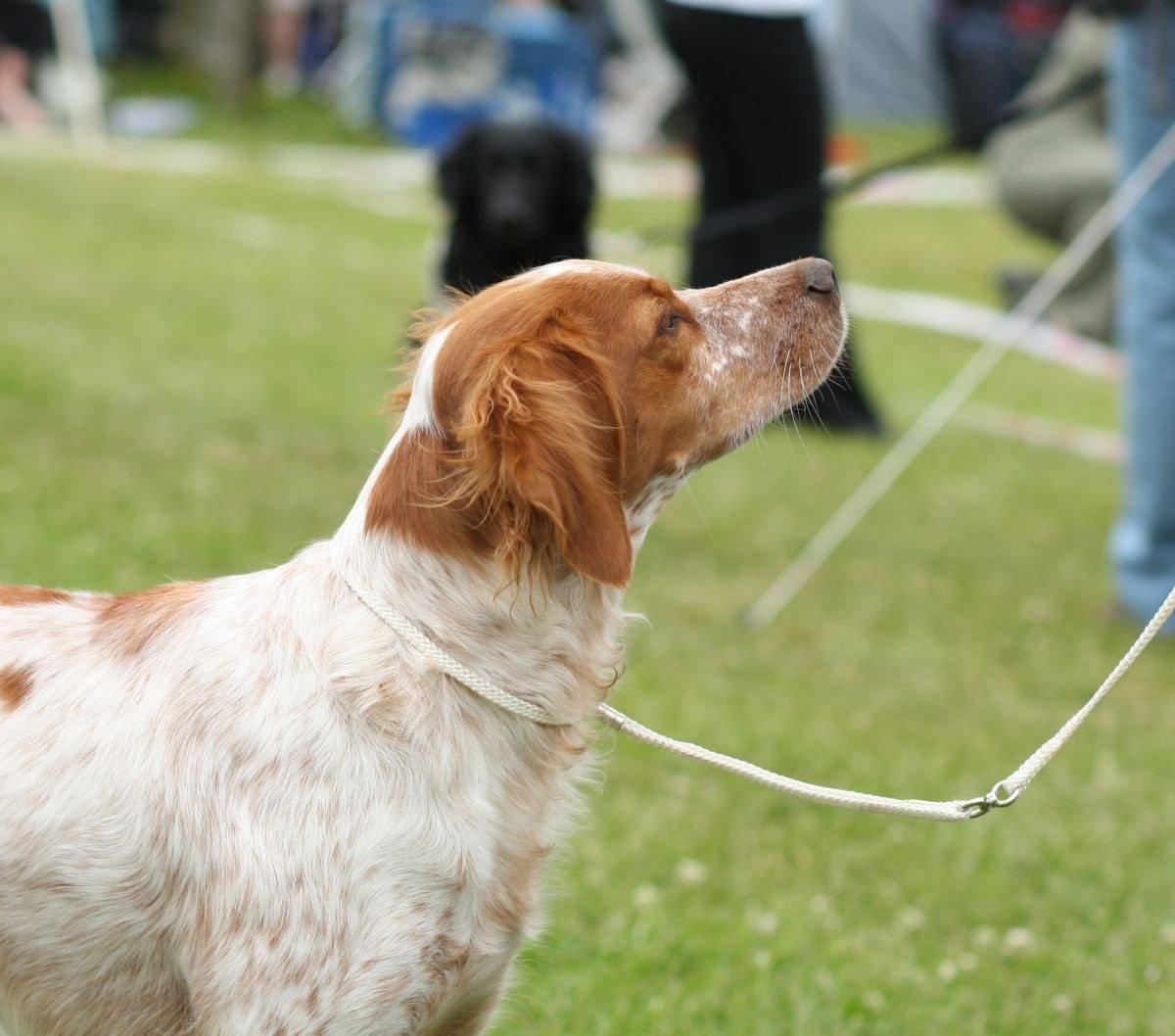
A Brittany in the ring at Westminster (modern photograph). Show and field lines share the same keen mind.
What the breed was bred for
Quick, keen and sensitive
In plain trainer language: Brittanys are happy, eager and soft-hearted. They need plenty to do.
The struggles are restlessness, running off after birds, jumping up and worry when alone. Daily running, recall work and calm training help most.
A trainer’s checklist, not veterinary advice. See a vet for limping, ear smell, cuts on the pads or low energy. For urgent signs, see
when to call the vet.
Ears
Check after walks in long grass for seeds and smell.
Paws
Look for cuts, thorns and sore pads after field runs.
Weight
Keep lean and fit; measure meals.
Coat
Light feathering; brush weekly and check for burrs.
Health screening (not a diagnosis)
Ask the breeder which screenings the national breed club recommends, including hip scores, and see results for both parents.
Toxins
I do not publish toxin amounts. Call a vet or poison-control line if the dog eats something dangerous.
Lines and types
Field and show Brittanys
All Brittanys are bird dogs. Field-bred dogs are often smaller and even busier; show-bred dogs may be a little calmer.
Field-bred
Lighter, very fast.
Strong drive to hunt.
Needs lots of running.
Great for field sports.
Best for very active homes.
Show-bred
Slightly heavier build.
Still keen and busy.
Needs daily exercise.
Same sensitive nature.
Still a sporting dog.
Socialization windows
What to introduce — and what not to overload — by age
AVSAB-aligned in spirit: short, clean exposures at a distance the puppy can still eat,
with hygiene while vaccines finish. See the
puppy socialization schedule.
8–16 weeks
Recall as a game
Introduce: name games, gentle handling, toilet routine, crate naps.
“With a Brittany, I plan the run before the lesson. We build long-line recall, a calm settle and gentle greetings — because a keen bird dog listens best after exercise.”
Sessions cover real scenes: running off after birds, jumping up, restlessness, and worry when left alone. I am a trainer, not a veterinarian. No invented reviews.
Andrew DarovProfessional dog trainer and instructor
Describe age, living setup, and where the dog breaks first — running off after birds, jumping up, restlessness, or worry when left alone. Opens WhatsApp to Andrew.
A cheerful, glossy British retriever that stays playful for years and needs daily exercise, retrieve games and calm greeting practice.
Need a read on your exact situation?
Describe your Brittany’s age and the scene that repeats most: running off after birds, jumping up, restlessness, or worry when left alone. We check safety first, then pick the first skill.
Written by Andrew Darov, professional dog trainer. Not veterinary advice and not a diagnosis.
Not a kennel club. No invented reviews. No vaccine schedules or toxin doses. Photo credits in
/images/breeds/brittany-guide/credits.md.