American Cocker Spaniel: temperament, training & grooming
The American Cocker Spaniel is a small, long-eared spaniel with a rounded head and a full, silky coat. Most are merry, gentle and devoted to their family. Life goes well with daily brushing and ear checks, gentle handling practice, short upbeat training and daily walks.
Job: American bird-flushing spaniel, later a family favourite.
Energy: Moderate; daily walks and play.
Home: Fits many homes with time for grooming and gentle routines.
Long silky coat — sheds; regular brushing, trims and ear care
Job
American bird-flushing spaniel, later a show and family dog
Breed history
From American bird dog to show-ring favourite
The American Cocker Spaniel grew out of English cockers brought to North America. American breeders chose a smaller dog with a rounder head and a fuller coat, and it became one of the best-loved family dogs in the country.
An American Cocker at an agility trial (modern photograph). Many still enjoy a job that uses their quick feet.
England → North America, 1800s
A small flushing spaniel
Public breed histories describe small spaniels used to flush woodcock and quail, which is where the name “cocker” comes from.
In America the type changed until breeders and kennel clubs treated the American and English cockers as separate breeds.
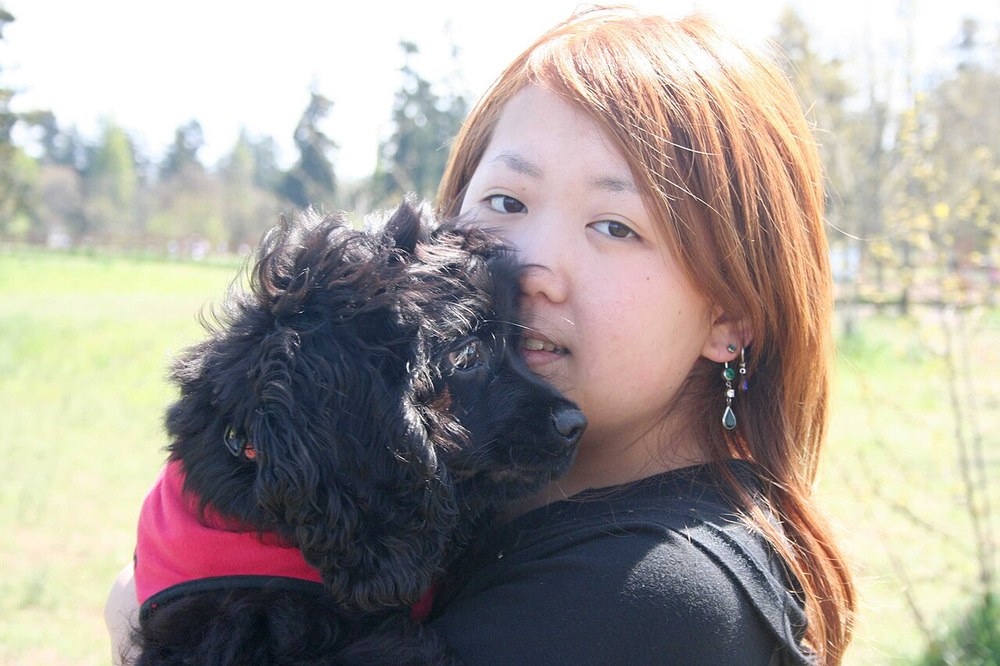
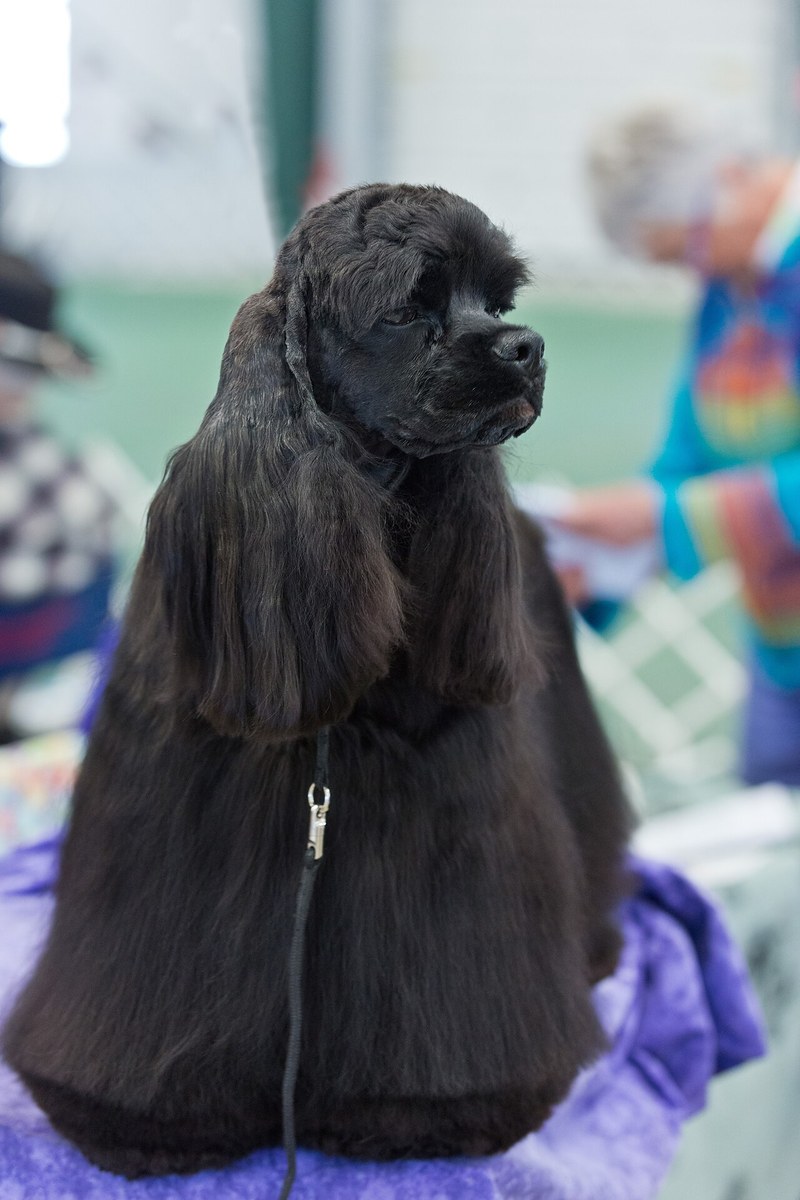
A black American Cocker with its owner (modern photograph). This breed was built for close company as much as for the field.
Field dog → family and show dog
A household name
The American Cocker topped popularity lists for years in the mid 20th century and is still a common family dog.
Popularity brought a wide range of temperaments. Meet the parents and see how they handle touch and visitors.
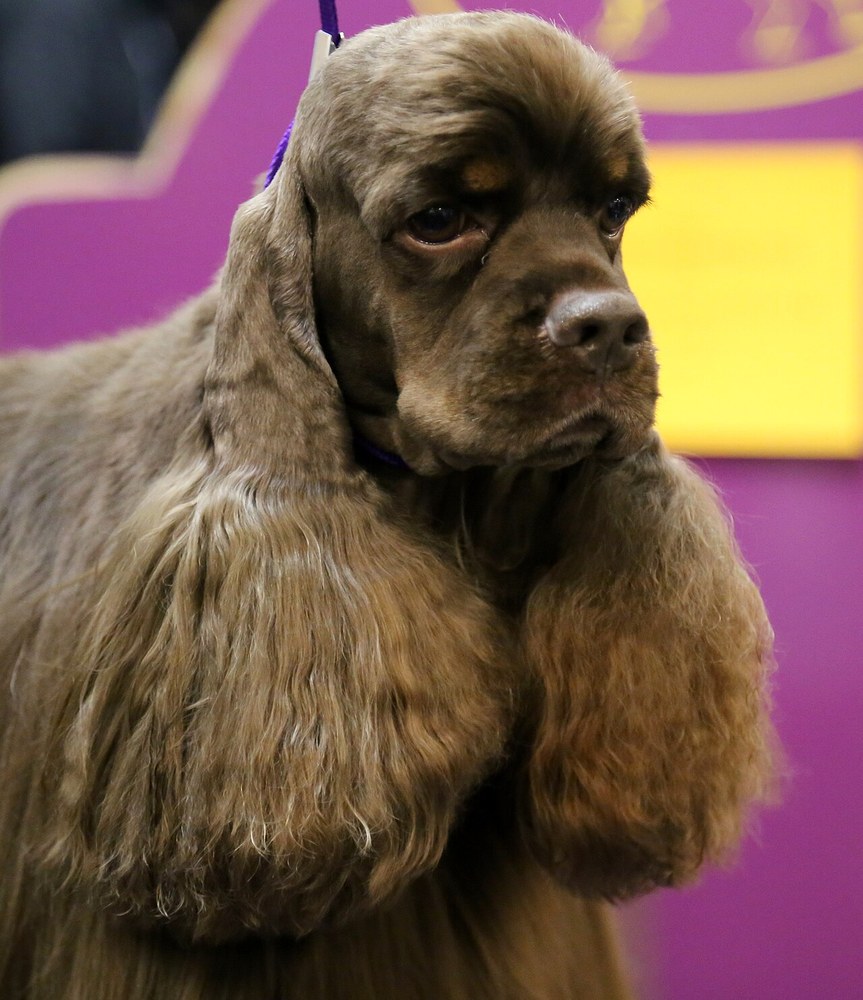
A chocolate American Cocker at a show (modern photograph). The long ear feathering takes daily care.
What the breed was bred for
Merry, gentle and people-focused
In plain trainer language: most American Cockers are cheerful, soft-natured and very attached to their people.
The hard parts are coat and ear care, touch sensitivity, guarding food or toys and barking. Gentle handling practice and a grooming routine help most.
A trainer’s checklist, not veterinary advice. See a vet for smelly or red ears, eye discharge, itching or low energy. For urgent signs, see
when to call the vet.
Ears
Check and dry the long ears weekly; notice smell or head shaking.
Eyes
Wipe gently; see the vet for redness or cloudiness.
Coat
Brush most days; professional trim every 6–8 weeks.
Weight
Measure food; cockers love snacks.
Health screening (not a diagnosis)
Ask the breeder which screenings the national breed club recommends, including eye checks, and see results for both parents.
Toxins
I do not publish toxin amounts. Call a vet or poison-control line if the dog eats something dangerous.
Lines and types
Solid, black and tan, or parti-colour
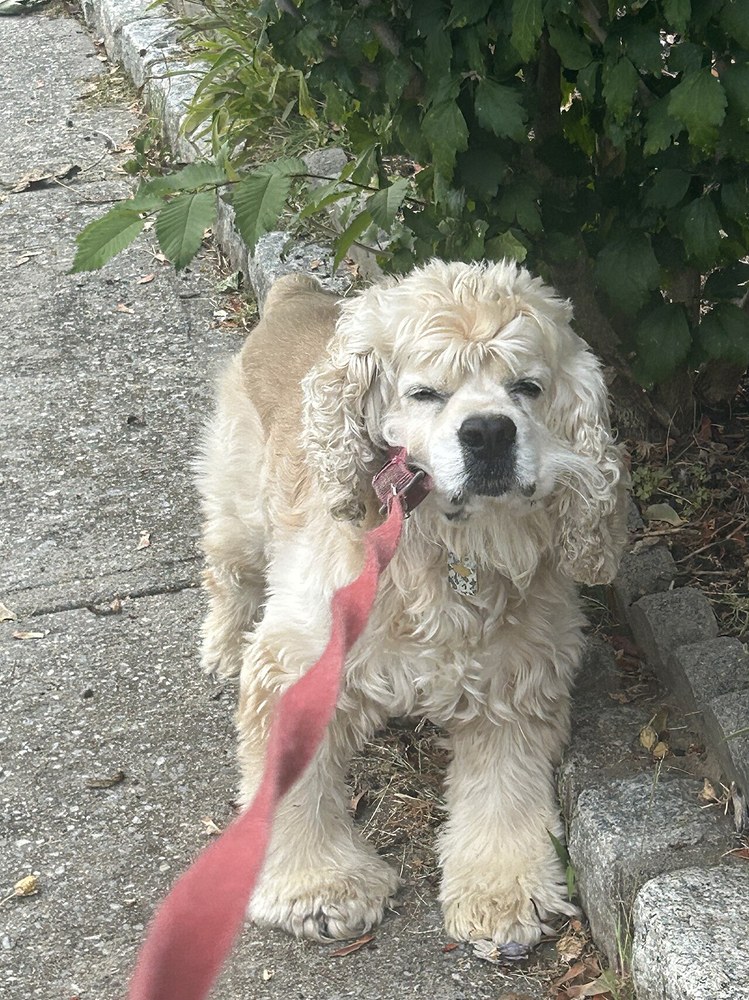
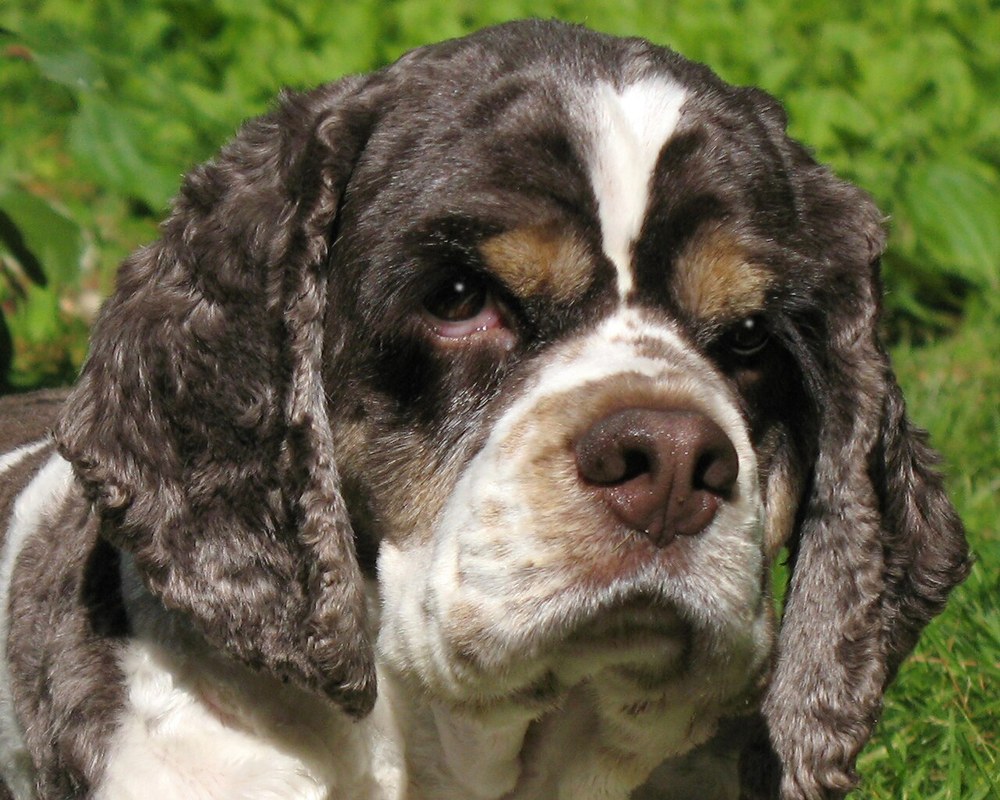
American Cockers come in black, buff, chocolate and other solid colours, black and tan, and parti-colours with white.
Solid colours
Black, buff, red or chocolate.
Same long, silky coat.
Daily brushing.
Same needs.
The classic one-colour look.
Parti-colour
White with patches or roan.
Same coat care.
Daily brushing.
Same needs.
A patched, cheerful look.
Socialization windows
What to introduce — and what not to overload — by age
AVSAB-aligned in spirit: short, clean exposures at a distance the puppy can still eat,
with hygiene while vaccines finish. See the
puppy socialization schedule.
8–16 weeks
Grooming as a game
Introduce: brush, ears and paws in tiny sessions; toilet routine.
Do not overload: forcing a wriggling puppy.
~5–7 months
Trades and greetings
Introduce: swap games for toys, calm greetings, short absences.
Do not overload: snatching items away.
~9–12 months
First trims
Introduce: grooming table, lead walking, scent games.
Do not overload: mats behind the ears.
~1.5 years
Adult routine
Introduce: regular trims, longer walks, agility or tricks.
Do not overload: extra snacks.
2 years+
Gentle adult
Introduce: refreshed handling and trades.
Do not overload: skipped ear checks.
Before you buy
Who an American Cocker Spaniel usually fits
An American Cocker suits people who want a gentle, affectionate small dog and enjoy regular grooming.
Good match
More likely a good fit if you…
Want a sweet family companion
Will brush most days
Can book regular trims
Enjoy short daily walks
Like a soft, people-focused dog
Mismatch risk
An American Cocker Spaniel may be a poor choice if…
Grooming time is short
Rough play is common at home
You want a tough, hardy outdoor dog
Long hours alone are routine
Ear care sounds like a chore
If you are torn between breeds
American Cocker Spaniel vs English Cocker Spaniel and Cavalier King Charles Spaniel
American Cockers are compared with English Cockers and Cavaliers.
Head and size
American Cocker Spaniel
Smaller, rounded head.
English Cocker Spaniel
Taller, longer muzzle.
Field drive
American Cocker Spaniel
Modest.
English Cocker Spaniel
Often stronger.
Coat
American Cocker Spaniel
Very full, long.
Cavalier King Charles Spaniel
Silky, lighter.
Grooming
American Cocker Spaniel
Professional trims.
Cavalier King Charles Spaniel
Mostly brushing.
With people
American Cocker Spaniel
Affectionate.
Both compares
Both very people-focused.
Ownership without surprises
What an American Cocker costs to keep
Prices vary by country. These are the spending themes, not figures.
Grooming
Trims every 6–8 weeks.
Ear care
Cleaner and vet checks.
Health checks
Ask which screenings the national breed club recommends.
Brushes and combs
Slicker, comb and snood.
Training
Puppy and manners classes.
Insurance
Consider it early.
With an American Cocker, the coat is the biggest steady cost.
Before day one at home
What to prepare for an American Cocker Spaniel puppy
An American Cocker puppy is soft and playful. Gentle handling and grooming games come first.
“With an American Cocker, I make grooming and handling a game. We build relaxed touch, happy trades and quiet at the door — because a soft dog needs kind routines.”
Sessions cover real scenes: guarding toys, dislike of grooming, barking at the door, and stealing socks. I am a trainer, not a veterinarian. No invented reviews.
Andrew DarovProfessional dog trainer and instructor
Describe age, living setup, and where the dog breaks first — guarding toys, dislike of grooming, barking at the door, or stealing socks. Opens WhatsApp to Andrew.
A cheerful, glossy British retriever that stays playful for years and needs daily exercise, retrieve games and calm greeting practice.
Need a read on your exact situation?
Describe your American Cocker Spaniel’s age and the scene that repeats most: guarding toys, dislike of grooming, barking at the door, or stealing socks. We check safety first, then pick the first skill.
Written by Andrew Darov, professional dog trainer. Not veterinary advice and not a diagnosis.
Not a kennel club. No invented reviews. No vaccine schedules or toxin doses. Photo credits in
/images/breeds/american-cocker-spaniel-guide/credits.md.